Logical thinking Sight Words Worksheets for Ages 3-7
3 filtered results
Difficulty Level
Grade
Age
-
From - To
Subject
Activity
Standards
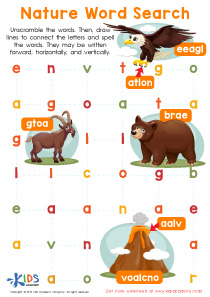
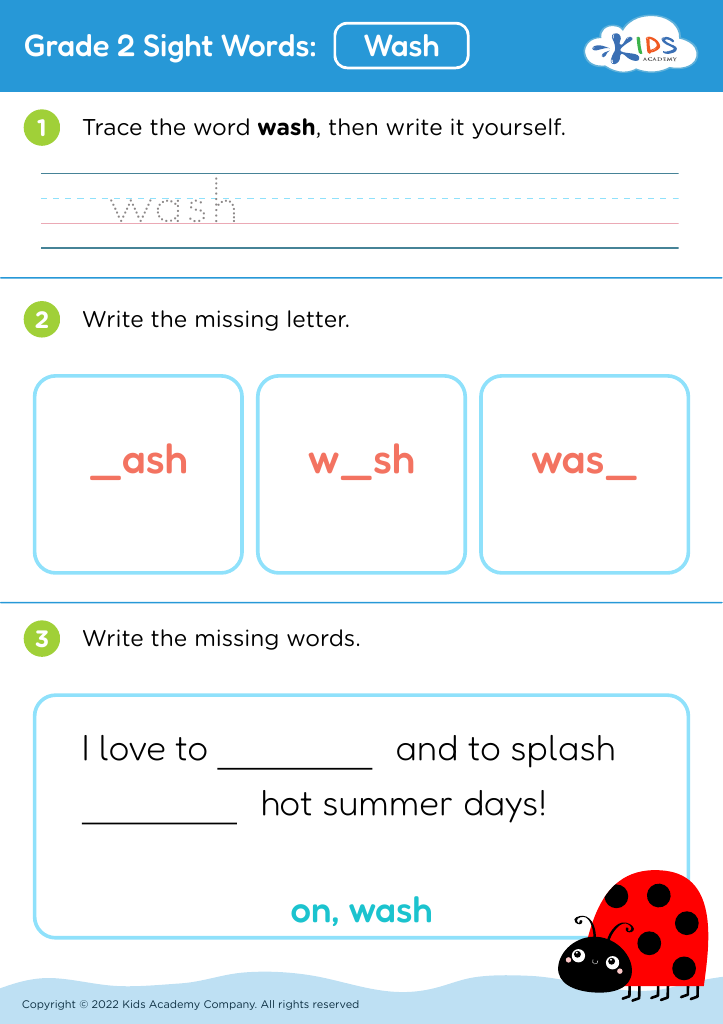
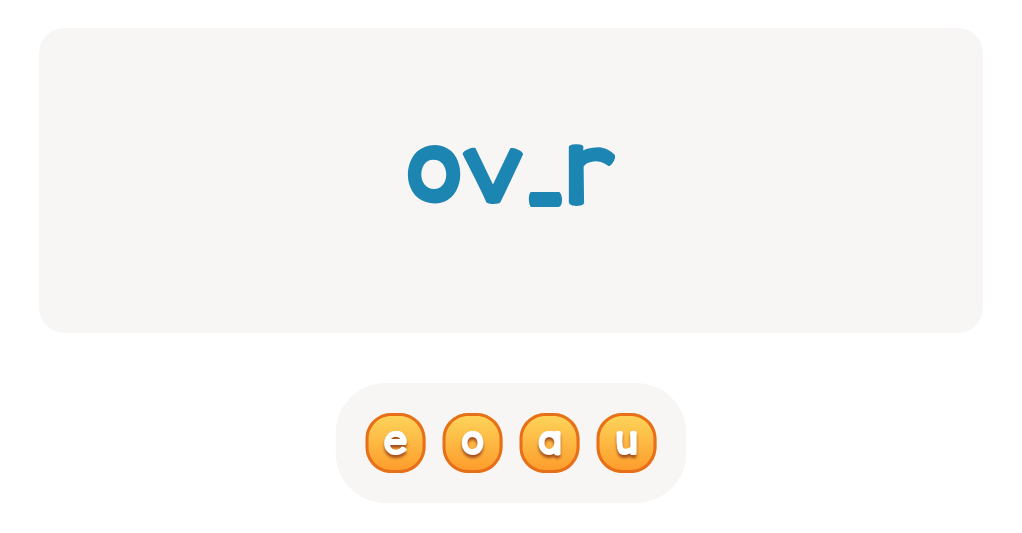
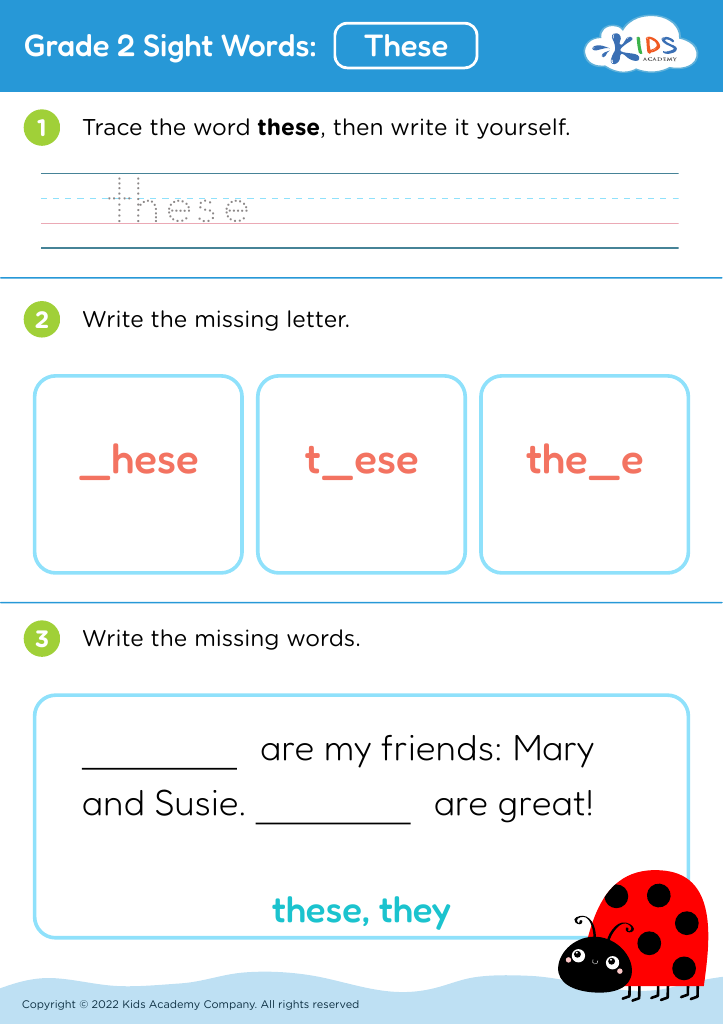
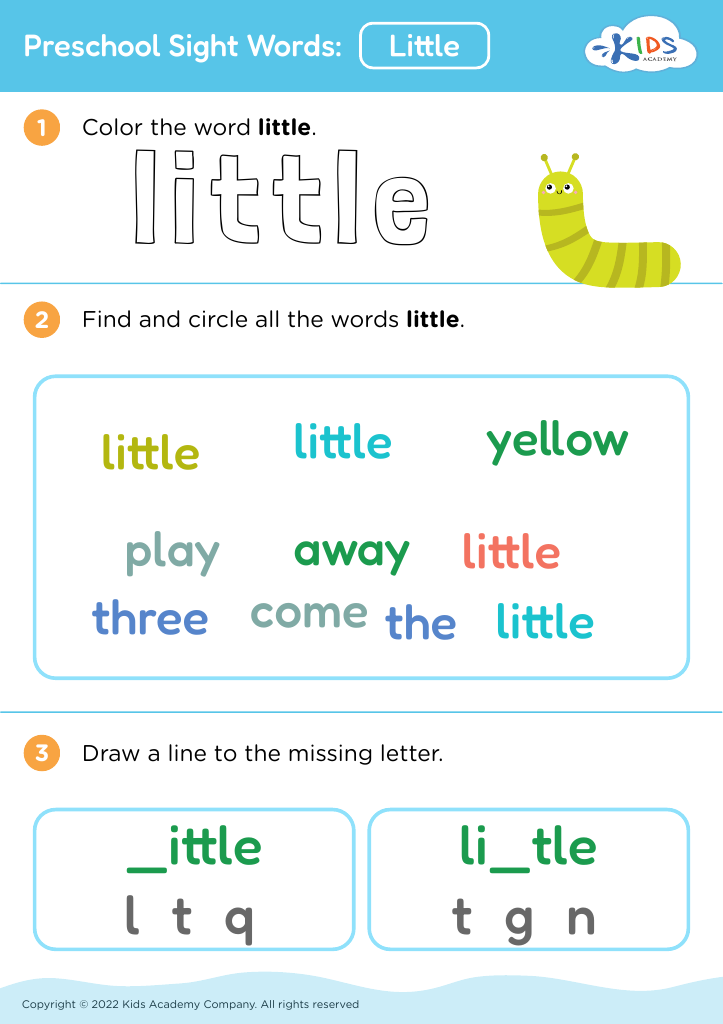
Enhance your child’s cognitive development with our “Logical Thinking Sight Words Worksheets for Ages 3-7.” Our well-crafted worksheets blend sight word recognition with engaging logical thinking exercises tailored for young minds. These activities encourage critical thinking, problem-solving, and literacy skills effortlessly. Through fun and educational tasks, children will learn to identify and use high-frequency words in context, boosting both their reading and analytical abilities. Ideal for preschoolers and early grade students, our worksheets ensure an enjoyable learning experience that lays a strong foundation for future academic success. Explore our resources at Kids Academy and watch your child flourish!
Favorites
With answer key
Interactive






Join Kids Academy for Free
Who is primarily going to use this learning content?








Parents and teachers should invest time in introducing logical thinking and sight words to children aged 3-7 because these foundational skills are critical for early cognitive development and literacy. Logical thinking involves the ability to reason, form judgements, and make decisions based on information presented. By developing logical thinking skills from a young age, children learn how to problem-solve, understand cause and effect, and apply critical thinking in various contexts. This fosters a deeper comprehension of their surroundings and prepares them for more complex cognitive tasks in later years.
Sight words, on the other hand, are common words that children are encouraged to recognize instantly without having to phonetically decode them, which greatly aids reading fluency. These words often do not follow standard phonetic patterns and are frequently encountered in texts, making quick recognition essential for smooth, unimpeded reading. Mastery of sight words boosts reading confidence and frees cognitive resources, allowing young readers to focus on comprehension rather than decoding each word.
Together, logical thinking and sight words provide a strong foundation for academic success. Logical thinking equips children with essential problem-solving skills, while familiarity with sight words enhances their reading ability, paving the way for lifelong learning and intellectual curiosity. Parents and teachers play a crucial role in nurturing these skills during the formative early years.