Enhancing reading skills Animals Worksheets for Ages 3-7
3 filtered results
Difficulty Level
Grade
Age
-
From - To
Subject
Activity
Standards
Welcome to our "Enhancing Reading Skills: Animals Worksheets for Ages 3-7"! This resource offers engaging, age-appropriate worksheets designed to bolster early reading skills through the captivating world of animals. Each activity focuses on vocabulary development, comprehension, and phonics, allowing young learners to explore diverse animal species while strengthening their literacy. Ideal for parents and educators alike, these worksheets blend learning with fun, encouraging children to read and connect with nature. Easy to print and integrate into your teaching routine, our worksheets cultivate a love for reading while nurturing a curiosity about animals. Dive in and watch your child’s reading confidence soar!
Favorites
With answer key
Interactive
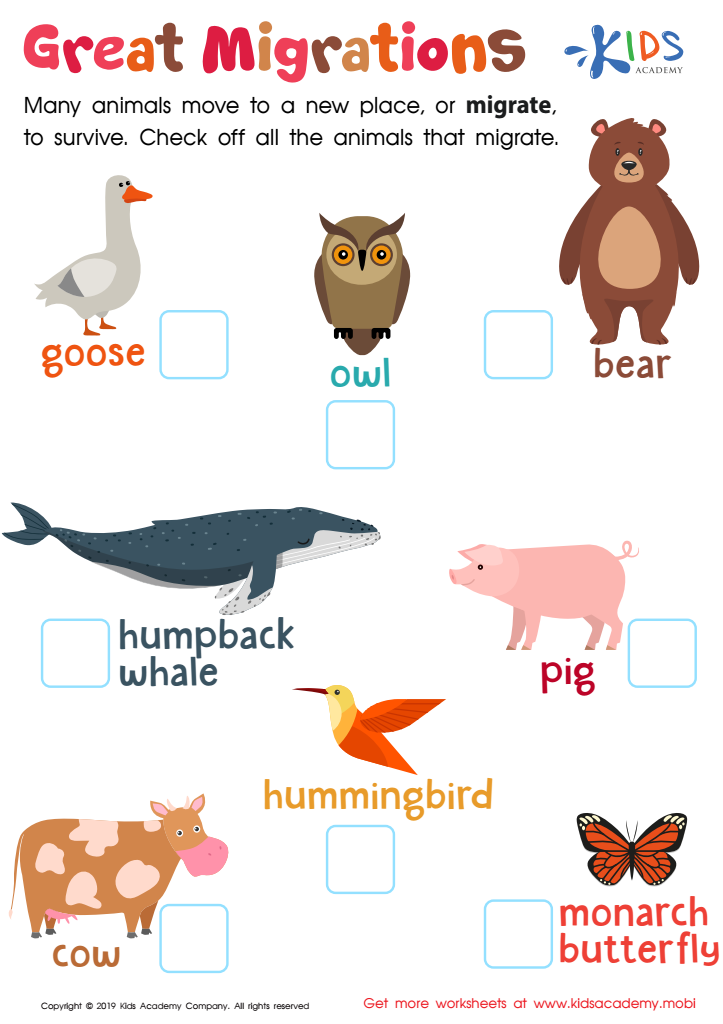
Great Migrations Worksheet
Identify animals in the worksheet with your kids. See which ones migrate: check the boxes! Migration is when birds and other animals only appear for certain seasons or long periods, then come back when the weather changes.
 Assign to My Students
Great Migrations Worksheet
Worksheet
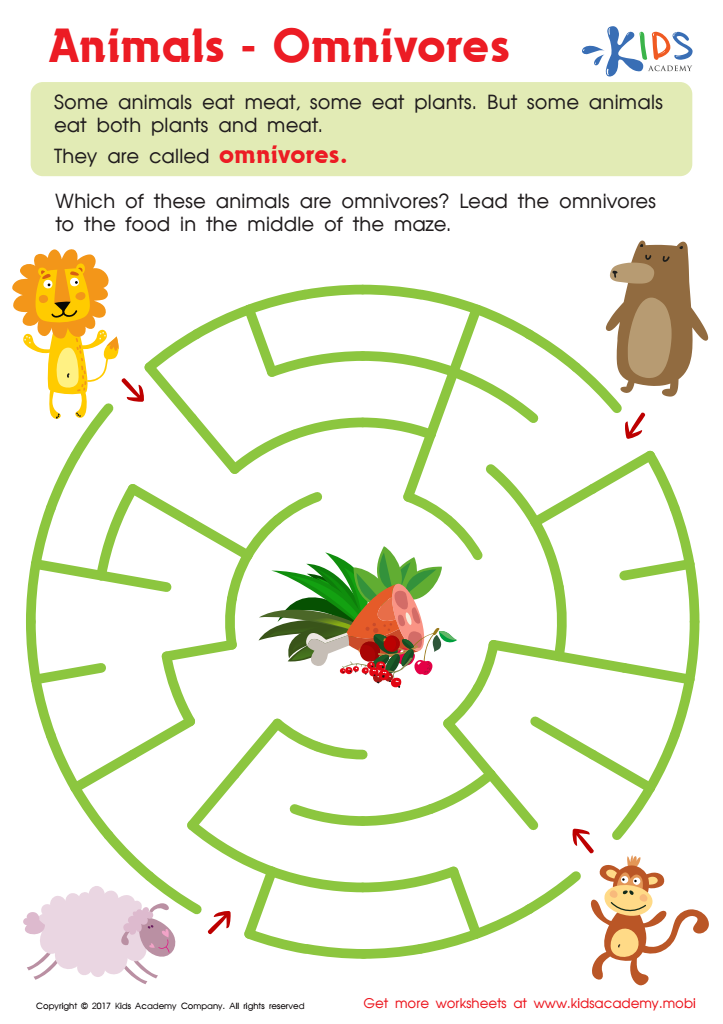
Omnivores Animals Worksheet
Kids can explore omnivores animals with this worksheet! It presents herbivores, carnivores and omnivores, with the main activity being a maze. Kids must guide a bear through it to get to its food. See how much they know about omnivores!
Omnivores Animals Worksheet
Worksheet
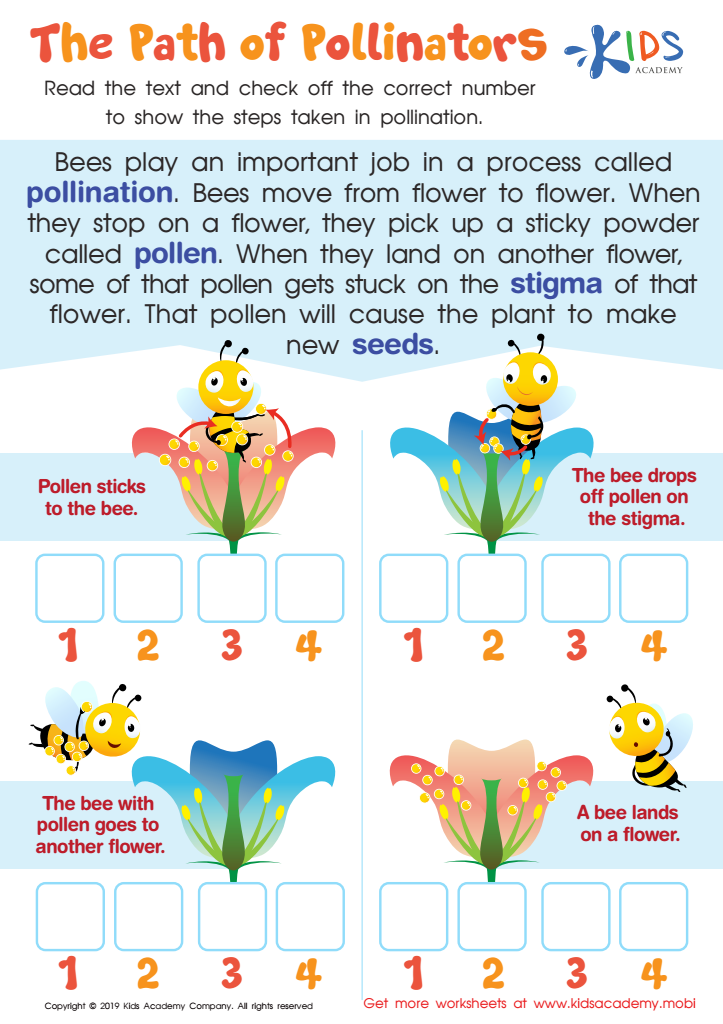
The Path of Pollinators Worksheet
Bees play a vital role in pollination: they transfer pollen between flowers, allowing them to produce new seeds. Without bees, we'd have less flowers and vegetation. Explain the process to your students and have them check off the right number to show the steps in pollination.
The Path of Pollinators Worksheet
Worksheet
Join Kids Academy for Free
Who is primarily going to use this learning content?



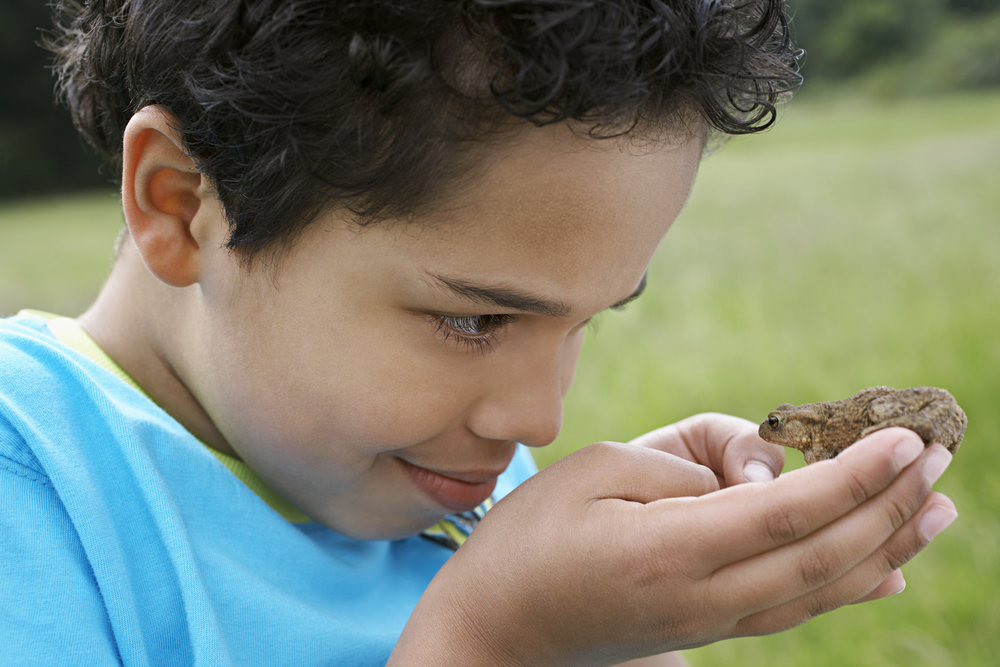




Enhancing reading skills in children aged 3-7, particularly through the theme of animals, is crucial for several reasons. At this developmental stage, children are in a prime position to develop foundational literacy skills, which serve as the building blocks for future academic success. Utilizing animal themes captures their natural curiosity and imagination, making reading more engaging and enjoyable.
Early exposure to reading not only sharpens vocabulary and comprehension, but it also fosters critical thinking and social-emotional development. Books about animals can introduce children to concepts of empathy, nurturing, and environmental awareness, connecting them to the world around them. These stories often present lessons in friendship, cooperation, and problem-solving.
Moreover, enhancing reading skills helps improve concentration and listening abilities, essential skills for future learning. When parents or teachers actively participate in reading, they create a supportive environment that encourages a lifelong love of literature. By fostering these skills early on, we enable children to express themselves articulate and confidently, setting them on a path of academic achievement and holistic development. In summary, promoting reading through engaging animal-themed stories is both a fun and effective method to support early literacy in young learners.