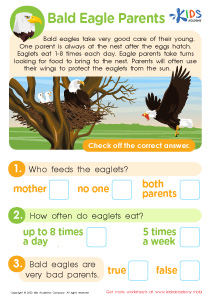
Plant identification Plants Worksheets for Ages 3-7
5 filtered results
-
From - To
Discover our engaging "Plant Identification Worksheets" designed specifically for children ages 3 to 7! These colorful, interactive worksheets help young learners explore the fascinating world of plants while enhancing their observation skills. Each activity encourages kids to identify various plants, understand their parts, and recognize their functions through fun exercises, like matching, labeling, and coloring. Perfect for home or classroom use, these worksheets support early science education and foster a love for nature. Watch as your child blossoms into a curious botanist while developing vital skills that lay the foundation for lifelong learning! Explore our plant worksheets today!
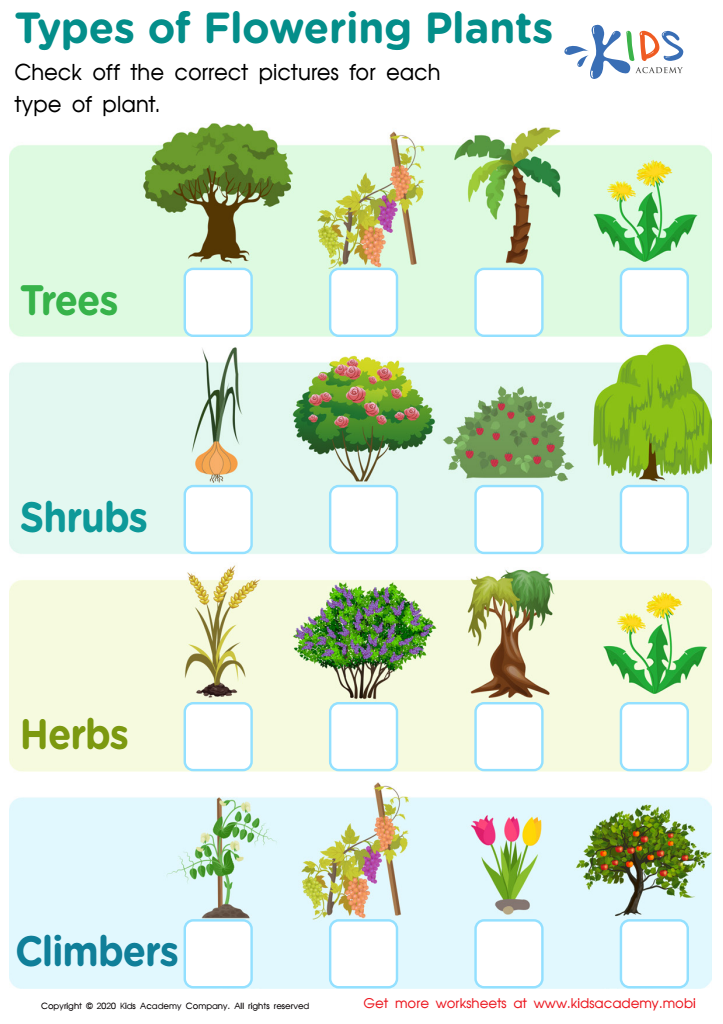
Types of Flowering Plants Worksheet
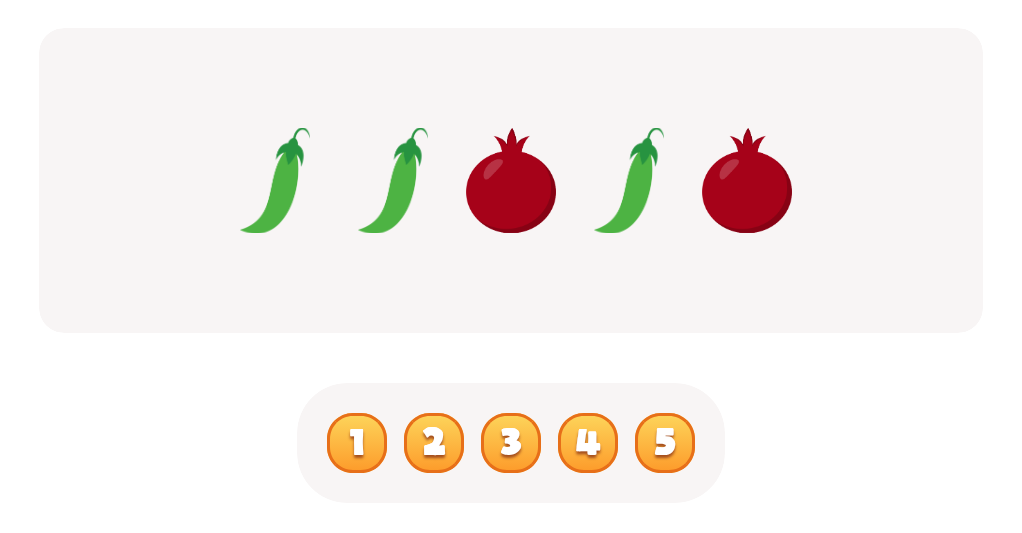

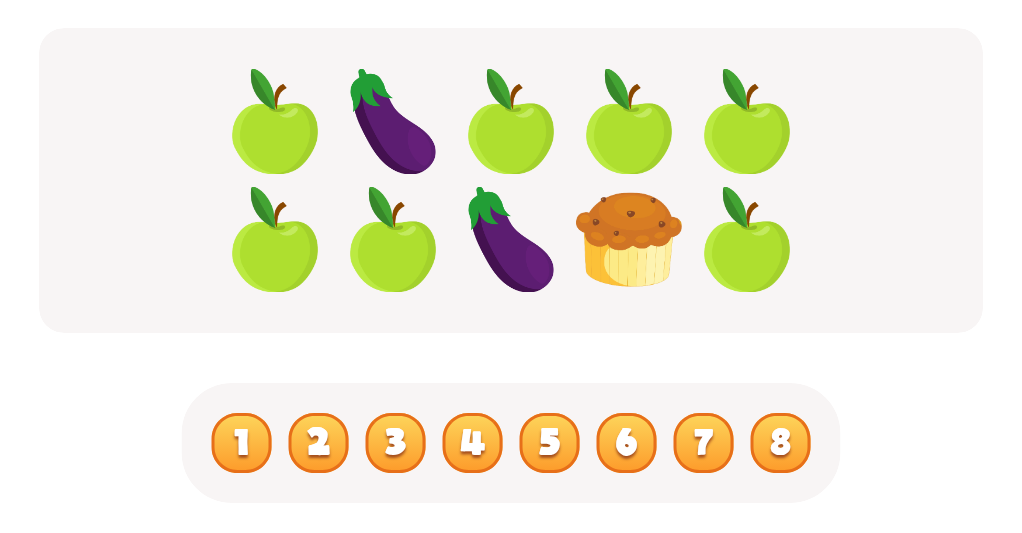
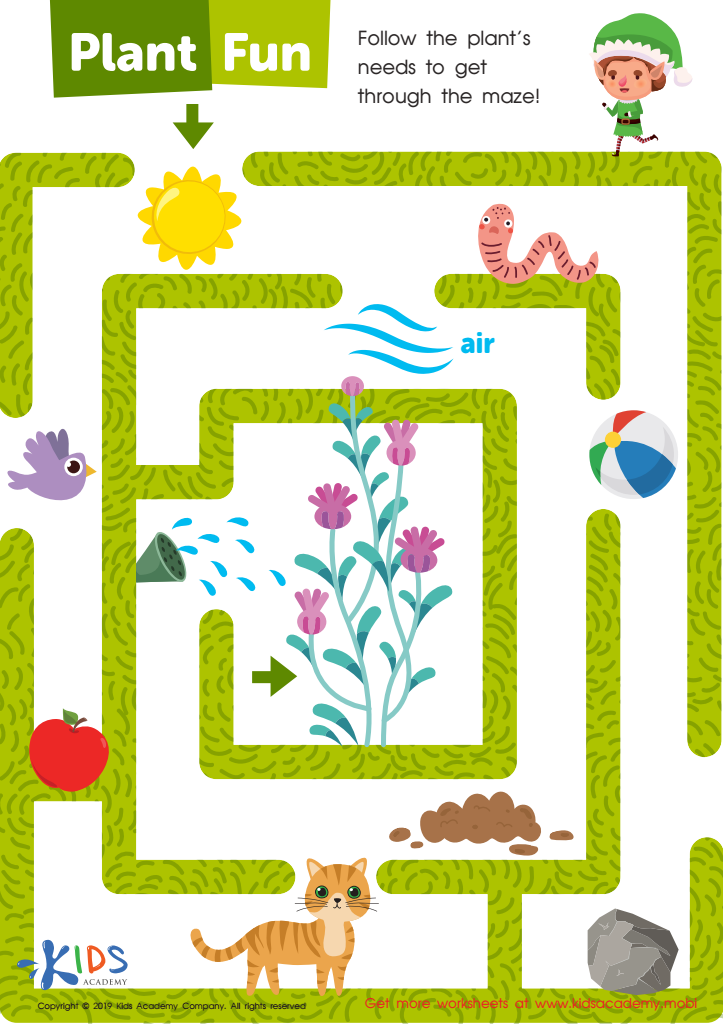
Plant Fun Worksheet
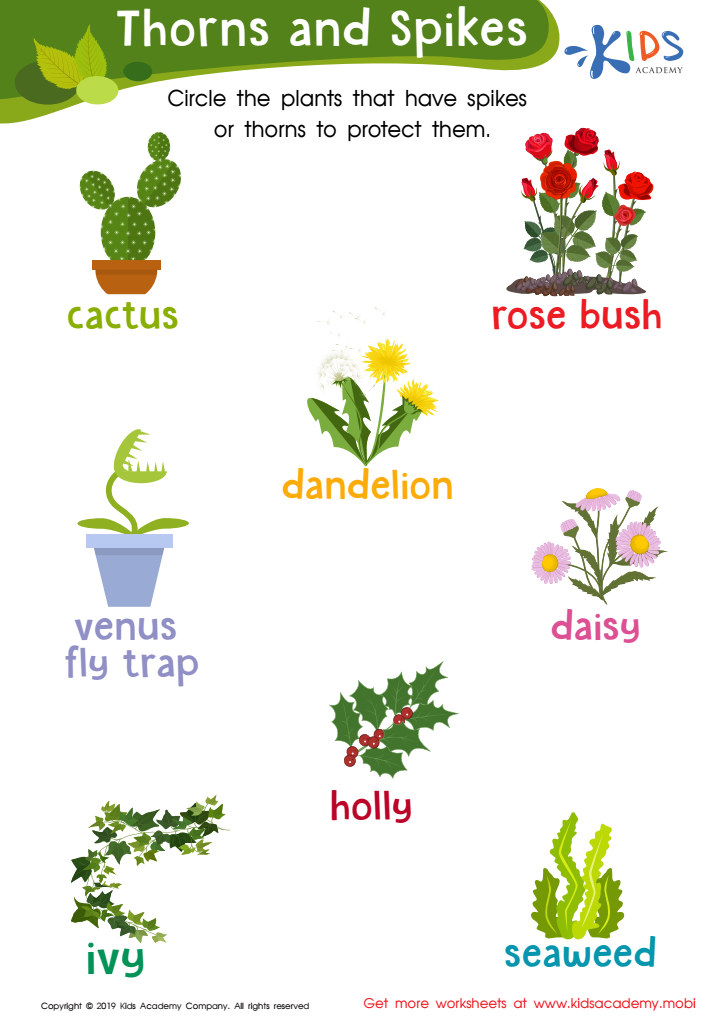
Thorns and Spikes Worksheet
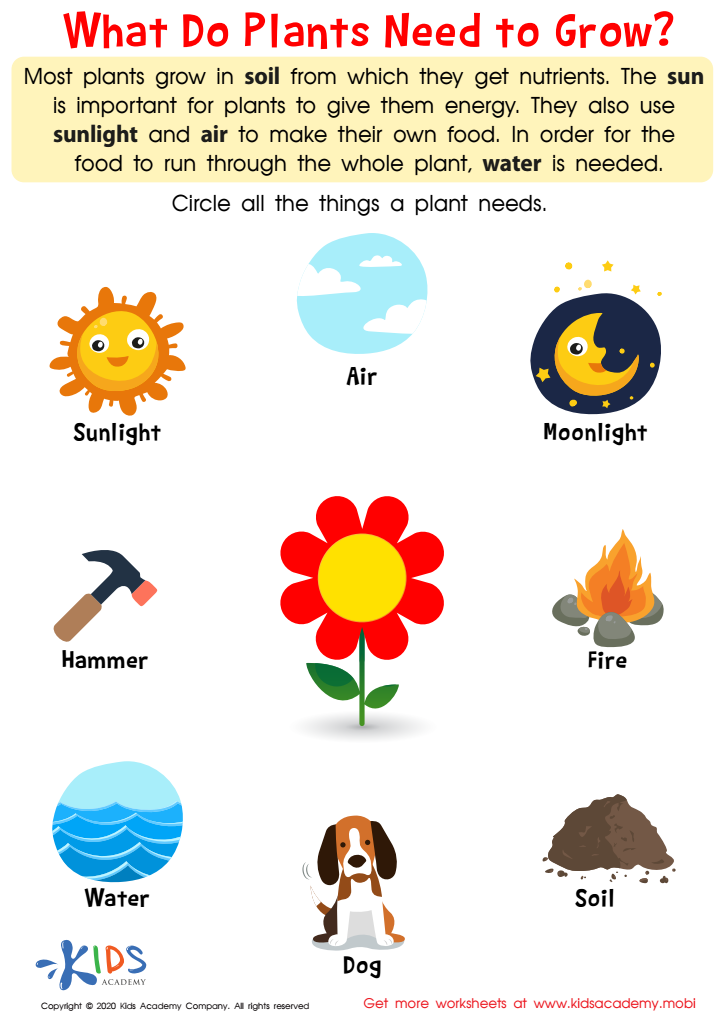
What Do Plants Need to Grow Worksheet
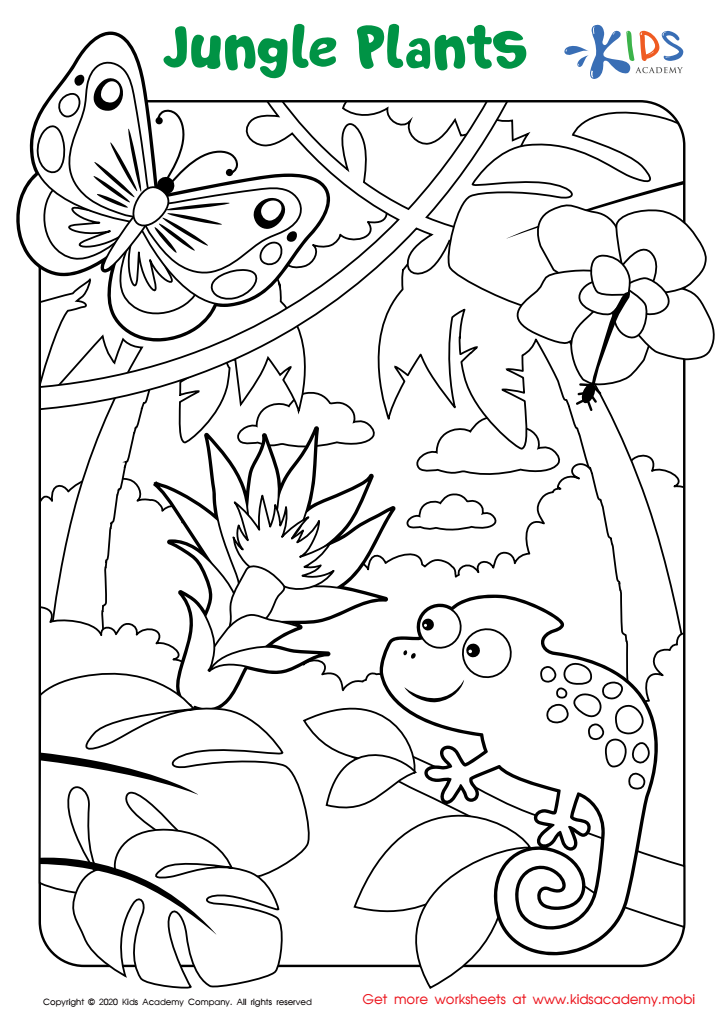
Jungle Plants Worksheet
 Assign to My Students







Plant identification is an engaging and educational activity for children aged 3-7, offering numerous benefits that parents and teachers should care about. Firstly, it fosters a connection with nature, nurturing a sense of curiosity and encouraging outdoor exploration. By learning to identify different plants, young children gain an understanding of their environment, promoting respect and appreciation for the natural world.
Furthermore, plant identification enhances cognitive skills through observation, categorization, and critical thinking. Children learn to distinguish between various species, enriching their vocabulary and enhancing their language development. Activities that involve recognizing patterns, colors, and shapes in plants also support mathematical skills and improve hand-eye coordination.
Engaging with plants can promote emotional well-being, too. Gardening or caring for plants can instill responsibility and patience, while nurturing helps develop empathy and a sense of accomplishment. Additionally, discussing the importance of plants in our lives introduces concepts of biology, ecology, and sustainability at an early age, laying a foundation for future environmental awareness.
Overall, plant identification can be a fun and educational tool for parents and teachers, promoting holistic development and fostering important life skills in young children.