Fine Motor Skills Community Worksheets for Ages 3-7
3 filtered results
-
From - To
Unlock your child’s potential with our Fine Motor Skills Community Worksheets, designed specifically for ages 3-7! Our engaging and educational resources help young learners refine their hand-eye coordination and dexterity through a range of fun activities. Engage your child with tracing exercises, cutting activities, and interactive challenges that promote curiosity and creativity. Perfect for home or classroom use, these worksheets make learning enjoyable while fostering essential skills in your little one. Empower your child’s growth and confidence with our carefully crafted materials. Visit us today and explore the fun of learning fine motor skills within a vibrant community!
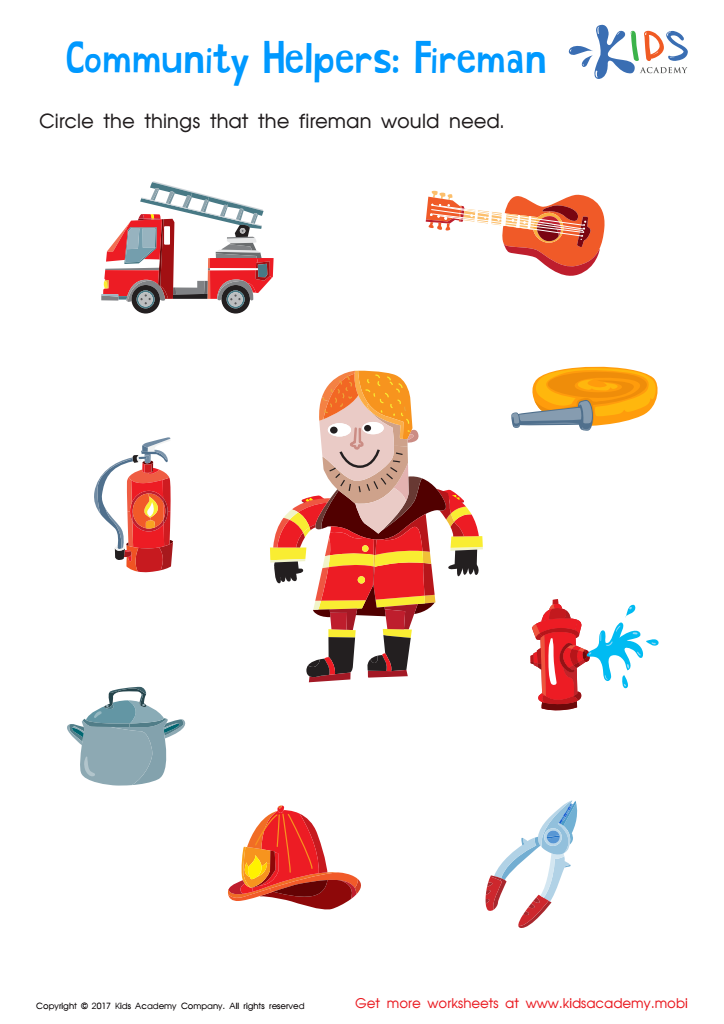
Fireman Worksheet
 Assign to My Students

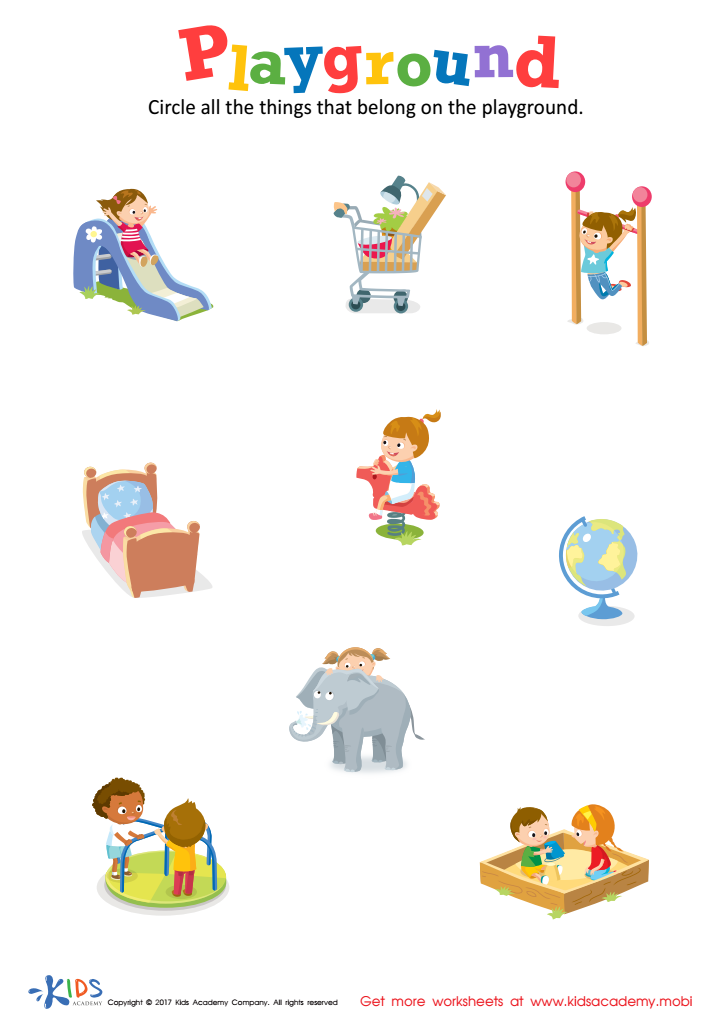
Playground Worksheet







.jpg)
Fine motor skills are crucial for children's overall development, especially for children aged 3-7, during which they undergo significant cognitive and physical growth. Parents and teachers should care about initiatives supporting fine motor skills because these abilities impact various essential tasks, including writing, tying shoelaces, using scissors, and buttoning clothes. Early proficiency in fine motor skills not only enhances children's autonomy but also builds their confidence in performing daily activities.
Additionally, fine motor skill development is linked to cognitive development, boosting problem-solving abilities and spatial awareness. Engaging in activities that promote these skills, such as arts and crafts, construction play, and interactive games, fosters critical thinking and creativity.
Participation in a community focused on fine motor skill development provides valuable resources, strategies, and support for parents and teachers. It encourages collaboration and shared learning experiences, making it easier to implement effective practices catered to a child's progression.
By investing time and effort in cultivating fine motor skills, adults can significantly contribute to the holistic development of children, preparing them for academic success and enabling a smoother transition into formal schooling. Ultimately, the goal is to nurture capable, confident individuals who can navigate their world with ease.