
Pre-writing skills Alphabet Worksheets for Ages 3-8
5 filtered results
Difficulty Level
Grade
Age
-
From - To
Subject
Activity
Standards
At Kids Academy, our Pre-Writing Skills Alphabet Worksheets are expertly crafted for children ages 3-8 to develop essential writing foundations. These engaging and colorful worksheets guide young learners through fun activities that enhance fine motor skills, hand-eye coordination, and letter recognition. Designed by educational professionals, each sheet incorporates tracing, drawing, and sequencing exercises that promote pencil control and confidence in writing alphabet letters. Ideal for both classroom use and at-home practice, these resources ensure children acquire the pre-writing skills required for a smooth transition to successful writing and literacy. Discover a delightful and effective way to foster early education with Kids Academy!
Favorites
With answer key
Interactive
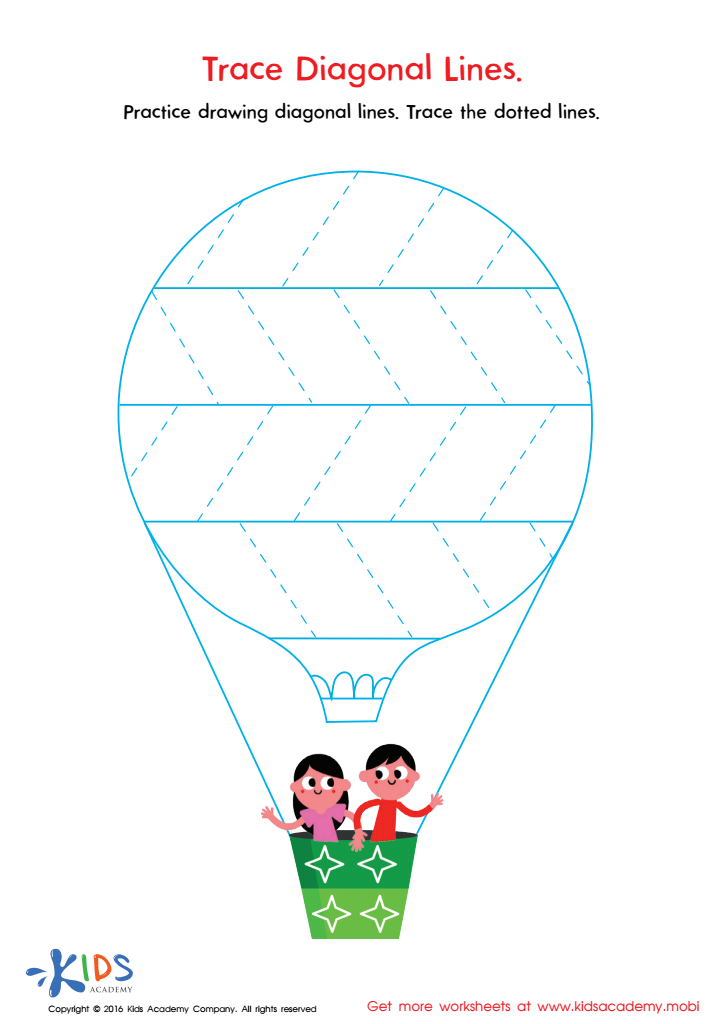
Trace Diagonal Lines Worksheet
This tracing diagonal lines worksheet offers preschoolers a great way to build fundamental skills in handwriting and drawing. Doing so helps them practice patterning, a key skill that will benefit them in writing, drawing, and math.
 Assign to My Students
Trace Diagonal Lines Worksheet
Worksheet
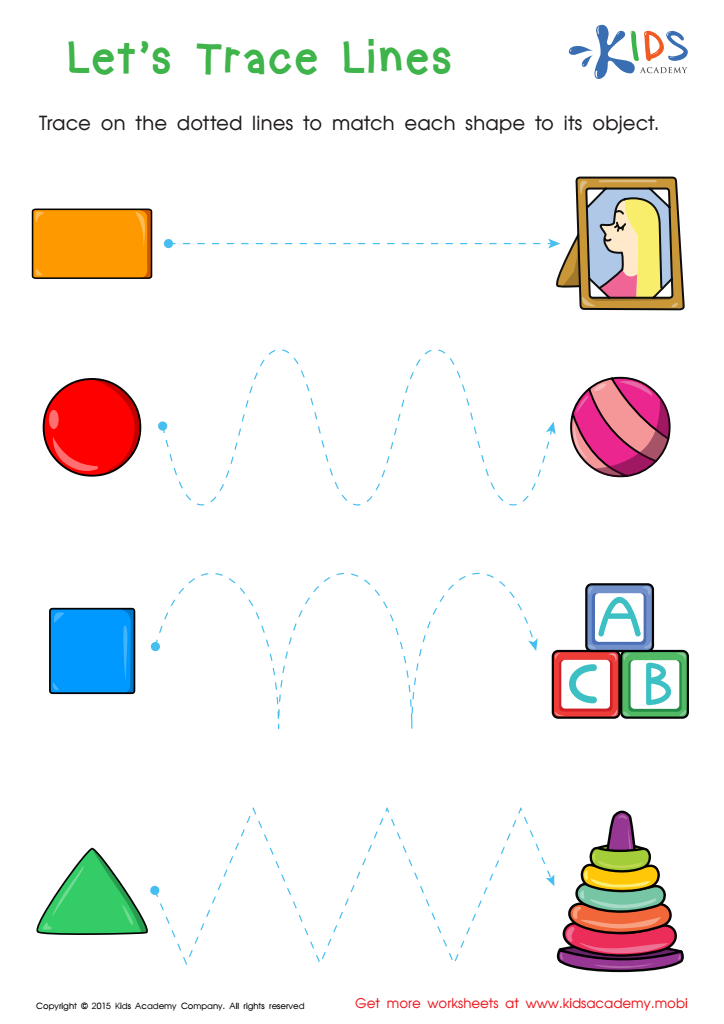
First Words: Let's Trace Lines Worksheet
Printable tracing lines for toddlers will provide your little one with the skills needed for future handwriting success. Proper grip, fine motor skills, and hand-to-eye coordination are key. Let's get their writing journey off to a great start!
First Words: Let's Trace Lines Worksheet
Worksheet
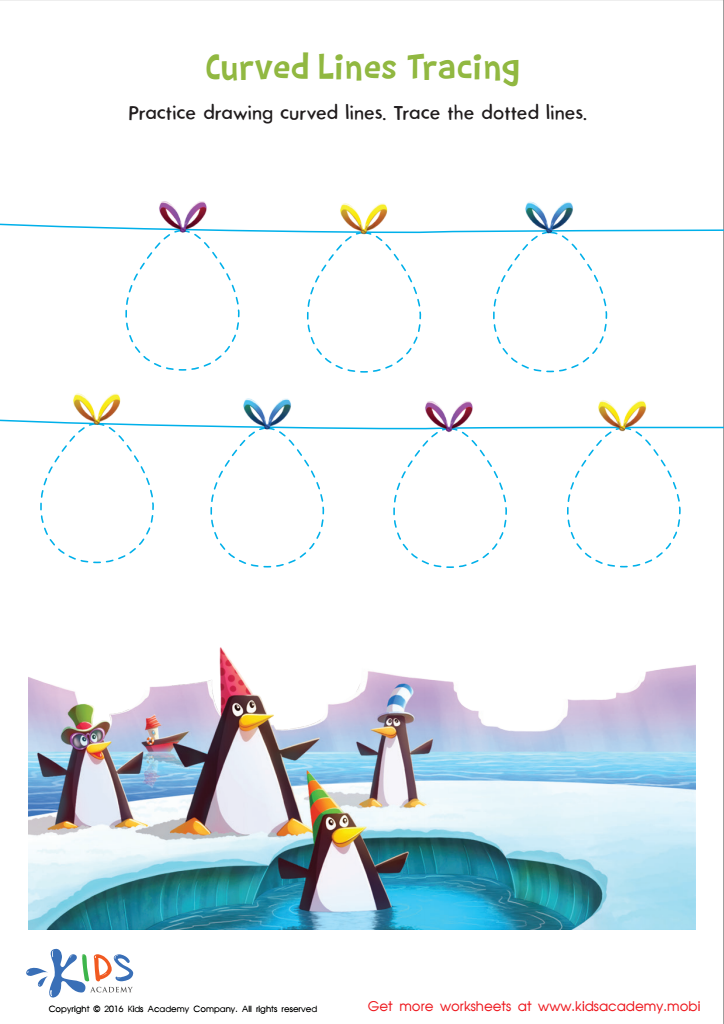
Curved Lines Tracing Worksheet
Tracing curved lines worksheets are a great way to help your child develop fine motor skills, form proper writing habits and sharpen hand-eye coordination. An adorable worksheet featuring characters from our popular app helps make practice fun! It also helps build focus, stamina and overall confidence in their writing ability. Offer your child meaningful tracing practice and give them a head start in life!
Curved Lines Tracing Worksheet
Worksheet
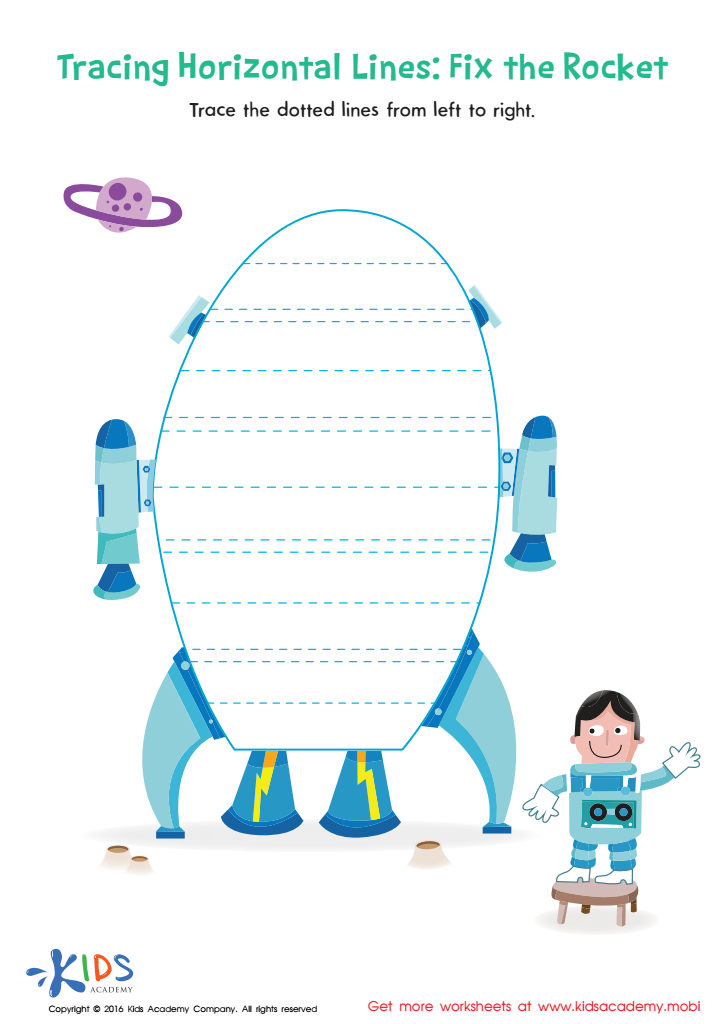
Tracing Horizontal Lines Worksheet
Your child can improve hand-to-eye coordination and pencil grip by tracing horizontal lines on this worksheet. They will have fun drawing lines on the rocket ship, tracing the dotted lines, and then coloring it in. Encourage them to keep going for even more enjoyment!
Tracing Horizontal Lines Worksheet
Worksheet
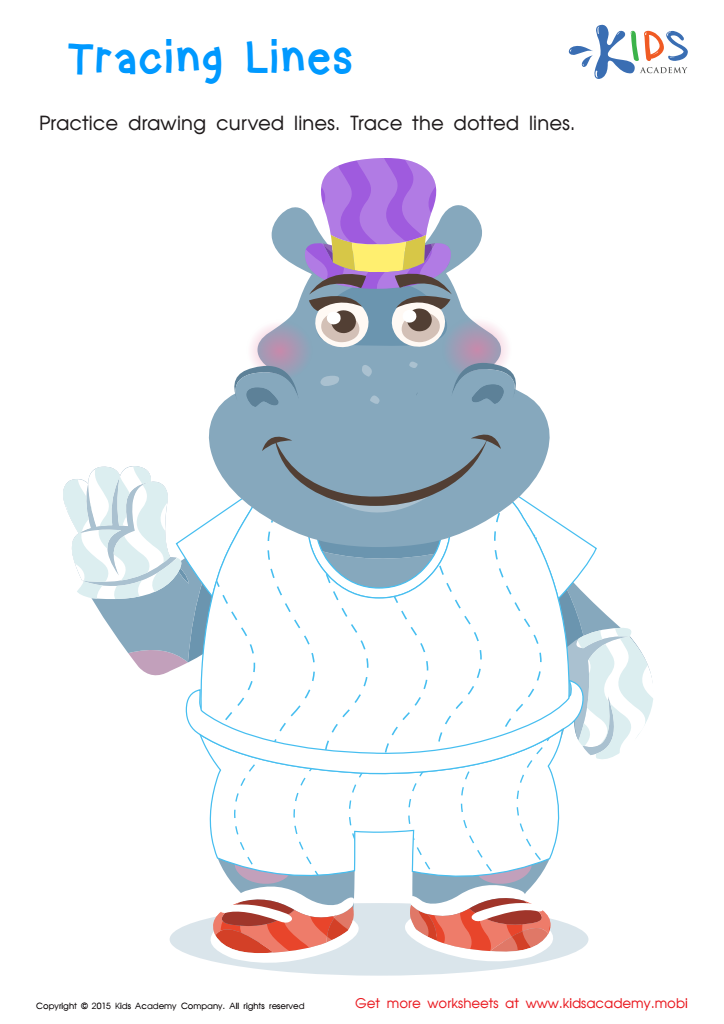
Tracing Lines Worksheet
Help your child nurture their writing and drawing skills with this cute tracing lines PDF worksheet. It improves pencil grip and hand-to-eye coordination, a key step in learning to write. Have fun and watch your child's confidence grow!
Tracing Lines Worksheet
Worksheet
Join Kids Academy for Free
Who is primarily going to use this learning content?







Pre-writing skills, particularly alphabet recognition and writing, are fundamental for children ages 3-8 as they serve as the building blocks for literacy development. Understanding and forming letters is critical because it directly relates to a child's ability to read and write effectively in later years. Early exposure to alphabet skills helps children comprehend the mechanics of writing, such as the directionality of letters, spacing, and grip strength, which are the motor skills required for handwriting.
Engaging in pre-writing activities, like tracing or drawing shapes and letters, enhances fine motor development, which is crucial for holding a pencil and writing legibly. These activities also improve hand-eye coordination and concentration.
Moreover, alphabet familiarity strengthens cognitive development by associating sounds with symbols, essential for phonics and reading skills. Children who start with a strong foundation in pre-writing are likely to find the transition to actual writing and more complex literacy tasks smoother and less frustrating.
In essence, prioritizing pre-writing skills is an investment in your child’s future academic success. It fosters a positive approach to learning, builds confidence, and equips children with the essential tools needed for more advanced literacy and communication skills. Parents' and teachers' support at this foundational stage can pave the way for lifelong reading and writing competencies.







