Sound Association Alphabet Worksheets for Ages 3-8 - Page 2
33 filtered results
-
From - To
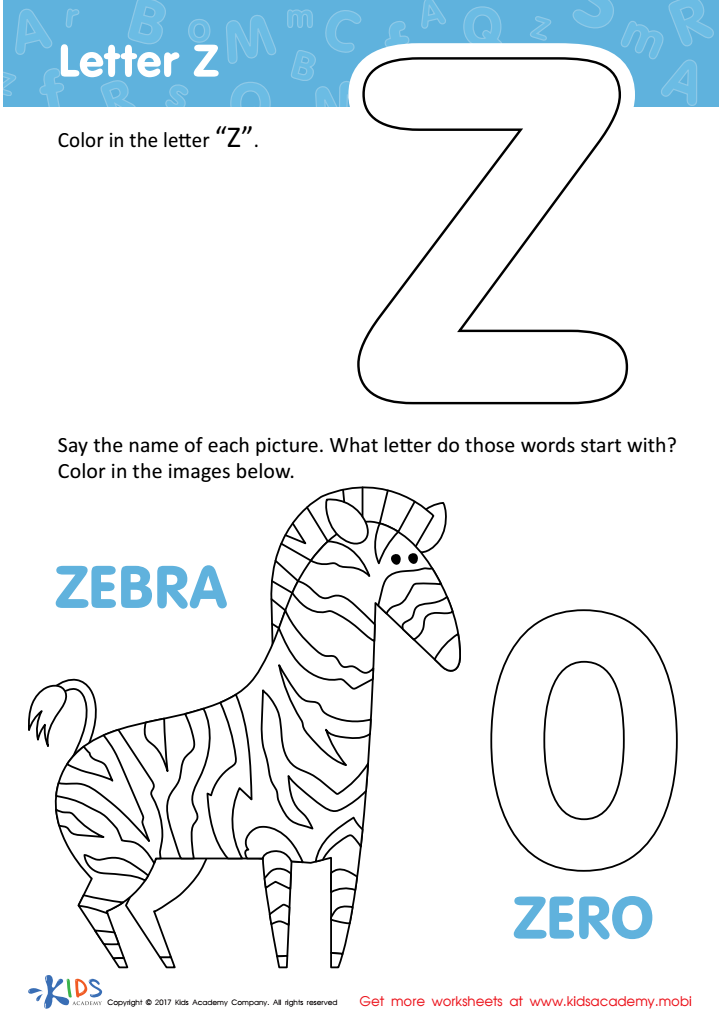
Letter Z Coloring Sheet
 Assign to My Students
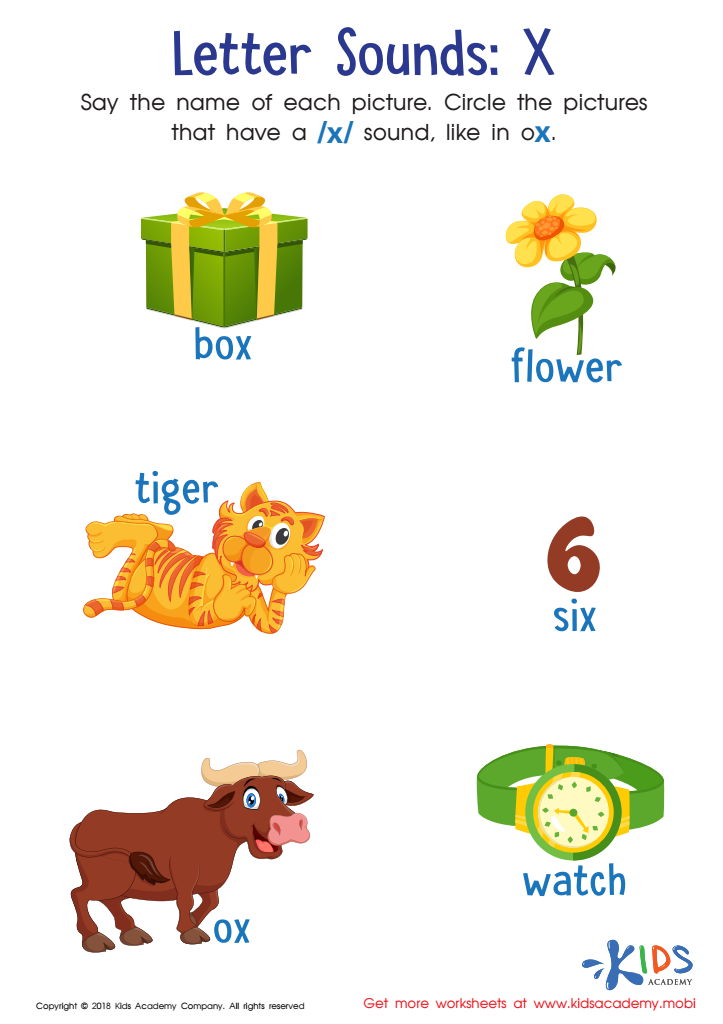
Letter X Sounds Worksheet
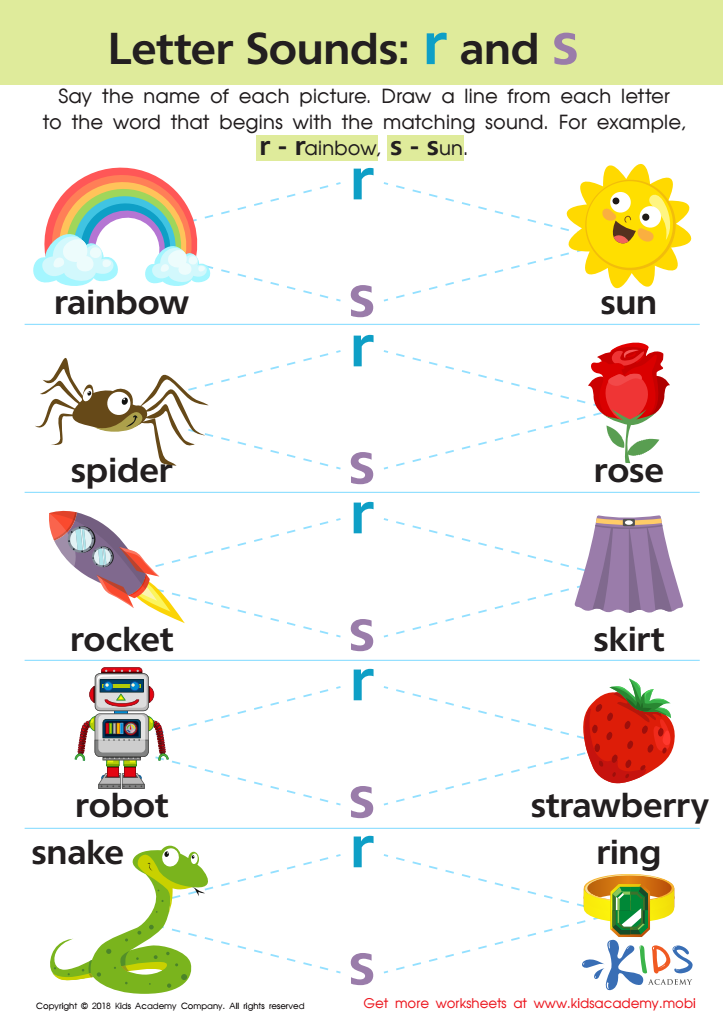
Letter R and S Sounds Worksheet
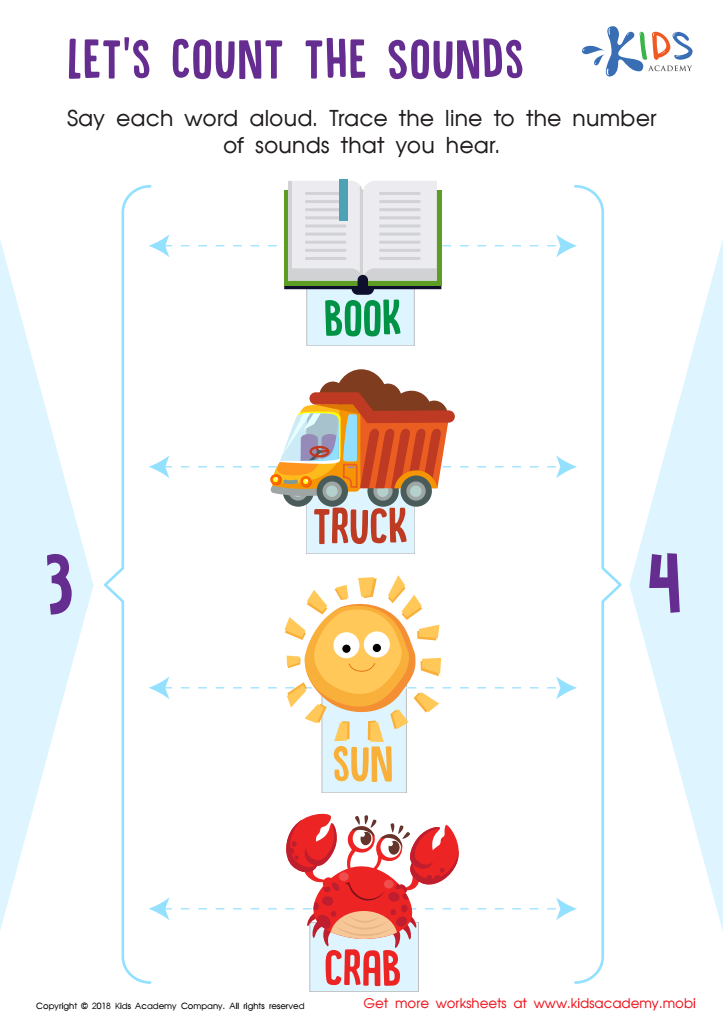
Let's Count the Sounds Worksheet
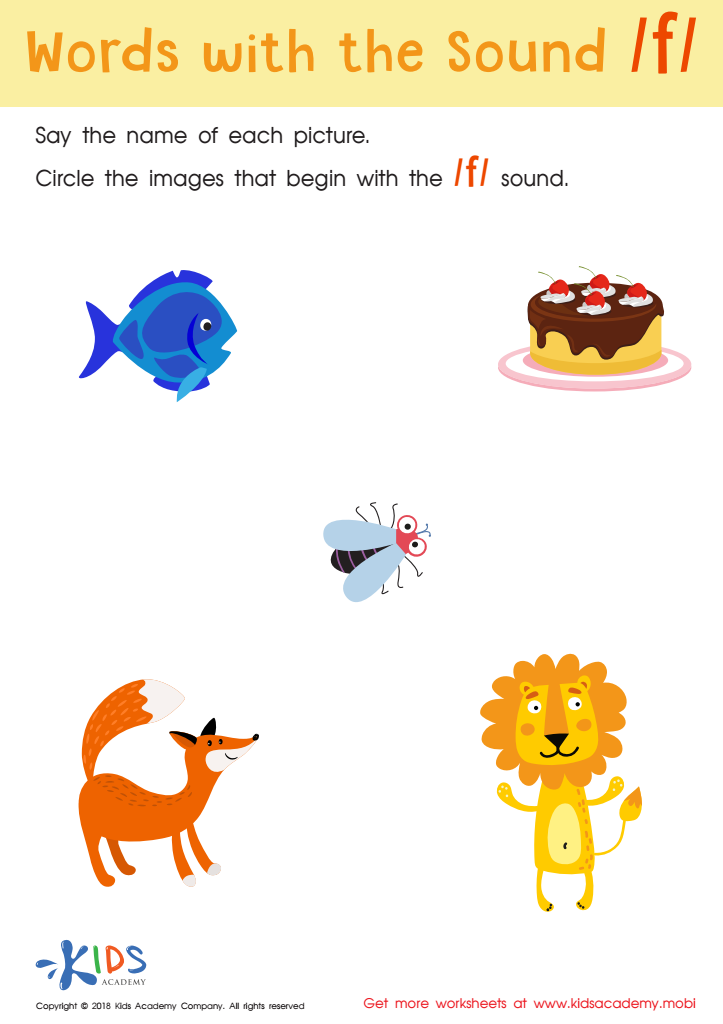
Words with sound f Reading Worksheet
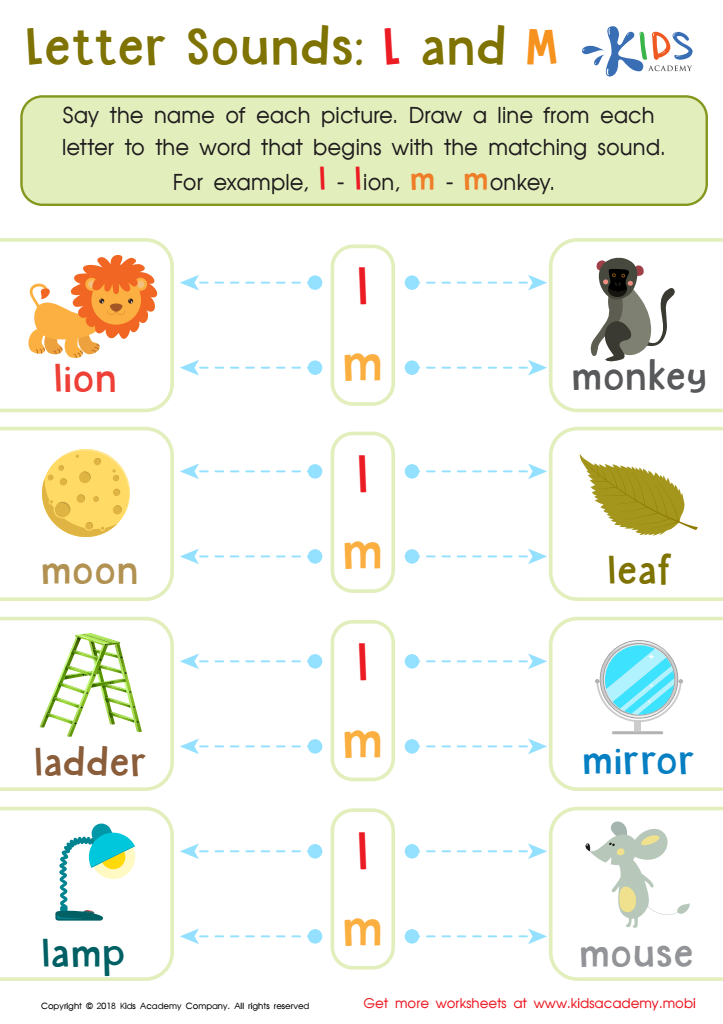
Letter l and M Sounds Worksheet
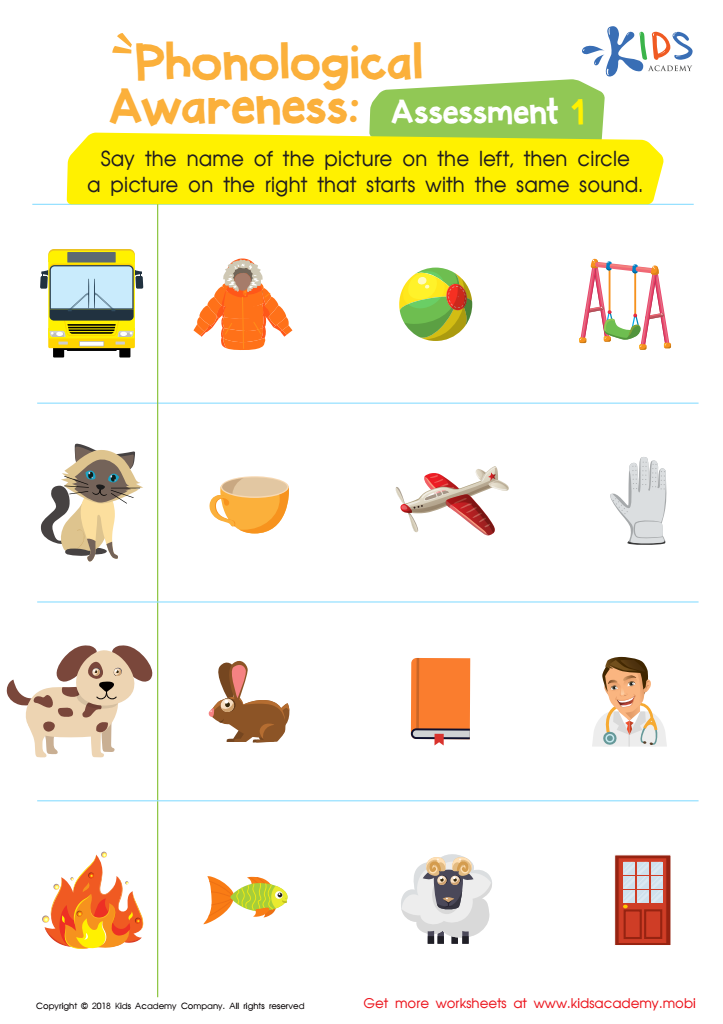
Phonological Awareness: Assessment 1 Worksheet
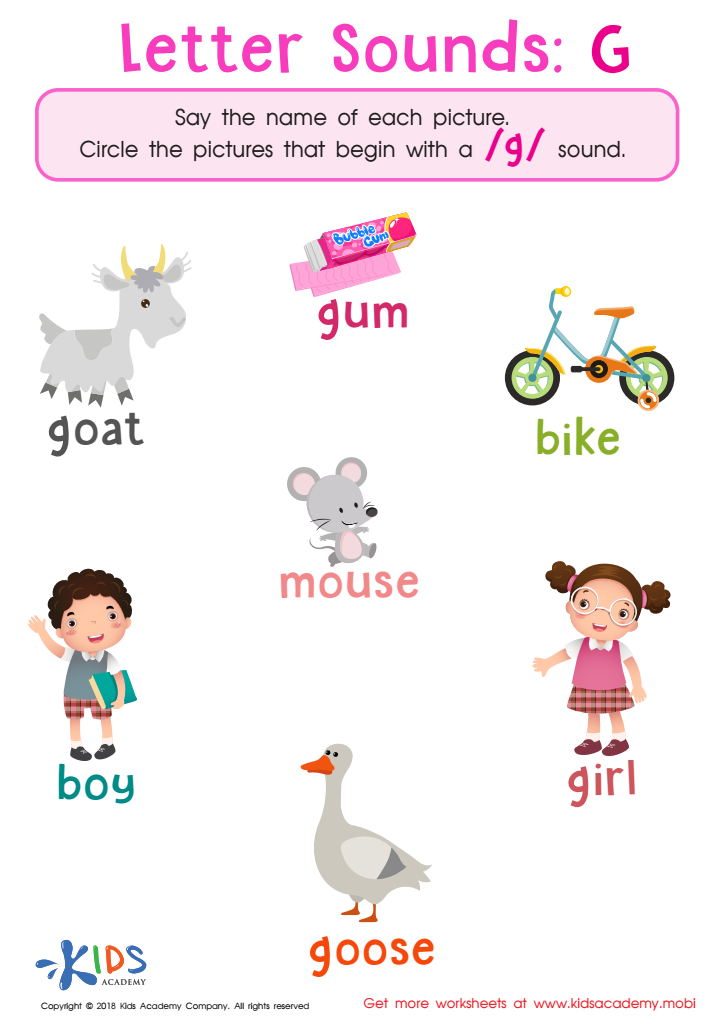
Letter G Sounds Worksheet
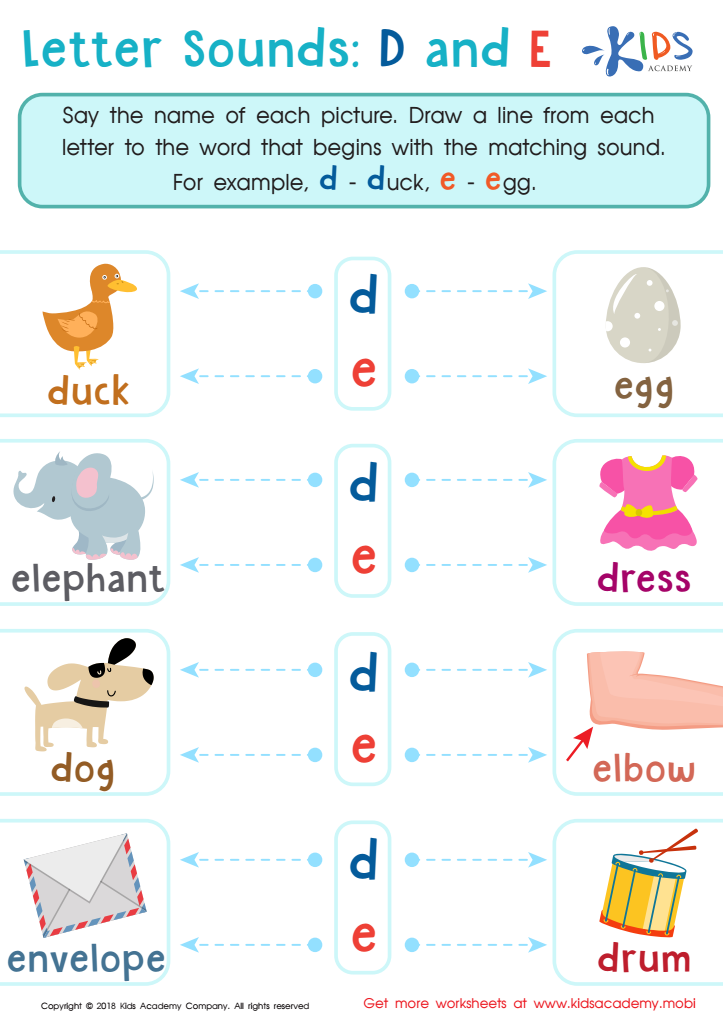
Letter D and E Sounds Worksheet







Sound Association Alphabet is crucial for children aged 3-8 as it serves as the foundation for their literacy development. This method helps children connect sounds with letters, fostering phonemic awareness, which is essential for reading proficiency. At this developmental stage, children are highly receptive to sounds and language, making it the perfect time to cultivate these skills.
By engaging in activities that promote sound-letter associations, parents and teachers can enhance vocabulary, spelling skills, and reading comprehension. It enables children to recognize words and sounds more easily, leading to greater confidence when reading aloud or participating in discussions.
Additionally, sound association supports cognitive development, encouraging critical thinking and problem-solving skills as children learn to decode words. This method also caters to varied learning styles, making literacy acquisition more inclusive and effective.
Furthermore, an early emphasis on sound associations can help prevent future reading difficulties, laying a strong groundwork for educational success. Engaging children consistently with the Sound Association Alphabet can foster a lifelong love of reading and learning, empowering them to navigate the complexities of language more adeptly as they grow. Thus, parental and teacher involvement in sound association activities is paramount to a child’s educational journey.







