Alphabet Recognition Letter Recognition Worksheets for Ages 3-8 - Page 2
45 filtered results
-
From - To
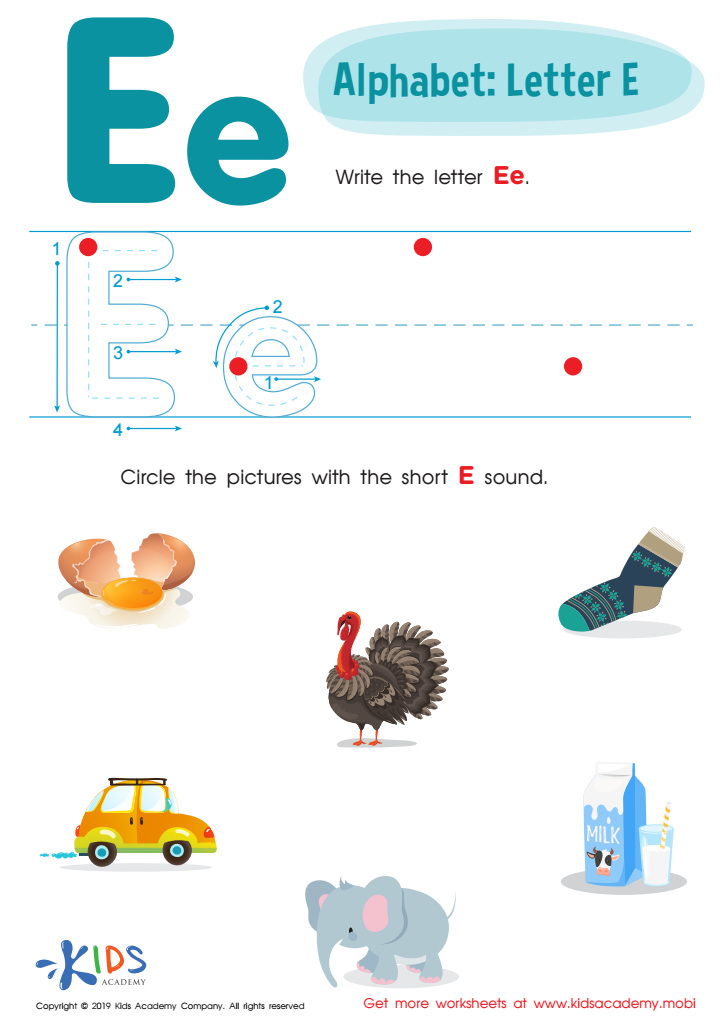
Letter E Tracing Worksheet
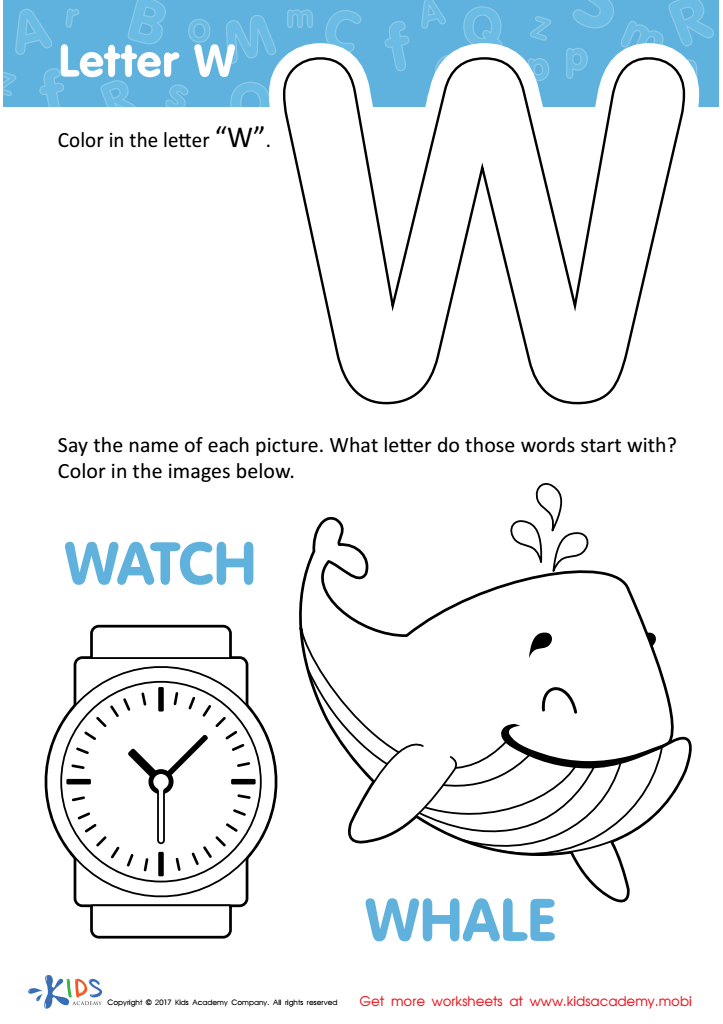
Letter W Coloring Sheet
 Assign to My Students
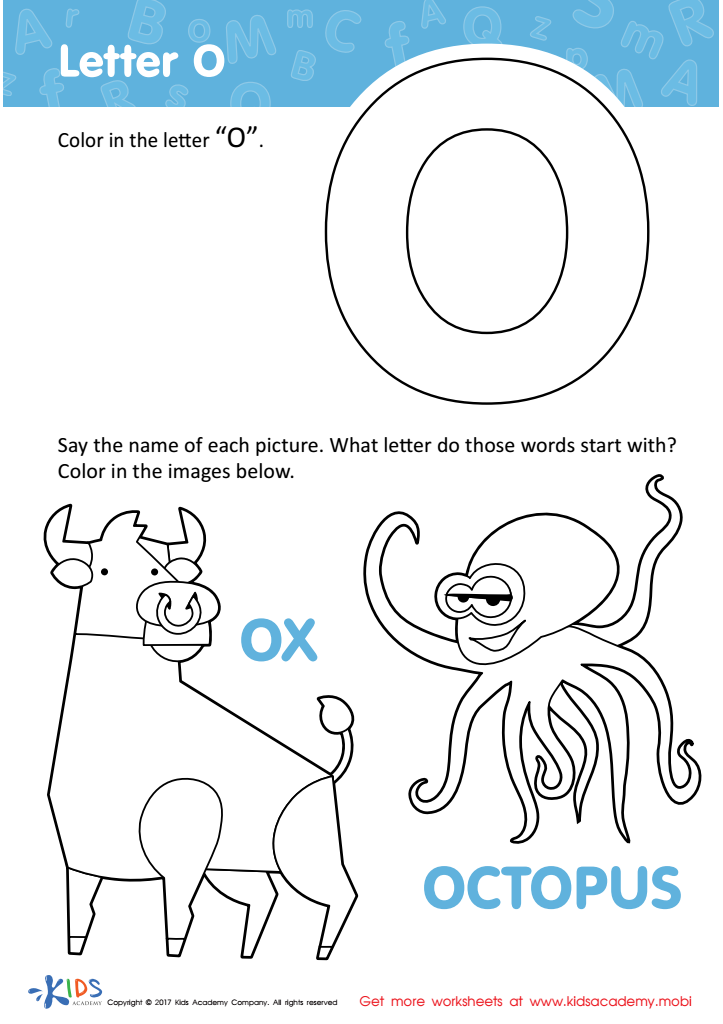
Letter O Coloring Sheet
Assign to My Students
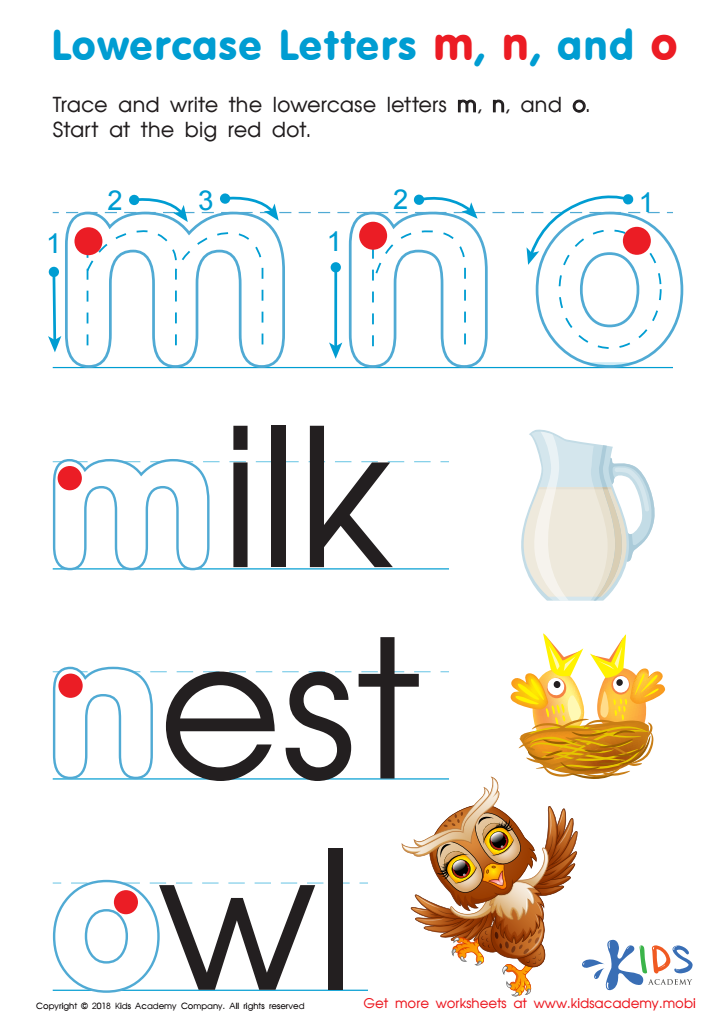
Lowercase Letters m n o Worksheet
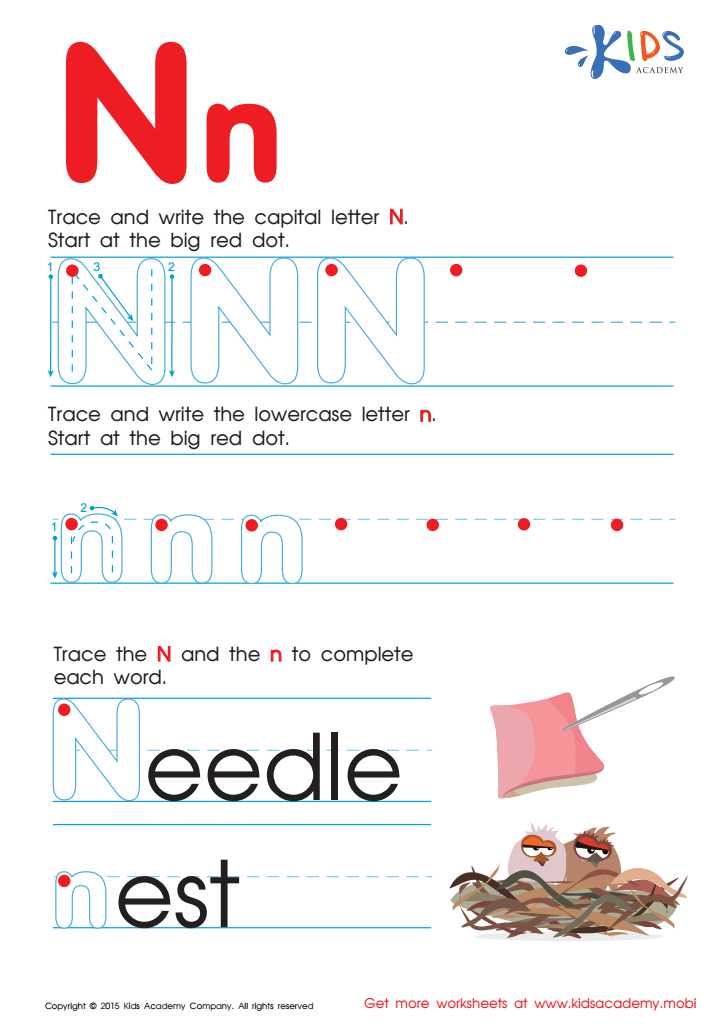
Letter N Tracing Page
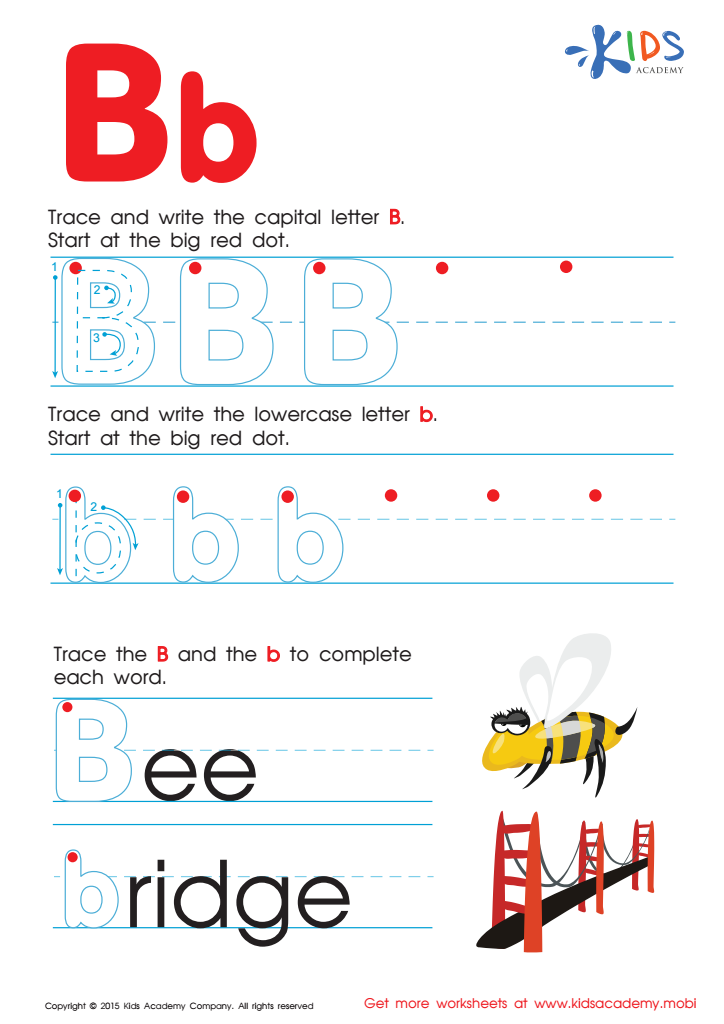
Letter B Tracing Page
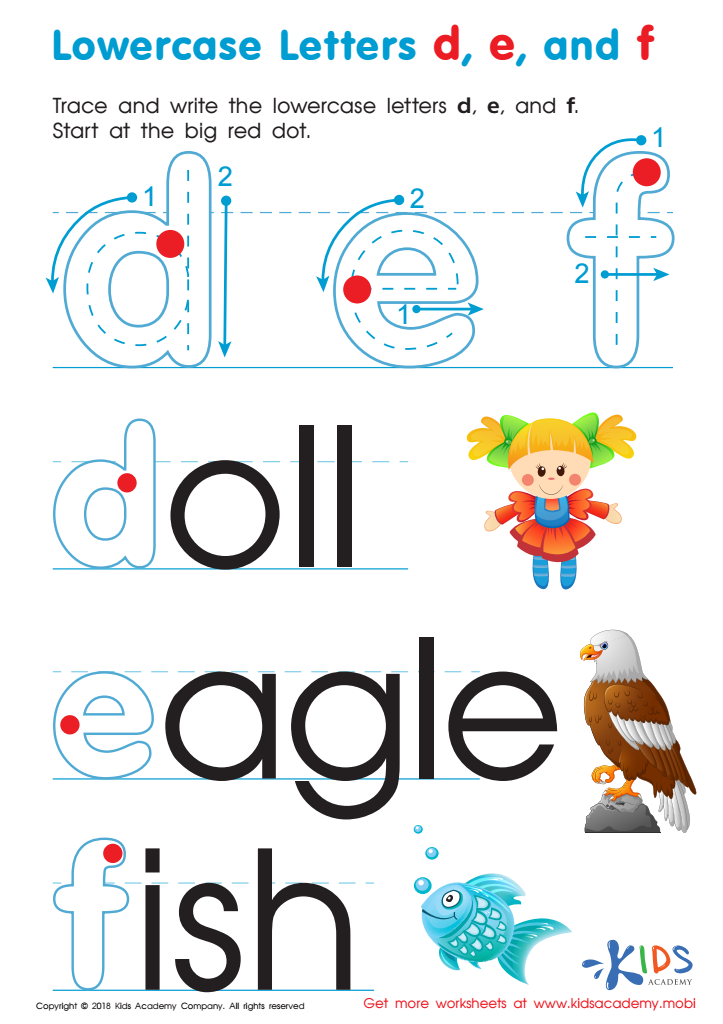
Lowercase Letters d e f Worksheet
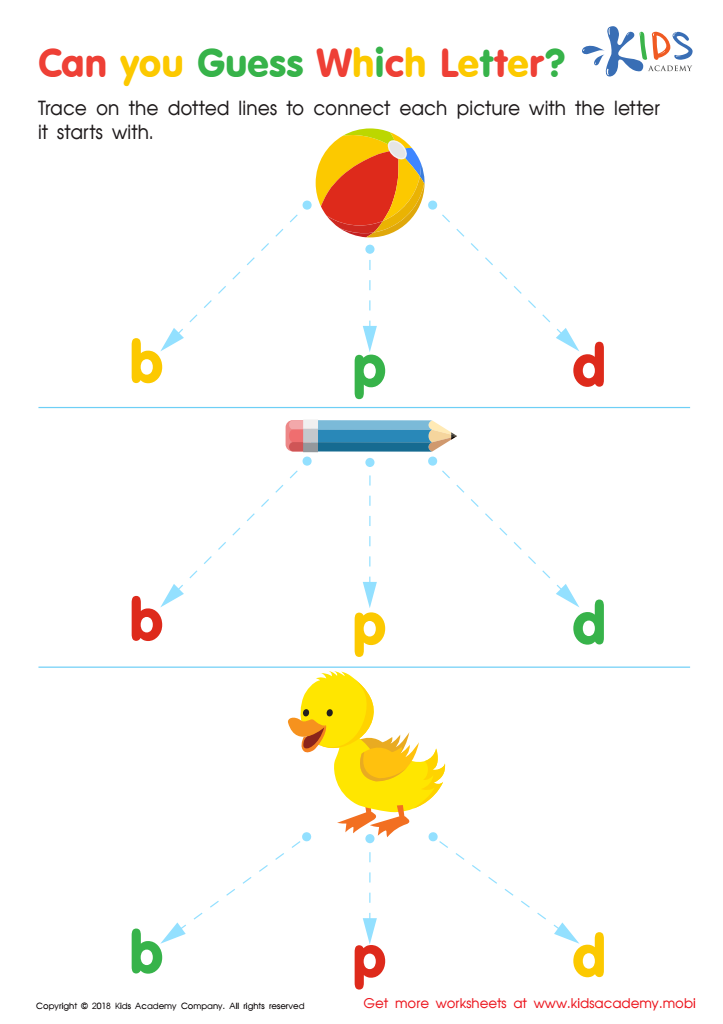
Can you Guess Which Letter? Worksheet
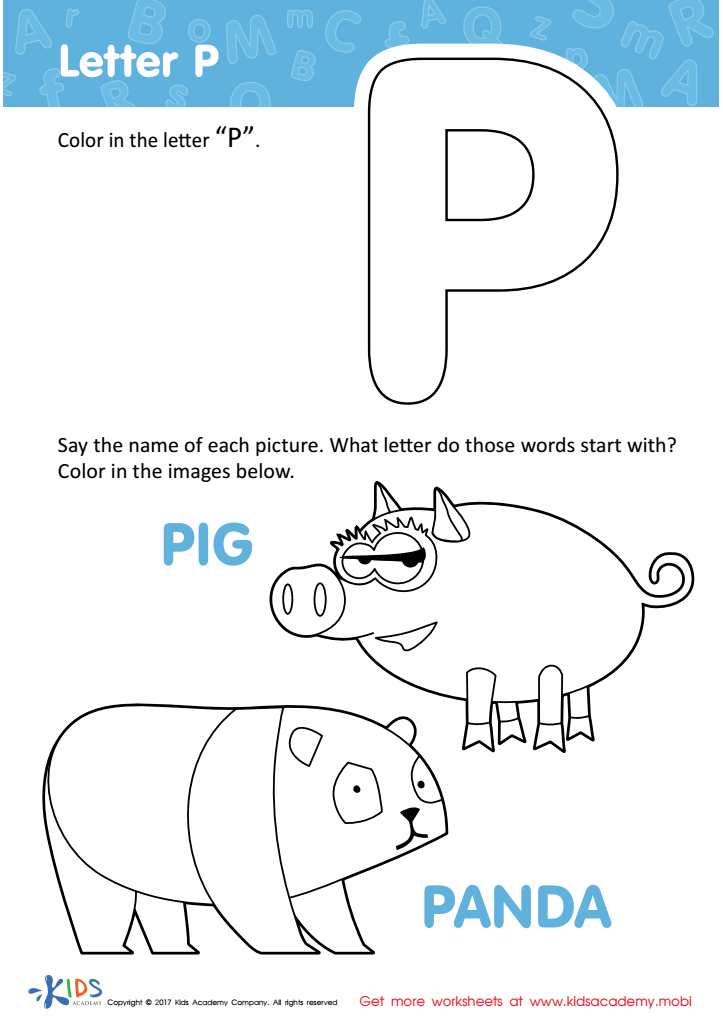
Letter P Coloring Sheet
Assign to My Students
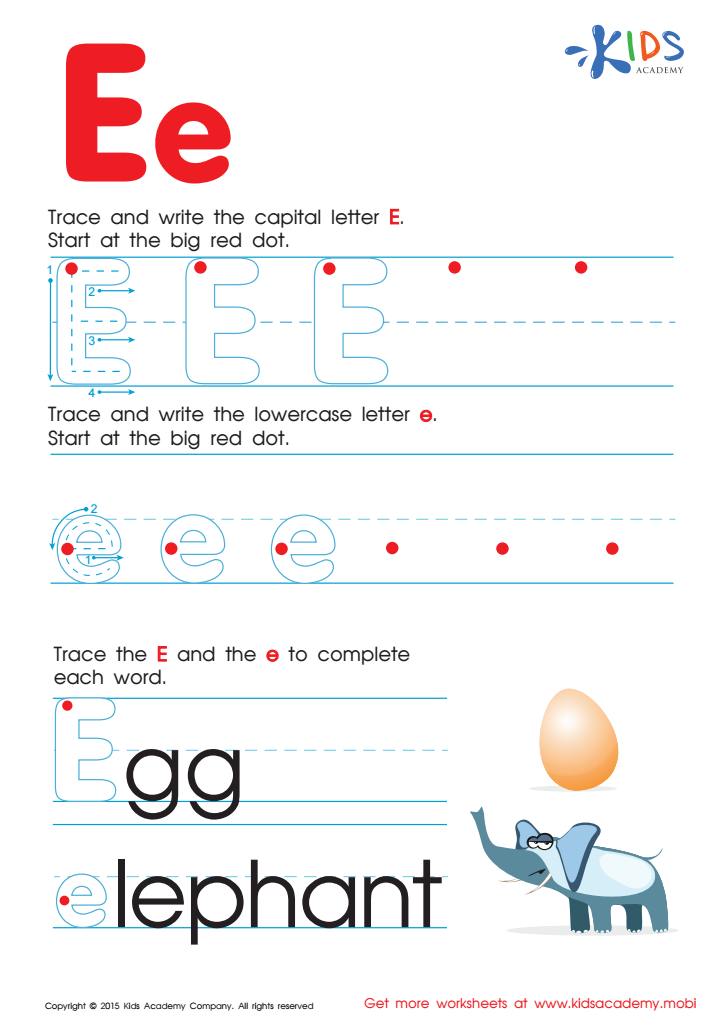
Letter E Tracing Page
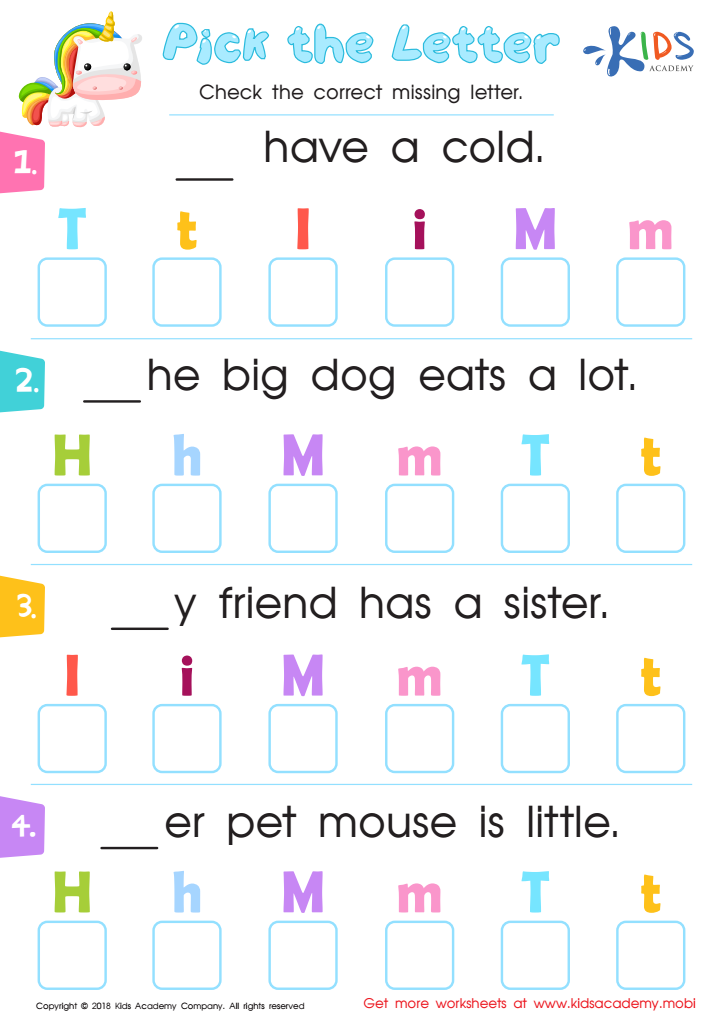
Pick the Letter Worksheet
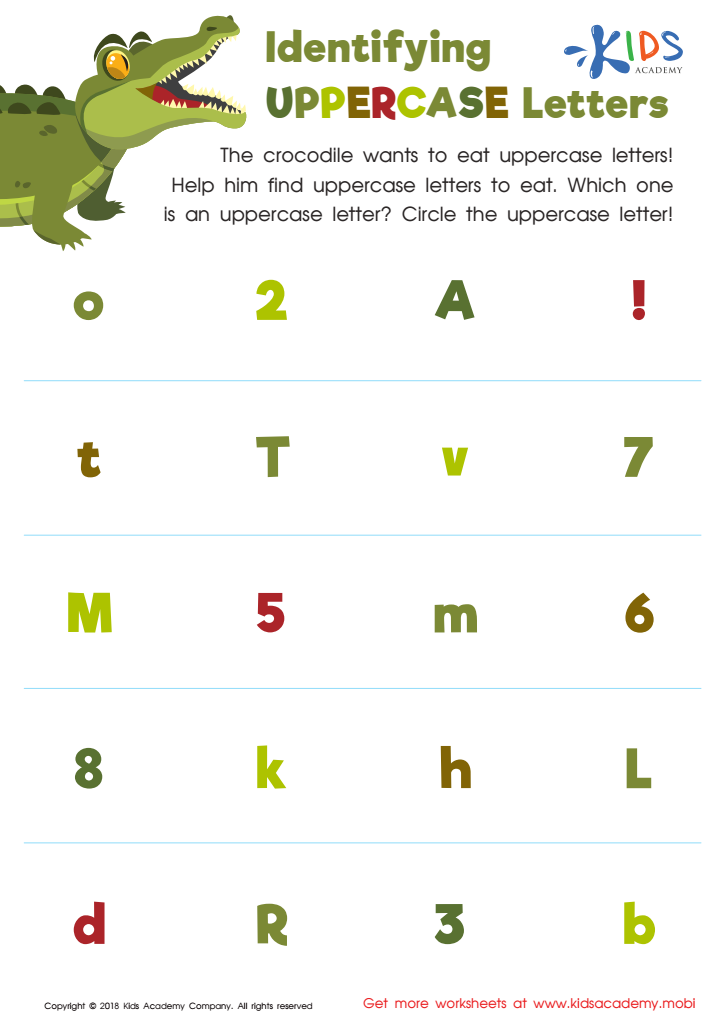
Identifying Uppercase Letters Worksheet
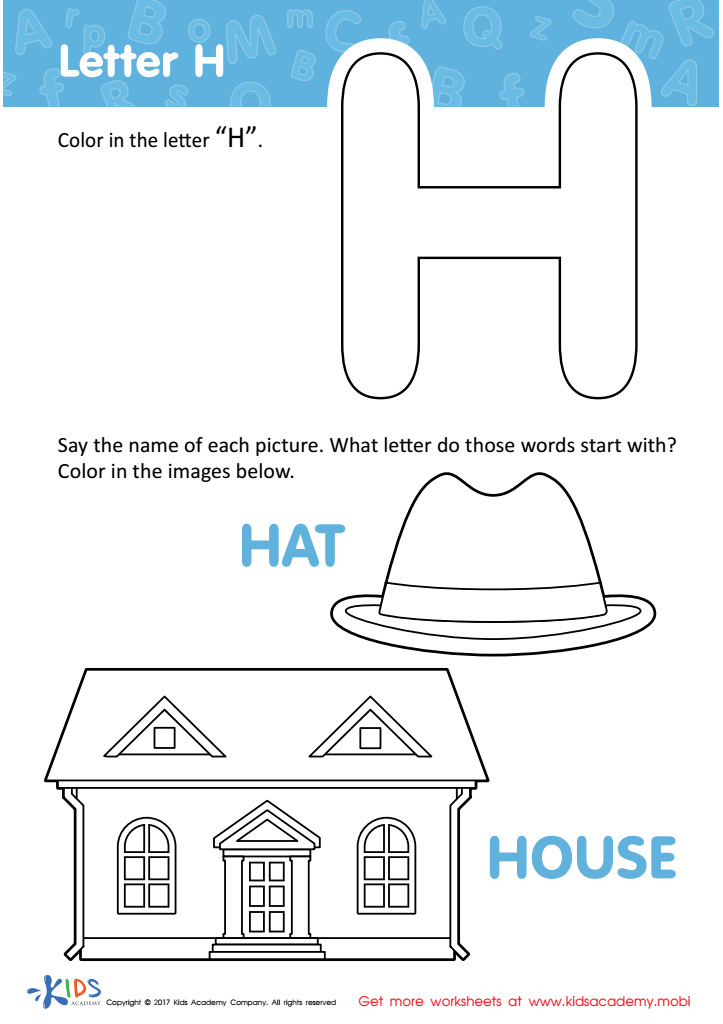
Letter H Coloring Sheet
Assign to My Students
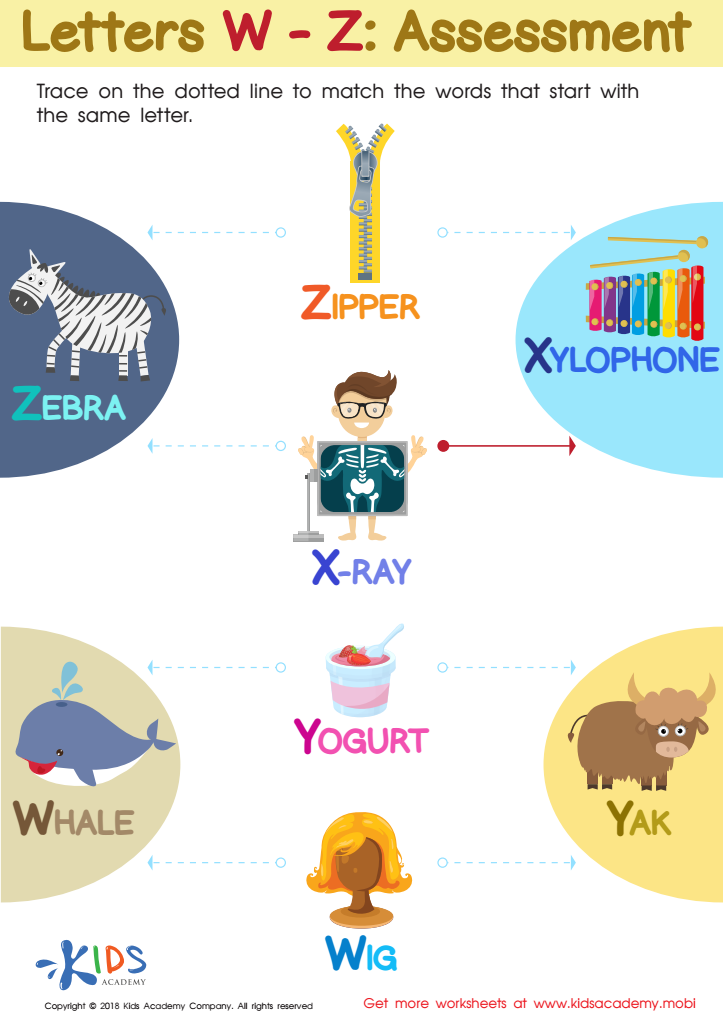
Letters W–Z Tracing Worksheet
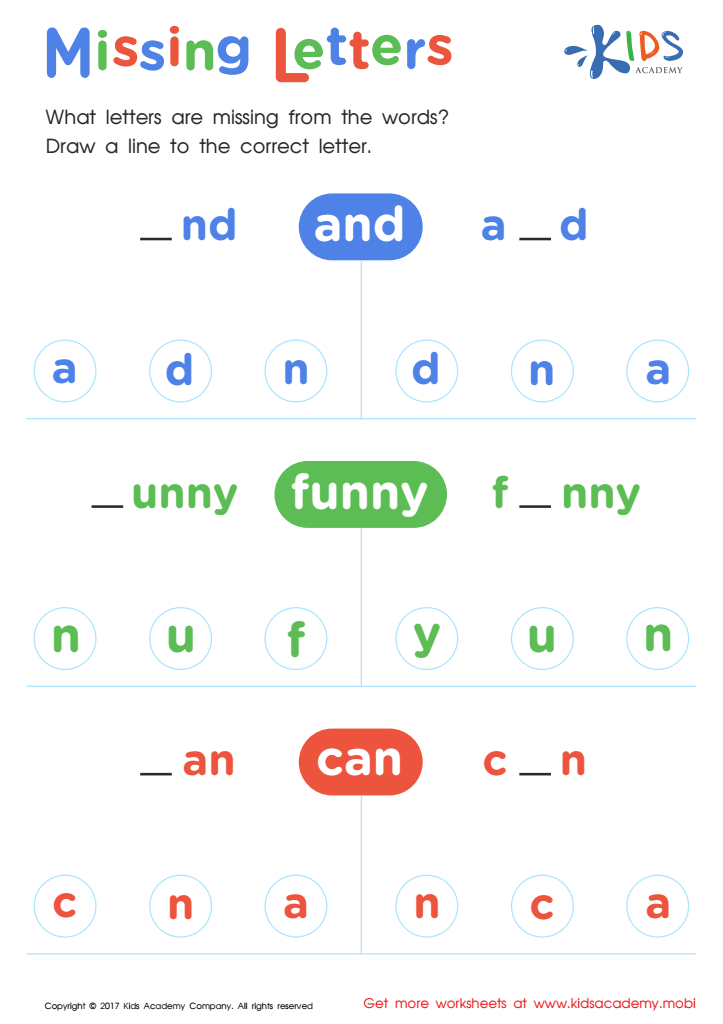
Missing Letters Worksheet
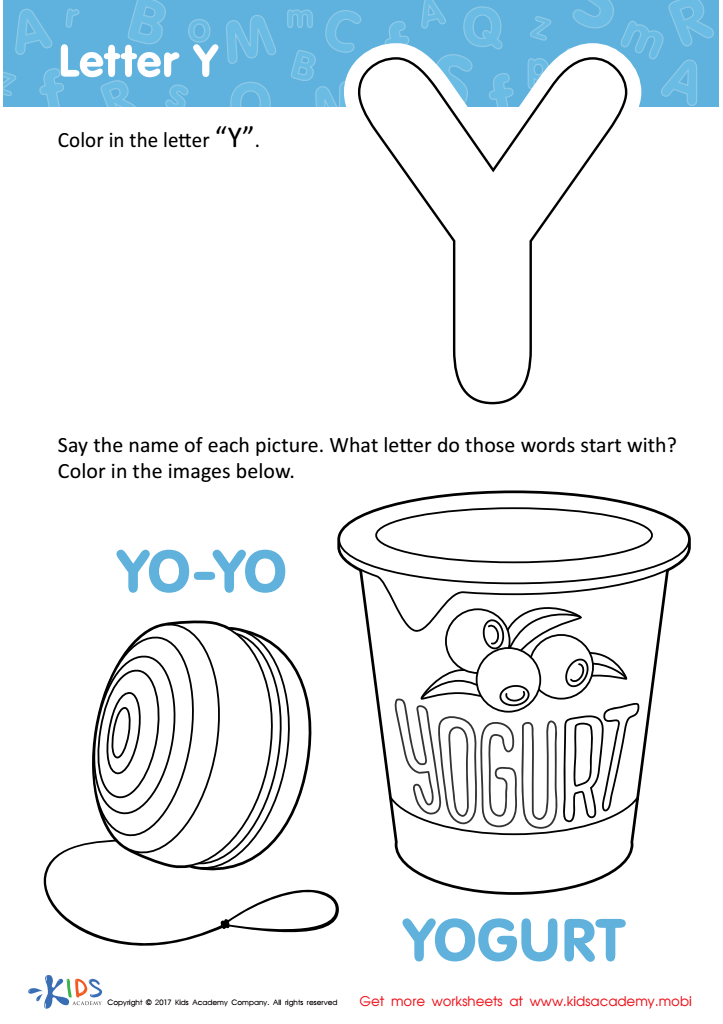
Letter Y Coloring Sheet
Assign to My Students
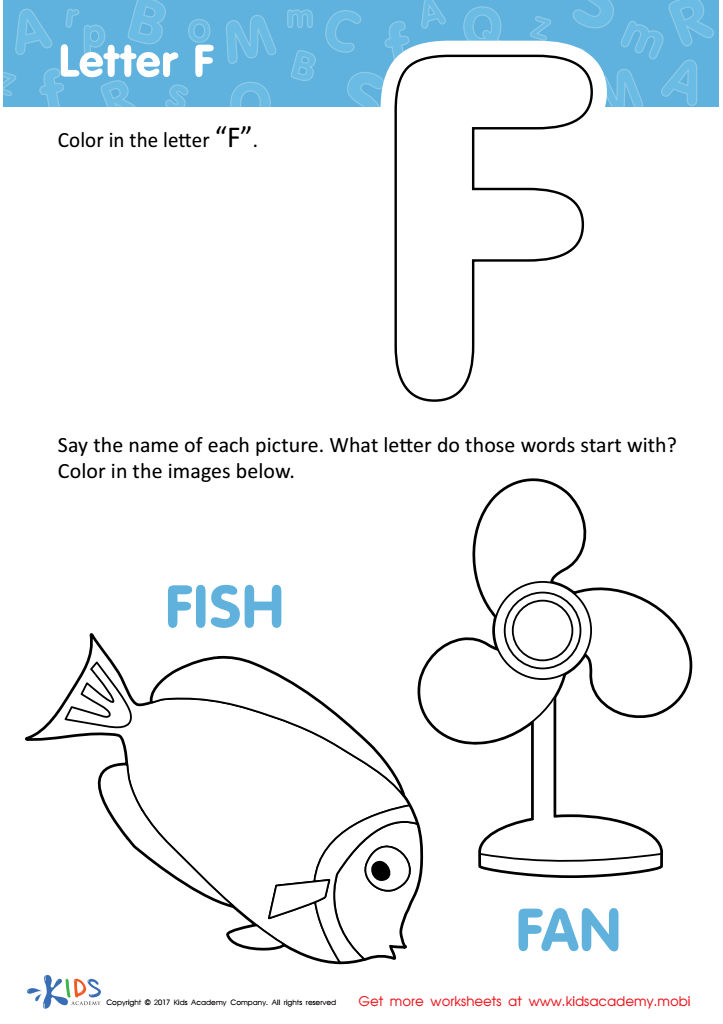
Letter F Coloring Sheet
Assign to My Students
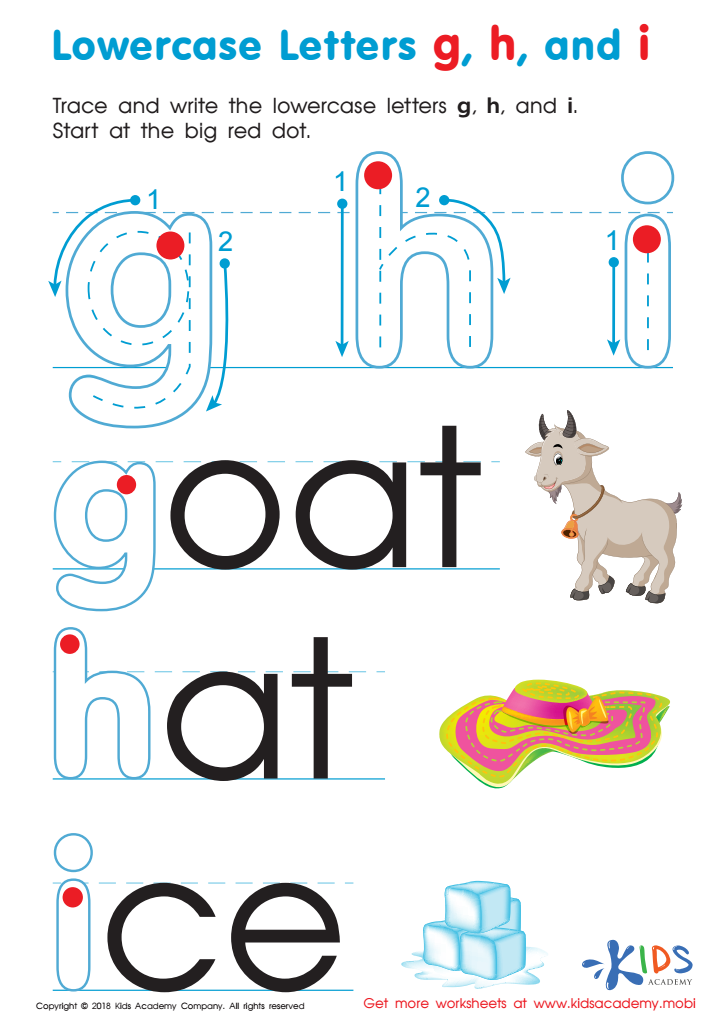
Lowercase Letters g h i Worksheet
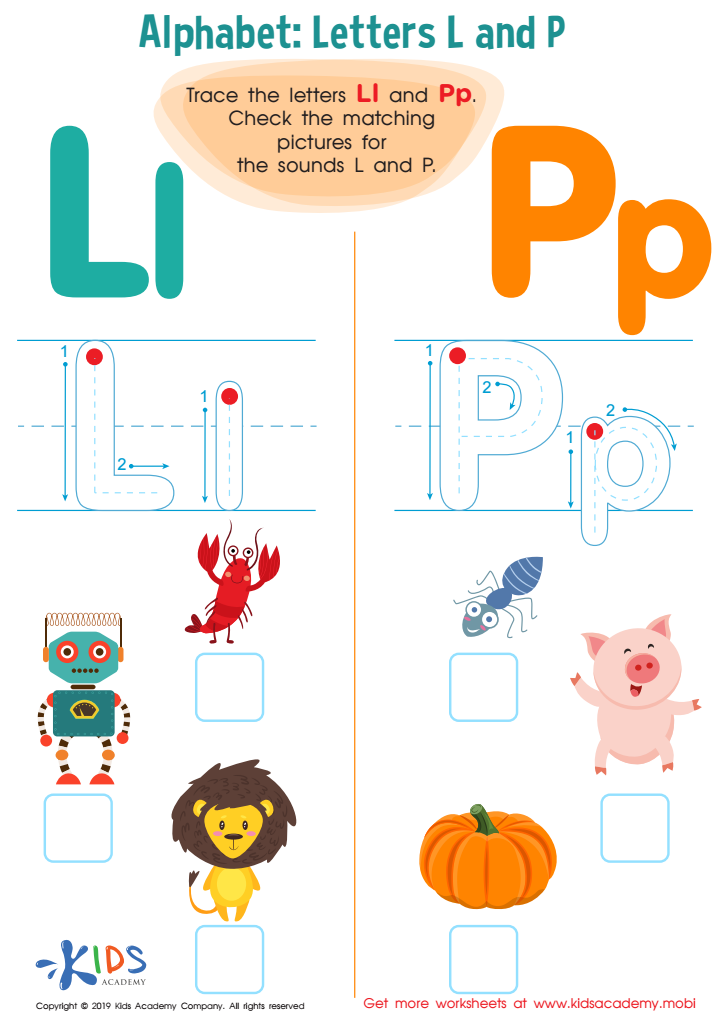
Letter L and P Tracing Worksheet
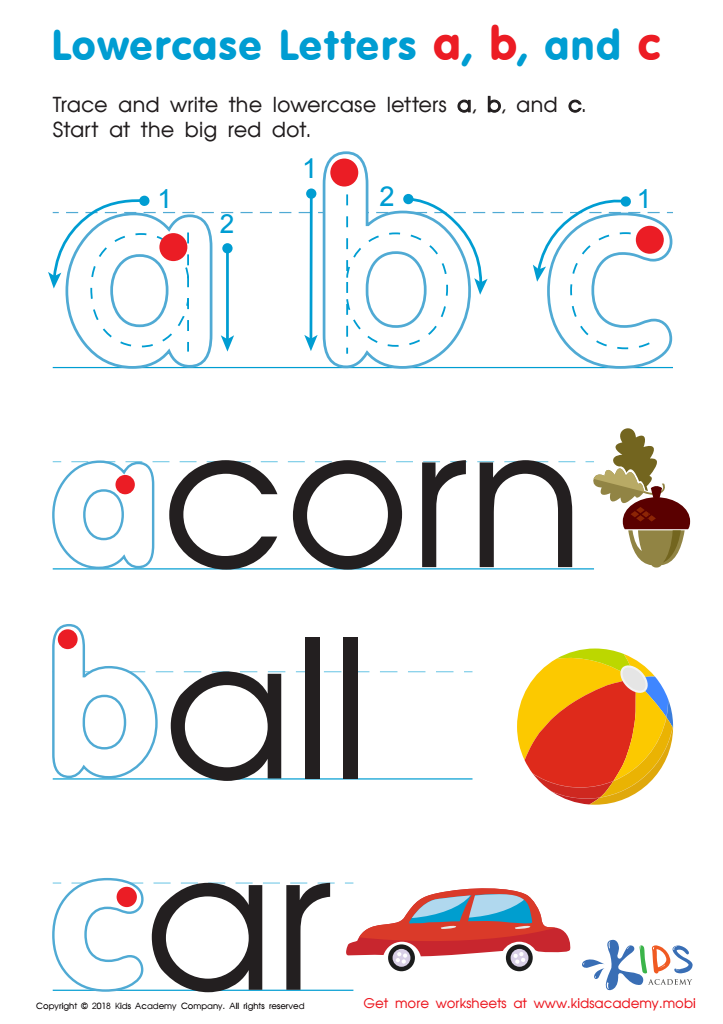
Lowercase Letters a b c Worksheet
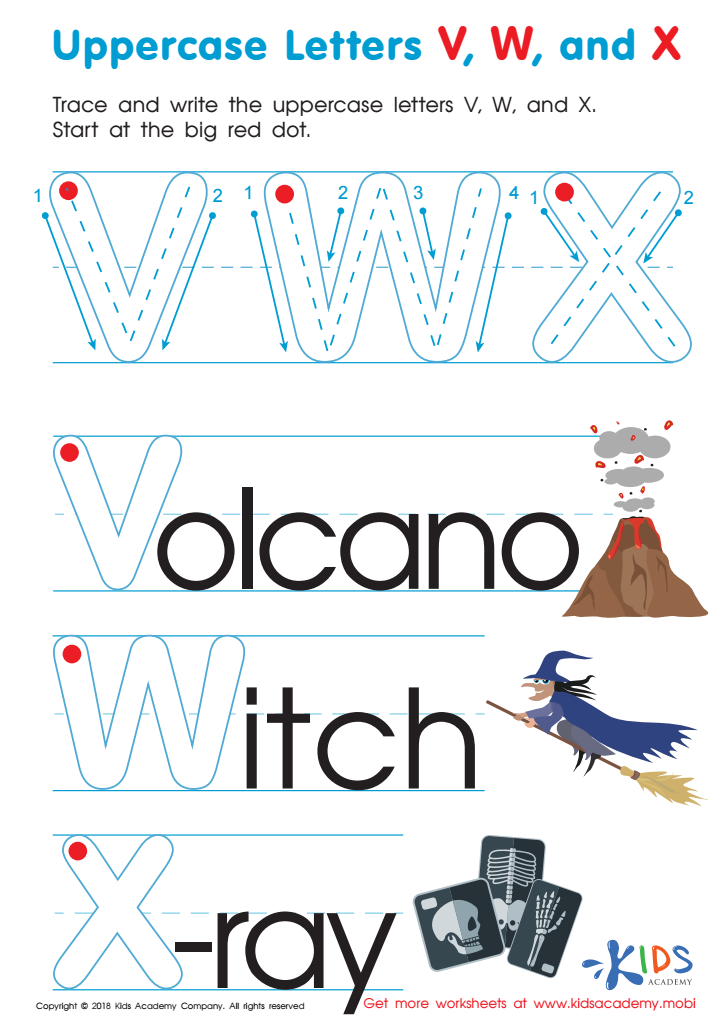
Uppercase Letters V, W, and X Worksheet








Alphabet recognition and letter recognition are foundational skills that significantly impact a child's early literacy development. For children ages 3-8, mastering these skills is crucial as they form the building blocks for reading and writing. Parents and teachers should care about promoting alphabet and letter recognition for several reasons.
First, proficiency in recognizing letters aids in word formation and reading, crucial for academic success. When children can identify letters and their sounds, they are better equipped to blend sounds and decode words. This early literacy skill fosters a love for reading, encouraging children to engage with books and storytelling.
Second, letter recognition enhances fine motor skills through writing practice. As children learn to identify letters, they also develop the ability to write them, which further solidifies their understanding.
Lastly, alphabet recognition fosters confidence in young learners. As children become adept at identifying letters, they are more likely to participate in classroom activities and discussions, boosting their self-esteem and motivation.
In conclusion, by prioritizing alphabet and letter recognition, parents and teachers can help lay a robust foundation for children's literacy skills, unlocking their potential for lifelong learning and communication.







