Handwriting practice Letter Recognition Worksheets for Ages 3-8 - Page 2
40 filtered results
-
From - To
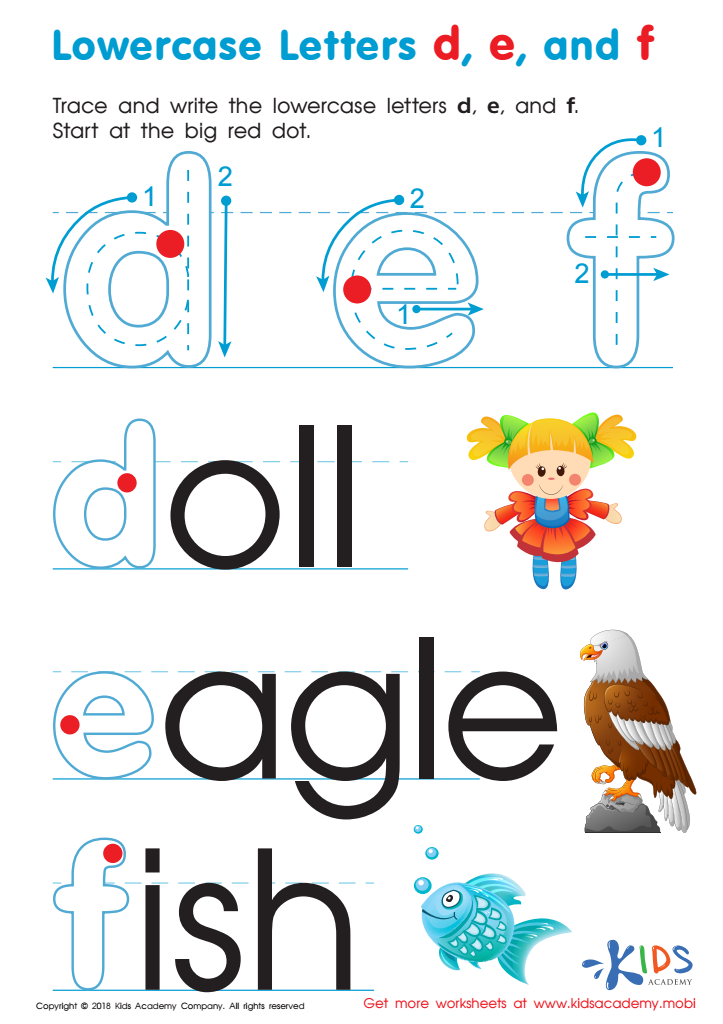
Lowercase Letters d e f Worksheet
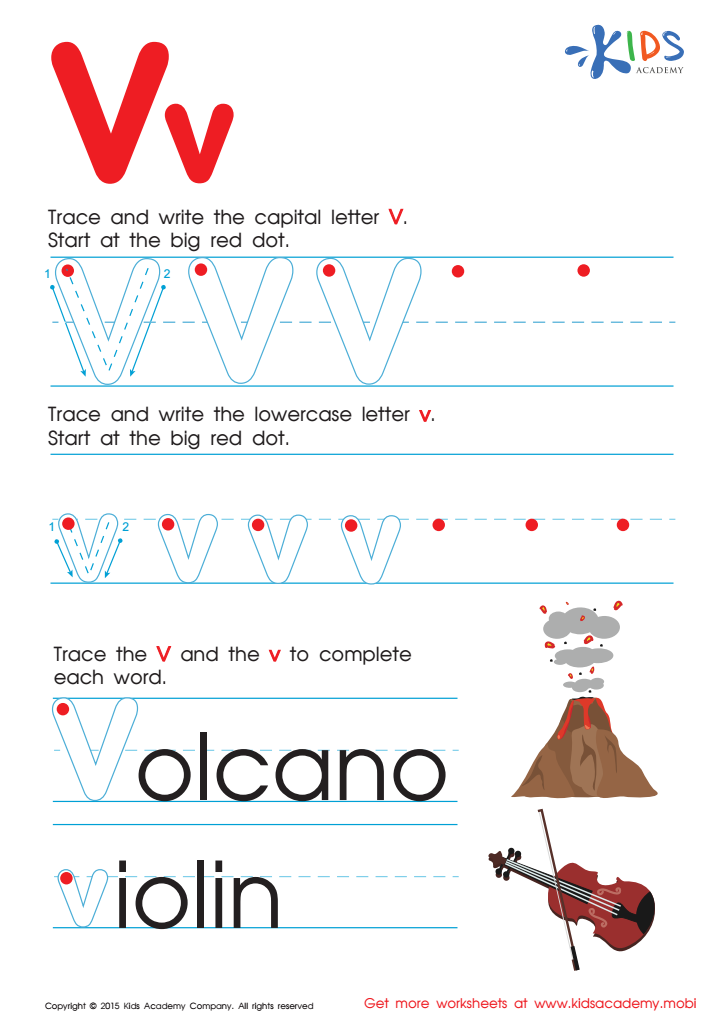
Letter V Tracing Page
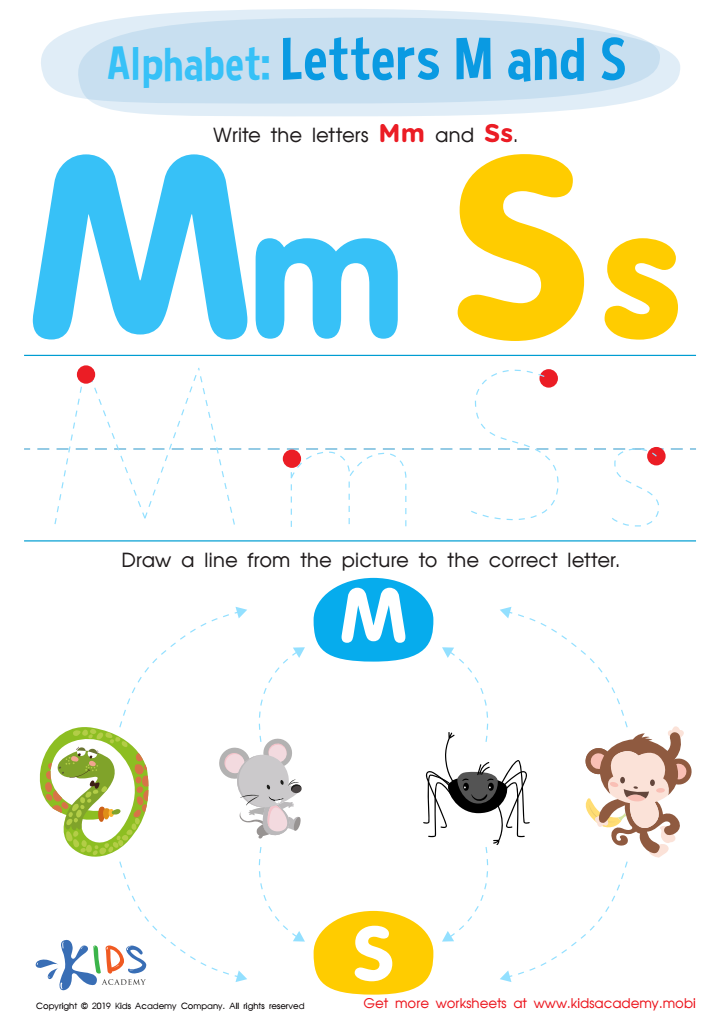
Letters M and S Tracing Worksheet
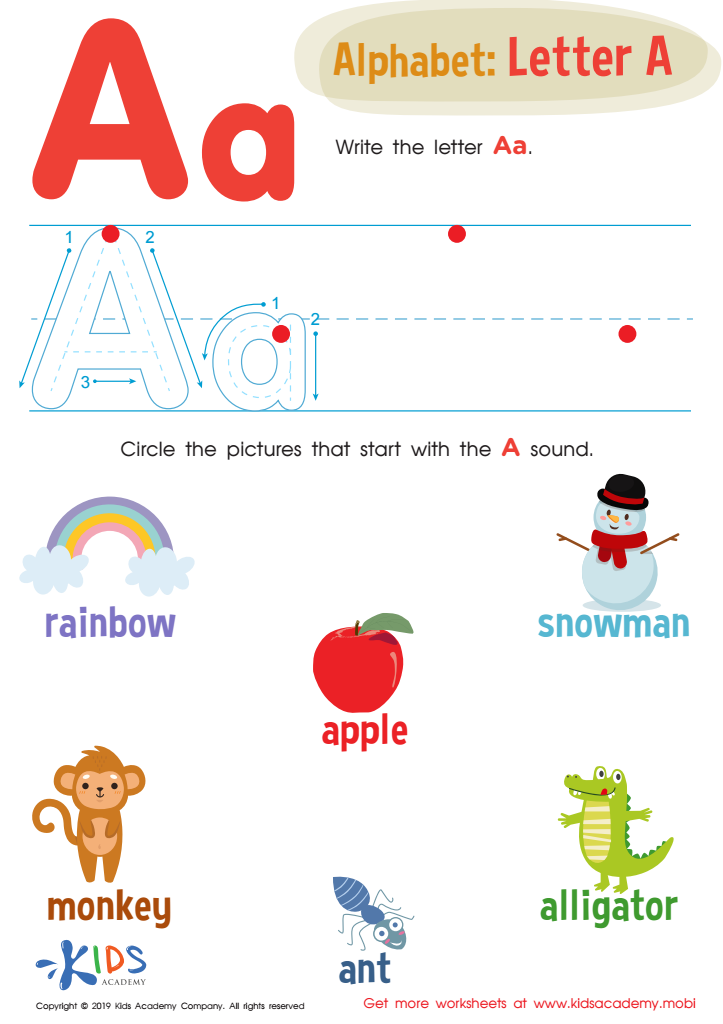
Letter A Tracing Worksheet
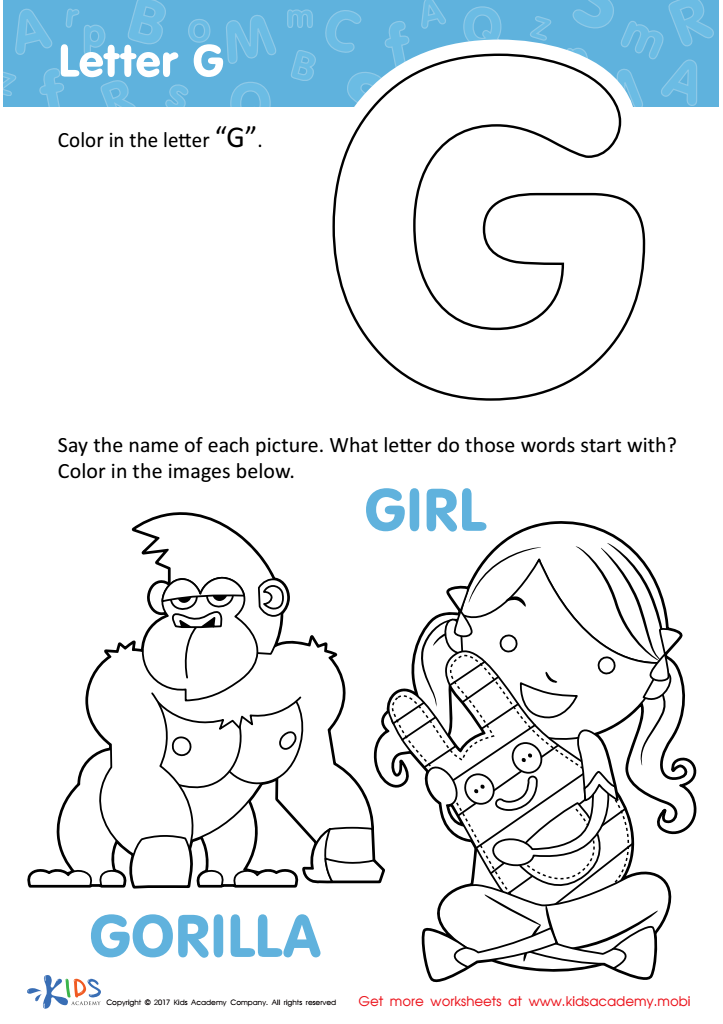
Letter G Coloring Sheet
 Assign to My Students
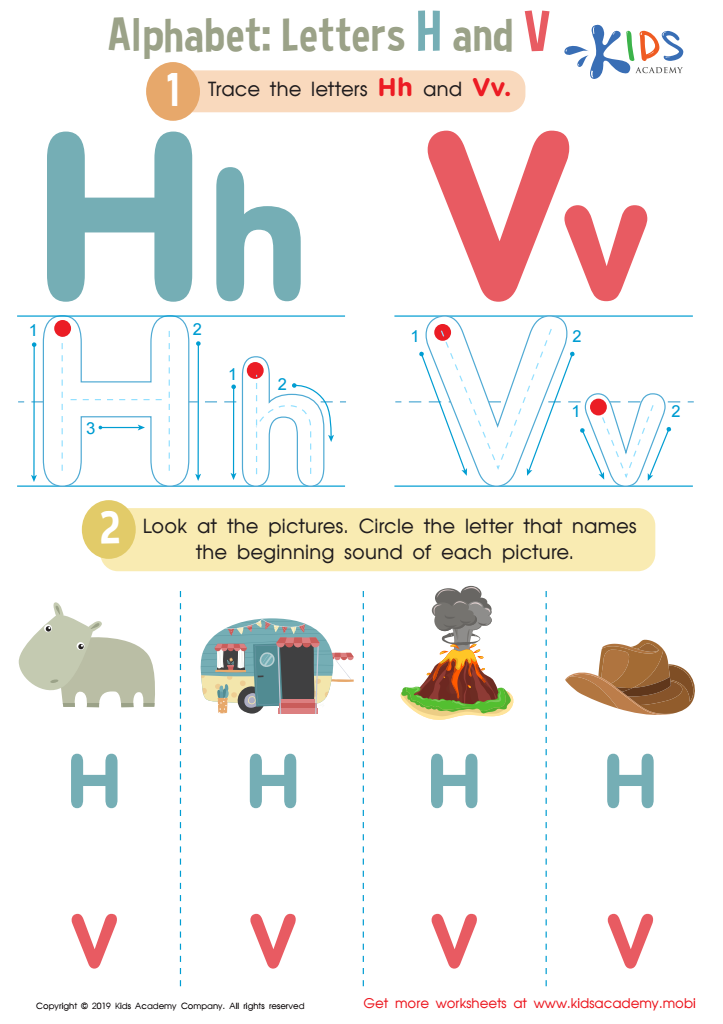
Letters H and V Tracing Worksheet
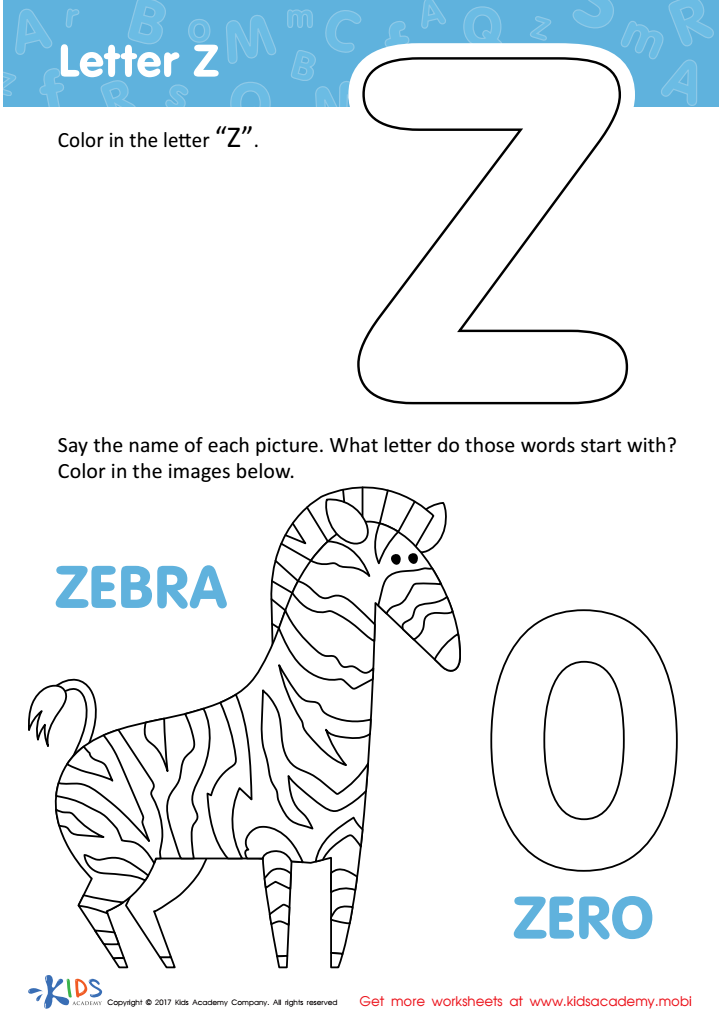
Letter Z Coloring Sheet
Assign to My Students
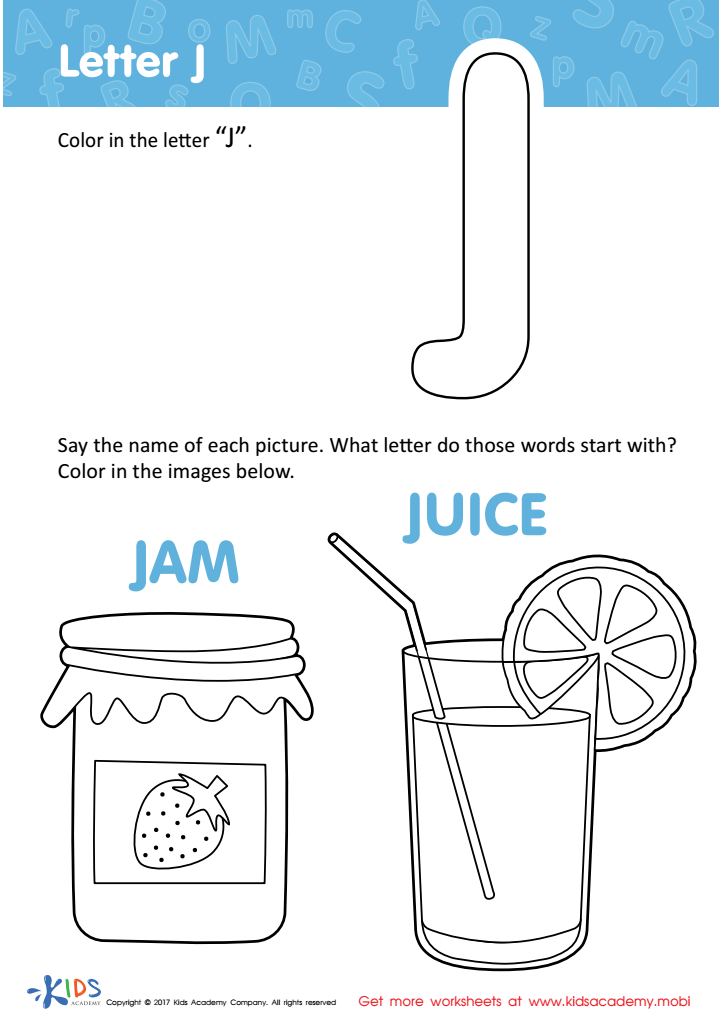
Letter J Coloring Sheet
Assign to My Students
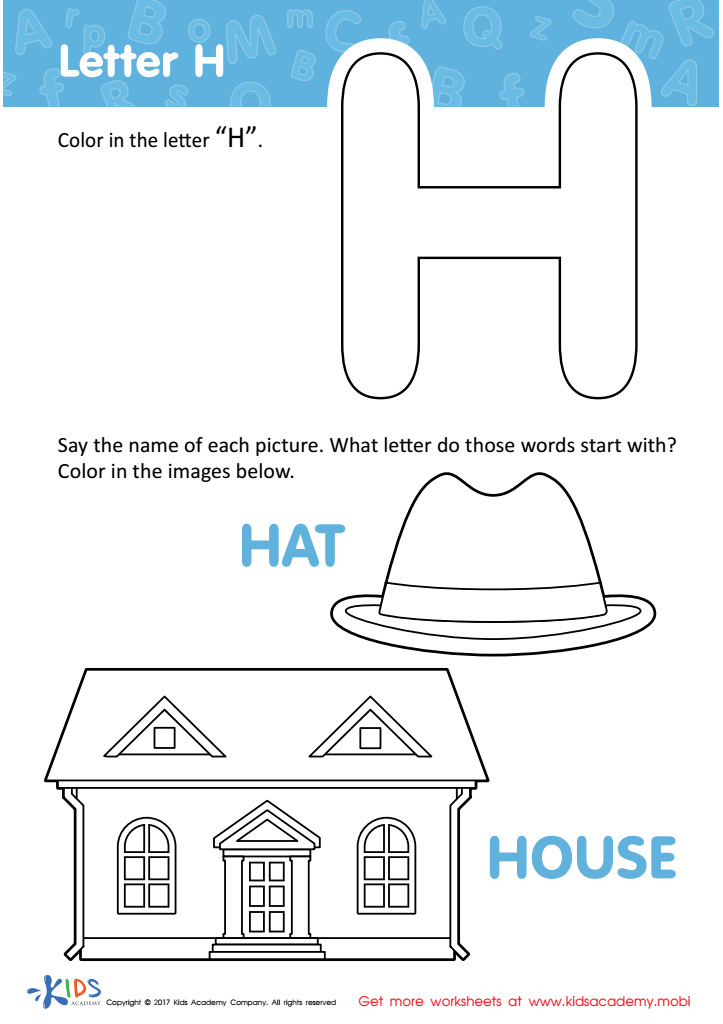
Letter H Coloring Sheet
Assign to My Students
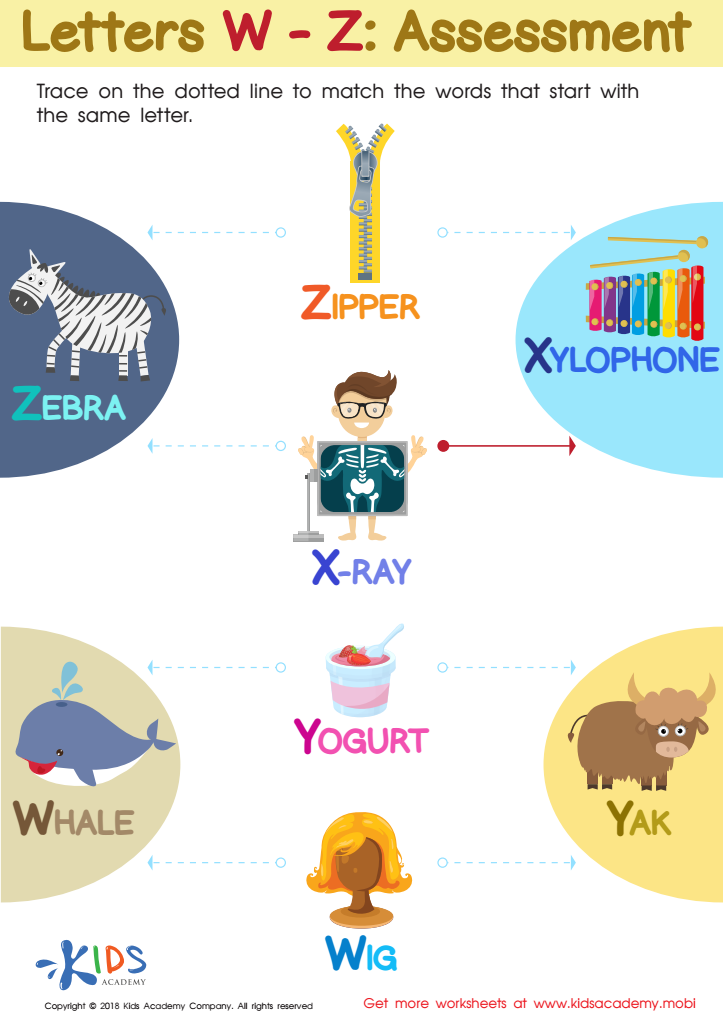
Letters W–Z Tracing Worksheet
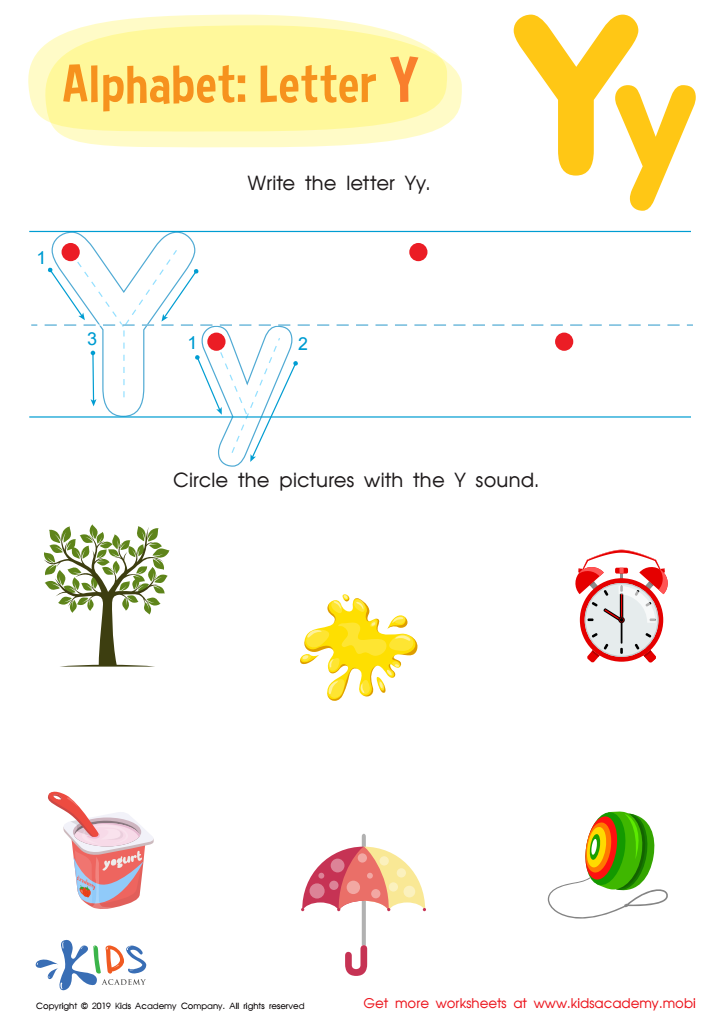
Letter Y Tracing Worksheet
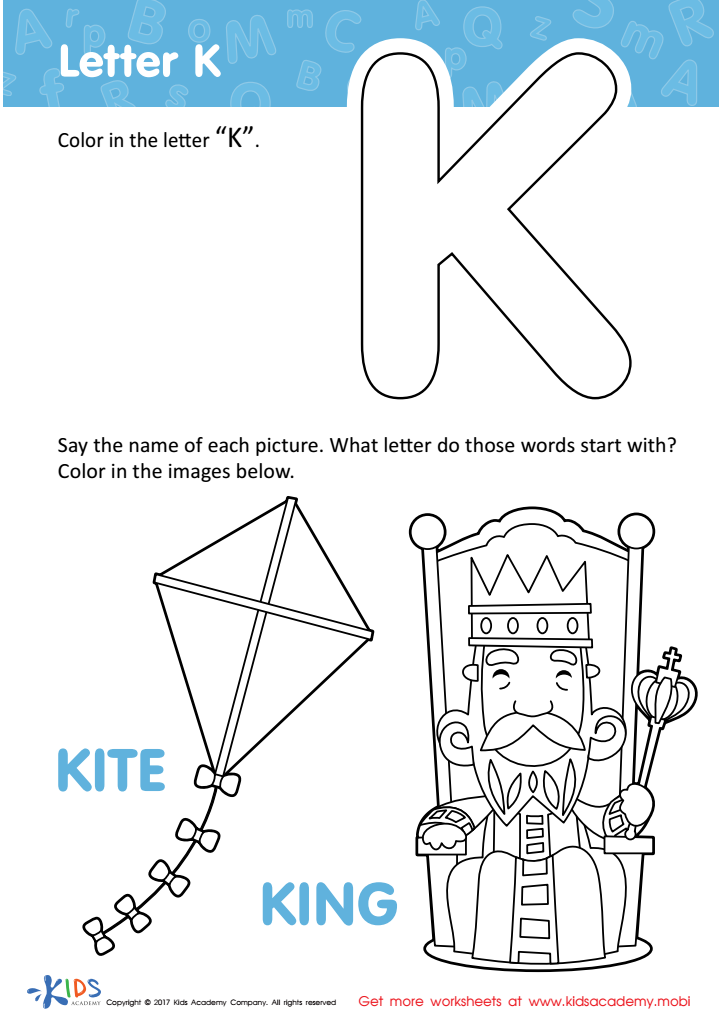
Letter K Coloring Sheet
Assign to My Students

Lowercase Letters g h i Worksheet
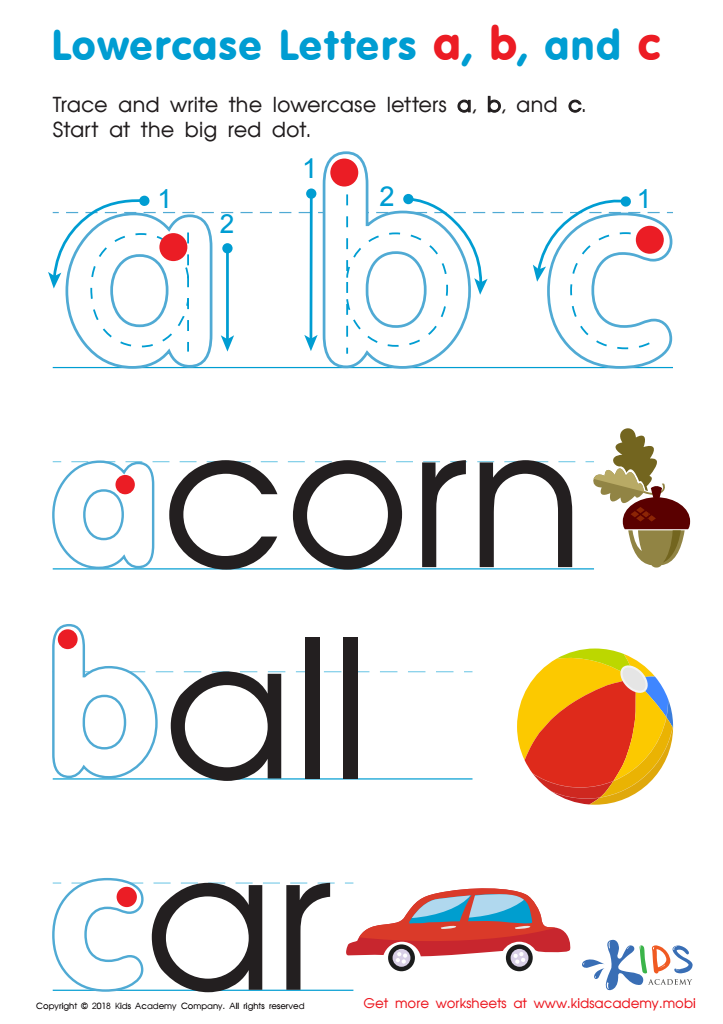
Lowercase Letters a b c Worksheet
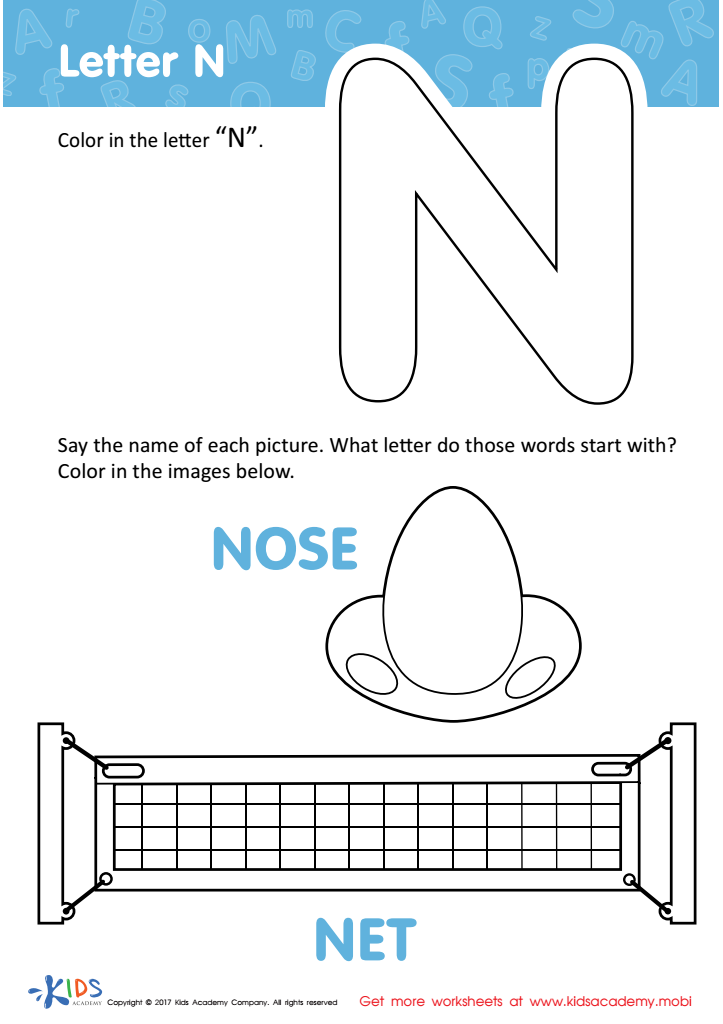
Letter N Coloring Sheet
Assign to My Students
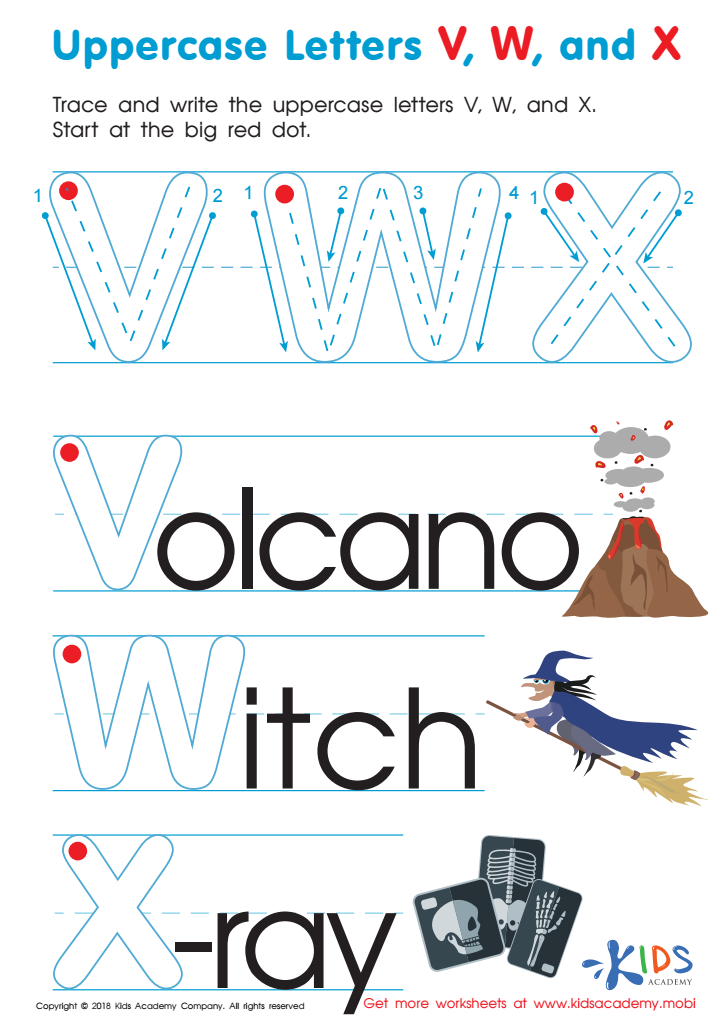
Uppercase Letters V, W, and X Worksheet








Parents and teachers play crucial roles in the early education of children aged 3-8, and both handwriting practice and letter recognition are fundamental components of their developmental trajectory. Handwriting practice at this age fosters fine motor skills, which are essential for daily tasks such as tying shoelaces, buttoning clothing, and later, using tools. It enables children to develop the dexterity and control needed for these tasks.
Letter recognition is equally critical, serving as the foundation for reading and writing. By recognizing and understanding the shapes and sounds of letters, children build phonemic awareness, which is key for decoding words—an essential skill for literacy. This recognition aids in vocabulary expansion and the development of comprehension skills, laying the groundwork for future academic success.
Incorporating handwriting practice and letter recognition in early education boosts children's confidence as they become more comfortable expressing their thoughts and ideas through writing. Additionally, Fluent handwriting prevents a child's cognitive resources from being overwhelmed with the mechanics of writing, thus enhancing their focus on composition and content.
In summary, handwriting practice and letter recognition in early childhood equip children with essential skills for academic achievement and everyday life, thus highlighting the importance for parents and teachers to actively engage in and support these practices during the critical ages of 3-8.







