Vocabulary enhancement Letter Recognition Worksheets for Ages 3-8
4 filtered results
-
From - To
Discover our engaging Vocabulary Enhancement Letter Recognition Worksheets designed for children aged 3-8. These interactive resources help young learners build essential vocabulary while mastering letter recognition skills. Each worksheet offers fun activities that encourage children to identify letters, sound out words, and connect letters with objects and pictures, fostering a deeper understanding of language. By combining phonics practice with vocabulary expansion, our worksheets support early literacy development and prepare your child for reading success. Perfect for home or classroom use, these worksheets make learning enjoyable and effective. Unlock your child's potential today with our vibrant and stimulating worksheets!
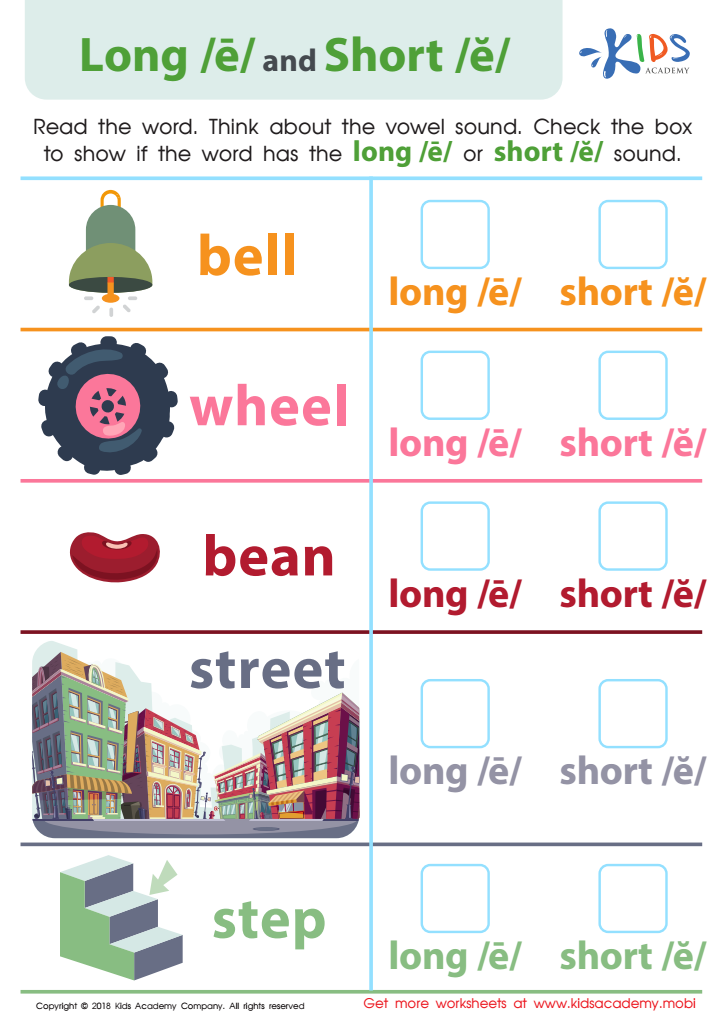
Reading: Long E and Short E Worksheet
 Assign to My Students
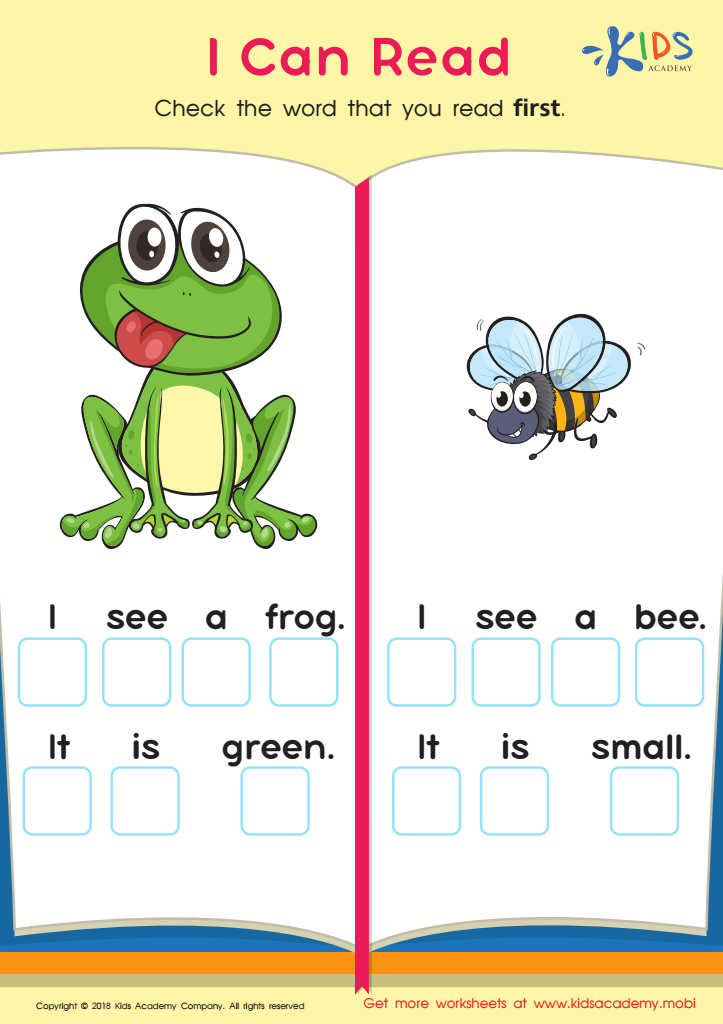
I Can Read Worksheet
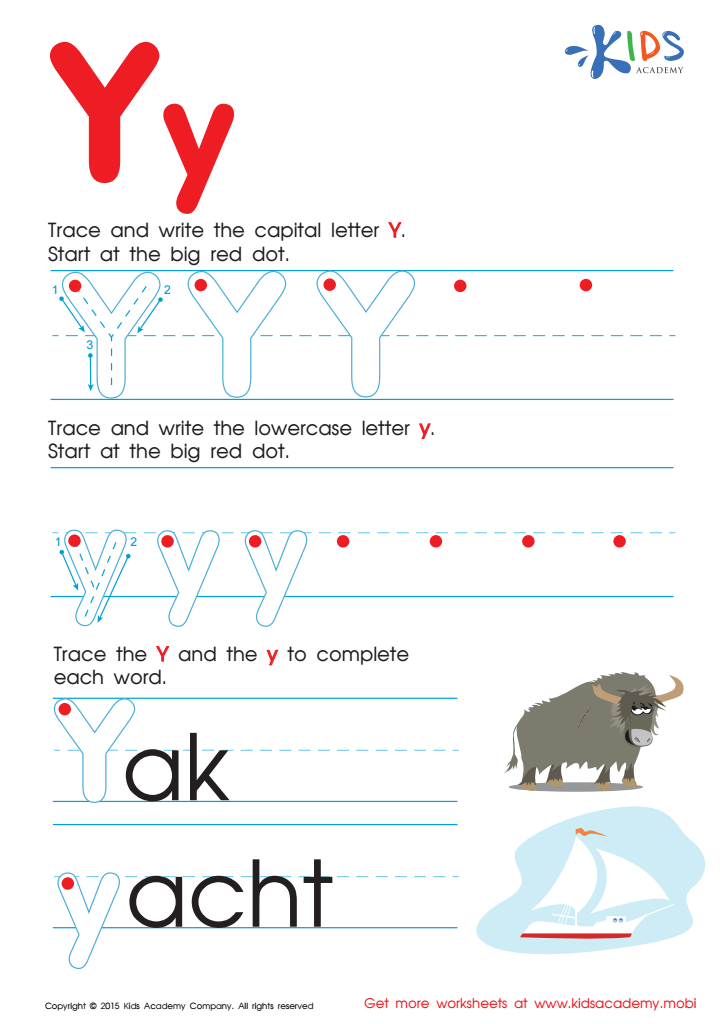
Letter Y Tracing Page
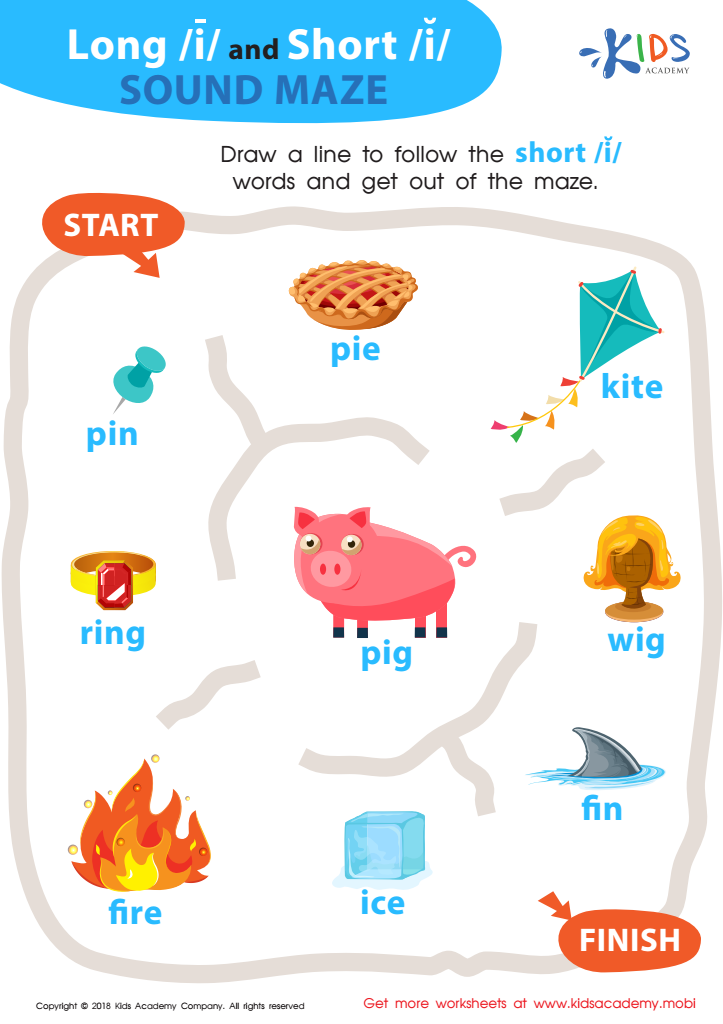
Reading: Long I and Short I Sound Maze Worksheet








Vocabulary enhancement and letter recognition are crucial components of early childhood education for children aged 3-8. During these formative years, children are developing foundational skills that will impact their future reading, writing, and overall communication. Research indicates that a rich vocabulary is linked to academic success; children with extensive vocabularies are better equipped for comprehension and expression, which fosters confidence and engagement in learning.
Letter recognition is equally vital. Recognizing letters is a gateway to reading; it allows children to connect sounds to symbols, forming the cornerstone of phonics and literacy. By enhancing vocabulary and letter recognition, parents and teachers create an environment that encourages curiosity and a love for language. When children can confidently identify letters and use a broader vocabulary, they are more likely to participate in discussions, respond to questions, and develop critical thinking skills.
Moreover, vocabulary enhancement and letter recognition can foster social skills and emotional intelligence, as children learn to express their thoughts and feelings effectively. By supporting these areas, parents and teachers are not just preparing children for academic success; they are nurturing well-rounded individuals capable of effective communication and meaningful interactions in society. These skills lay the groundwork for lifelong learning and personal development.







