Writing practice Letter Recognition Worksheets for Ages 3-8
14 filtered results
-
From - To
Enhance your child's letter recognition and writing skills with our engaging and educational Writing Practice Letter Recognition Worksheets for Ages 3-8. Designed by experts, these worksheets offer a fun and interactive way for young learners to practice tracing and writing letters. Each activity helps kids identify uppercase and lowercase letters while developing fine motor skills. Perfect for both classroom and at-home use, these resources support literacy advancement and pave the way for confident writing. Give your child the foundation they need for reading and writing success. Explore the collection and start your learning journey today!
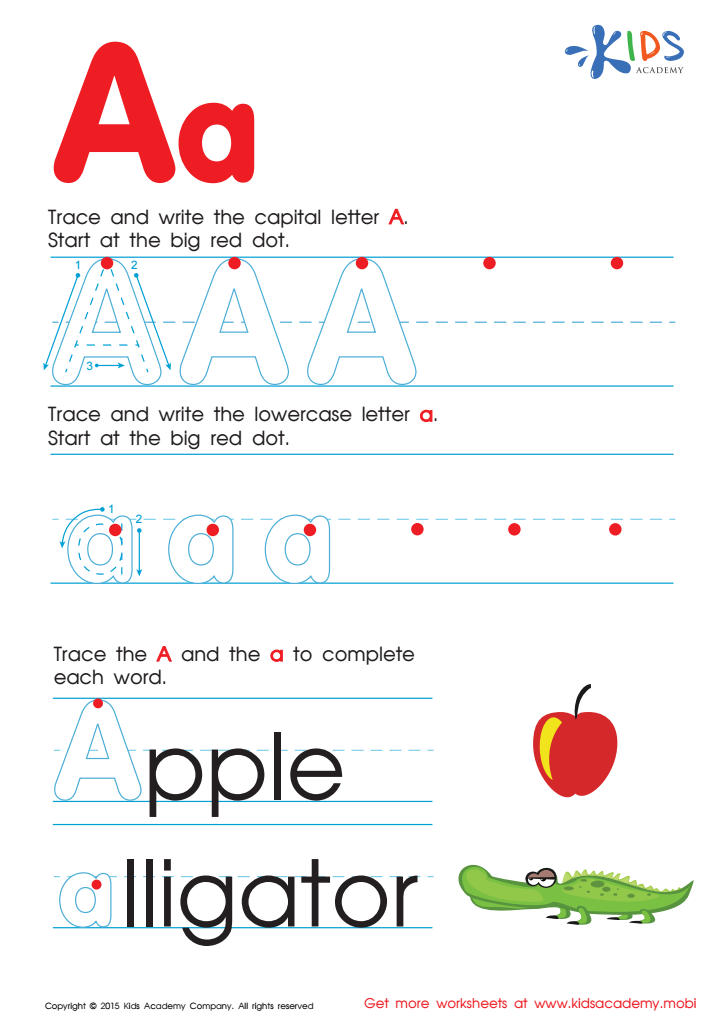
Letter A Tracing Page
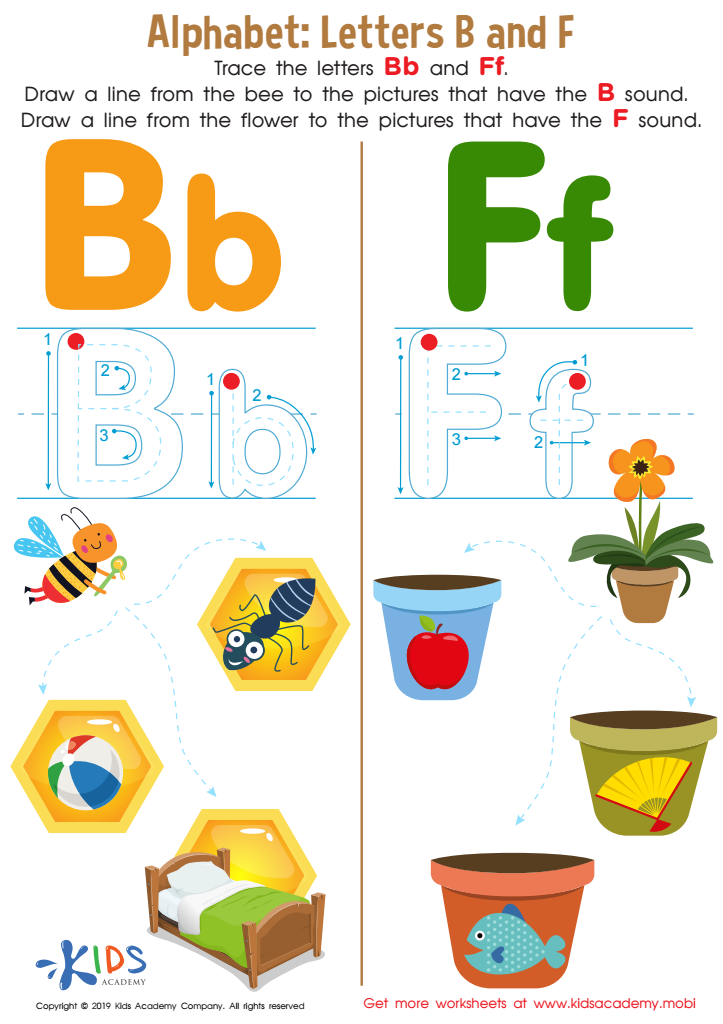
Letters B and F Tracing Worksheet
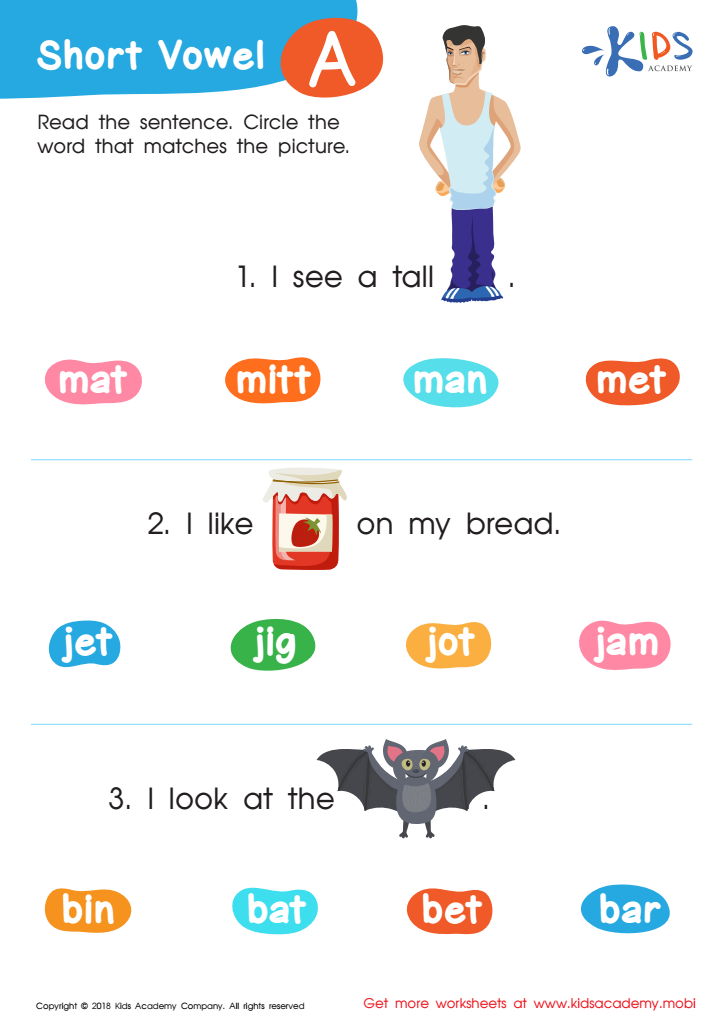
Short Vowel /a/ Worksheet
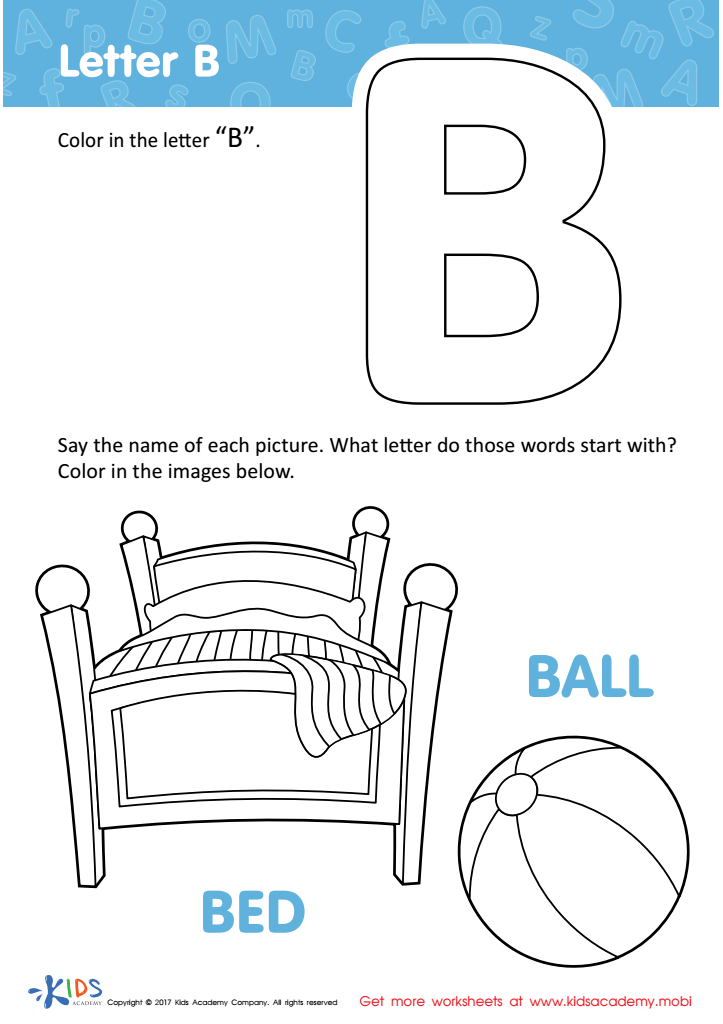
Letter B Coloring Sheet
 Assign to My Students
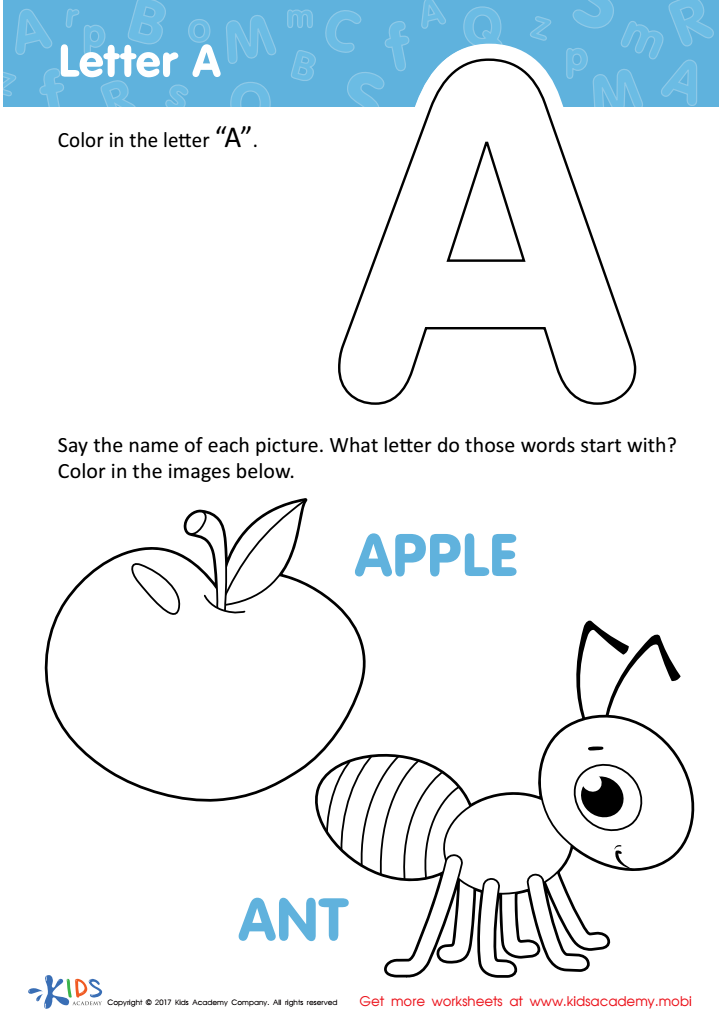
Letter A Coloring Sheet
Assign to My Students

Letter H Tracing Page
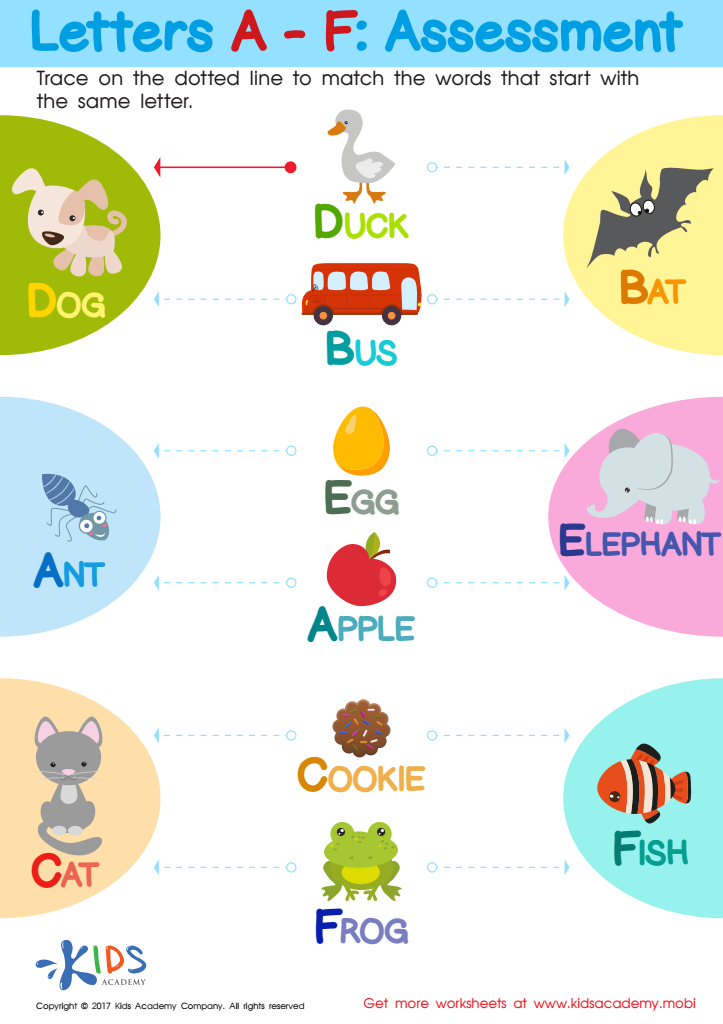
Letters A - F Worksheet
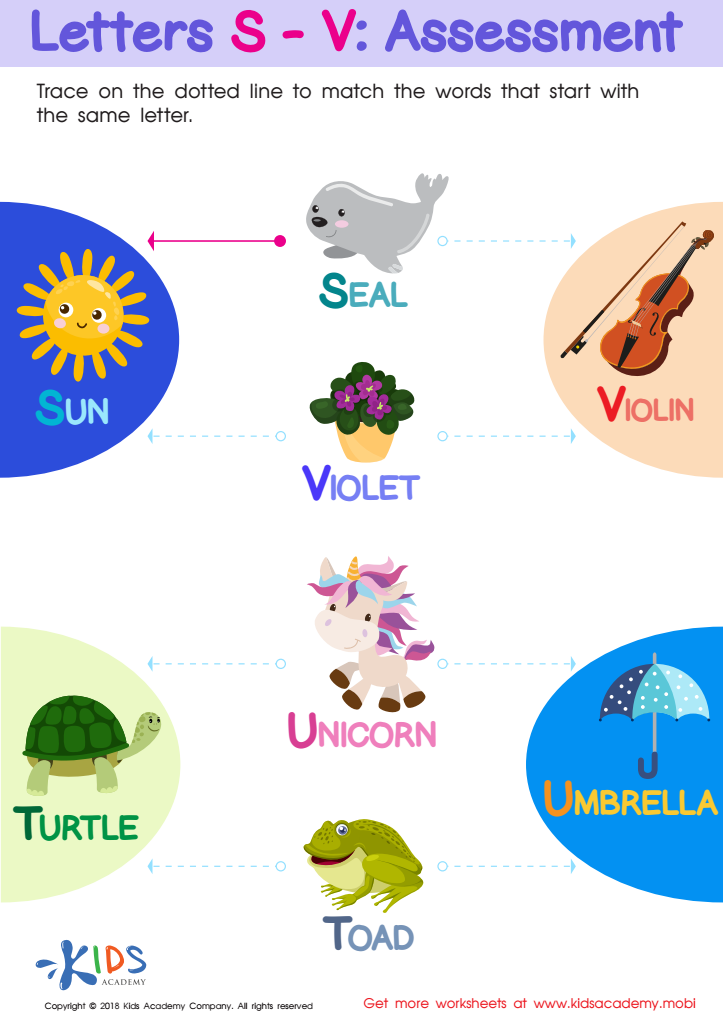
Letters S - V Tracing Worksheet
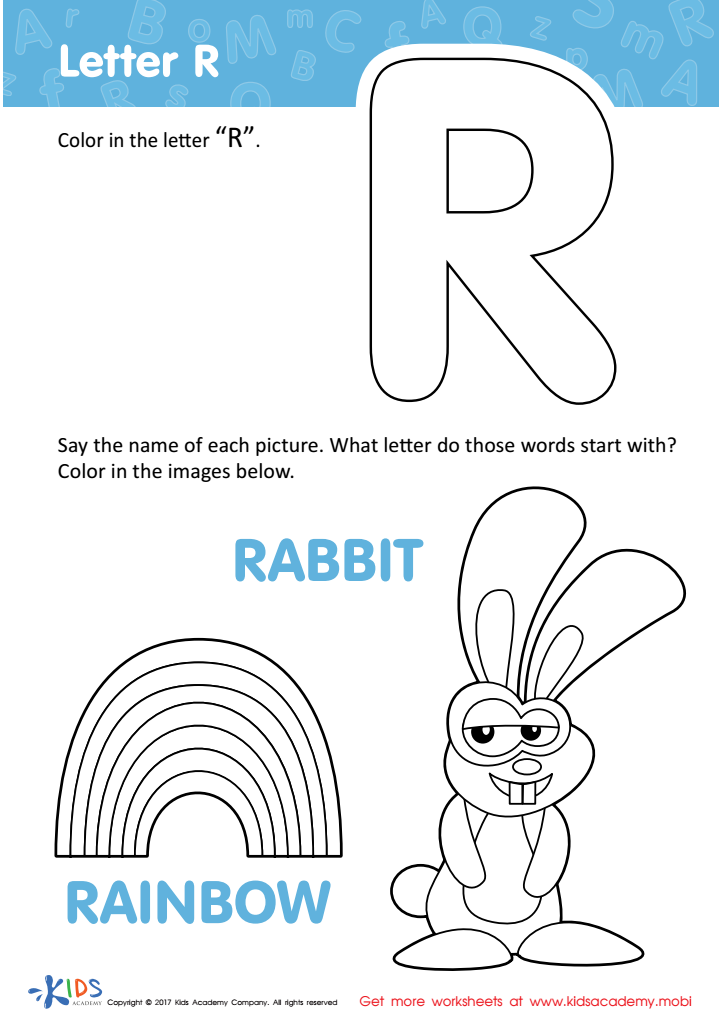
Letter R Coloring Sheet
Assign to My Students
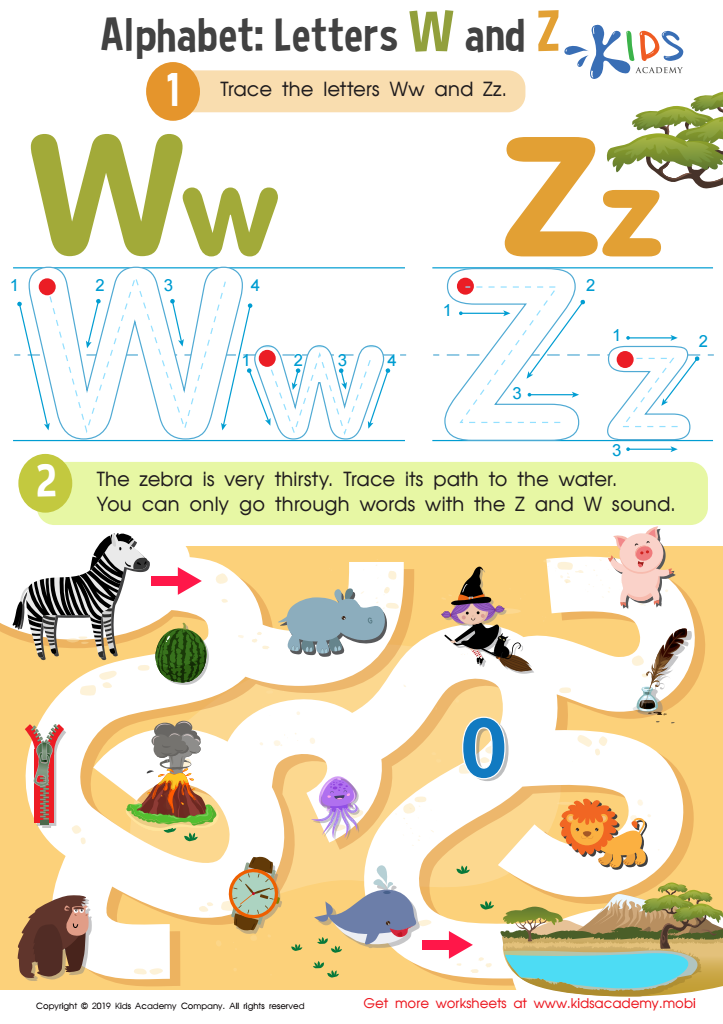
Letters W and Z Tracing Worksheet
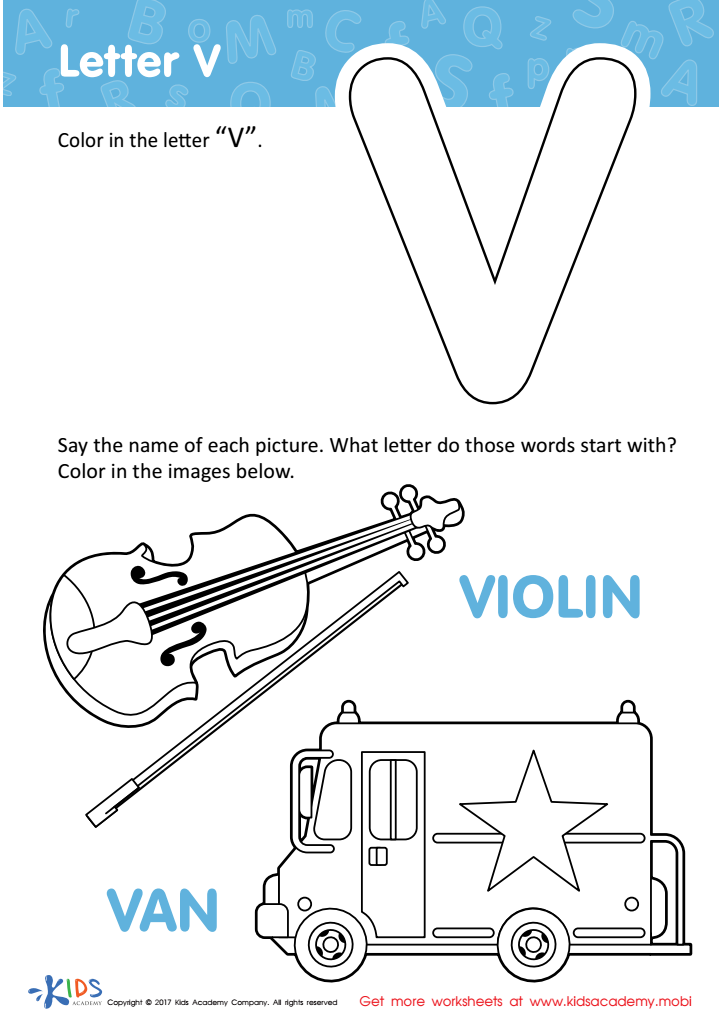
Letter V Coloring Sheet
Assign to My Students
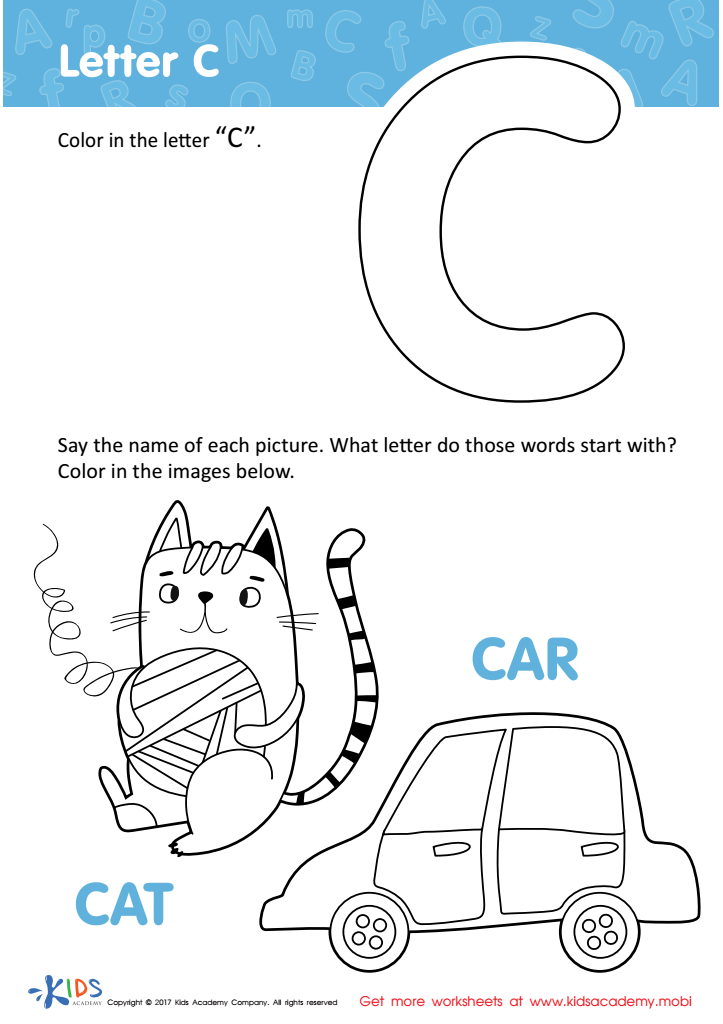
Letter C Coloring Sheet
Assign to My Students
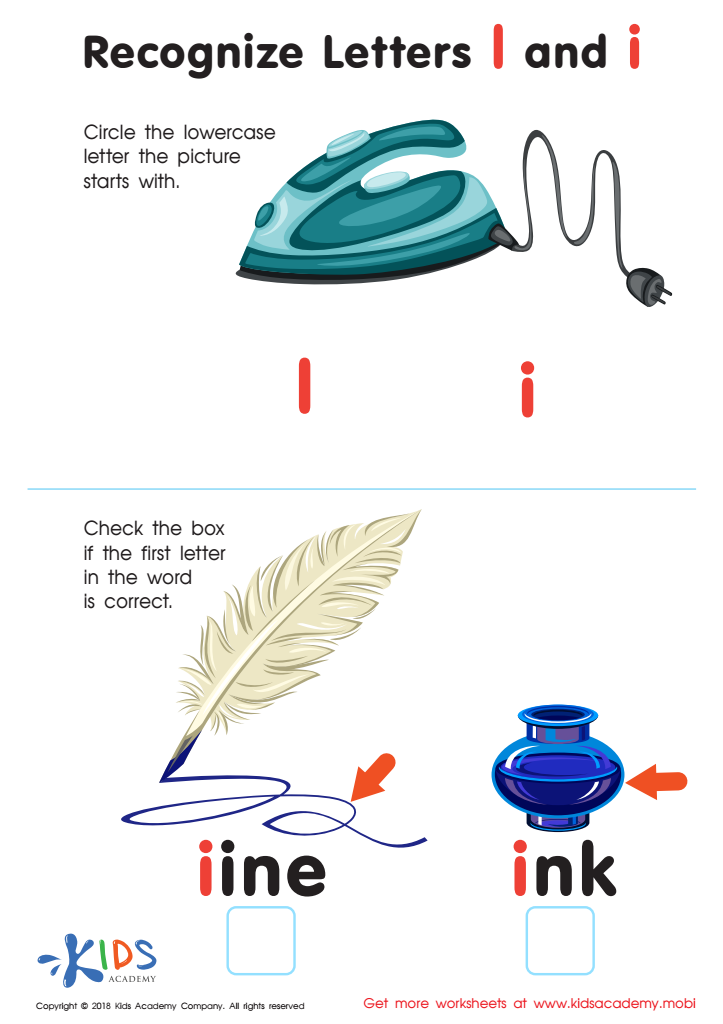
Recognize Letters l and i Worksheet
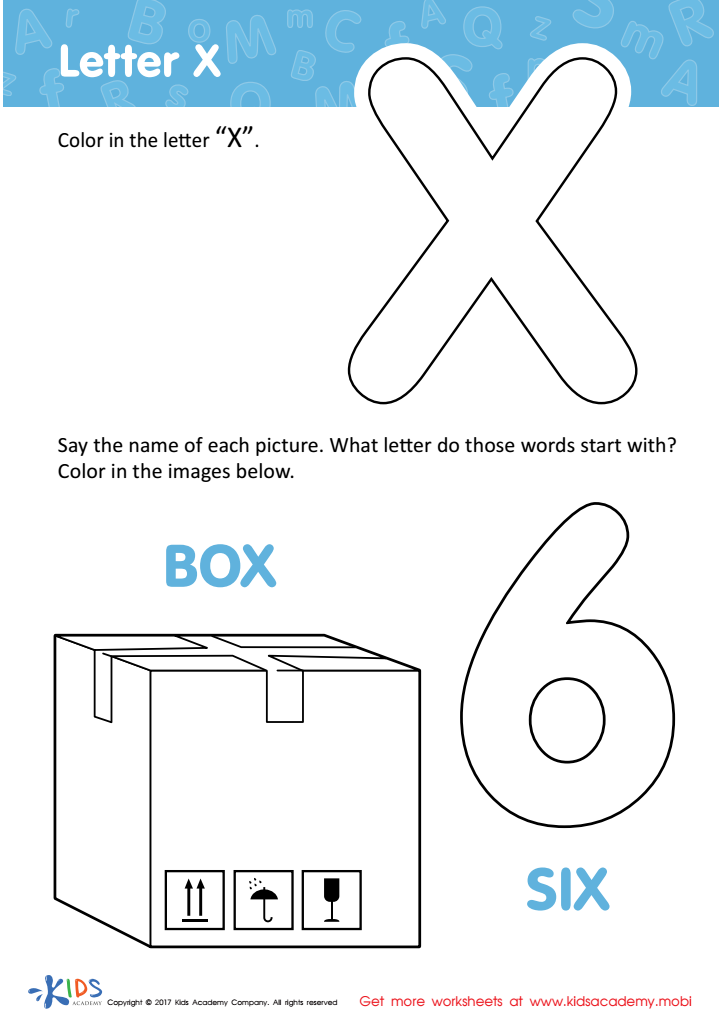
Letter X Coloring Sheet
Assign to My Students








Parents and teachers should care about writing practice and letter recognition for children ages 3-8 because these are foundational skills crucial for literacy development. Early exposure to letters and writing helps children understand that symbols have meanings, which is vital for reading and writing. This foundational knowledge paves the way for future success in school and beyond.
Children in this age group are in a critical period of brain development. Engaging in writing practice enhances fine motor skills, hand-eye coordination, and cognitive development. When children recognize letters, they also begin to understand that these letters form words, which contribute to their ability to understand and use language effectively.
Additionally, letter recognition and writing are interrelated with other essential skills like spelling and vocabulary building. Early and consistent practice in these areas fosters a love for reading and learning. It also boosts confidence as children feel more prepared and capable in their skills.
Furthermore, early literacy skills are strong indicators of academic achievement later in life. Through engaging activities like tracing letters, playing letter-recognition games, and writing simple words, children build a robust foundation. Thus, parents and teachers should prioritize writing practice and letter recognition to ensure each child achieves their full academic potential.







