Reading comprehension Short Vowels Worksheets for Ages 3-8
8 filtered results
Difficulty Level
Grade
Age
-
From - To
Subject
Activity
Standards
Enhance your child’s reading skills with our "Reading Comprehension Short Vowels Worksheets for Ages 3-8." Designed by education experts, these vibrant and engaging worksheets focus on short vowel sounds to build foundational language skills. Each worksheet blends fun activities with targeted practice to help young readers recognize and use short vowels in various contexts. Perfect for preschool through early elementary, our worksheets support early literacy, improve phonemic awareness, and boost reading confidence. Explore our collection and give your child a head start in mastering reading comprehension while making learning joyful and effective. Visit now to download and print!
Favorites
With answer key
Interactive
Reading: Long O and Short O Sounds Worksheet
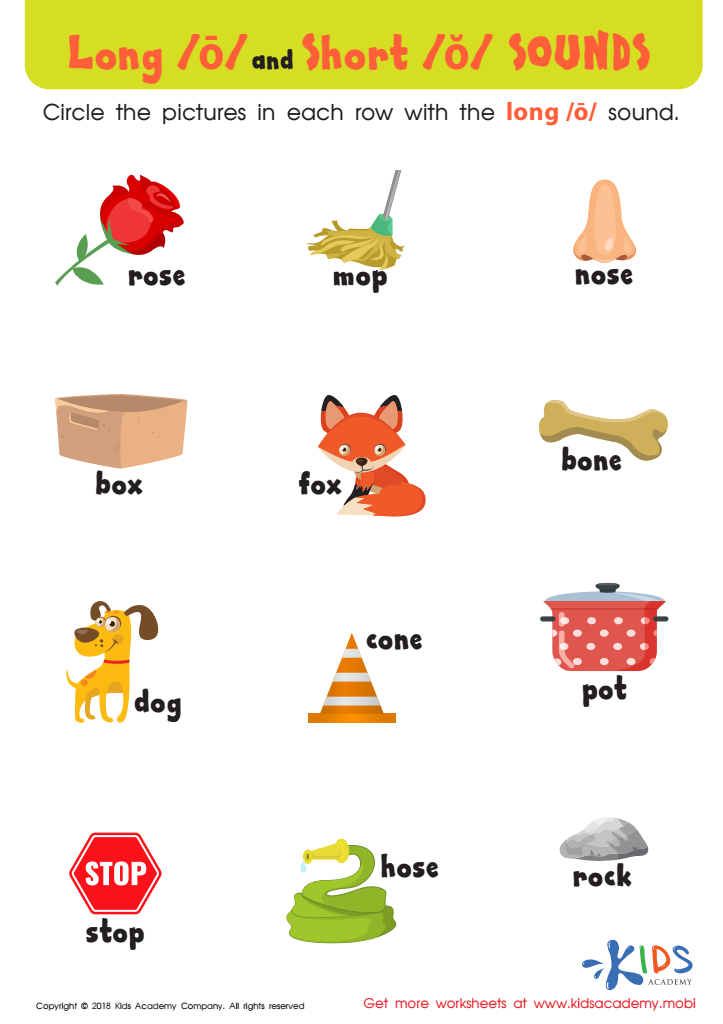
Students practice distinguishing between short and long O sounds with this reading worksheet. They sound out each word, then circle the pictures with the long O sound. Perfect for individual practice or to work with peers! Improves understanding of this skill and helps avoid confusion.
Reading: Long O and Short O Sounds Worksheet
Worksheet
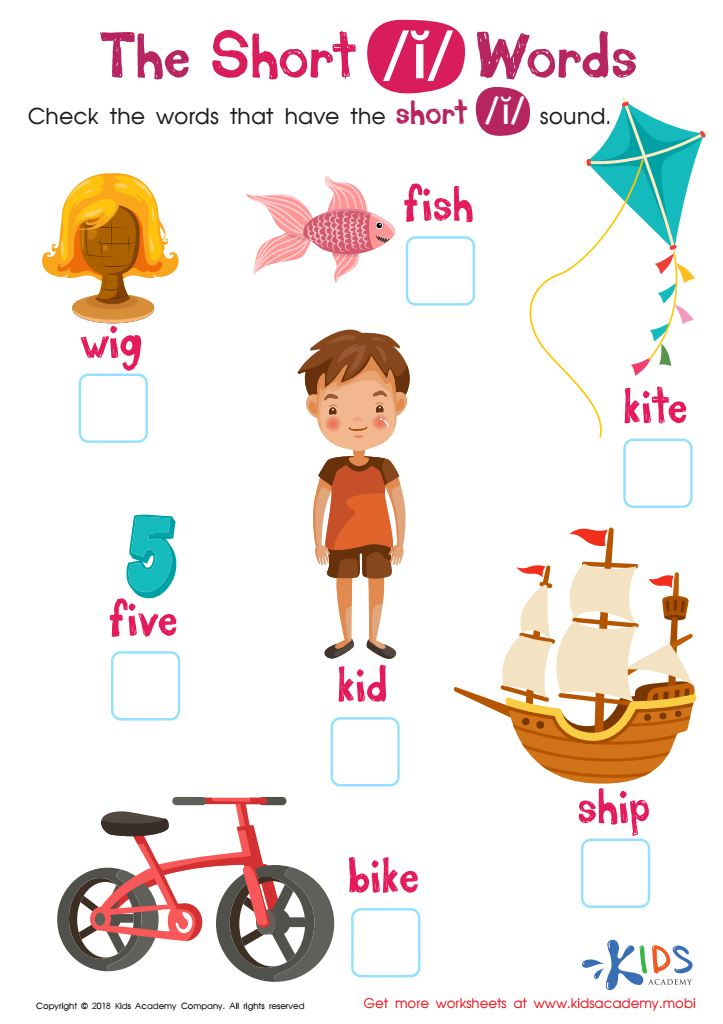
The Short I Words Reading Worksheet
Teach your kindergartner phonics with this printout worksheet! It introduces the short «i» sound and helps them differentiate and articulate sounds and letters of the alphabet. With practice, your child will soon find it easy to classify sounds into long and short vowels.
The Short I Words Reading Worksheet
Worksheet
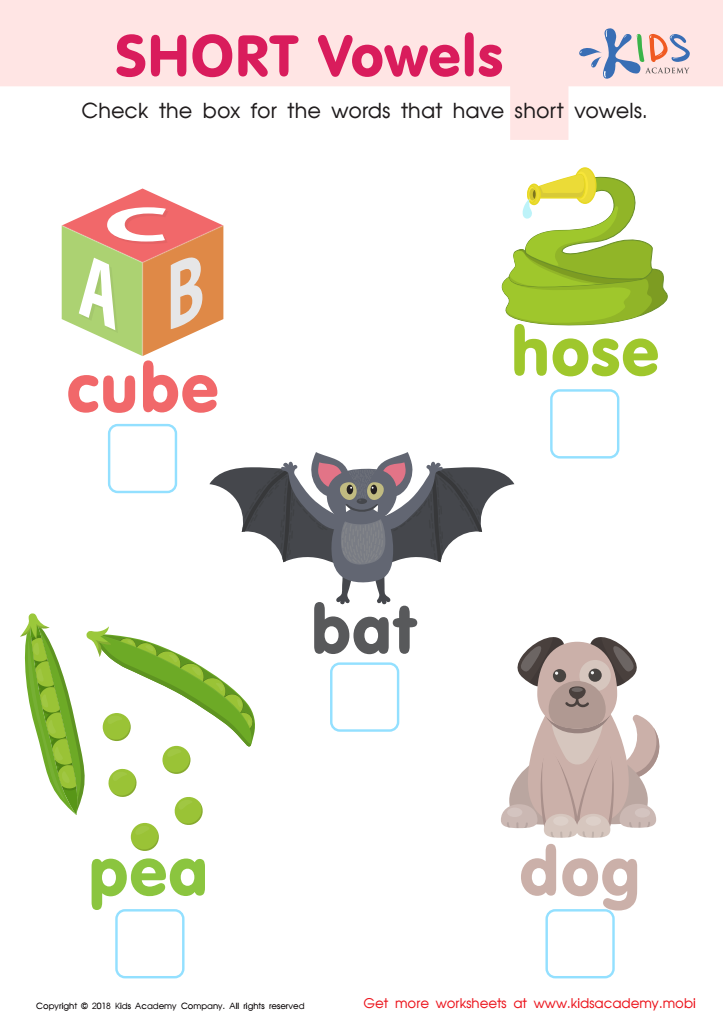
short vowels Worksheet
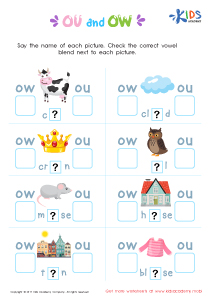
Say "dog" and notice how long it takes to pronounce the vowel. Is it short or long? Compare it to "pea" and use this worksheet to quickly assess your child's mastery. Have them name each picture and listen for the vowel sounds. Only check the boxes for words with short vowel sounds.
short vowels Worksheet
Worksheet
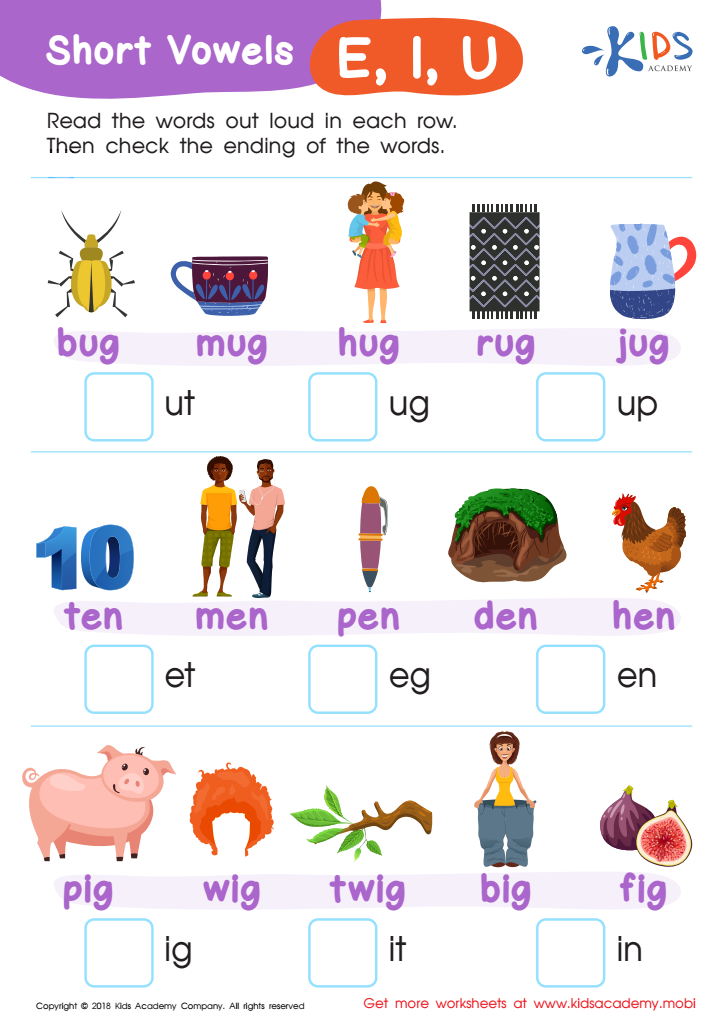
Short Vowels /e/, /i/, and /u/ Worksheet
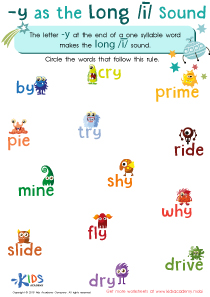
Your emergent reader can have fun while practicing their short vowel sounds with this free, brightly colored worksheet. They'll identify one-syllable words by their pictures, then match the correct ending for each. They'll gain an understanding of how short vowel sounds vary in closed syllables with different endings, without even realizing it!
Short Vowels /e/, /i/, and /u/ Worksheet
Worksheet
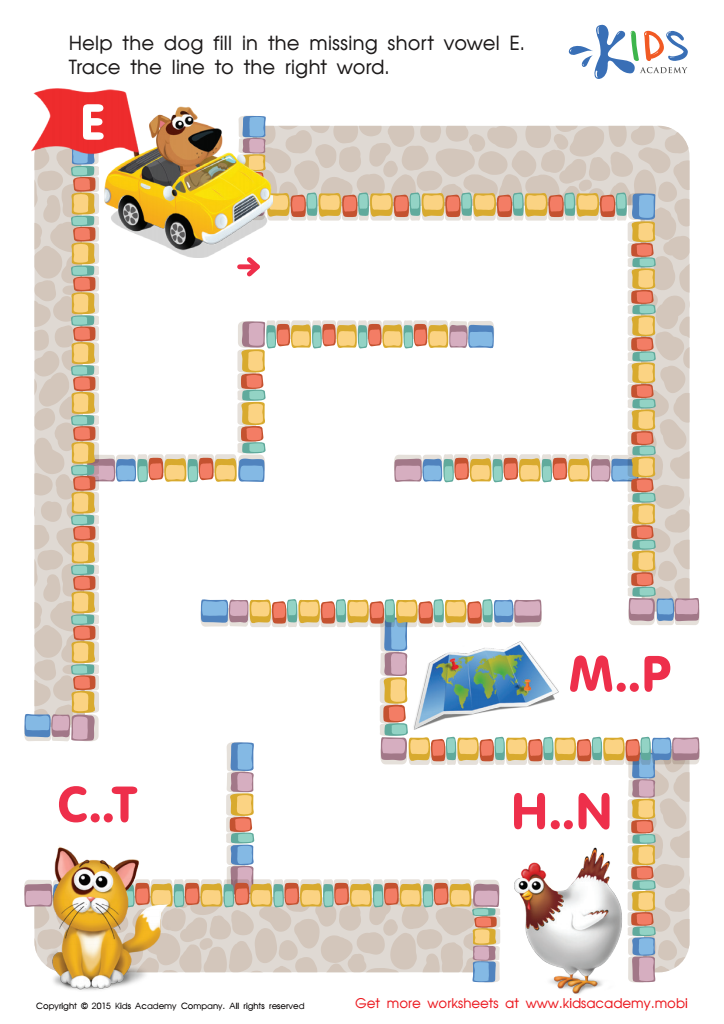
Short Vowel Sound E Worksheet
This free printable phonics worksheet helps kids learn the short vowel sound E. Kids need to help the dog complete the word “hen” by finding their way through a maze. It teaches kids to see the connection between letters and sounds and also strengthens their writing and spelling skills. Fun and educational, this phonics worksheet is great for kids. Want more? Check out here.
Short Vowel Sound E Worksheet
Worksheet
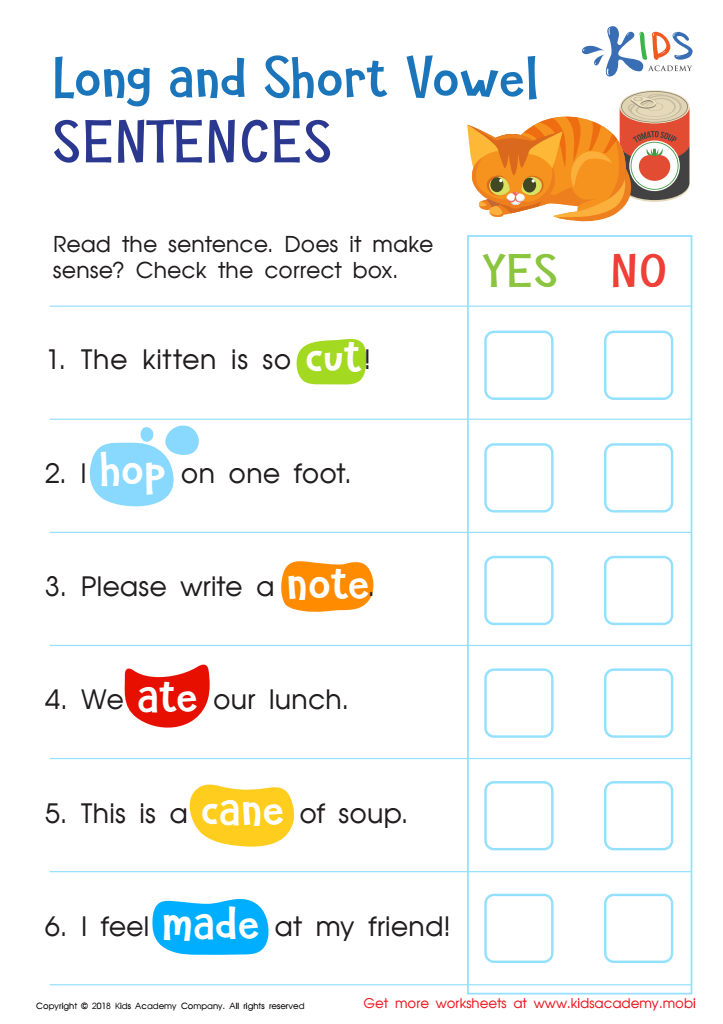
Long and Short Vowel Sentences: Assessment Worksheet
This printable worksheet helps kids practice differentiating between short and long vowel sounds. They'll use context clues to figure out which words make sense in simple sentences. A great way to build reading and writing skills!
Long and Short Vowel Sentences: Assessment Worksheet
Worksheet
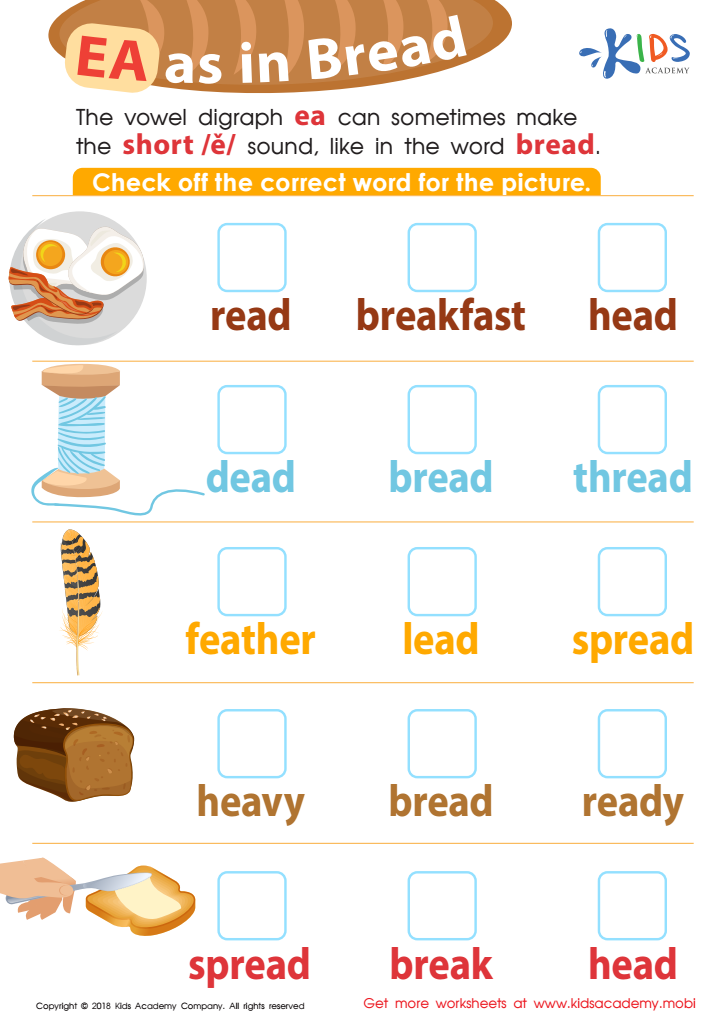
Reading: EA as in Bread Worksheet
The vowel digraph ea can be read in two ways. Examples of the long sound are "read" and "lead"; examples of the short sound are "bread" and "head". Ask your kids to give you more examples and then have them check off the correct word for the pictures on this worksheet. This will help them understand the ea sound.
Reading: EA as in Bread Worksheet
Worksheet

Long and Short E Worksheet
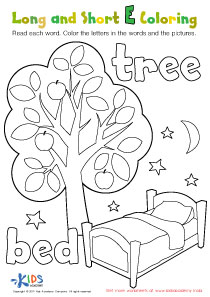
This fun printout makes learning phonics enjoyable for Grade 3 students. Get them to read the words “tree” and “bed” to recognize the different sounds of the letter “E”. After hearing the words they can color the words and the pictures to understand differences between long and short vowels.
Download (PDF)
 Assign to My Students
Assign to My Students
Long and Short E Worksheet
Worksheet
Join Kids Academy for Free
Who is primarily going to use this learning content?



Reading comprehension is essential for early learners, particularly those aged 3-8, as it sets the foundation for all future learning. Short vowels are a fundamental building block in grasping the basics of English phonetics and early reading skills. Mastering short vowels enables children to decode simple words accurately, fostering a sense of achievement and confidence in their reading abilities.
Parents and teachers should care about this aspect because it impacts overall language acquisition and academic success. Comprehension skills allow children to understand and enjoy the stories they read, enhancing their cognitive development and critical thinking. Focusing on short vowels can prevent reading difficulties and potential frustration, ensuring that early learners stay engaged and motivated.
Parents play a crucial role in reinforcing these skills at home, turning everyday activities into learning opportunities. Teachers can provide structured and targeted phonics instruction in the classroom, tailored to individual learning needs. By collaborating and emphasizing short vowels, both parents and educators help children develop strong reading foundations. This developmental milestone promotes lifelong literacy, empowering children with the tools needed to succeed academically and thrive in an information-rich world.