Alphabet Recognition Tracing Letters Worksheets for Ages 3-8
28 filtered results
-
From - To
Discover our engaging Alphabet Recognition Tracing Letters Worksheets designed for children ages 3-8! These interactive resources help young learners develop essential pre-writing skills while recognizing and tracing each letter of the alphabet. Featuring colorful designs and age-appropriate activities, our worksheets promote effective learning through fun exercises. Children will enhance their letter recognition, improve fine motor skills, and boost their confidence as they track each letter form. Ideal for preschool, kindergarten, and early primary education settings, these tracing worksheets support a solid foundational literacy skill set. Download and print to spice up your teaching and see your little ones flourish with the joy of learning!

Letter A Tracing Page
 Assign to My Students
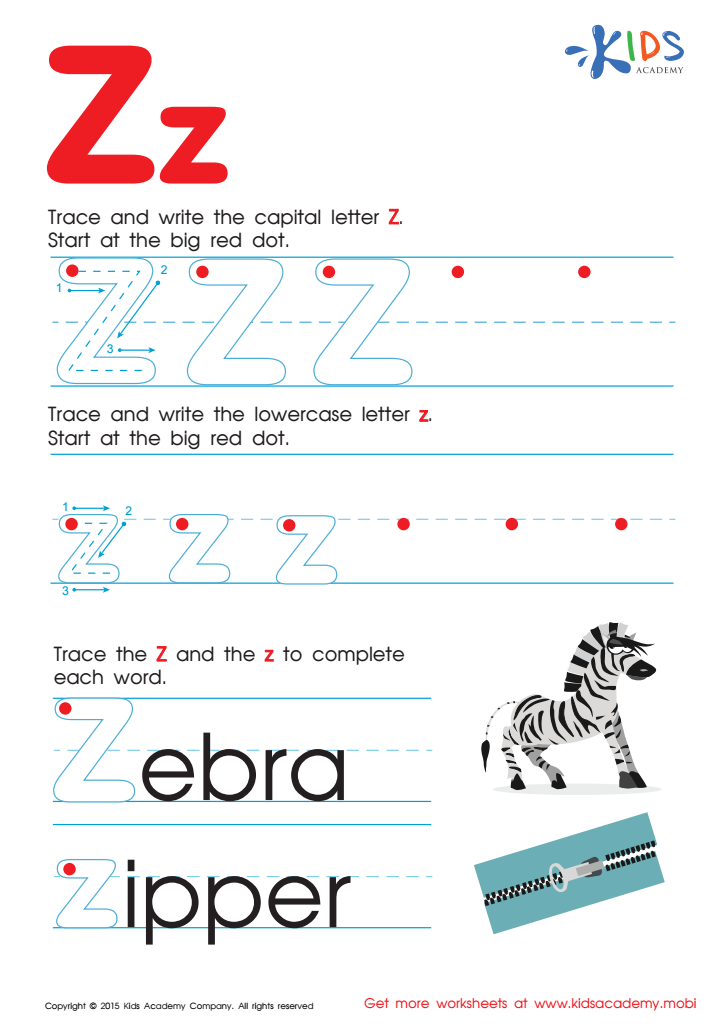
Letter Z Tracing Page
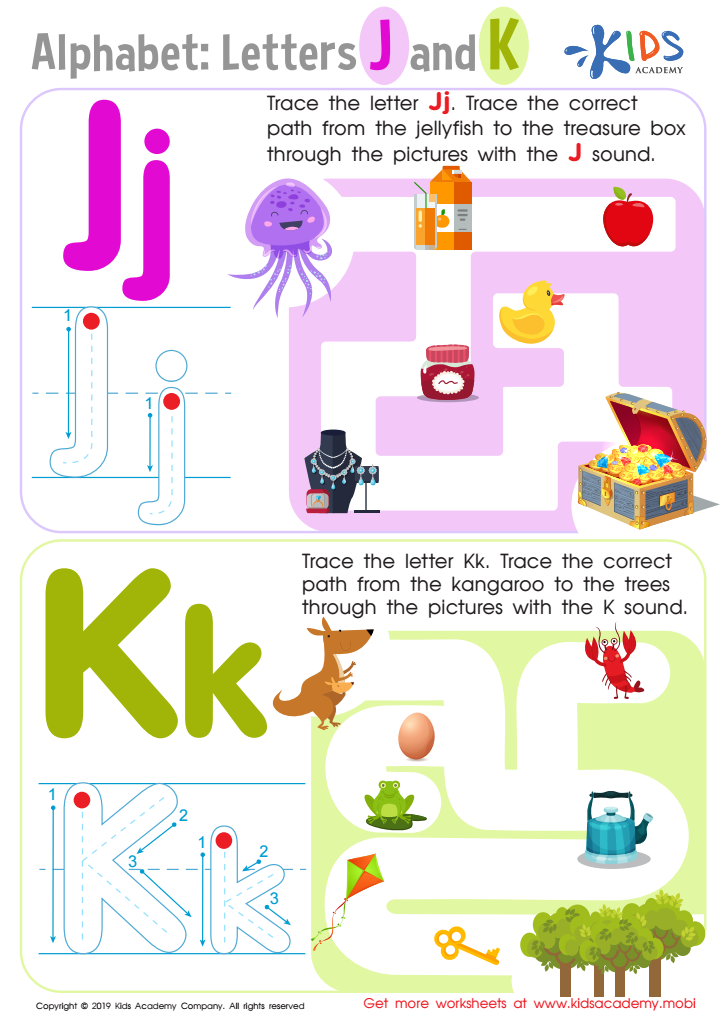
Letters J and K Tracing Worksheet
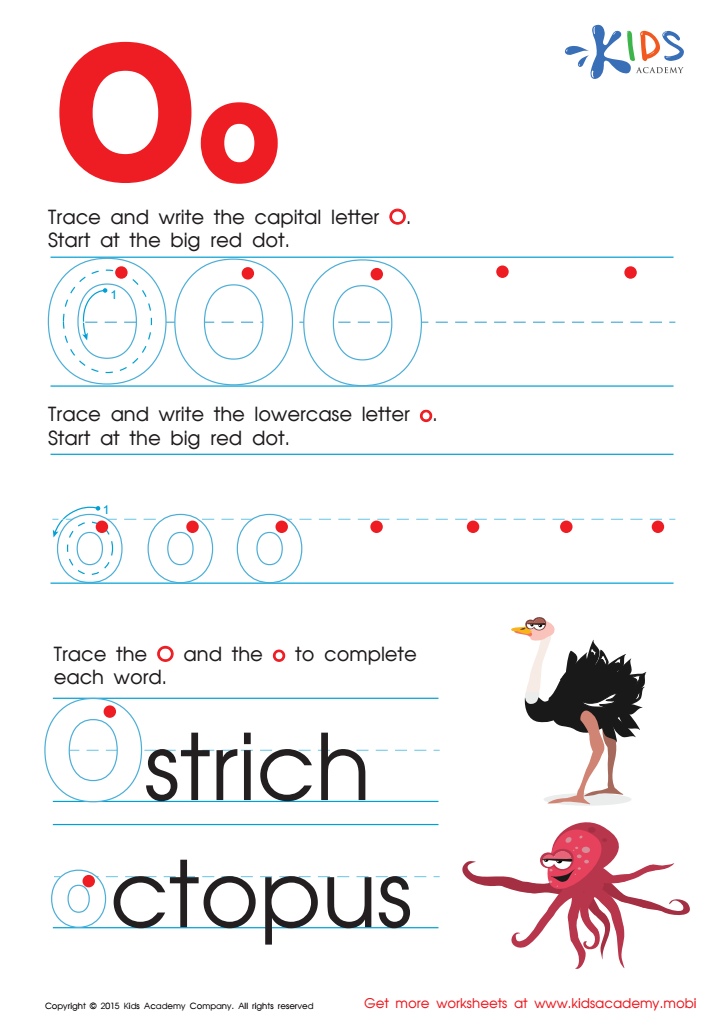
Letter O Tracing Page
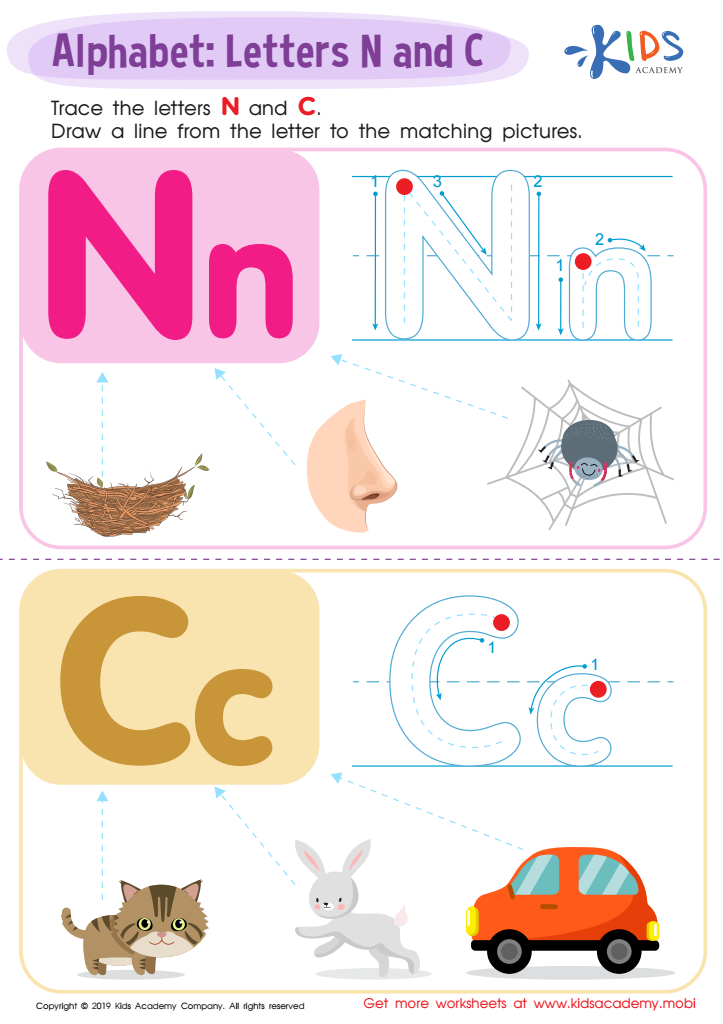
Letter N and C Tracing Worksheet
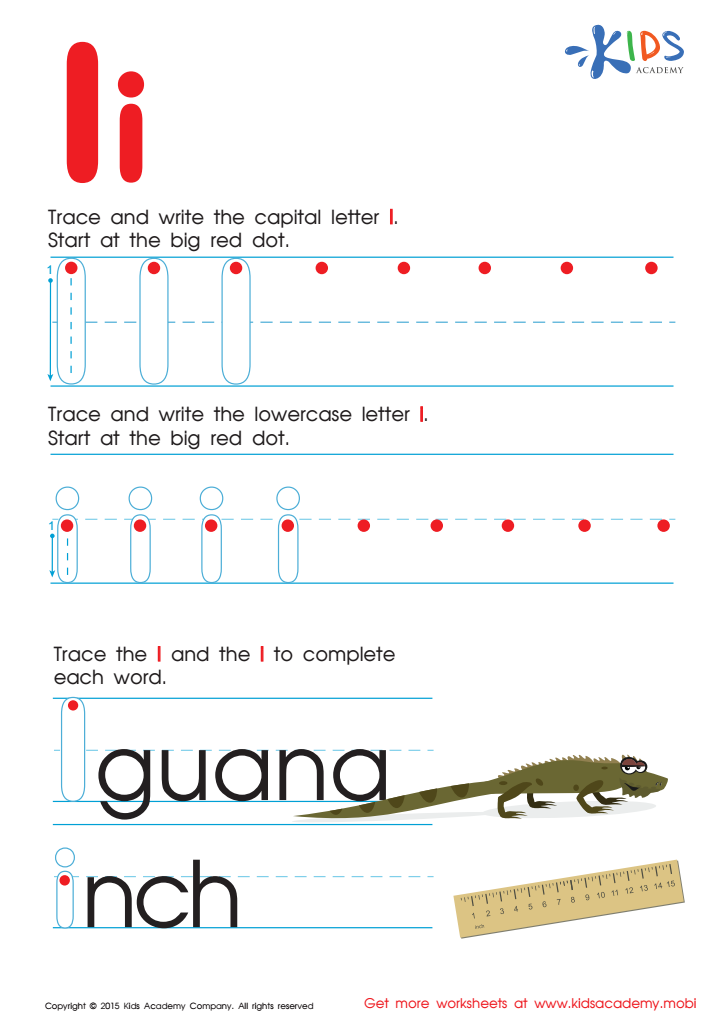
Letter I Tracing Page
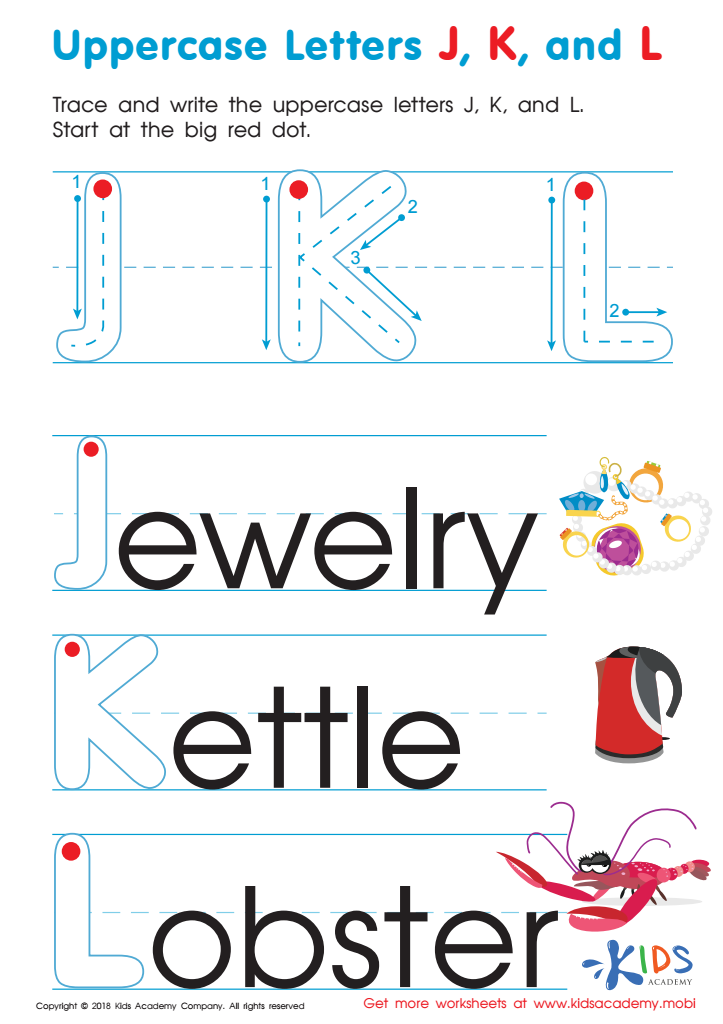
Uppercase Letters J, K, and L Worksheet
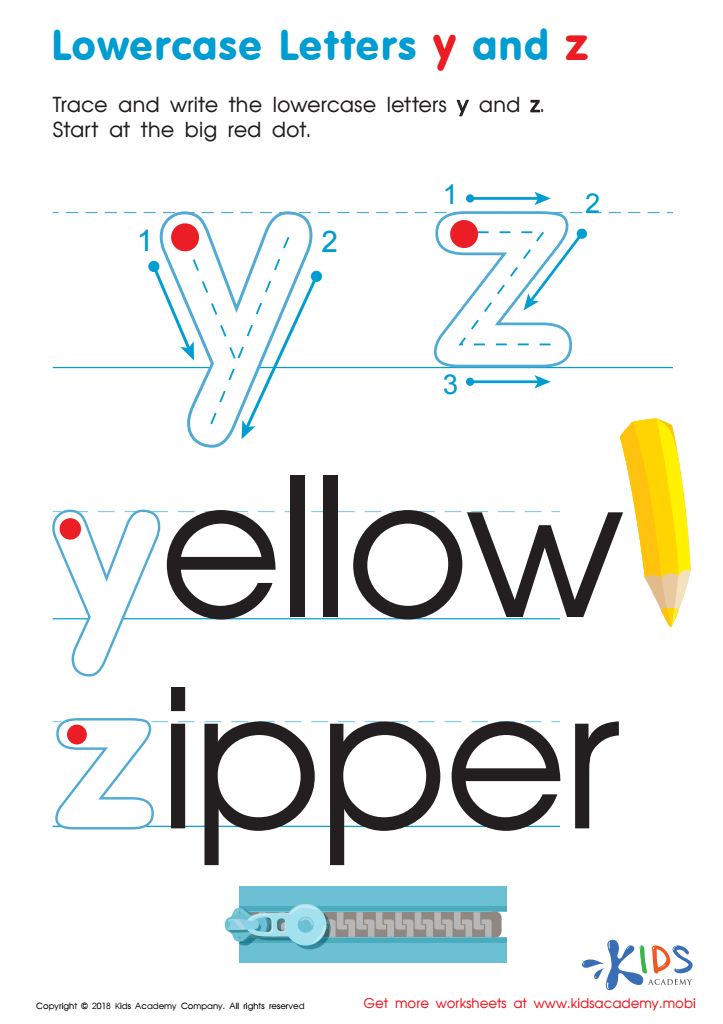
Lowercase Letters y z Worksheet
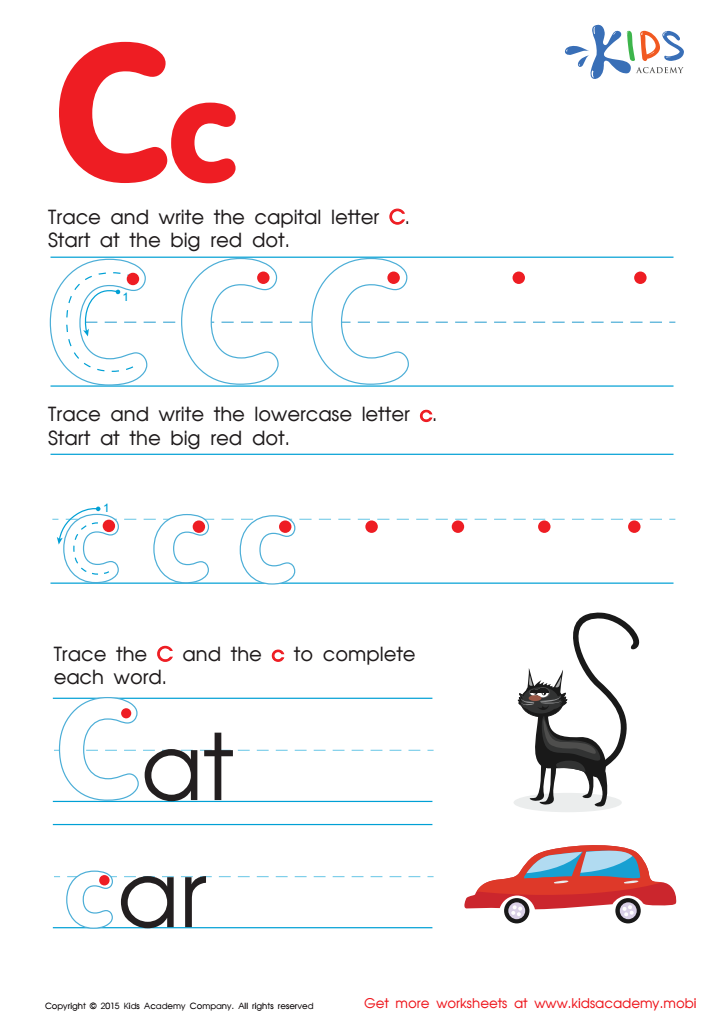
Letter C Tracing Page
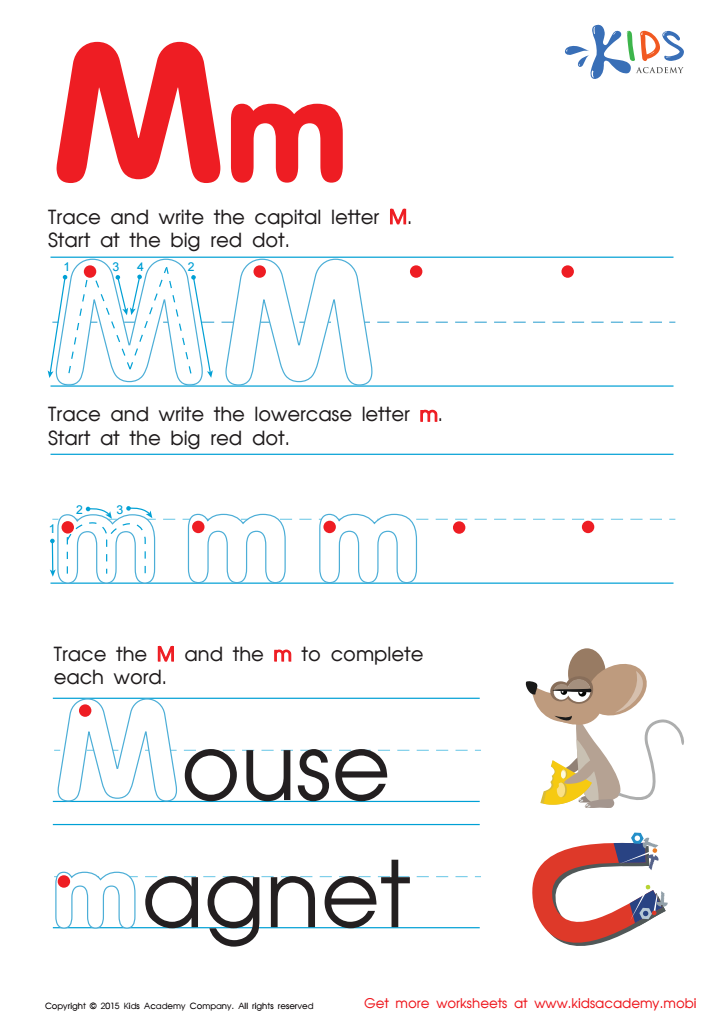
Letter M Tracing Page
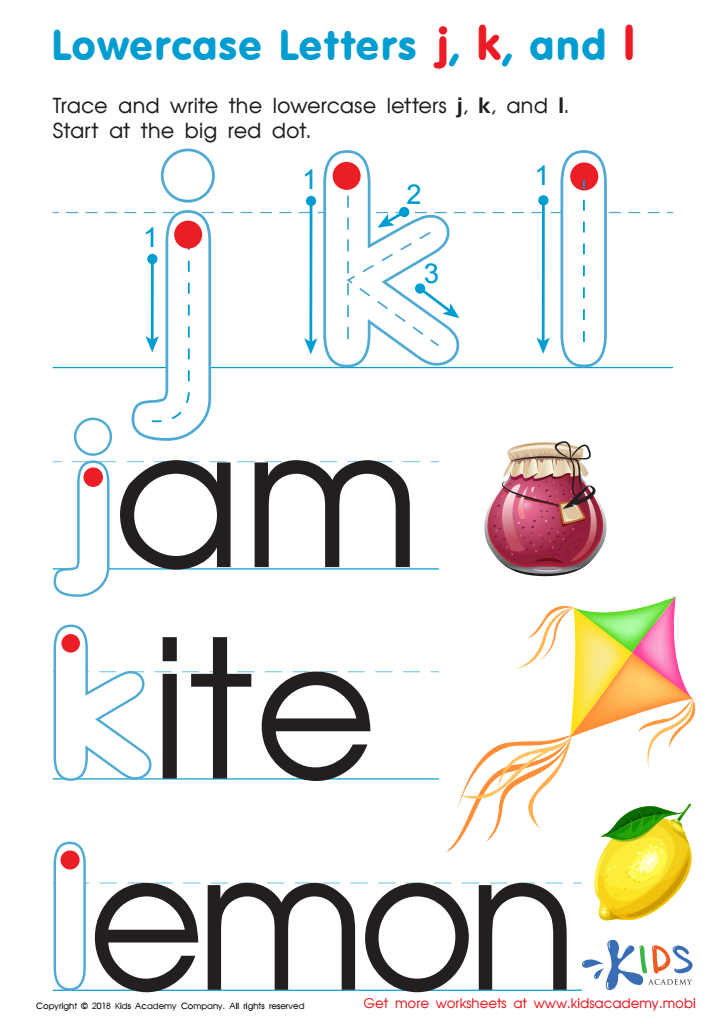
Lowercase Letters j k l Worksheet
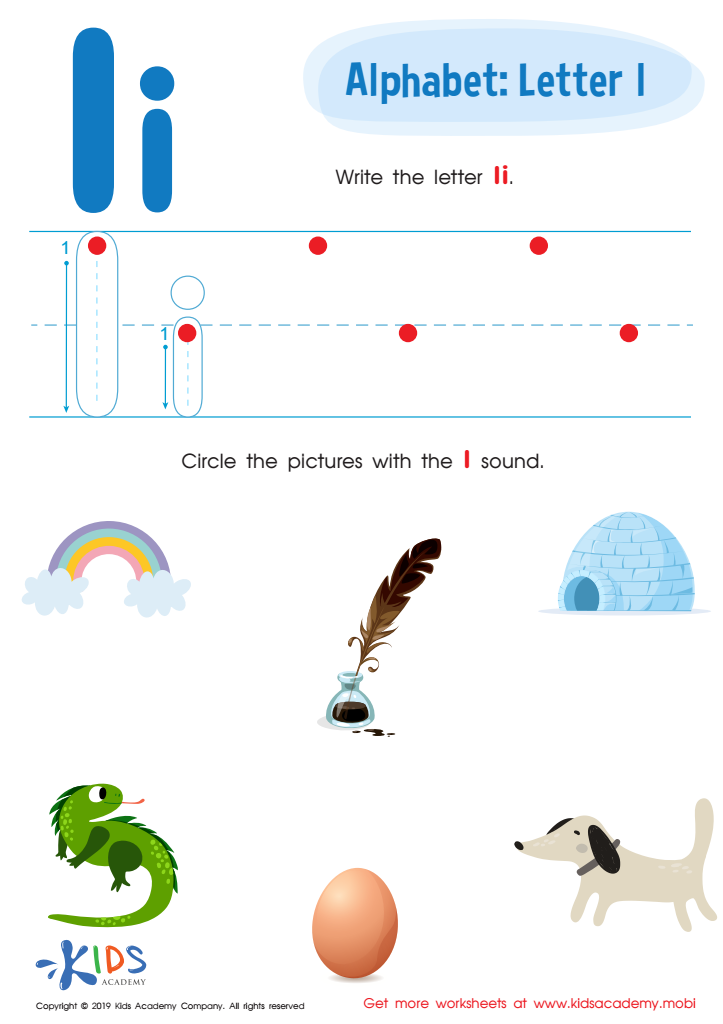
Letter I Tracing Worksheet
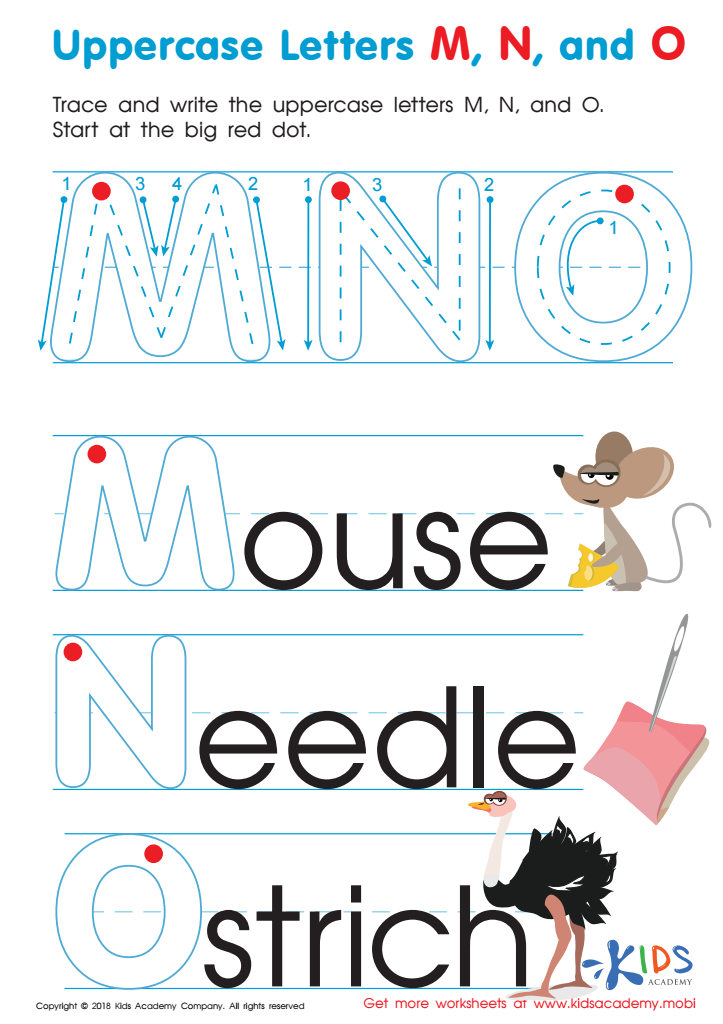
Uppercase Letters M, N, and O Worksheet
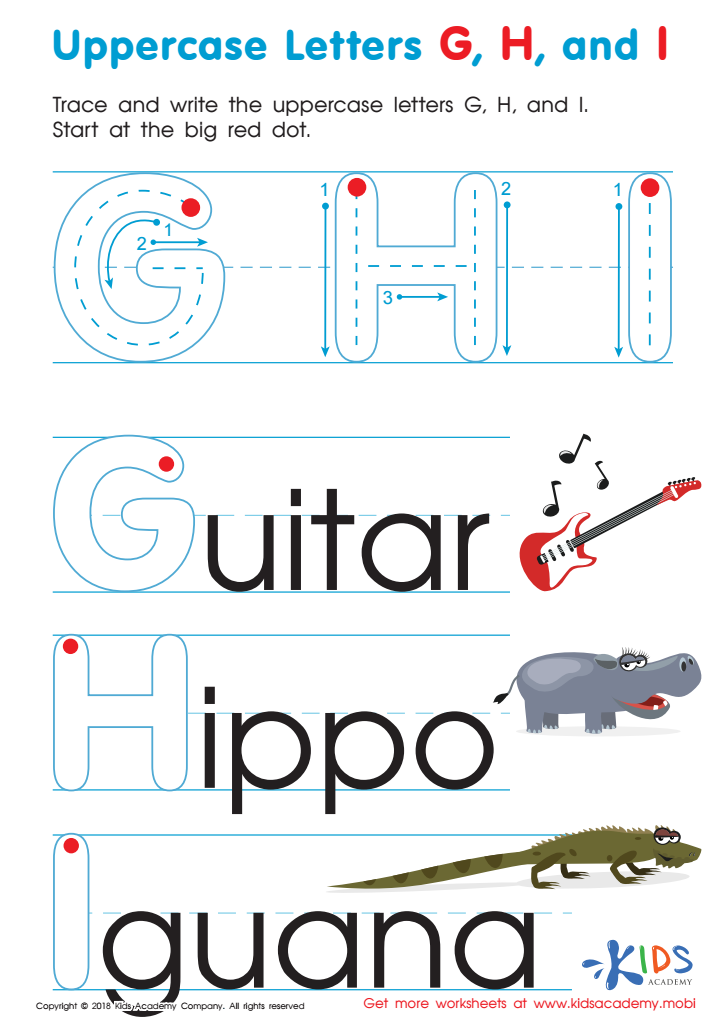
Uppercase Letters G, H, and I Worksheet
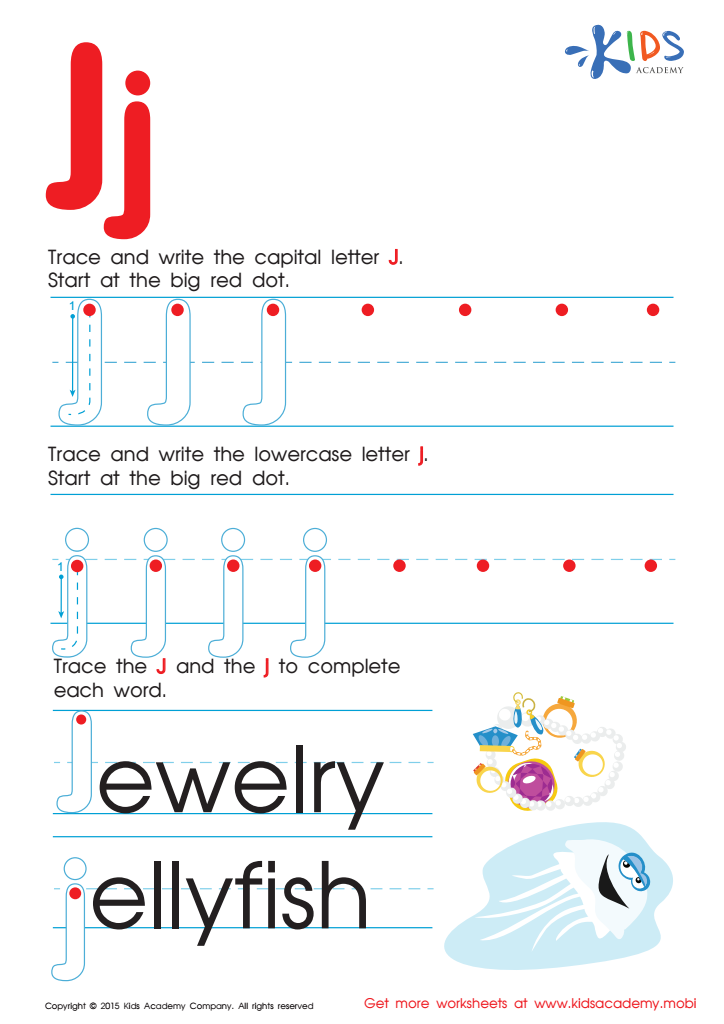
Letter J Tracing Page
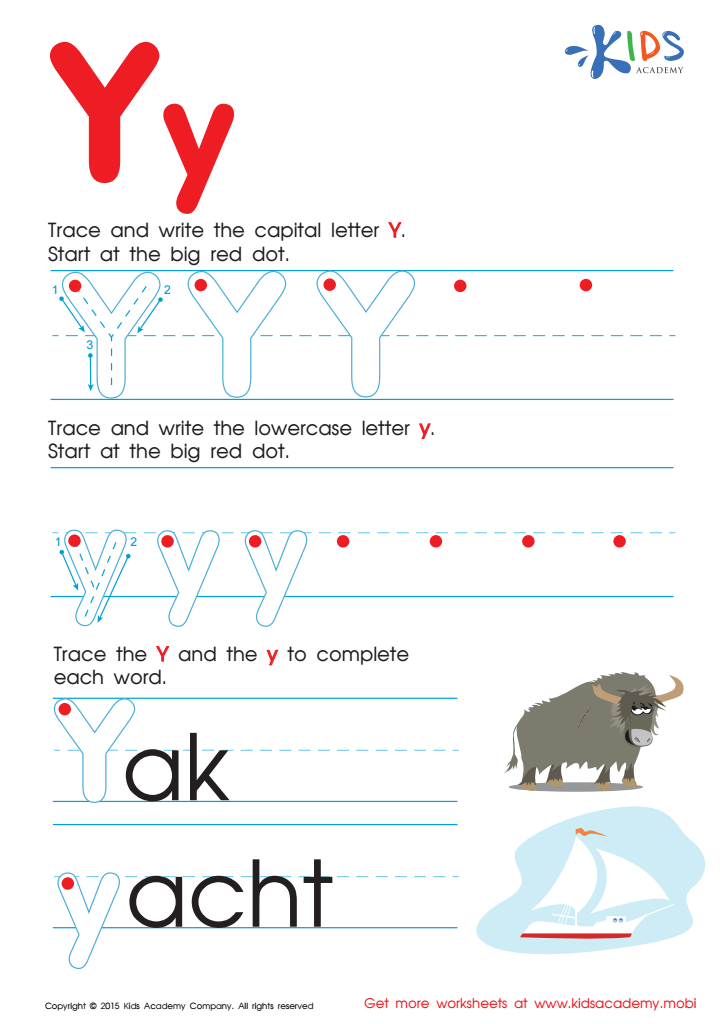
Letter Y Tracing Page
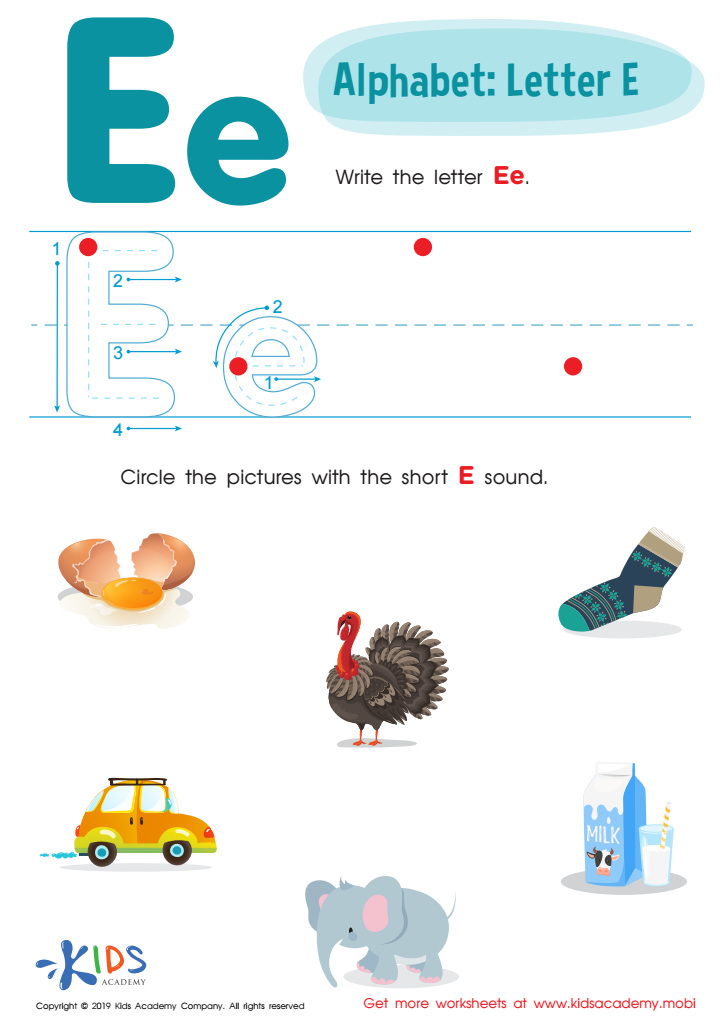
Letter E Tracing Worksheet
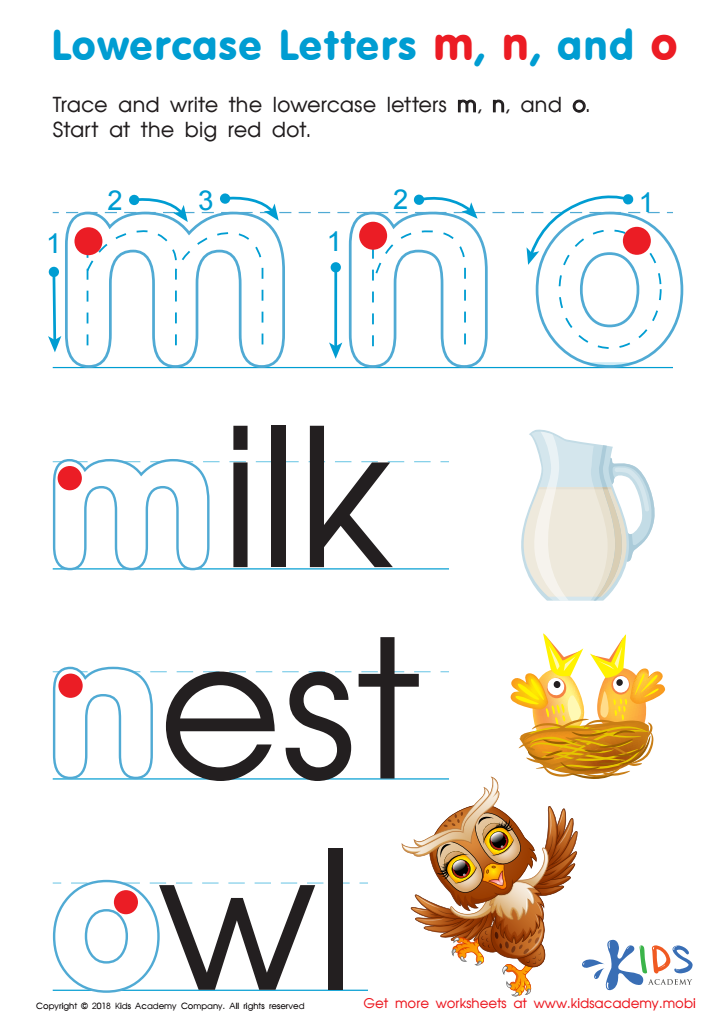
Lowercase Letters m n o Worksheet
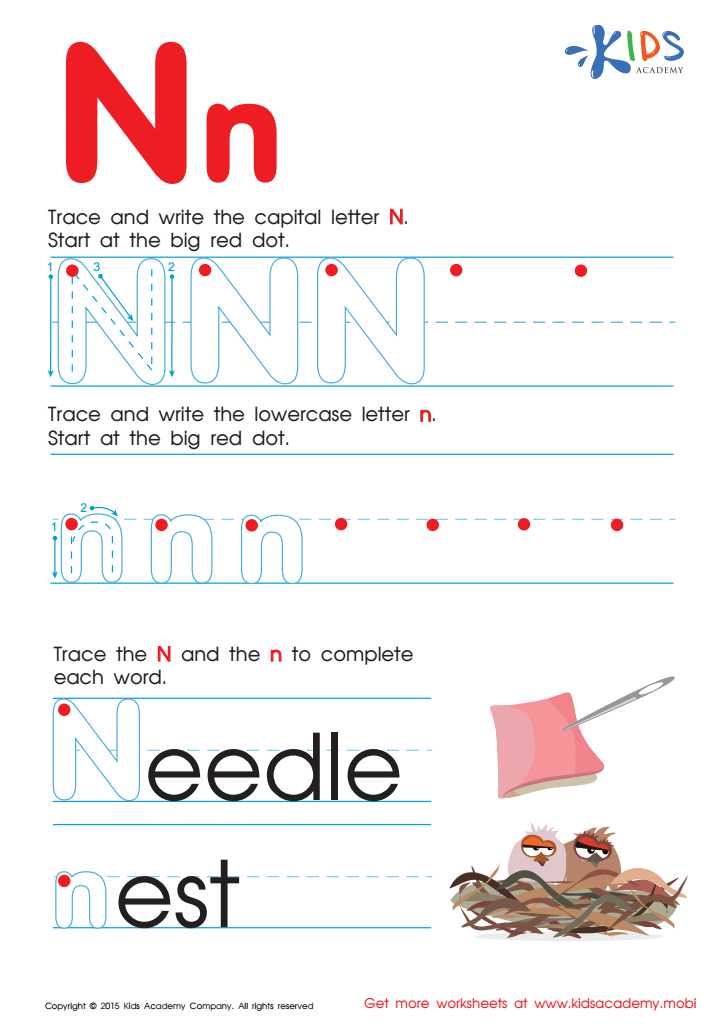
Letter N Tracing Page
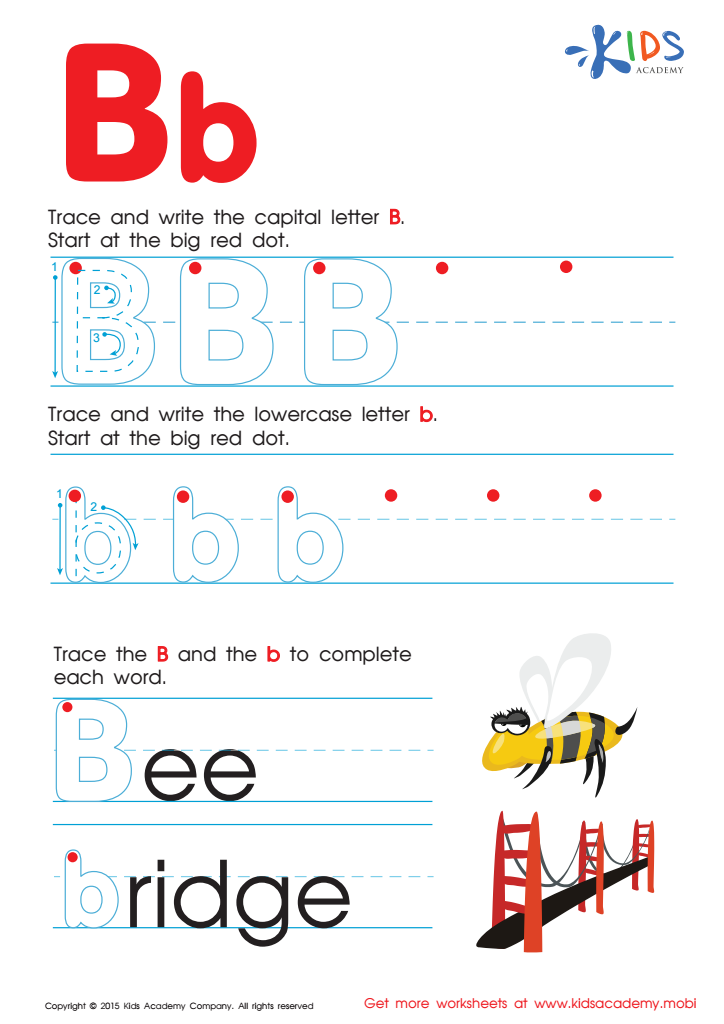
Letter B Tracing Page
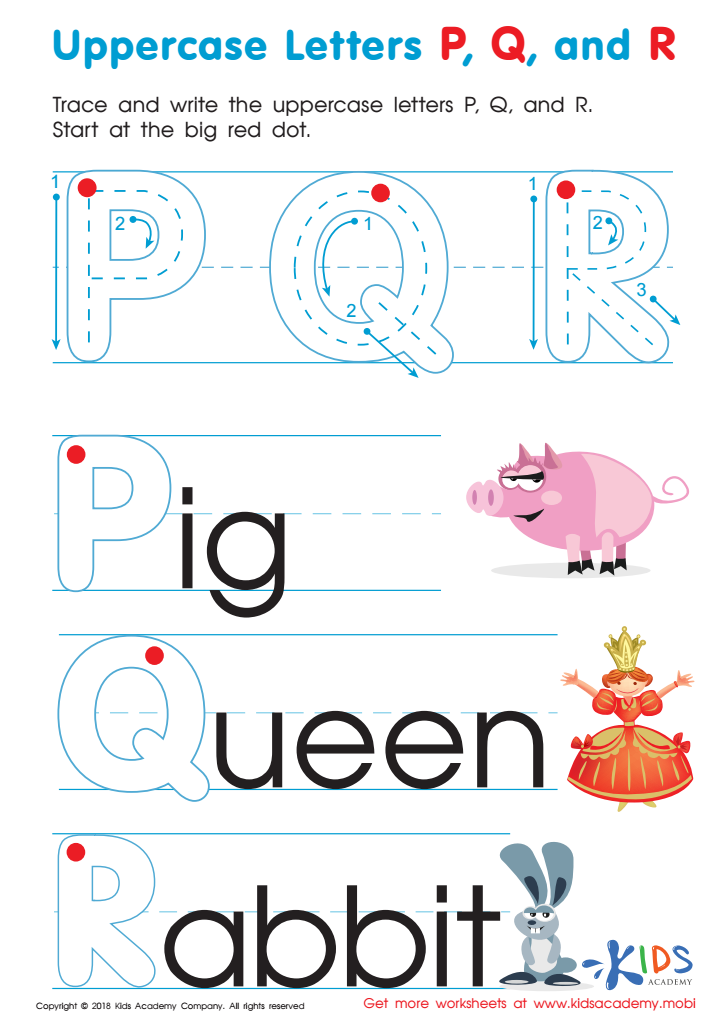
Uppercase Letters P, Q, and R Worksheet
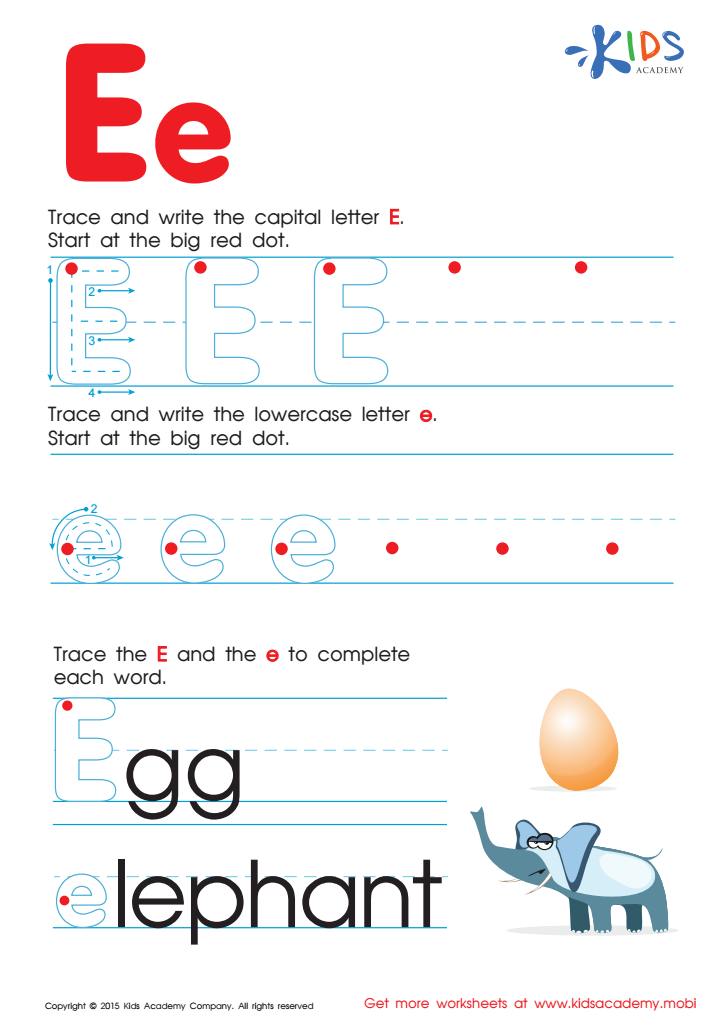
Letter E Tracing Page
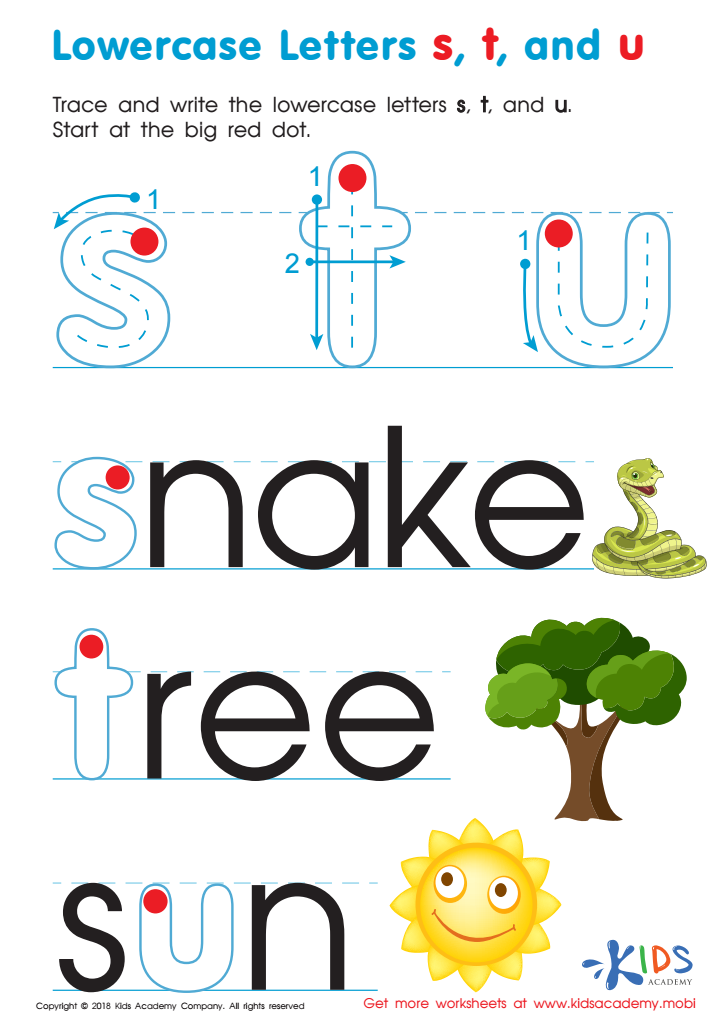
Lowercase Letters s t u Worksheet
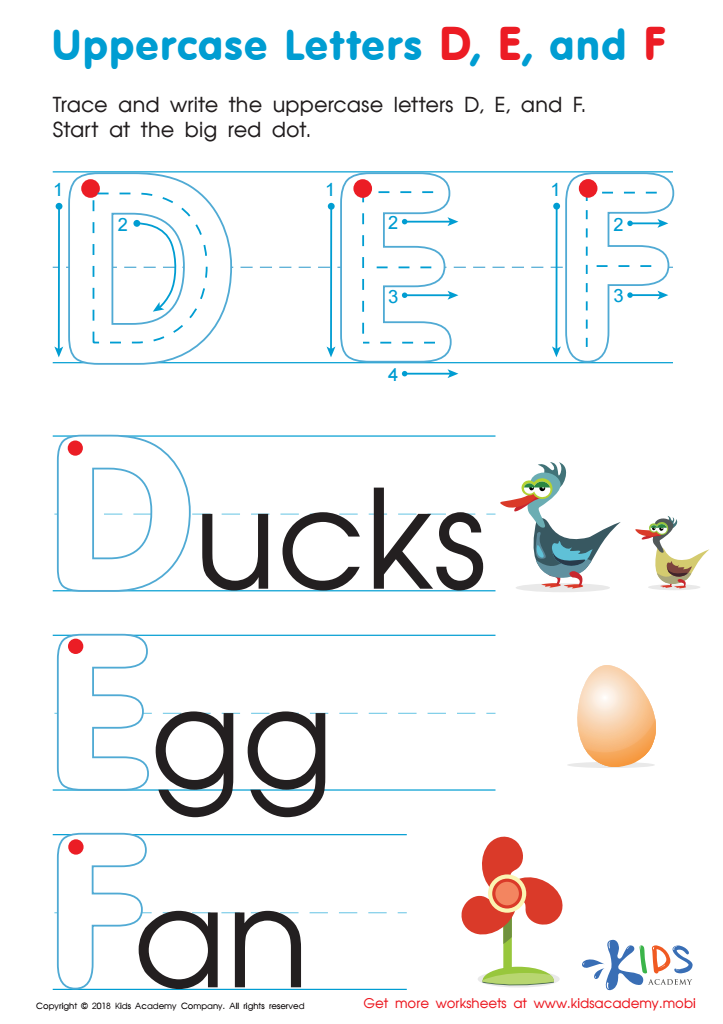
Uppercase Letters D, E, and F Worksheet








Alphabet recognition and letter tracing are foundational skills critical for early childhood education, particularly for children ages 3-8. During this formative period, children are developing crucial literacy skills that set the stage for their future reading and writing abilities. Recognizing letters provides children with an understanding of the alphabet, enabling them to connect sounds to specific letters, which is essential for phonics and early reading development.
Tracing letters helps refine fine motor skills, as it encourages children to practice holding writing instruments correctly and developing hand-eye coordination. These skills are important not just for writing but also for various everyday tasks as they grow. Additionally, the act of tracing can reinforce letter recognition, allowing children to visualize the shapes and sounds of letters through tactile engagement.
Moreover, fostering alphabet recognition and tracing encourages a love for learning and boosts children's confidence in their literacy skills. Parents and teachers play an essential role in creating an engaging environment filled with diverse activities to strengthen these skills, from interactive games to artistic creations. By actively supporting letter recognition and tracing, adults ensure that children build a strong literacy foundation that empowers them academically and cultivates curiosity and enthusiasm for learning.








