Color Identification Animals Worksheets for Ages 3-8
4 filtered results
Difficulty Level
Grade
Age
-
From - To
Subject
Activity
Standards
Discover our engaging "Color Identification Animals Worksheets for Ages 3-8" aimed at making learning fun and interactive! Perfect for young learners, these worksheets foster essential skills including color recognition and animal identification. Each printable sheet features charming animal illustrations that guide children to identify and color various hues. By blending creativity with education, our resources help kids develop fine motor skills and cognitive abilities while enjoying a playful, colorful experience. Ideal for parents and educators, these activities ensure your child builds a solid foundation in an enjoyable, stress-free way. Transform learning into a captivating adventure today!
Favorites
With answer key
Interactive
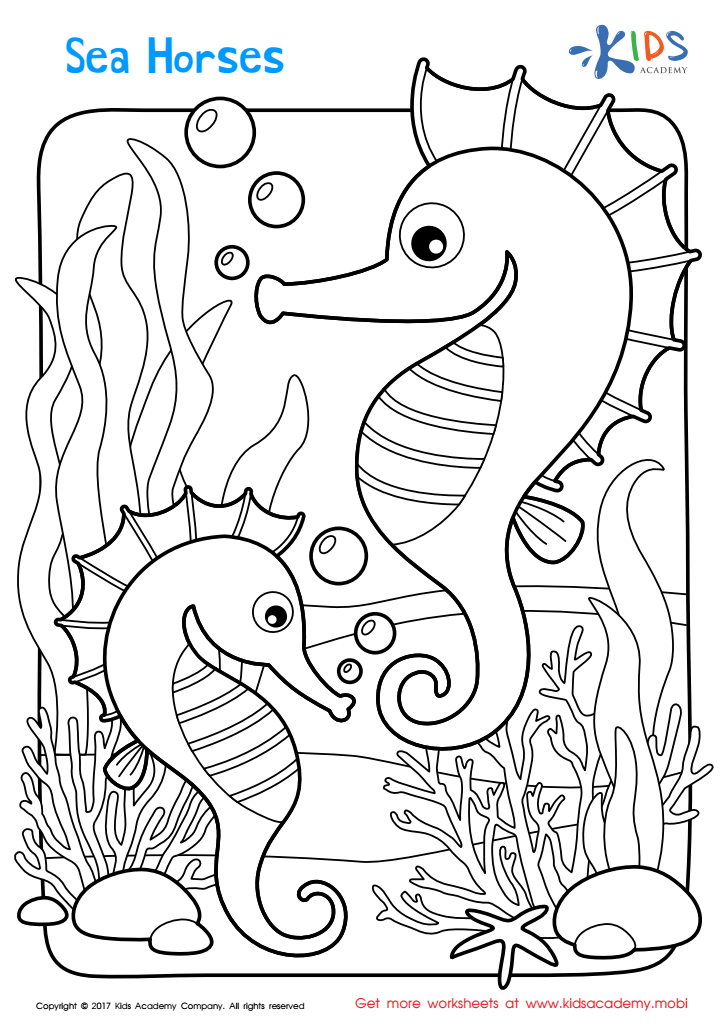
Sea Horses Printable
Let your child explore the deep blue sea with this sea horses coloring page! They'll have fun picking colors, then discover more with a book about this fascinating creature.
Download (PDF)
 Assign to My Students
Assign to My Students
Sea Horses Printable
Worksheet
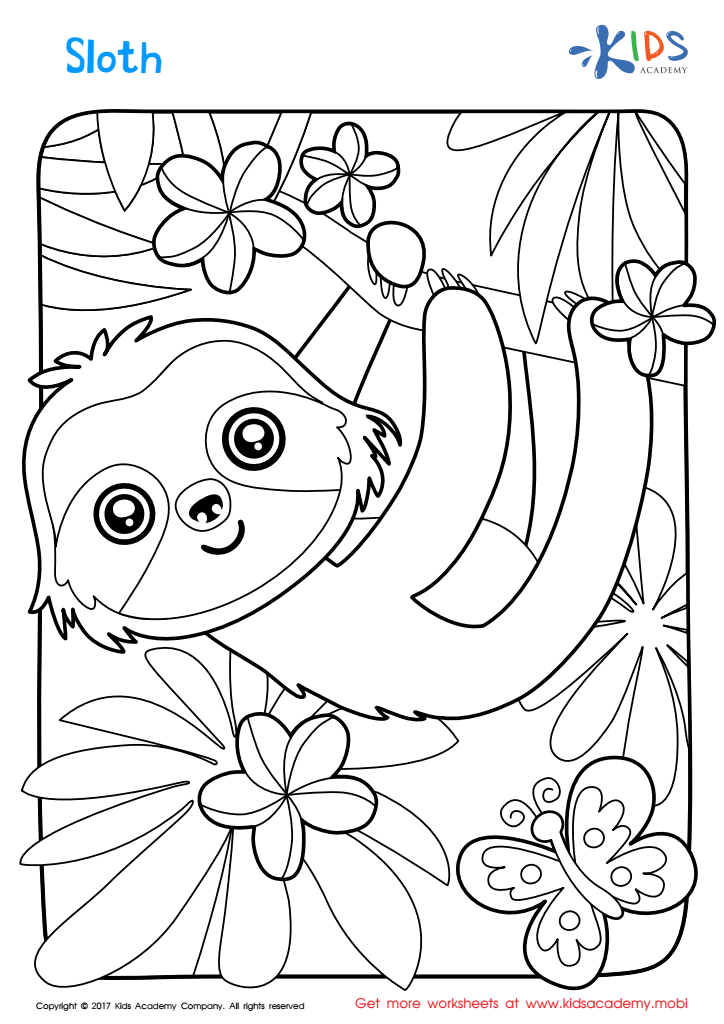
Sloth Worksheet
Get your kid excited to color the sloth coloring page! Explain to them the fascinating details of this slow-moving animal. Once complete, show it off on the fridge! For an extra lesson, look up more sloth pics and facts!
Download (PDF)
Assign to My Students
Assign to My Students
Sloth Worksheet
Worksheet
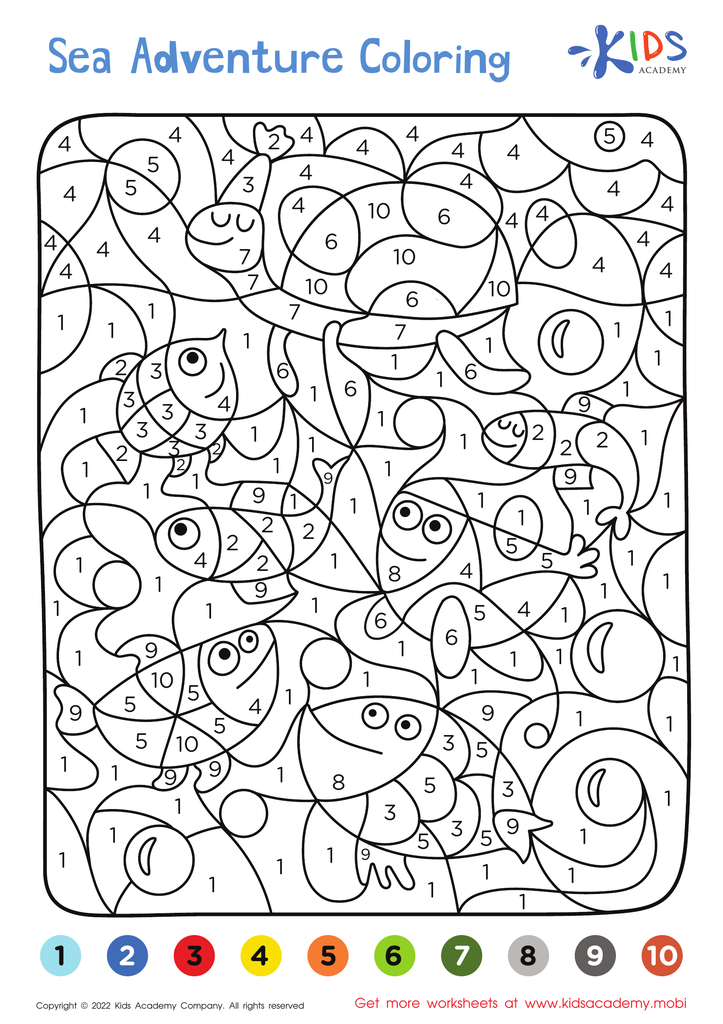
Sea Adventure – Coloring by Numbers
Unlock a sea adventure with a free coloring by numbers PDF page! Download now to get creative and fill the page with vibrant colors.
Sea Adventure – Coloring by Numbers
Worksheet
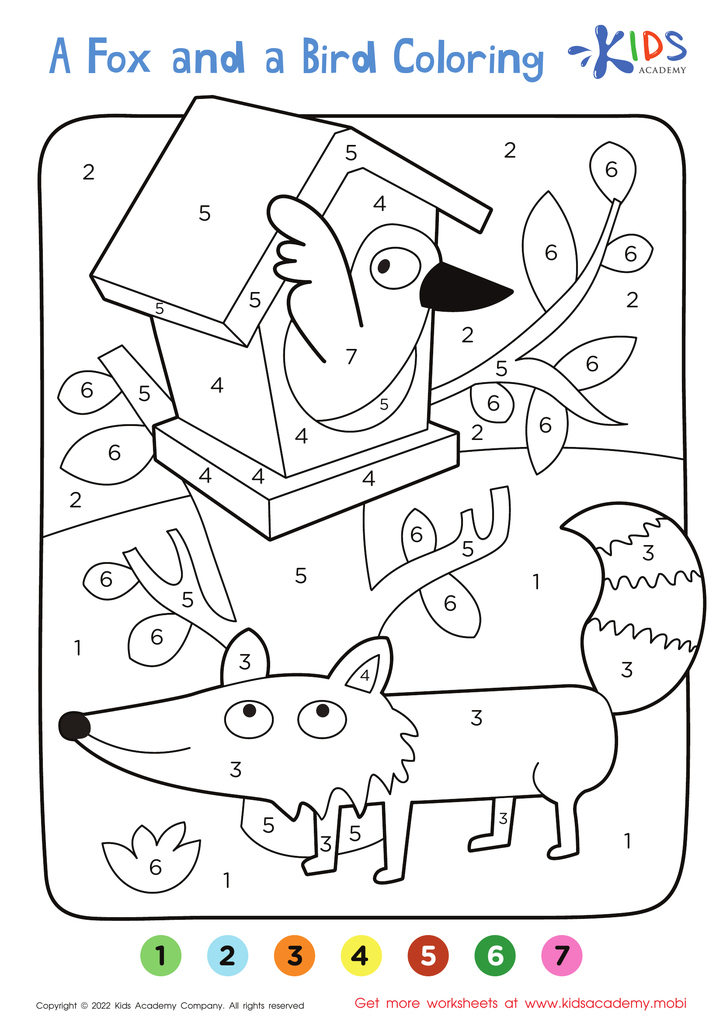
A Fox and a Bird – Coloring by Numbers
Download this free PDF page and color the fox and bird using numbers. Fun and easy way to be creative with the whole family! Spend quality time together and create something unique.
A Fox and a Bird – Coloring by Numbers
Worksheet
Join Kids Academy for Free
Who is primarily going to use this learning content?



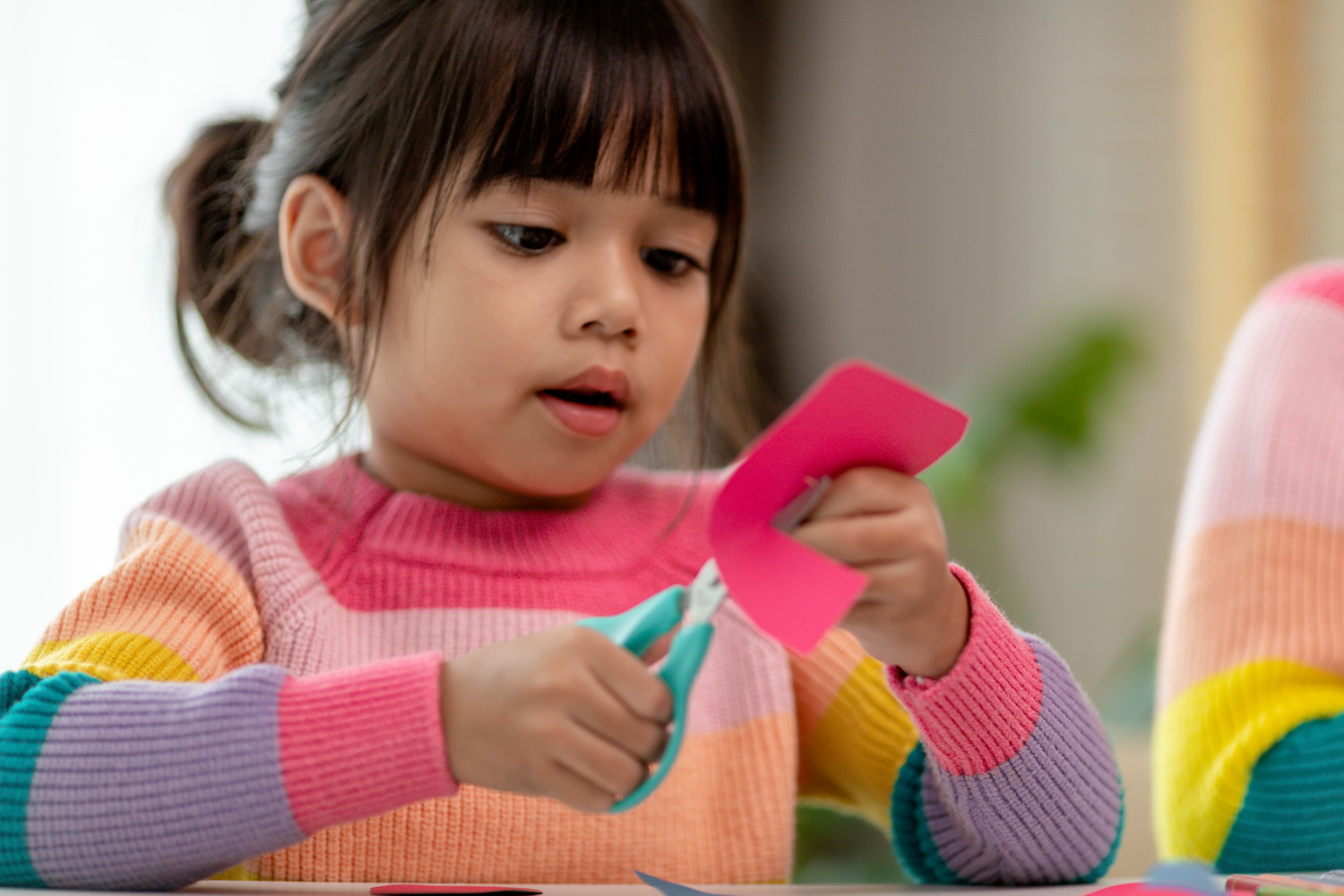




Parents and teachers should care about Color Identification Animals for ages 3-8 because it provides a foundational, engaging, and interactive way for young children to develop critical early-learning skills. At this tender age, kids are naturally curious and absorbent like sponges. Utilizing animals to teach color identification capitalizes on their intrinsic love for animals and nature, making learning both fun and memorable.
Color recognition is a fundamental building block for cognitive development. It aids in visual discrimination, which is essential as children start to read, write, and understand their surroundings. Associating colors with animals adds an element of storytelling and context, helping young minds retain information better.
Furthermore, animals that are brightly colored, like red ladybugs or green frogs, serve as exciting and relatable examples, reinforcing a child's understanding and memory retention. Interactive activities like matching colored animals to colored blocks or discussing why specific animals have certain colors can also enrich vocabulary and comprehension.
Caring about color identification through animals ensures that foundational learning is rooted in joyful, creative experiences that spark enthusiasm for school. This approach lays down a solid cognitive base, fuelling a lifelong love for learning, helping develop fine motor skills, and nourishing social interaction as children often love sharing their newfound knowledge with peers and adults.