Basic math application Worksheets for Ages 3-8
5 filtered results
-
From - To
Discover our Basic Math Application Worksheets designed for children ages 3-8! These engaging and interactive worksheets help young learners develop essential math skills, including counting, addition, and subtraction. Each activity is tailored to suit varying levels of ability, ensuring that every child can build a strong math foundation while having fun. Our worksheets encourage critical thinking and problem-solving through colorful illustrations and relatable examples. Ideal for home or classroom use, these resources come with easy-to-follow instructions to promote independent learning. Equip your child with the math skills they need to succeed and watch their confidence grow with our delightful worksheets!
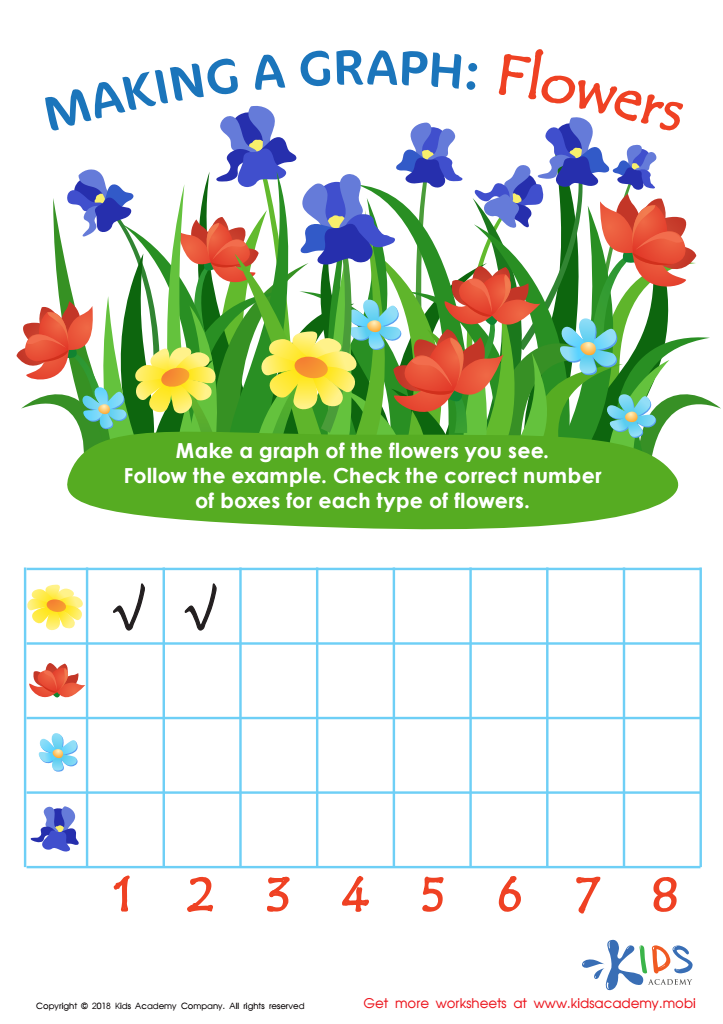
Making a Graph: Flowers Worksheet
 Assign to My Students
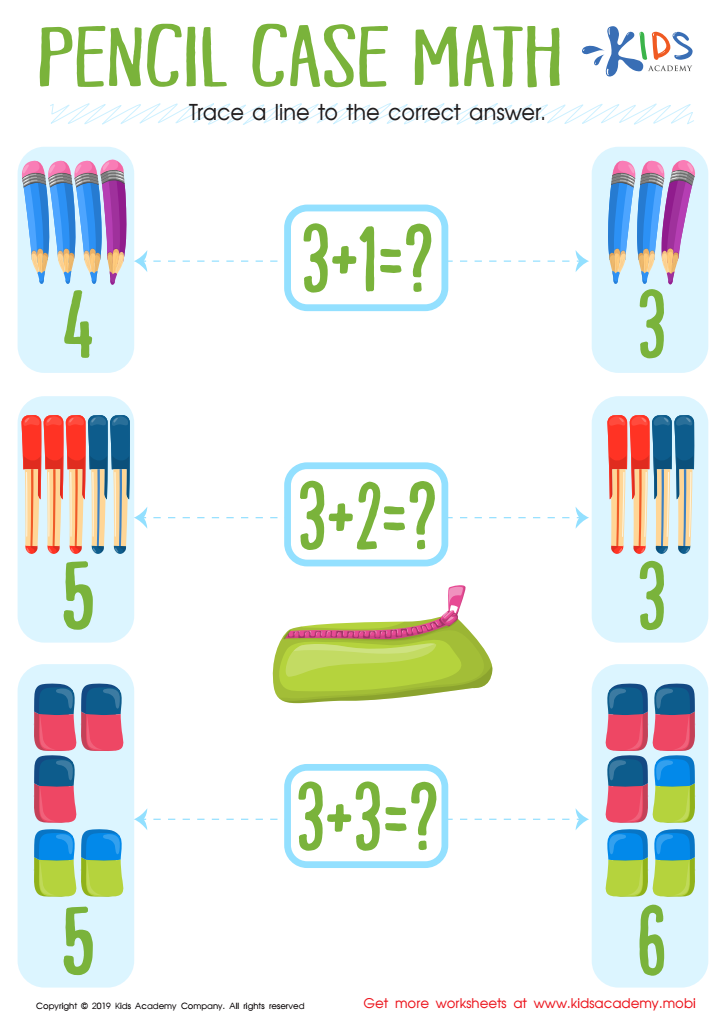
Pencil Case Math Worksheet
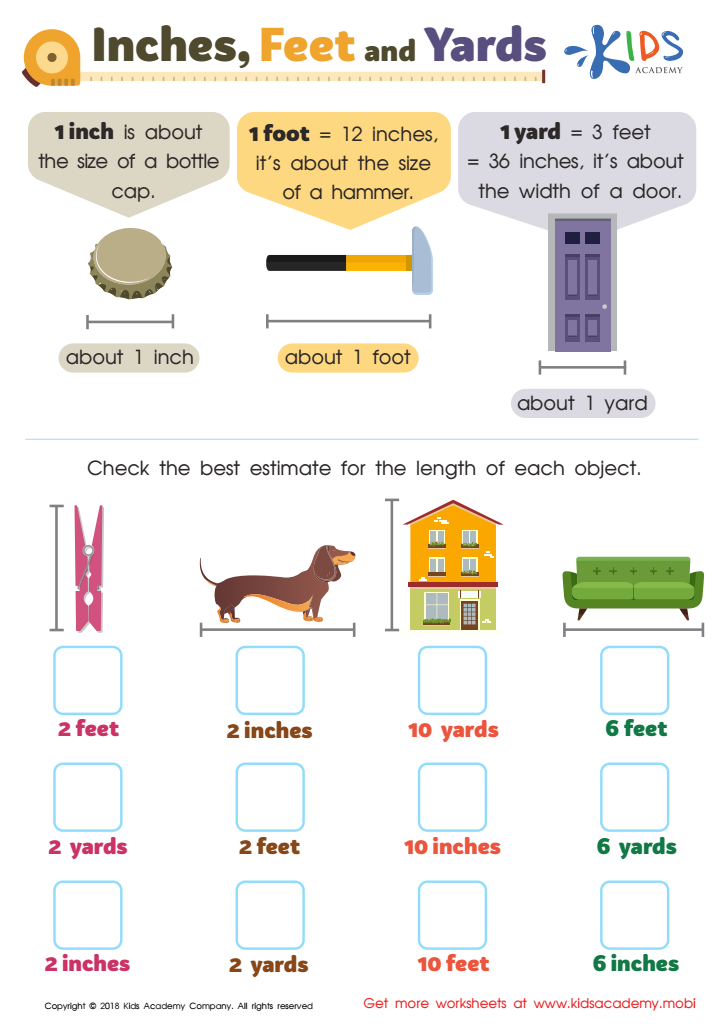
Inches, Feet and Yards Worksheet
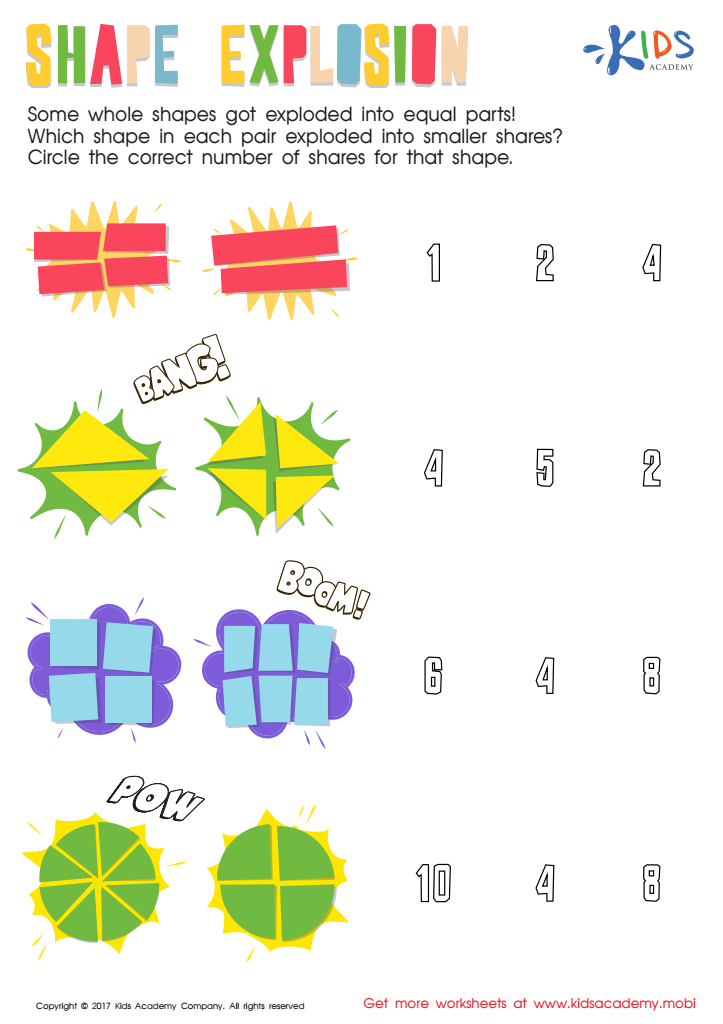
Shape Explosion Worksheet
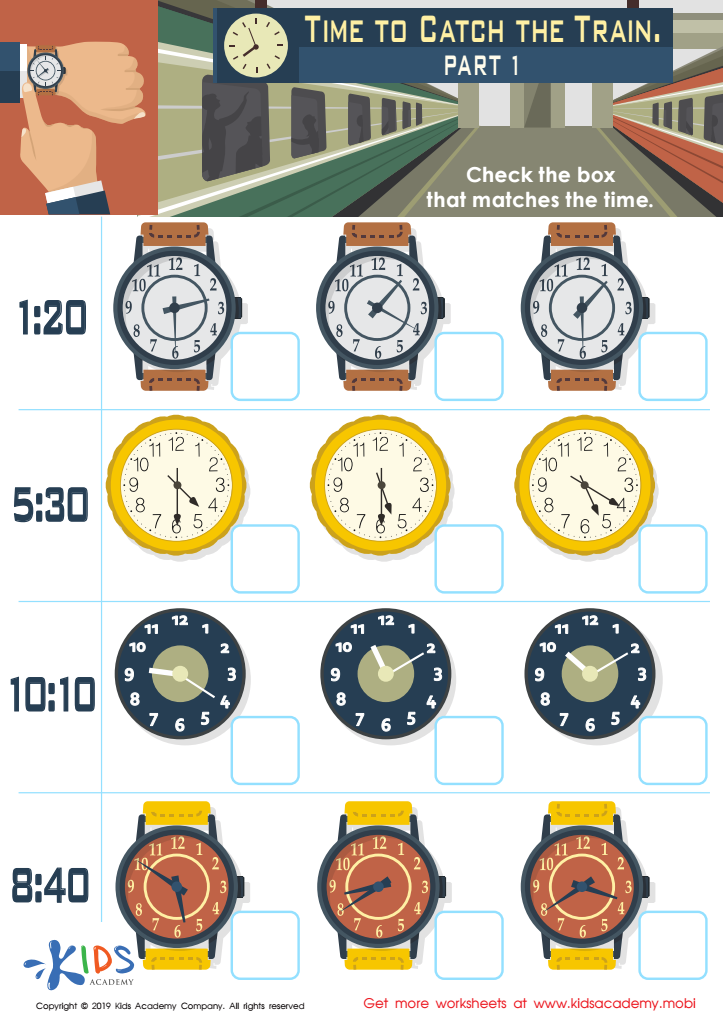
Time to Catch the Train Part 1 Worksheet






Basic math skills are foundational for young children’s cognitive development and future academic success. Between the ages of 3 and 8, children are at a critical stage for learning. During this period, they begin to understand essential mathematical concepts such as counting, shapes, patterns, and basic operations, which prepare them for more complex mathematical challenges later in their education.
Parents and teachers should prioritize basic math application because it helps in cultivating problem-solving and logical thinking skills. Engaging children with math through everyday activities—like cooking or shopping—makes learning enjoyable and relevant, reinforcing the idea that math is a part of daily life. Additionally, early math skills are linked to later achievement in school; children who grasp basic concepts tend to fare better in subjects requiring numeracy.
Moreover, an understanding of basic math boosts confidence. Children who feel strong in math are more likely to engage positively with the subject throughout their academic journey. By nurturing math skills early, we help foster a generation that appreciates and succeeds in STEM fields, ultimately contributing to a more informed and capable society. Therefore, prioritizing basic math skills in children aged 3 to 8 beckons immense long-term benefits.








