Building vocabulary Worksheets for Ages 3-8
7 filtered results
-
From - To
Explore our engaging Building Vocabulary Worksheets designed specifically for children aged 3 to 8! These interactive resources aim to enhance essential language skills through fun and stimulating activities. With a focus on word recognition, pronunciation, and usage, our worksheets provide a variety of exercises that promote language development in a playful and enjoyable way. From matching games to fill-in-the-blank challenges, kids will strengthen their vocabulary while fostering a love for learning. Ideal for homeschooling or classroom use, our worksheets encourage creativity and critical thinking. Elevate your child's learning journey today with our captivating vocabulary worksheets tailored just for them!
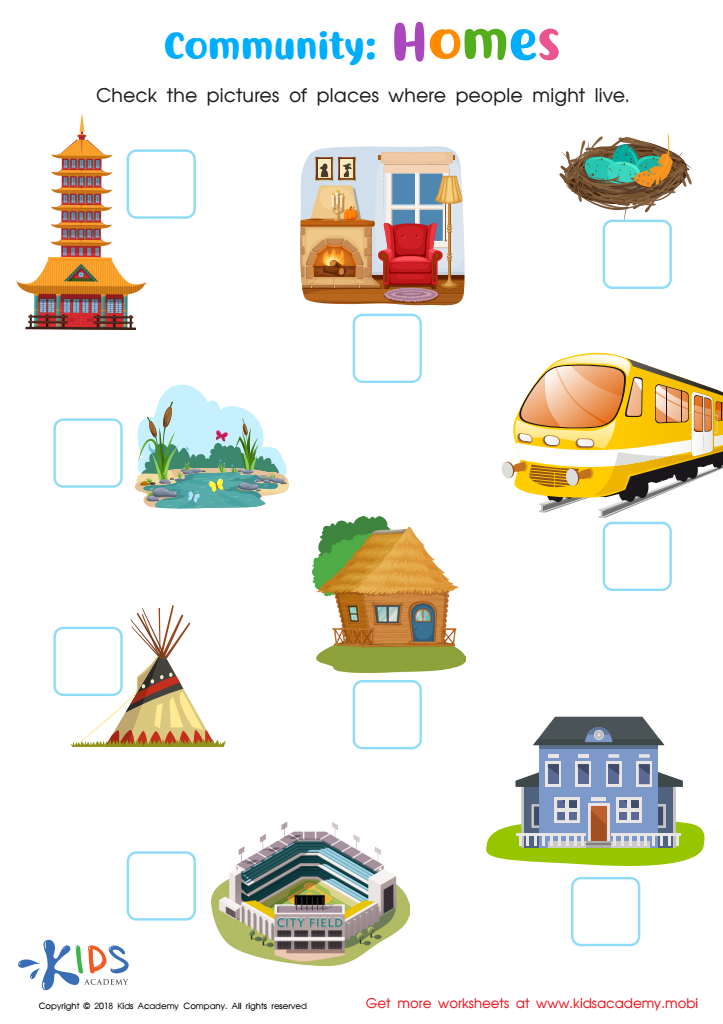
Community: Homes Worksheet
 Assign to My Students
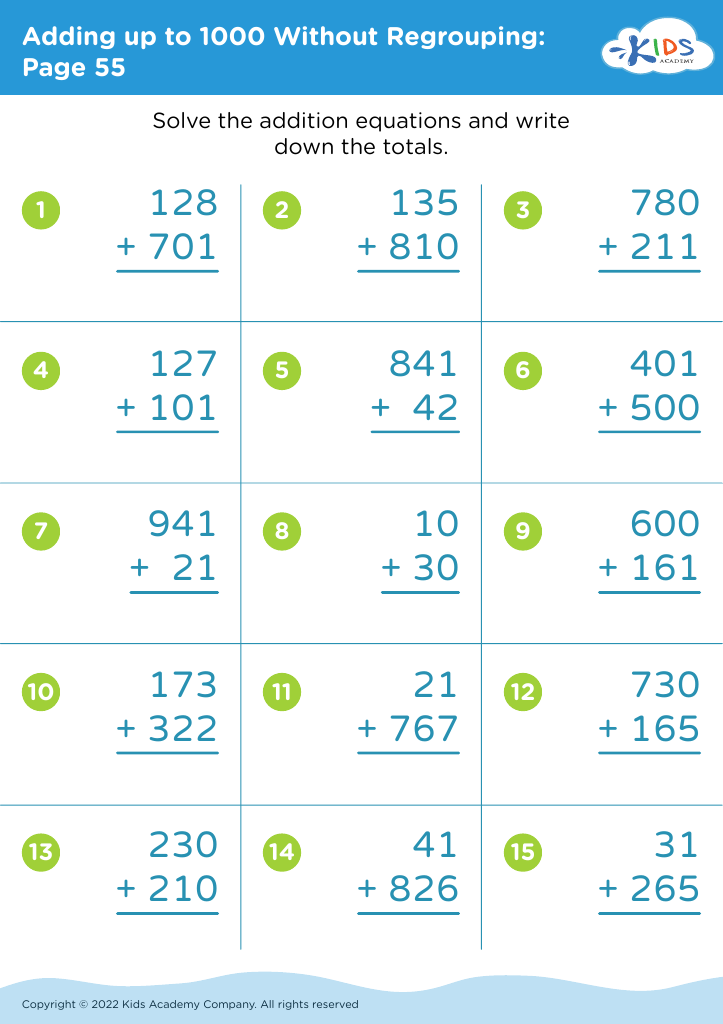
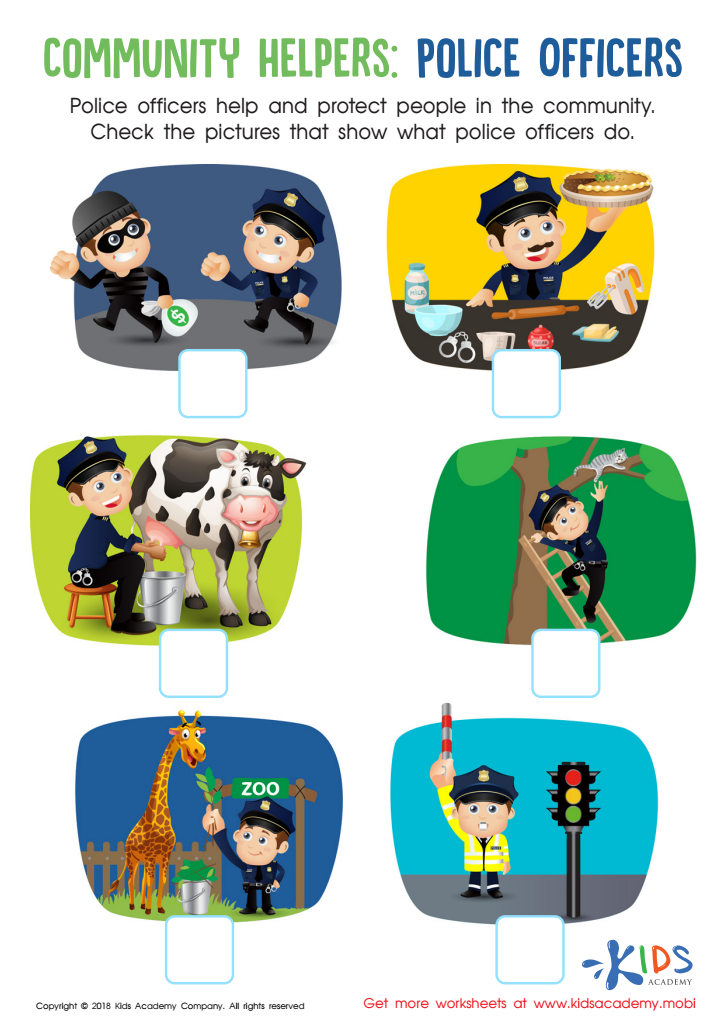
Police Officers Community Helpers Worksheet
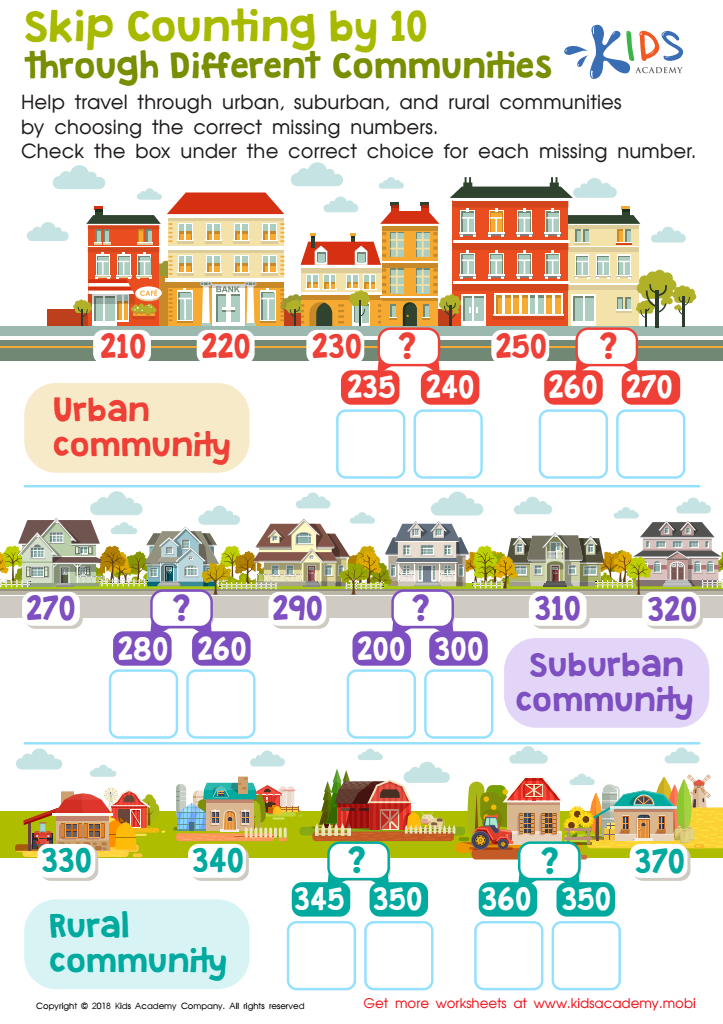
Skip Counting by 10 through Different Communities Worksheet
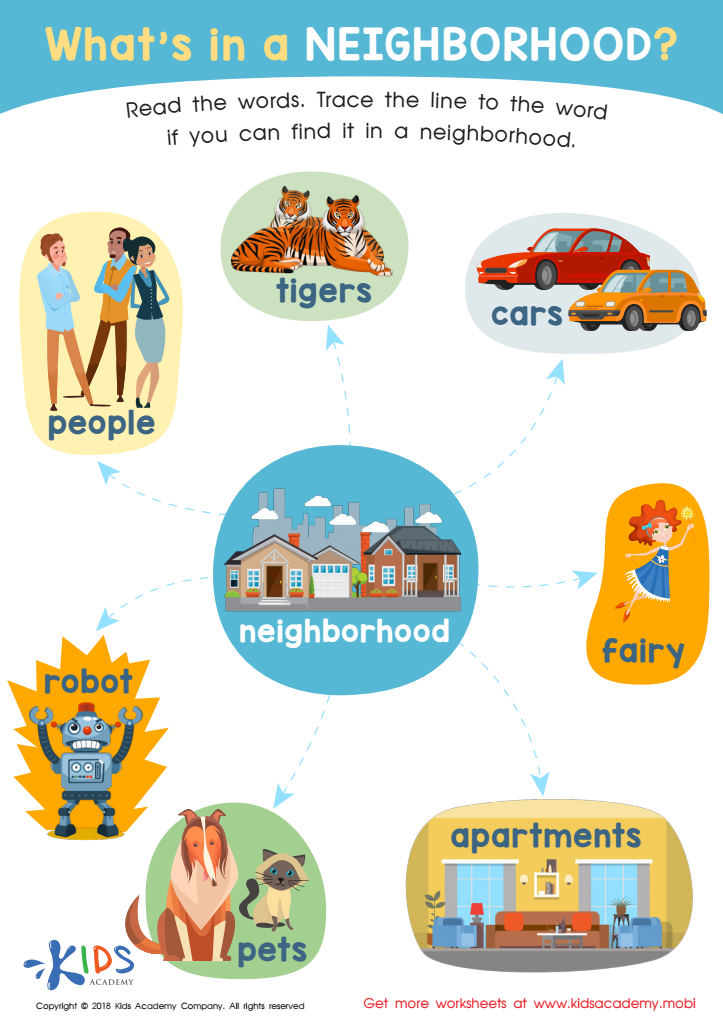
What's in a Neighborhood? Worksheet







Building vocabulary in children aged 3-8 is crucial for multiple reasons that directly impact their future academic success and social interactions. At this developmental stage, children's brains are wired for rapid language acquisition, making it an ideal time to enrich their vocabulary. A strong vocabulary foundation enhances reading comprehension, enabling children to grasp more complex texts as they progress in their education. Furthermore, a robust vocabulary aids in effective communication, allowing children to express themselves clearly and understand the nuances of language in conversations.
Additionally, vocabulary development is closely tied to cognitive skills and critical thinking. The more words children know, the better they can articulate their thoughts and engage in discussions, fostering communication skills that are essential throughout life. Furthermore, a rich vocabulary can inspire curiosity and a love for learning, encouraging children to explore new ideas, concepts, and subjects.
Parents and teachers play a vital role in vocabulary building through modeling language, reading aloud, and incorporating new words into everyday interactions. By prioritizing vocabulary development, caregivers can equip children with the tools they need not just for academic achievement, but also for meaningful social interactions and lifelong learning. Investing in vocabulary is investing in a child’s overall development and future success.








