Check out this FREE "Comparing Fractions" Trial Lesson for age 3-8!

Comparing Fractions (same denominator)

Favorites
With answer key
Interactive
  • 3-8
  • Comparing Fractions
Сompare fractions worksheet for 3rd grade

Compare Fractions Worksheet

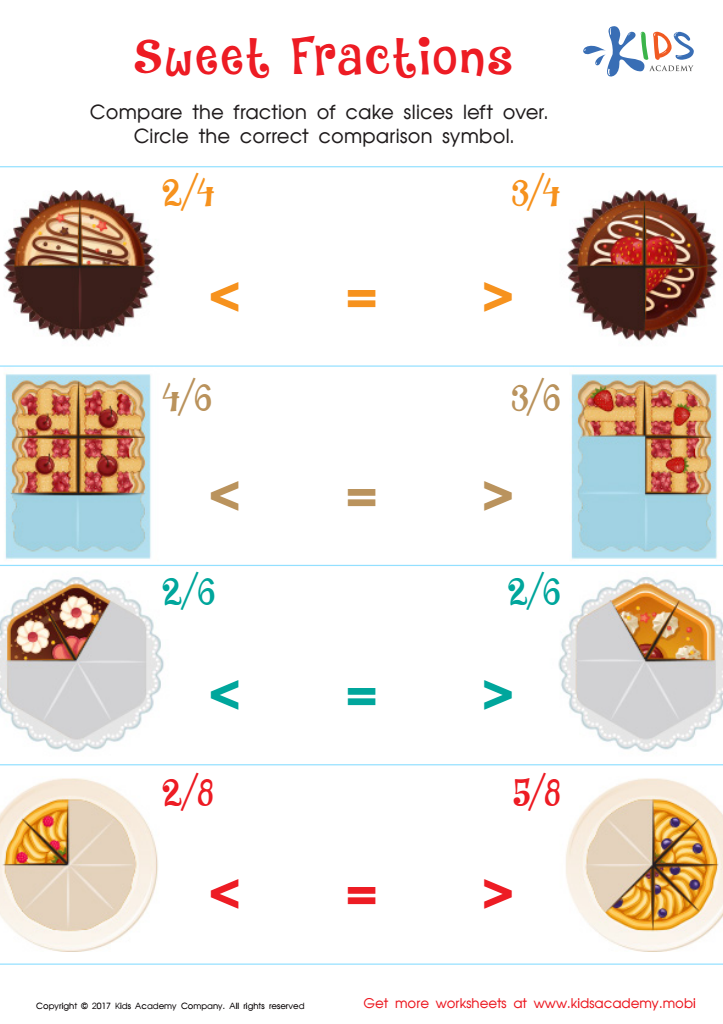
This compare fractions worksheet is great for 3rd graders to learn and understand fractions in a fun way. Let them explore fractions visually with the help of sweet treats!
Compare Fractions Worksheet
Worksheet
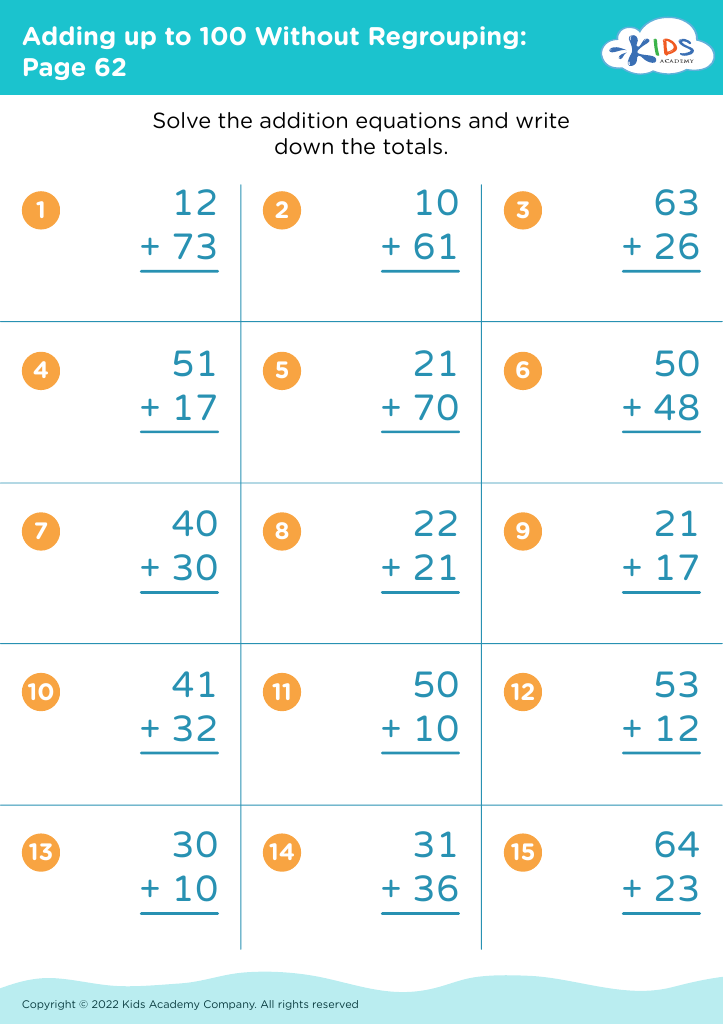
Adding up to 100 Without Regrouping: Page 62
Worksheet
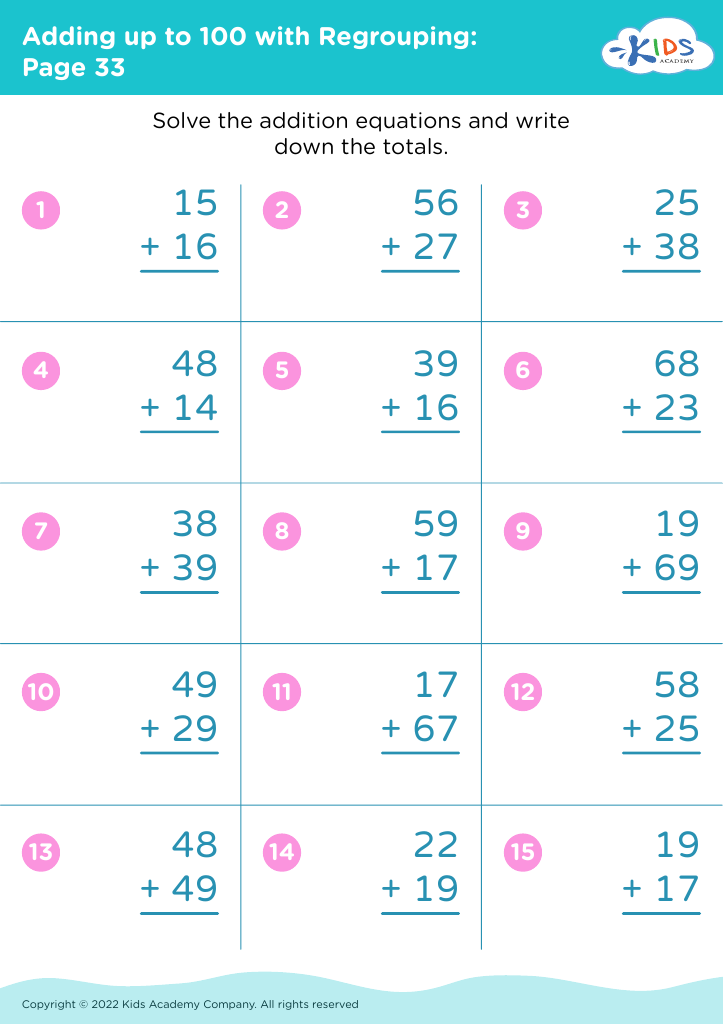
Adding up to 100 with Regrouping: Page 33
Worksheet
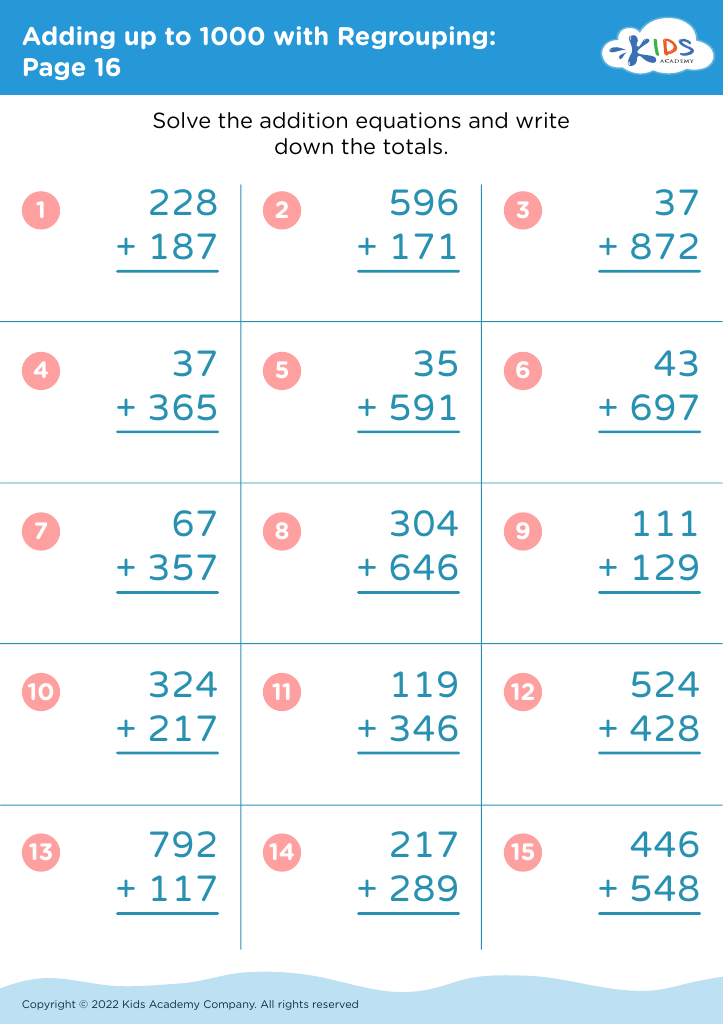
Adding up to 1000 with Regrouping: Page 16
Worksheet
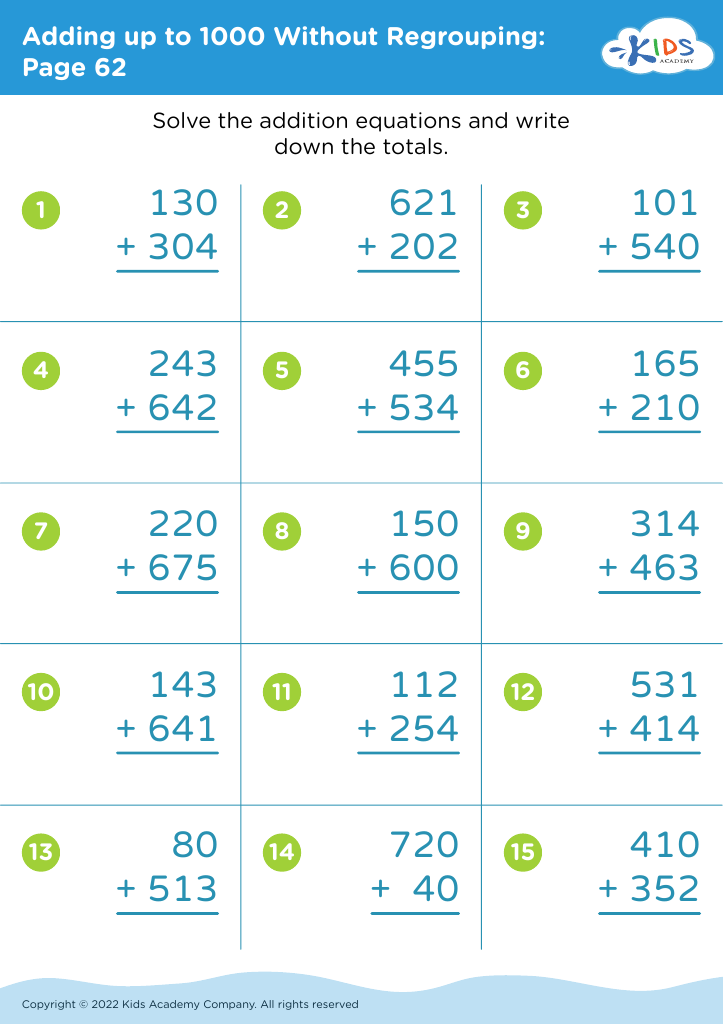
Adding up to 1000 Without Regrouping: Page 62
Worksheet
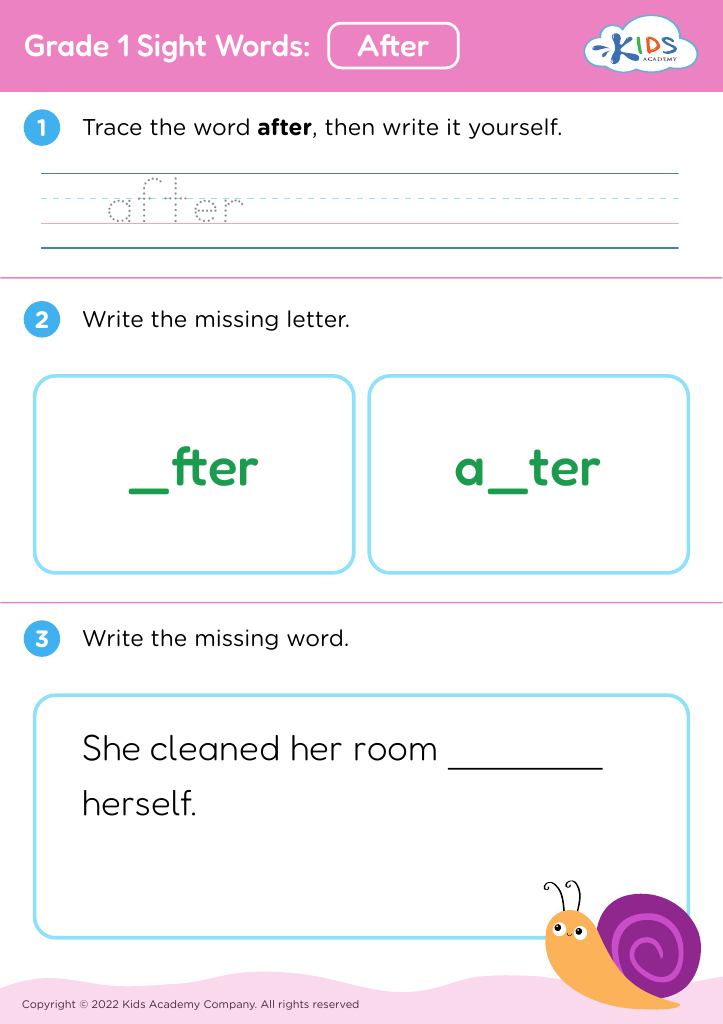
Grade 1 Sight Words: After

Grade 1 Sight Words: After

Grade 1 Sight Words: After
Worksheet
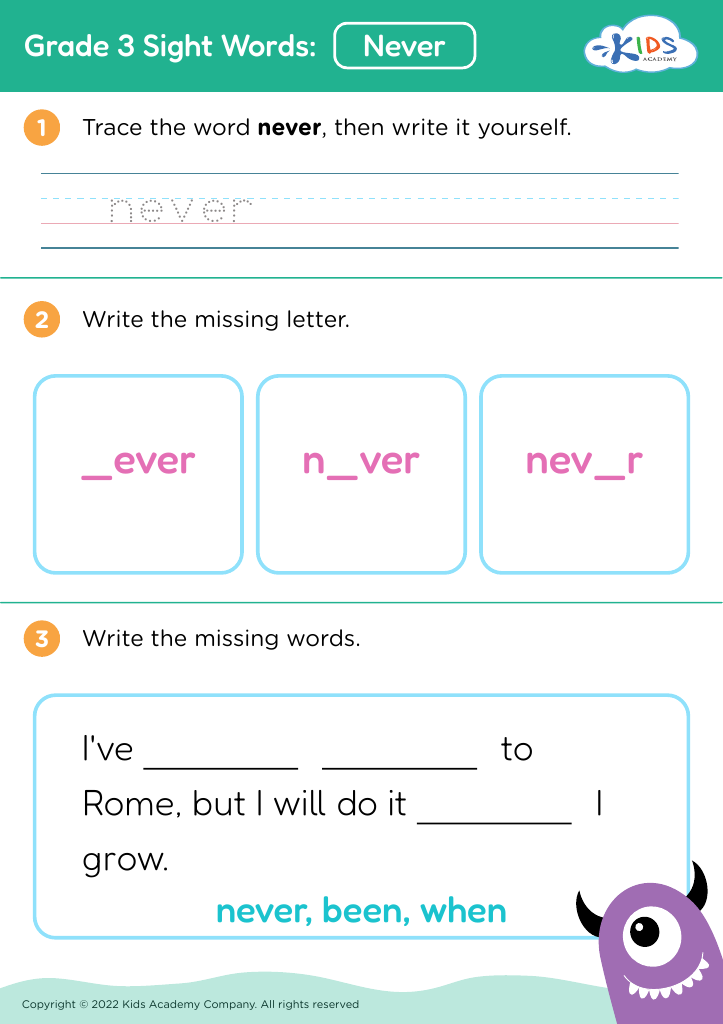
Grade 3 Sight Words: Never

Grade 3 Sight Words: Never

Grade 3 Sight Words: Never
Worksheet
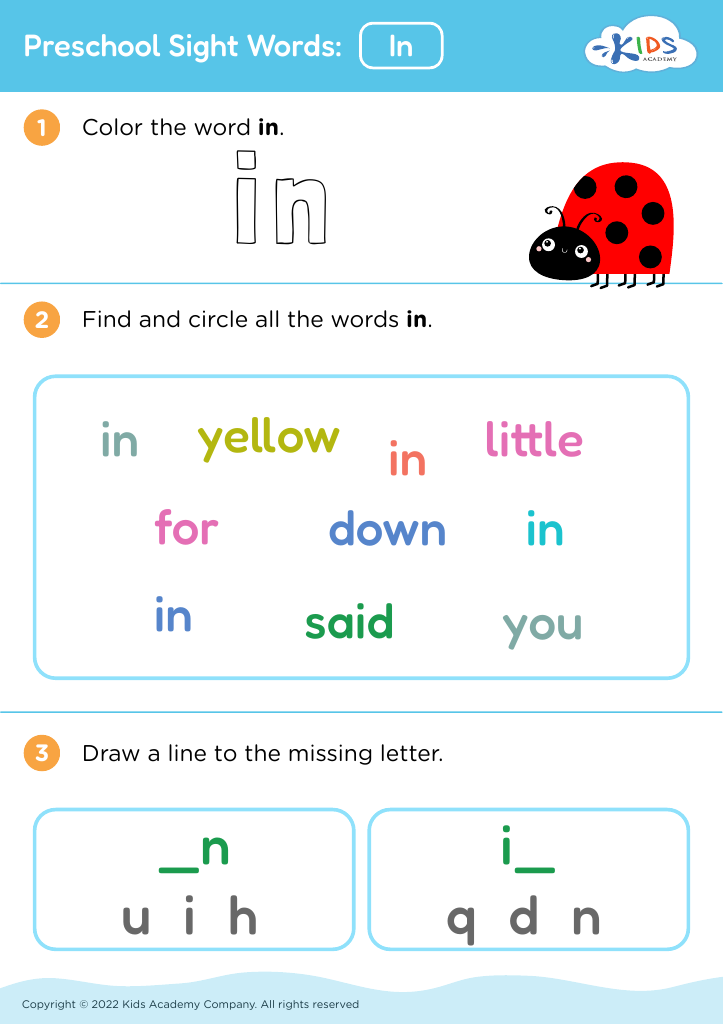
Preschool Sight Words: In

Preschool Sight Words: In

Preschool Sight Words: In
Worksheet
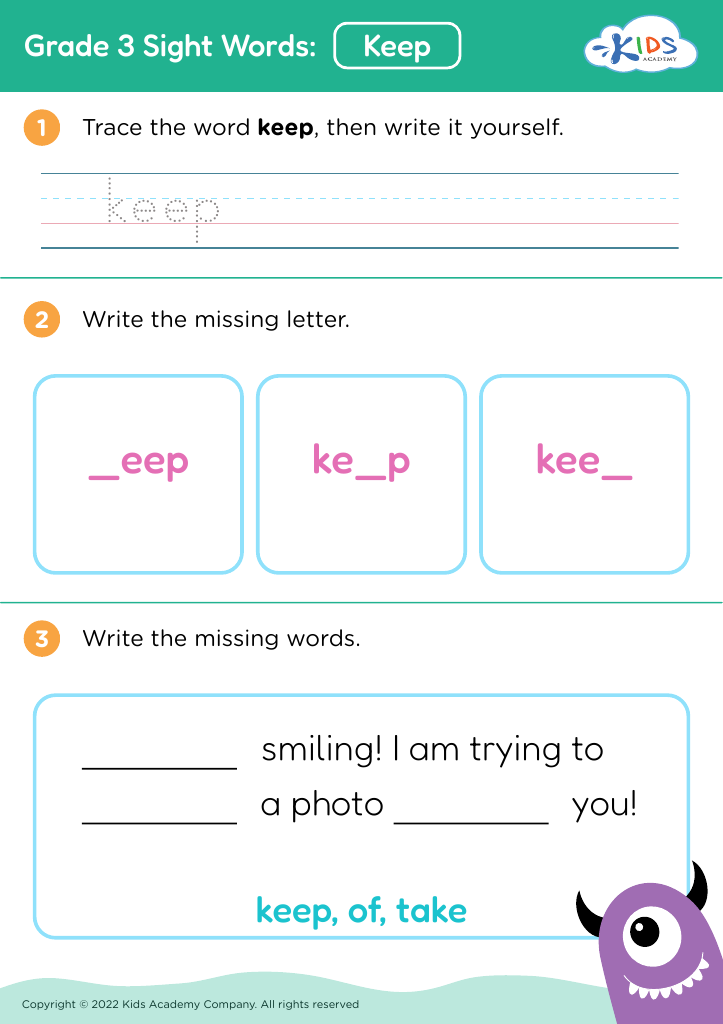
Grade 3 Sight Words: Keep

Grade 3 Sight Words: Keep

Grade 3 Sight Words: Keep
Worksheet
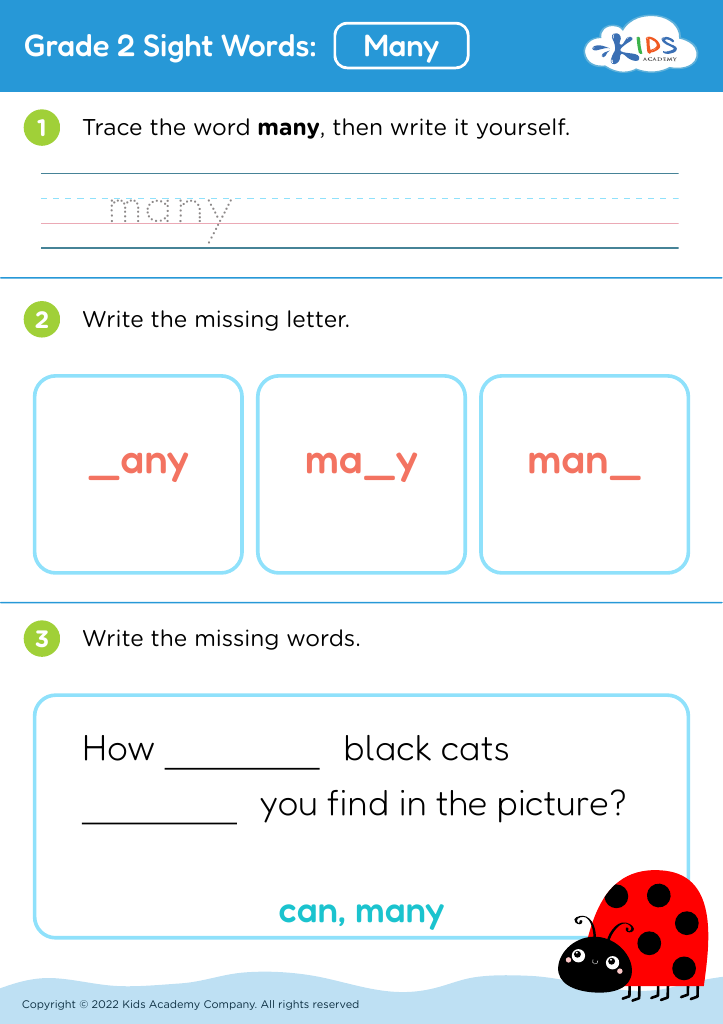
Grade 2 Sight Words: Many

Grade 2 Sight Words: Many

Grade 2 Sight Words: Many
Worksheet
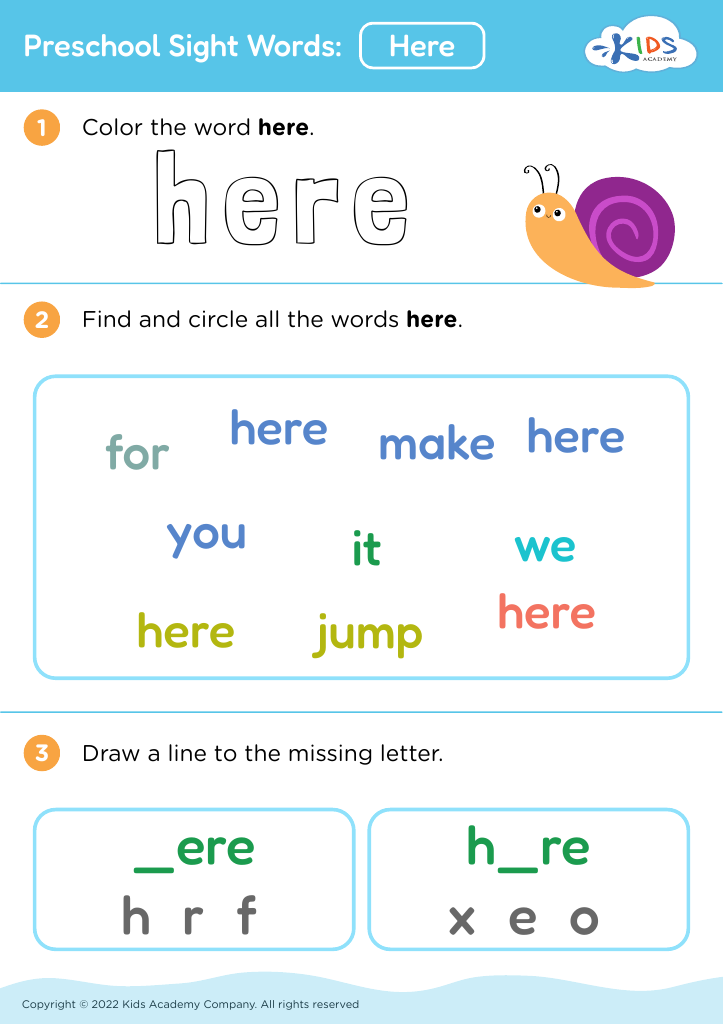
Preschool Sight Words: Here

Preschool Sight Words: Here

Preschool Sight Words: Here
Worksheet
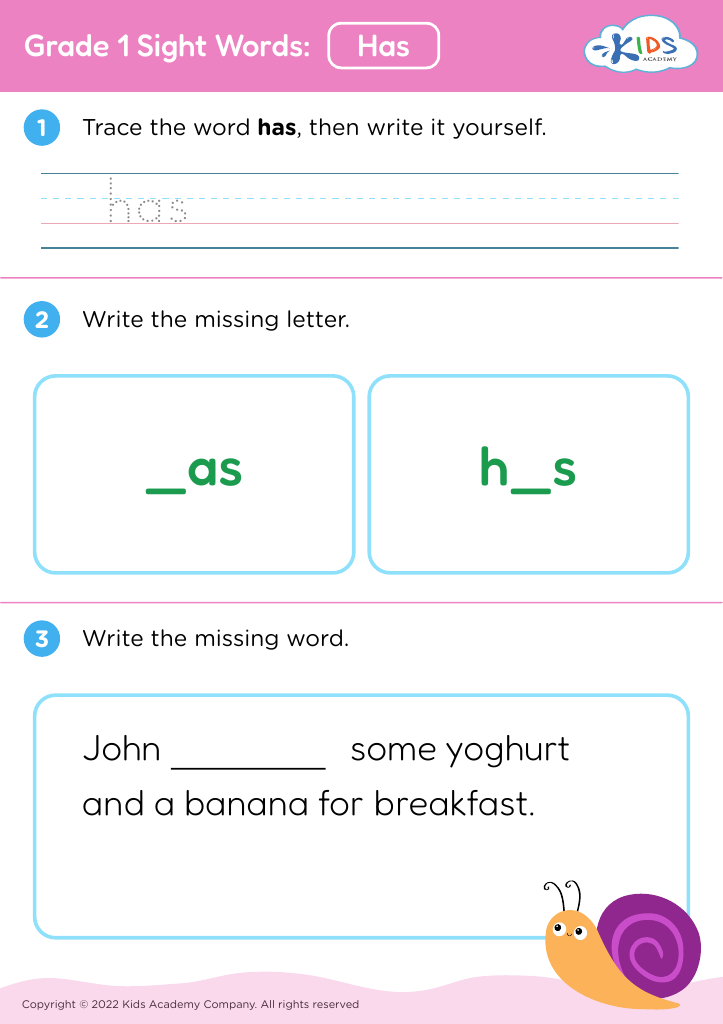
Grade 1 Sight Words: Has

Grade 1 Sight Words: Has

Grade 1 Sight Words: Has
Worksheet
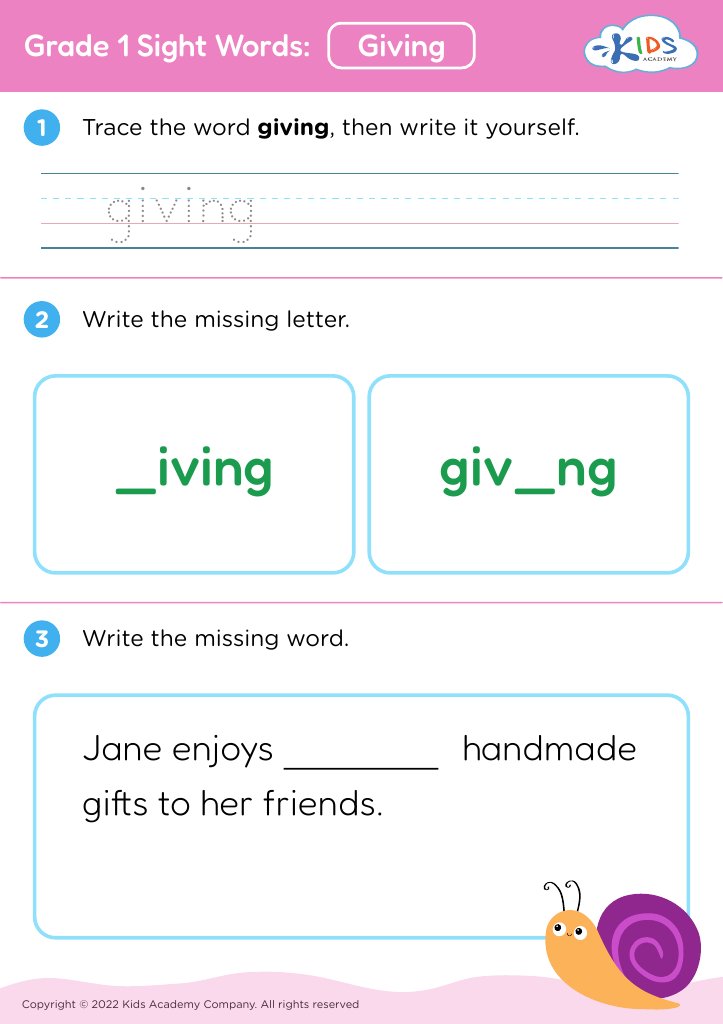
Grade 1 Sight Words: Giving

Grade 1 Sight Words: Giving

Grade 1 Sight Words: Giving
Worksheet
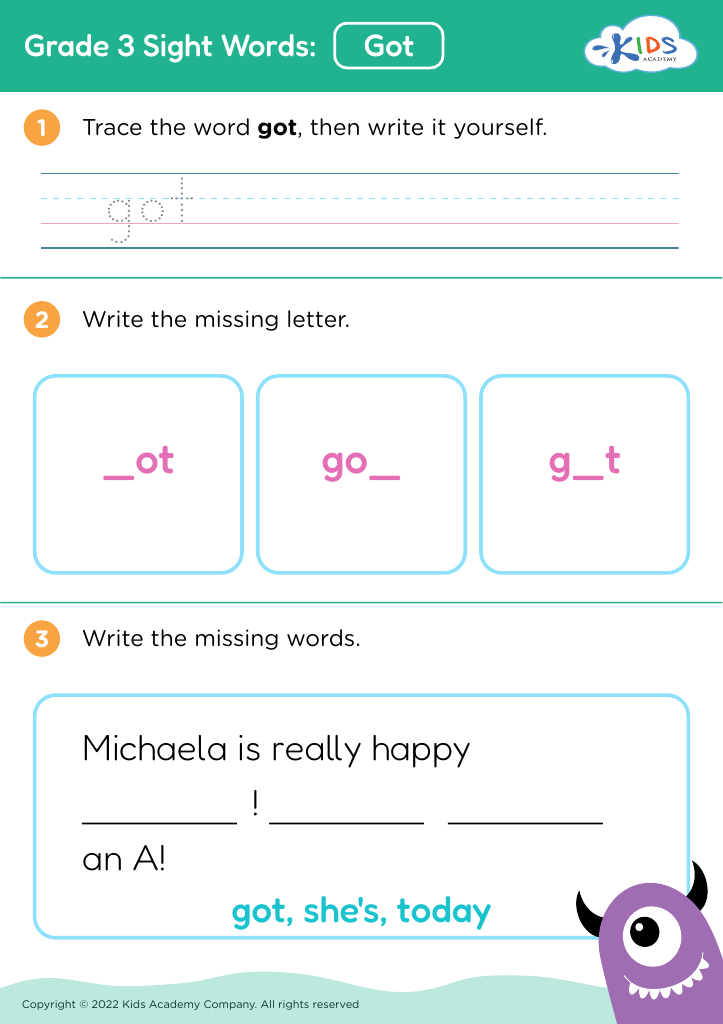
Grade 3 Sight Words: Got

Grade 3 Sight Words: Got

Grade 3 Sight Words: Got
Worksheet
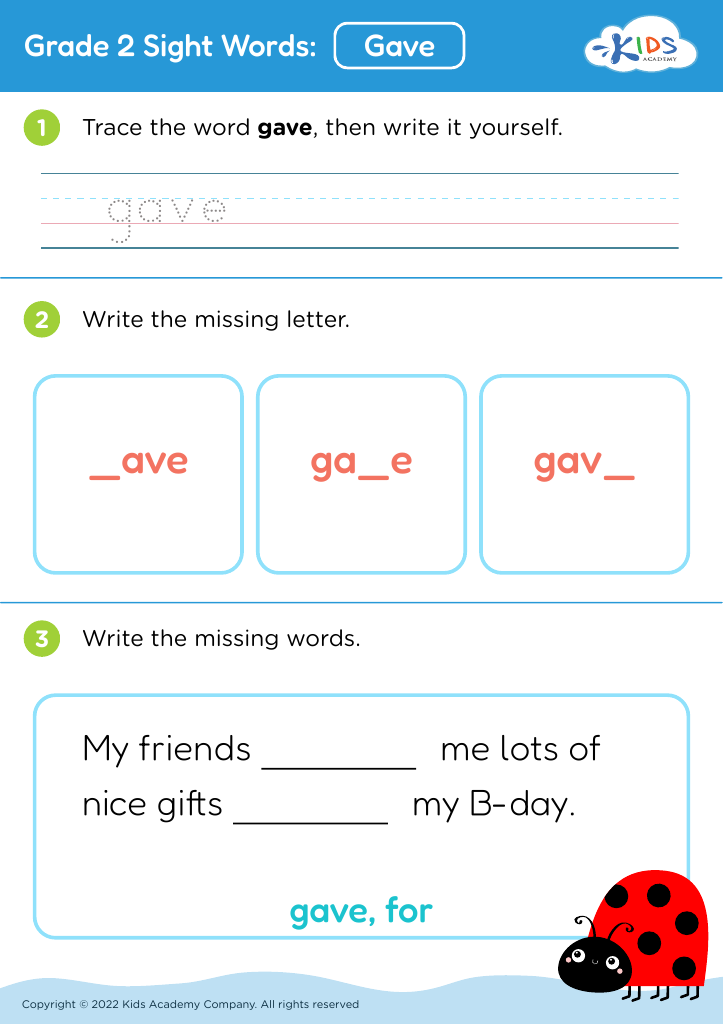
Grade 2 Sight Words: Gave

Grade 2 Sight Words: Gave

Grade 2 Sight Words: Gave
Worksheet
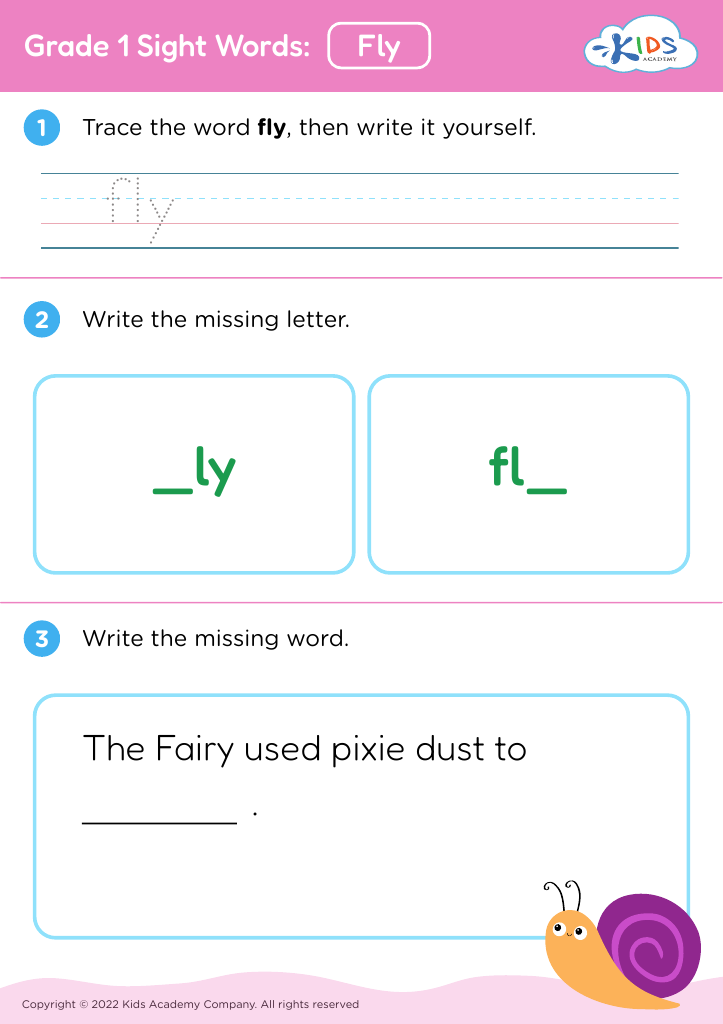
Grade 1 Sight Words: Fly

Grade 1 Sight Words: Fly

Grade 1 Sight Words: Fly
Worksheet
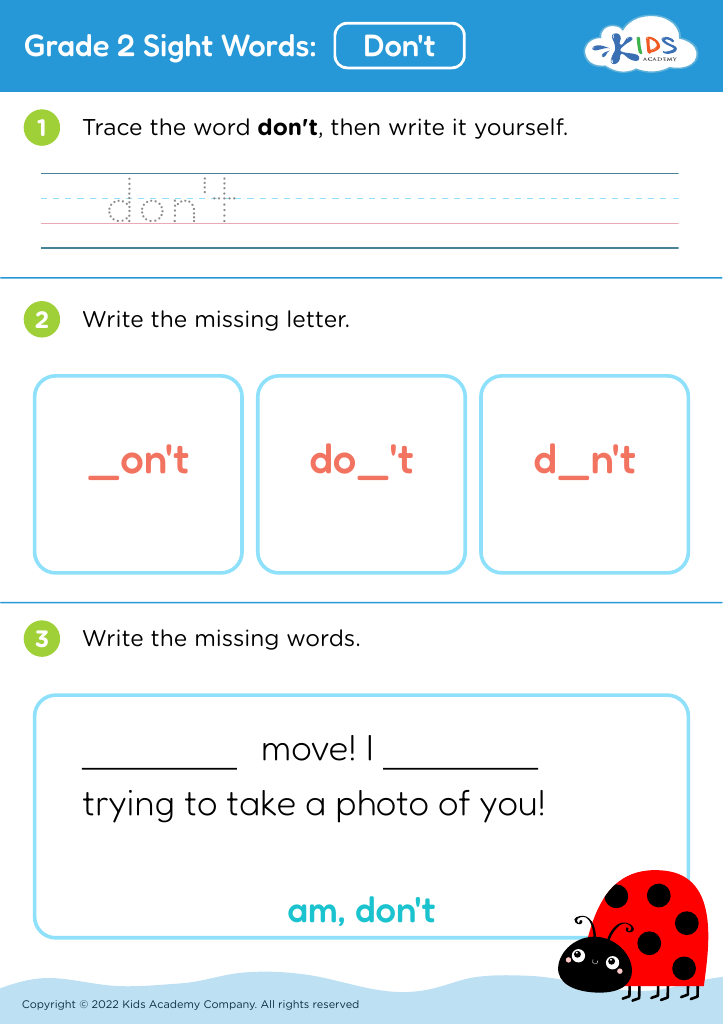
Grade 2 Sight Words: Don'T

Grade 2 Sight Words: Don'T

Grade 2 Sight Words: Don'T
Worksheet
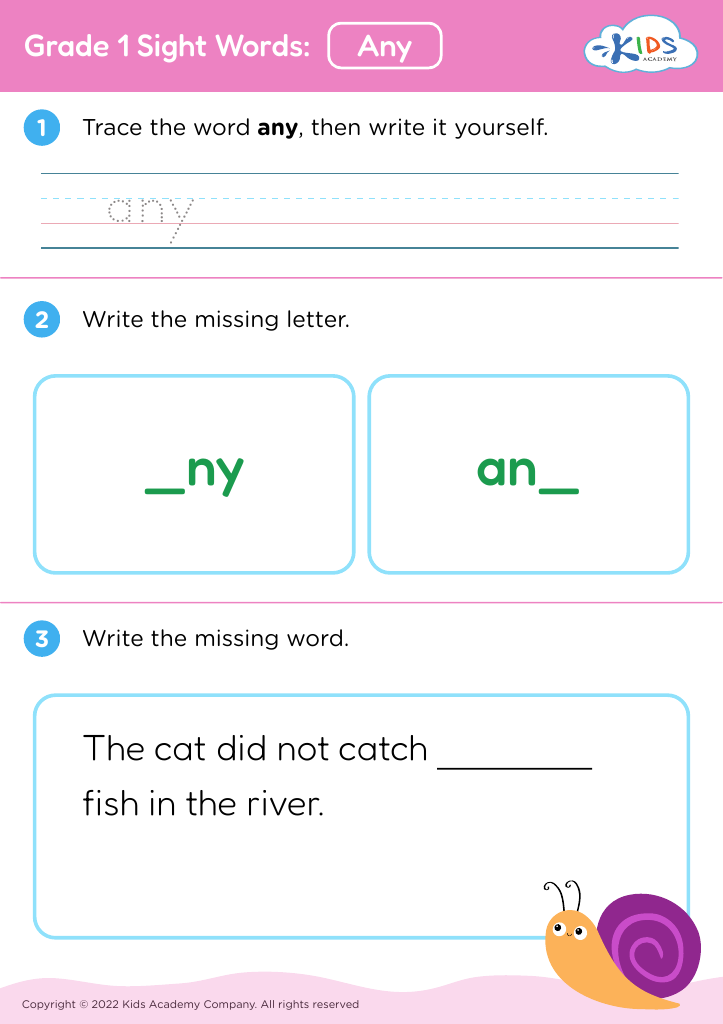
Grade 1 Sight Words: Any

Grade 1 Sight Words: Any

Grade 1 Sight Words: Any
Worksheet
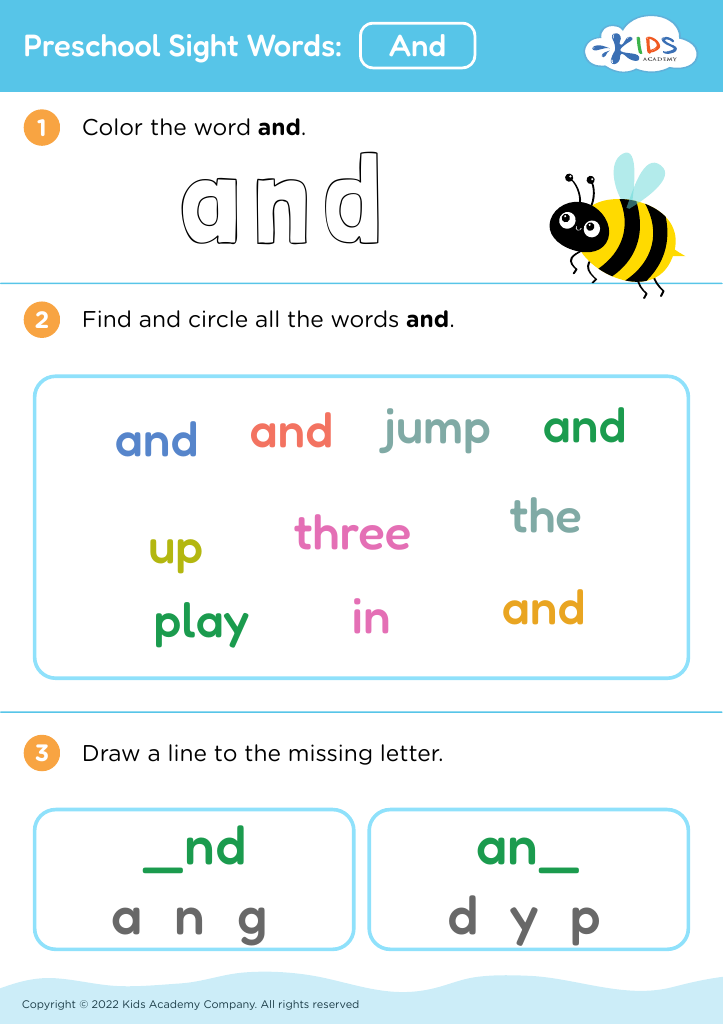
Preschool Sight Words: And

Preschool Sight Words: And

Preschool Sight Words: And
Worksheet
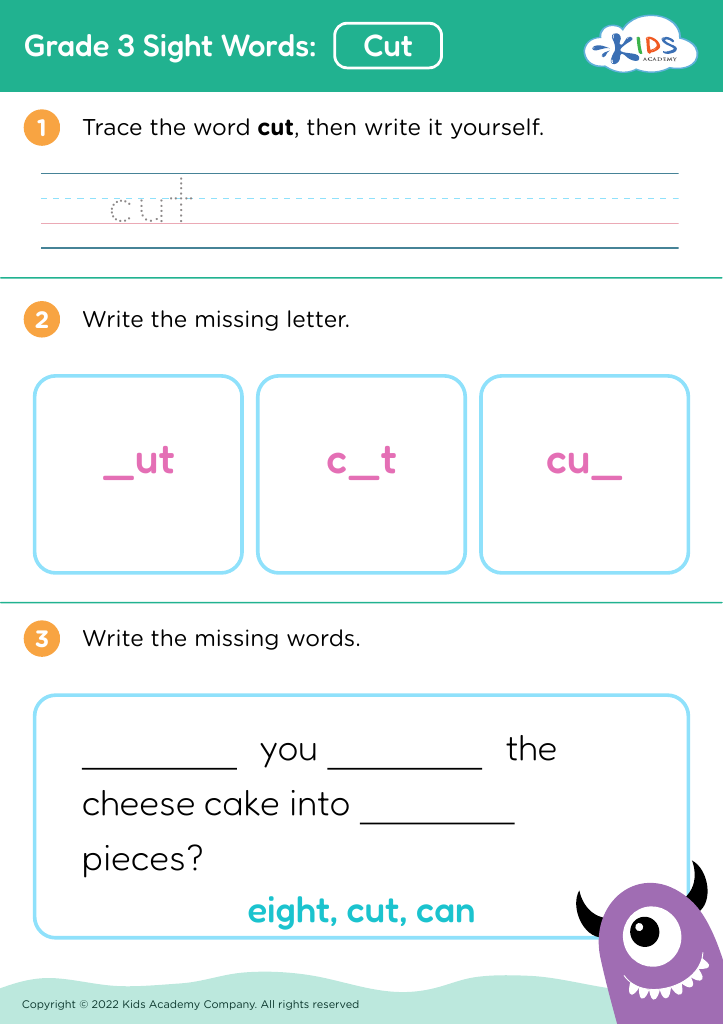
Grade 3 Sight Words: Cut

Grade 3 Sight Words: Cut

Grade 3 Sight Words: Cut
Worksheet
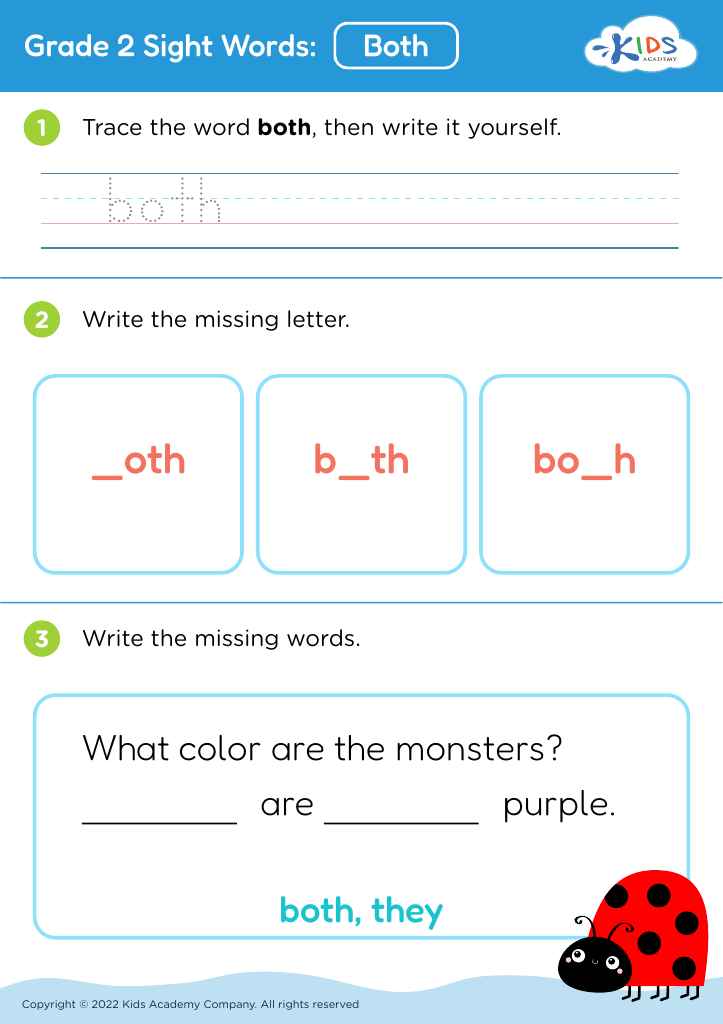
Grade 2 Sight Words: Both

Grade 2 Sight Words: Both

Grade 2 Sight Words: Both
Worksheet
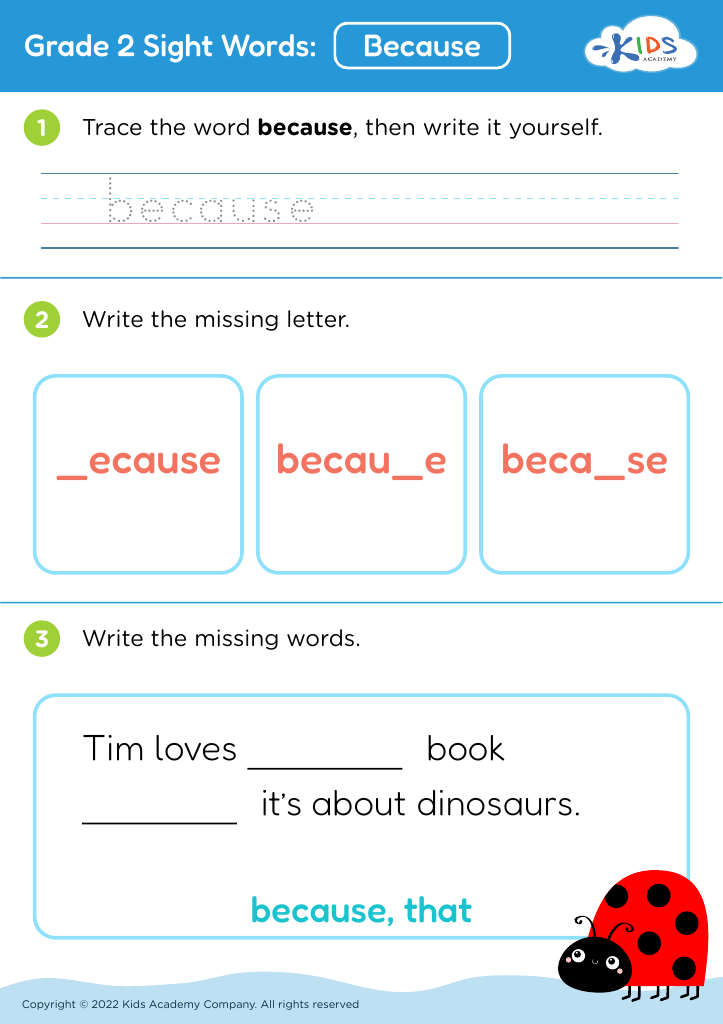
Grade 2 Sight Words: Because

Grade 2 Sight Words: Because

Grade 2 Sight Words: Because
Worksheet
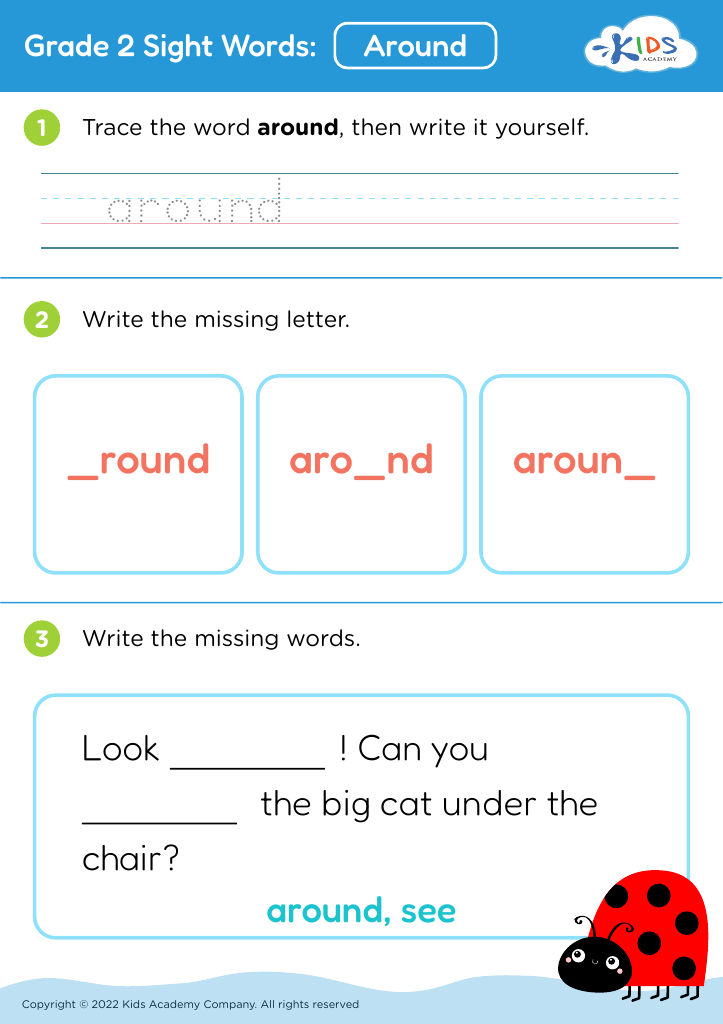
Grade 2 Sight Words: Around

Grade 2 Sight Words: Around

Grade 2 Sight Words: Around
Worksheet
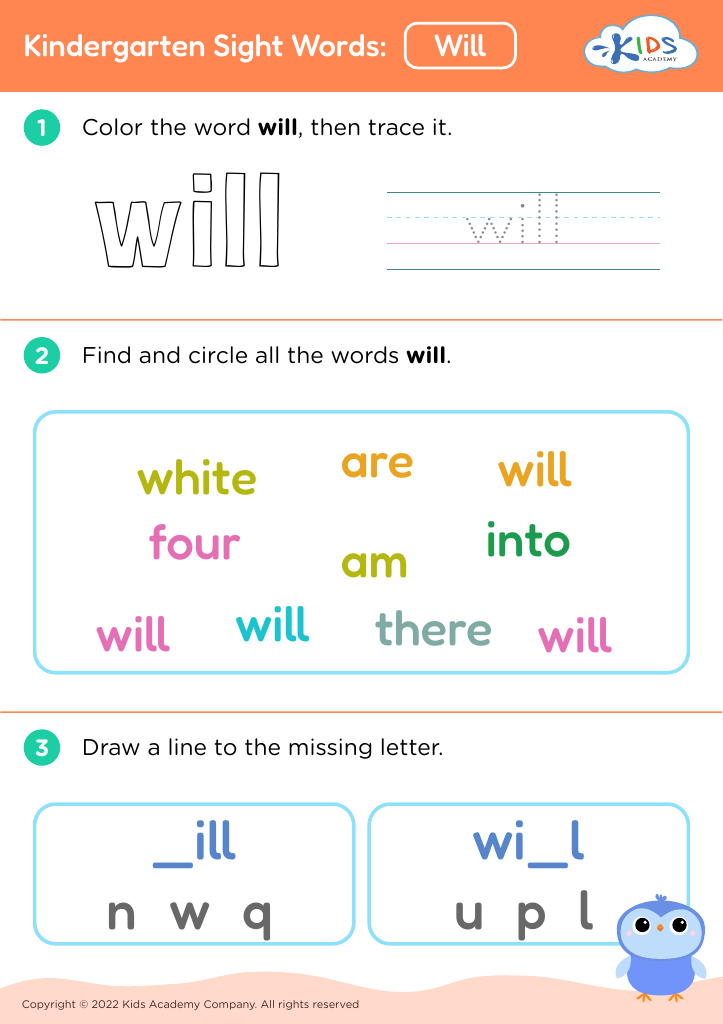
Kindergarten Sight Words: Will

Kindergarten Sight Words: Will

Kindergarten Sight Words: Will
Worksheet


Comparing fractions is a fundamental mathematical concept that lays the groundwork for more advanced skills in math as children grow older. For parents and teachers working with children aged 3-8, understanding how to compare fractions fosters critical thinking and problem-solving abilities. Learning this concept helps children recognize relationships between numbers, enhancing their overall math fluency.

At this developmental stage, children are naturally curious and eager to explore patterns and relationships, making it the perfect time to introduce comparing fractions. Engaging activities, such as using visual aids or hands-on experiments with everyday objects, can make learning fun and interactive. By incorporating fractions in concrete ways—like slicing a pizza or sharing a chocolate bar—children gain a tangible understanding of more abstract concepts.

Moreover, comparing fractions promotes essential skills such as reasoning and communication. Children learn to articulate their thought processes, justifying their choices with evidence. This practice not only boosts their math confidence but also equips them with tools for upcoming challenges. Therefore, by prioritizing the understanding of fractions, parents and teachers set the foundation for a child’s future academic success, enabling them to navigate more complex math concepts with ease and confidence.