Concentration improvement Worksheets for Ages 3-8 - Page 2
29 filtered results
-
From - To
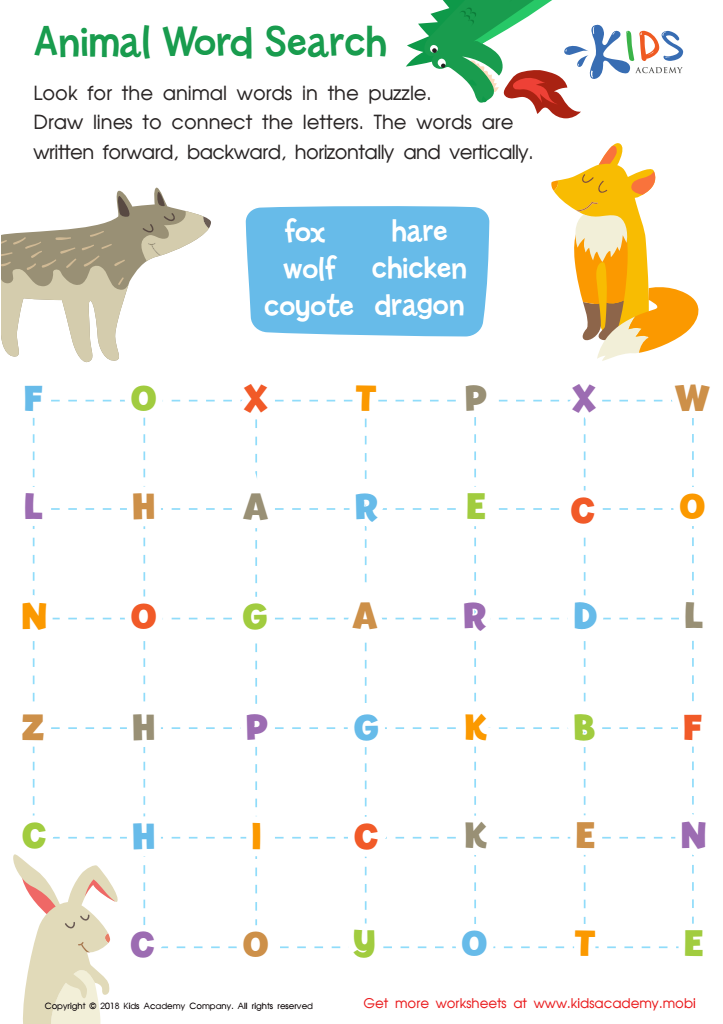
Animal Word Search Worksheet
 Assign to My Students
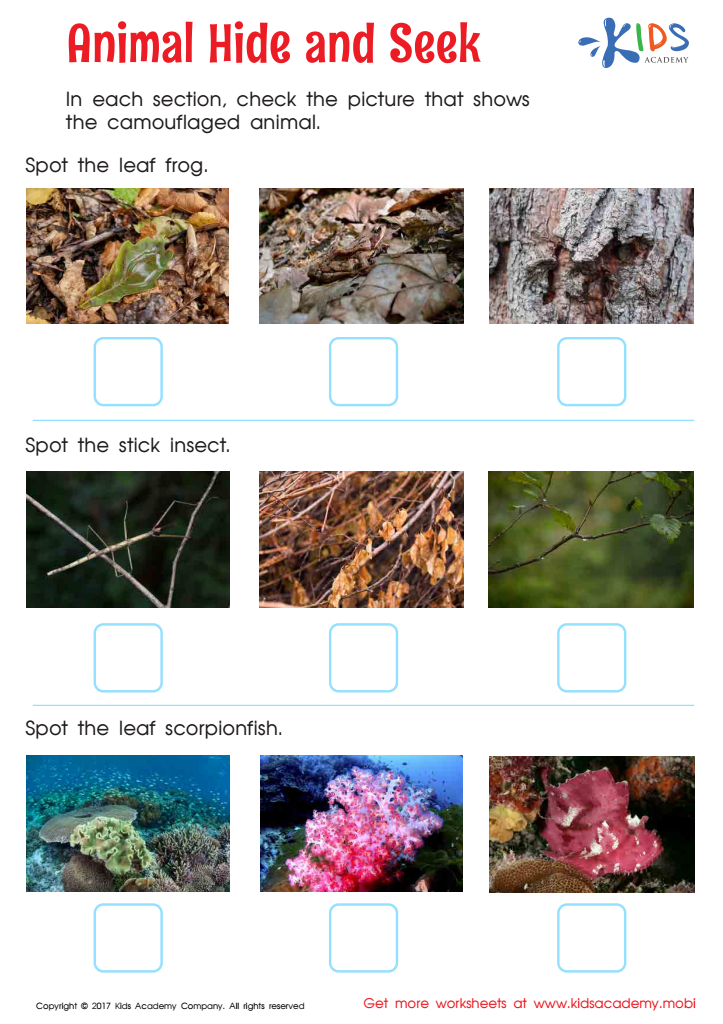
Animal Hide and Seek Worksheet
Tracing Lines Worksheet
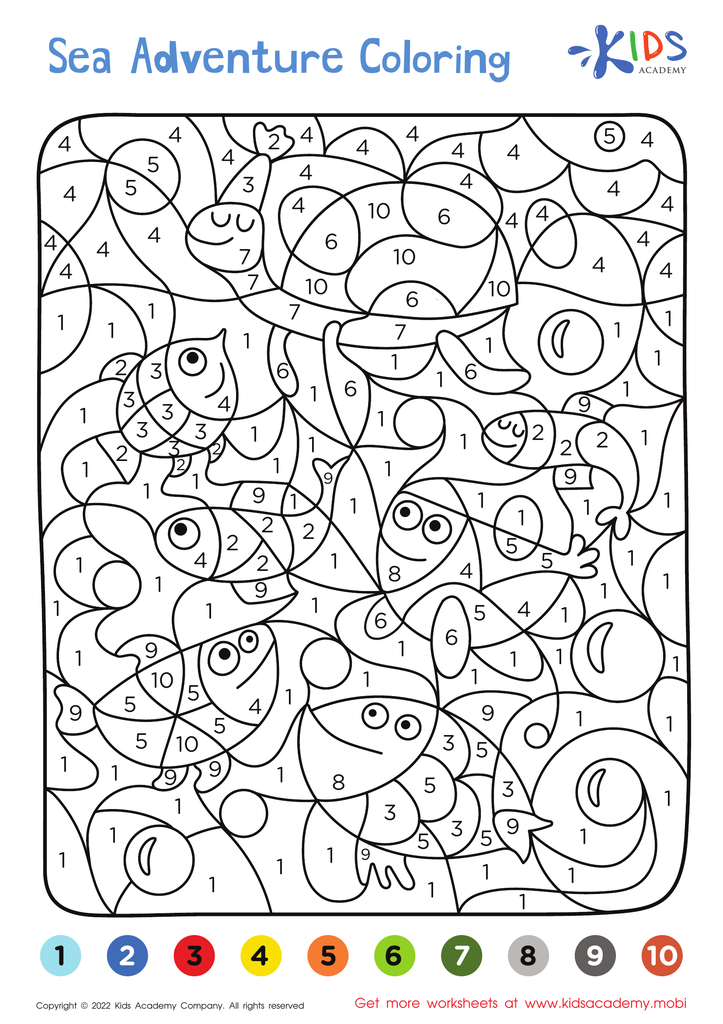
Sea Adventure – Coloring by Numbers
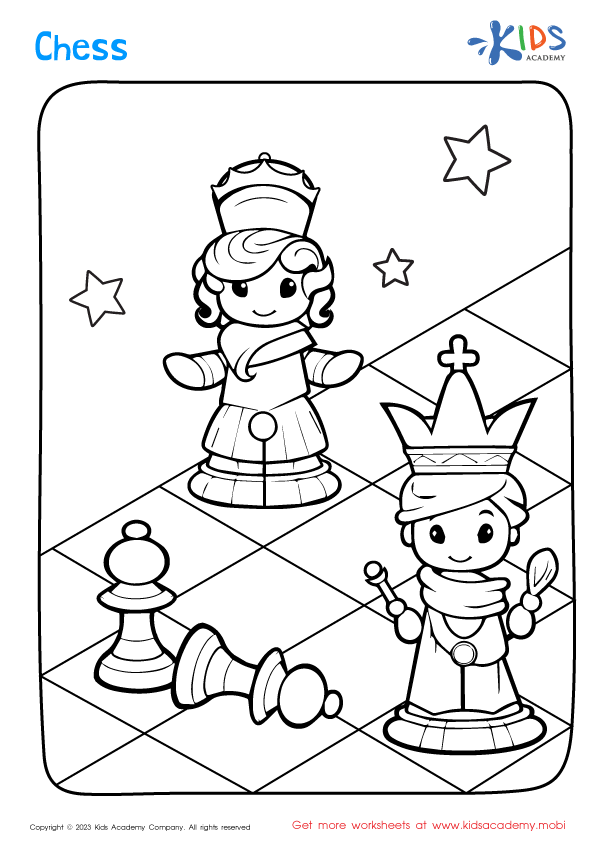








Concentration improvement for children aged 3-8 is crucial for their overall development and long-term academic success. At this early stage, the brain is exceptionally malleable, forming neural connections that will become the foundation for future learning and problem-solving skills. Strong concentration allows children to engage deeply with tasks, improving their ability to absorb and comprehend information, which is essential for reading, writing, and math.
When children can focus, they are better able to follow instructions, complete activities, and enjoy the learning process. Improved concentration also fosters better behavioral outcomes. Children who can focus are less likely to become frustrated or distracted, leading to a more harmonious classroom and home environment. This minimizes disruptions and maximizes instructional time, benefiting all students.
In addition, learning to concentrate from a young age helps children develop patience and perseverance, qualities that are important for tackling more complex challenges as they grow. It equips them with the skills to set goals and achieve them, boosting self-esteem and independence.
Therefore, parents and teachers should prioritize concentration enhancement activities, such as puzzles, reading, and interactive play, to support cognitive development, emotional regulation, and social skills. This investment in early childhood sets the stage for lifelong learning and success.








