Critical thinking skills Worksheets for Ages 3-8 - Page 2
41 filtered results
-
From - To
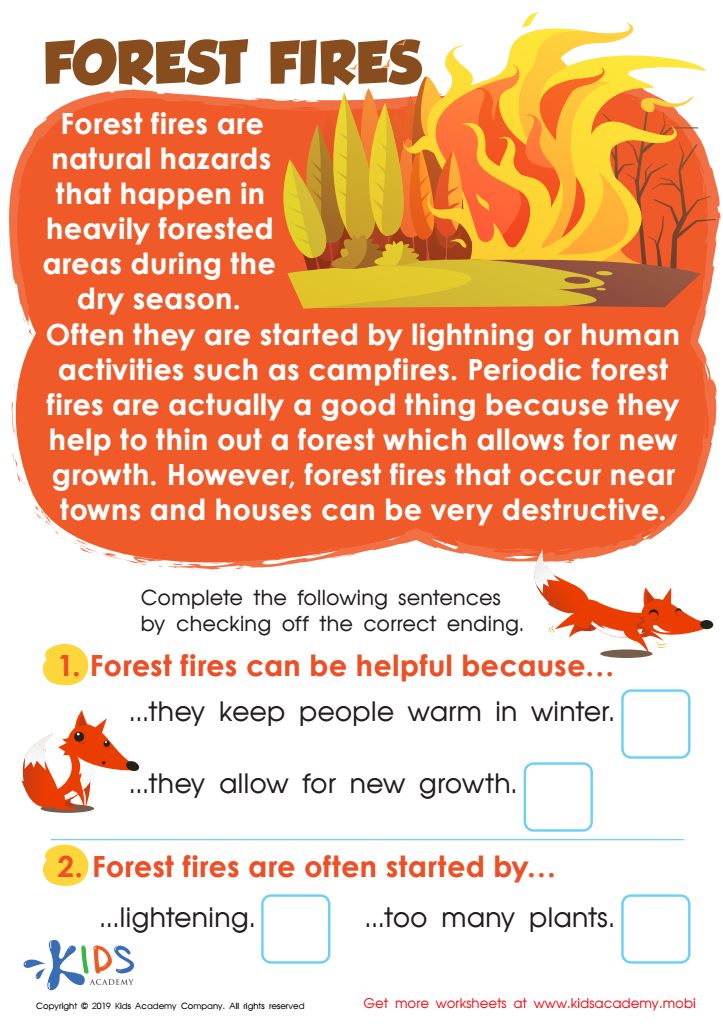
Forest Fires Worksheet
 Assign to My Students
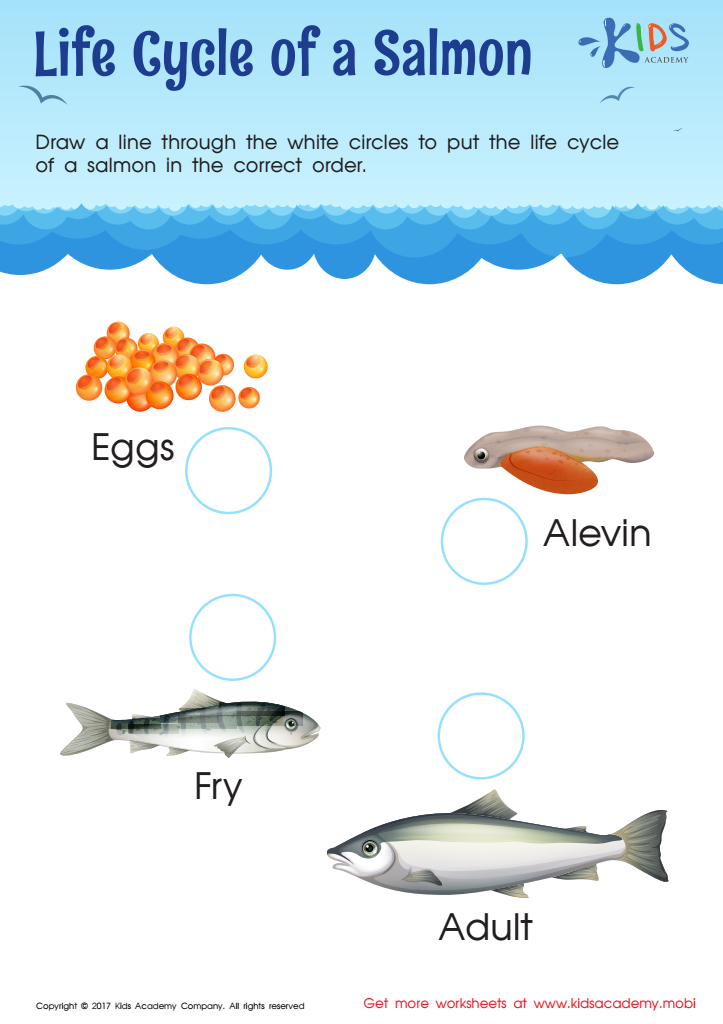
Cycle Of Salmon Worksheet
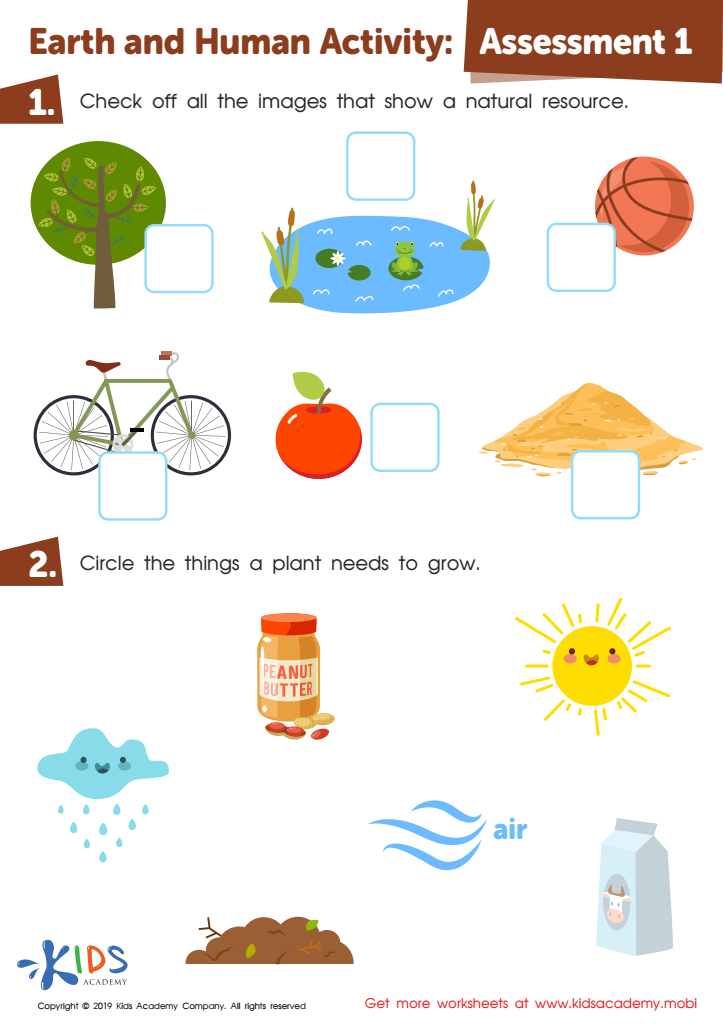
Earth and Human Activity: Assessment 1 Worksheet
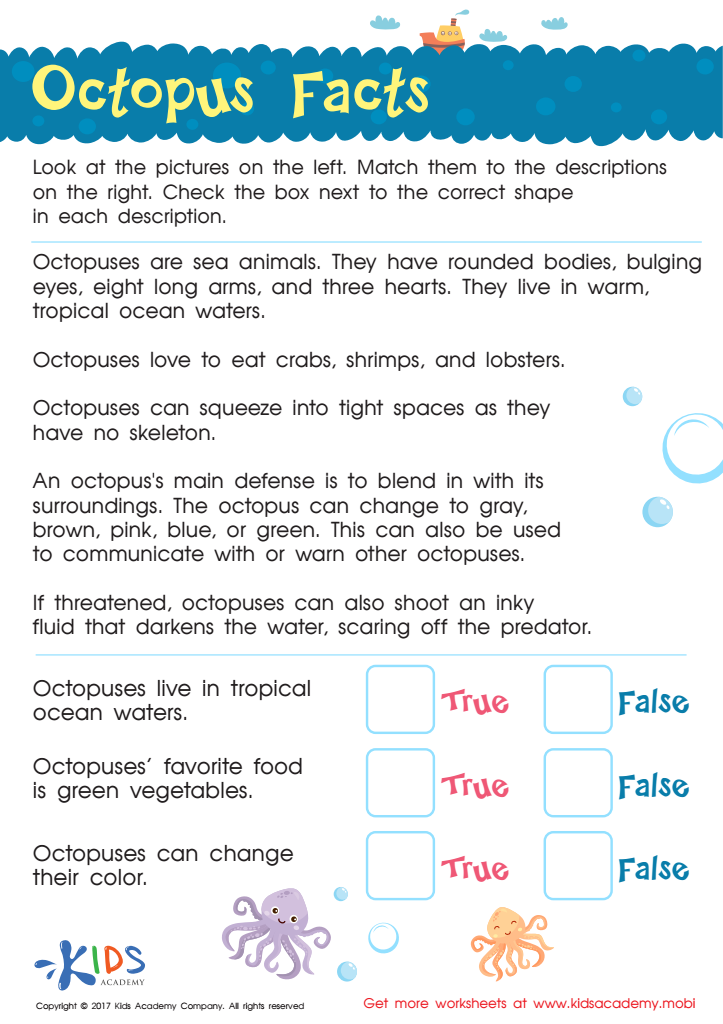
Octopus Facts Worksheet For Kids
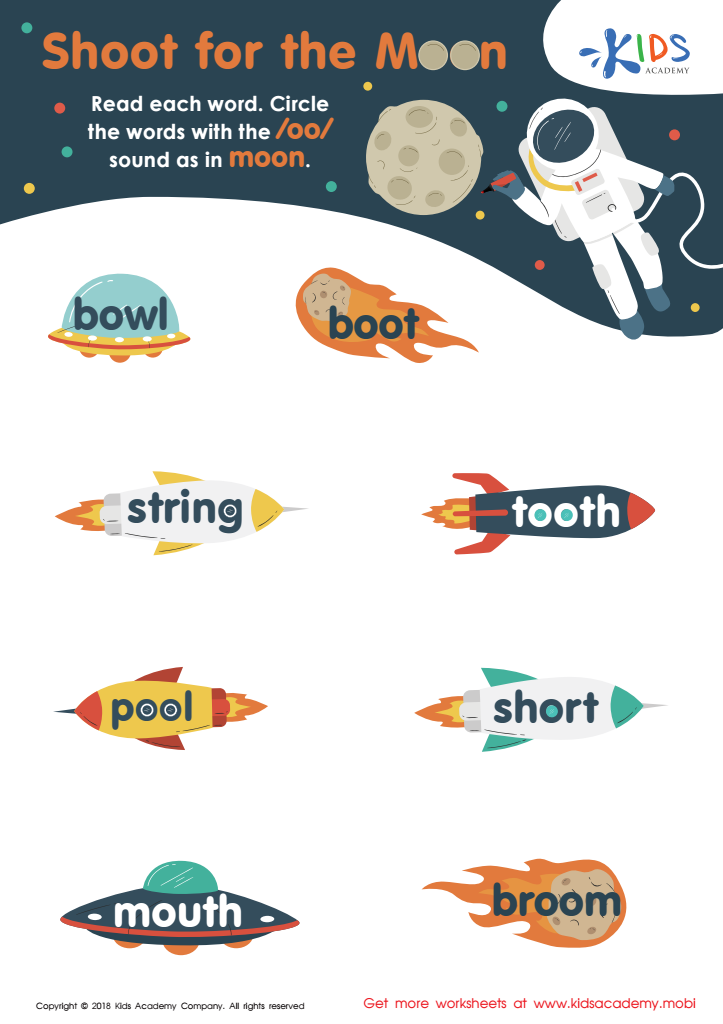
Reading: Shoot for the Moon Worksheet
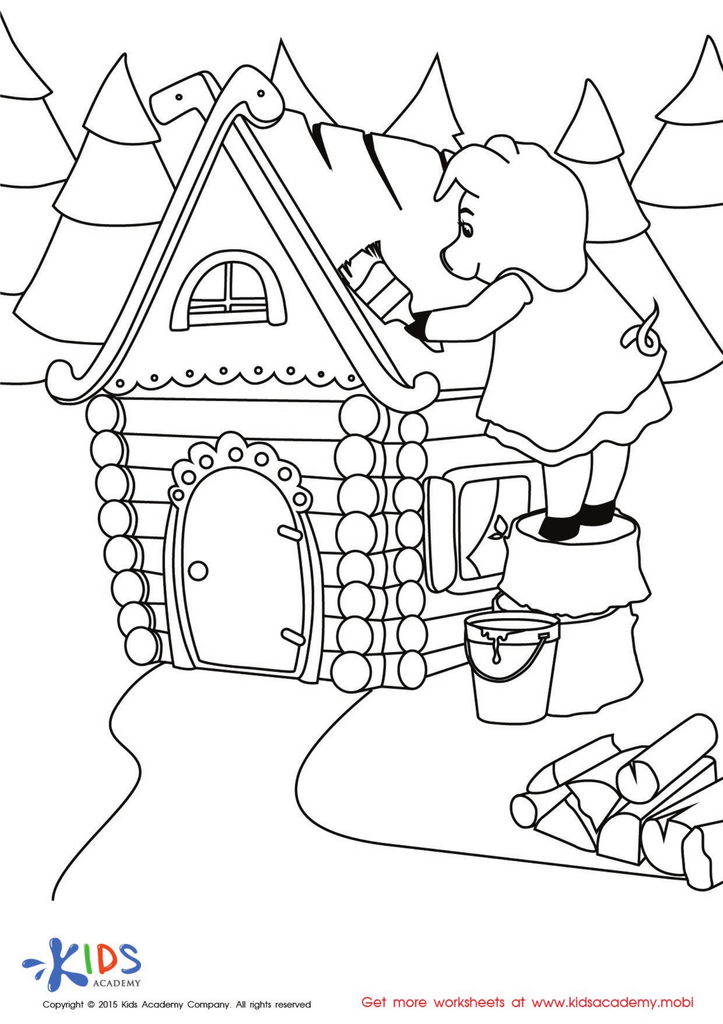
The Three Little Pigs Worksheet
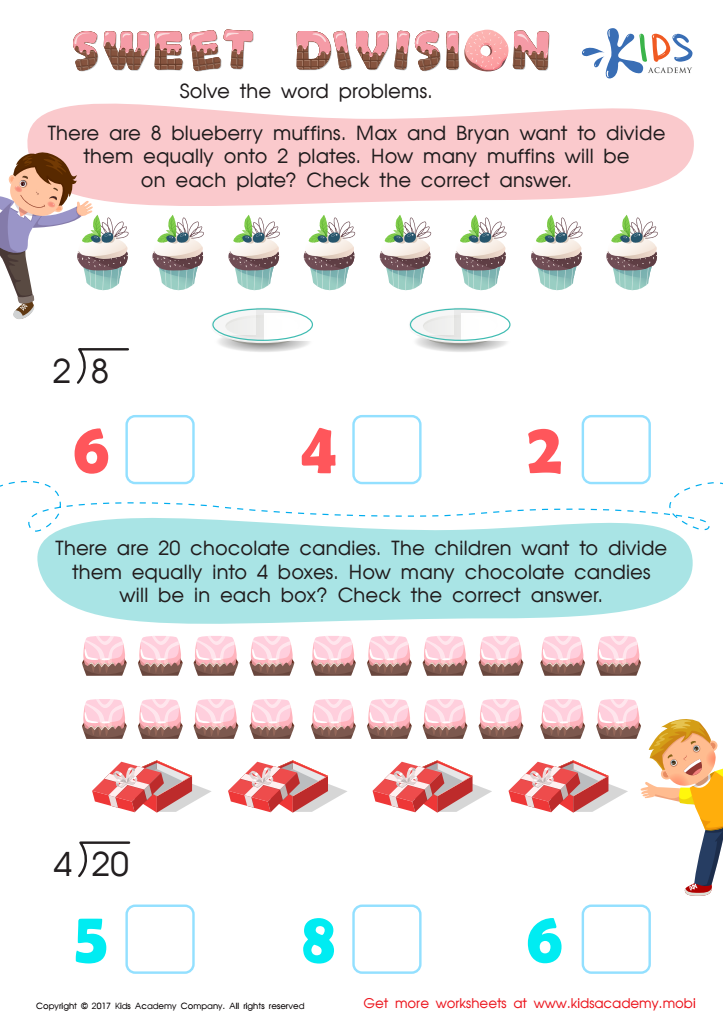
Division Word Problems Worksheet
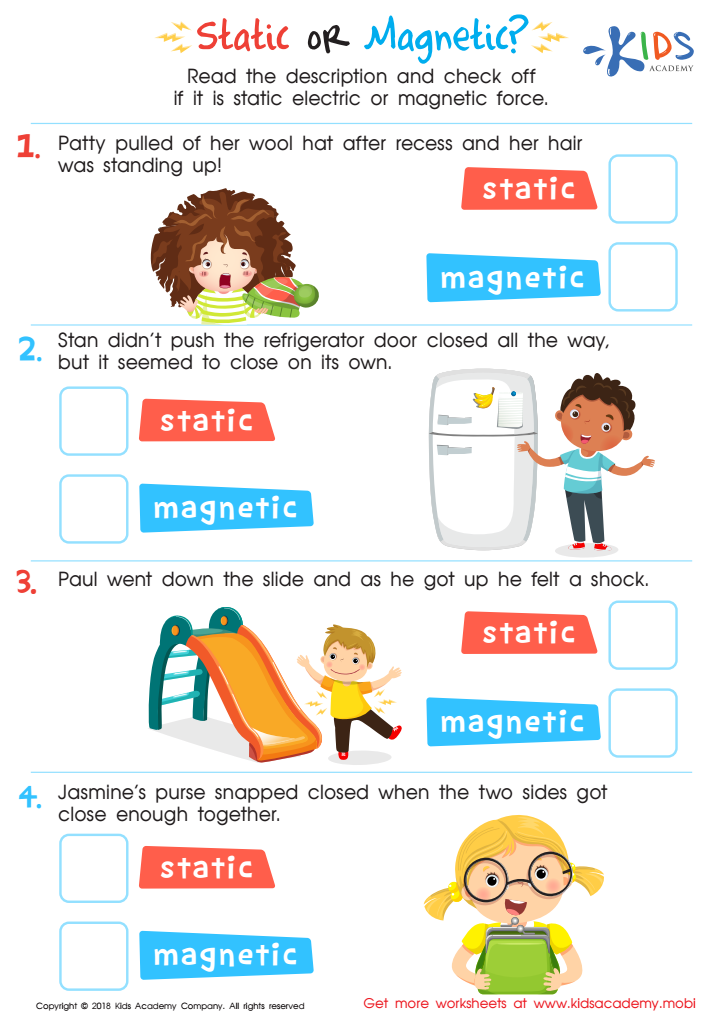
Static or Magnetic Printable Worksheet
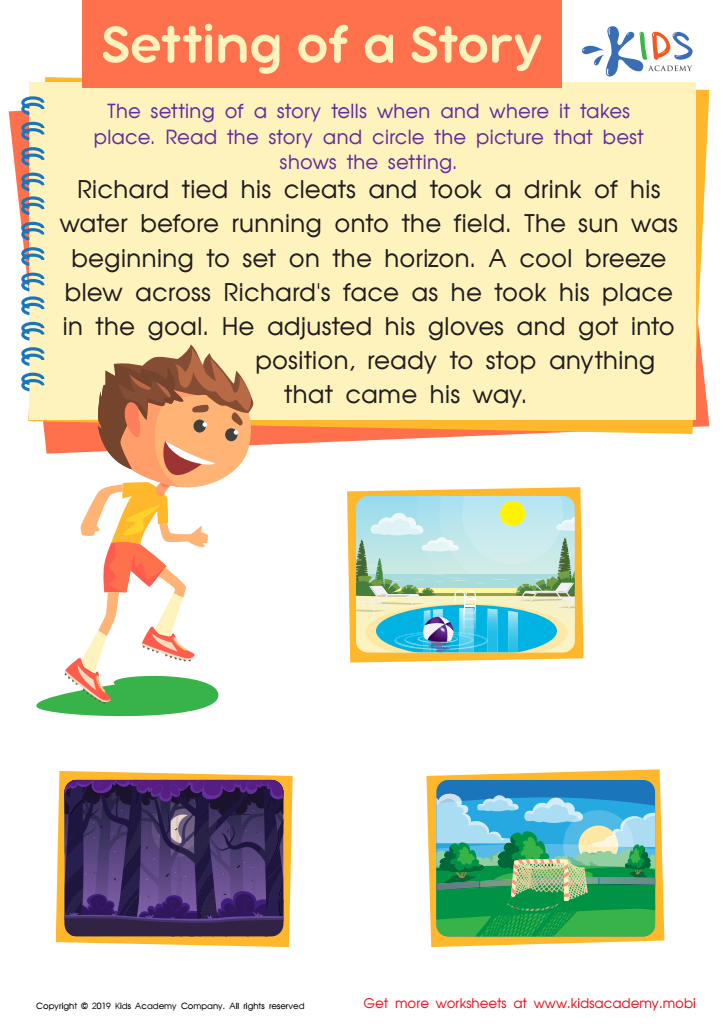
Setting of a Story Worksheet
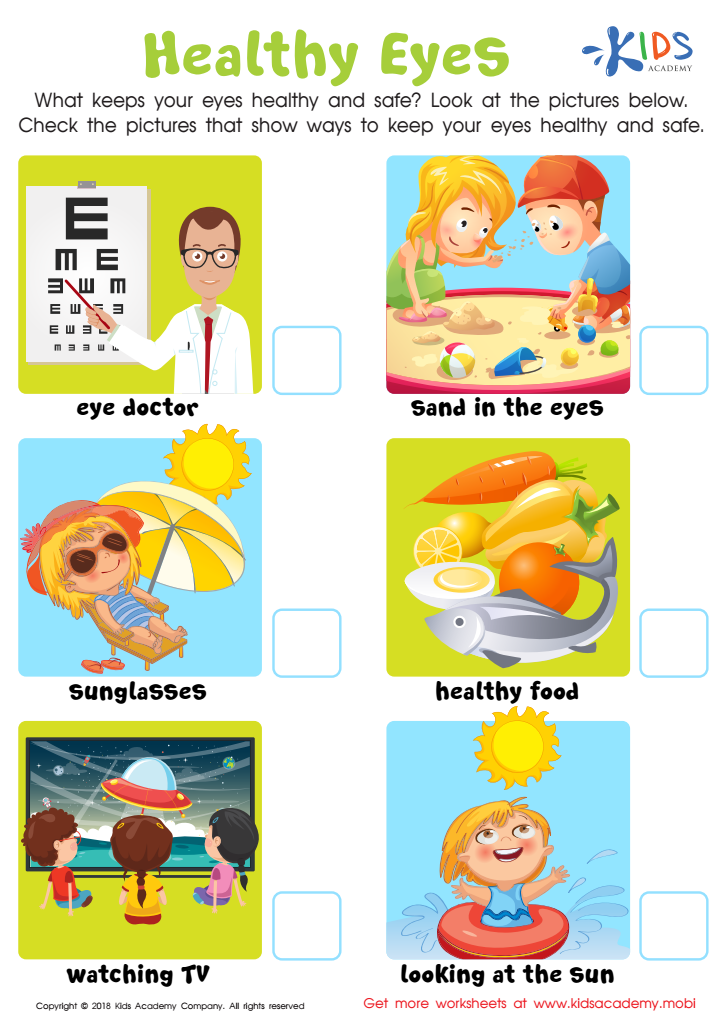
Healthy Eyes Worksheet
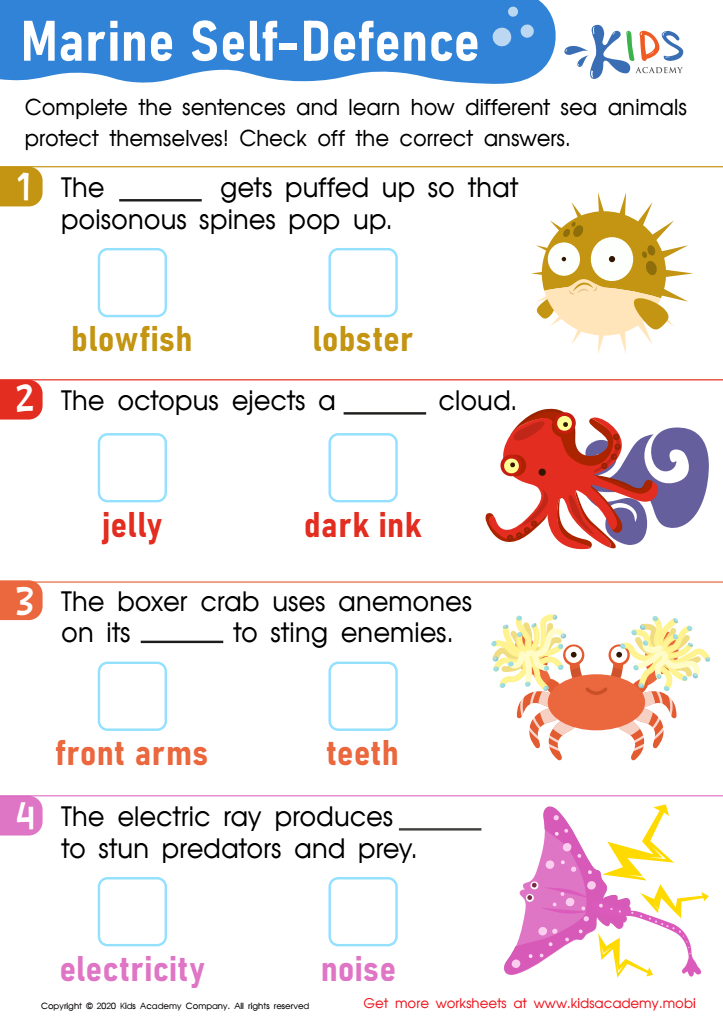
Marine Self-Defence Worksheet
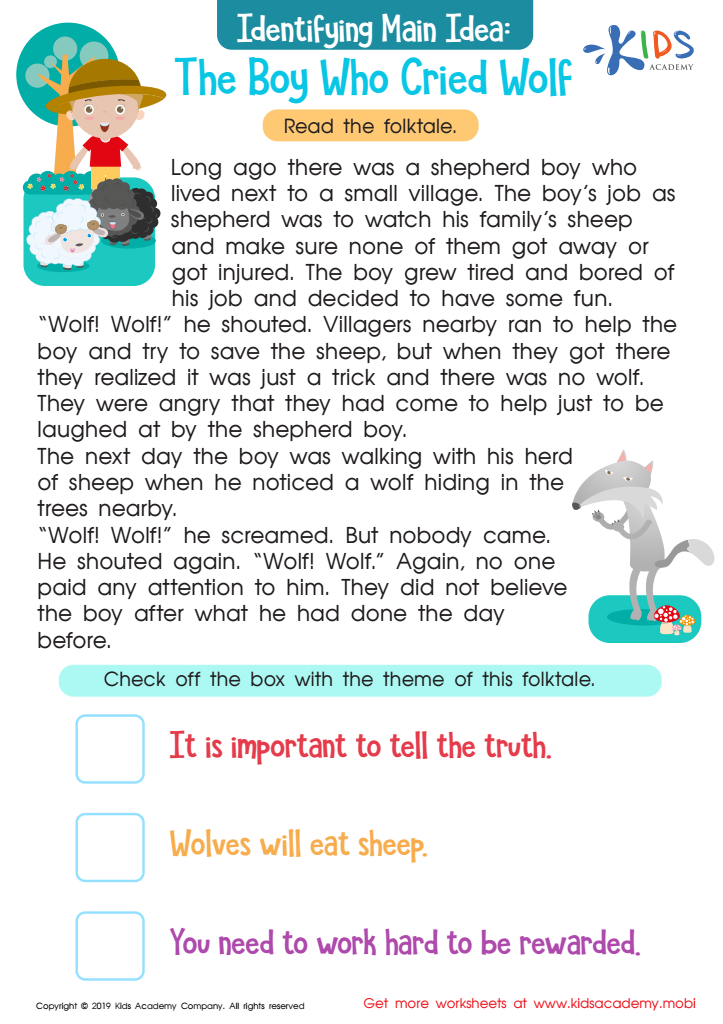
The Boy Who Cried Wolf Part 2 Worksheet
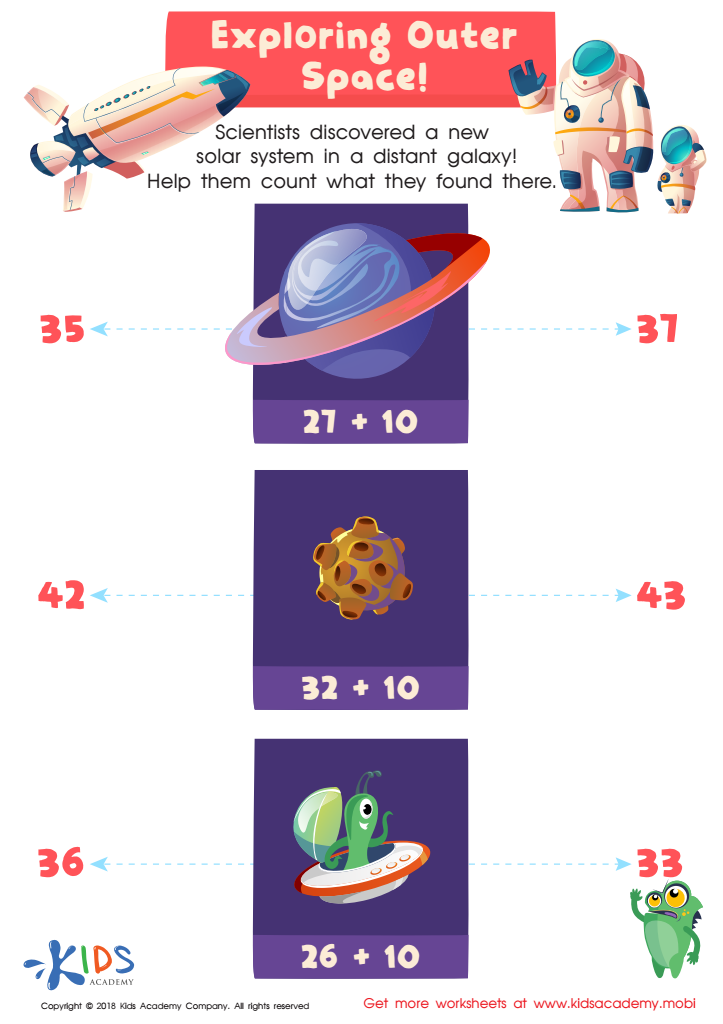
Exploring Outer Space Worksheet
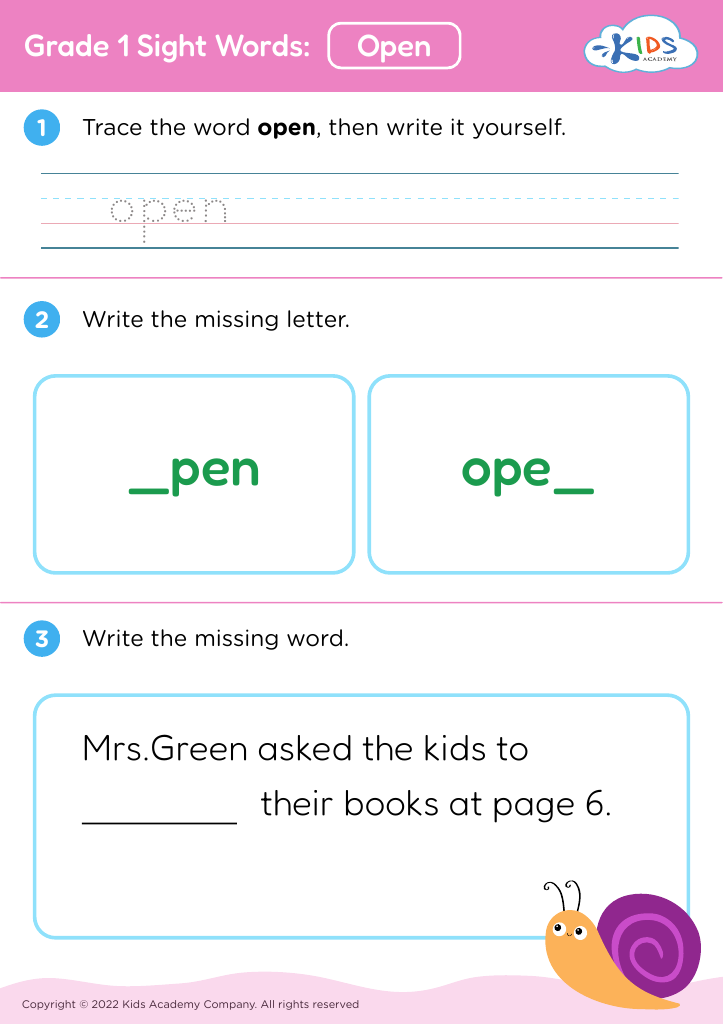






.jpg)
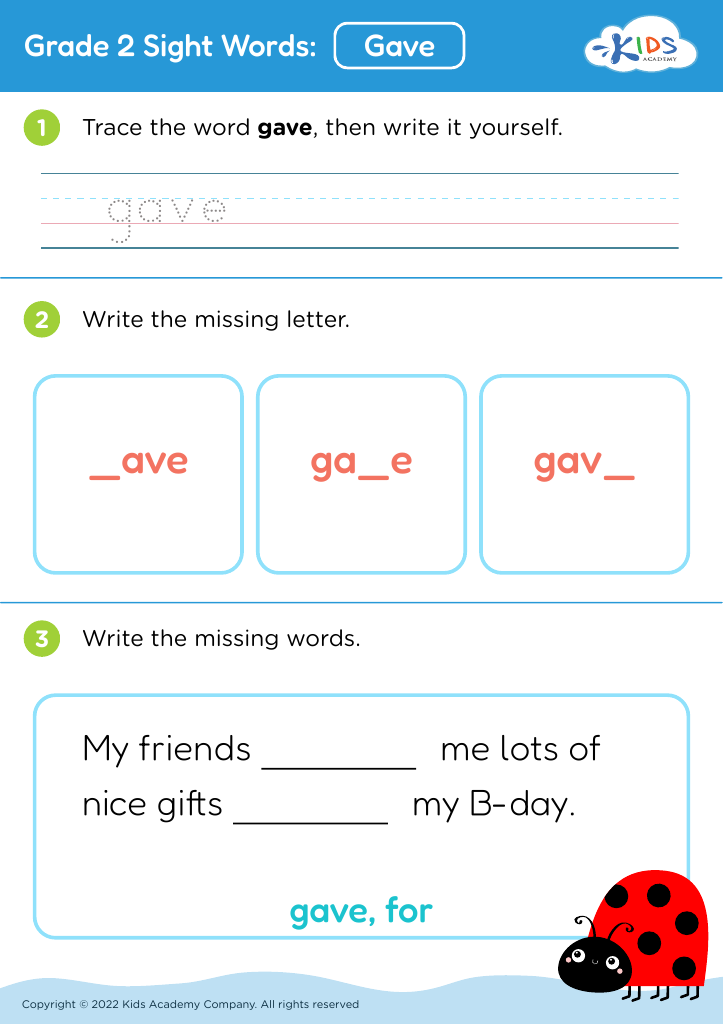
%20(1).jpg)
Critical thinking skills are vital for children aged 3-8 as they lay the groundwork for lifelong learning and problem-solving abilities. During these formative years, children are naturally curious and eager to explore their surroundings. By fostering critical thinking, parents and teachers can help children develop the ability to analyze information, evaluate different viewpoints, and make reasoned decisions.
Engaging children in activities that promote critical thinking—such as storytelling, puzzles, and open-ended questions—encourages them to think independently and creatively. This approach nurtures their confidence to express opinions, ask questions, and seek solutions. Encouraging contemplation and discussion not only enhances cognitive skills but also cultivates social abilities, as children learn to collaborate and communicate with peers.
Moreover, in our rapidly changing world, equipping children with critical thinking skills is essential for adapting to new challenges and synthesizing information from various sources. As they grow older, these foundational skills will empower them to navigate complexities in academics, relationships, and future employment. Ultimately, prioritizing critical thinking development is a meaningful investment in a child's future, fostering resilience and informed decision-making in an increasingly intricate society.








