Develops fine motor skills Worksheets for Ages 3-8
6 filtered results
-
From - To
Support your child's fine motor development with our engaging worksheets tailored for children aged 3-8. At Kids Academy, we offer a wide range of activities designed to enhance hand-eye coordination, precision, and dexterity. Our expert-created worksheets incorporate fun tracing, drawing, cutting, and more to keep young learners entertained while building essential skills. Perfect for homeschooling or supplemental practice, these resources help prepare little hands for writing, crafting, and daily tasks. Boost your child’s confidence and ability through our enjoyable and educational fine motor skills worksheets. Start your child’s journey to stronger, agile hands today!
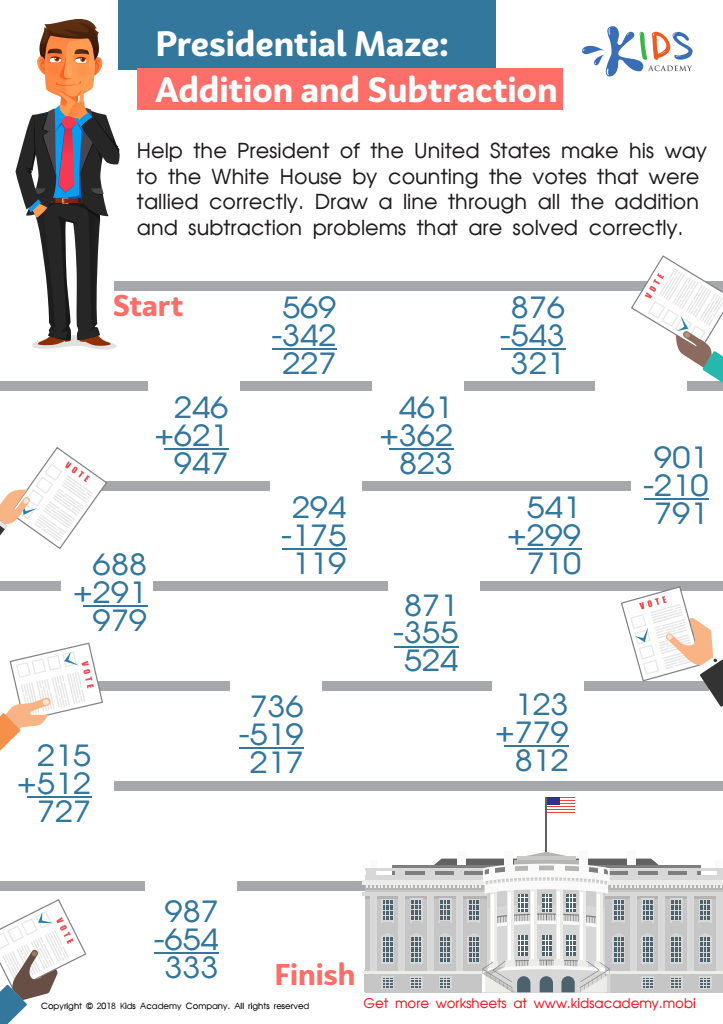
Presidential Maze: Addition and Subtraction Worksheet
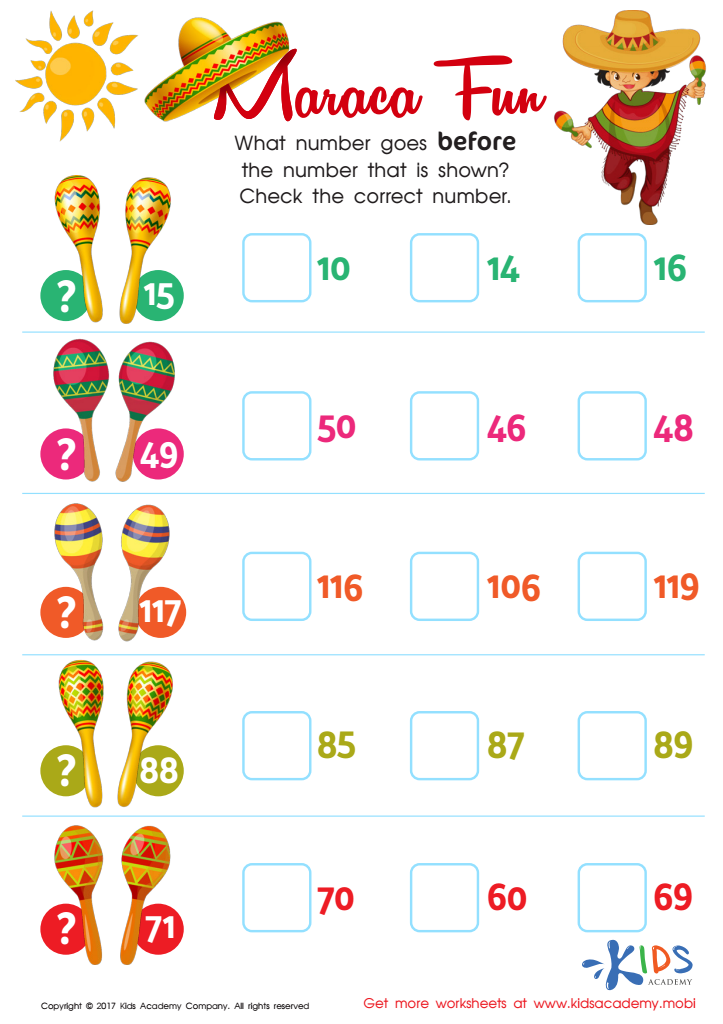
Counting: Maraca Fun Worksheet
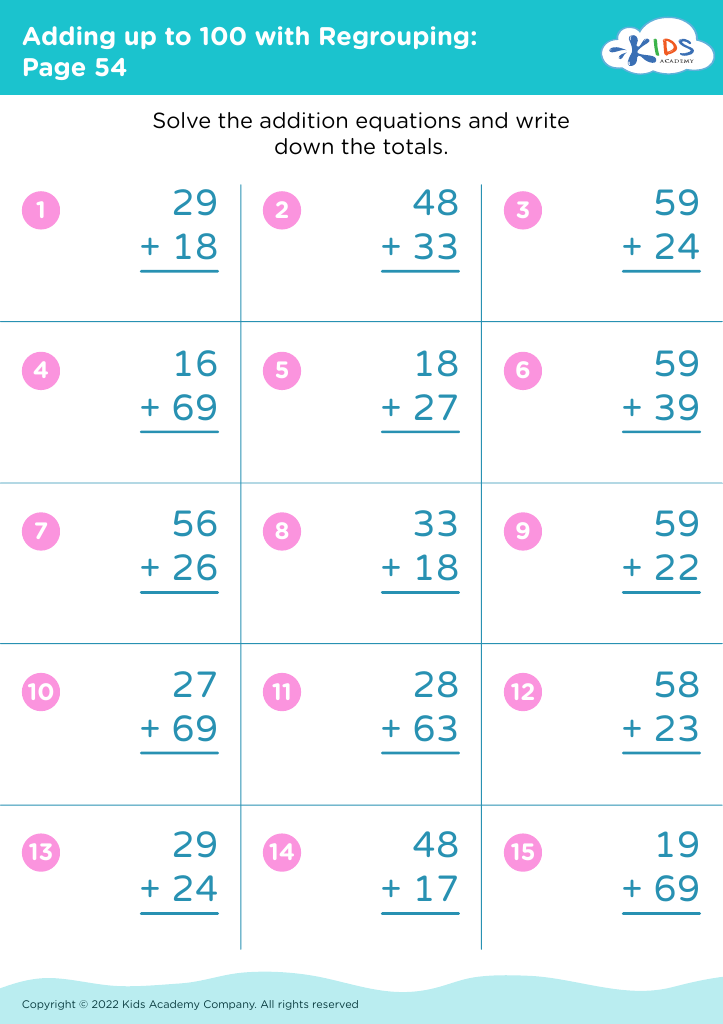
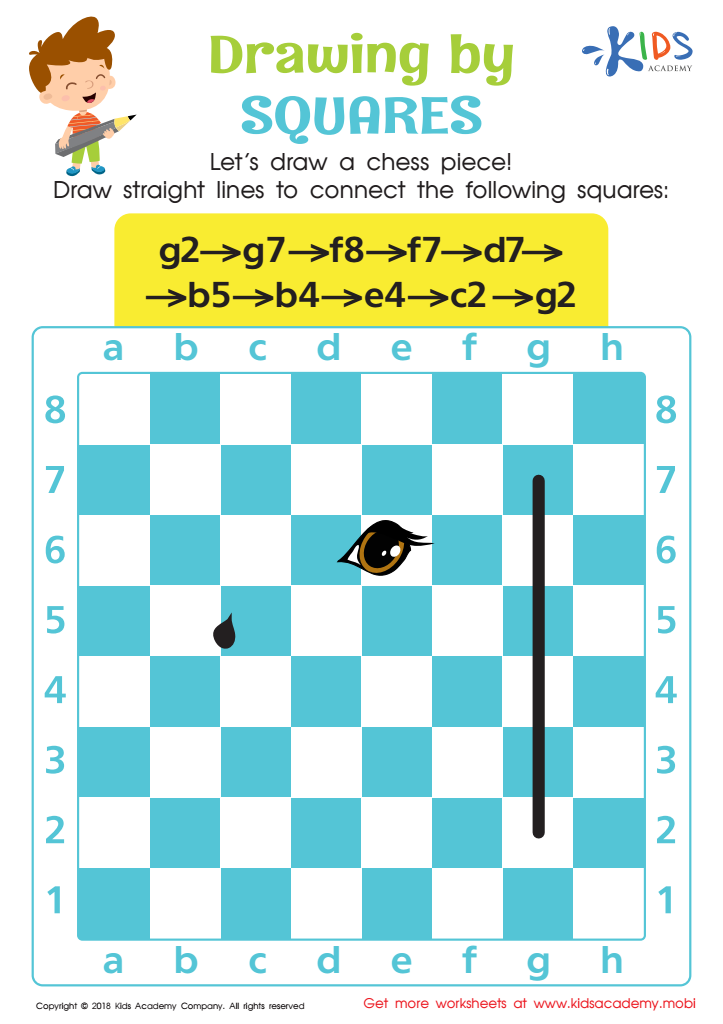
Drawing by Squares Worksheet
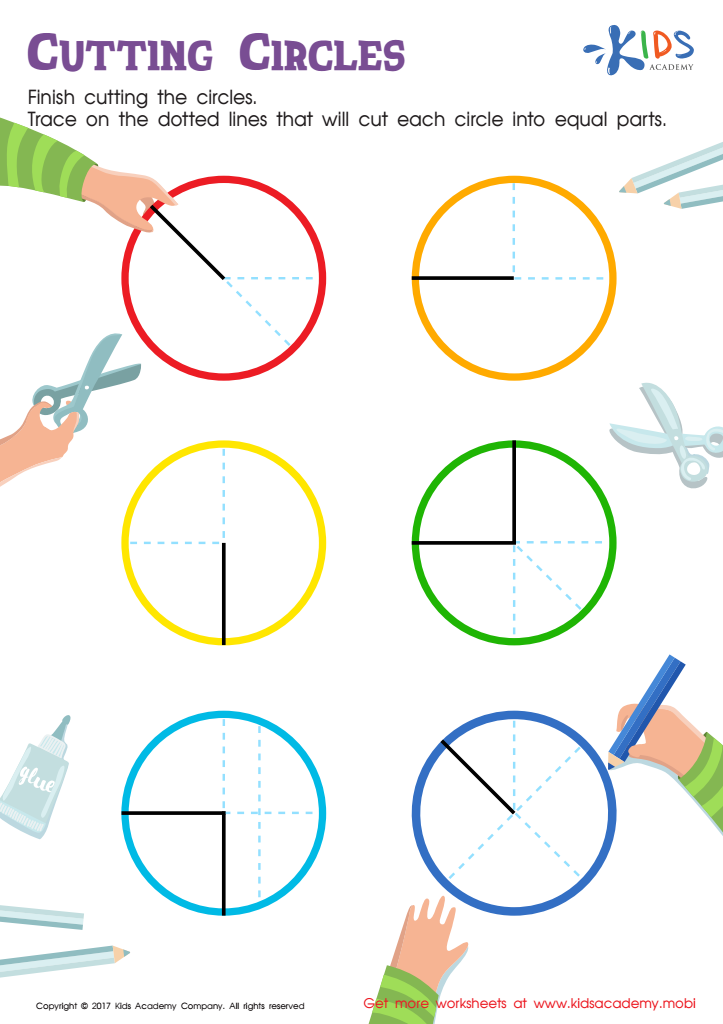
Cutting Circles Worksheet
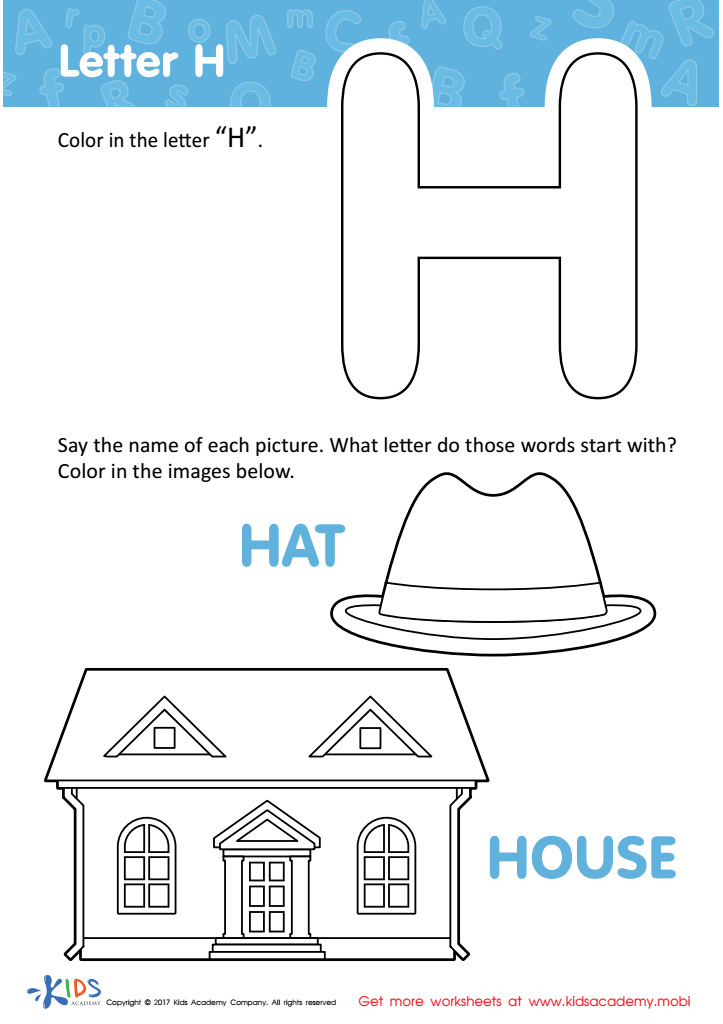
Letter H Coloring Sheet
 Assign to My Students




.jpg)

Fine motor skills involve the small muscles in the hands, fingers, and wrists, which are crucial for a child’s development between ages 3-8. Parents and teachers should prioritize the development of fine motor skills because they form the foundation for a range of essential everyday activities and academic achievements. For instance, tasks like writing, cutting with scissors, buttoning clothes, and tying shoelaces all rely on well-developed fine motor abilities. When children practice and improve these skills, they gain the dexterity and coordination needed for self-care and effective communication.
In an academic setting, fine motor skills are integral to a child’s ability to participate fully in classroom activities. Poor fine motor development can lead to frustration, lower self-esteem, and a reluctance to engage in learning tasks. Additionally, enhancing fine motor skills supports cognitive development; the precise movements required help in brain development, fostering better hand-eye coordination and focus.
By actively engaging in activities that promote fine motor skill development, such as playing with building blocks, drawing, or using playdough, children experience both short-term successes and long-term benefits. This sets the stage for overall physical and psychological well-being, enabling them to thrive both in school and in daily life. Parents and teachers play a vital role in creating an environment ripe for this crucial aspect of development.








