Directional skills Worksheets for Ages 3-8
6 filtered results
-
From - To
Enhance your child's navigational abilities with our Directional Skills Worksheets for Ages 3-8 from Kids Academy! Designed to develop critical spatial awareness, these fun and engaging activities area perfect for preschool and early elementary students. Featuring colorful, educational tasks, our worksheets help children master concepts like left, right, up, down, and cardinal directions through interactive exercises. By practicing these essential directional skills, your little one will boost their confidence, independence, and problem-solving abilities. Ideal for both classroom and home use, these worksheets make learning exciting and effective. Explore our collection today and set a course for success!
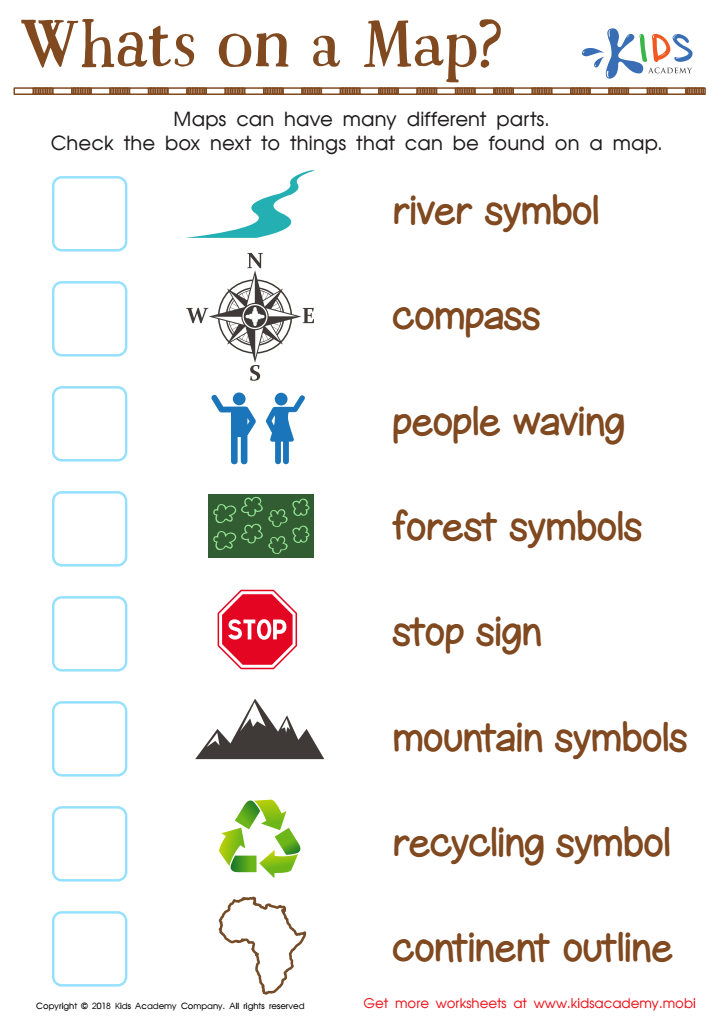
Whats on a Map? Worksheet
 Assign to My Students
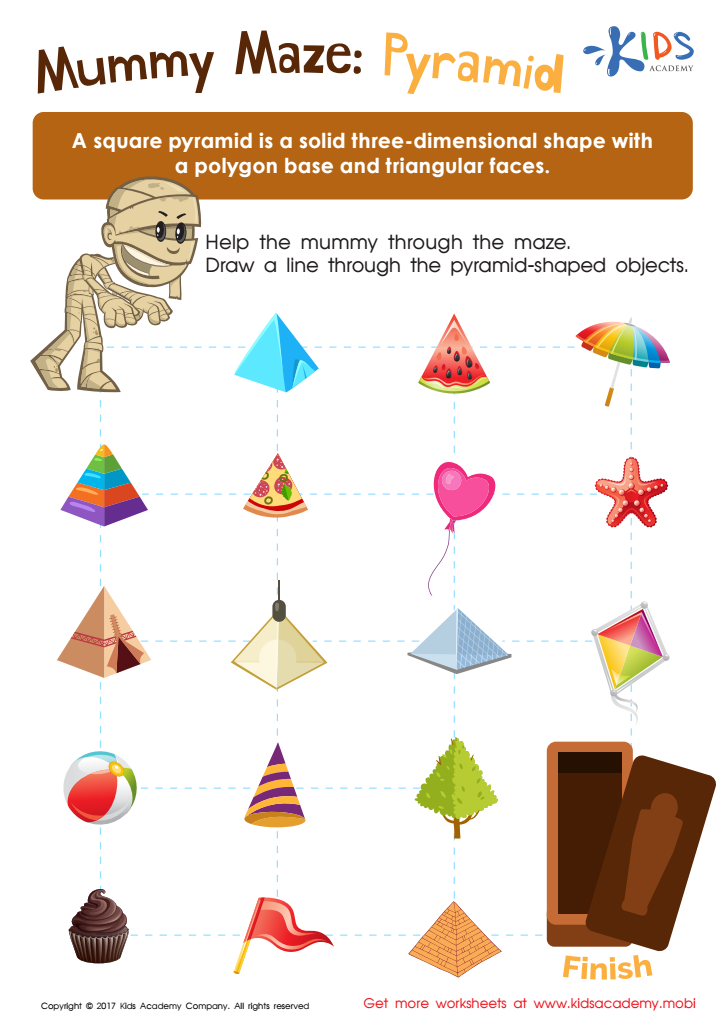
Mummy Maze: Pyramid Printable
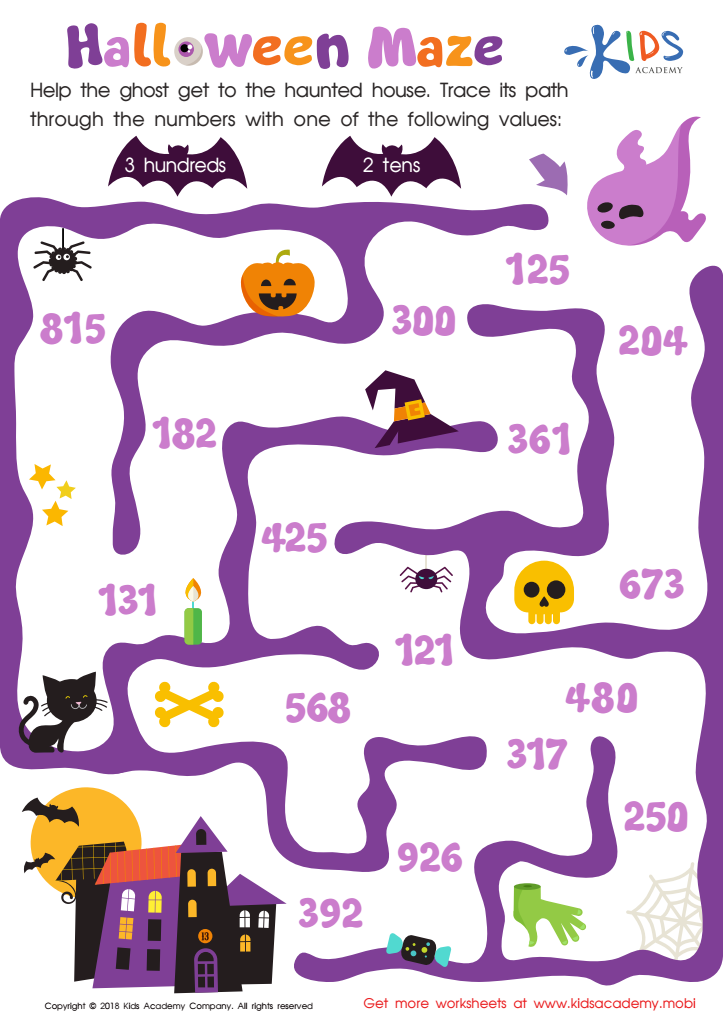
Place Value: Halloween Maze Worksheet
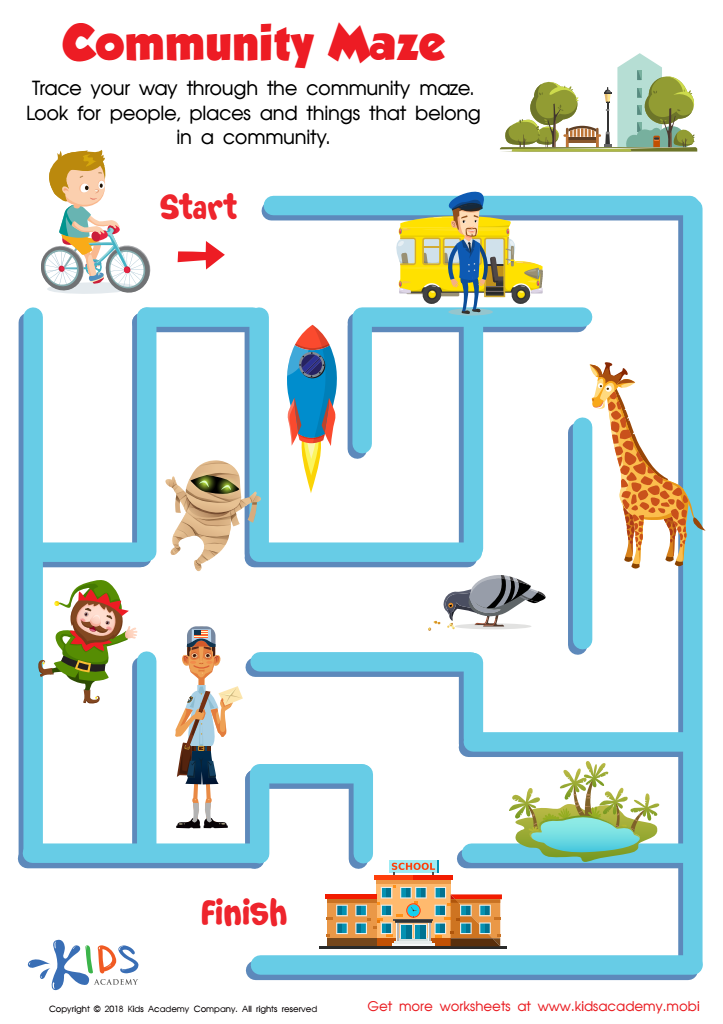
Community Maze Worksheet
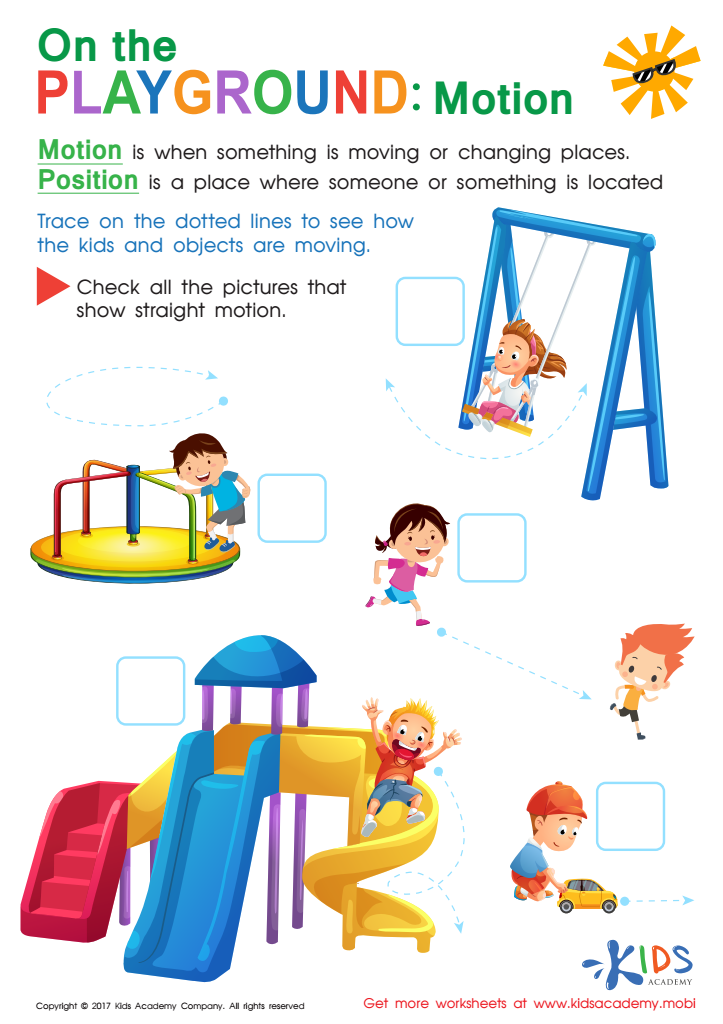
Position and Motion Worksheet
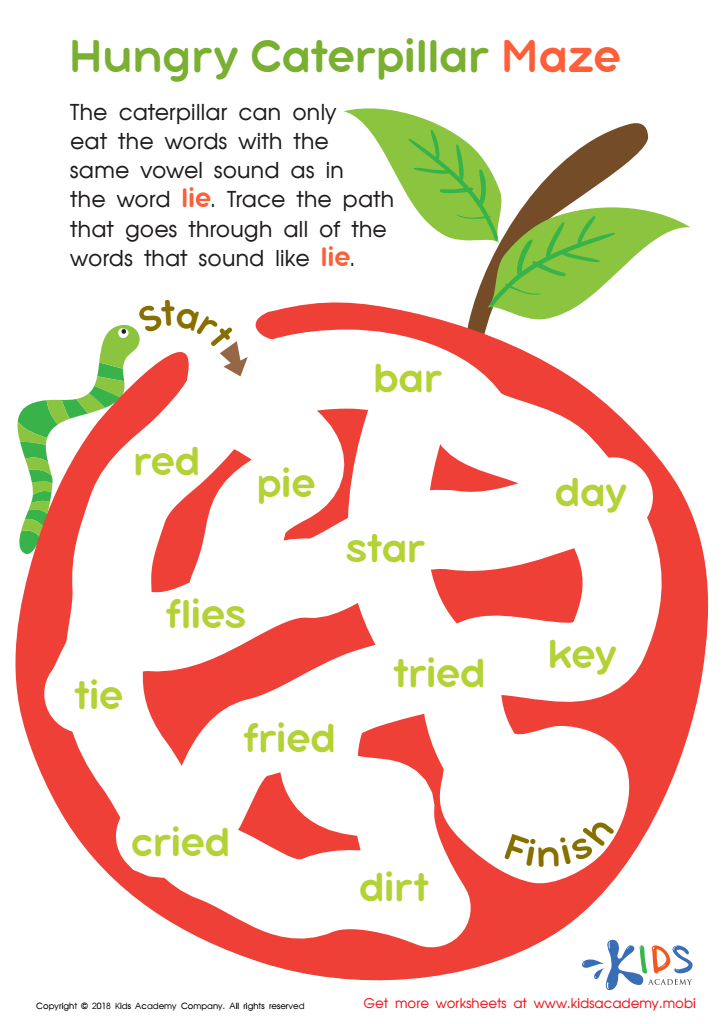
Hungry Caterpillar Maze Worksheet








Directional skills are crucial for young children ages 3-8 as they lay the foundation for essential cognitive and motor development. These skills help children understand concepts like left and right, up and down, and forward and backward, which are vital for everyday functioning and academic success.
One main reason for the importance of directional skills is their role in spatial awareness. Understanding and navigating their environment boosts children's confidence and independence. For instance, a child who can understand directions will better follow instructions in a classroom setting or while playing games, promoting social interaction and cooperative play.
Directional skills also support later academic achievements, particularly in subjects like reading, writing, and math. Recognizing the difference between 'b' and 'd' or 'p' and 'q' is easier when a child understands directionality. Similarly, solving math problems involving orientation and movement becomes more intuitive.
Moreover, these skills enhance safety and daily life efficiency. Children who are adept at following directions are less likely to get lost and are more likely to follow safety instructions, such as crossing the street safely.
Therefore, parents and teachers should emphasize directional skills through interactive activities like treasure hunts, Simon Says, or using directional language during everyday tasks. By fostering these abilities early on, they contribute to a child's holistic development and future academic and social success.








