Enhance problem-solving Worksheets for Ages 3-8
5 filtered results
-
From - To
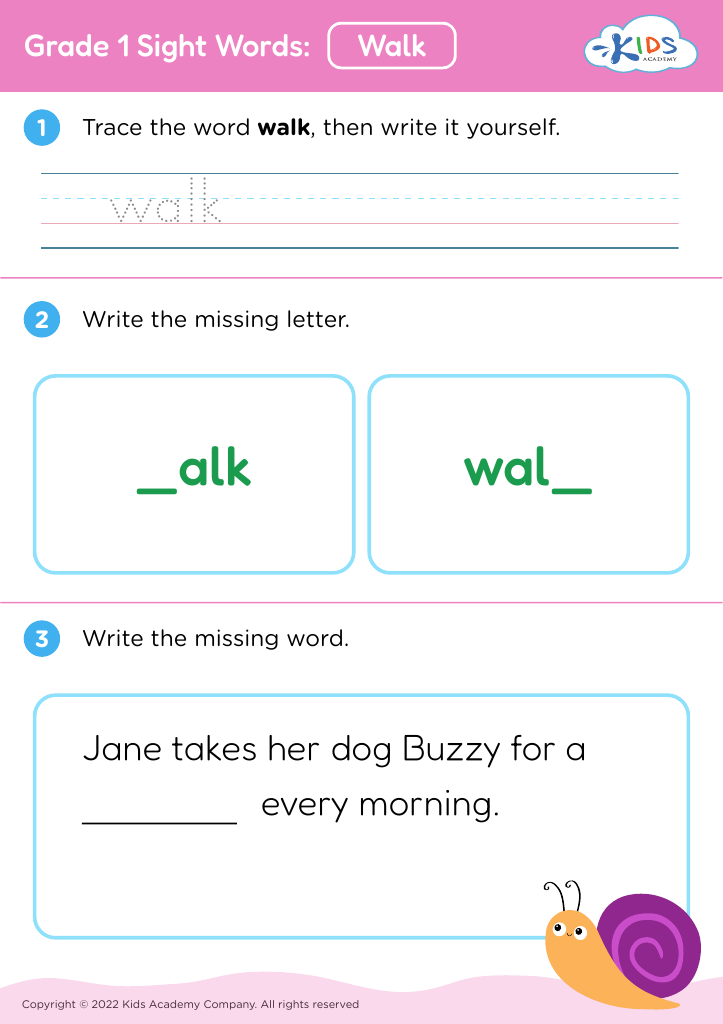
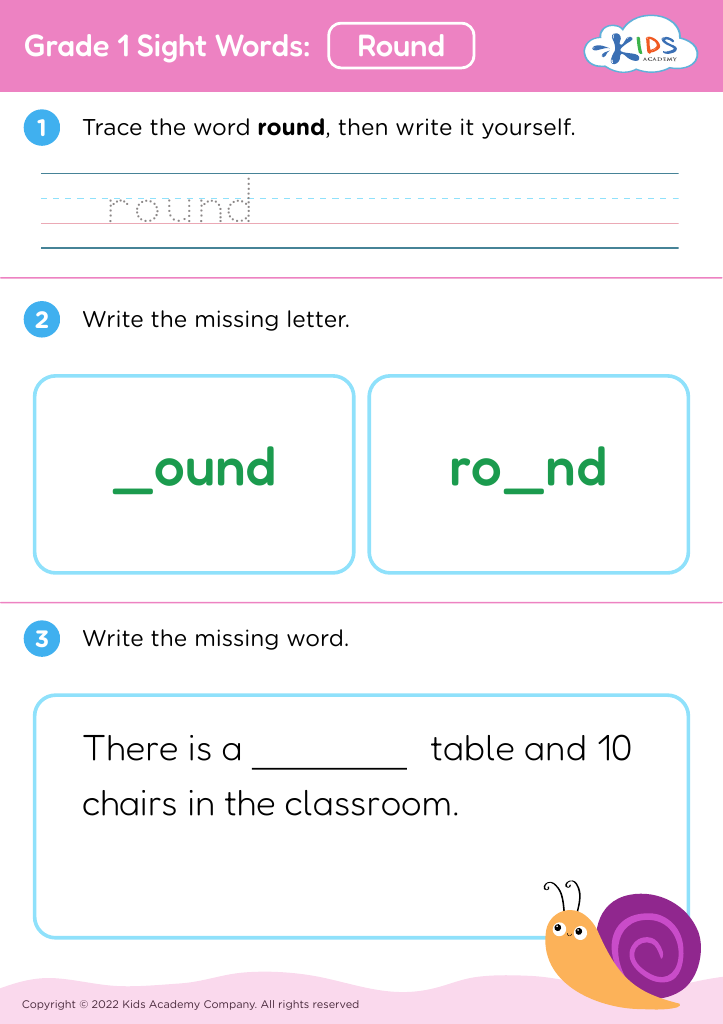
Boost your child's critical thinking and creativity with our Enhance Problem-Solving Worksheets designed for ages 3-8. At Kids Academy, we offer an engaging collection of printable worksheets tailored to stimulate and challenge young minds. Our expertly crafted activities develop essential problem-solving skills in a fun and interactive way, covering a wide range of topics like math, logic, and science. By integrating playful themes and colorful graphics, our worksheets inspire kids to explore, analyze, and solve various problems. Equip your little learners with the tools they need for academic success and everyday life through our trusted resources.











Enhancing problem-solving skills in children aged 3-8 is crucial for their cognitive and social development. At this formative age, developing the ability to solve problems lays the groundwork for critical thinking and decision-making skills that they will use throughout their lives. When children are encouraged to solve problems, they learn to approach challenges with confidence and creativity, fostering resilience and adaptability.
Additionally, problem-solving exercises help improve children's logical reasoning and help them understand cause-and-effect relationships, which are fundamental aspects of learning in subjects like math and science. Strong problem-solving skills also boost language and communication abilities, as children learn to articulate their thought processes and collaborate with peers.
Moreover, these early experiences in tackling problems positively impact their emotional regulation. Successfully solving problems instills a sense of achievement and can significantly enhance a child's self-esteem. This sense of competency encourages a positive attitude towards learning and curiosity.
For parents and teachers, focusing on problem-solving activities—such as puzzles, story-based questions, and cooperative games—creates a stimulating environment that supports holistic development. Thus, cultivating these skills early on equips children with essential tools to handle both academic and everyday life challenges effectively, setting the stage for lifelong learning and success.








