Enhance vocabulary knowledge Worksheets for Ages 3-8
3 filtered results
-
From - To
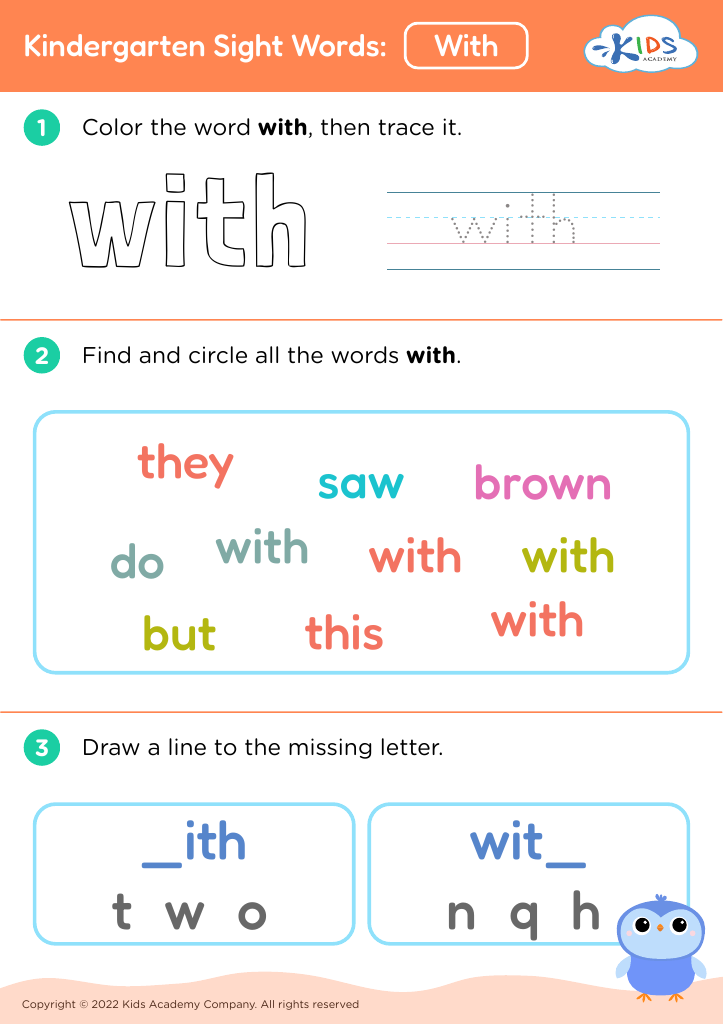
Boost your child's vocabulary with our engaging worksheets designed for ages 3-8! Our "Enhance Vocabulary Knowledge" worksheets offer a fun and interactive way for young learners to explore new words and concepts. Each worksheet is crafted to introduce age-appropriate vocabulary through colorful illustrations and playful exercises, catering to various learning styles. With activities that encourage reading, writing, and creativity, children will gain confidence in their language skills while having fun! Whether at home or in the classroom, our resources are perfect for fostering a love for language in early learners. Dive into the world of words and watch your child thrive!







Enhancing vocabulary knowledge for children aged 3-8 is crucial for several reasons. First, vocabulary development is intrinsically linked to overall language skills and academic success. A rich vocabulary not only improves a child’s ability to express themselves but also enhances their comprehension skills, which are vital for reading and learning across subjects.
For young learners, this stage is critical as they are naturally curious, absorbing language from their environment like sponges. Parents and teachers play a pivotal role in this process. Exposure to diverse and engaging language experiences can significantly influence vocabulary growth; reading aloud, conversing at home, and providing rich language experiences are essential practices.
Furthermore, strong vocabulary knowledge fosters critical thinking and creativity. Children who articulate their thoughts clearly are more likely to engage in discussions and express their ideas confidently. This prepares them not only for academic challenges but for effective social interactions as well.
In a world where communication skills are paramount, investing in vocabulary development during early childhood equips children with the foundational tools they need for lifelong learning and relationship building. For empowering future generations, advocacy for vocabulary enrichment should be a priority among parents and educators alike.








