Geography knowledge Worksheets for Ages 3-8 - Page 2
36 filtered results
-
From - To
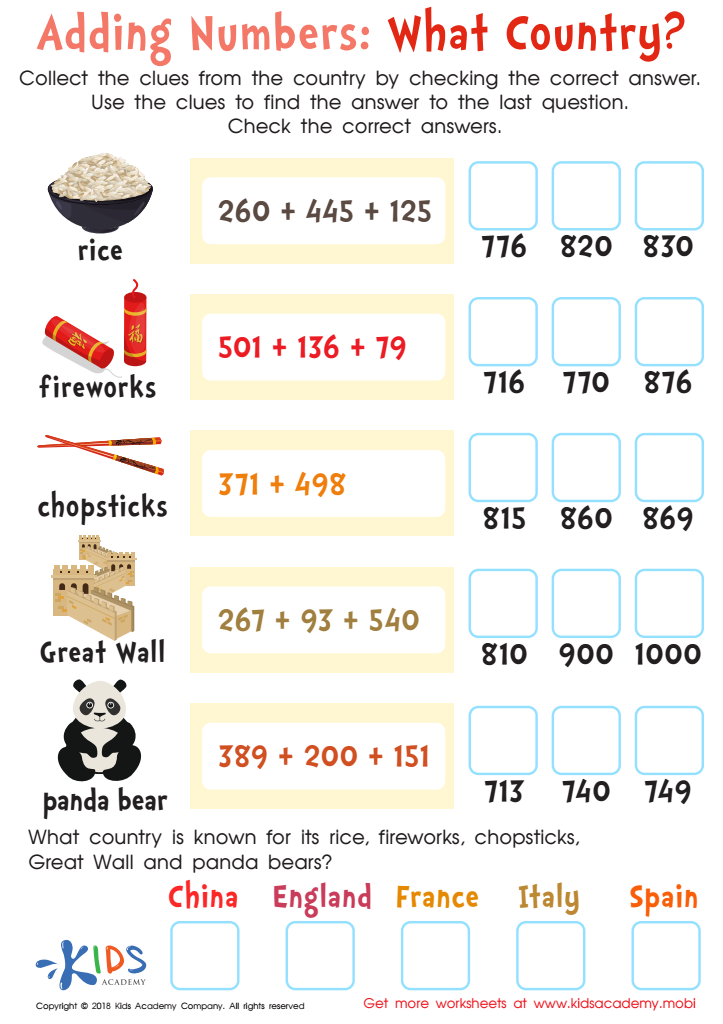
Adding Numbers: What Country Worksheet
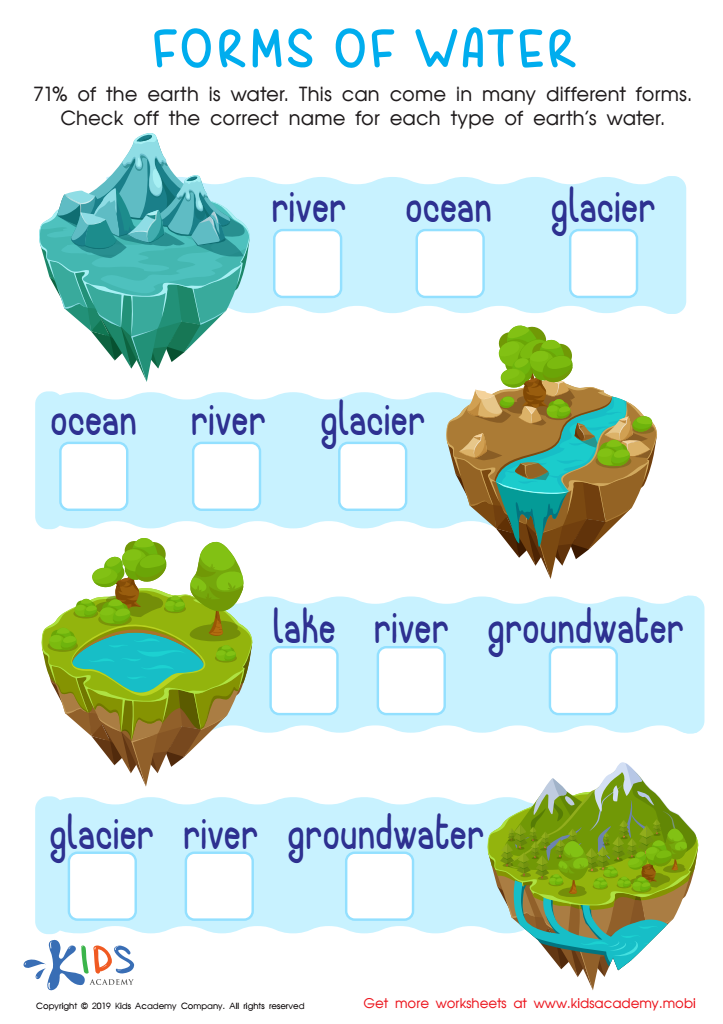
Forms of Water Worksheet
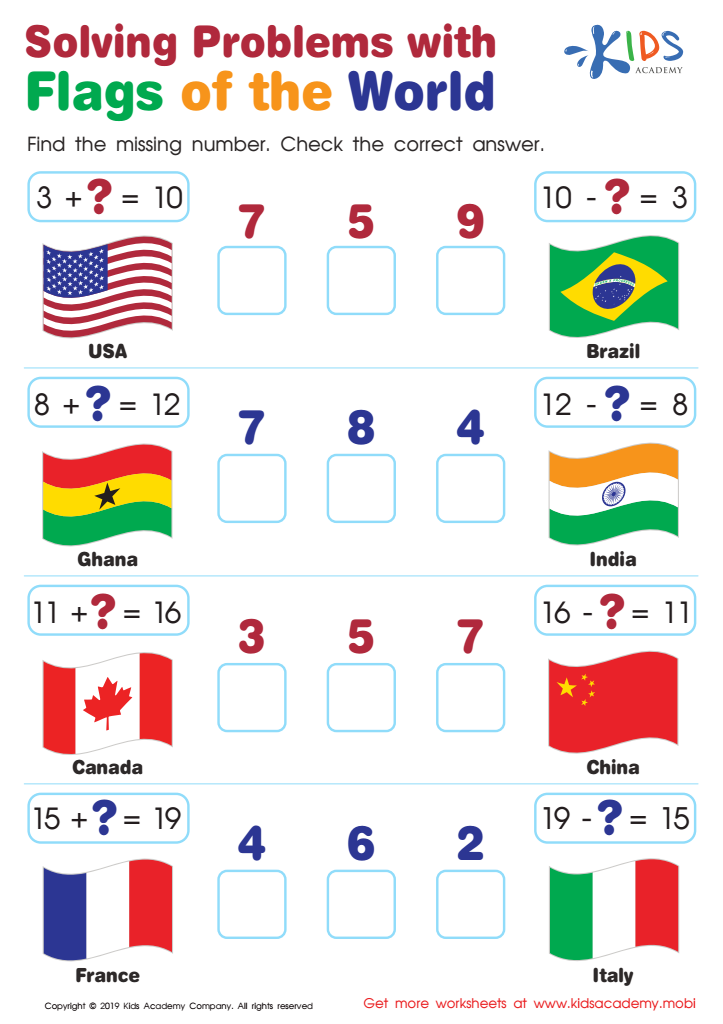
Solving Problems with Flags of the World Worksheet
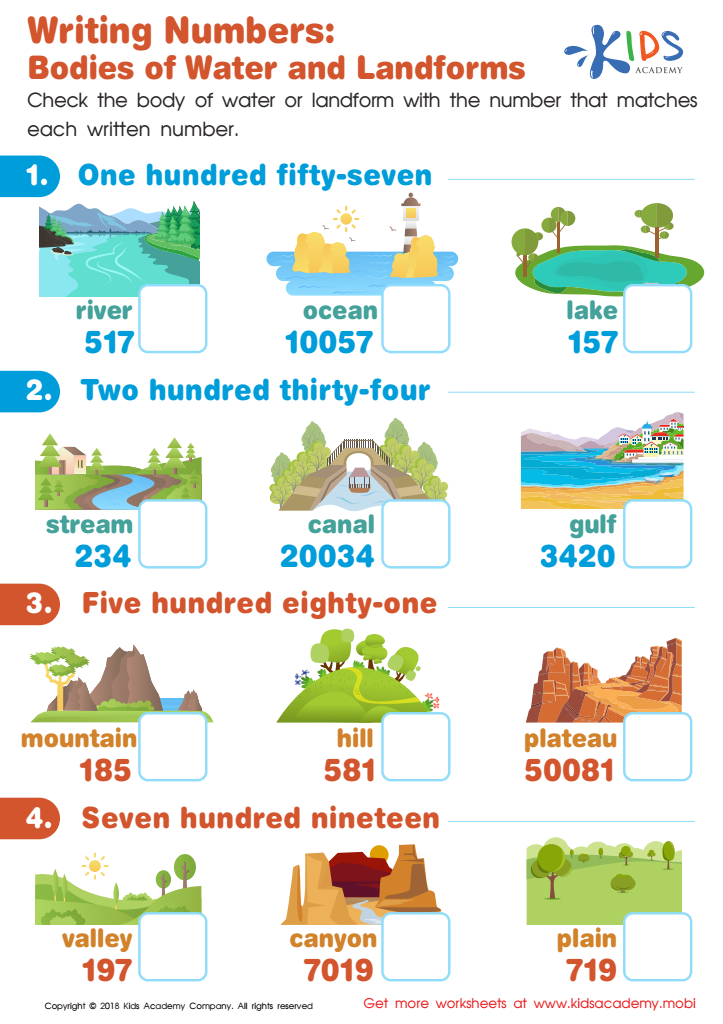
Bodies of Water and Landforms Writing Numbers Worksheet
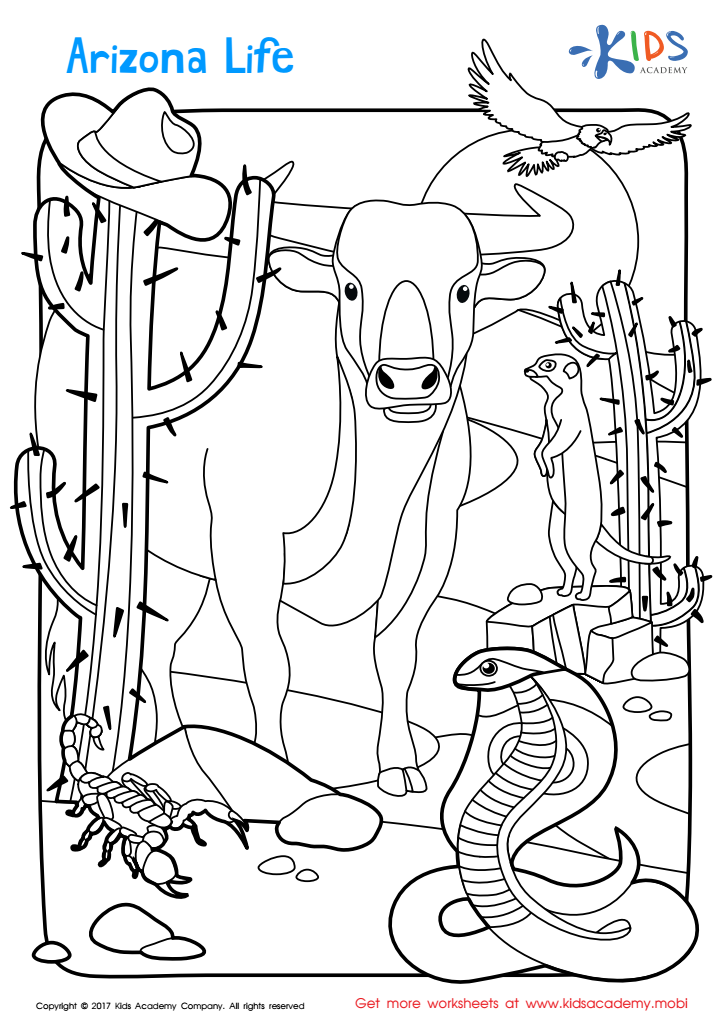
Arizona Coloring Page Worksheet
 Assign to My Students
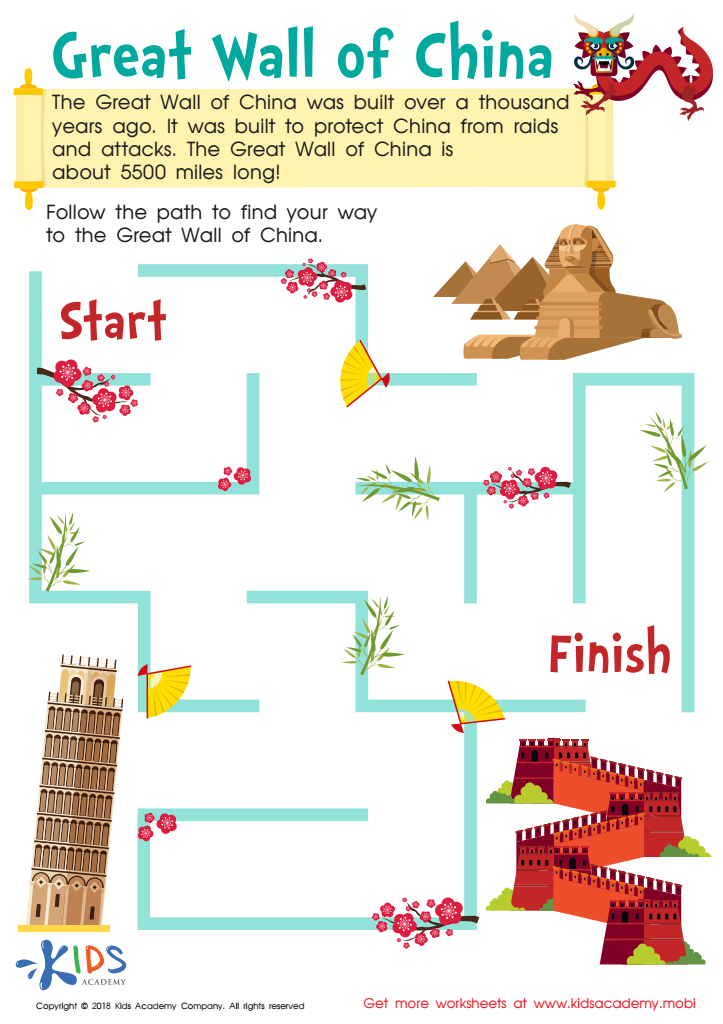
Great Wall of China Worksheet
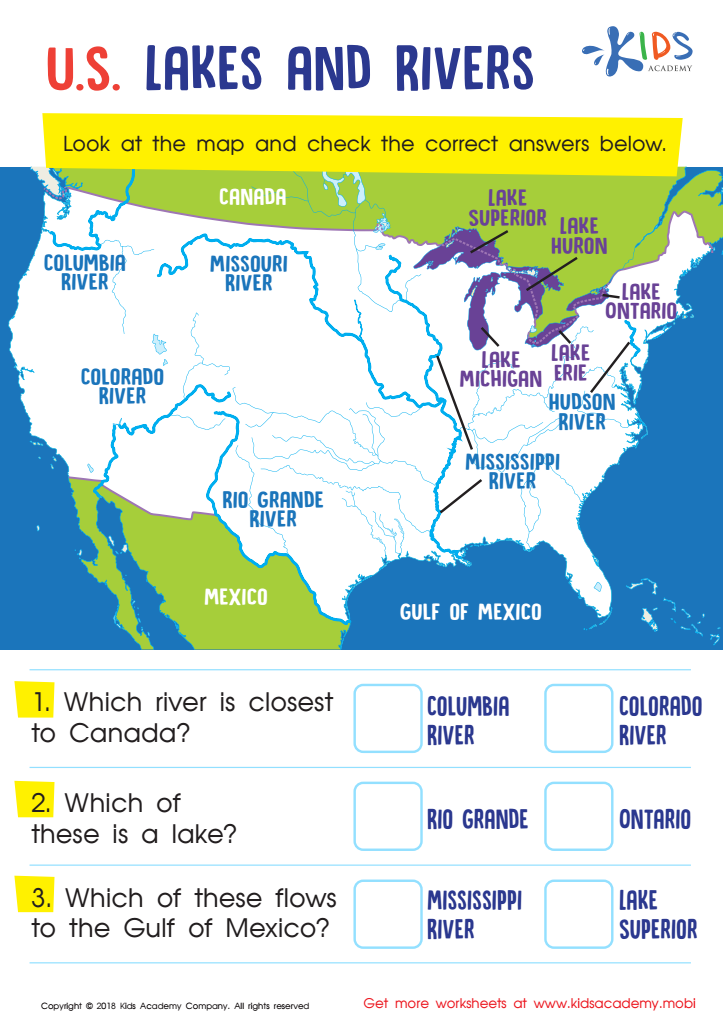
U.S. Lakes and Rivers Worksheet
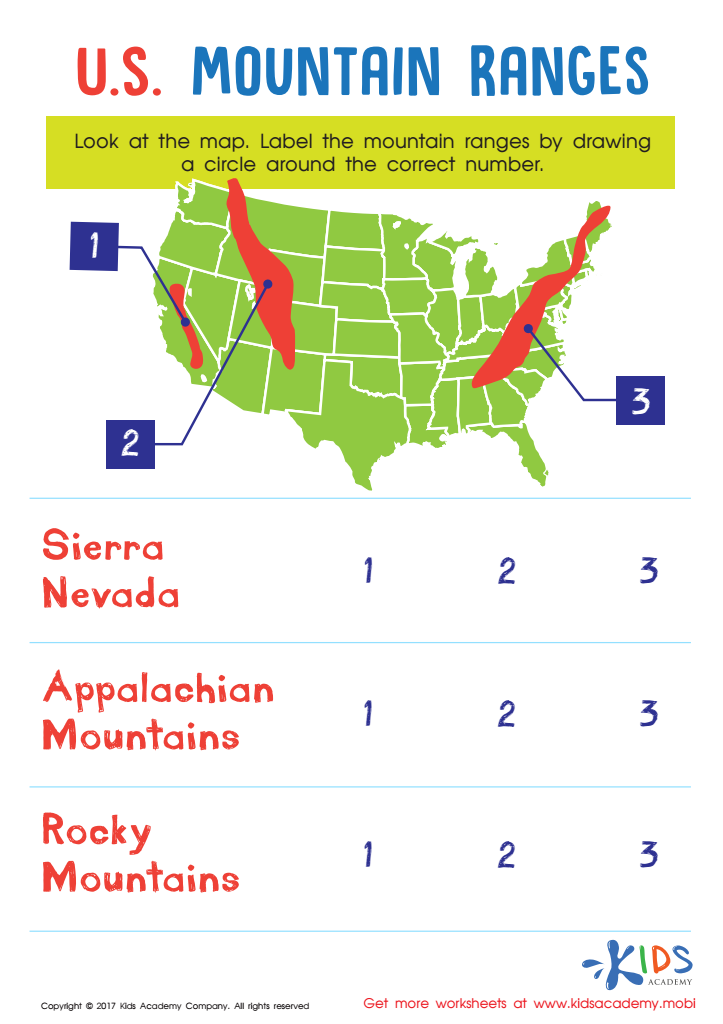
US Mountain Ranges Worksheet

Towns Worksheet
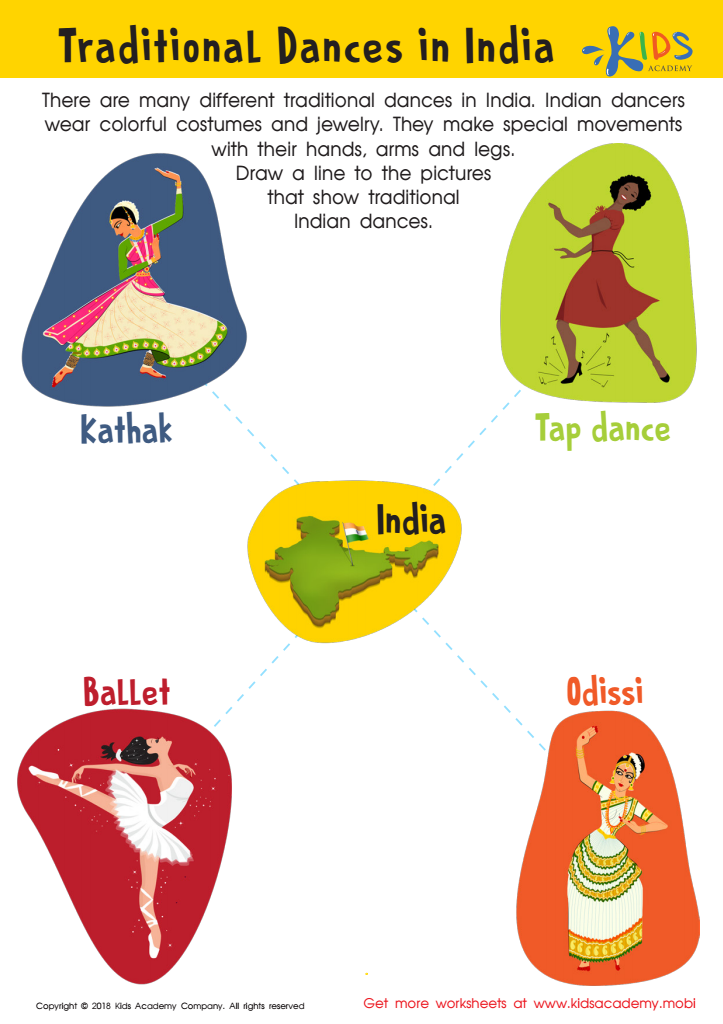
Traditional Dances in India Worksheet
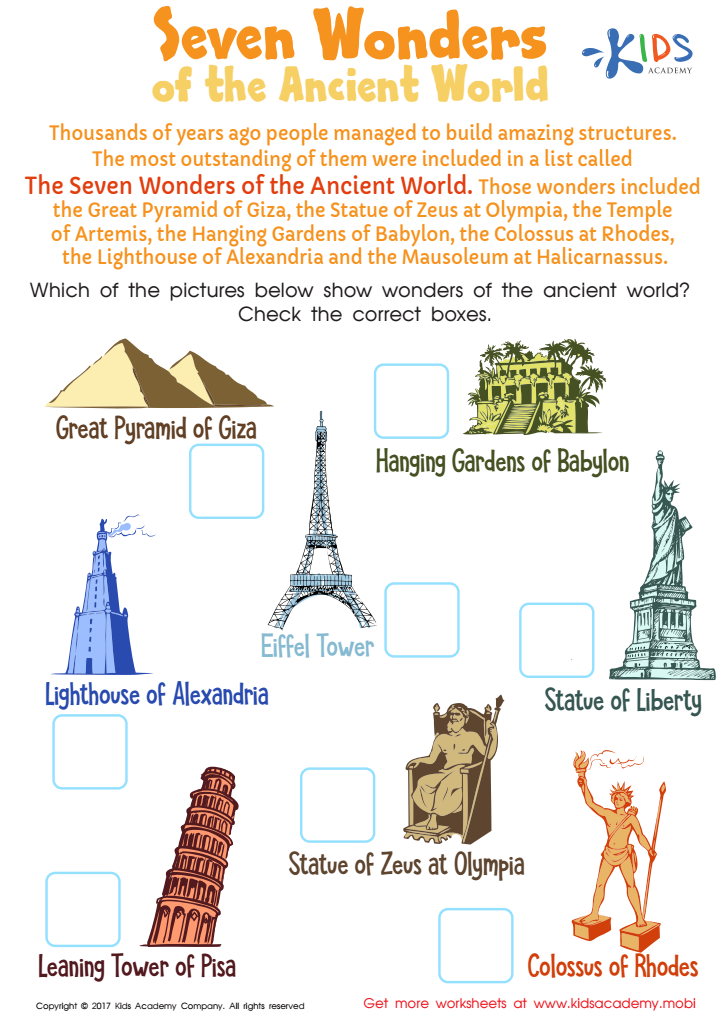
Seven Wonders of the Ancient World Worksheet
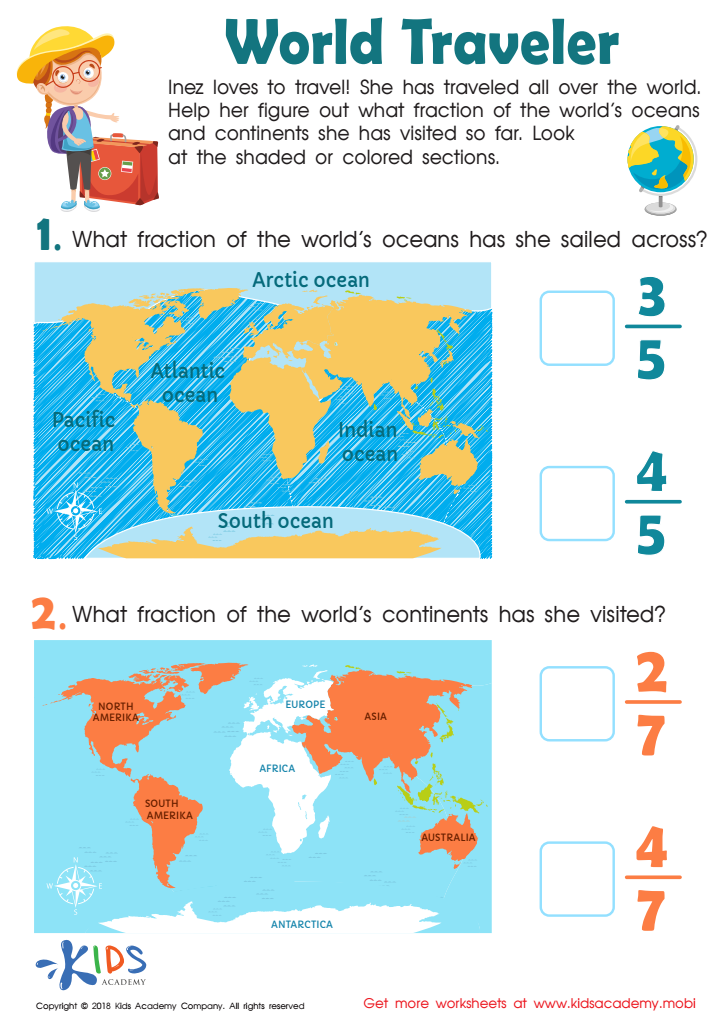
World Traveler Worksheet







Understanding geography is essential for children aged 3-8 as it lays the foundation for their awareness of the world around them. At this formative stage, children are naturally curious, exploring their environment and asking questions about places, people, and cultures. Teaching geography fosters this curiosity, helping them connect with their local community and the world beyond.
Knowing geographical concepts such as maps, continents, and habitats enhances cognitive skills, encouraging critical thinking. It promotes spatial awareness, enabling children to understand their place in the world. Furthermore, geography nurtures empathy and cultural appreciation. Through exploring different countries and lifestyles, children learn to value diversity and develop compassion for others, crucial skills in an increasingly interconnected world.
Moreover, geography supports literacy in both oral and visual communication. When children recount their experiences or share what they’ve learned about different regions, they enhance their vocabulary and storytelling abilities. Incorporating geography early in their education also promotes environmental awareness, cultivating responsibility toward the Earth.
In summary, parents and teachers should prioritize geography education for young children as it enriches their understanding of the world, promotes cognitive and social development, and equips them with skills essential for their future.








