Identifying Animals Worksheets for Ages 3-8
10 filtered results
-
From - To
Discover engaging "Identifying Animals Worksheets" designed specifically for children ages 3 to 8! Our printable resources enhance early learning by helping young learners recognize and differentiate various animals through fun and interactive activities. Each worksheet features vibrant images, simple descriptions, and age-appropriate exercises that foster cognitive development and boost vocabulary. Ideal for both at-home learning and classroom settings, these worksheets encourage kids to think critically about the animal kingdom while developing essential observation skills. With a mix of matching, tracing, and coloring tasks, our worksheets provide a delightful way for children to explore and appreciate the diverse world of animals!
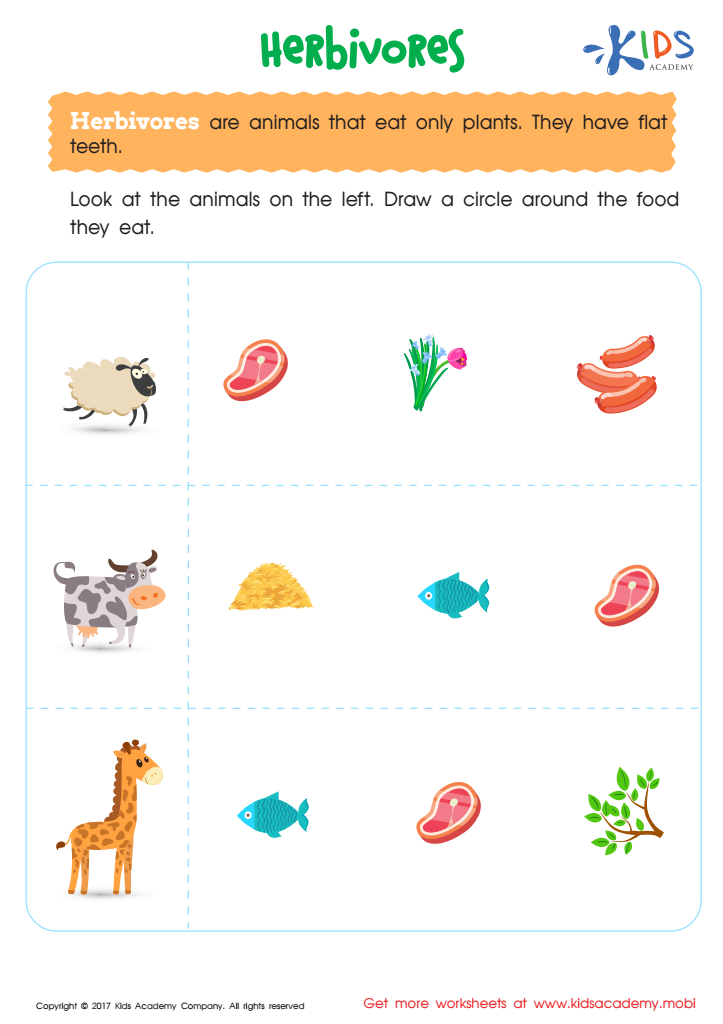
Herbivores Printable
 Assign to My Students
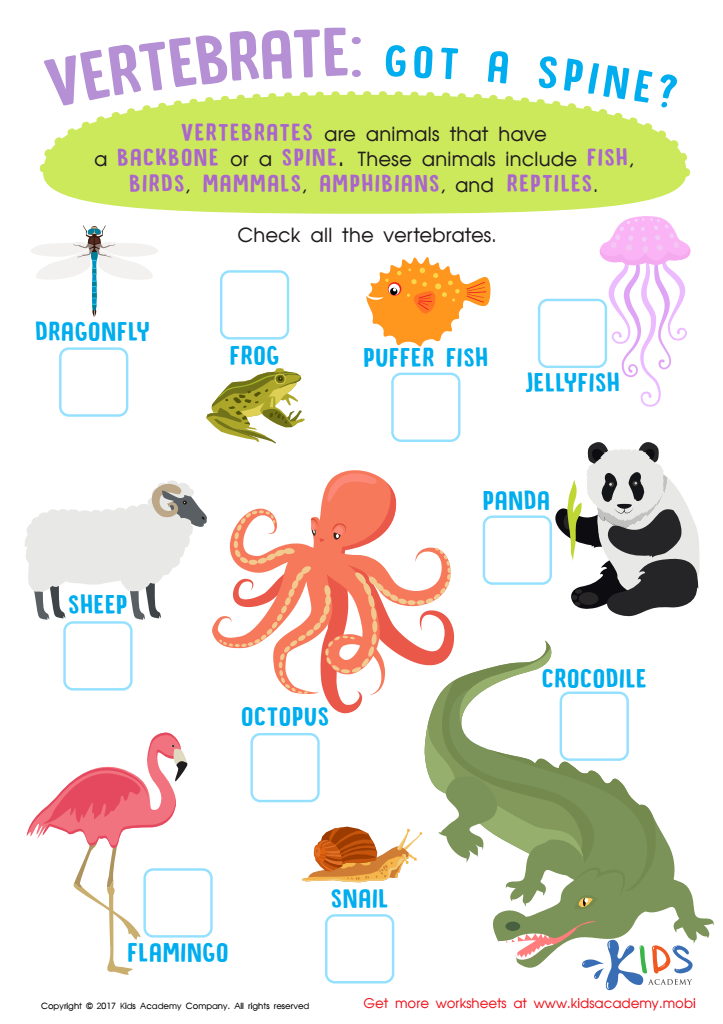
Vertebrates Animals Worksheet for 3rd Grade
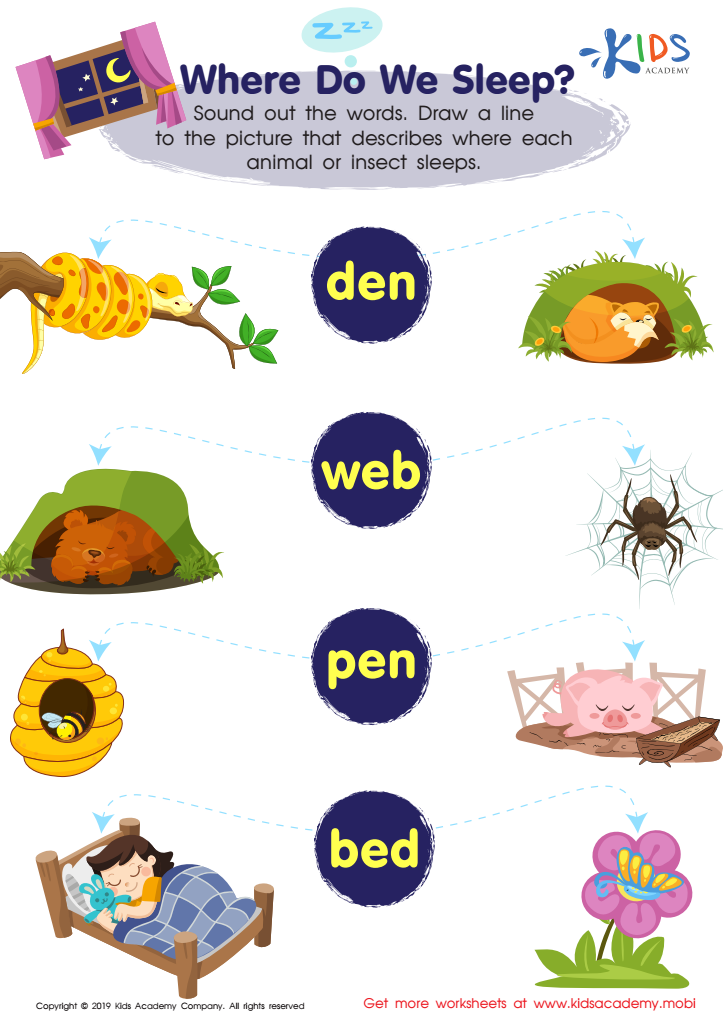
Where Do We Sleep Worksheet
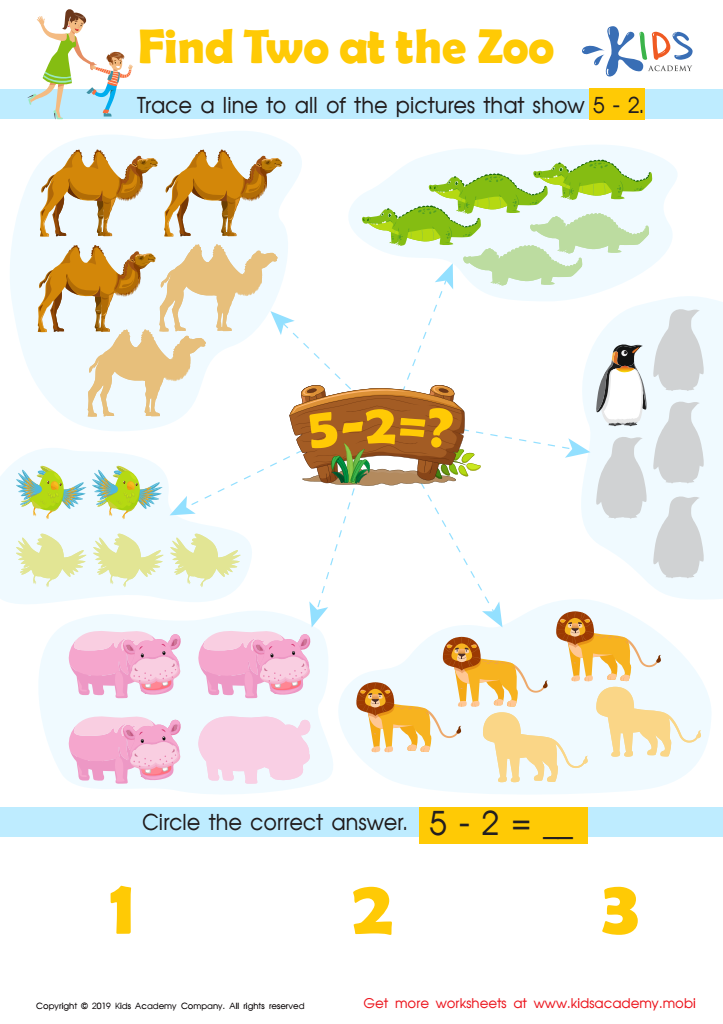
Find Two at the Zoo Worksheet
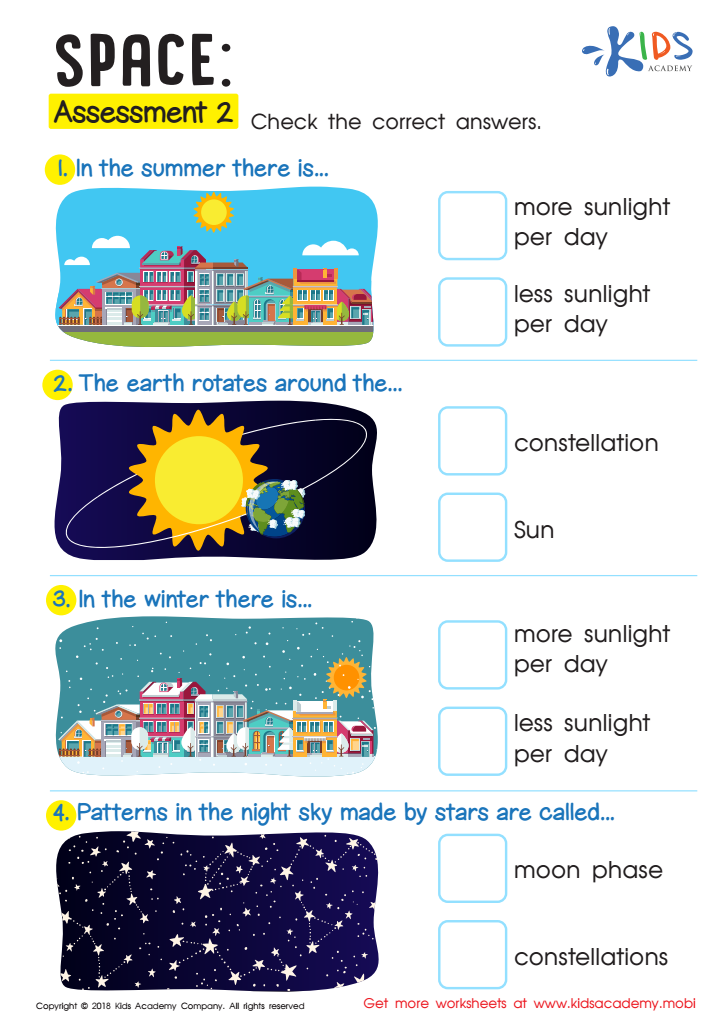
Space: Assessment 2 Worksheet








Identifying animals is a vital skill for children ages 3-8, fostering their cognitive, emotional, and social development. First, it enhances their cognitive abilities, as they learn to categorize and recognize different species, aiding critical thinking and observational skills. This foundational knowledge sets the stage for future learning in science and biology.
Moreover, connecting with animals can spark curiosity and encourage a love for nature, promoting environmental awareness from a young age. Parents and teachers can use animal identification to teach important concepts such as ecosystems and biodiversity, creating a context for students to understand their role in the environment.
Emotionally, understanding and relating to animals can teach empathy and care. Children learn to respect living beings and develop a sense of responsibility for their well-being. This understanding also assists in emotional regulation, as interacting with animals has been shown to have calming effects.
Socially, identifying animals can be a fun, interactive activity that promotes teamwork and communication during group activities or discussions. Sharing their newfound knowledge with peers or family can foster a sense of achievement and boost confidence. Overall, teaching children about animal identification enriches their learning experiences, equipping them with essential life skills.








