Interpreting data Worksheets for Ages 3-8
11 filtered results
-
From - To
Discover an engaging collection of "Interpreting Data Worksheets for Ages 3-8" designed to enhance young learners' critical thinking and analytical skills. These expertly curated worksheets from Kid’s Academy introduce children to the fundamentals of interpreting data using fun and interactive activities. From colorful charts and simple graphs to basic data charts, these exercises help kids understand and analyze information effectively. Ideal for building a strong foundation in math and science, these printable worksheets are perfect for both classroom and at-home learning. Foster your child's development in data interpretation with this comprehensive set of age-appropriate resources.
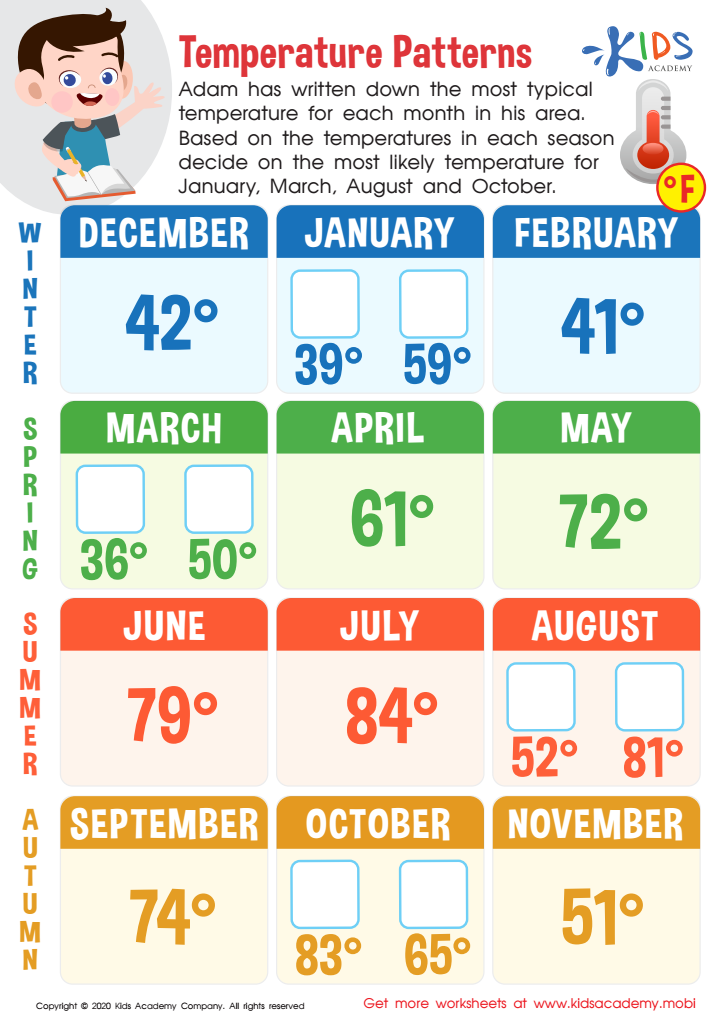
Temperature Patterns Worksheet
 Assign to My Students
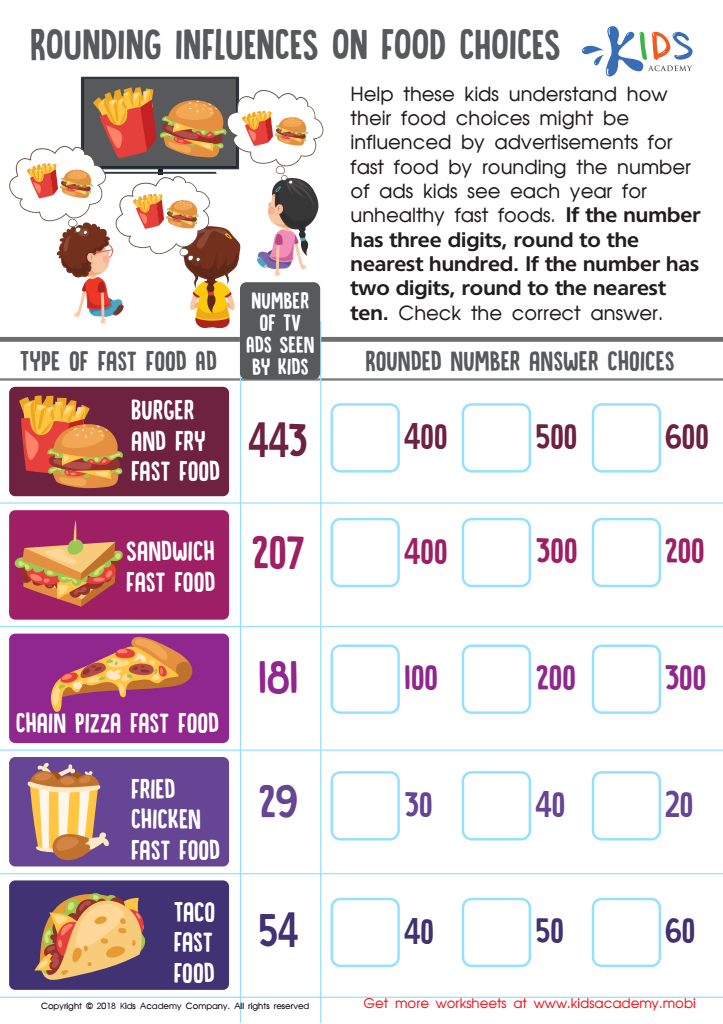
Rounding Influences Food Choices Worksheet
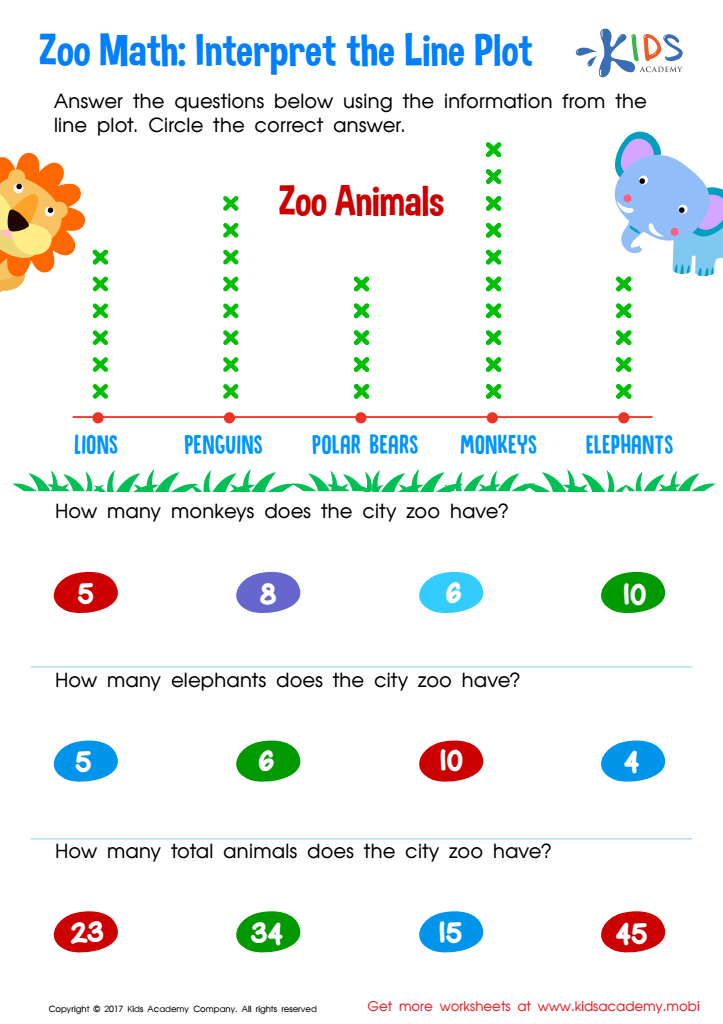
Interpret Line Plot Worksheet
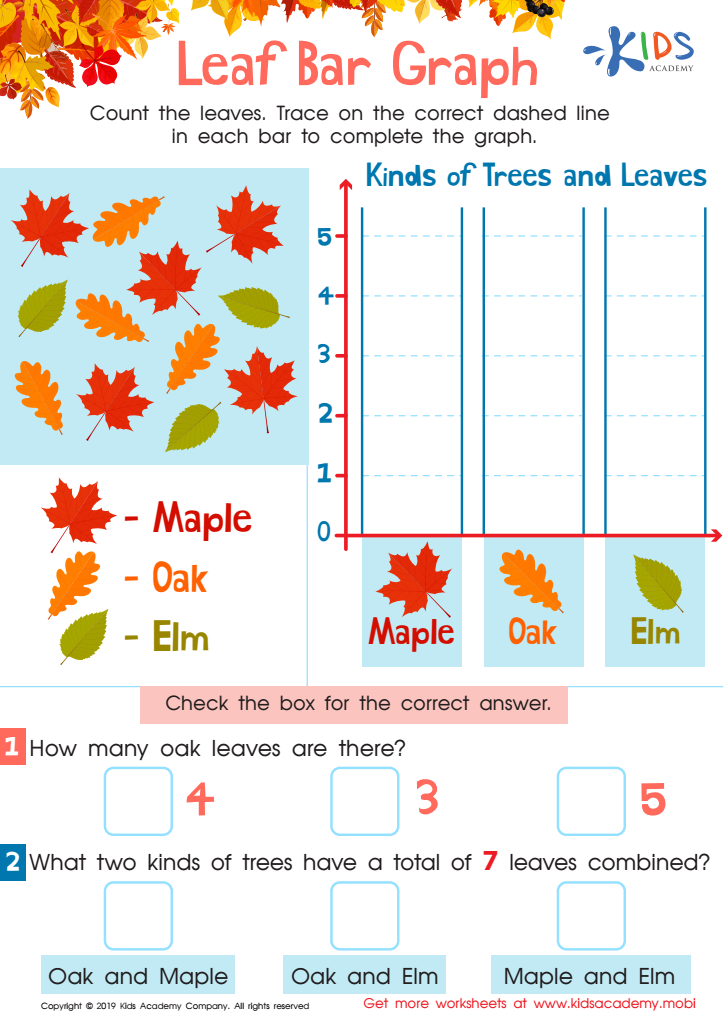
Leaf Bar Graph Worksheet
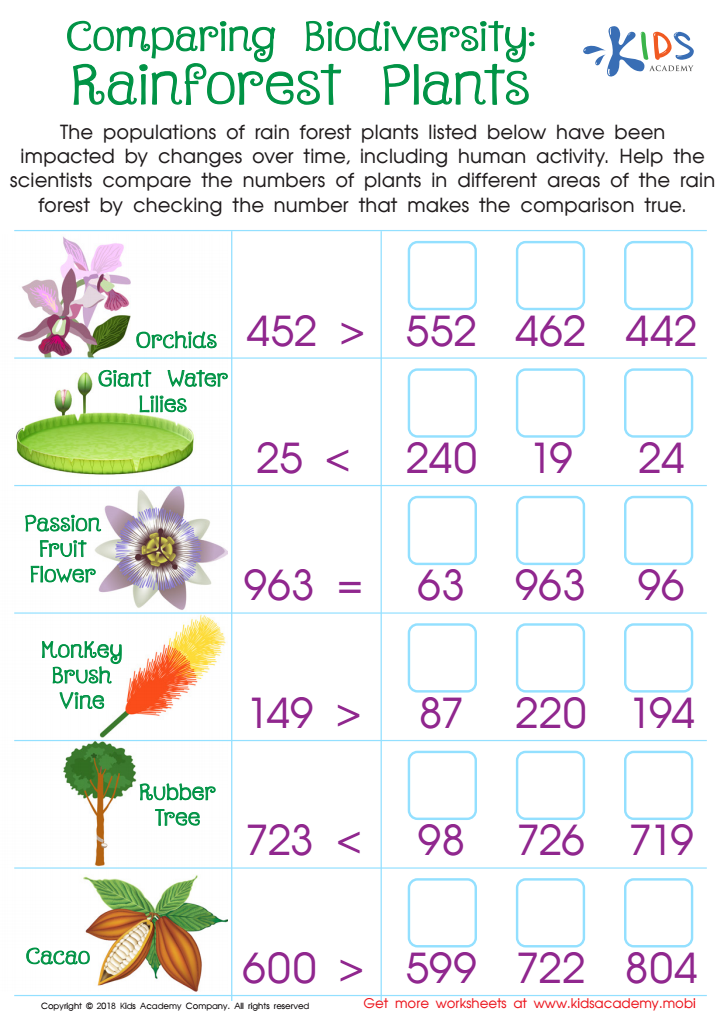
Comparing Biodiversity: Rainforest Plants Worksheet
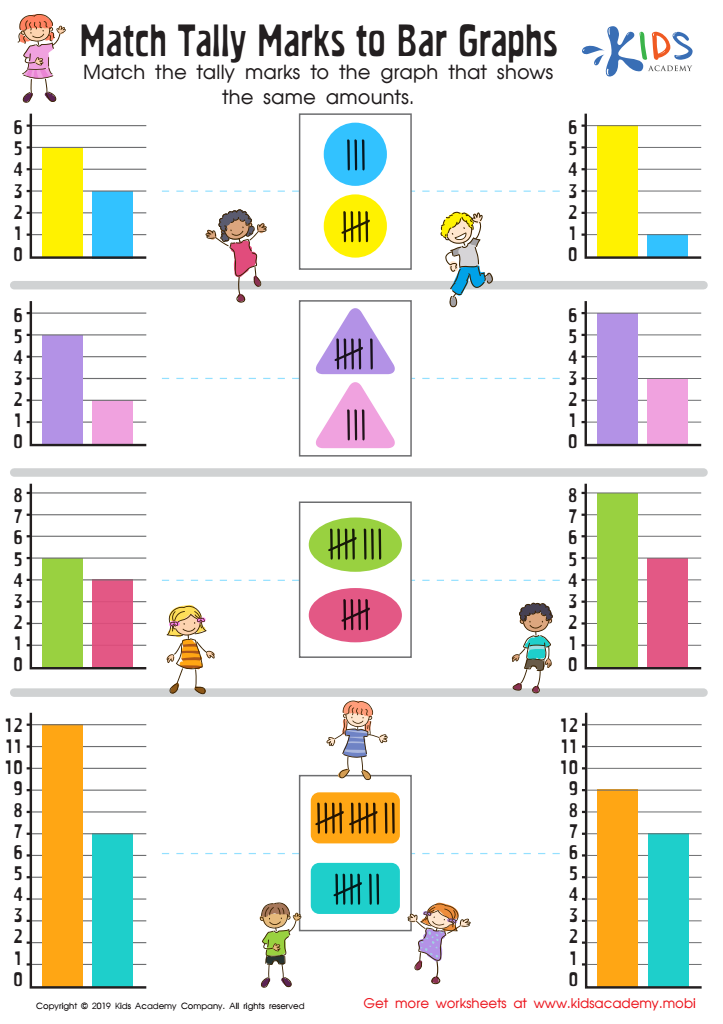
Match Tally Marks to Bar Graphs Worksheet
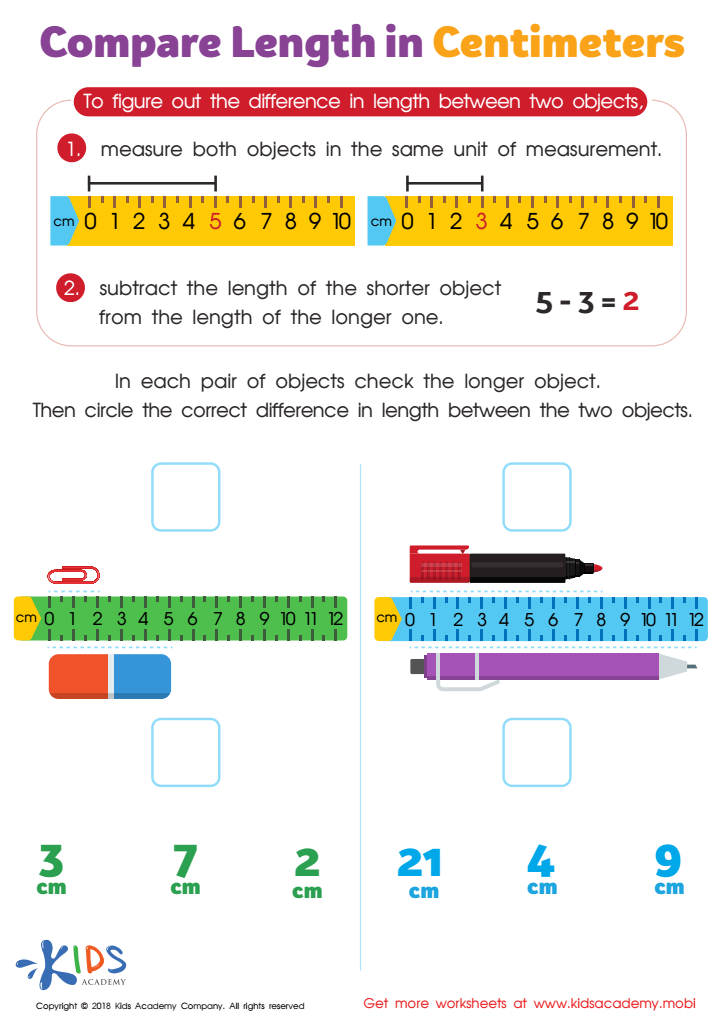
Compare Length in Centimeters Worksheet
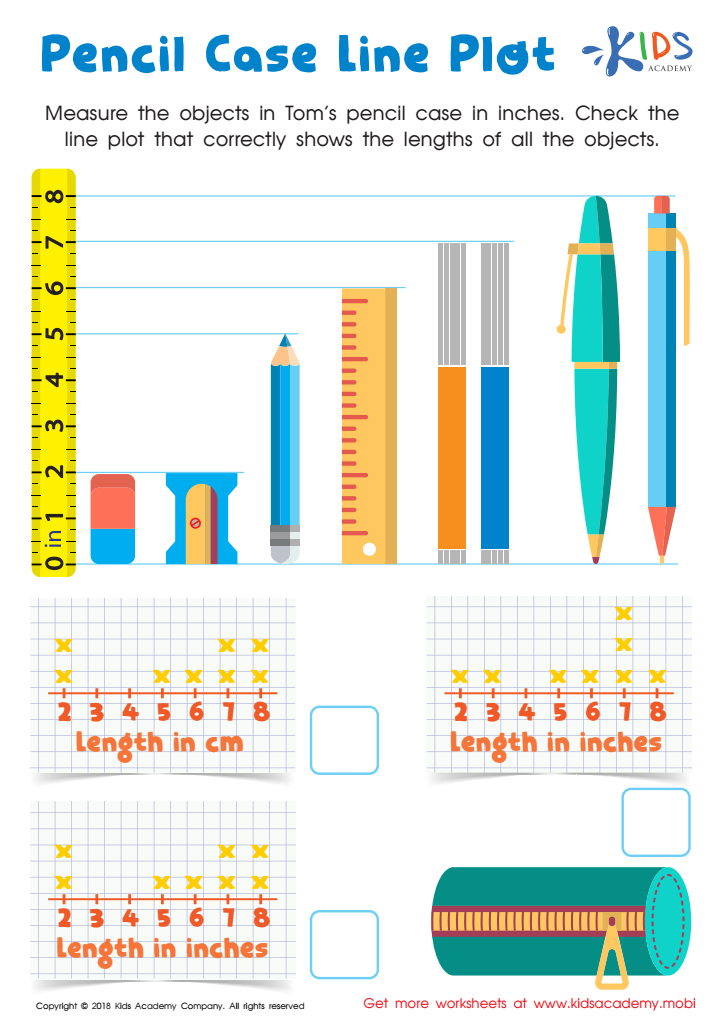
Pencil Case Line Plot Worksheet
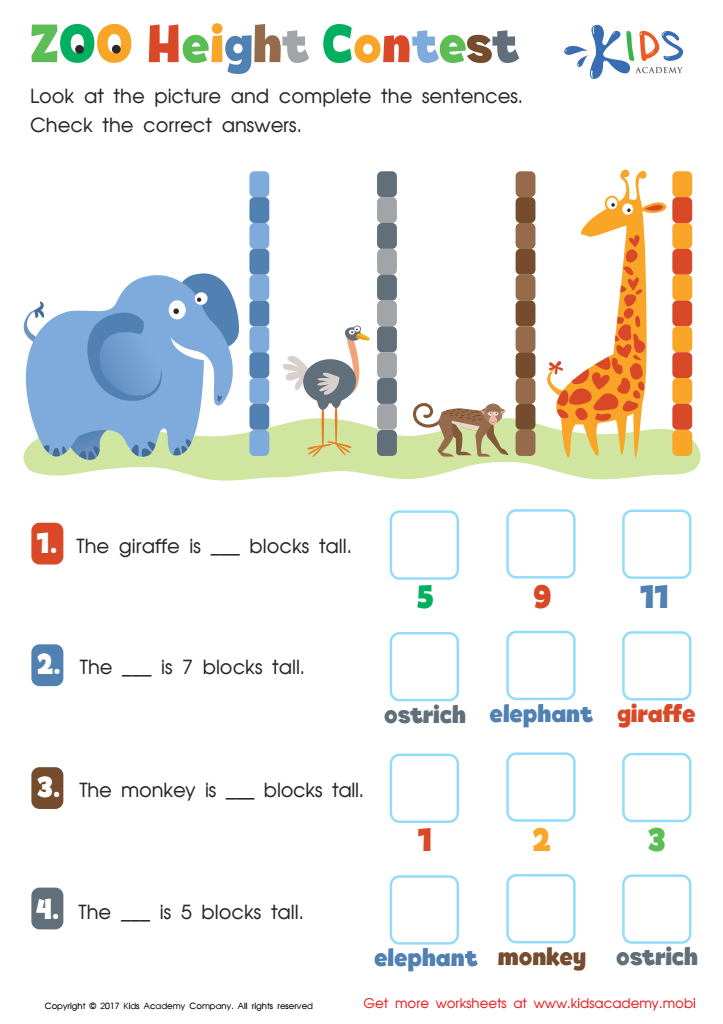
Zoo Height Contest Worksheet
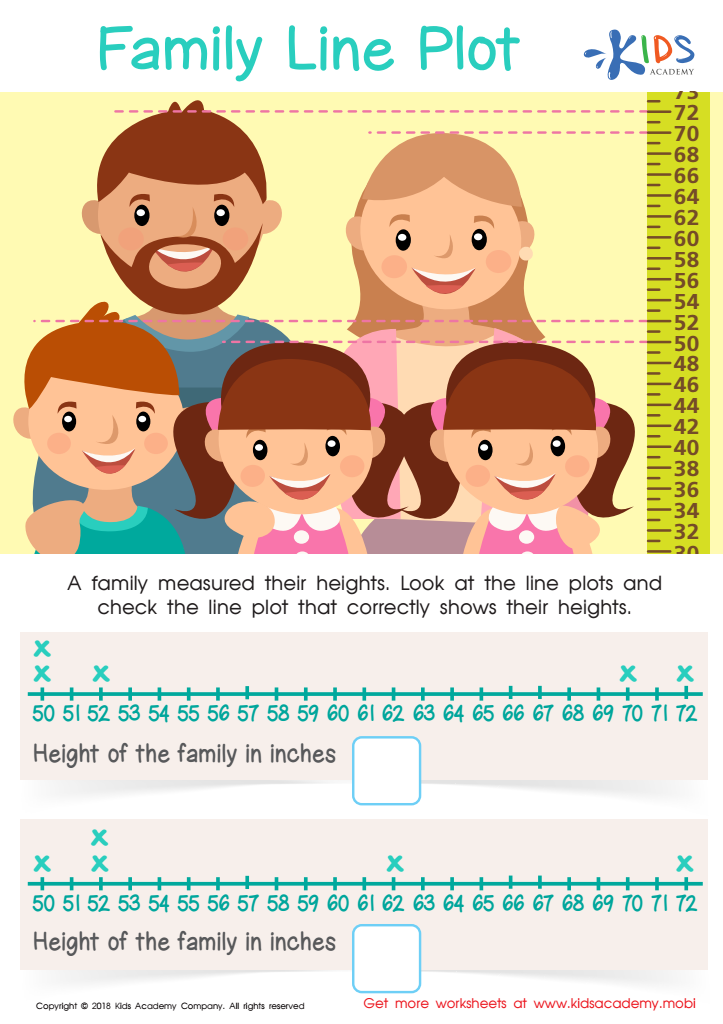
Family Line Plot Worksheet
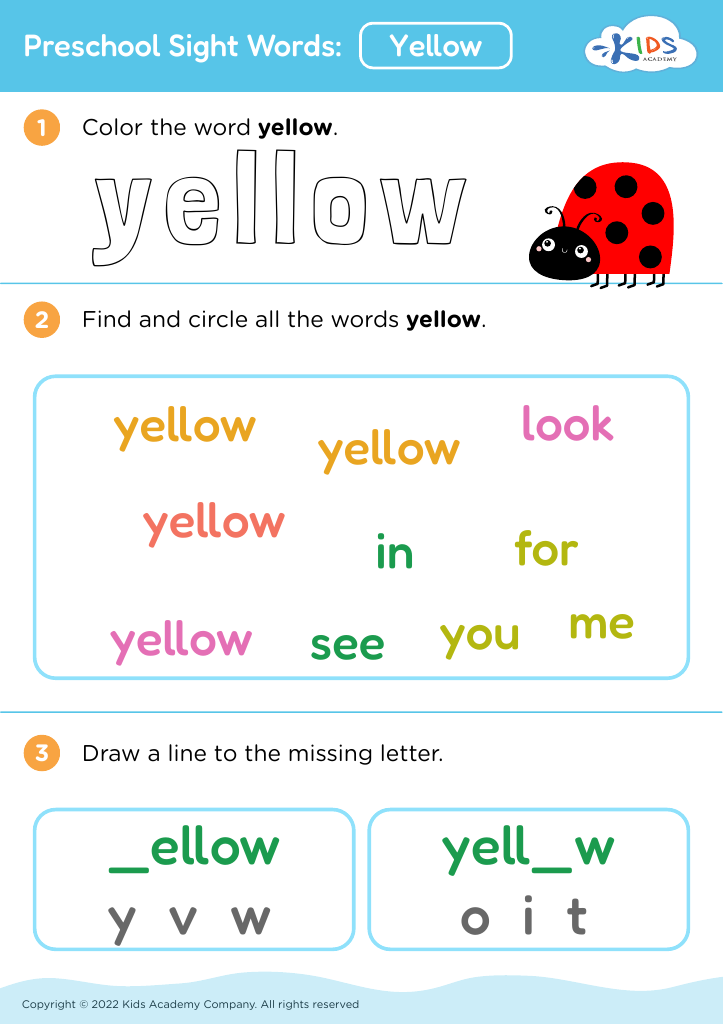


.jpg)





Parents and teachers should prioritize interpreting data for children ages 3-8 because it provides essential insights into their development, helping to guide supportive strategies and interventions. At this age, children experience rapid growth in cognitive, social, emotional, and physical domains. Analyzing data from various sources like assessments, observations, and student work allows adults to understand each child’s unique strengths and areas for improvement.
Interpreting data helps identify learning needs early, enabling timely support to foster skill development. For instance, tracking progress in foundational skills such as reading, numeracy, and social interactions ensures that any learning difficulties are addressed promptly, preventing potential long-term impacts on academic success. Moreover, data interpretation goes beyond academic metrics; it includes emotional and social indicators which are crucial for holistic development.
For parents, understanding data helps tailor supportive learning activities at home and fosters collaboration with educators. Teachers can refine their instructional methods based on data, providing differentiated learning experiences that cater to diverse learner profiles. Additionally, sharing data insights with parents empowers them to be proactive partners in their child’s education.
Ultimately, interpreting data for this age group is vital for creating an enriched and supportive learning environment, ensuring each child achieves optimal growth and development.








