Learning about ecosystems Worksheets for Ages 3-8
5 filtered results
-
From - To
Discover the fascinating world of ecosystems with engaging worksheets designed for children ages 3-8. Our printable activities at Kids Academy simplify complex concepts like food chains, habitats, and biodiversity into fun, age-appropriate exercises. Each worksheet combines colorful illustrations with interactive tasks to capture young learners' imaginations and foster a love for nature. Ideal for classroom use or at-home enrichment, these educational tools help children understand how living organisms interact within their environments. Promote curiosity, critical thinking, and environmental awareness with our expertly crafted resources. Start your eco-adventure today and watch your child's understanding of the natural world flourish!
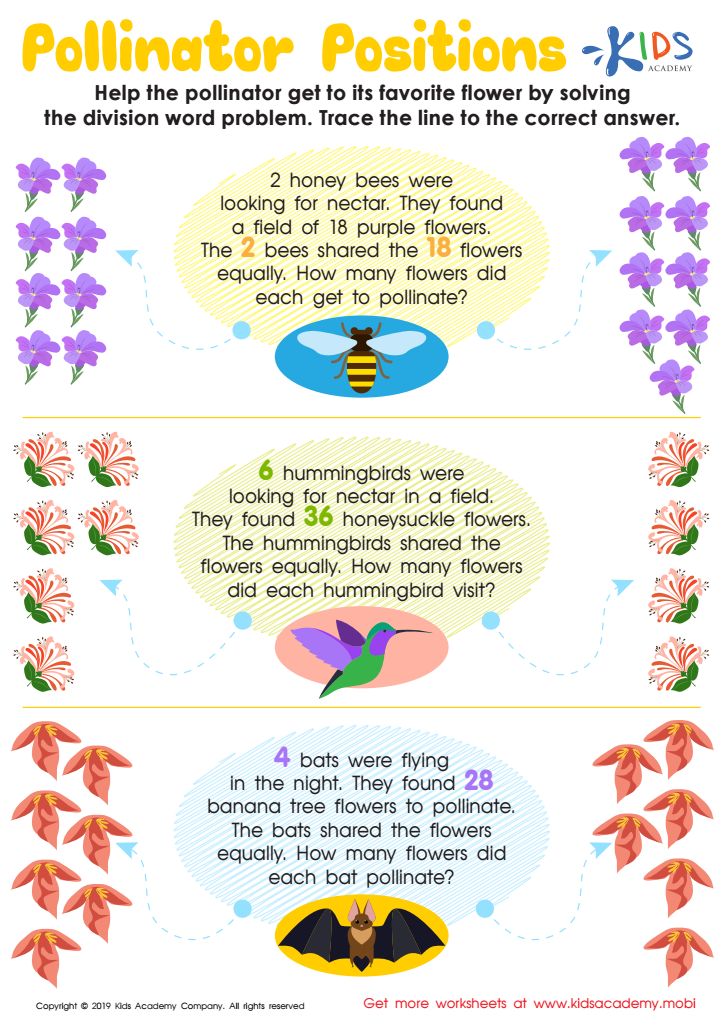
Pollinator Positions Worksheet
 Assign to My Students
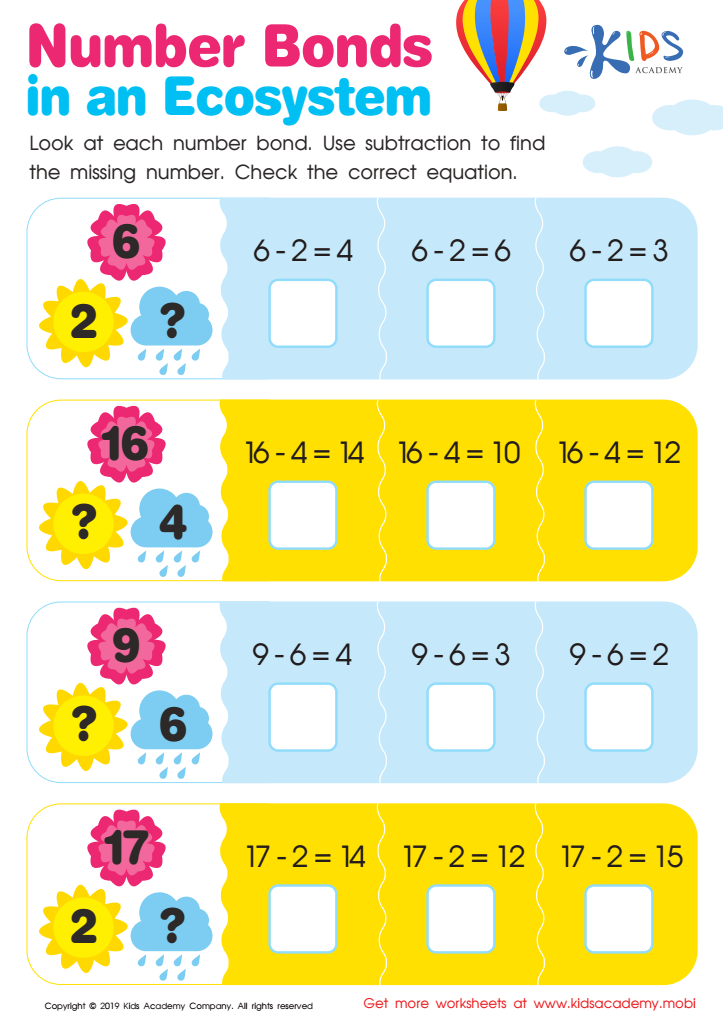
Number Bonds in an Ecosystem Worksheet
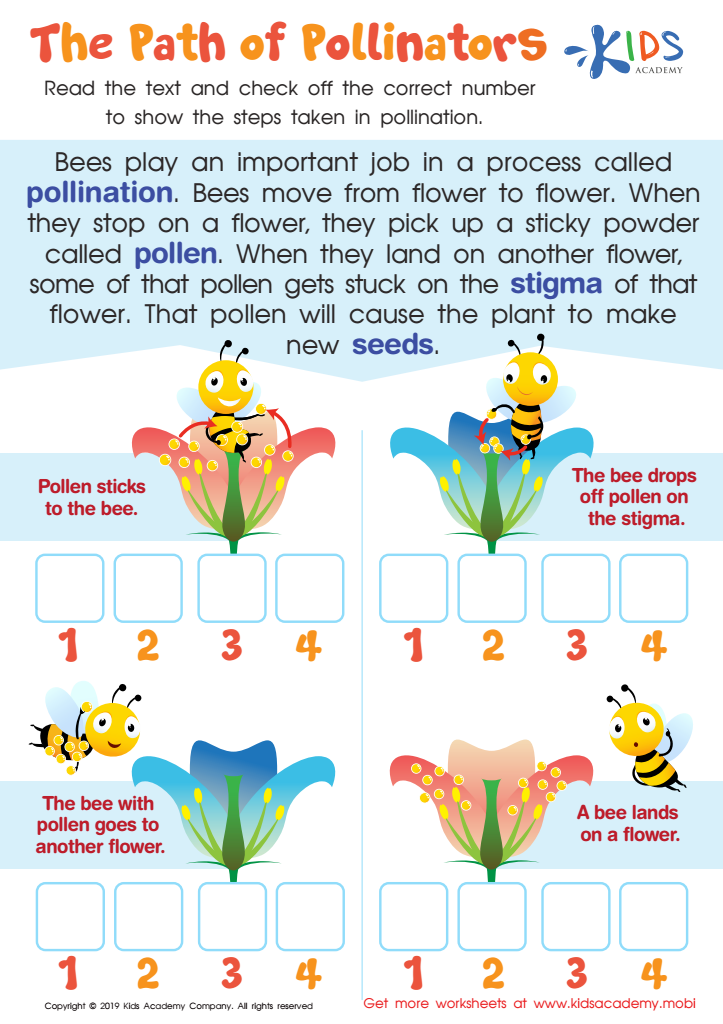
The Path of Pollinators Worksheet
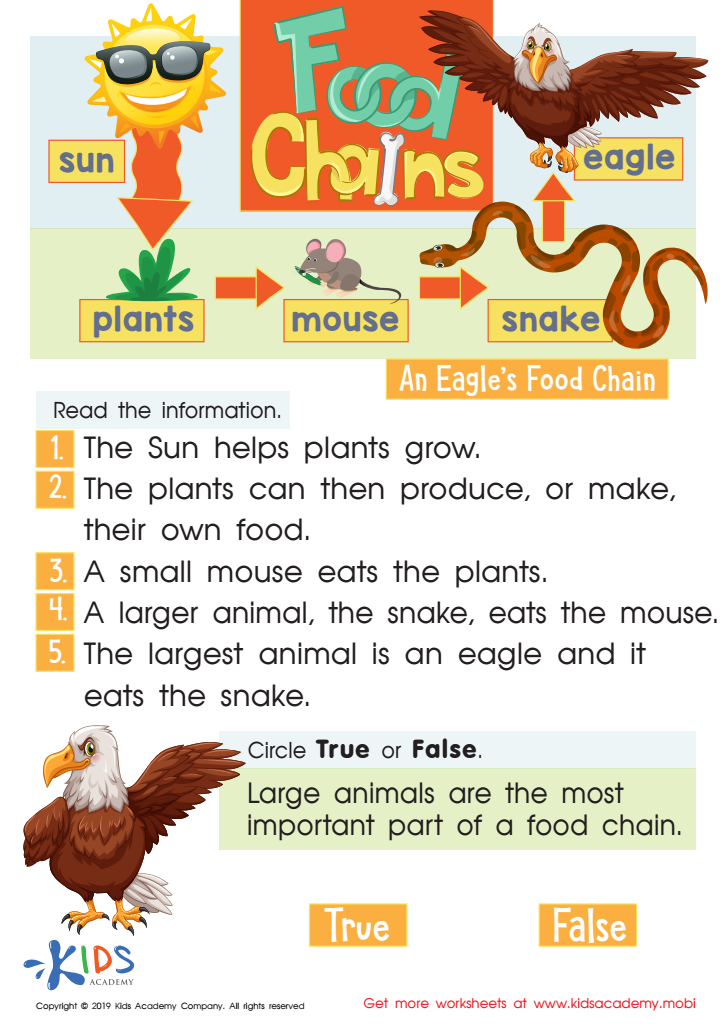
Food Chains Worksheet
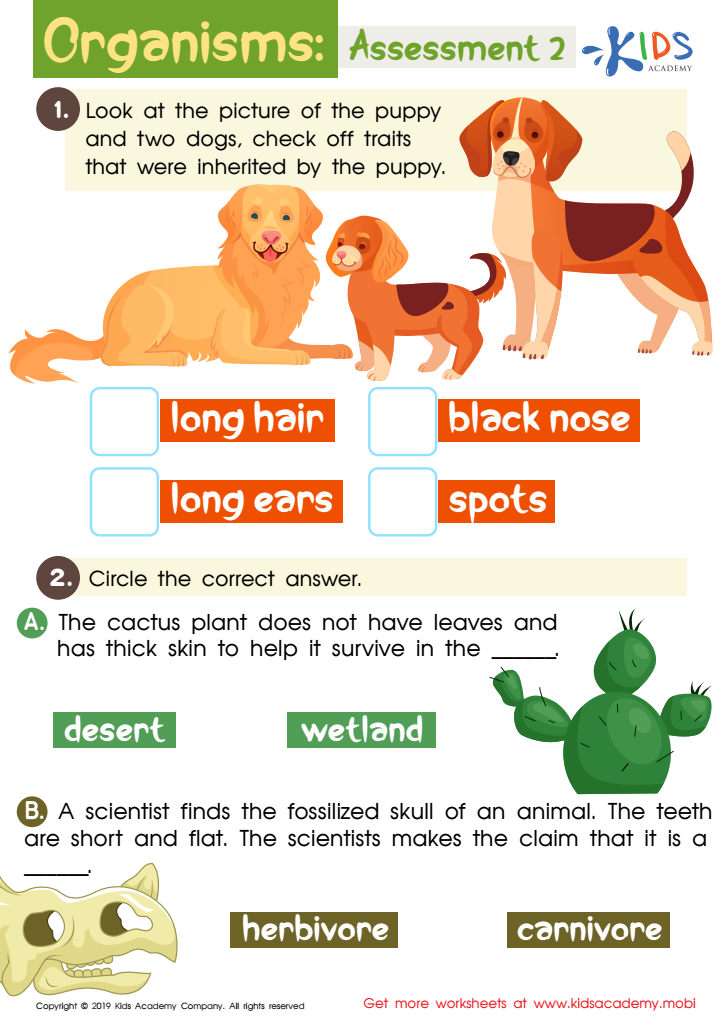
Organisms: Assessment 2 Worksheet








Understanding ecosystems is fundamental to nurturing an early appreciation for nature among children ages 3-8. For young minds, learning about how plants, animals, and environments interact can spark curiosity and build a foundational love for the natural world. This early appreciation is crucial for fostering environmental stewardship and empathy for living creatures as they grow older.
For parents, engaging children with ecosystem concepts can mean simple yet impactful activities like nature walks or reading books about different habitats. Such activities enrich family bonding time and provide meaningful education outside the classroom. For teachers, incorporating ecosystems into lesson plans reinforces interdisciplinary skills such as observation, classification, and critical thinking. It can also make subjects like science, geography, and even art more vibrant and interrelated.
Understanding ecosystems encourages children to ask questions like, "What do animals eat?" or "Where do plants get water?" These inquiries make children aware of their surroundings and help them understand the importance of balance in nature. Addressing these questions develops a profound respect and responsibility for caring for the Earth, ensuring that tomorrow's leaders are knowledgeable and proactive in maintaining ecological health. In short, early ecosystem education is an investment in a child's intellectual development and the planet's future.








