Logic development Worksheets for Ages 3-8
4 filtered results
-
From - To
Discover our engaging Logic Development Worksheets designed for children ages 3-8. Foster critical thinking and problem-solving skills with fun activities tailored to young minds. Our worksheets cover a variety of logic-based challenges through puzzles, matching games, sequencing tasks, and more, promoting both cognitive growth and academic success. Ideal for parents and educators, these resources are perfect for enhancing learning at home or in the classroom. Motivate your child to explore, reason, and excel with our thoughtfully crafted exercises that make learning logic simple and enjoyable. Unlock your child's potential with Kids Academy's premier educational materials!
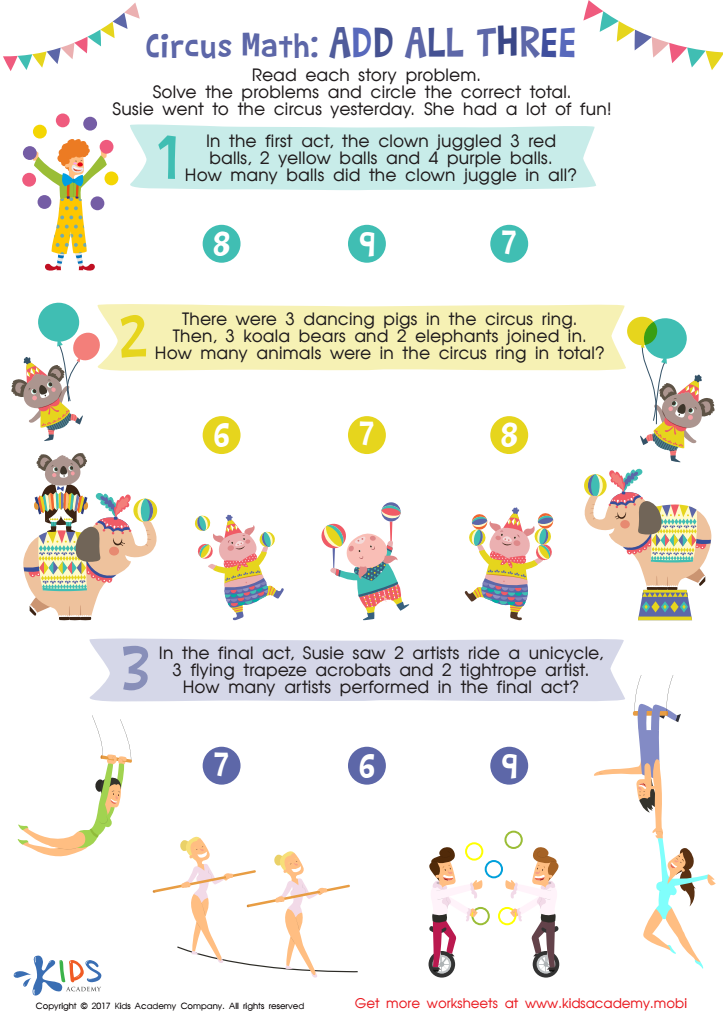
Circus Math Printable
 Assign to My Students
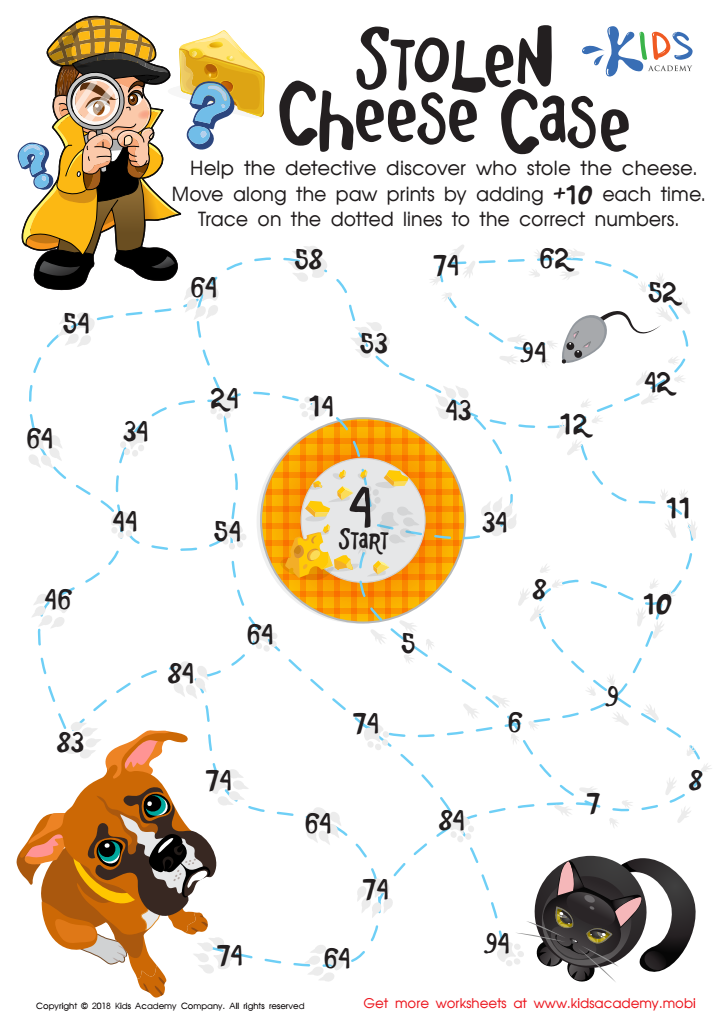
Stolen Cheese Case Maze Worksheet
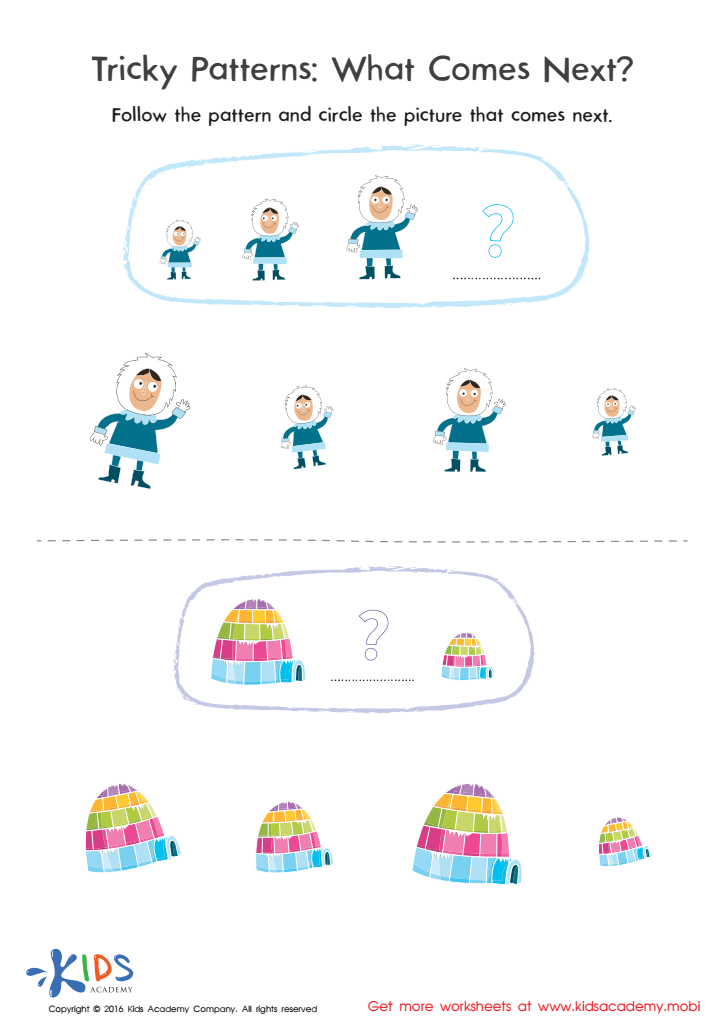
Tricky Patterns Size Worksheet








Developing logic skills in children aged 3-8 is essential for laying a strong foundation for their future learning and everyday problem-solving abilities. At this critical stage, children's brains are incredibly receptive to new information and cognitive skills development.
Encouraging logical thinking from a young age helps children enhance their reasoning capabilities, critical for understanding subjects like math and science later. For instance, activities like sorting objects, recognizing patterns, and simple puzzles not only make learning enjoyable but also introduce the concept of cause and effect. This mental exercise trains their brains to approach problems systematically, testing various solutions and understanding why one might work over another.
Moreover, logic development aids in language skills. Narratives in stories often follow a sequence; teaching kids to understand these sequences enhances their comprehension and storytelling abilities. On a social level, logical skills help children understand rules and the importance of consistency, making it easier for them to adapt in both academic and social settings.
By focusing on logical reasoning early on, parents and teachers equip children with the tools they need for academic success and thoughtful decision-making. This cognitive agility extends beyond the classroom, affecting their capacity to tackle life challenges, think independently, and interact harmoniously with the world around them.








