Logical reasoning skills Worksheets for Ages 3-8
5 filtered results
-
From - To
Enhance your child's cognitive development with our engaging logical reasoning skills worksheets designed for ages 3-8. These fun and educational worksheets from Kids Academy foster critical thinking, problem-solving, and analytical skills through interactive exercises that include pattern recognition, sequencing, puzzles, and more. Each worksheet is tailored to different age groups, ensuring that your child progresses at their own pace. Ideal for both classroom and at-home learning, our worksheets offer a structured approach to boost your child's confidence and prepare them for future academic success. Start building a solid foundation in logical reasoning today!
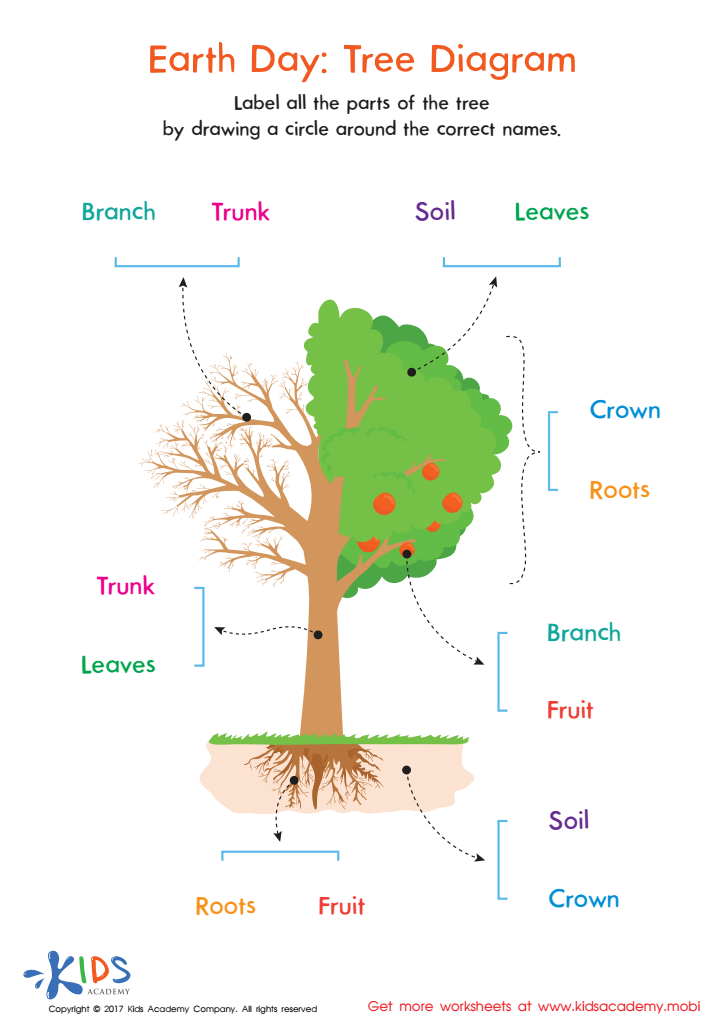
Earth Day: Tree Diagram Worksheet
 Assign to My Students
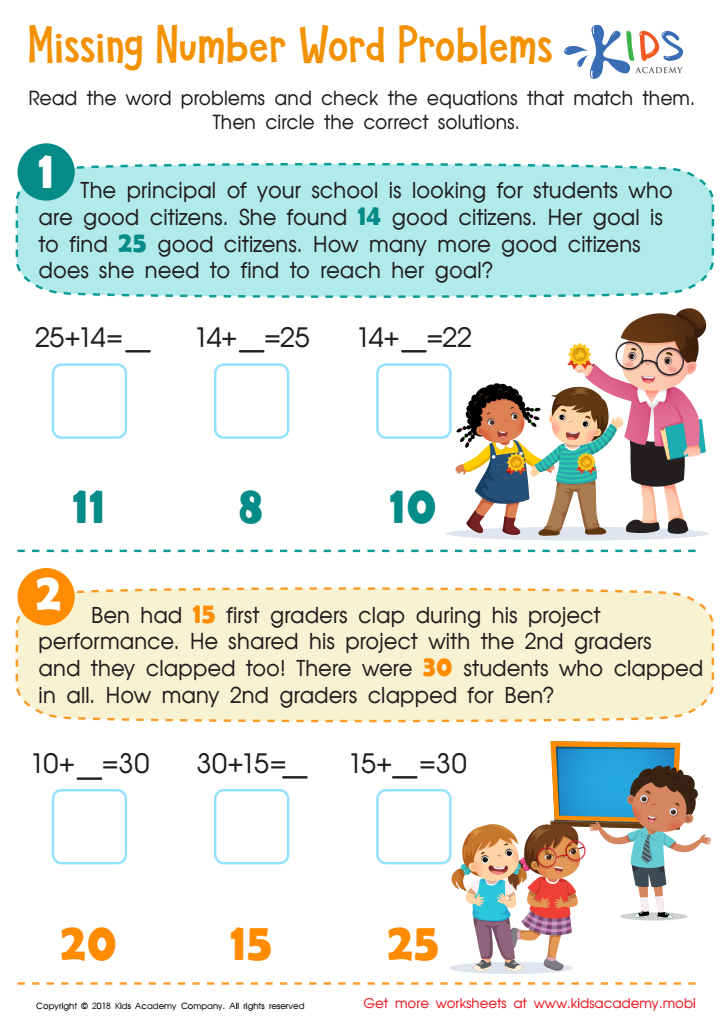
Missing Number Word Problems Worksheet
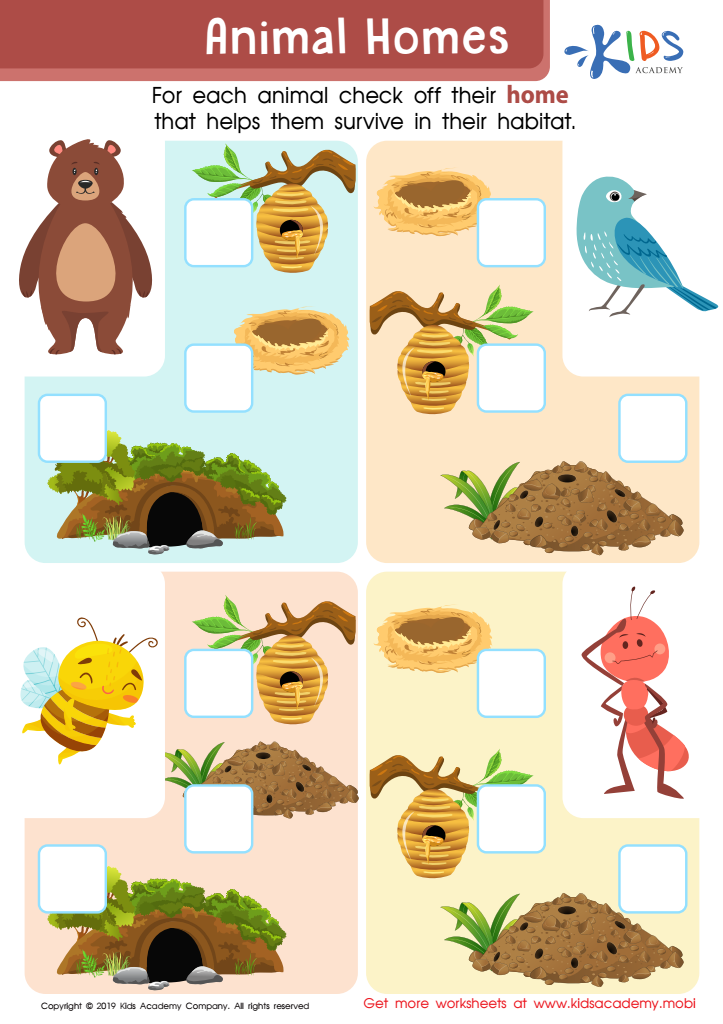
Animal Homes Worksheet
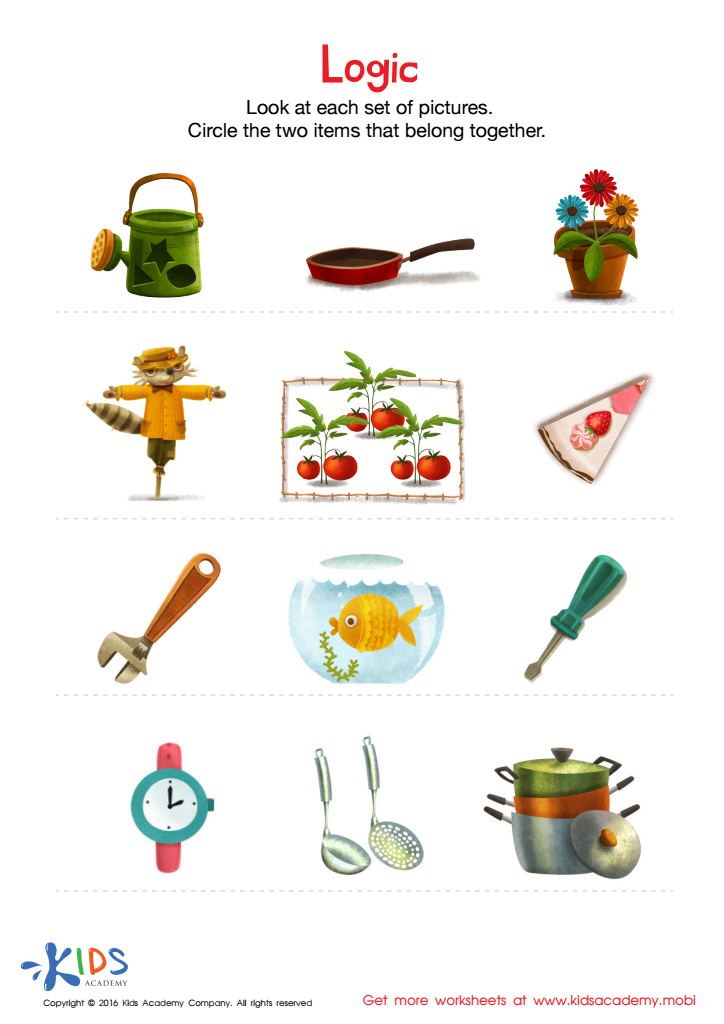
Logic Game Sorting Worksheet

Sudoku Worksheet







Parents and teachers should care about the development of logical reasoning skills in children ages 3-8 because these formative years are crucial for building the foundation for future learning and problem-solving abilities. Logical reasoning enables children to think critically, make decisions, and understand the relationships between different pieces of information. These skills are not only essential for academic success but also for everyday life.
During early childhood, the brain is highly receptive to new information and can form neural connections more easily. Introducing logical reasoning activities such as puzzles, pattern recognition, and simple cause-and-effect games can stimulate cognitive development and enhance children's ability to understand complex concepts later in life. Logical reasoning also supports the development of mathematical skills, as it involves recognizing sequences, categorization, and the ability to grasp abstract ideas.
In addition to cognitive benefits, fostering logical reasoning can improve social skills. Children learn to follow rules, understand other perspectives, and develop problem-solving strategies when interacting with peers. These skills contribute to emotional intelligence and resilience, enabling them to navigate social interactions and challenges more effectively.
Ultimately, investing in the development of logical reasoning skills in young children sets a strong foundation for lifelong learning, adaptability, and success in an ever-evolving world.








