Logical thinking development Worksheets for Ages 3-8
23 filtered results
-
From - To
Explore our engaging Logical Thinking Development Worksheets, specially designed for children ages 3-8! These thoughtfully crafted activities aim to nurture and enhance critical thinking skills through fun and interactive lessons. Tailored for young learners, our worksheets cover a variety of topics, including pattern recognition, problem-solving, and sequencing. By participating in these exercises, children will not only improve their logical reasoning abilities but also boost their confidence in tackling challenges. Ideal for use at home or in the classroom, our logical thinking worksheets provide a comprehensive approach to skill-building that makes learning enjoyable and effective. Dive into our resources today!
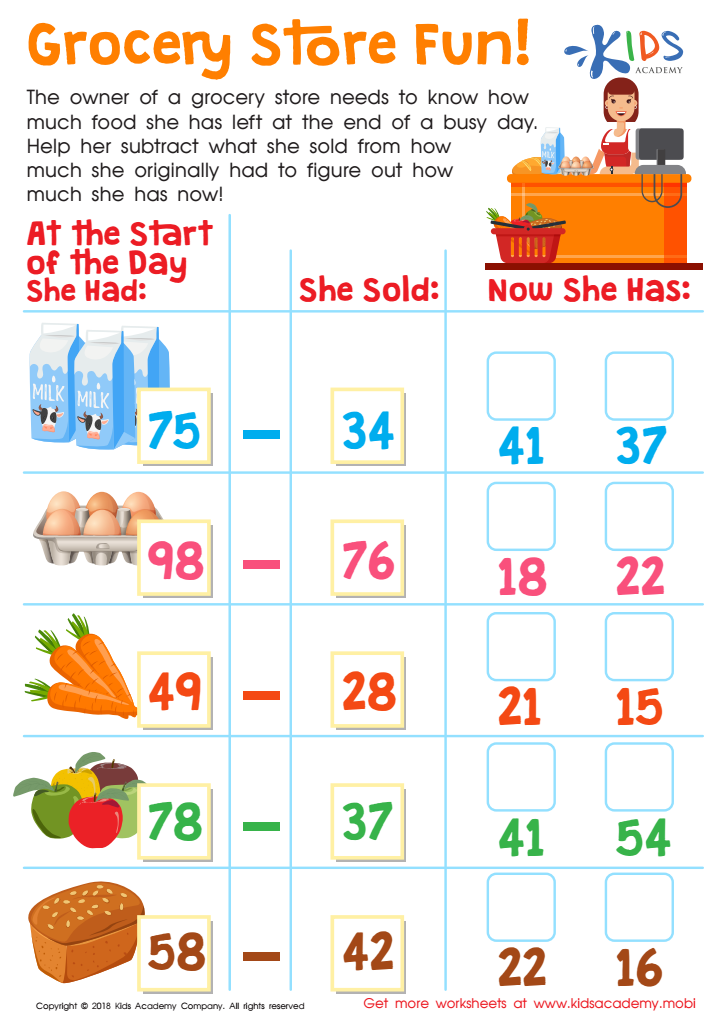
Grocery Store Fun! Worksheet
 Assign to My Students
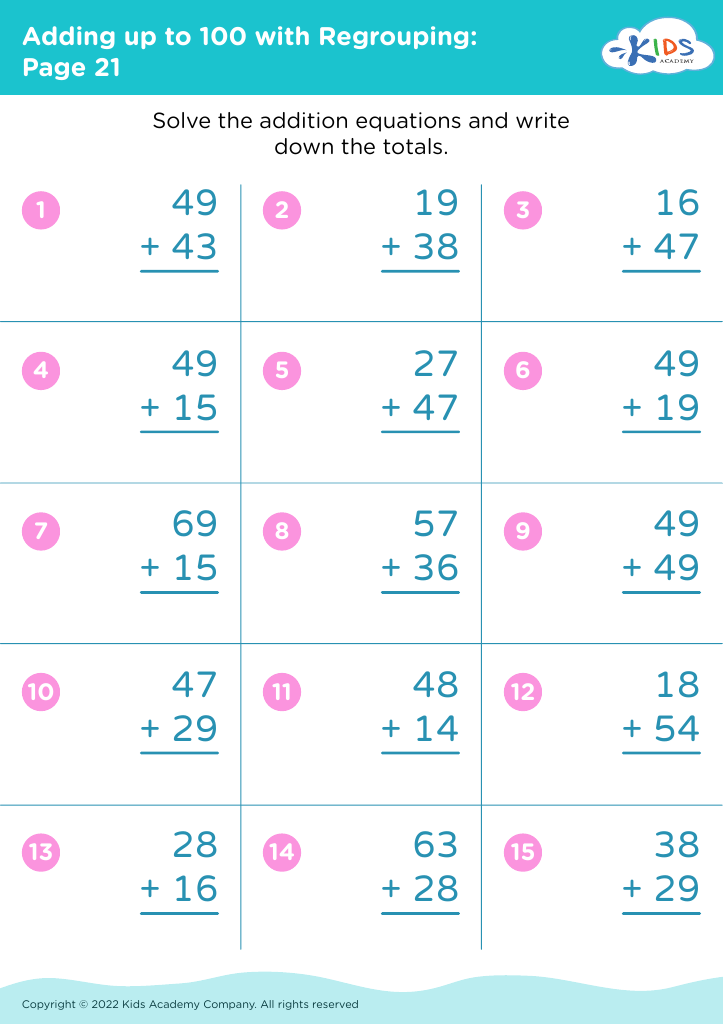
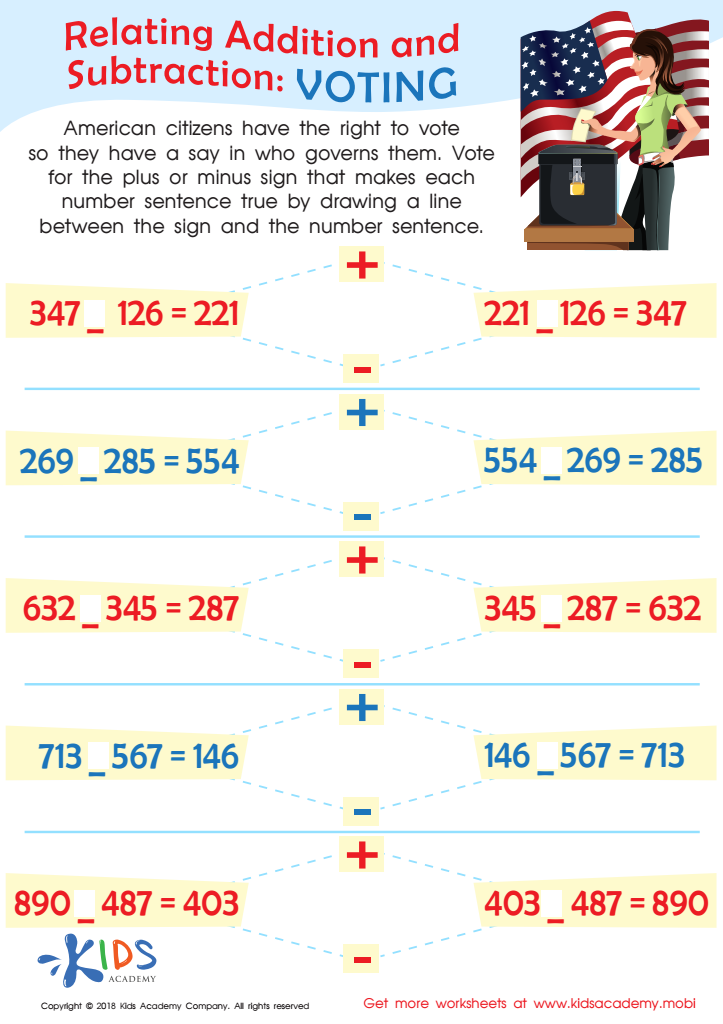
Voting Worksheet
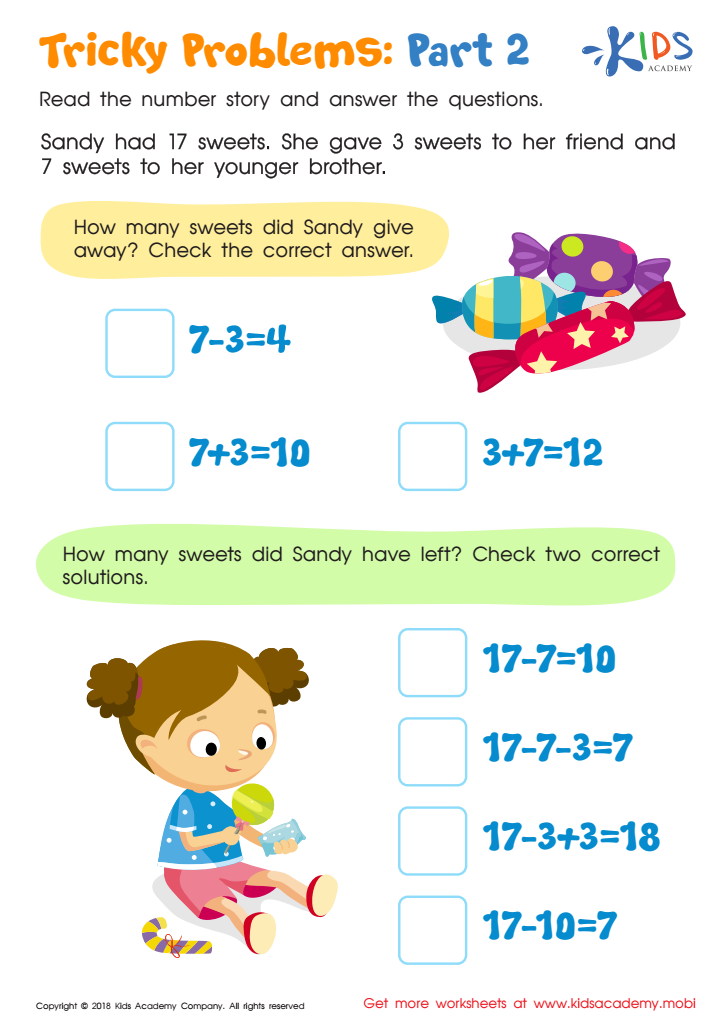
Tricky Problems Worksheet: Part 2
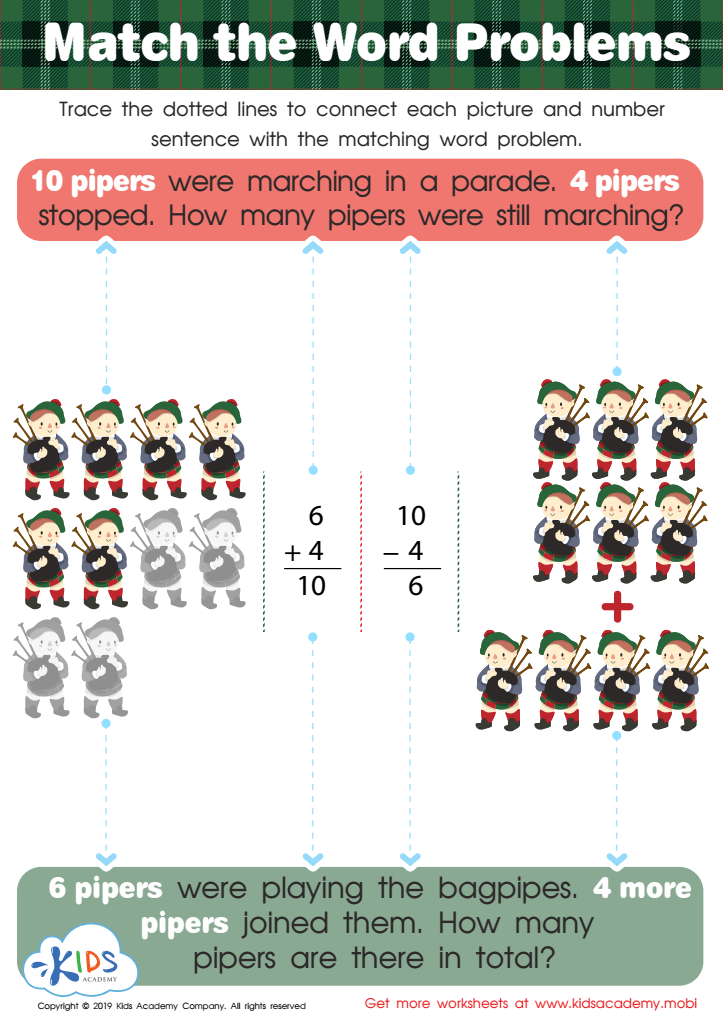
Match the Word Problems Worksheet
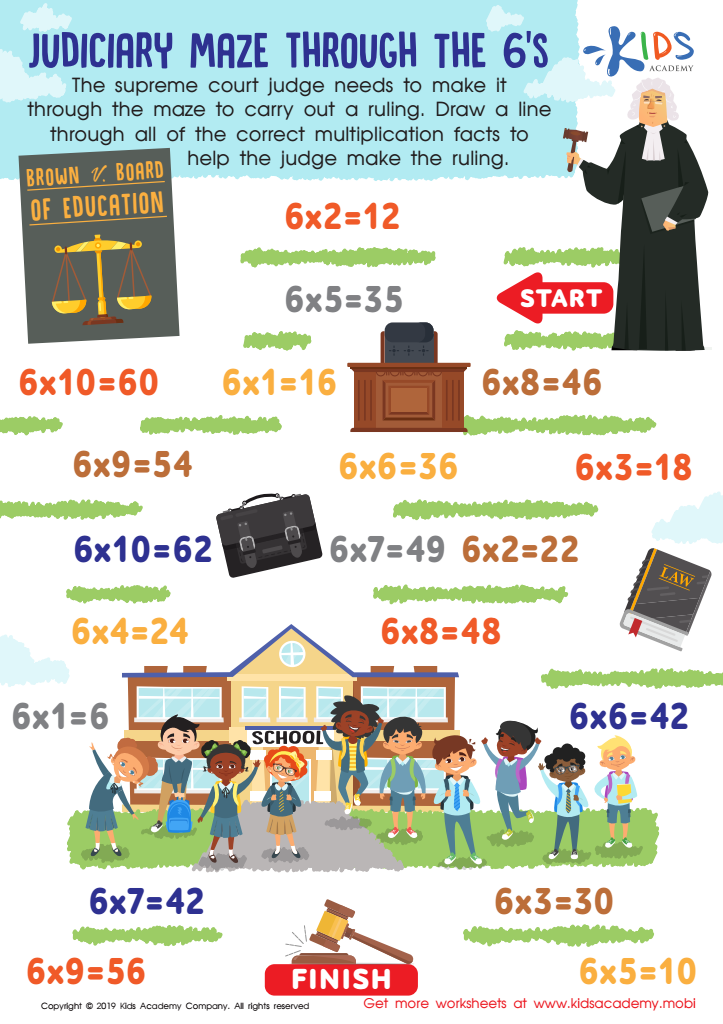
Judiciary Maze Through The 6’s Worksheet
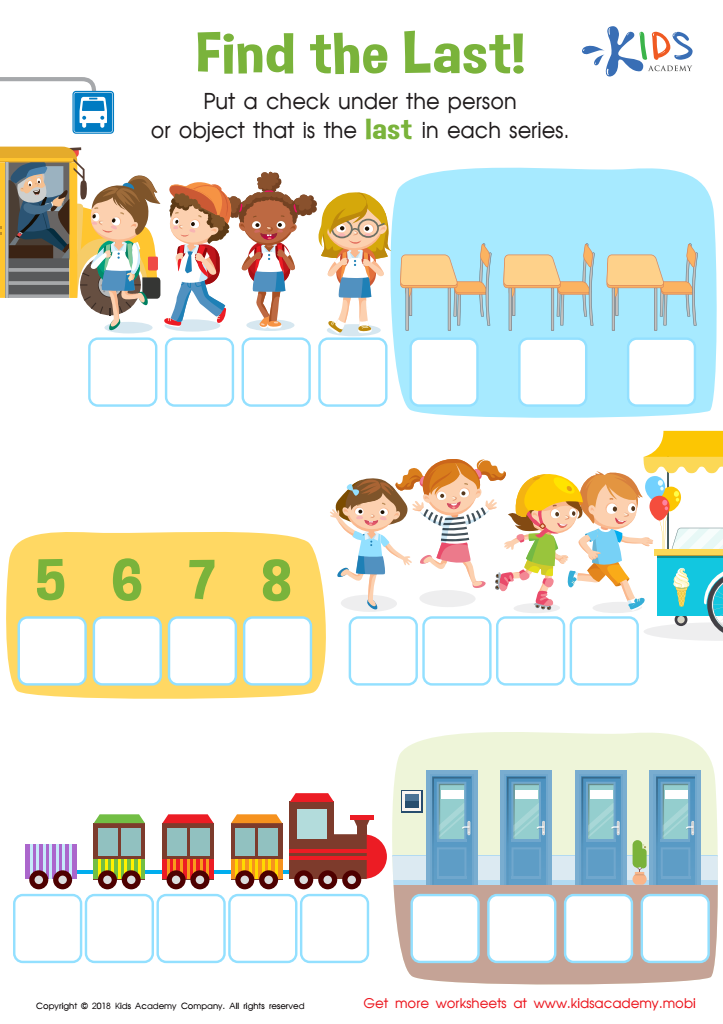
Find the Last! Worksheet
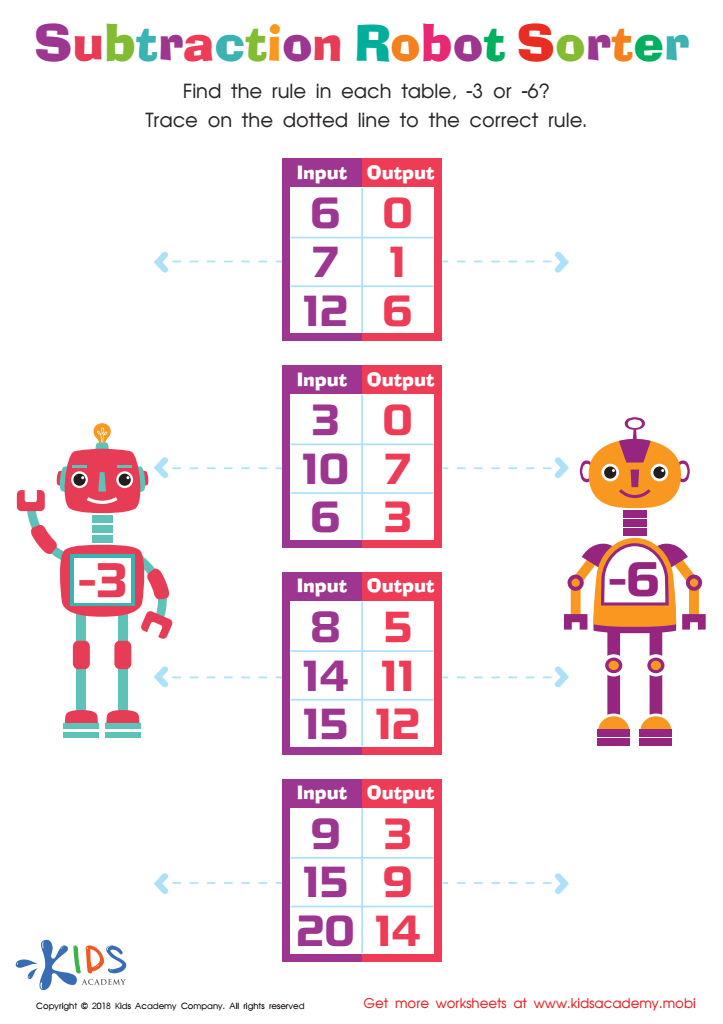
Subtraction Robot Sorter Worksheet

Which Direction Will it Go? Worksheet
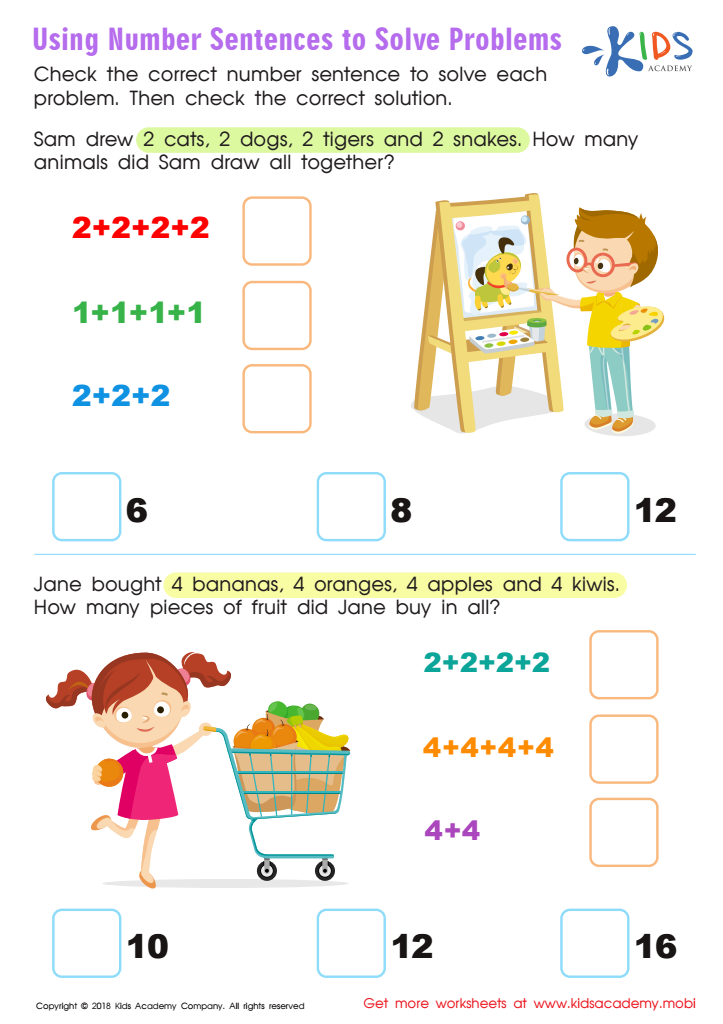
Using Number Sentences to Solve Problems Worksheet
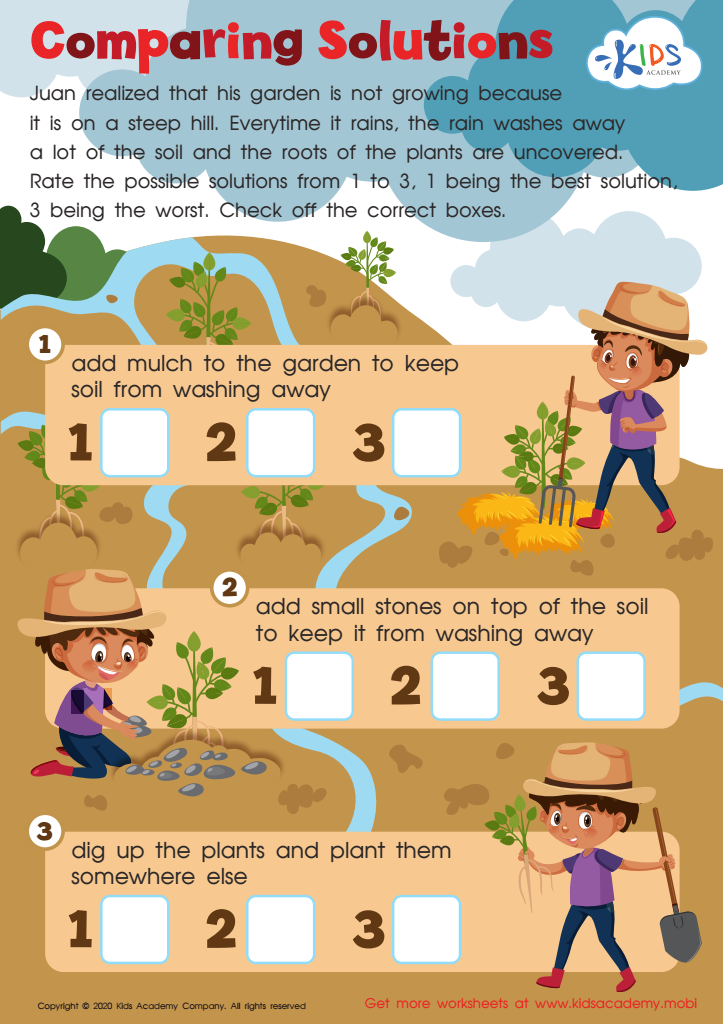
Comparing Solutions Worksheet
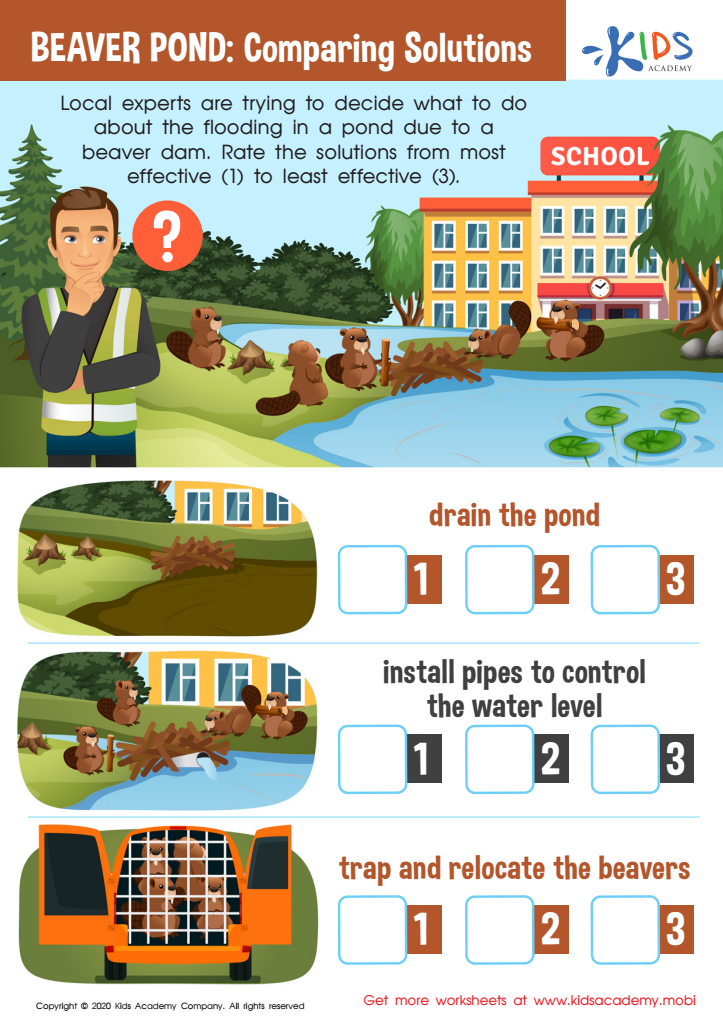
Beaver Pond: Comparing Solutions Worksheet
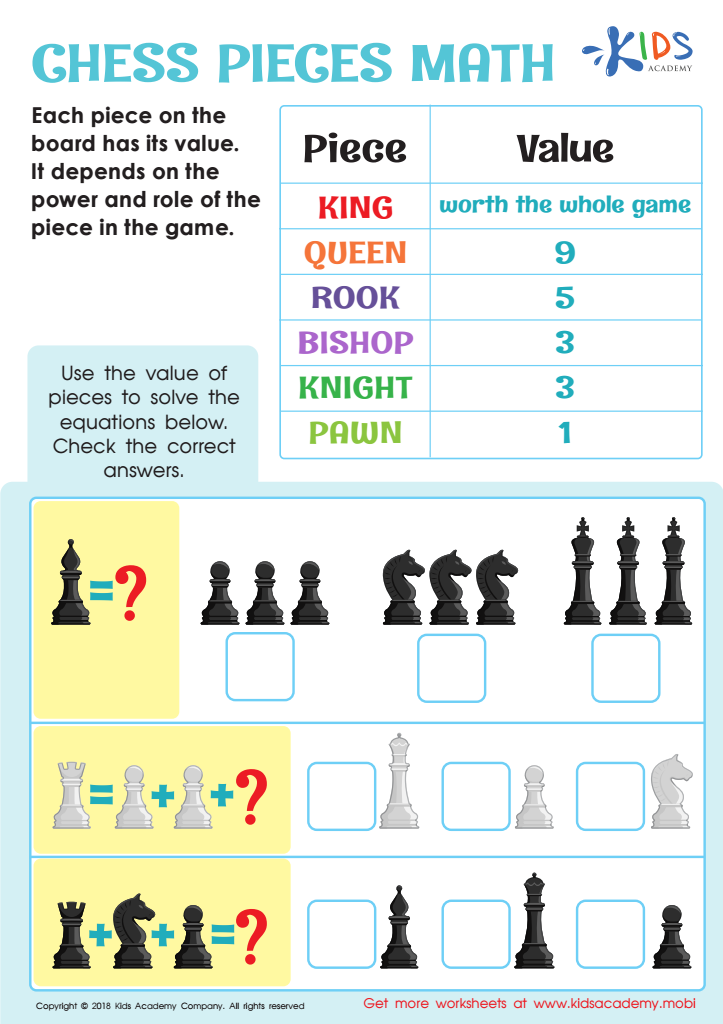
Chess Pieces Math Worksheet
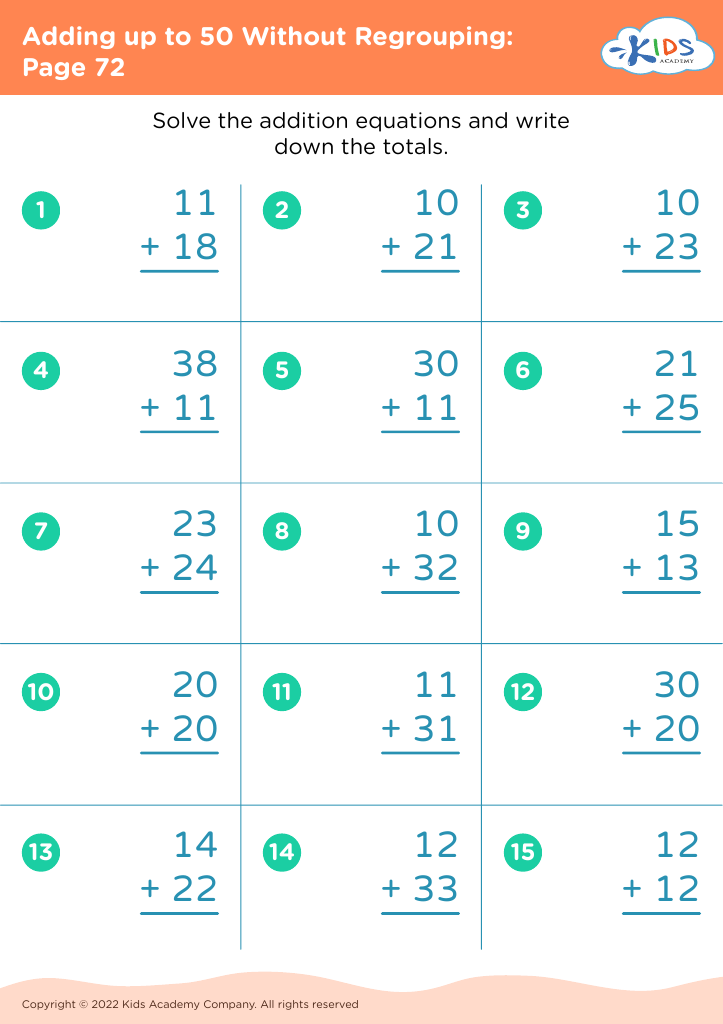
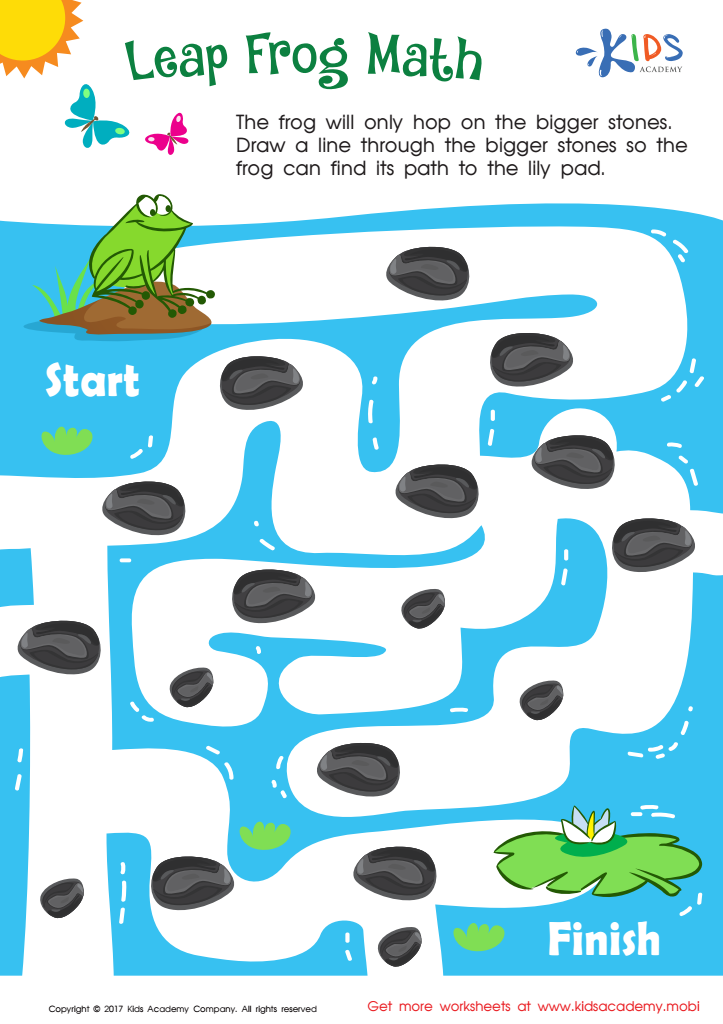
Math Puzzle Worksheet
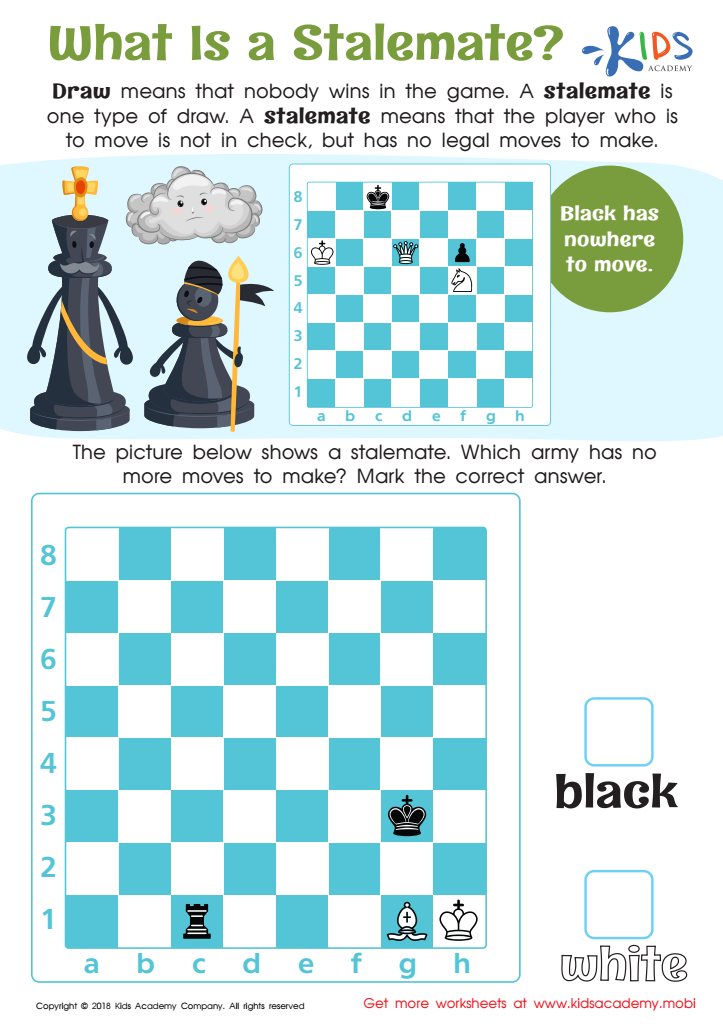
What Is a Stalemate? Worksheet
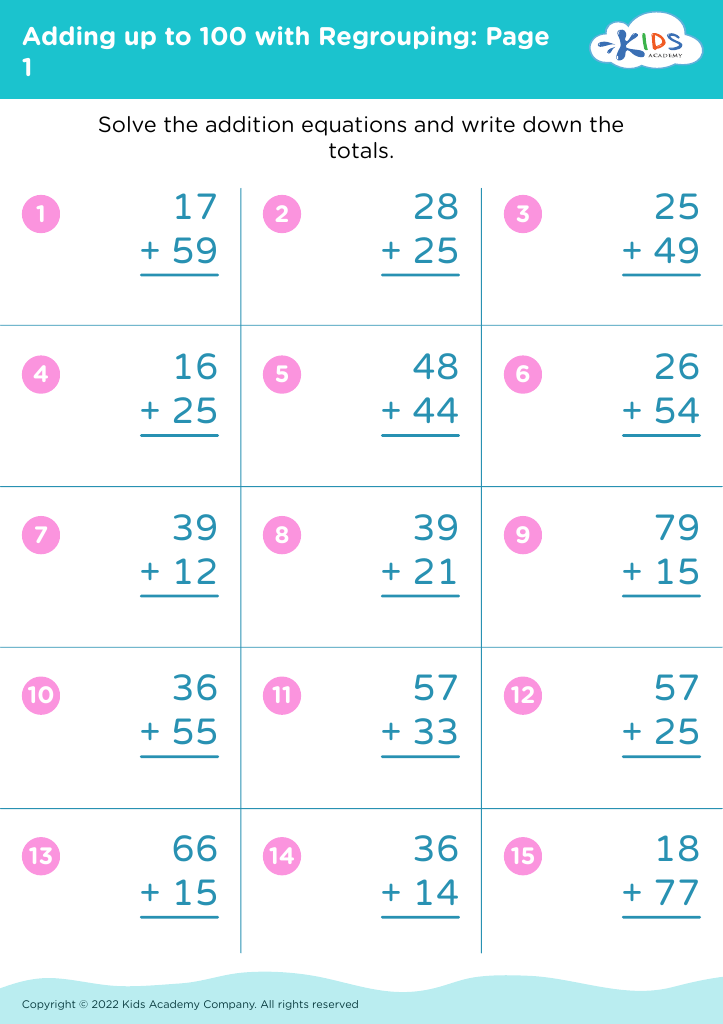
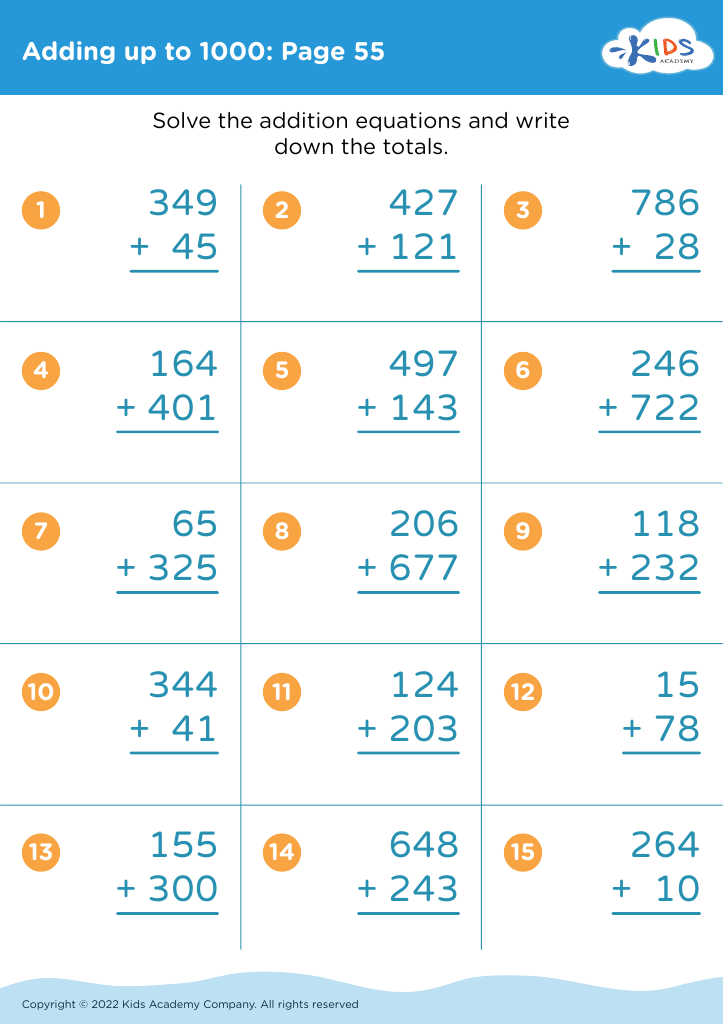
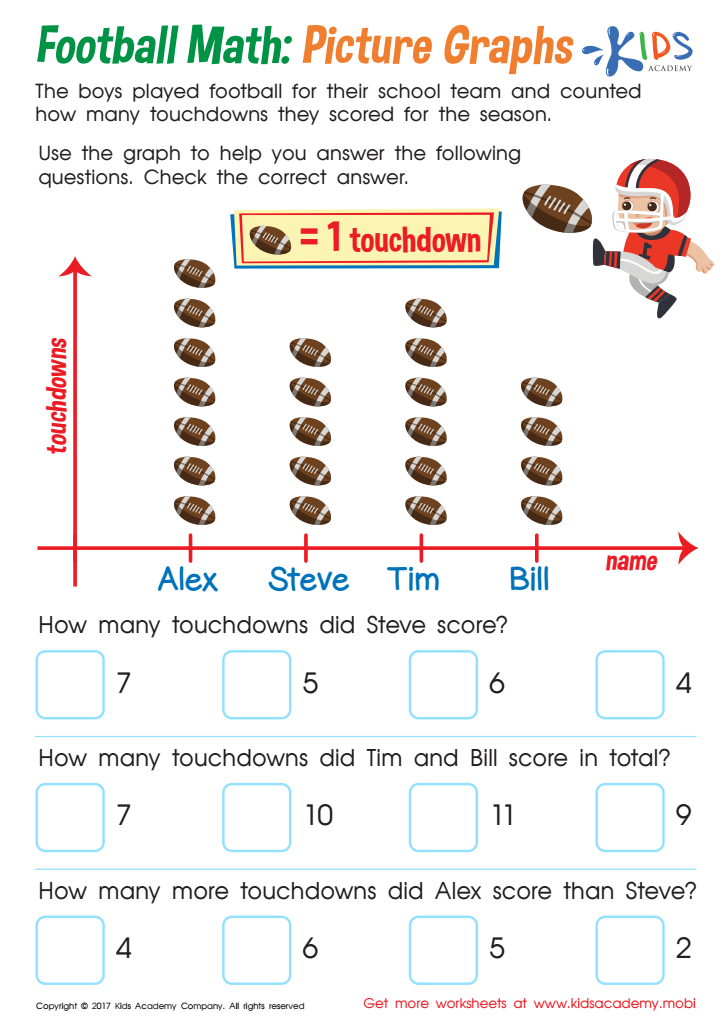
Football Math Worksheet
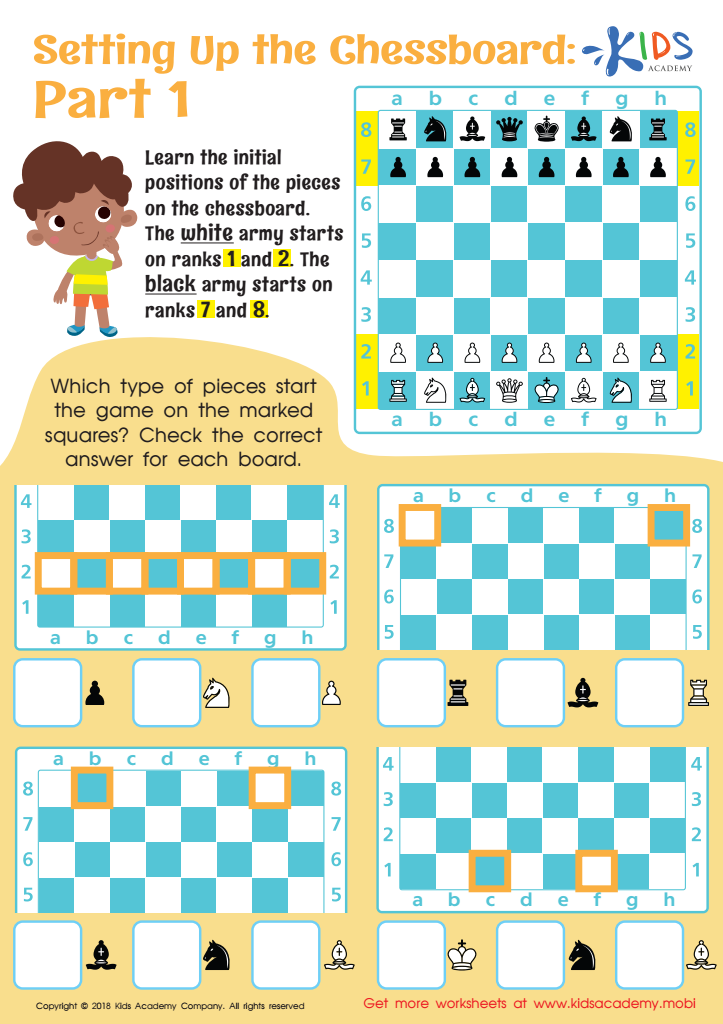
Setting up the Chessboard: Part 1 Worksheet
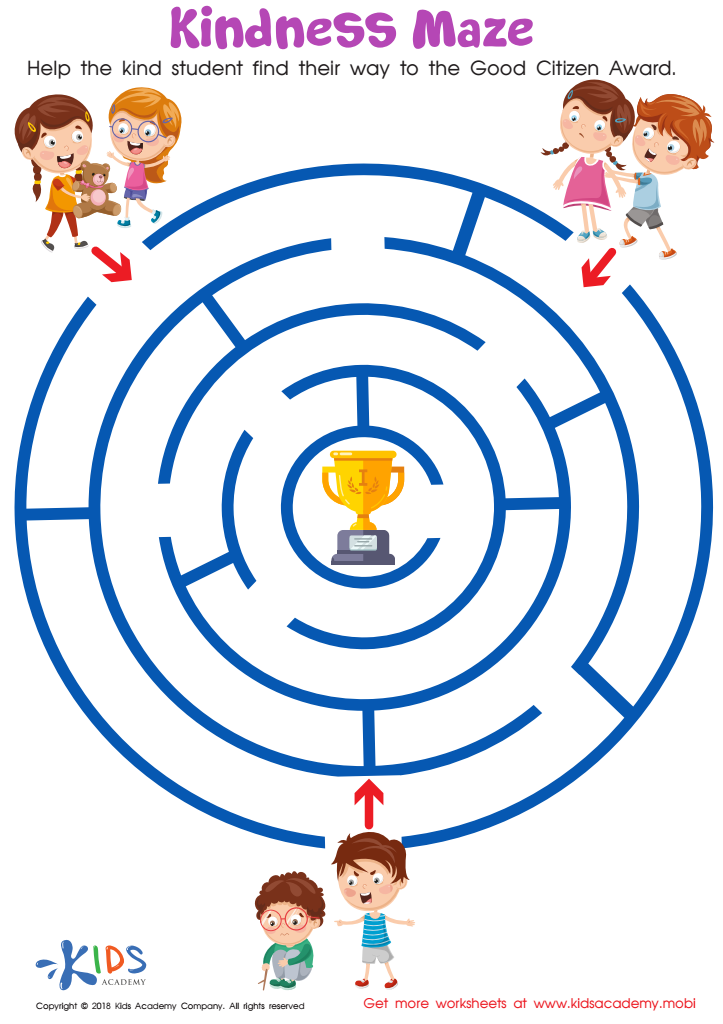
Kindness Maze Worksheet
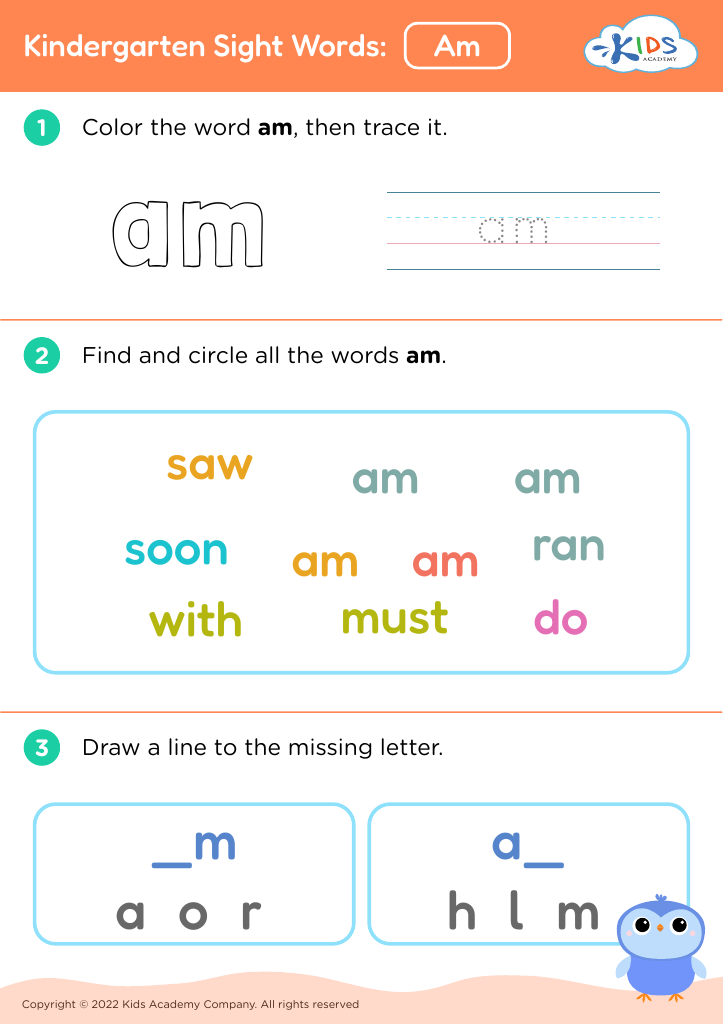



.jpg)


.jpg)
Logical thinking development in children aged 3-8 is crucial for multiple reasons. During this formative stage, children are rapidly acquiring skills that lay the foundation for later learning. Encouraging logical thinking helps children develop problem-solving abilities and enhances their cognitive skills. When parents and teachers foster logical reasoning, they give children the tools to analyze situations, make decisions, and understand cause-and-effect relationships, which are vital in both academic settings and everyday life.
Moreover, engaging children in activities that promote logical thinking supports their language development. It encourages them to articulate their thought processes, boosting communication skills and fostering confidence. This age group is also highly curious, often testing boundaries through questioning and exploration. Logical thinking nurtures this curiosity and guides children toward effective experimentation and inquiry.
Lastly, honing these skills builds resilience. As children learn to approach challenges methodically, they become more adept at navigating obstacles, cultivating a growth mindset. By prioritizing logical thinking development, parents and teachers can cultivate a generation of insightful, adaptable learners, better equipped to tackle the complexities of the world around them. Investing in these small but significant skills early sets the stage for lifelong learning and success.








