Math application Worksheets for Ages 3-8
3 filtered results
-
From - To
Unlock your child's potential with our Math Application Worksheets for Ages 3-8. Designed to make learning math fun, these worksheets help young learners develop essential skills, ranging from basic counting to simple addition and subtraction. Each activity is crafted to engage kids and foster a love for numbers, ensuring they build a strong math foundation. The printable format allows for convenient learning at home or on the go, providing parents and teachers with a reliable resource to support early education. Boost your child’s confidence and mathematical abilities with our engaging and educational math application worksheets today!
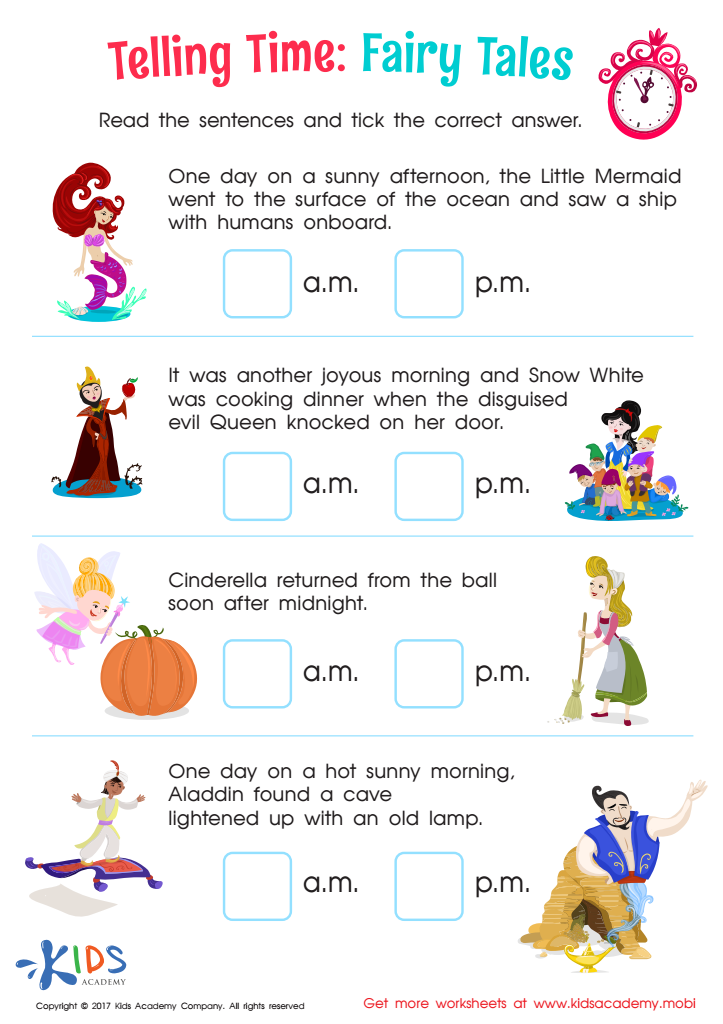
Telling Time: Fairy Tales Worksheet
 Assign to My Students
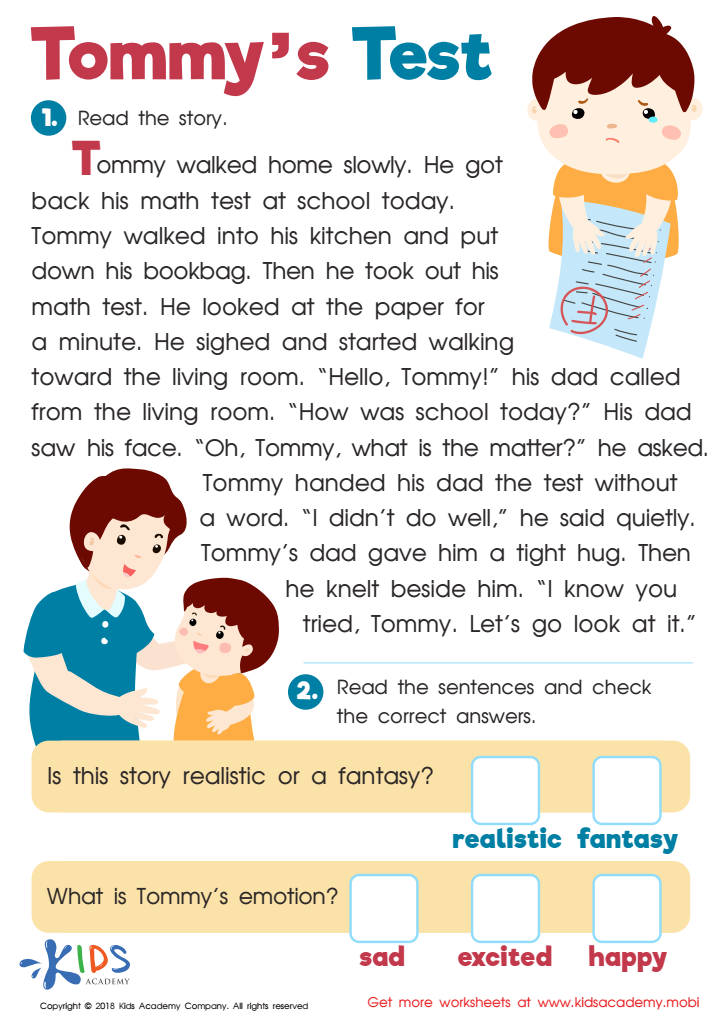
Tommys Test Worksheet
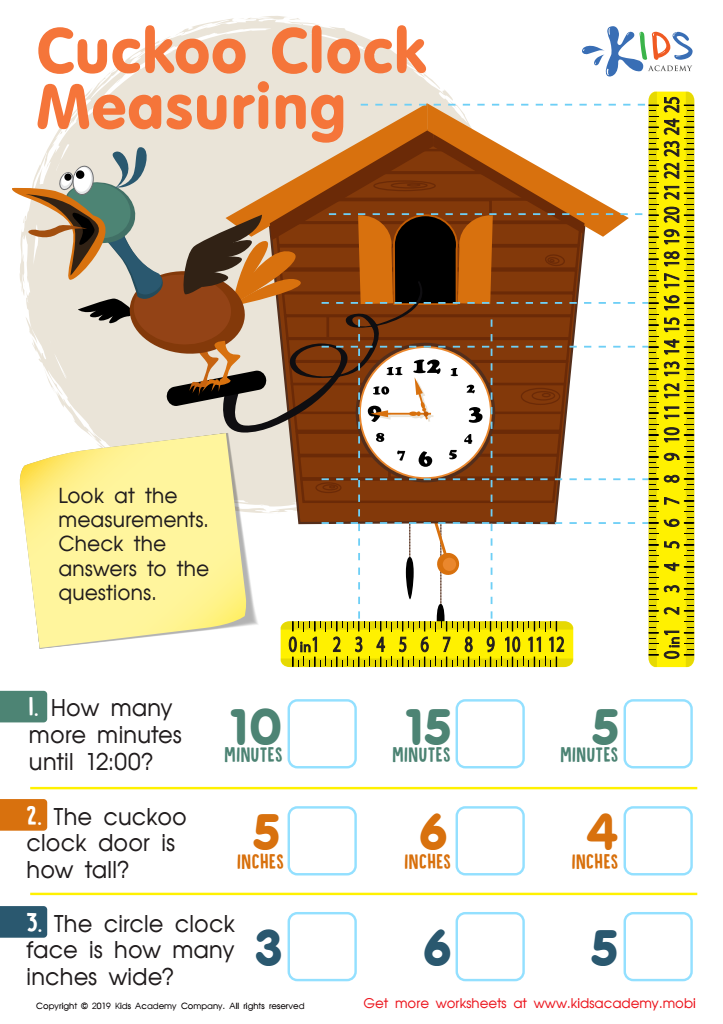
Cuckoo Clock Measuring Worksheet







Parents and teachers should understand the importance of math applications for children aged 3-8, as these early years are critical for cognitive development. Introducing math concepts during this period can foster a strong foundation for future learning. Young children are inherently curious, and engaging math applications can make abstract concepts tangible, fostering a natural love for the subject. Interactive and playful activities can enhance their problem-solving skills and boost their confidence in dealing with numbers.
Additionally, math applications tailored for this age group often integrate elements of gamification, making learning enjoyable and less intimidating. These tools can cater to different learning styles, providing visual, auditory, and kinesthetic learners with the chance to grasp math concepts effectively. Early exposure to math helps children develop essential skills such as counting, recognizing patterns, and understanding spatial relations, which are fundamental for more complex problem-solving tasks later on.
Moreover, early math skills are linked to better academic performance in other areas like reading and science, underscoring their broad impact. Parents and teachers supporting the use of math applications not only enhance a child's analytical thinking but also cultivate lifelong learning habits, thereby setting the groundwork for academic and personal success.








