Math skills development Worksheets for Ages 3-8
7 filtered results
-
From - To
Discover our engaging Math Skills Development Worksheets designed for children ages 3 to 8! These thoughtfully crafted resources help young learners build essential math skills through fun and interactive activities. Our worksheets cover counting, number recognition, addition, subtraction, sequencing, and more, tailored to various skill levels. With colorful visuals and playful themes, kids will enjoy learning foundational math concepts while enhancing problem-solving abilities. Parents and teachers can easily access and print these worksheets to supplement classroom learning or family study time. Foster a love for math in your child early on with our comprehensive collection of worksheets that make math fun!
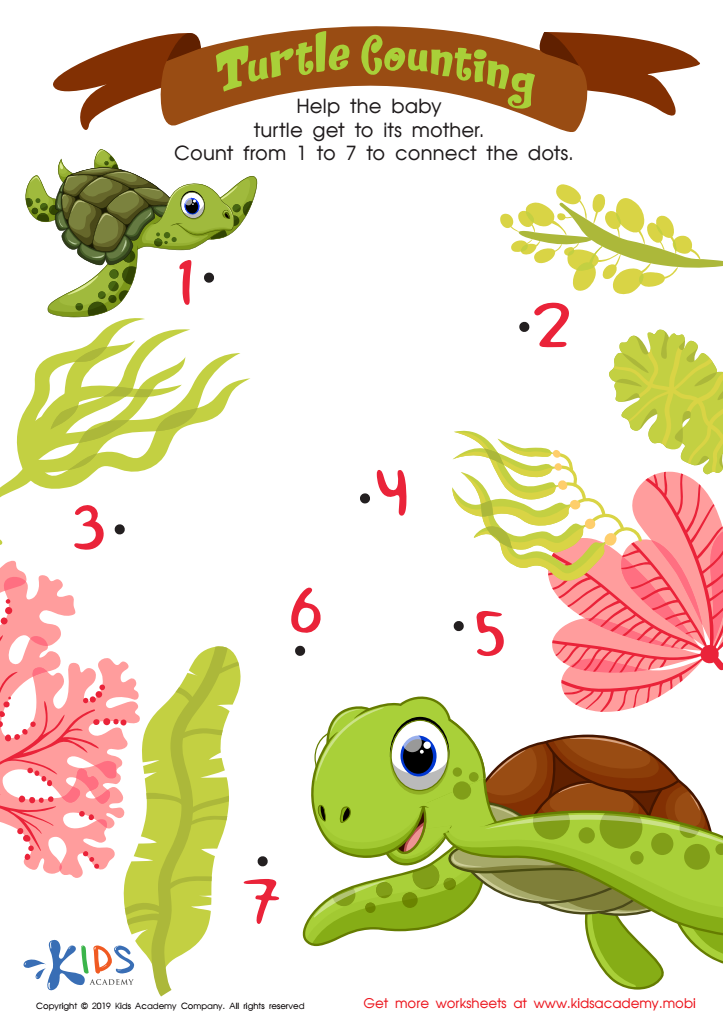
Turtle Counting Worksheet
 Assign to My Students
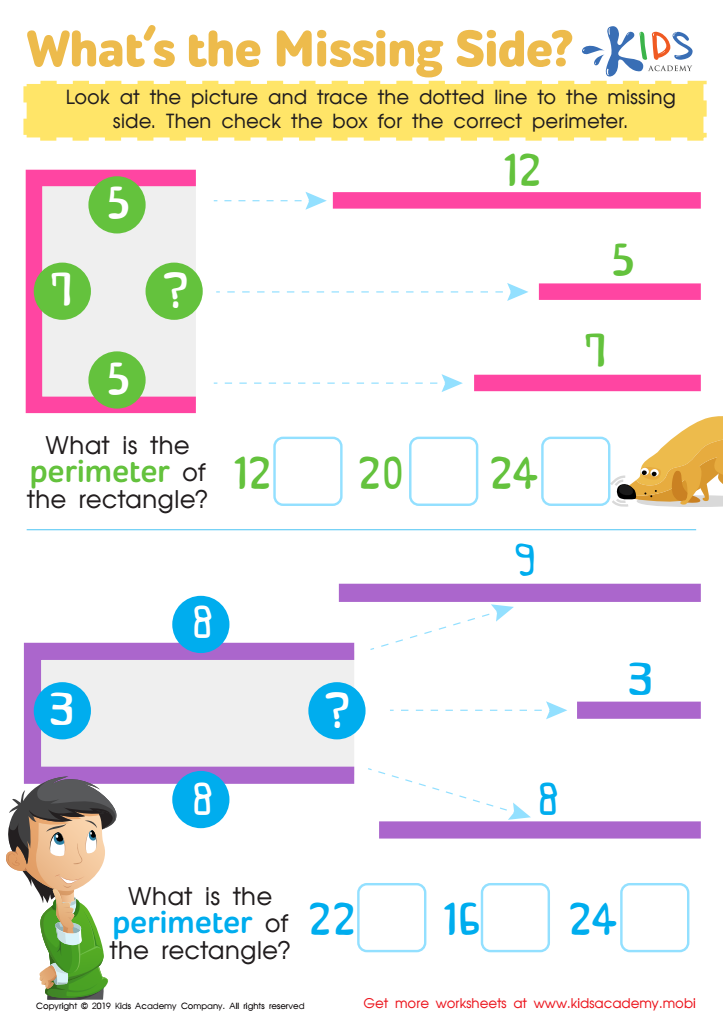
What's the Missing Side Worksheet
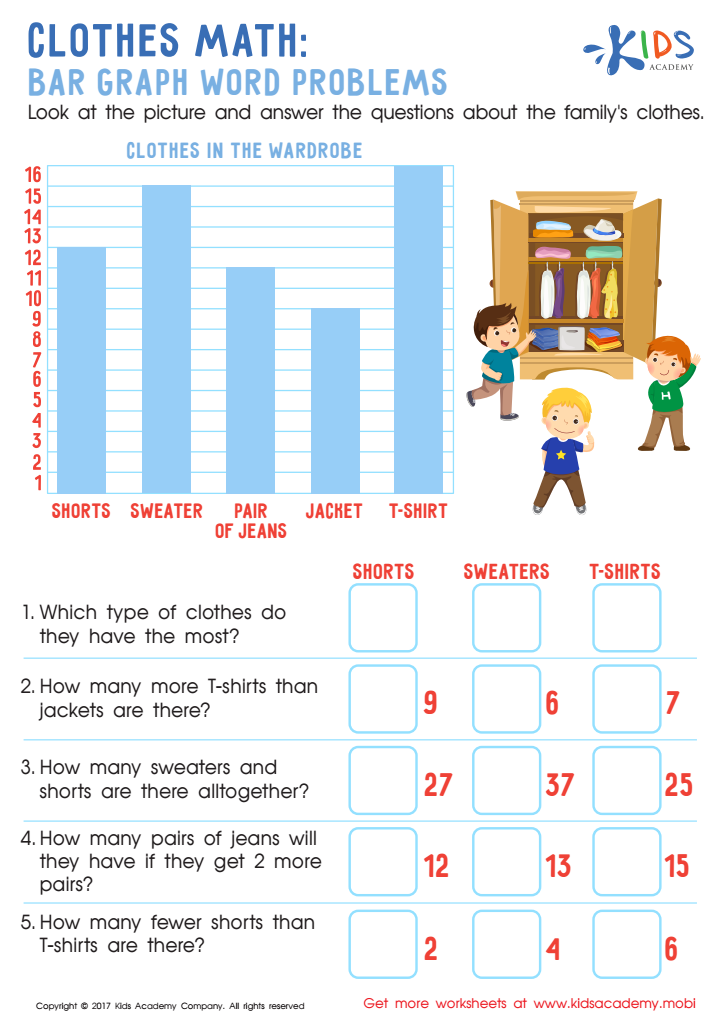
Clothes Math: Bar Graph Word Problems Worksheet
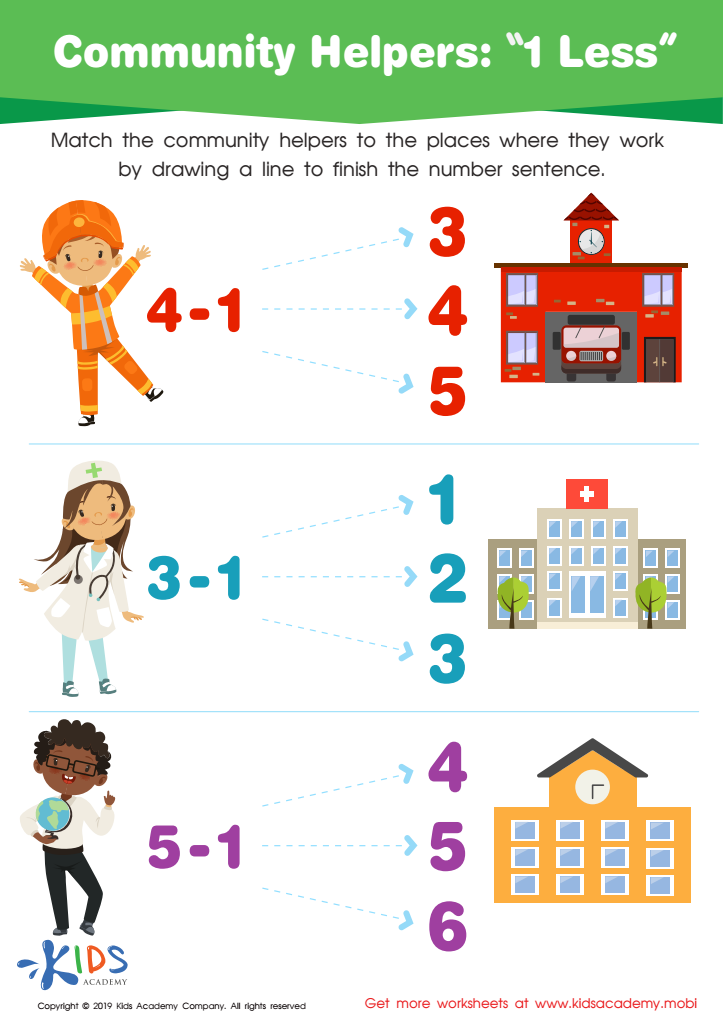
Community Helpers: 1 less Worksheet
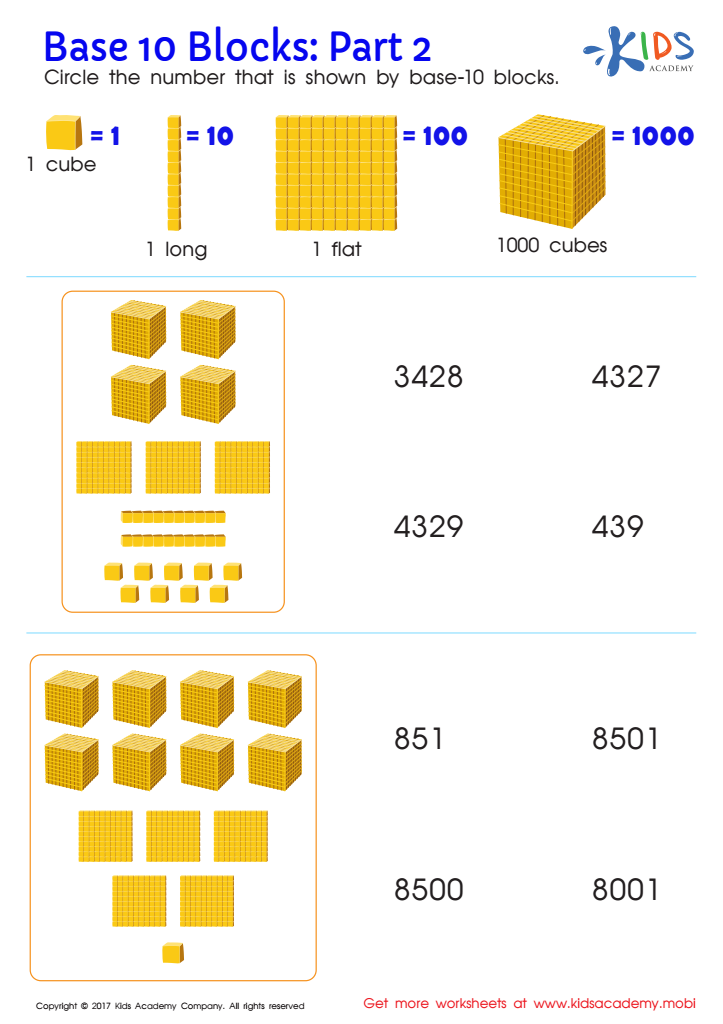
Place Value Worksheet: Thousands
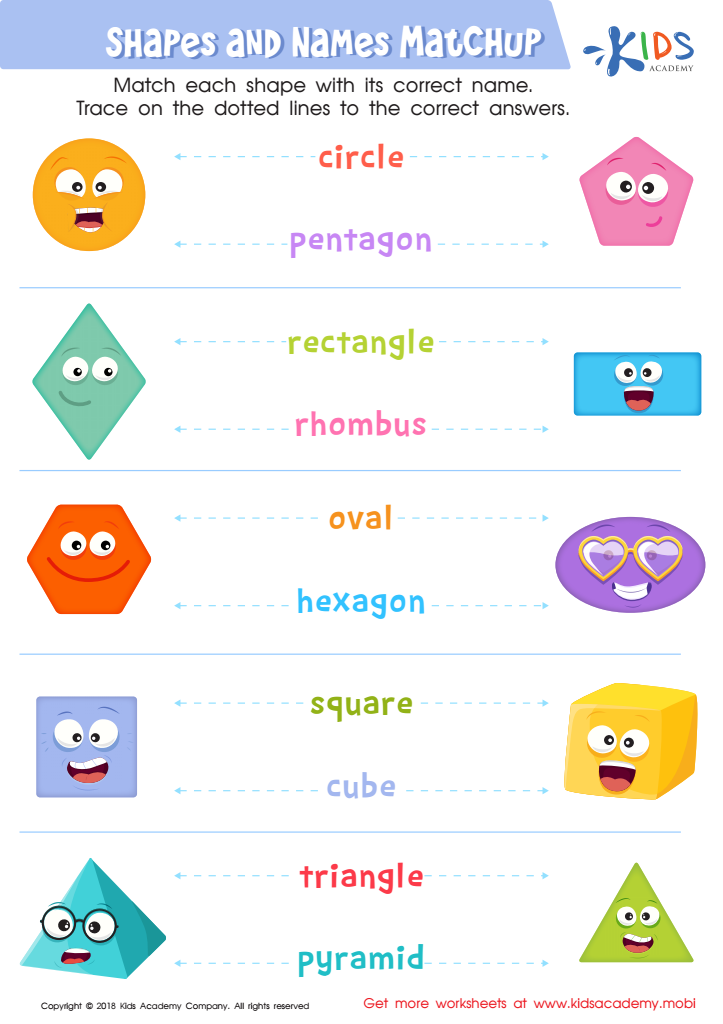
Shapes and Names Matchup Worksheet
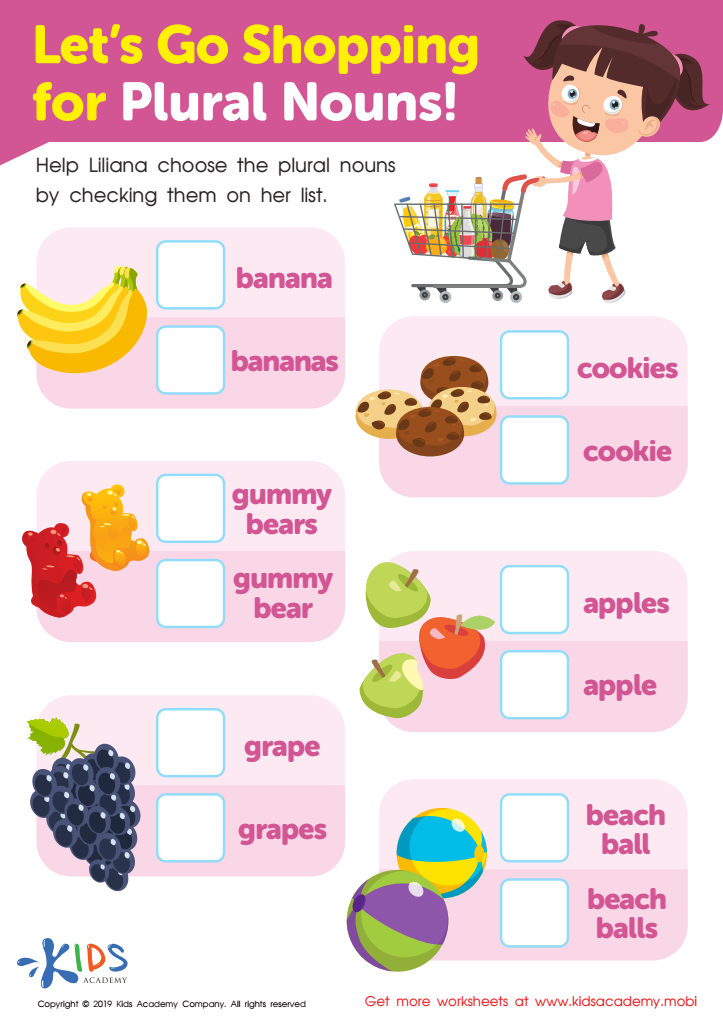
Let's Go Shopping for Plural Nouns! Worksheet








Developing math skills in children ages 3-8 is critical for their overall cognitive development and future academic success. Early math skills form the foundation for advanced concepts later in life, including algebra and geometry. During these formative years, children are naturally curious and eager to explore, making it an ideal time to introduce foundational math concepts through engaging activities.
Math is not limited to numbers; it encompasses problem-solving, reasoning, and critical thinking, which are essential for understanding the world around them. Engaging in math-related play and learning activities helps children develop these skills, fostering analytical thought processes and encouraging them to make connections between everyday experiences and mathematical concepts.
Additionally, early math proficiency is linked to better educational outcomes, laying the groundwork for lifelong learning. As children build confidence in their math abilities, they are more likely to approach challenges with a positive mindset, reducing math anxiety in later years. Furthermore, a strong math foundation enhances abilities in other subjects, including science and reading.
Parents and teachers play a pivotal role in nurturing these skills through positive reinforcement and integrated learning experiences. By prioritizing math development, adults can equip children with essential skills for future success, both academically and personally.








