Pattern identification Worksheets for Ages 3-8
10 filtered results
-
From - To
Unleash your child’s potential with our Pattern Identification Worksheets designed for ages 3-8! These expertly crafted worksheets from Kids Academy make learning fun and engaging, helping young learners recognize and predict patterns with ease. Our printable materials cover a range of activities that sharpen critical thinking, visual observation, and fine motor skills. With colorful illustrations and age-appropriate challenges, children develop logical reasoning in an enjoyable way. Perfect for both classroom and at-home learning, these worksheets support foundational skills essential for early math success. Spark curiosity and boost your child’s confidence in learning patterns today!
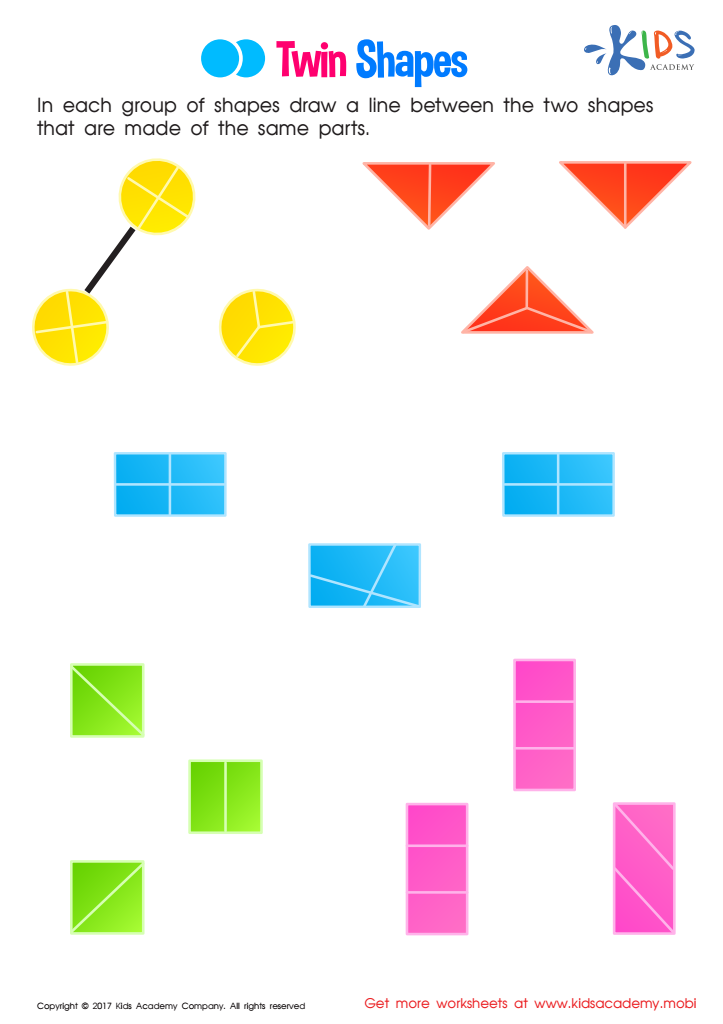
Twin Shapes Worksheet
 Assign to My Students
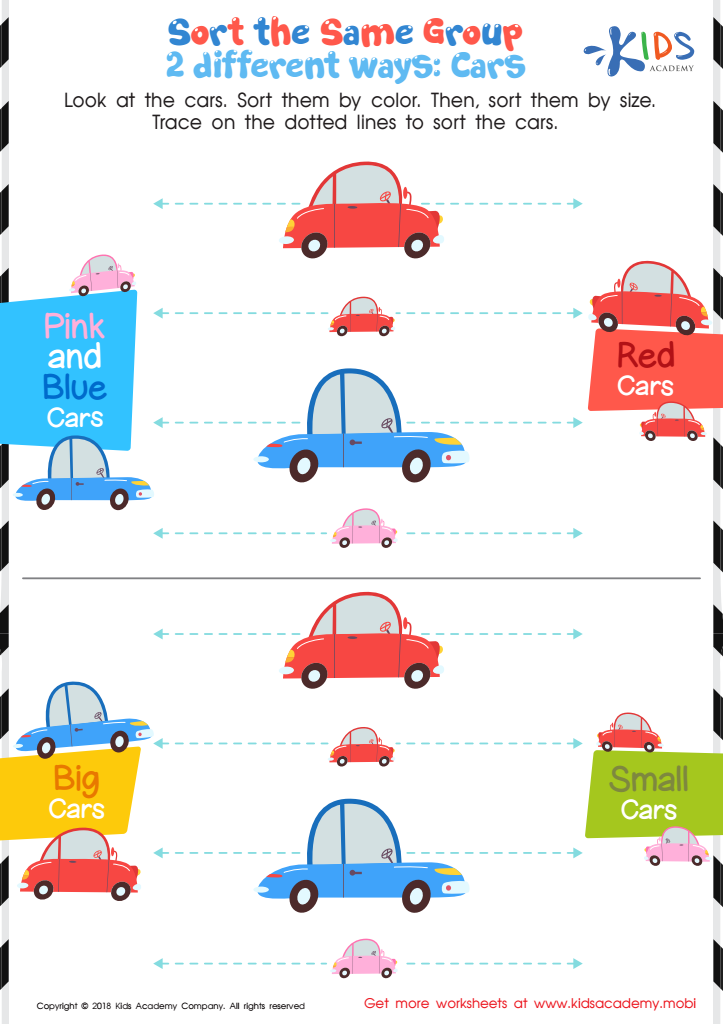
Sort the Same Group 2 Different Ways: Cars Worksheet
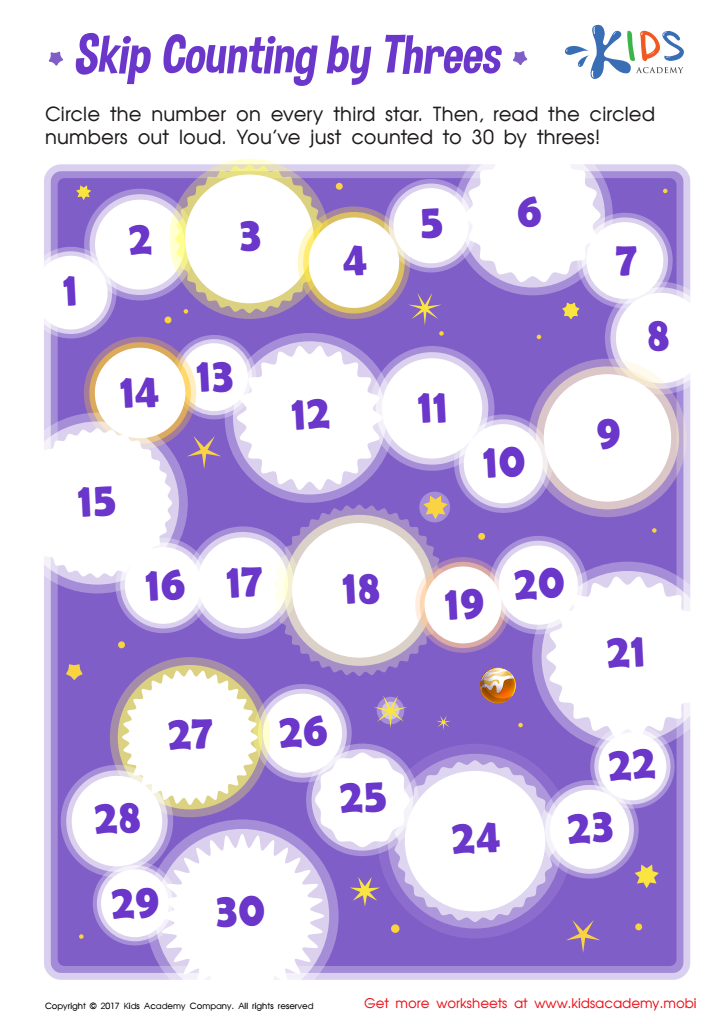
Skip Counting By Three Printable
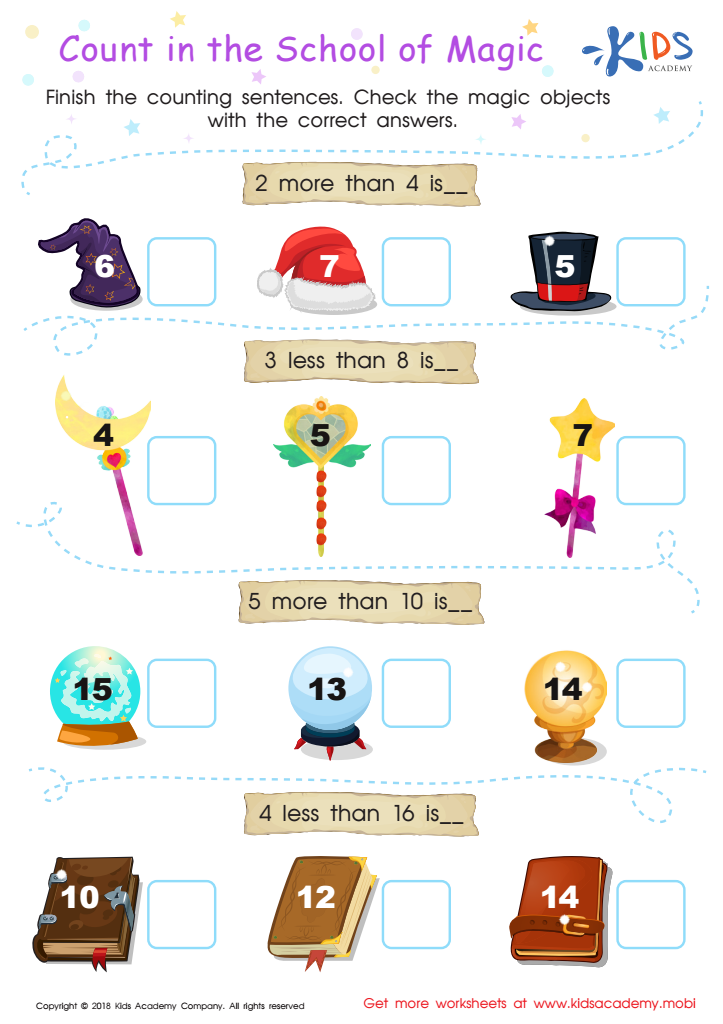
Count in the School of Magic Worksheet
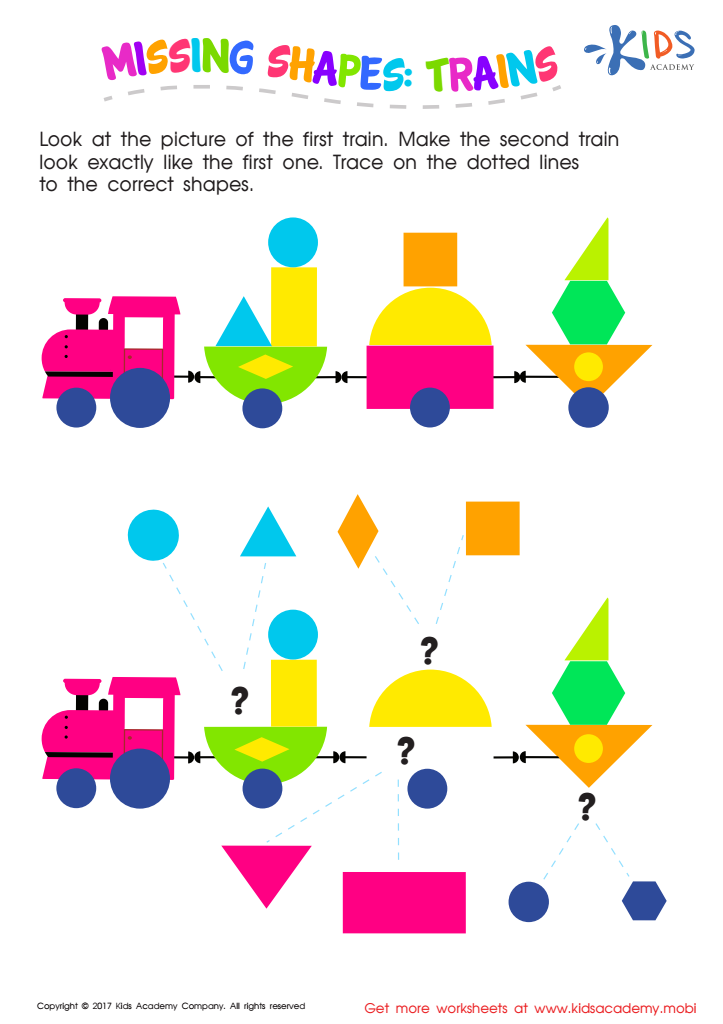
Missing Shapes: Trains Worksheet
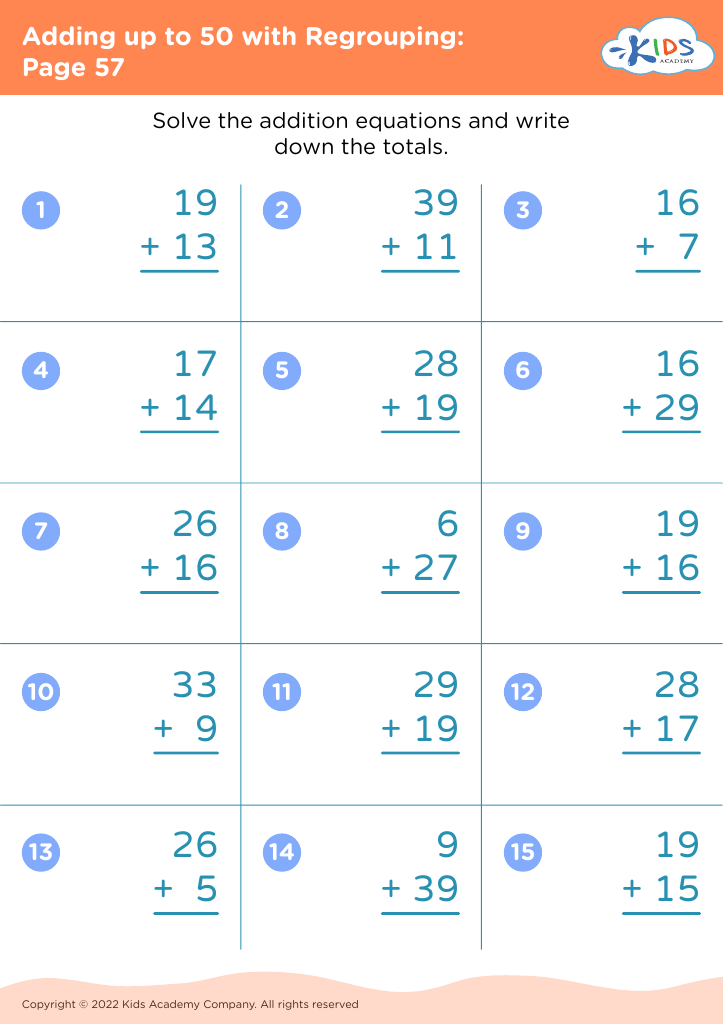
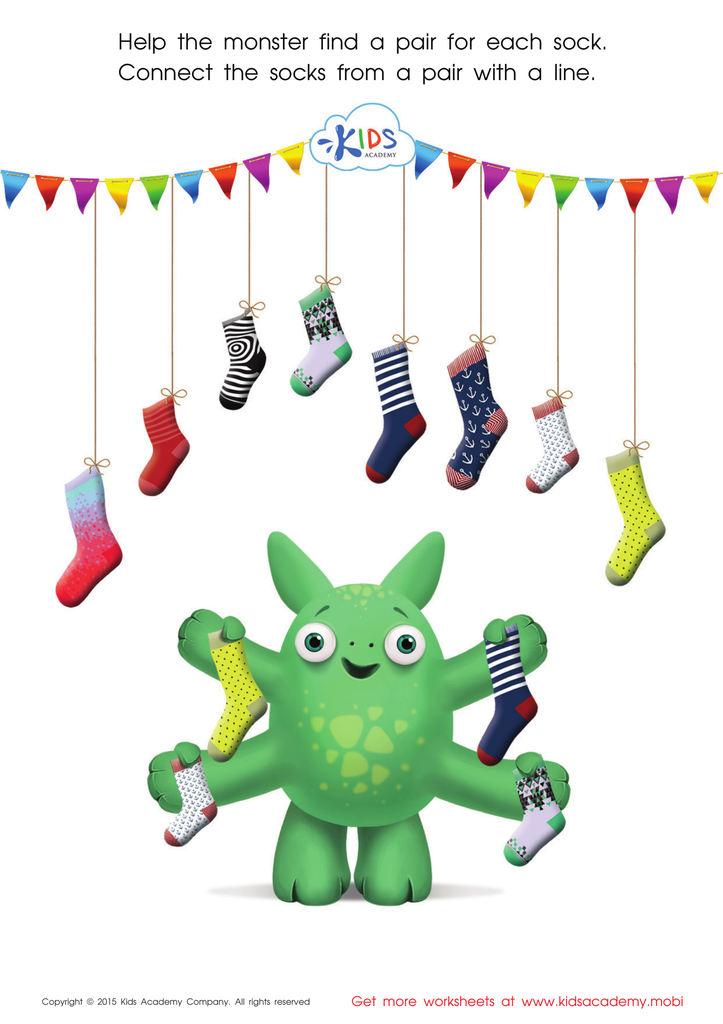
Math Matching Pairs Game: Monsterв's Socks Worksheet
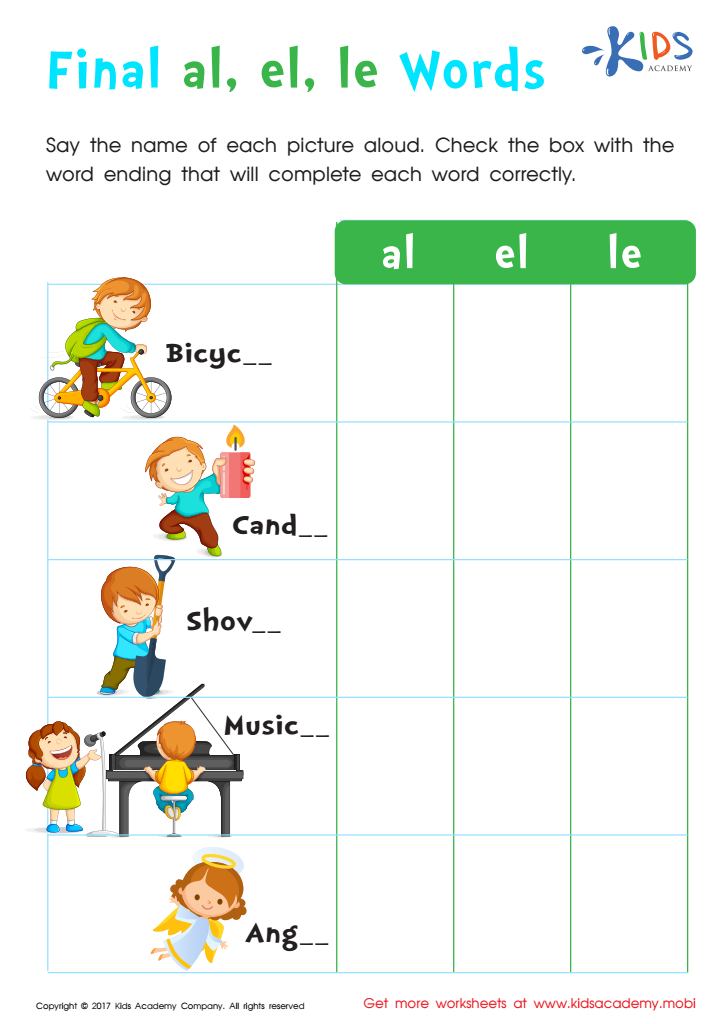
Spelling Words Ending with –le, –el and –al Worksheet
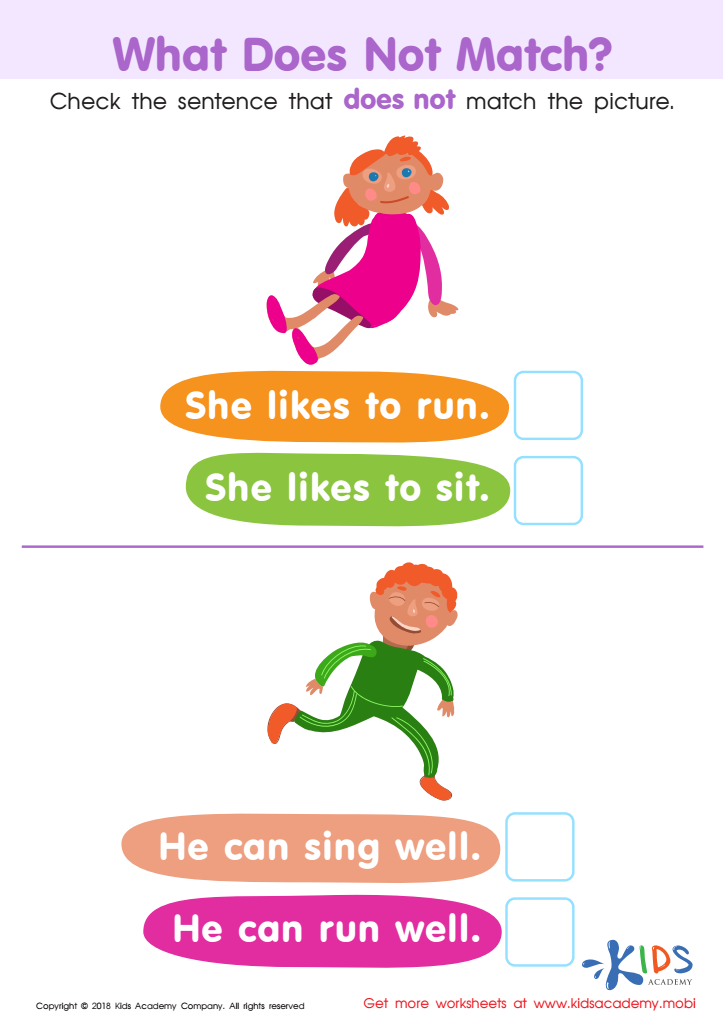
What Does Not Match? Worksheet







Pattern identification is a foundational skill that profoundly shapes a child's cognitive development, making it a responsibility for parents and teachers to foster it in children aged 3-8. Patterns help children understand and predict sequences in their environment, which is crucial for problem-solving and logical thinking. When children recognize patterns, they enhance their ability to order and make sense of data, crucial skills in mathematics, particularly in arithmetic and algebra as they progress in school.
Moreover, pattern recognition aids in language development. Understanding patterns in sounds, syllables, and sentence structures helps children grasp the rules of grammar and improves their reading and writing skills. For instance, recognizing word patterns can make learning to spell easier and more intuitive.
Patterns also foster early scientific thinking by helping children identify predictable sequences in natural phenomena, enabling them to form hypotheses and draw conclusions based on observations. Socially, noticing patterns in behaviors, routines, and interactions can improve a child's understanding of social dynamics and enhance their adaptability within various social settings.
Overall, developing pattern identification equips children with critical thinking skills and the ability to approach complex tasks with confidence, foundational to their lifelong learning journey. Therefore, both parents and teachers play crucial roles in supporting this developmental milestone through engaging and thoughtful activities.








