Phonics understanding Worksheets for Ages 3-8
8 filtered results
-
From - To
Unlock the power of reading with our Phonics Understanding Worksheets for ages 3-8. These expertly designed worksheets from Kids Academy help children grasp the essential building blocks of phonics. Perfect for early learners, our engaging activities make learning fun, interactive, and effective. Each worksheet covers key phonemic concepts like sound recognition, blending, and letter combinations. Pioneering early literacy success, our phonics materials support individual learning paces and styles. Foster a lifelong love of reading in your child with these invaluable resources, beautifully illustrated to capture young imaginations and promote educational growth. Explore our collection to ignite your child’s phonics journey today!
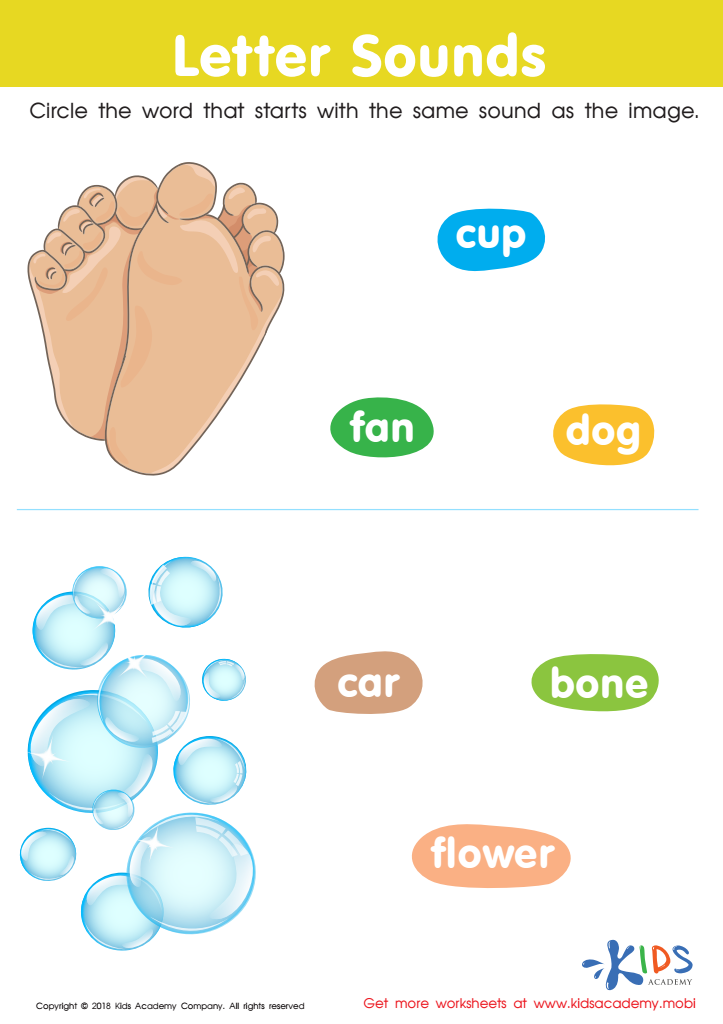
letter sounds Worksheet
 Assign to My Students
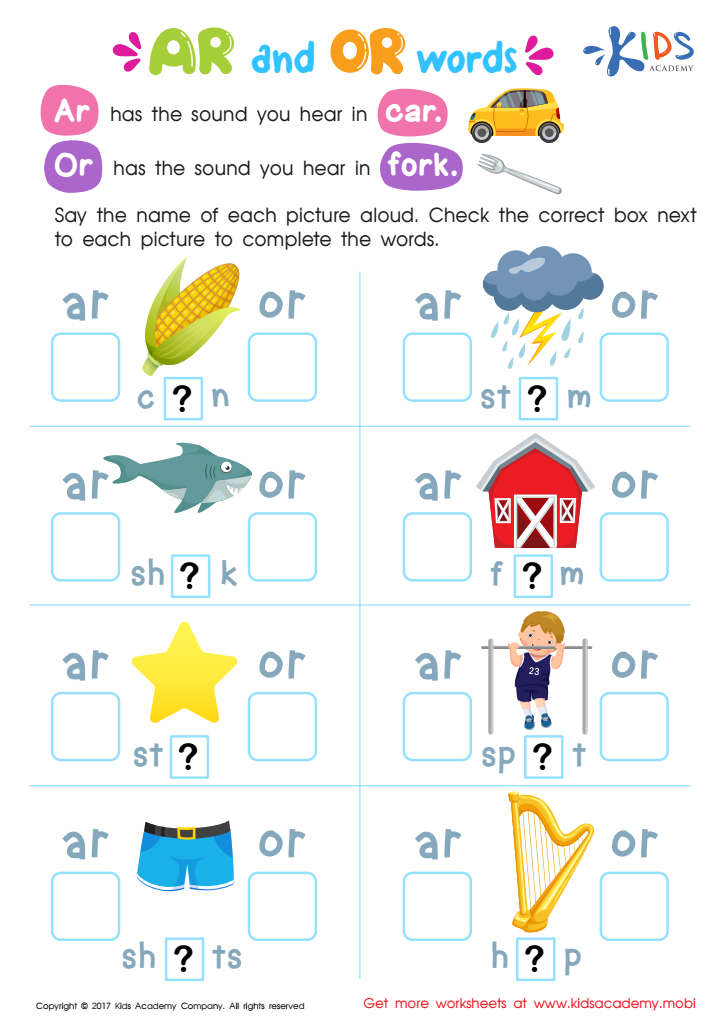
Ar and Or Words Phonics Worksheet
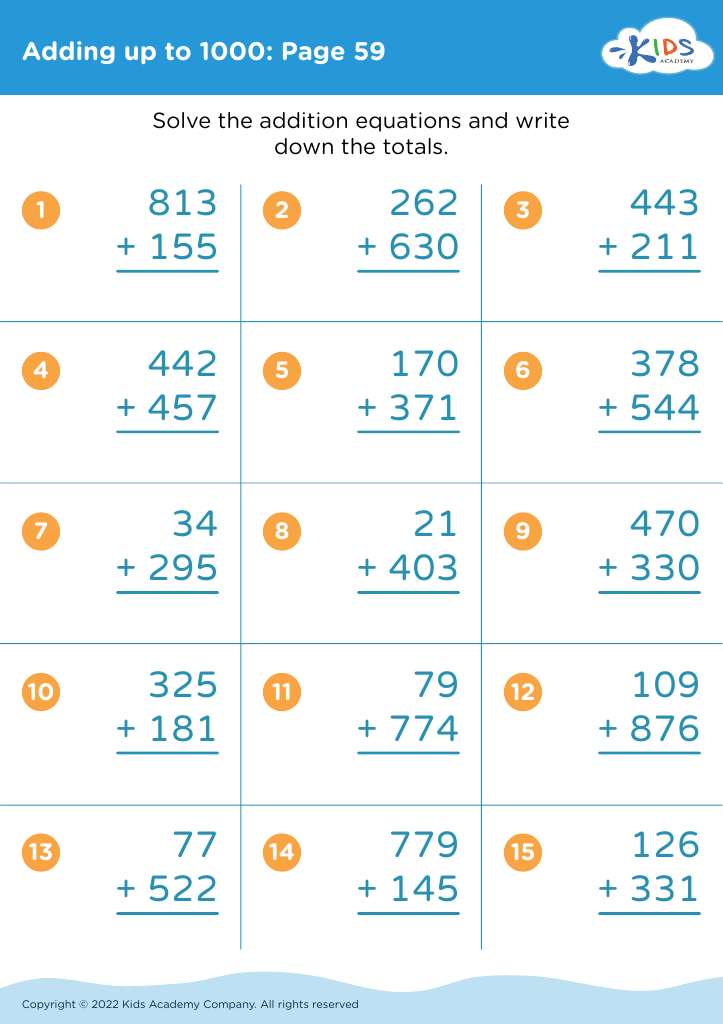
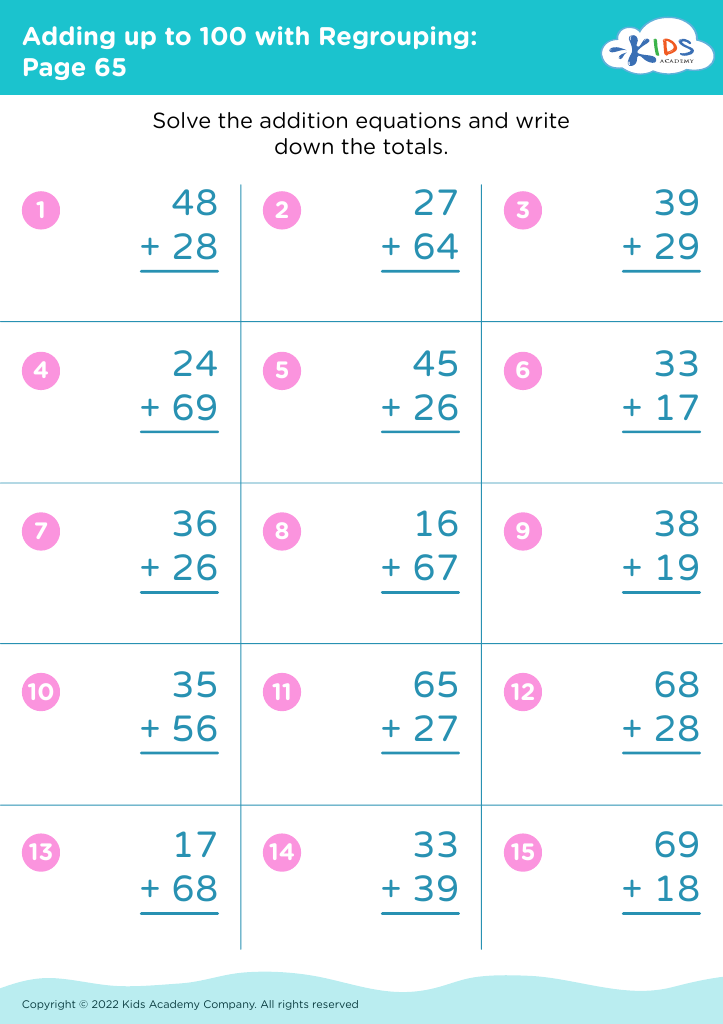
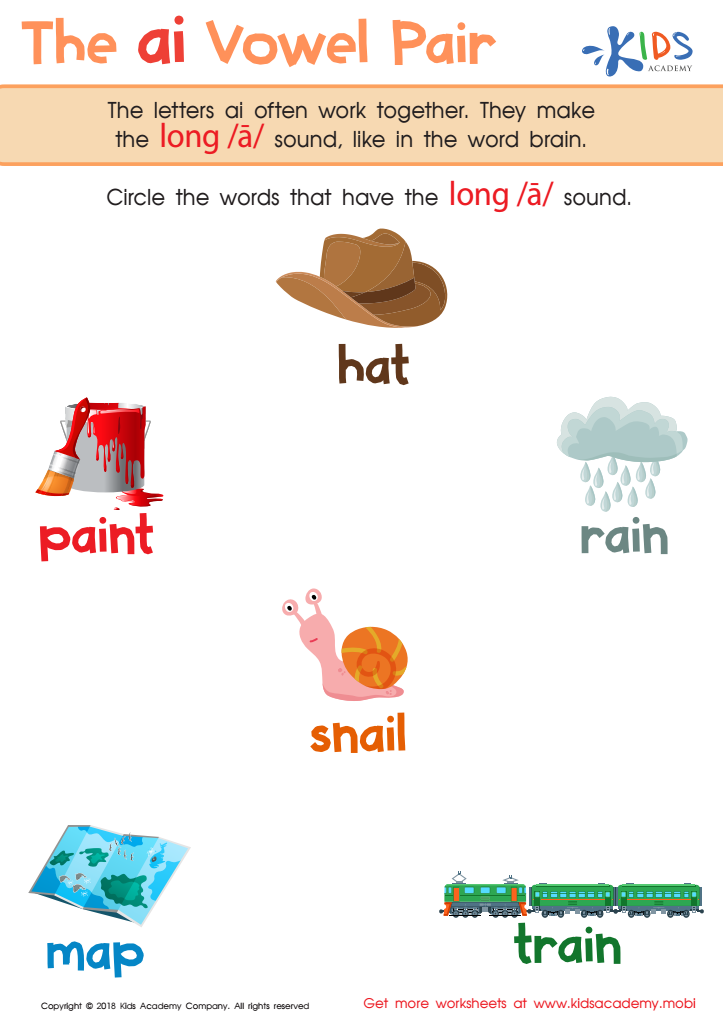
The AI Vowel Pair Worksheet
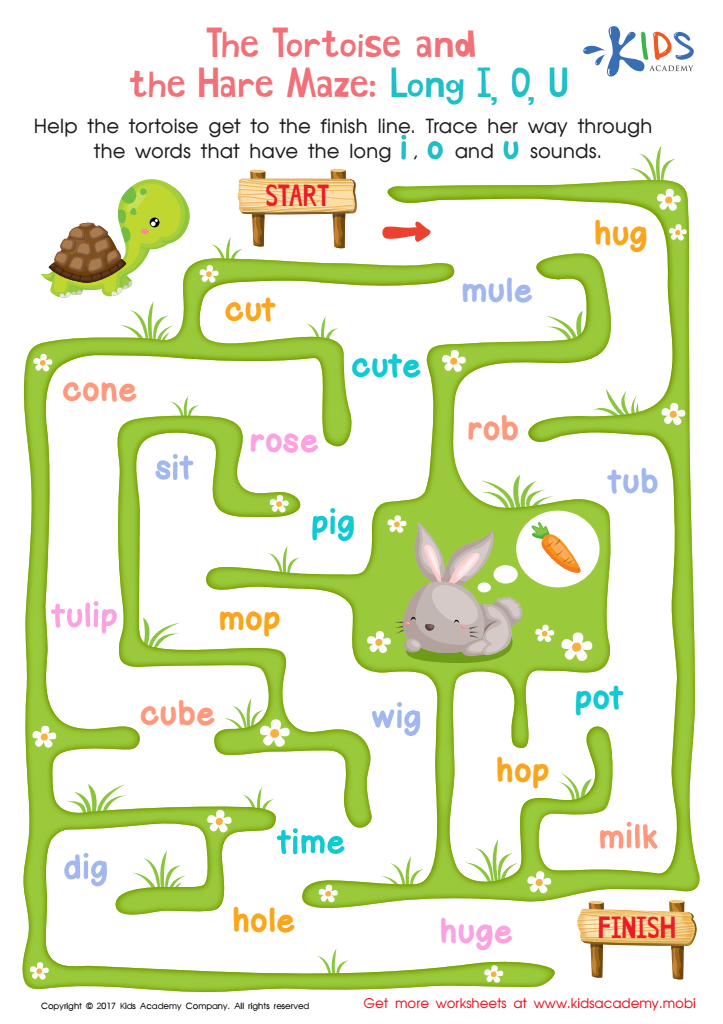
Long I, O, U Words Worksheet
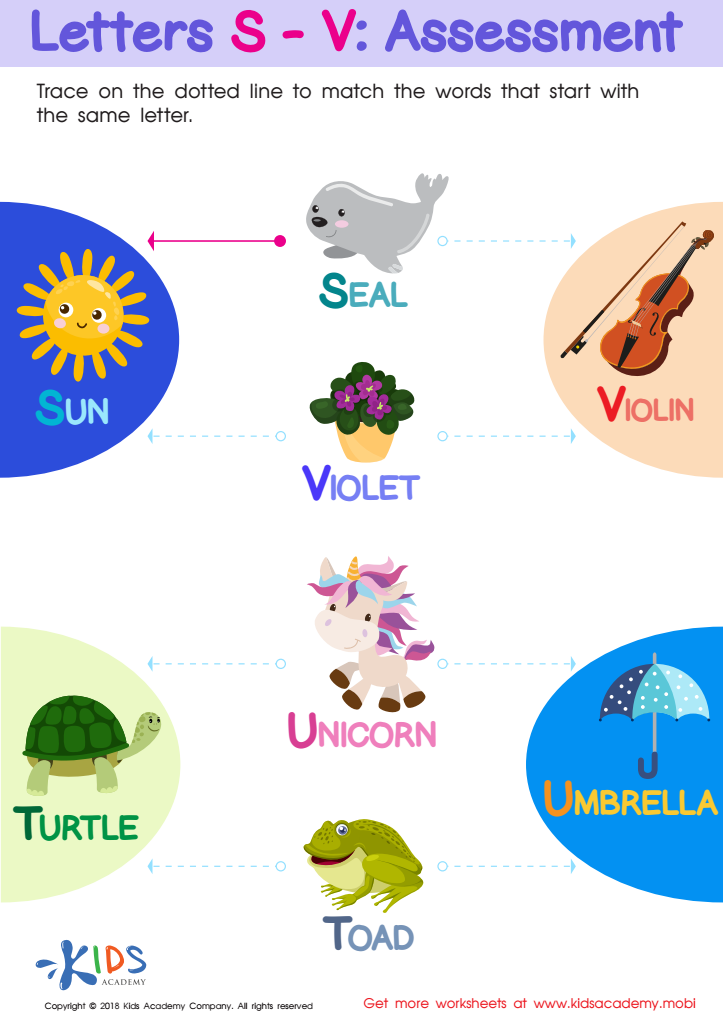
Letters S - V Tracing Worksheet
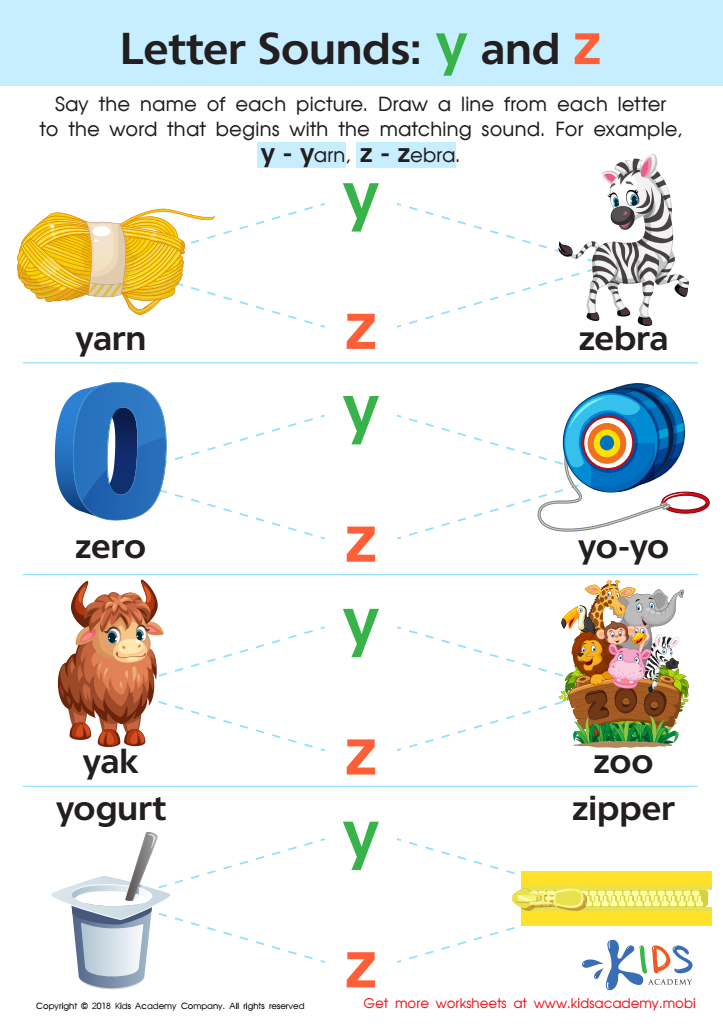
Letter Y and Z Sounds Worksheet




.jpg)



Phonics understanding is crucial for children aged 3-8 as it lays the foundation for reading and literacy skills. At this development stage, children's brains are highly receptive to language acquisition. Phonics teaches them the relationship between sounds and letters, enabling them to decode words independently. This empowers children to read unfamiliar words by sounding them out, which builds their confidence and fosters a love for reading.
For parents and teachers, emphasizing phonics equips children with essential tools for academic success. Reading proficiency not only influences language arts but also enhances learning across other subjects, such as mathematics, science, and social studies. Struggles in reading can lead to frustration and a lack of interest in school, so early phonics instruction can prevent these issues.
Moreover, phonics-based learning supports cognitive development, enhancing memory, attention, and comprehension skills. It also contributes to better handwriting, spelling, and speaking abilities. Without a solid grasp of phonics, children may develop gaps in their reading foundation, making advanced literacy tasks challenging later on.
By prioritizing phonics understanding, parents and teachers invest in the child's educational trajectory and overall development, setting them up for lifelong learning and success. It’s a proactive step in nurturing capable, curious, and confident readers.








