
Practice division Worksheets for Ages 3-8
4 filtered results
Difficulty Level
Grade
Age
-
From - To
Subject
Activity
Standards
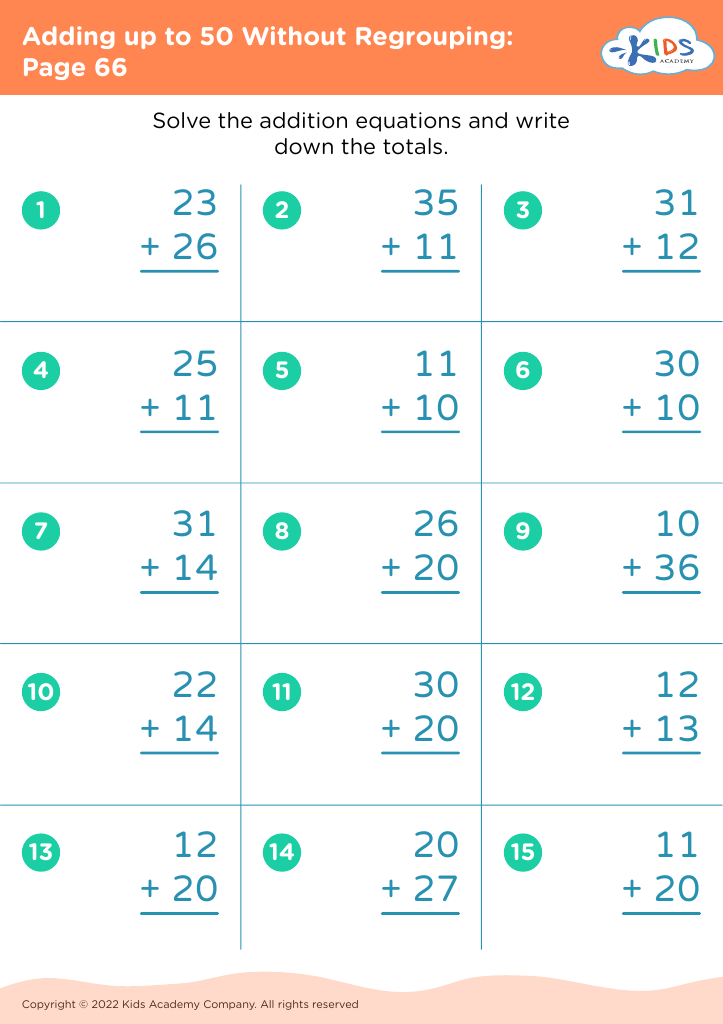
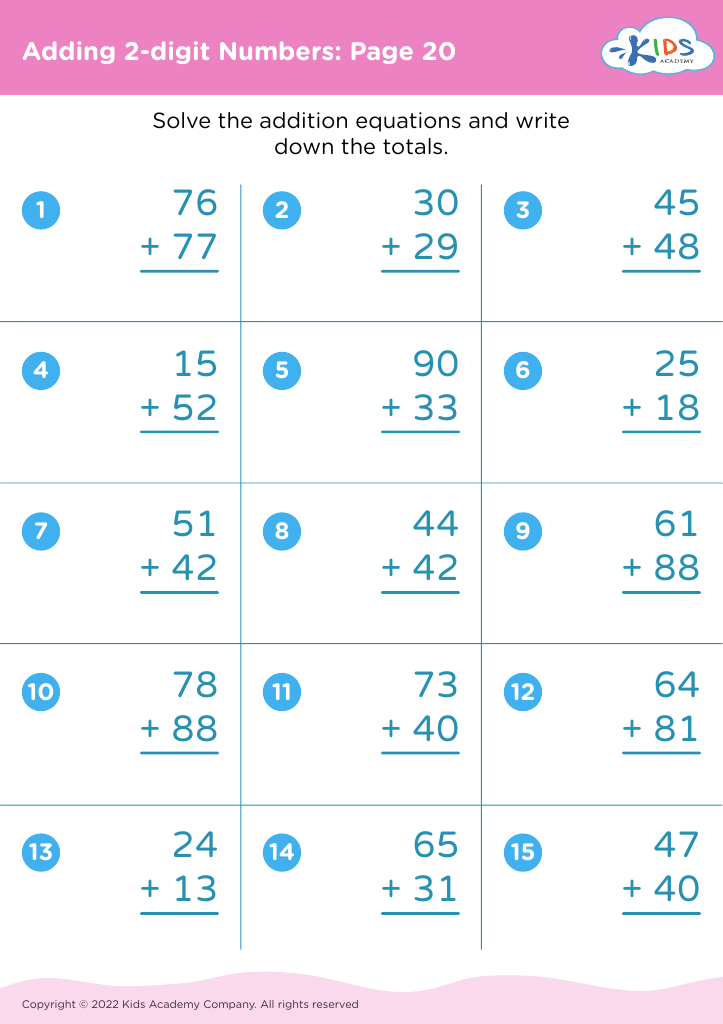
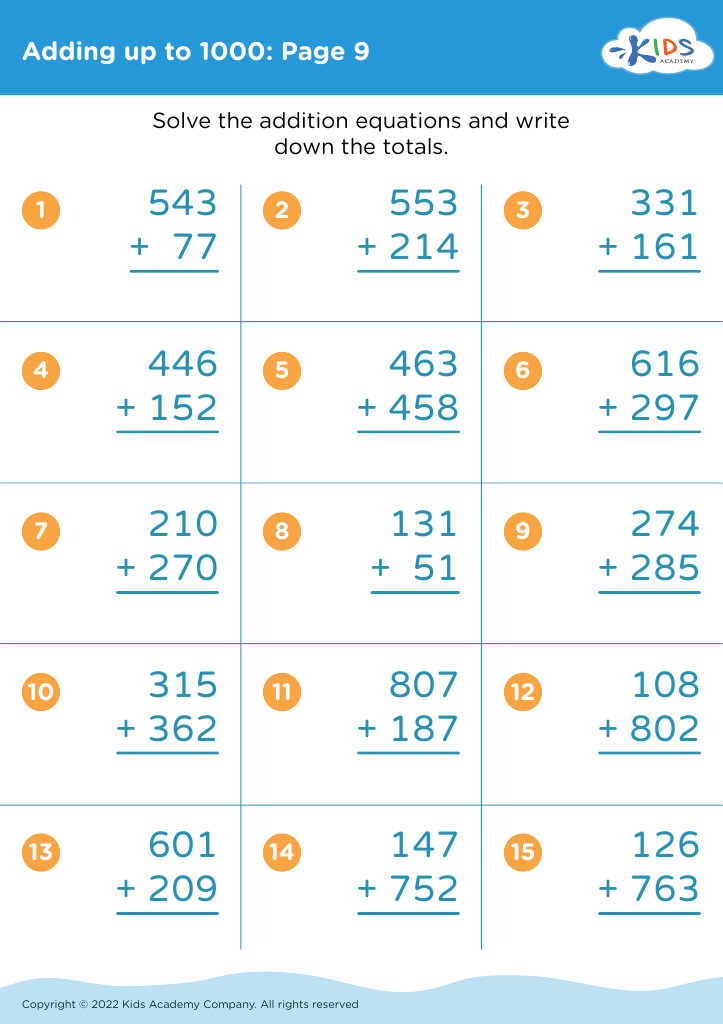
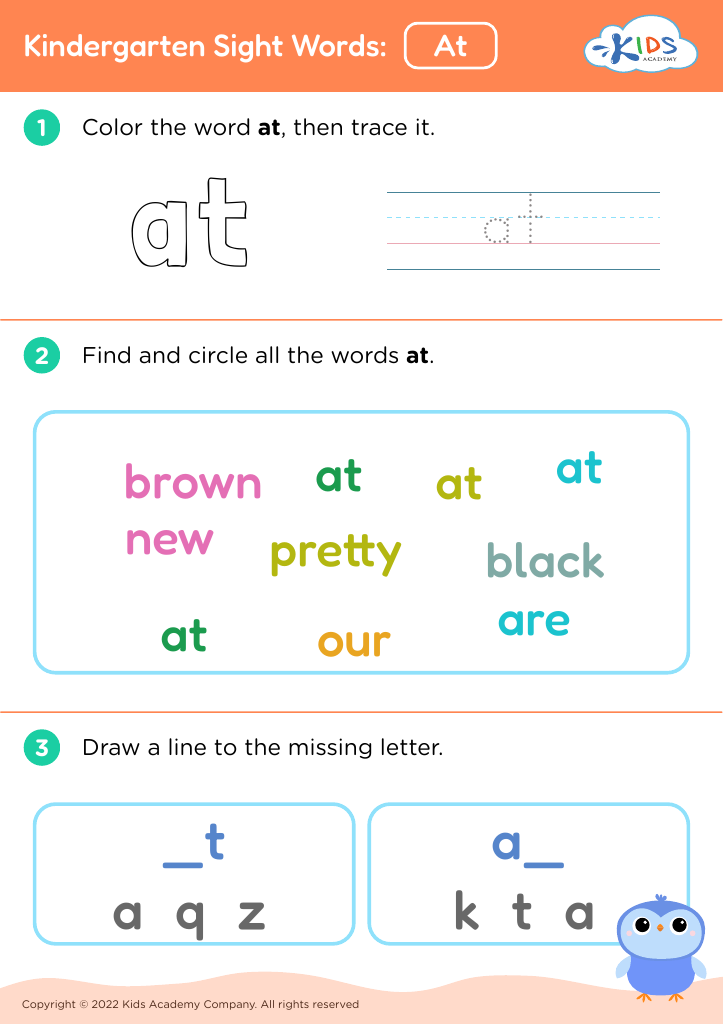
Introduce young learners to the basics of division with our engaging "Practice Division Worksheets for Ages 3-8". Designed to build foundational math skills in preschool and early elementary students, these printable worksheets make division fun and accessible. Through colorful illustrations and simple, interactive problems, children will enhance their understanding of dividing groups and sharing equally. Perfect for classroom or home use, these division practice sheets help to develop critical thinking, problem-solving abilities, and confidence in math. Start your child’s journey to math mastery today with age-appropriate, expertly crafted division practice activities.
Favorites
With answer key
Interactive
Join Kids Academy for Free
Who is primarily going to use this learning content?







Parents and teachers should care about introducing and practicing division with children ages 3-8 because foundational math skills set the groundwork for future academic success. Early introduction to division concepts, such as sharing and grouping, helps young children develop critical thinking and problem-solving skills. Division is fundamentally relational; it teaches kids how parts combine to form wholes and vice versa, important concepts that apply not only in math but in real-life scenarios as well.
Moreover, engaging children in division activities prepares them for more complex mathematical concepts they will encounter later in their education. Building confidence and proficiency with division and other arithmetic operations at an early stage fosters a positive attitude towards math. This early confidence is crucial, as negative experiences or struggles in math can lead to long-lasting anxiety and aversion to the subject.
Incorporating division into interactive and playful learning helps keep young minds engaged. It makes the learning experience enjoyable and memorable, which can enhance retention and comprehension. In summary, practicing division with young children equips them with essential skills, nurtures a mathematical mindset, and lays a solid foundation for their continued learning journey.








