Predicting outcomes Worksheets for Ages 3-8
3 filtered results
-
From - To
Enhance your child's critical thinking skills with our Predicting Outcomes Worksheets for Ages 3-8. Designed by expert educators, these engaging, age-appropriate sheets help children develop the ability to foresee the conclusion of a story or event based on provided details, fostering early reasoning and comprehension skills. Through fun activities and colorful illustrations tailored for young learners, kids will enjoy predicting outcomes while enhancing their analytical thinking. Utilize these worksheets to build a foundation in making educated guesses, promoting better decision-making abilities as they grow. Ideal for use in both classroom settings and at home, empowering your child’s learning journey today!
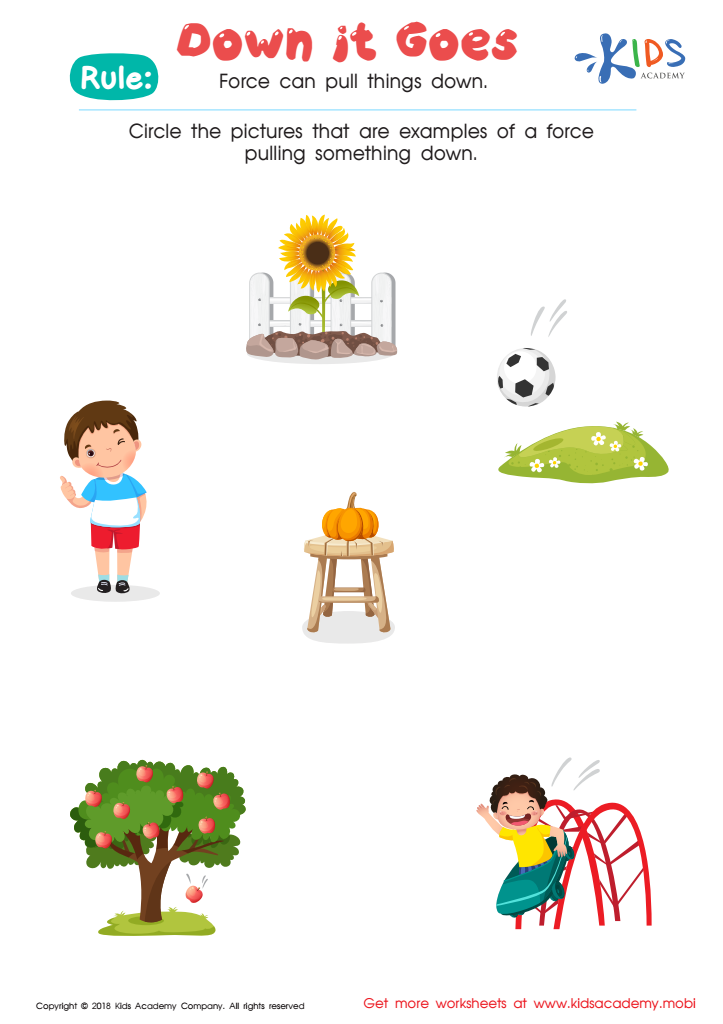
Down it Goes Worksheet
 Assign to My Students
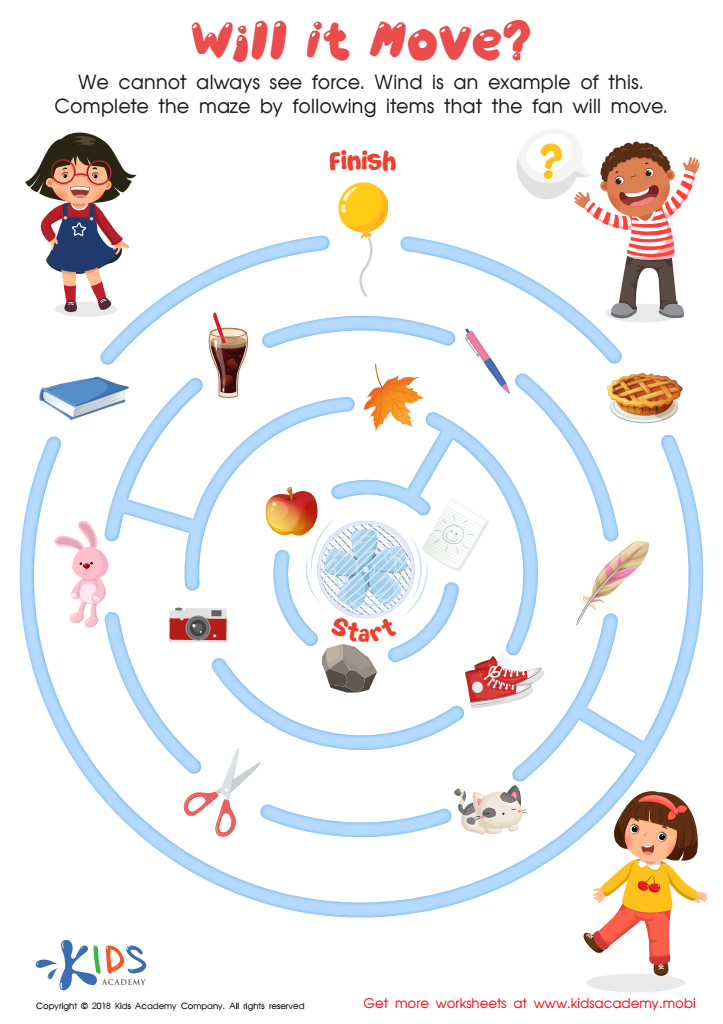
Will it Move? Worksheet
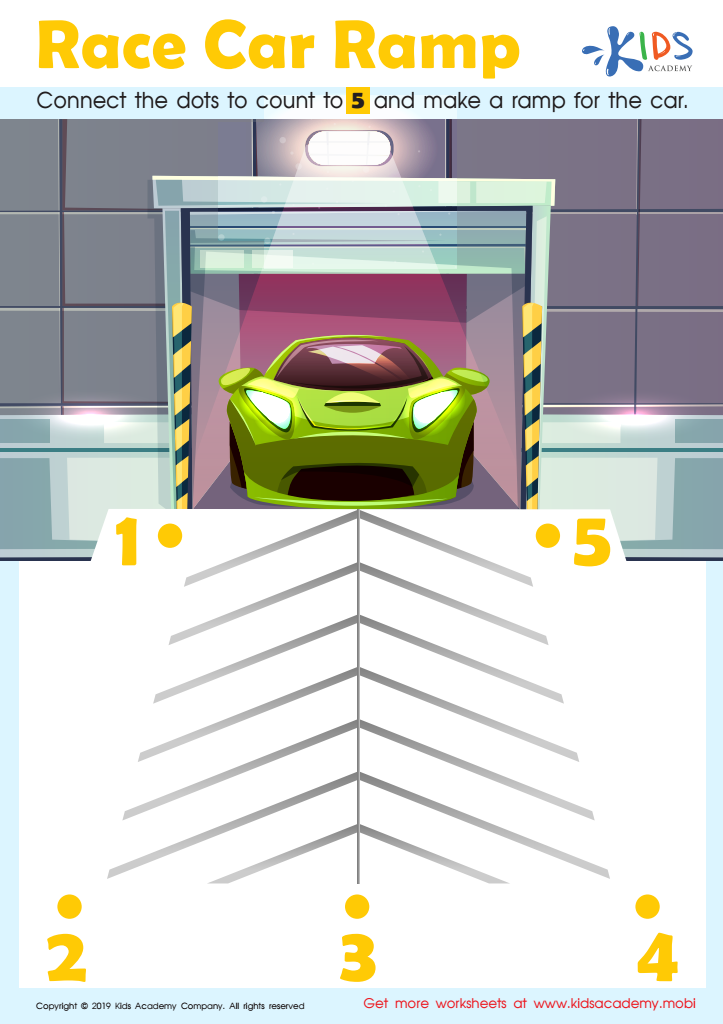
Race Car Ramp Worksheet







Predicting outcomes for children ages 3-8 is crucial as it helps parents and teachers support their developmental trajectories, enabling optimal early childhood education and care. During these formative years, children experience rapid cognitive, emotional, and social growth, laying the foundation for their future learning and well-being.
Understanding potential outcomes allows adults to tailor educational approaches to meet individual needs. For example, if a child shows signs of lagging in language development, early intervention can significantly improve their communication skills, boosting confidence and academic success later on. Predictive insights also highlight hidden talents or strong suits, helping maximize each child's potential through specialized and enriching activities. Emotional and social cues gleaned from predictions can guide efforts to build positive peer relationships and foster emotional resilience, crucial for lifelong mental health.
Teachers can use predictive data to design inclusive, dynamic classrooms, where each child feels understood and supported. Similarly, parents can adopt targeted practices at home, promoting consistent, developmentally appropriate learning environments. Consequently, early prediction and intervention ensure children build a robust educational foundation, fostering a lifelong love of learning, curiosity, and balanced emotional growth, while reducing the need for later remedial education. By investing attention in early predictors, we pave the way for healthier, more successful future generations.








