Reading analog clocks Worksheets for Ages 3-8
9 filtered results
-
From - To
Discover our engaging Reading Analog Clocks Worksheets designed specifically for children aged 3-8! Our resources make learning to read analog clocks fun and interactive, helping young learners master time-telling skills with ease. Featuring vibrant illustrations and age-appropriate exercises, these worksheets provide a hands-on approach to understanding hours and minutes. From recognizing clock symbols to telling time at various intervals, each activity nurtures critical thinking and fine motor skills. Perfect for home or classroom use, our worksheets are a valuable educational tool that builds confidence in young learners. Start your child’s journey towards time mastery today!
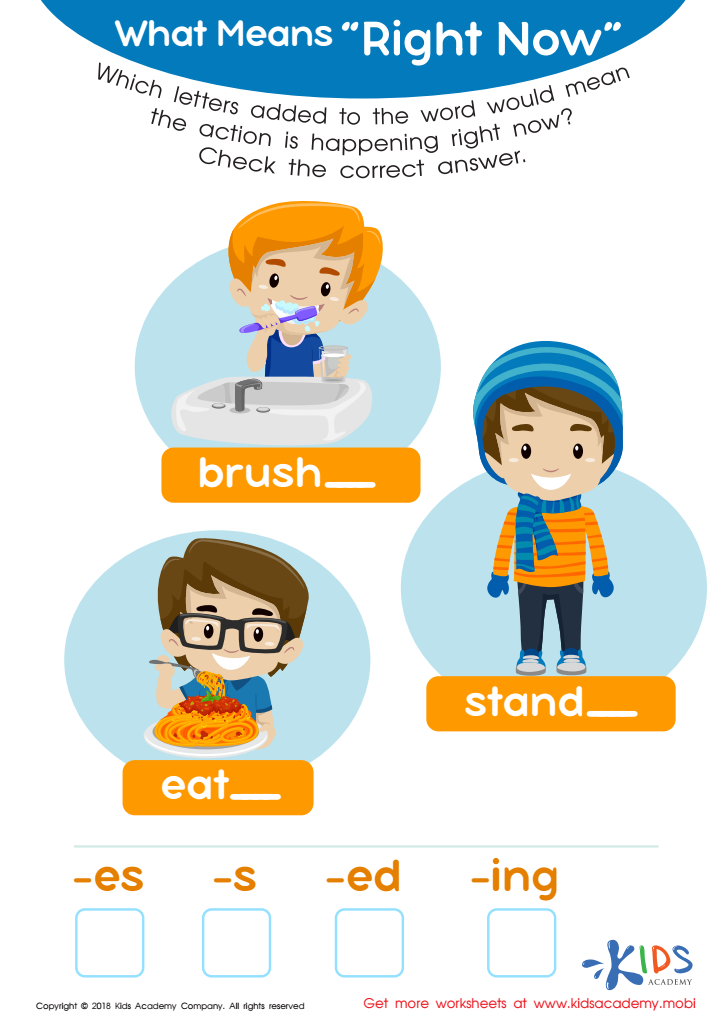
What Means "Right Now" Worksheet
 Assign to My Students
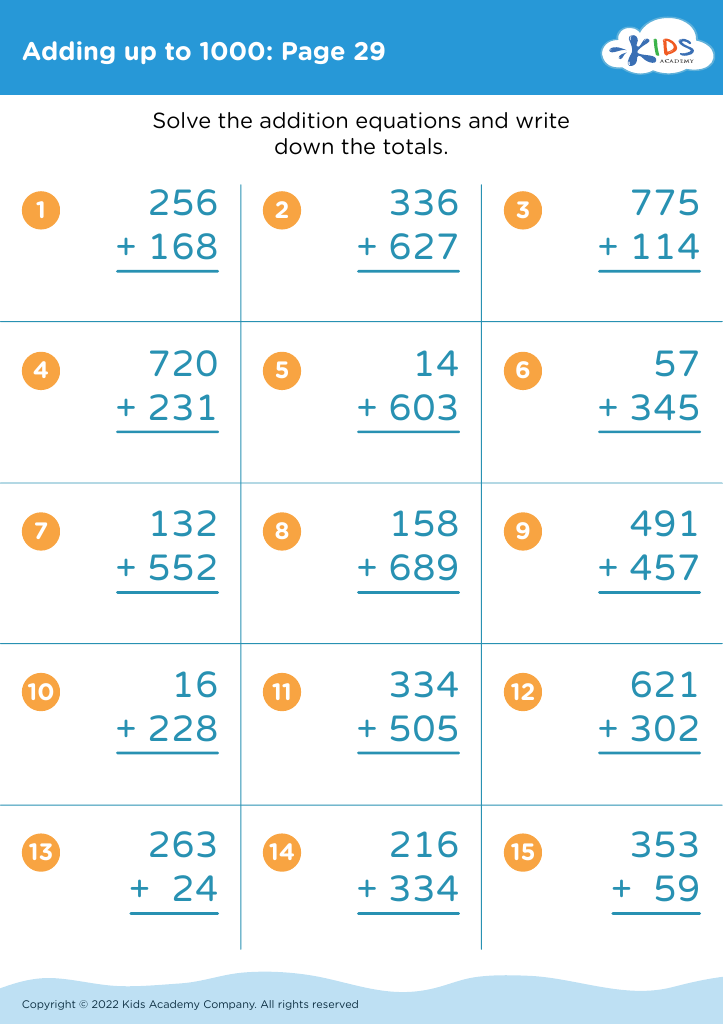
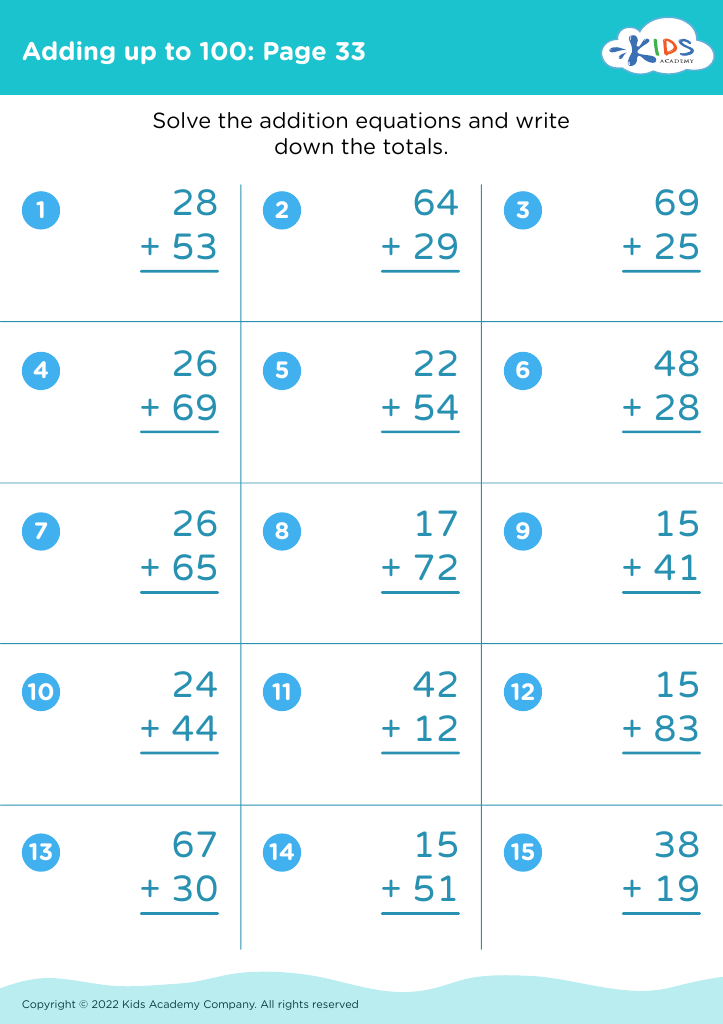
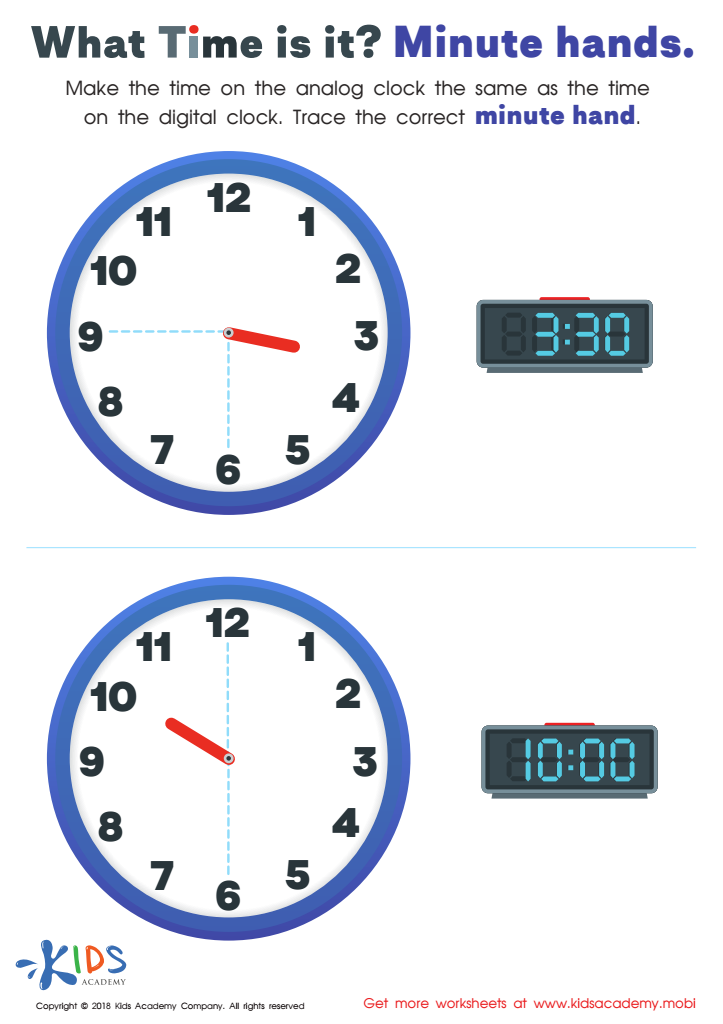
What Time Is it? Minute Hands Worksheet
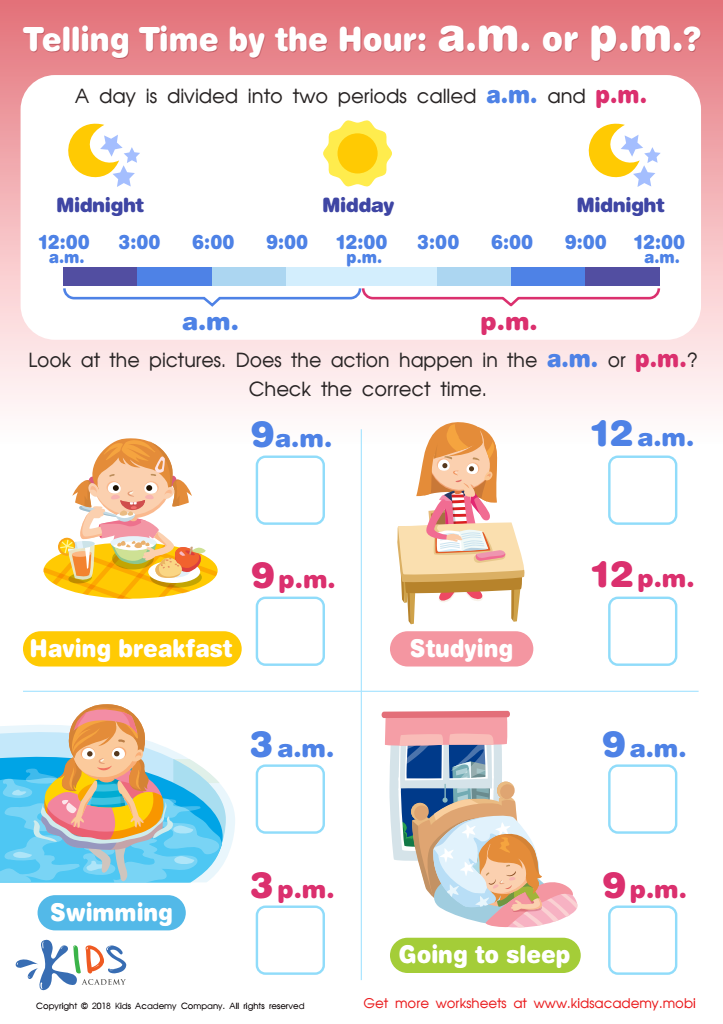
Tilling Time by the Hour: a.m. or p.m.? Worksheet
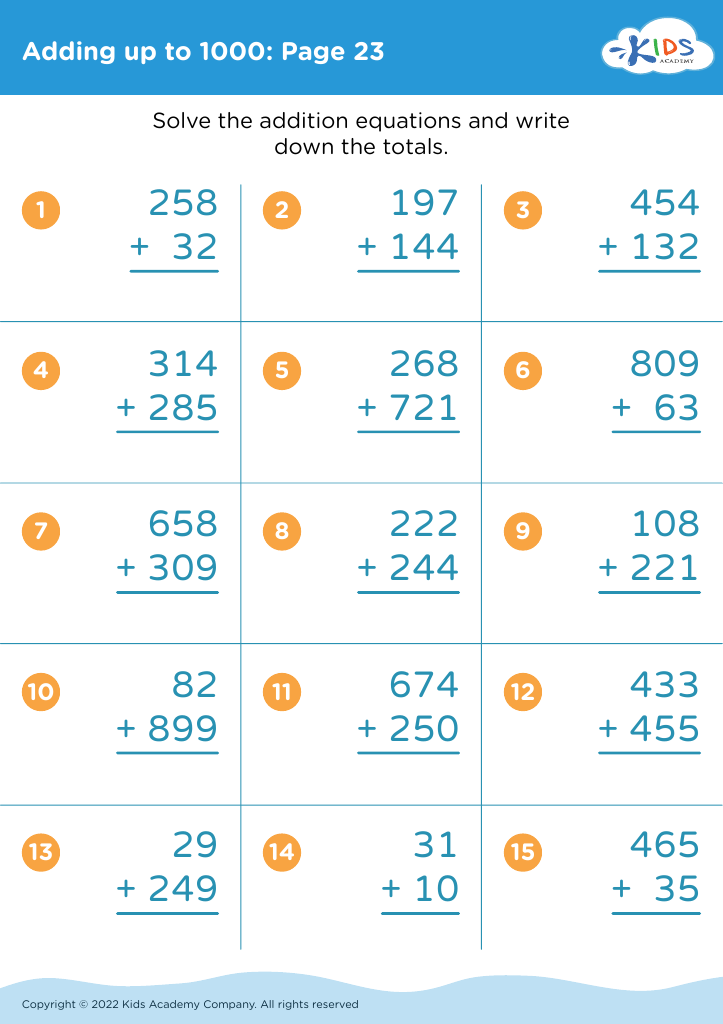
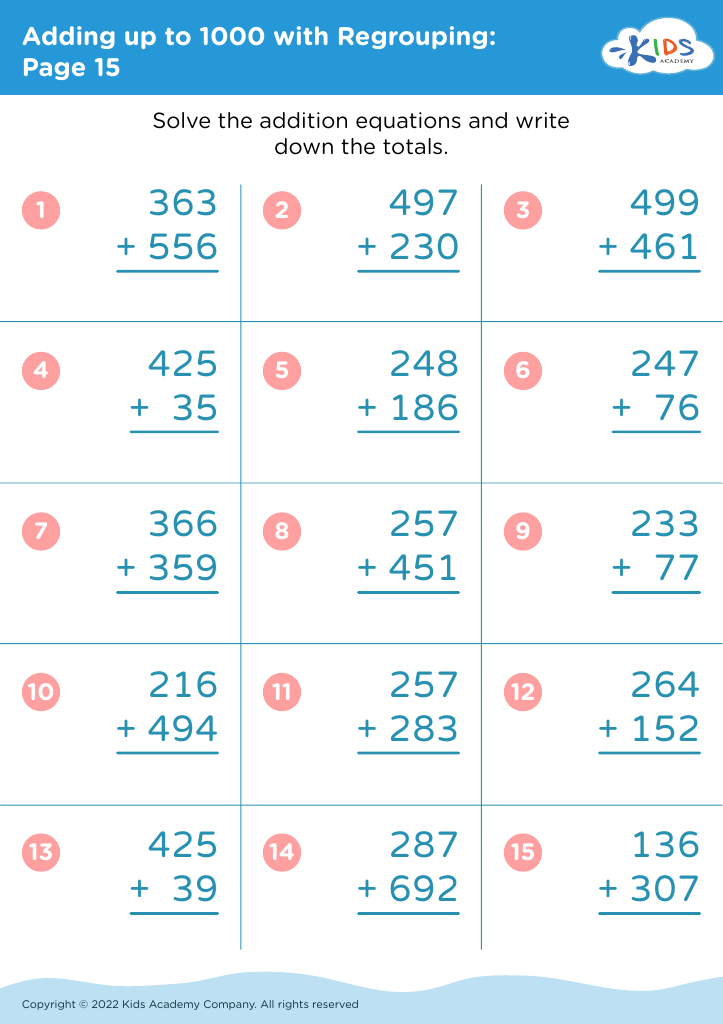
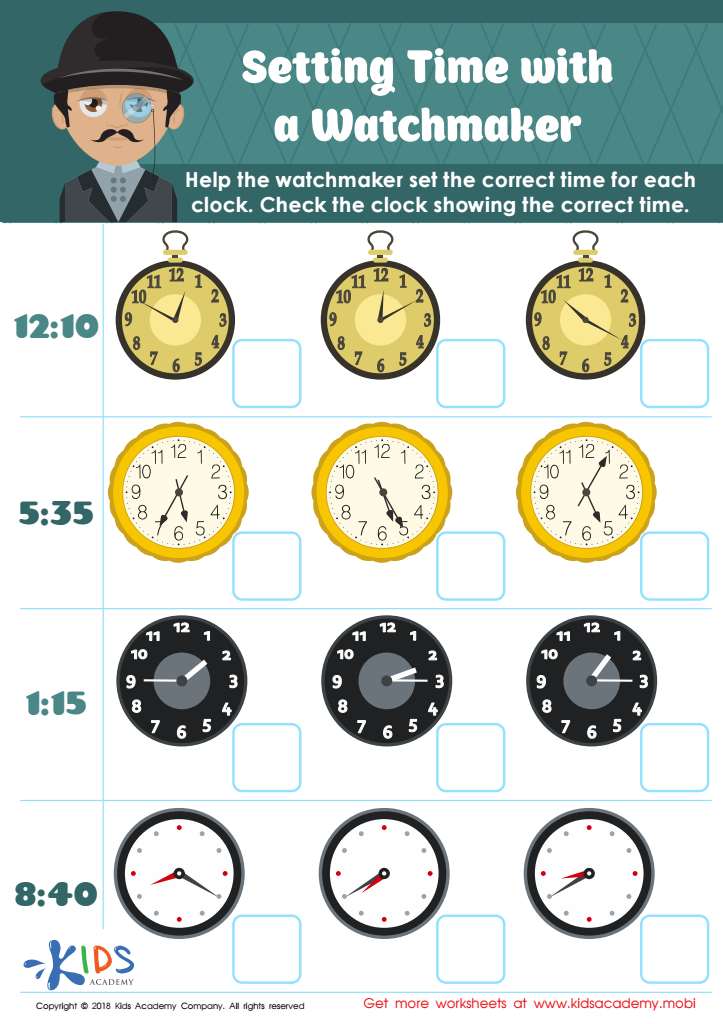
Setting Time with Watchmaker Worksheet
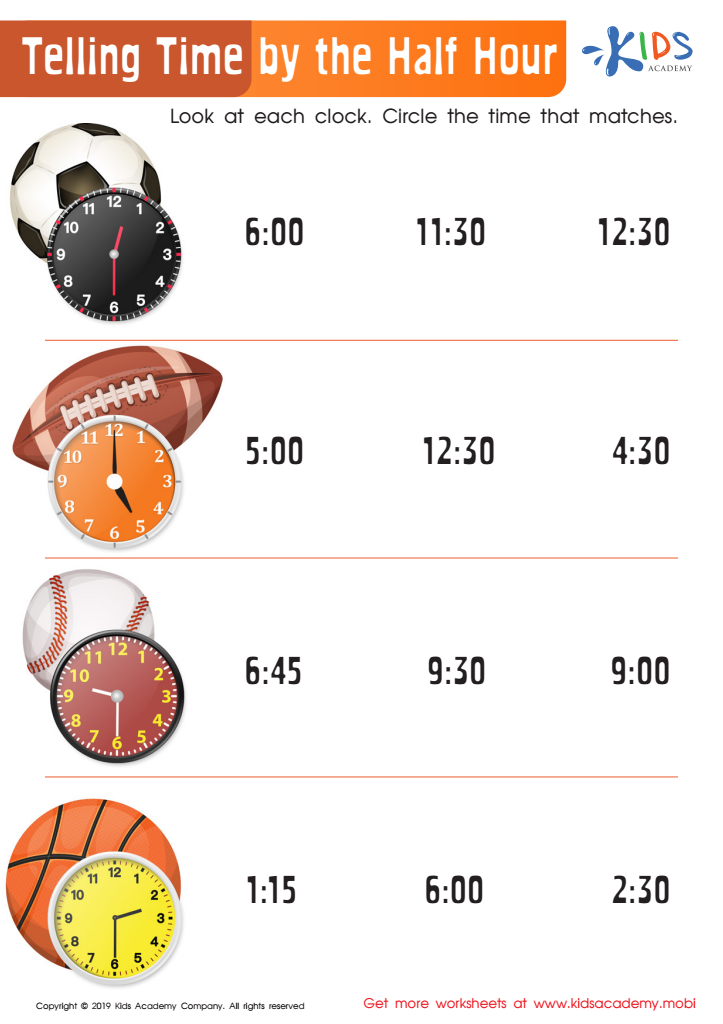
Telling Time by the Half Hour Worksheet








Reading analog clocks is a fundamental skill that encourages cognitive development and time management in young children aged 3-8. For parents and teachers, understanding how to read an analog clock fosters independence and responsibility in children. As they learn to tell time, kids develop critical thinking and problem-solving skills as they analyze the clock's hands, relating it to their daily schedules and routines.
Moreover, mastering analog clocks enhances number sense, as children reinforce their understanding of numbers and their sequence while engaging with time-telling concepts. It introduces them to the concept of fractions; the divisions of the clock face provide a practical application of whole and fractional parts in a visual and tangible manner.
Encouraging young learners to read analog clocks also bridges generational gaps, fostering conversations between children and older family members. This interaction can nurture relationships, enhancing emotional bonds through shared learning experiences. As technology gradually shifts to digital formats, equipping children with the ability to read analog clocks equips them with essential life skills, making them adaptable in various situations. Ultimately, nurturing this skill contributes not only to personal growth but also serves as a pivotal element of early education.








