Recognizing Patterns Worksheets for Ages 3-8 - Page 2
35 filtered results
-
From - To
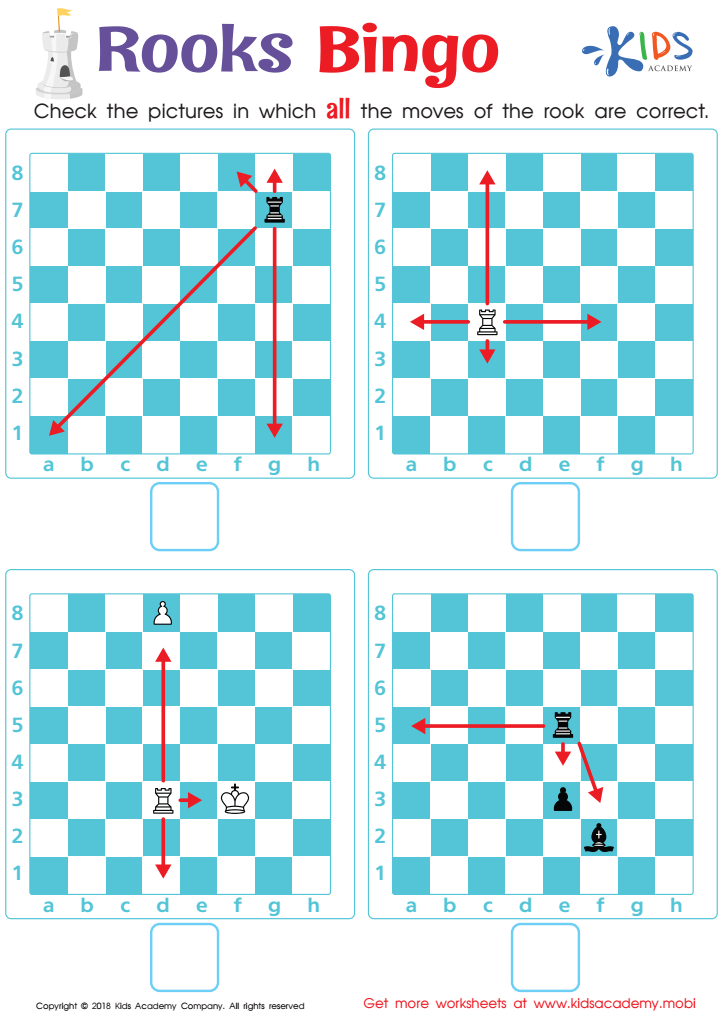
Rooks Bingo Worksheet
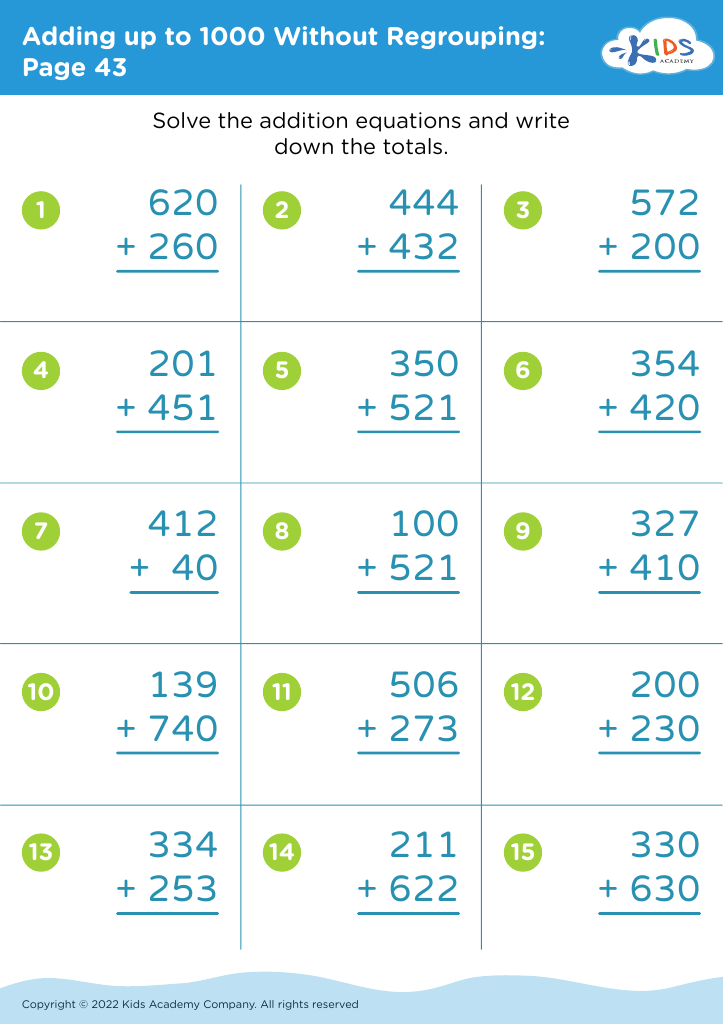
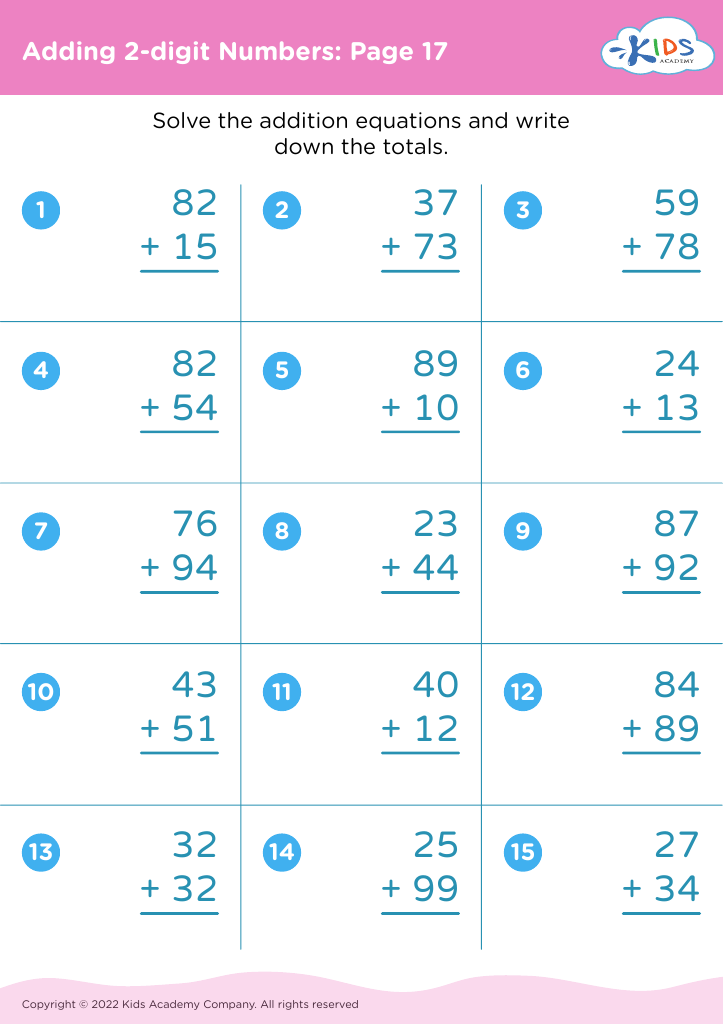
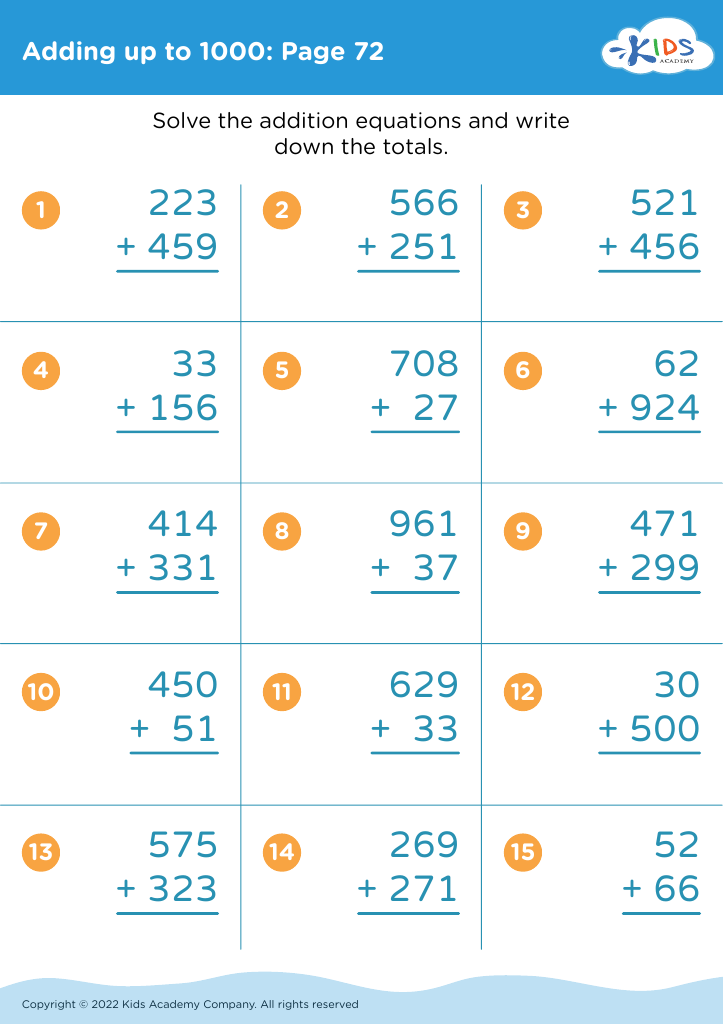
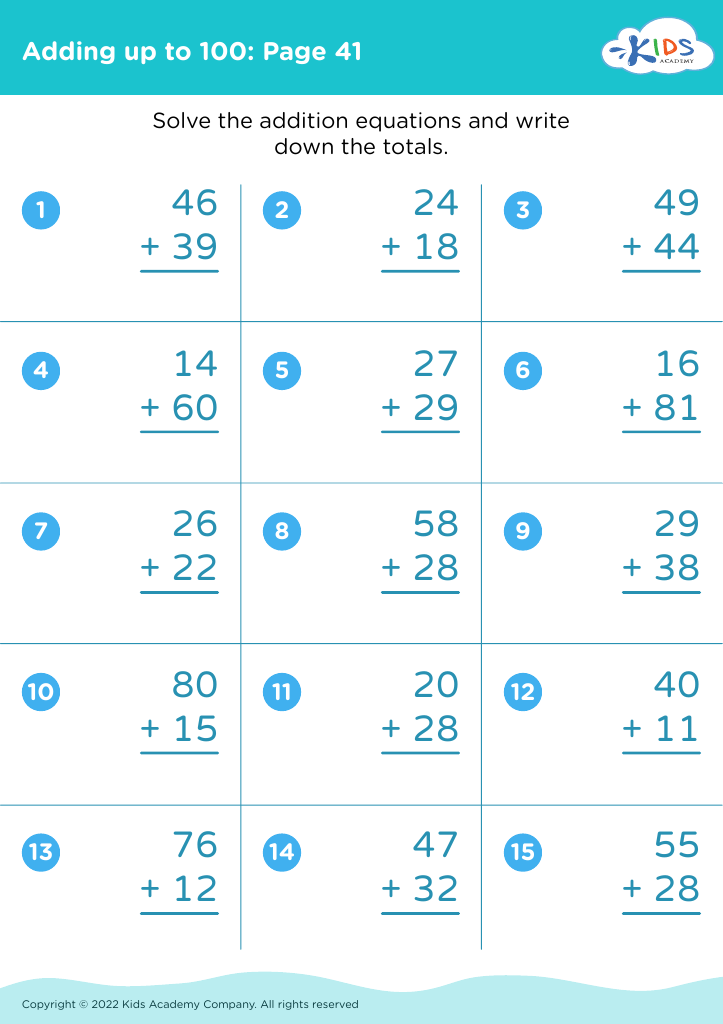
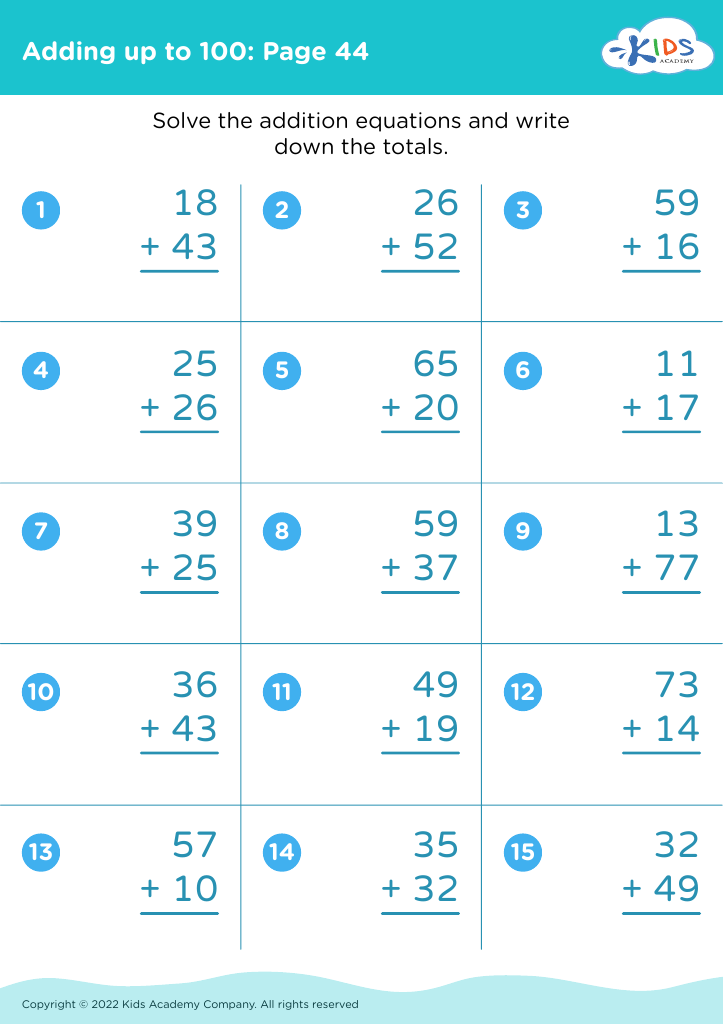
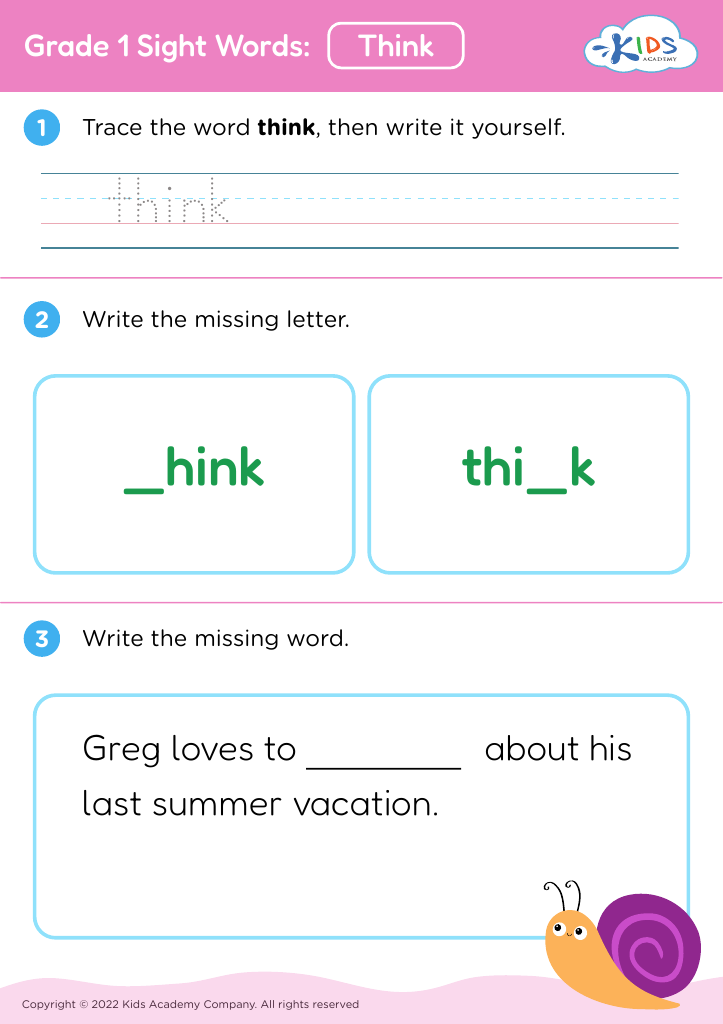
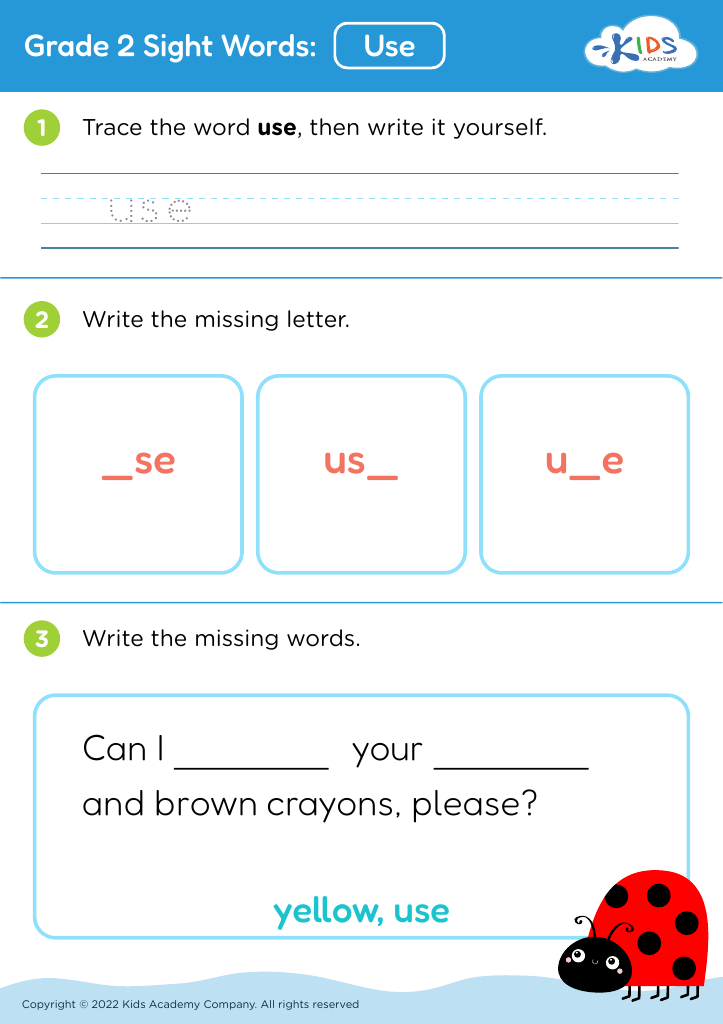
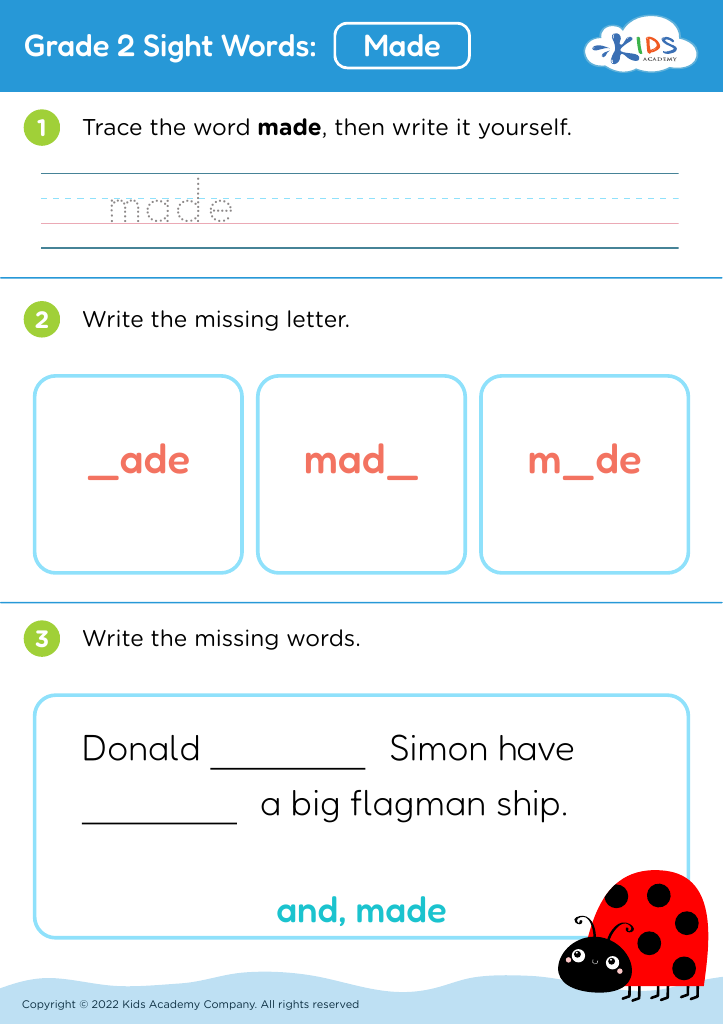
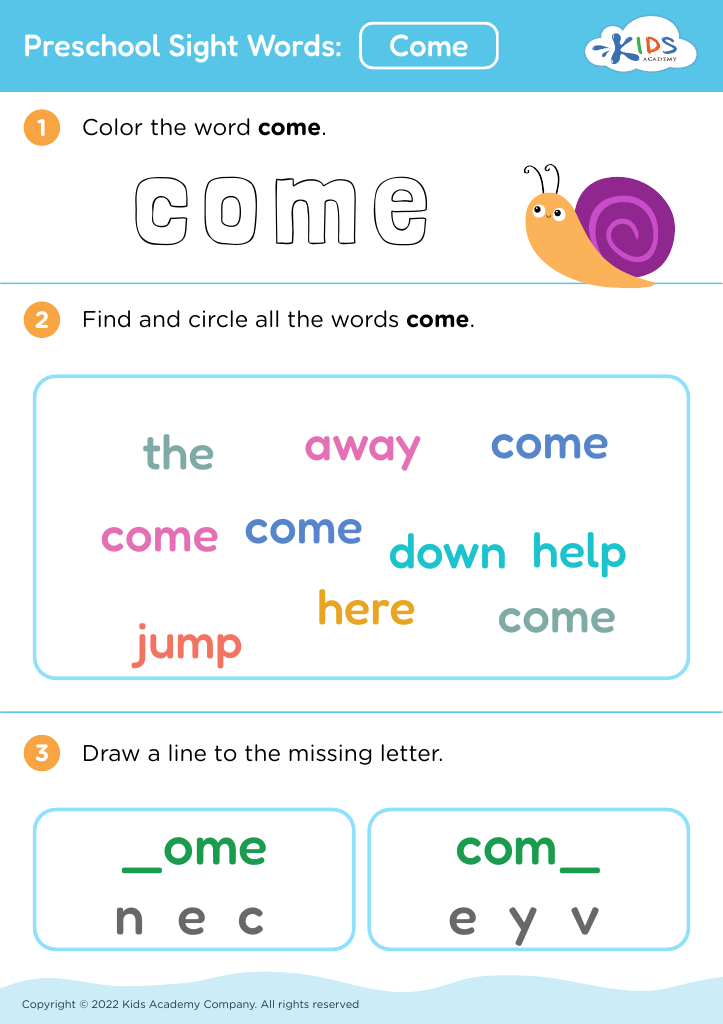
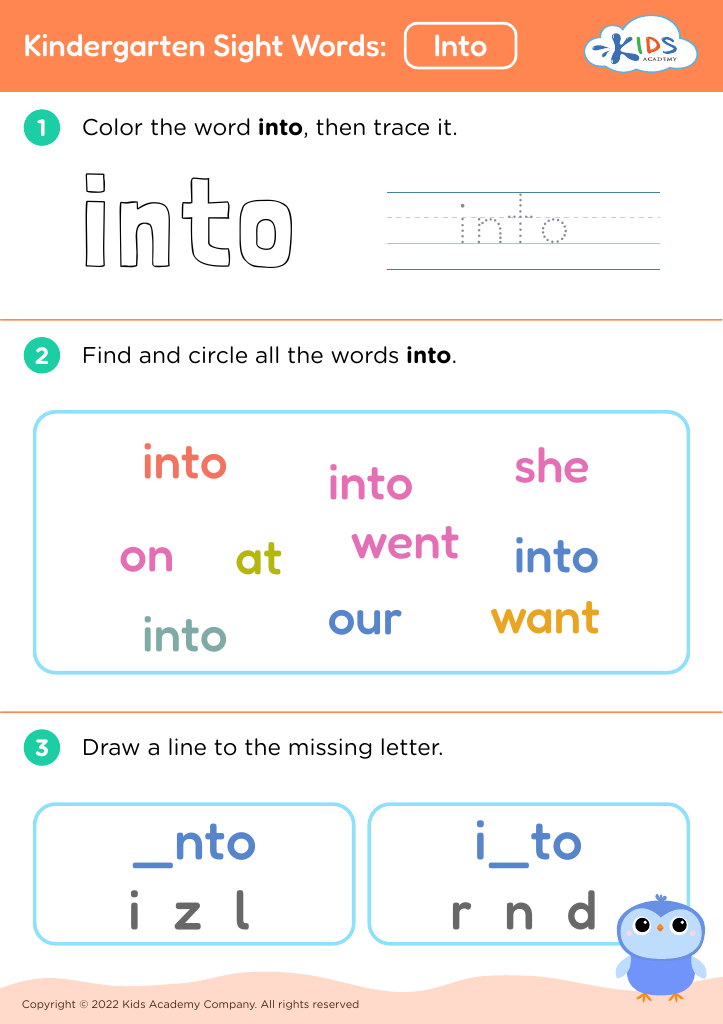








Recognizing patterns is a fundamental skill that lays the groundwork for essential cognitive abilities in children aged 3-8. For parents and teachers, understanding this concept is crucial as it fosters critical thinking and problem-solving skills. Patterns teach children how to observe, anticipate, and replicate sequences, which are foundational skills in both math and literacy.
Early exposure to patterns encourages children to identify relationships and sequences in their environment, whether through numbers, colors, shapes, or sounds. This skill set is integral to developing logical reasoning, which is vital as they progress in their education. For instance, recognizing numeric patterns is closely linked to grasping more complex math concepts, adding a layer of depth to their learning experience.
Additionally, recognizing patterns supports emotional and social development. Children who can identify patterns in social interactions are better equipped to navigate relationships and understand social cues. Engaging young learners in pattern activities also fosters creativity and imagination as it invites them to explore connections and invent new sequences.
Overall, nurturing pattern recognition in young children not only enhances their academic journey but also enriches their personal growth, making it a vital focal point for parents and educators alike.








