Sentence formation Worksheets for Ages 3-8
6 filtered results
-
From - To
Enhance your child's early literacy skills with our engaging Sentence Formation Worksheets, designed specifically for ages 3-8. These worksheets inspire creativity and boost language development by guiding young learners to construct meaningful sentences. Featuring a variety of fun activities, they allow children to practice word order, punctuation, and grammar in an interactive way. Our resources cater to diverse learning styles, making language learning enjoyable for every child. Perfect for home or school use, these worksheets foster confidence in writing and communication. Explore the joy of sentence formation with Kids Academy's printable worksheets, and watch your child's language skills flourish!
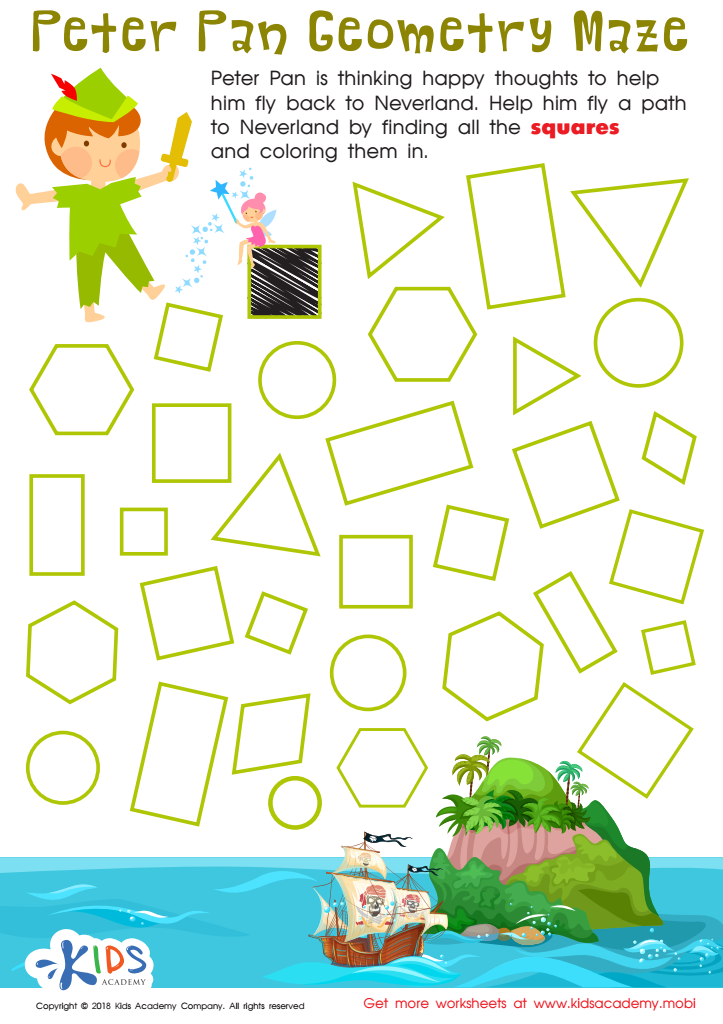
Peter Pan Worksheet
 Assign to My Students
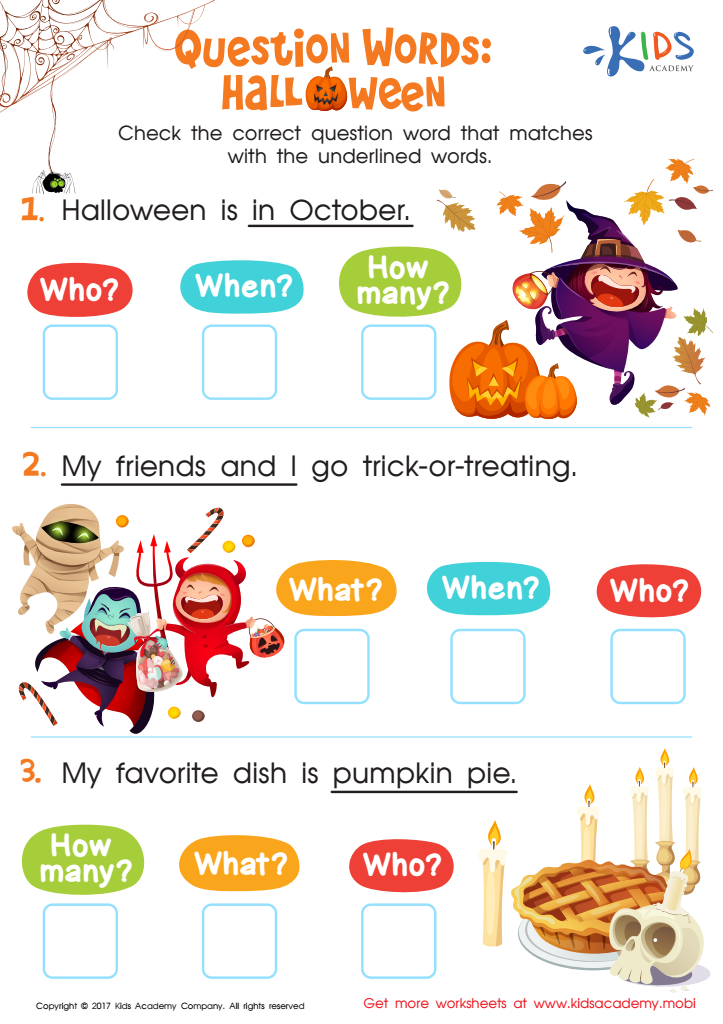
Question Words: Halloween Worksheet
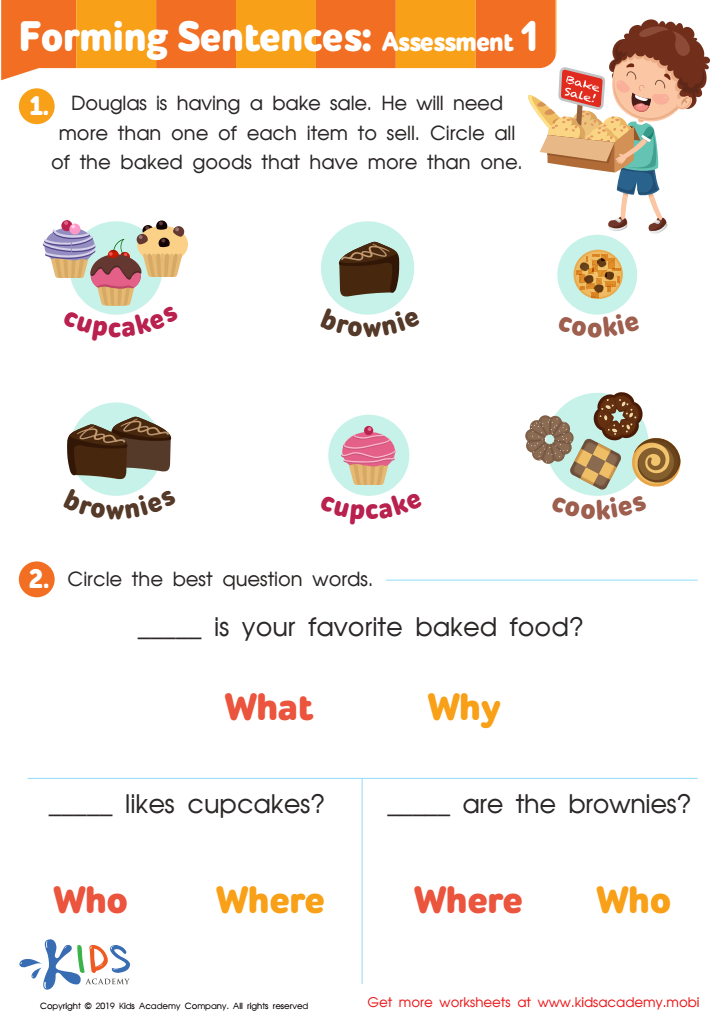
Forming Sentences: Assessment 1 Worksheet
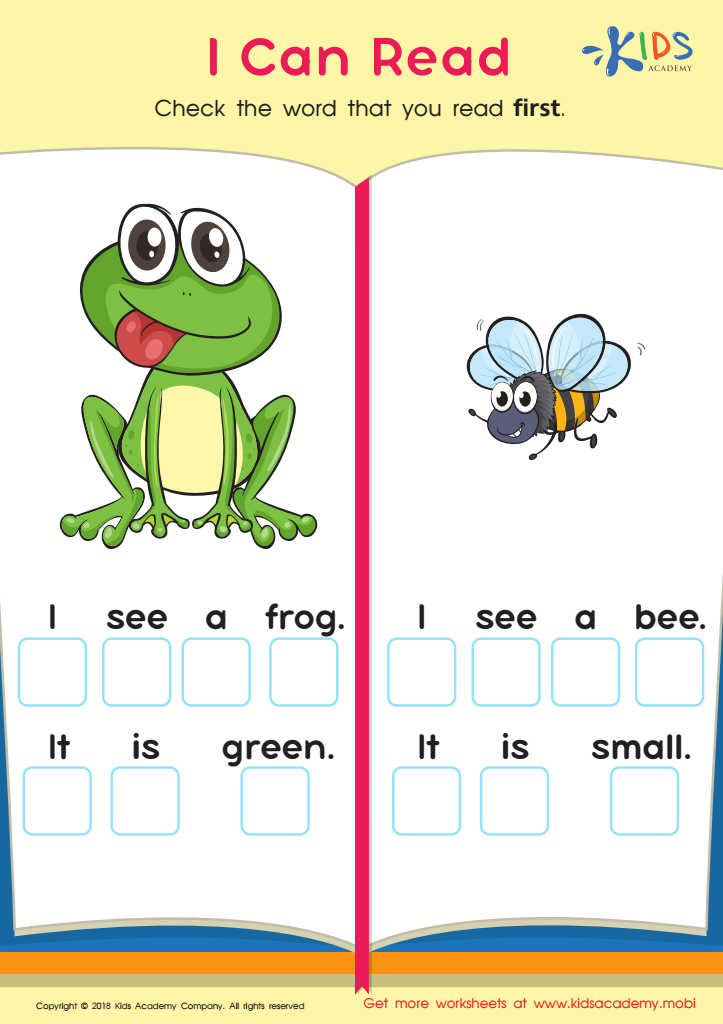
I Can Read Worksheet
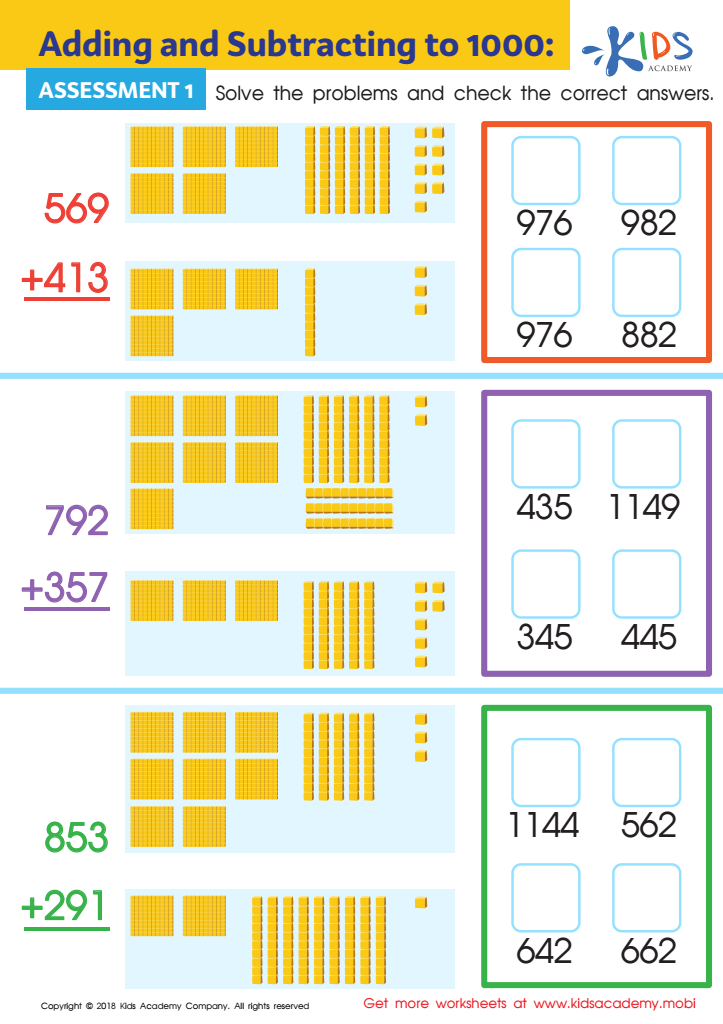
Adding and Subtracting to 1 Worksheet: Assessment 1
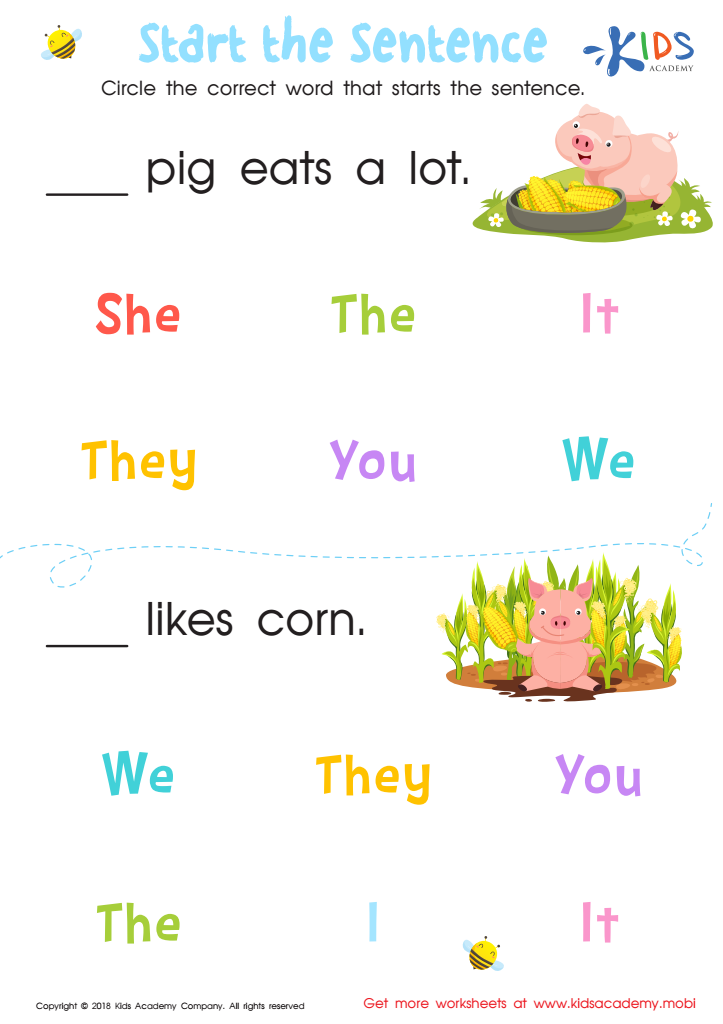
Start the Sentence Worksheet








Sentence formation is a crucial skill for children ages 3-8, laying the foundation for effective communication and literacy development. At this age, children are rapidly acquiring language skills, and how they form sentences influences their ability to express thoughts and emotions clearly.
For parents, encouraging sentence formation can enhance their child’s confidence in speaking. When children learn to construct sentences, they can better share ideas, ask questions, and engage in conversations. This practice not only nurtures social skills but also fosters a love for language, which is vital for later academic success.
For teachers, lesson plans that emphasize sentence formation promote cognitive growth. As children learn to structure sentences, they develop critical thinking and comprehension skills, which are essential in reading and writing. Moreover, teaching sentence formation supports differentiation in learning styles, accommodating those who might struggle with reading or writing challenges.
Ultimately, investing time and resources in helping children grow adept at sentence formation enriches their overall academic journey and lifelong communication skills. This essential building block makes language more accessible and enjoyable, fostering an environment where children thrive emotionally and intellectually.








