Sequence Understanding Worksheets for Ages 3-8
7 filtered results
-
From - To
Explore our engaging Sequence Understanding Worksheets designed specifically for children aged 3-8! These interactive activities help young learners grasp the concept of sequencing, an essential skill for cognitive development. Our worksheets encompass a variety of fun and creative exercises that invite kids to arrange events in the correct order, enhancing their reading comprehension and critical thinking skills. Perfect for preschool and early elementary classrooms, these resources foster independent learning and are ideal for both at-home practice and classroom integration. Encourage your child's growth and understanding of sequential processes through our easy-to-follow, visually appealing worksheets! Get started today!
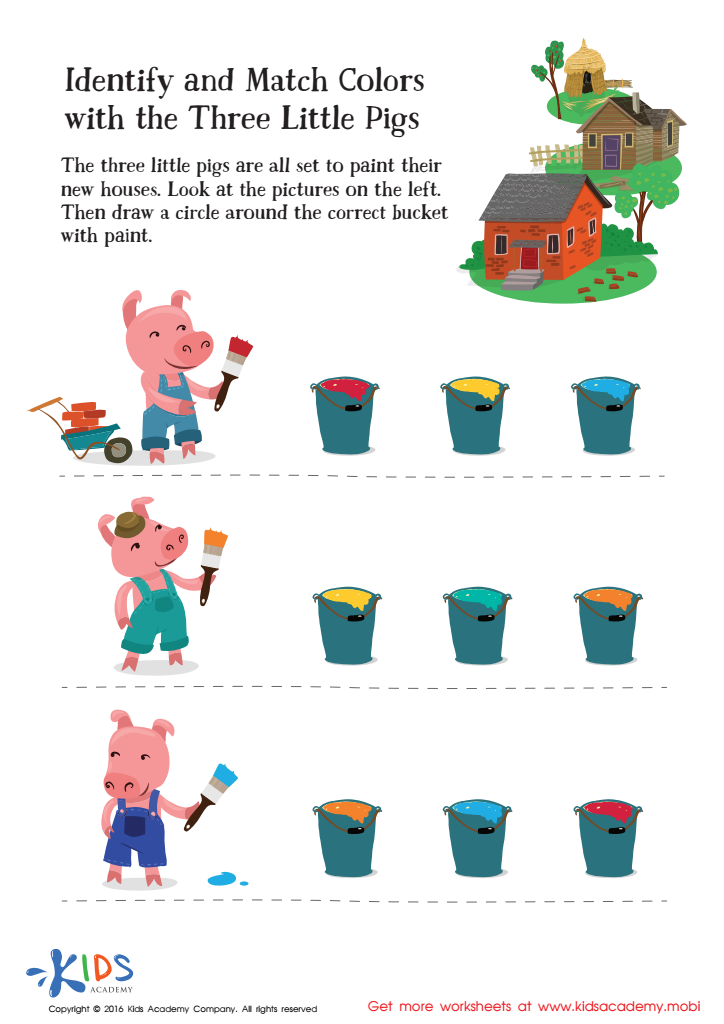
Fairy Tale Worksheet: Identify and Match Colors with Three Little Pigs
 Assign to My Students
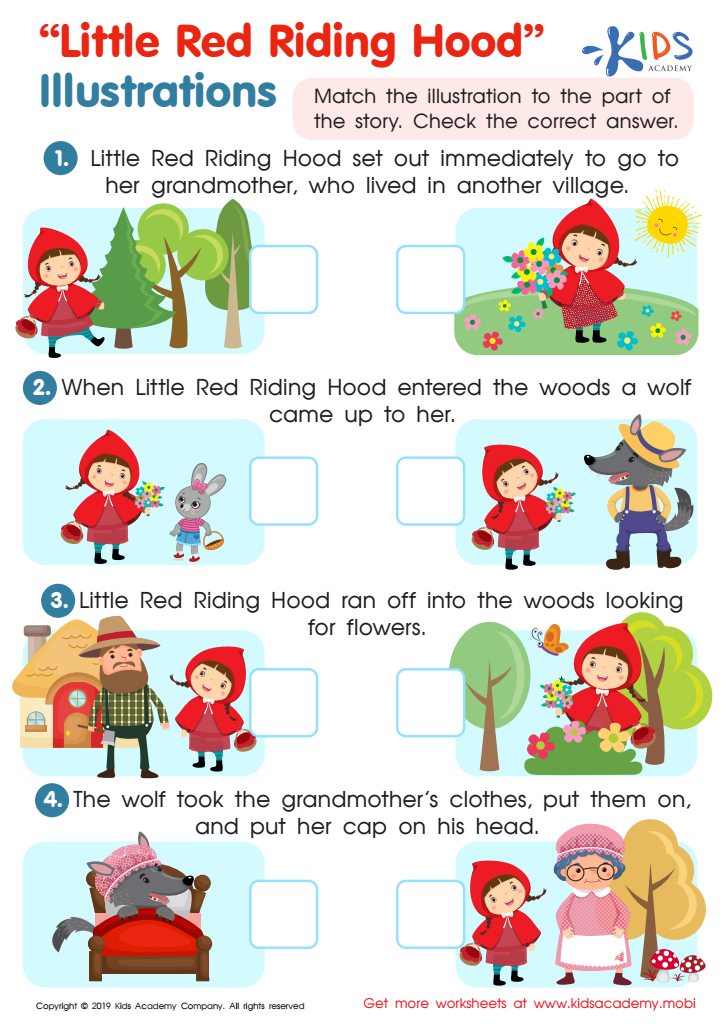
Little Red Riding Hood: Illustrations Worksheet
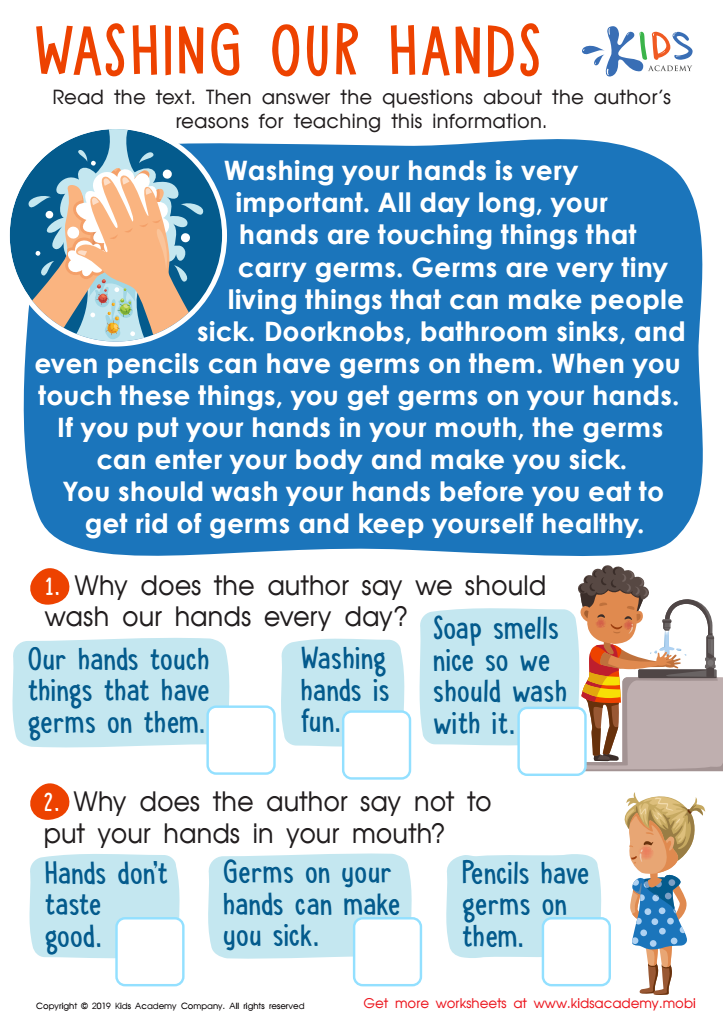
Washing Our Hands Worksheet
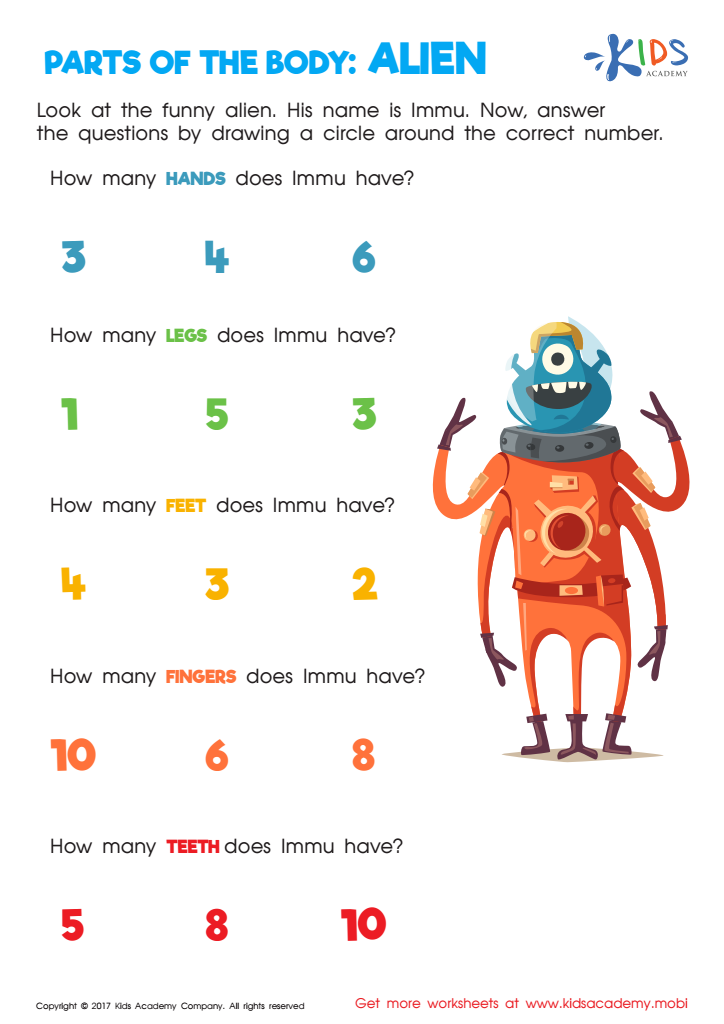
Alien Worksheet
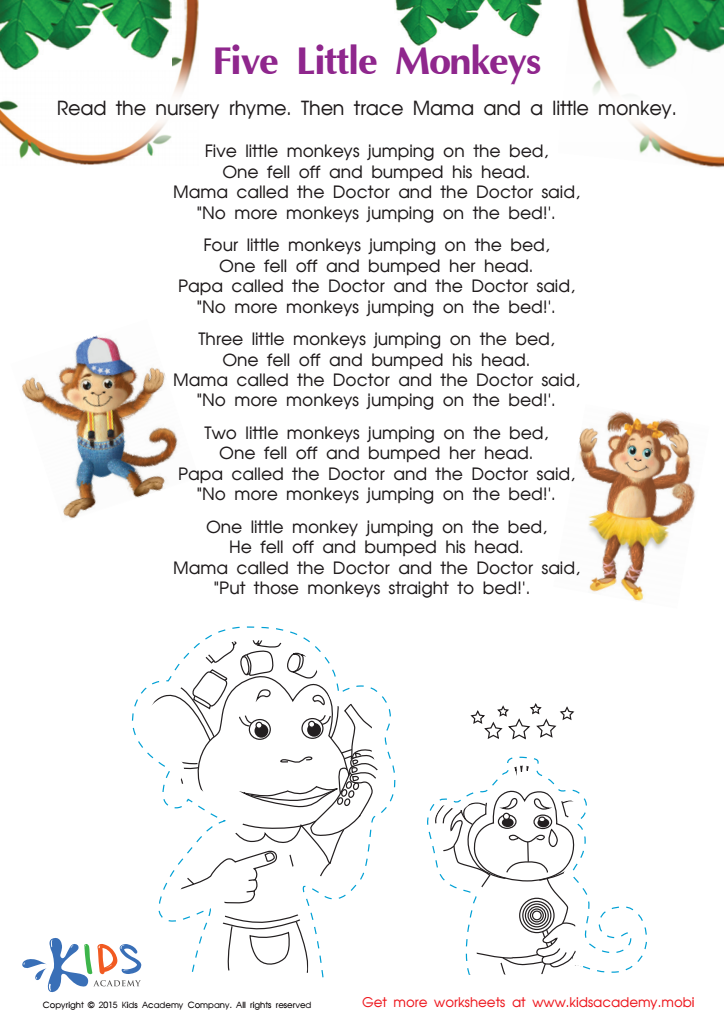
The Five Little Monkeys Nursery Rhyme Worksheet
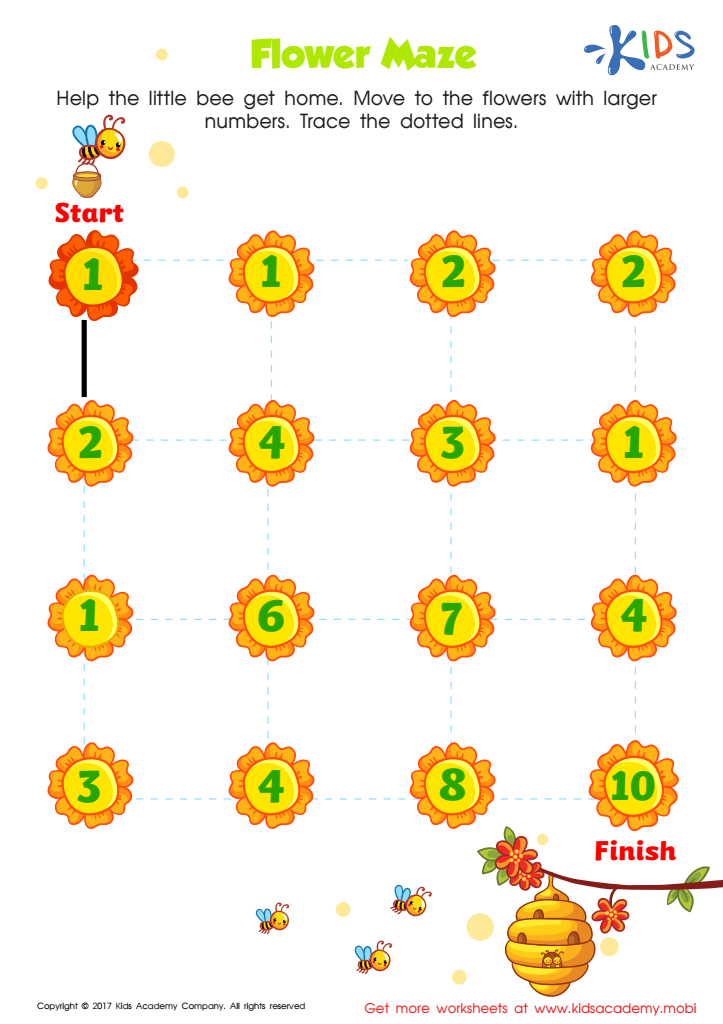
Number Maze For Kindergarten Printable
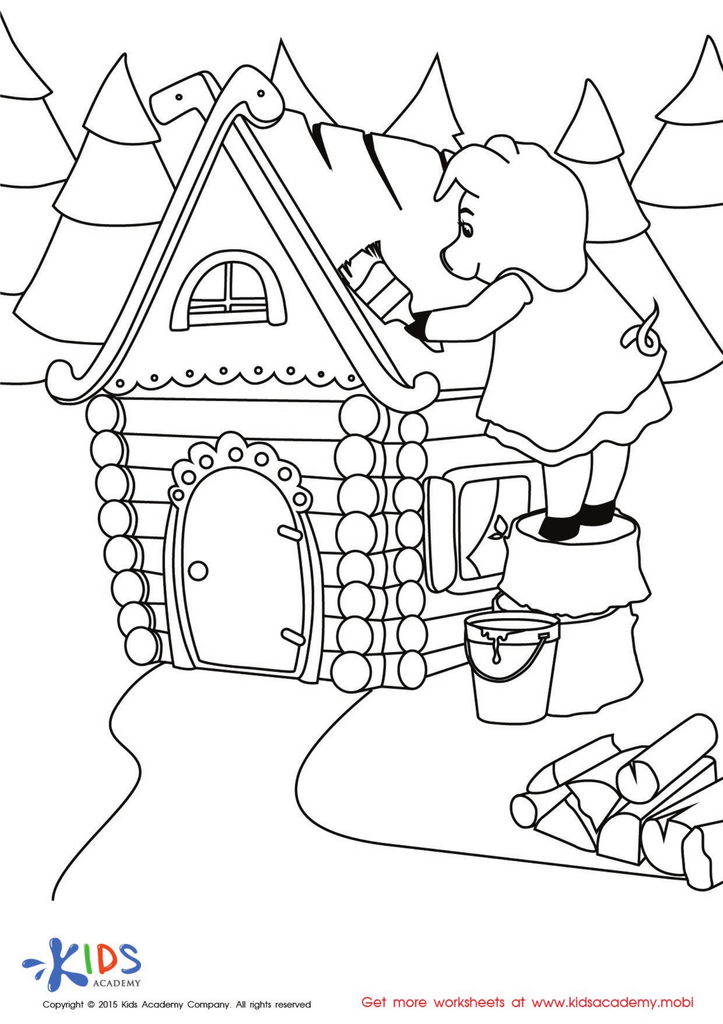
The Three Little Pigs Worksheet







Sequence understanding is a critical developmental skill for children aged 3-8, forming the foundation for logical thinking and problem-solving. At this age, children begin to comprehend the order of events, which is essential for their cognitive development and everyday functioning. Parents and teachers should care about this skill because it directly impacts a child's ability to follow multi-step instructions, understand narratives, and engage in planning activities.
For example, when children learn to sequence events in a story, they enhance their reading comprehension and literacy skills. Understanding sequences helps them make connections between cause and effect, reinforcing their academic learning across subjects such as math and science. Moreover, sequence understanding aids in social interactions; children learn the steps of social cues and appropriate responses.
Furthermore, skills developed through sequencing activities, such as memory and attention, contribute to school readiness. By fostering these skills early, educators and parents prepare children for more complex tasks as they progress in their education. Engaging in playful sequencing games and storytelling not only promotes bonding but also creates a fun learning environment that nurtures a child's curiosity and love for learning. Therefore, sequence understanding is vital for holistic development in early childhood.








