Shape identification Worksheets for Ages 3-8 - Page 2
40 filtered results
-
From - To
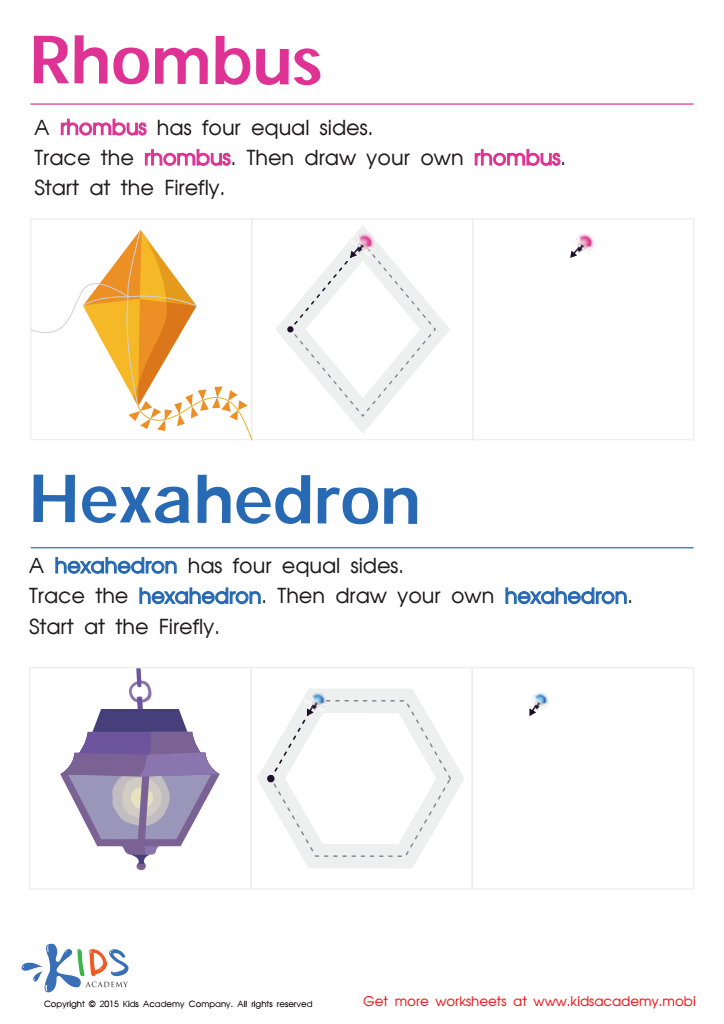
Draw a Rhombus And a Hexahedron Printable
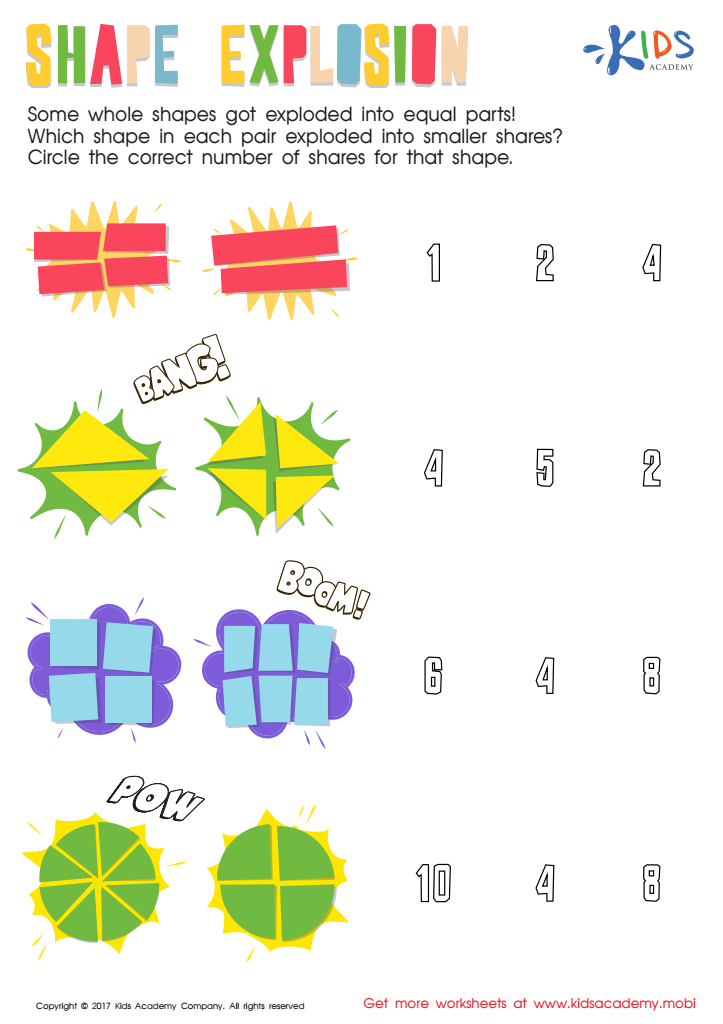
Shape Explosion Worksheet
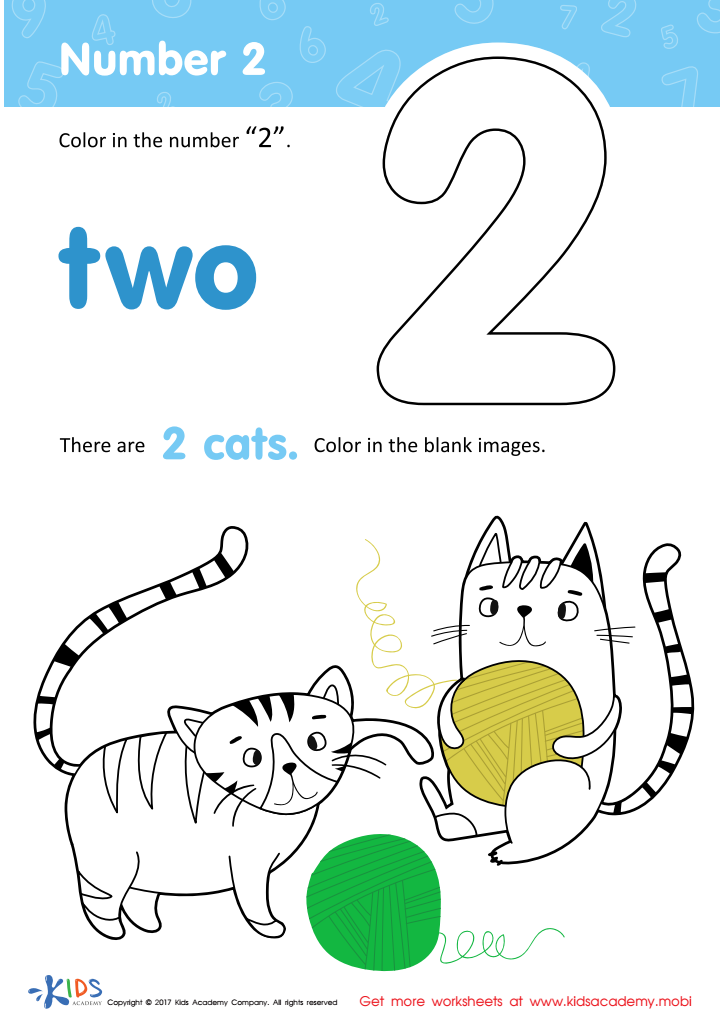
Number 2 Printable
 Assign to My Students
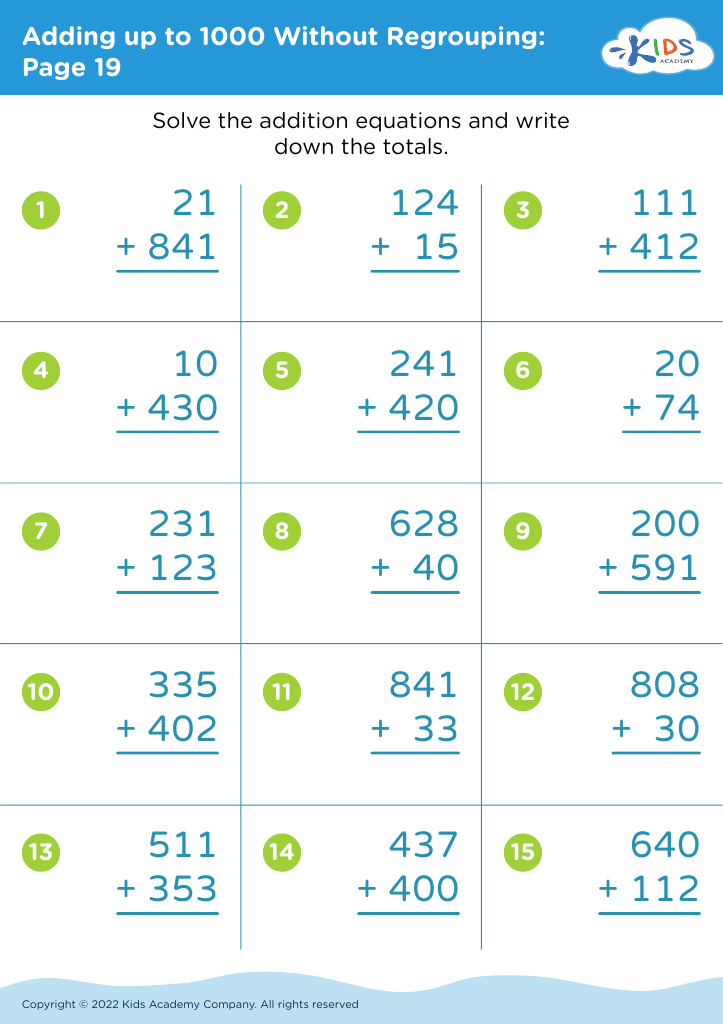
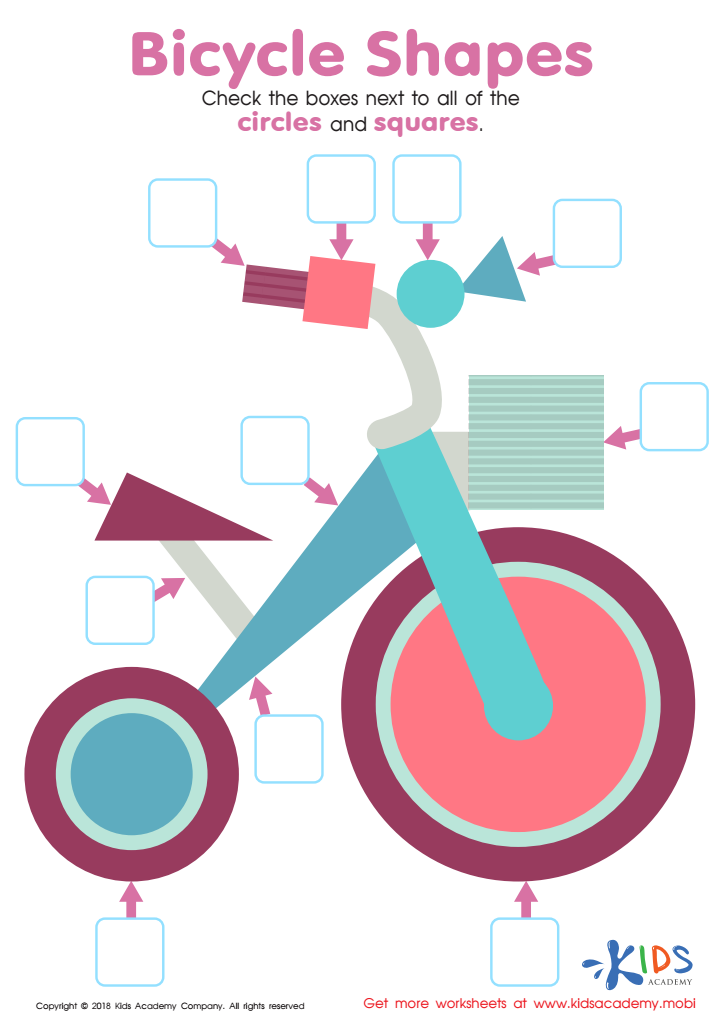
Bicycle Shapes Worksheet
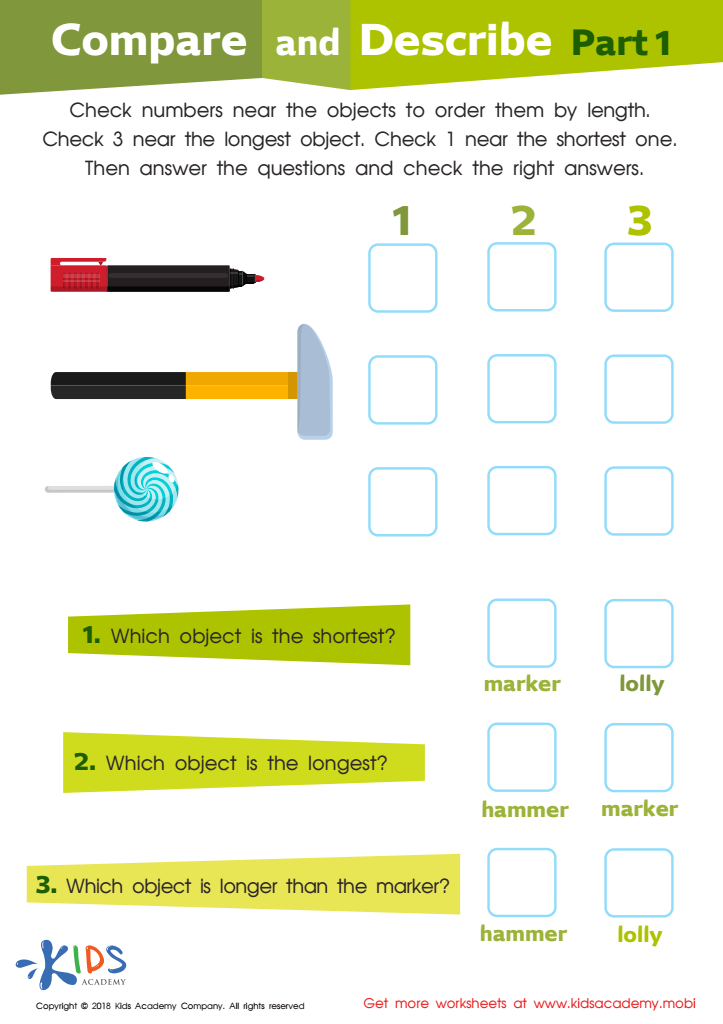
Compare and Describe: Part 1 Worksheet
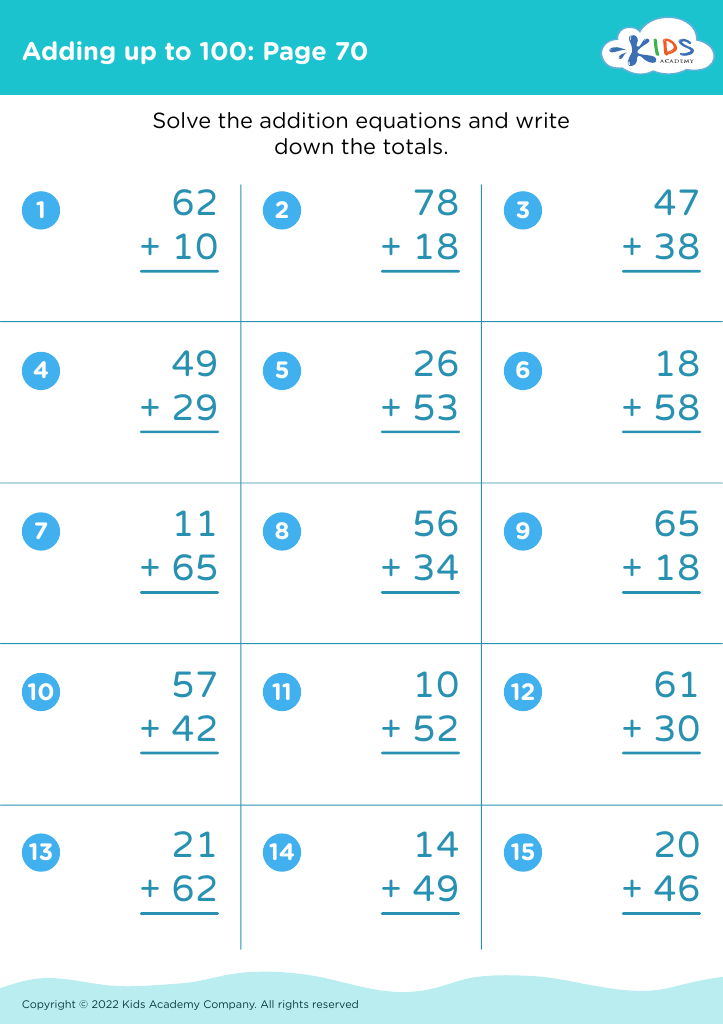
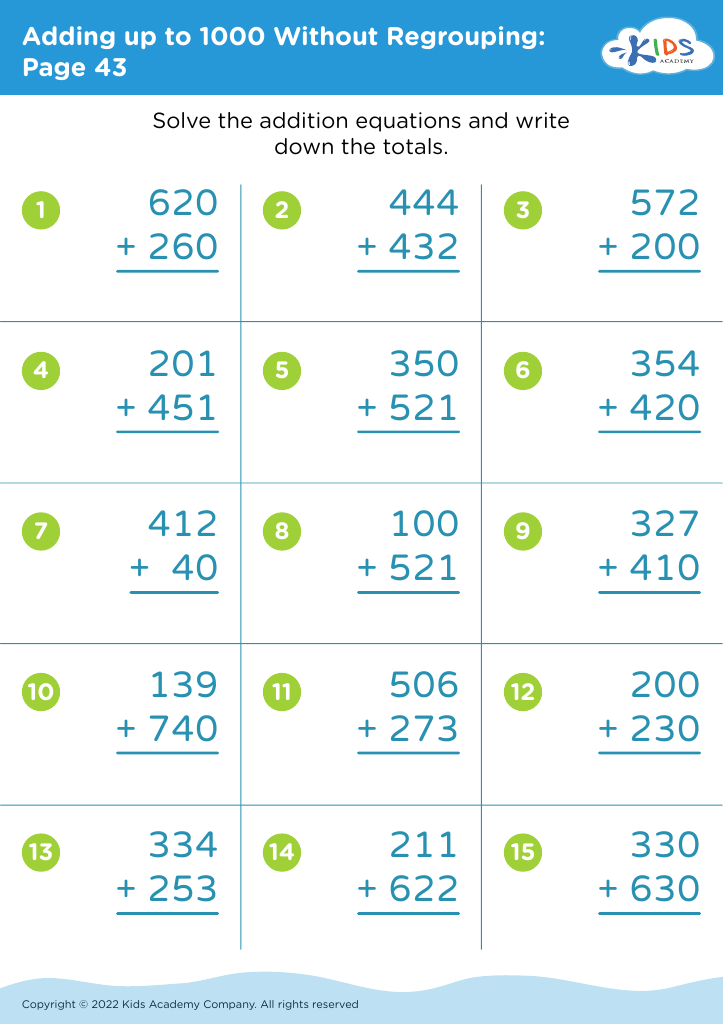
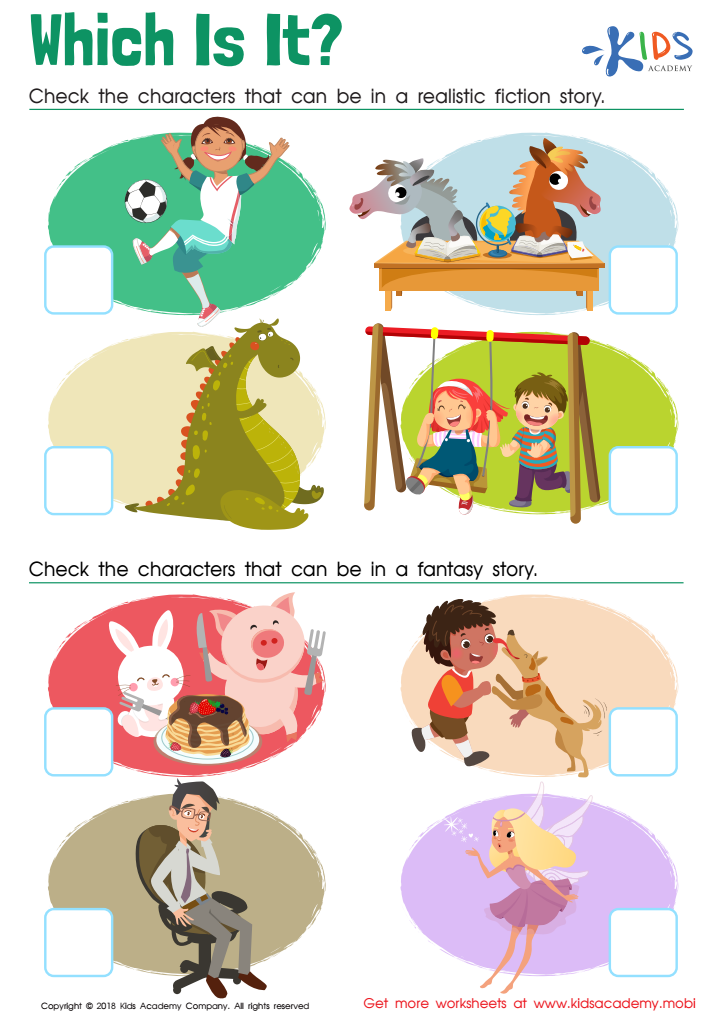
Which Is It? Worksheet
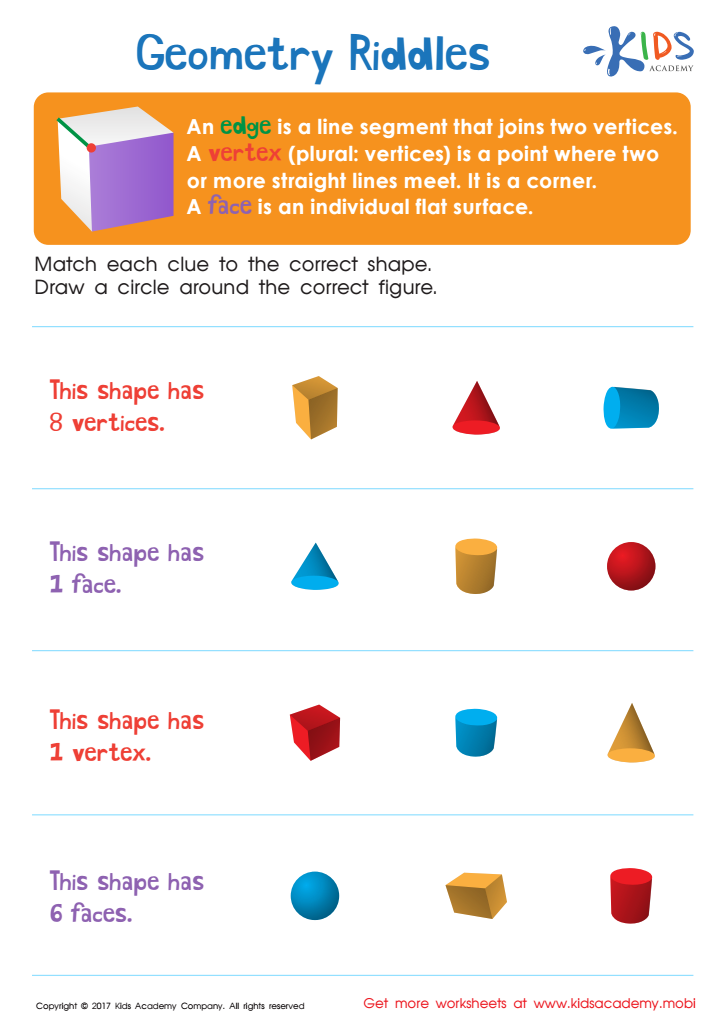
Geometry Riddles Printable
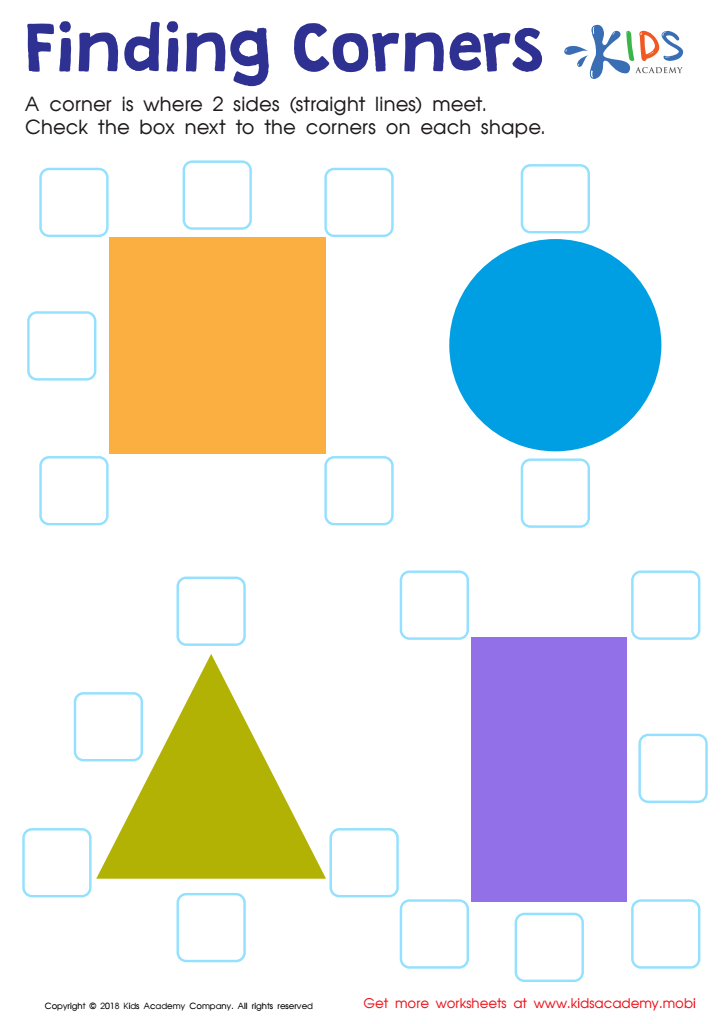
Finding Corners Worksheet
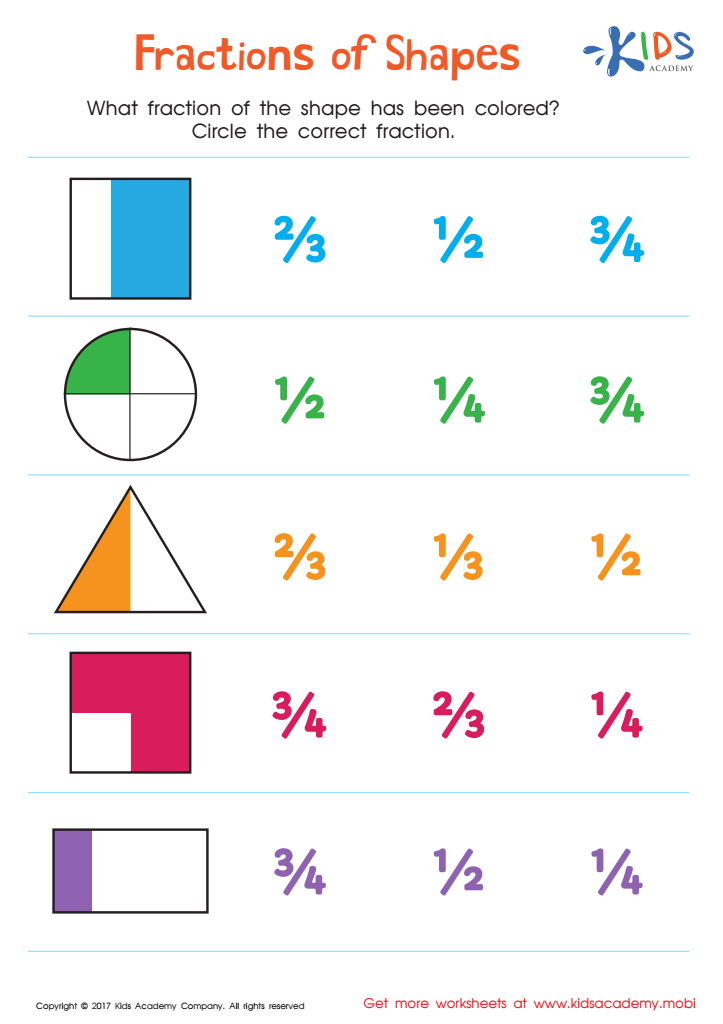
Fractions of Shapes: Math Concept Worksheet
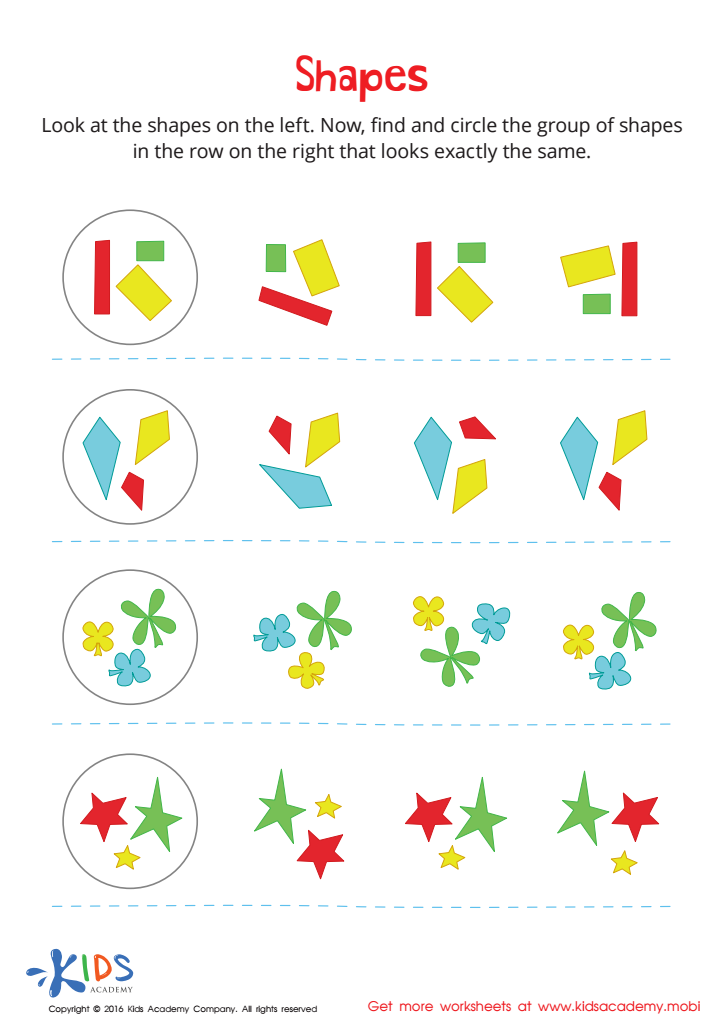
Shapes Worksheet
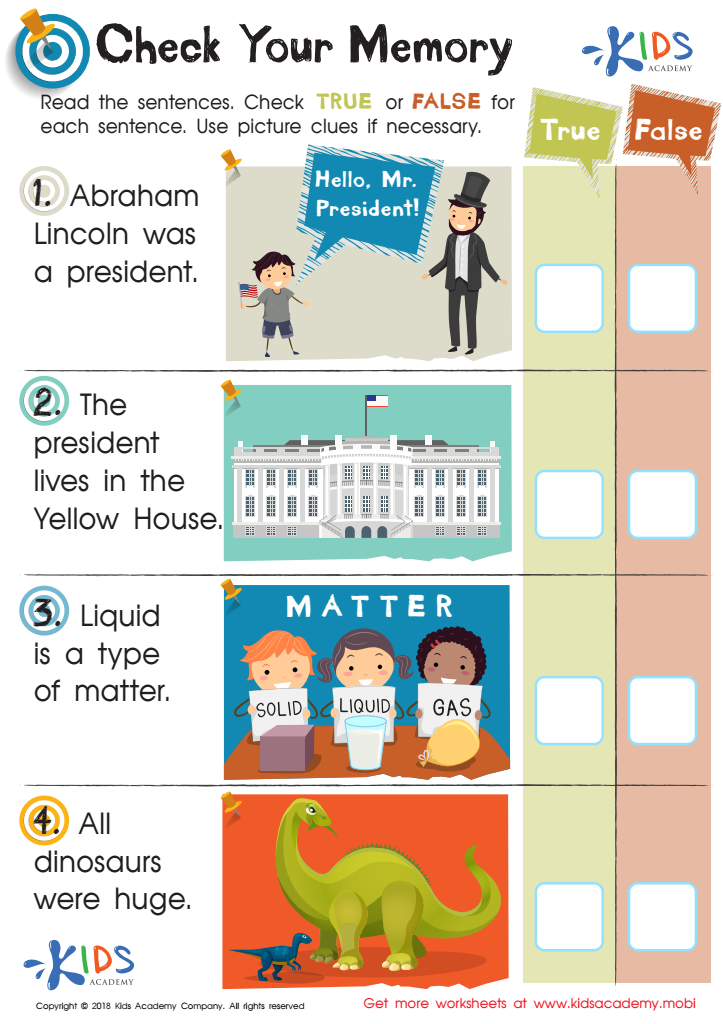
Check Memory Worksheet







Shape identification is a crucial skill for children aged 3 to 8 as it serves as the foundation for various cognitive and practical abilities. First and foremost, recognizing shapes enhances children’s spatial awareness, which aids in understanding their environment. This skill is instrumental for activities like mathematics, as children begin to recognize geometric concepts vital for problem solving.
Moreover, shape identification promotes cognitive development by encouraging critical thinking and observation skills. When children learn to classify shapes based on specific attributes, such as sides and angles, they engage in deductive reasoning. This not only enriches their mathematical skills but also fosters foundational science concepts by helping them understand structures in the world around them.
Additionally, understanding shapes is important for writing and literacy development. Children who grasp shapes can better recognize letters and symbols, which contributes to reading readiness.
Furthermore, the process of identifying shapes supports language development; children learn new vocabulary and improve their communication skills as they describe shapes. For both parents and teachers, fostering shape recognition through playful and engaging activities can cultivate a child’s overall development, preparing them for future academic success. In summary, shape identification nurtures essential skills that influence learning holistically.








