Understanding equality Worksheets for Ages 3-8
7 filtered results
-
From - To
"Understanding Equality Worksheets for Ages 3-8" provide young learners with engaging activities to grasp the concepts of fairness and equality. Designed for early learners, these worksheets offer interactive exercises that teach children to recognize equal amounts, balance equations, and appreciate fairness in everyday situations. Our printable resources are crafted to sustain children's interest while building fundamental skills essential for their development. Ideal for classroom and home use, the worksheets empower educators and parents to foster an inclusive mindset from an early age, cultivating a generation that values and understands equality in all walks of life.
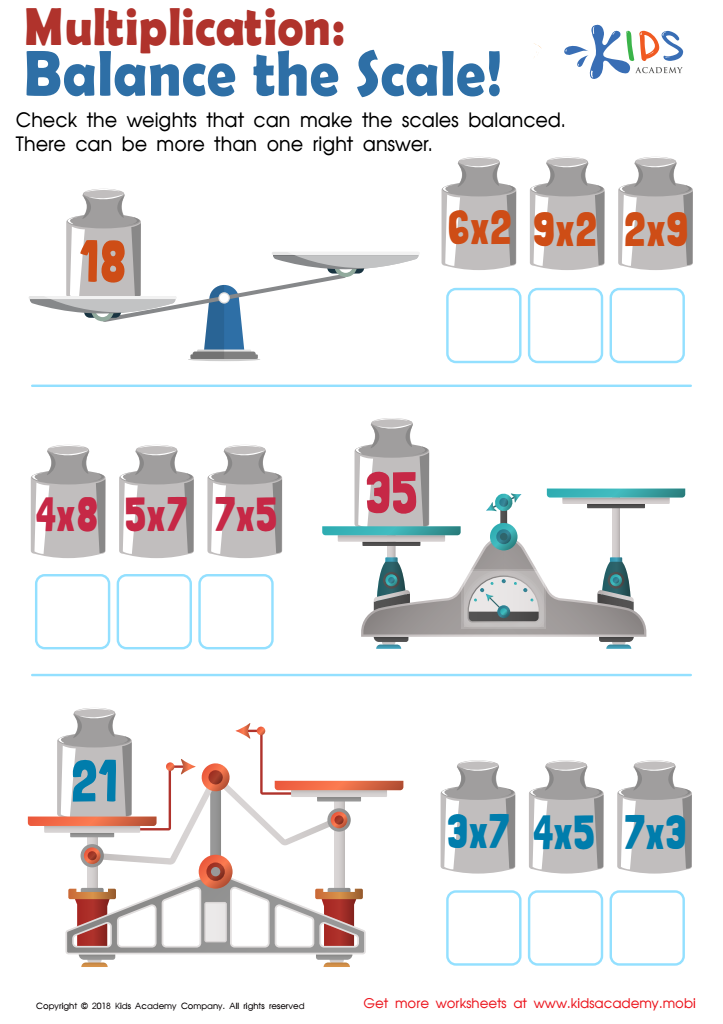
Balance the Scales Multiplication Worksheet
 Assign to My Students
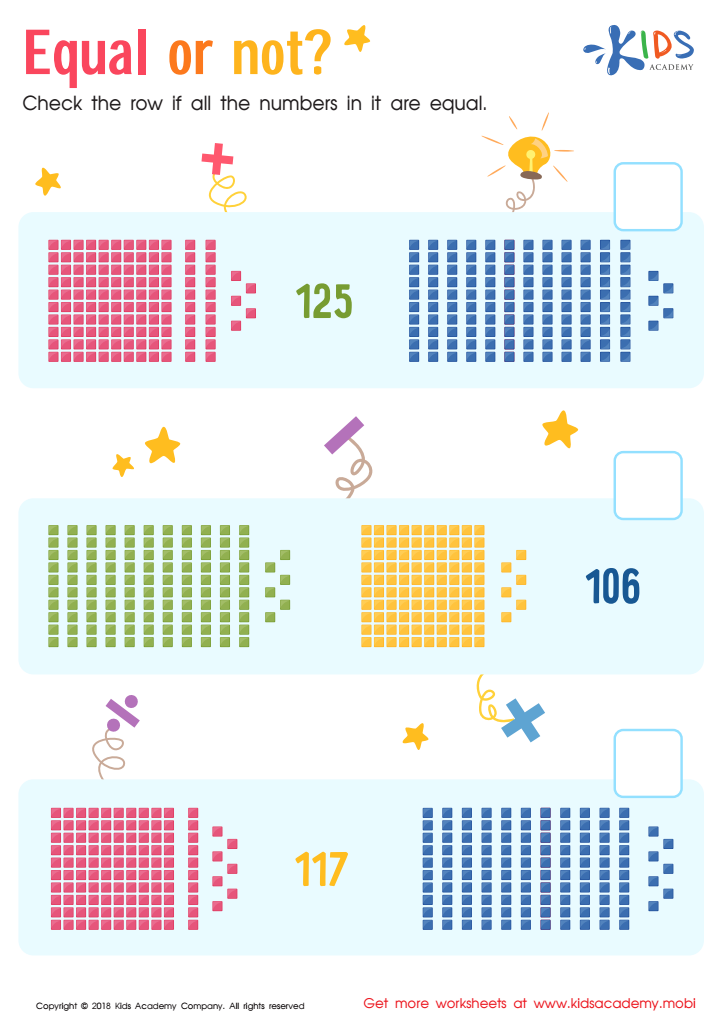
Equal or not Worksheet
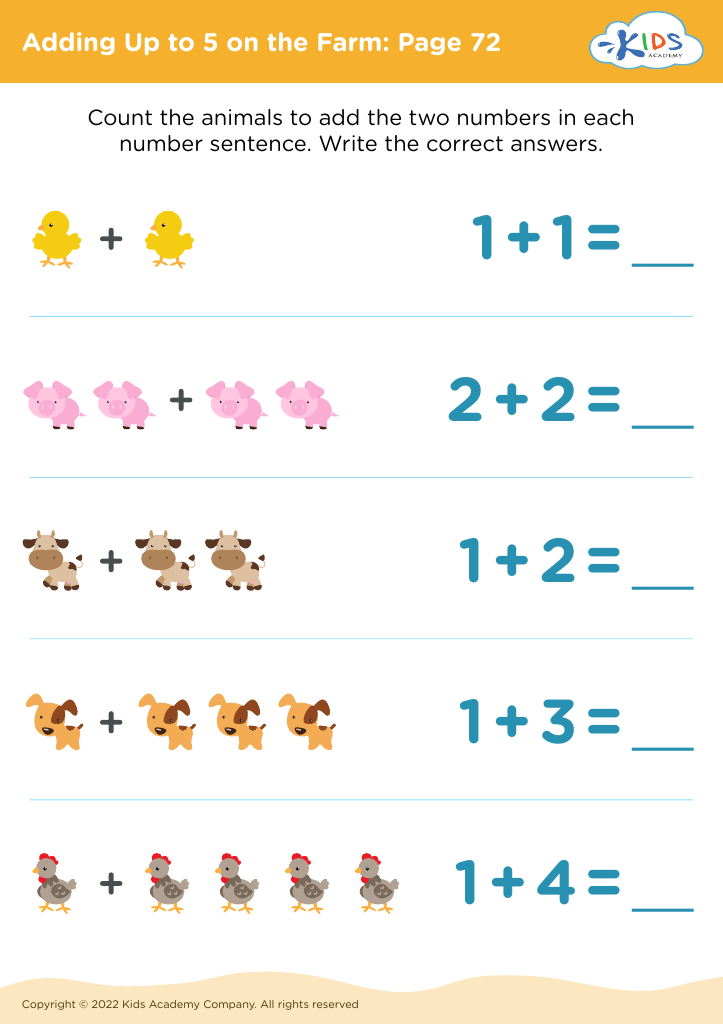
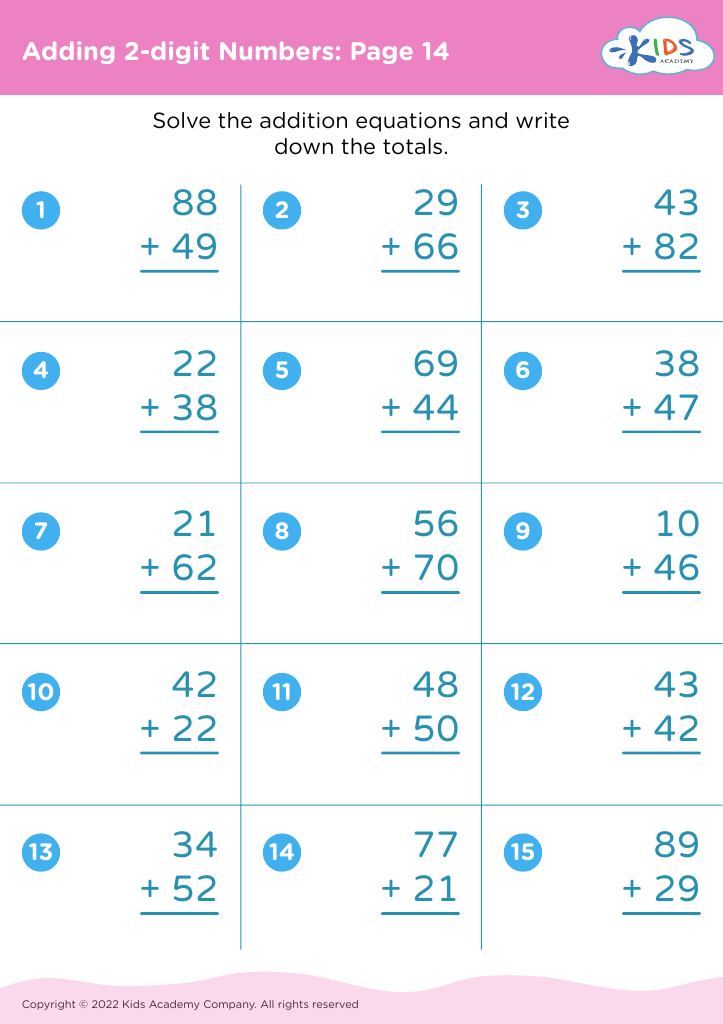
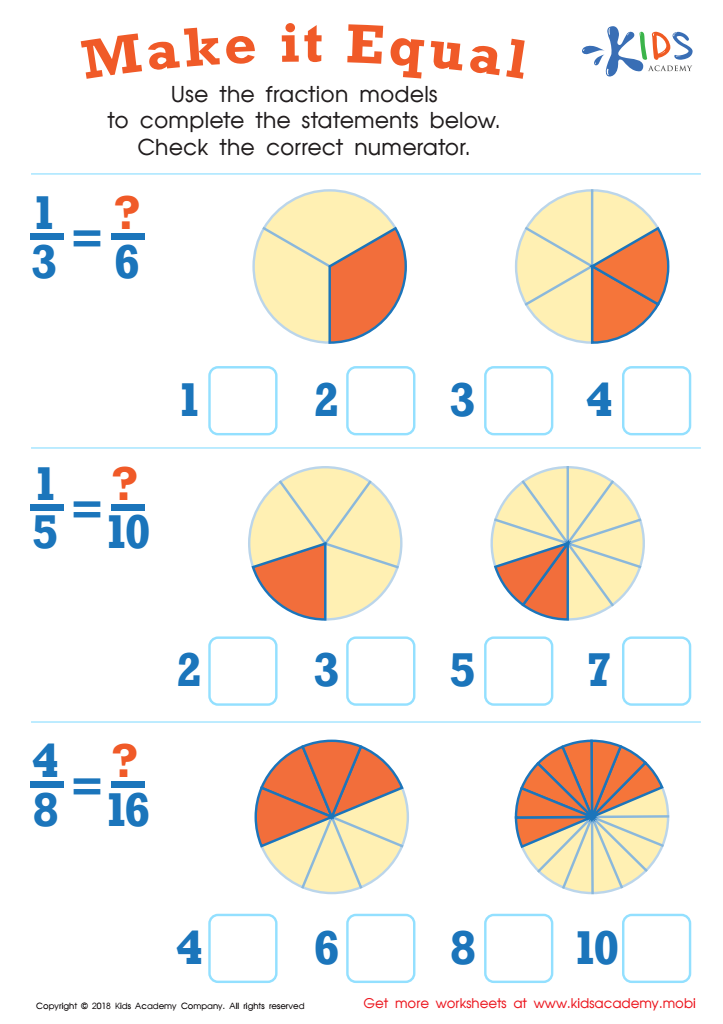
Make It Equal Worksheet
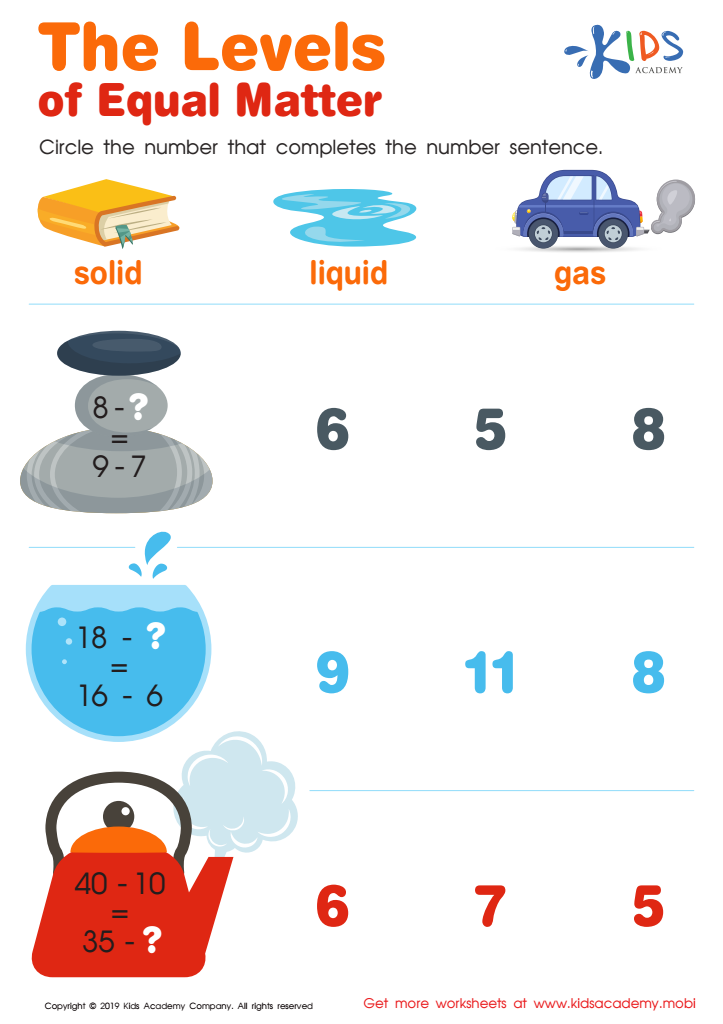
The Levels of Equal Matter Worksheet
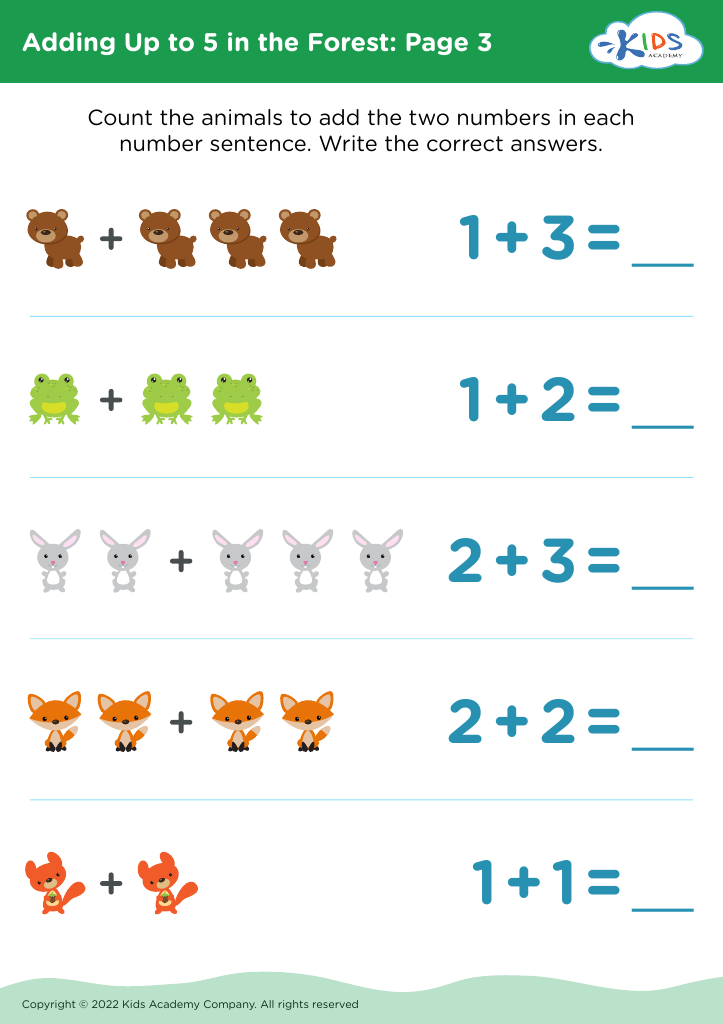







Understanding equality is vital for young children aged 3-8 because it forms the foundation of fair play, empathy, and social justice. During these formative years, children are highly impressionable, observing and internalizing the attitudes and behaviors they see around them. Teaching equality early helps them recognize that every individual is valuable, regardless of differences in race, gender, abilities, or socioeconomic status.
For parents, instilling these values promotes a nurturing home environment where respect for diversity and inclusion prevails. A child that understands and values equality is likely to develop into a compassionate, cohesive, and considerate individual. Moreover, children who grasp the concepts of fairness and justice early in life are better equipped to stand up against bullying and discrimination, thereby fostering a safer school and community environment.
Teachers, in turn, play a pivotal role in modeling and reinforcing these values through everyday interactions and lesson plans. By emphasizing equality, teachers help create inclusive classrooms where each child feels respected and empowered, thereby enhancing both social and academic development. This equitable approach contributes to a positive learning atmosphere where all students can thrive, making it imperative for both parents and educators to prioritize teaching equality to young children.








