Check out this FREE "Visual Learning" Trial Lesson for age 3-8!

Multiplication Facts 2

Favorites
With answer key
Interactive
  • 3-8
  • Visual Learning
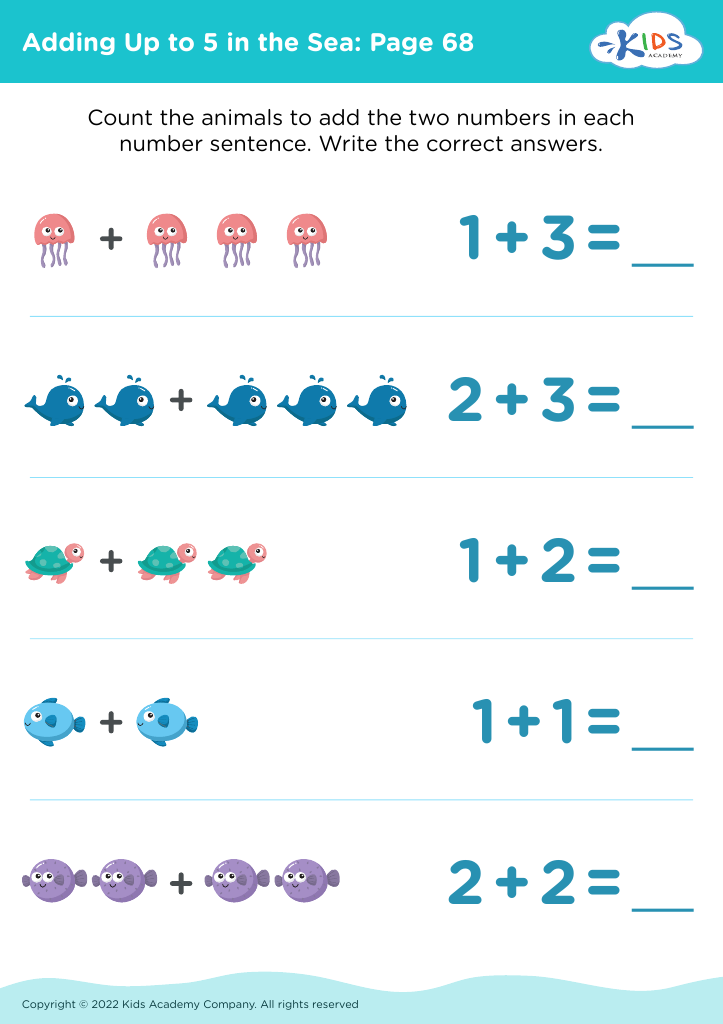
Adding Up to 5 in the Sea: Page 68
Worksheet
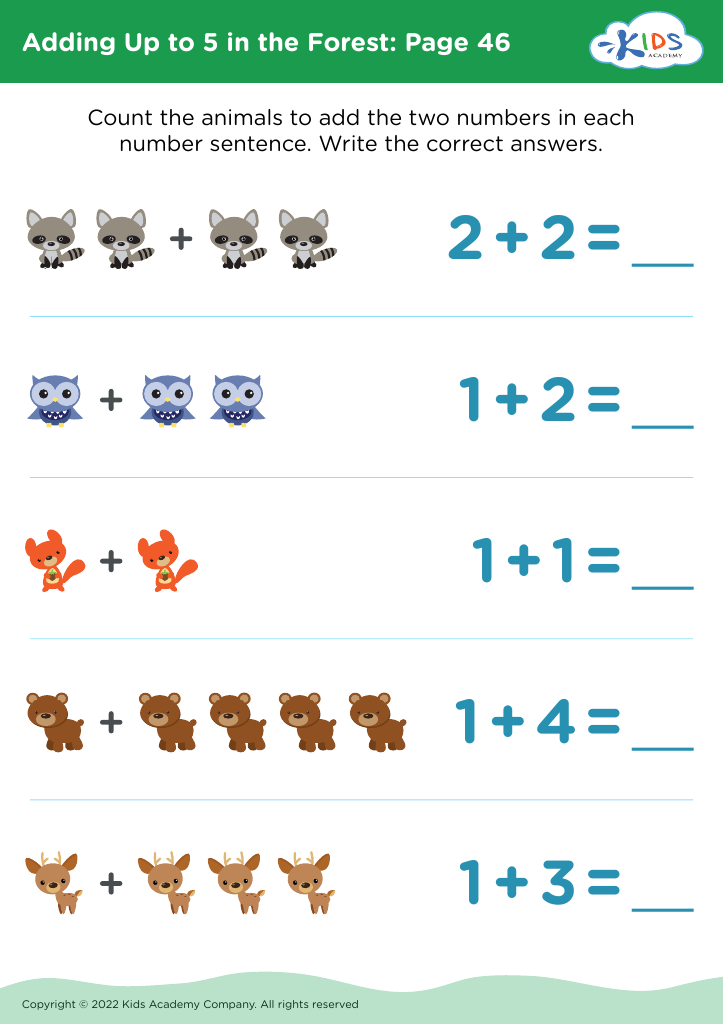
Adding Up to 5 in the Forest: Page 46
Worksheet
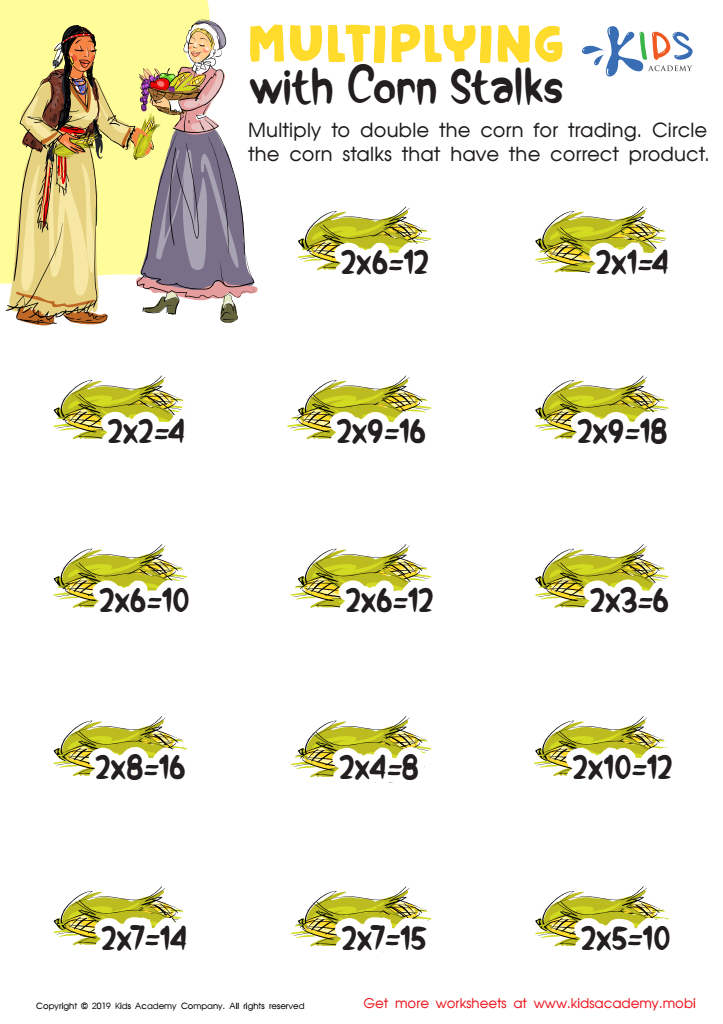
Multiplying With Corn Stalks Worksheet

Multiplying With Corn Stalks Worksheet

Farming is profitable; corn is a versatile crop used for many things. Ask your kids what products come from corn! This worksheet is a fun way to teach multiplying with corn stalks. Farmers must multiply the stalks to double their number for trading and increase their profits. Challenge your kids to circle the correct products.
Multiplying With Corn Stalks Worksheet
Worksheet
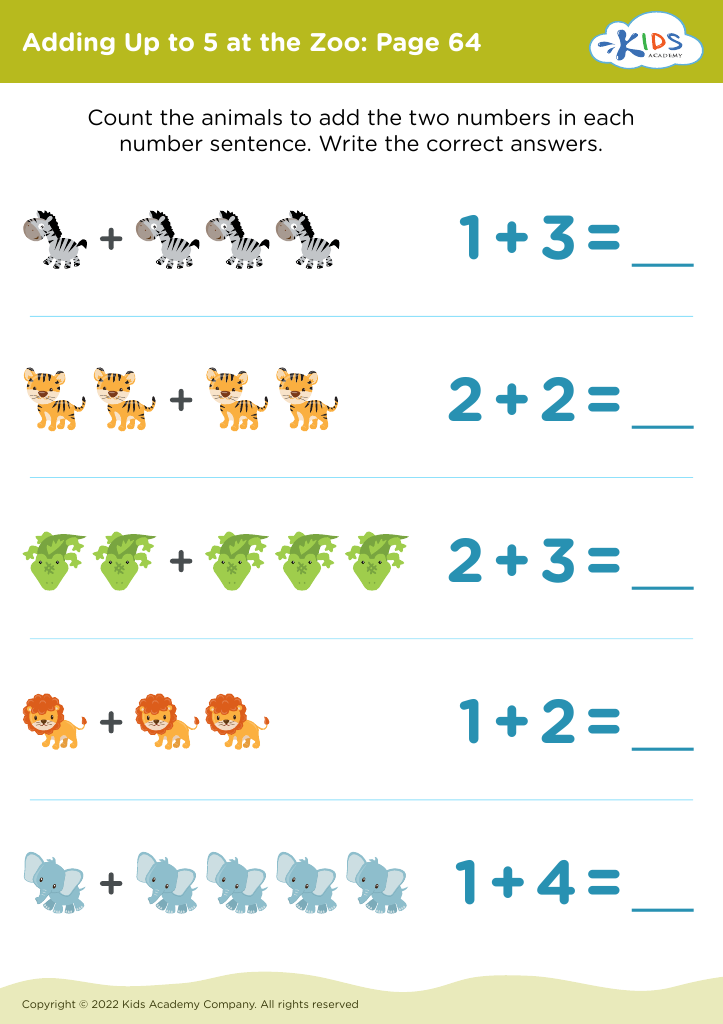
Adding Up to 5 at the Zoo: Page 64
Worksheet
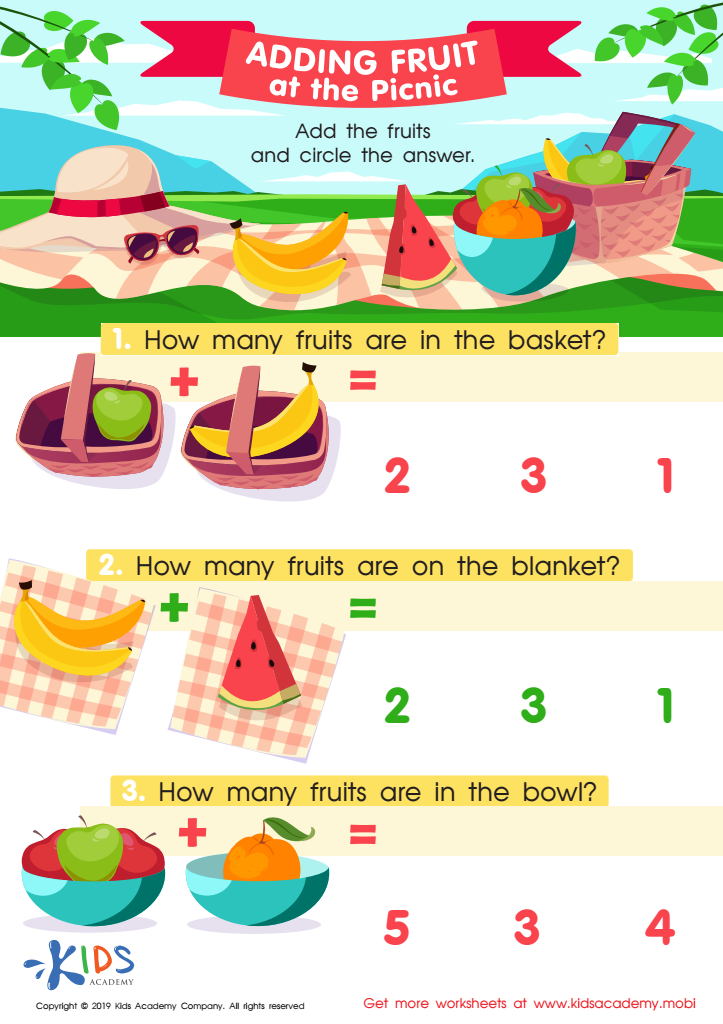
Adding Fruit at the Picnic Worksheet
Adding Fruit at the Picnic Worksheet
Picnics are a great way for the family to enjoy a fun day in the sun! Get your kids involved by having them help load the picnic basket and do this worksheet to practice their math skills while they get ready. Identify the fruits in the picture, add them up, and circle the correct answer.
Adding Fruit at the Picnic Worksheet
Worksheet
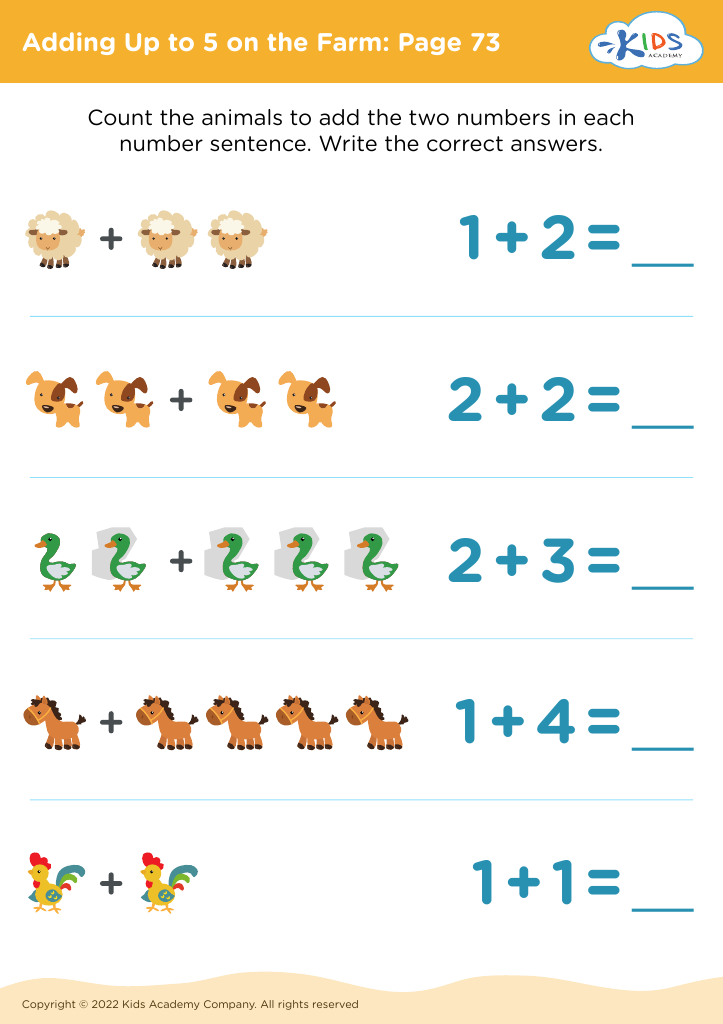
Adding Up to 5 on the Farm: Page 73
Worksheet
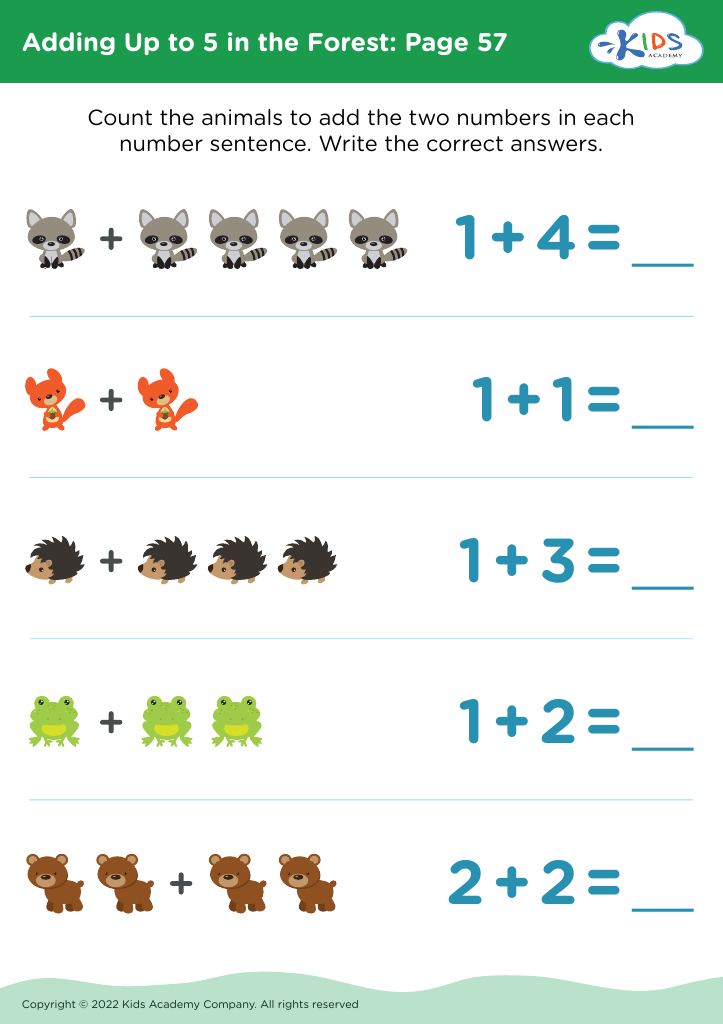
Adding Up to 5 in the Forest: Page 57
Worksheet
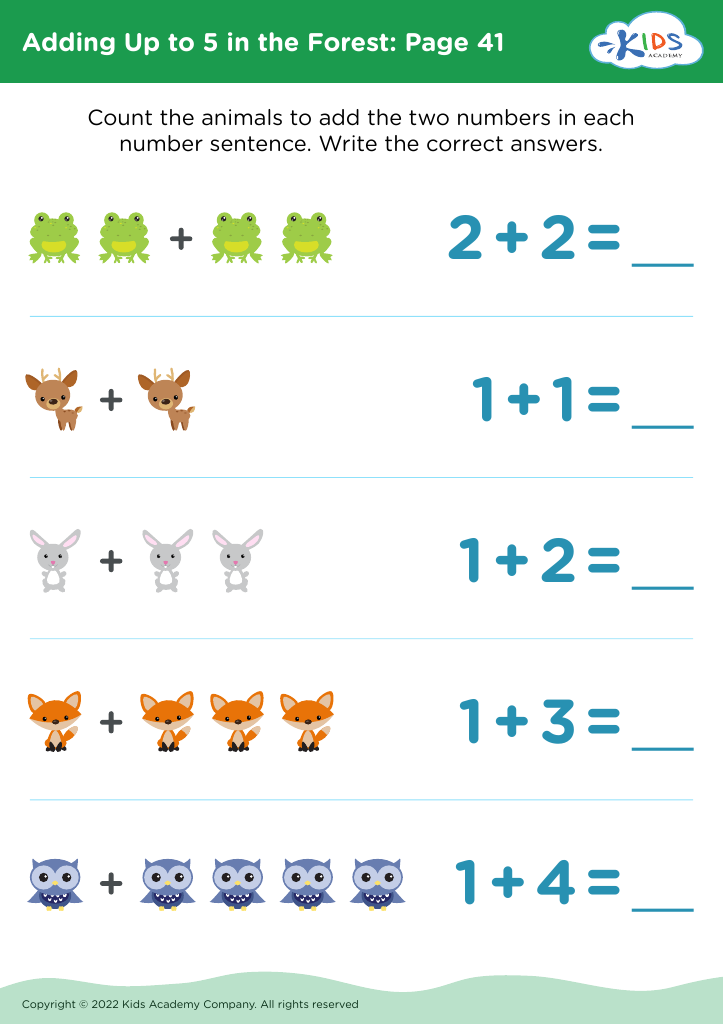
Adding Up to 5 in the Forest: Page 41
Worksheet
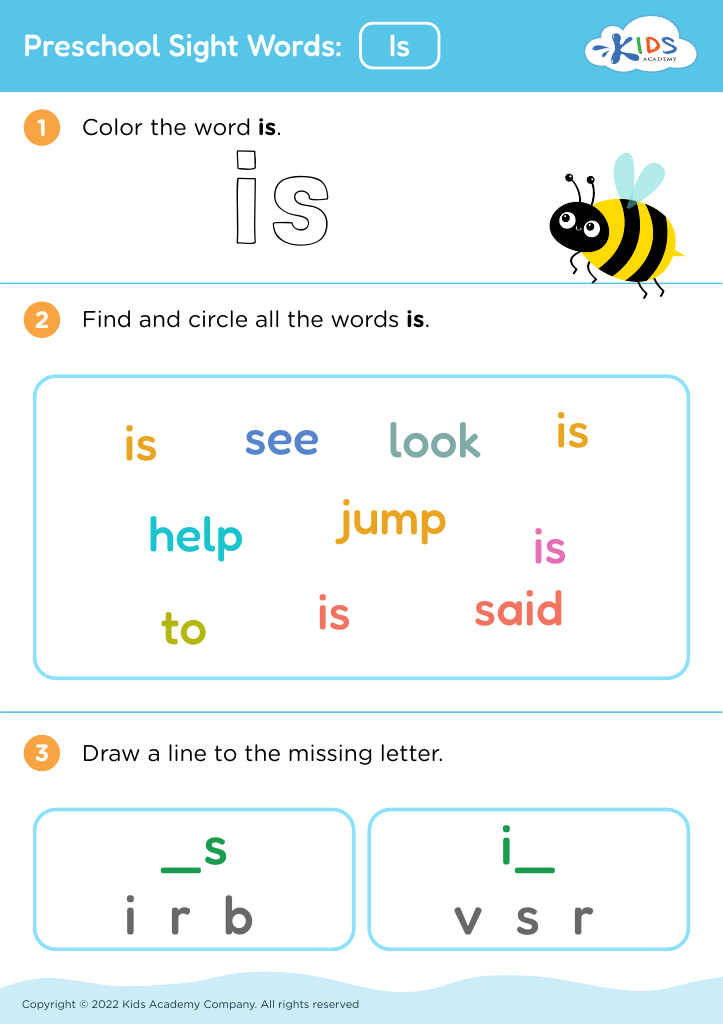
Preschool Sight Words: Is

Preschool Sight Words: Is

Preschool Sight Words: Is
Worksheet


... 4 5

Visual learning is a crucial educational approach for children aged 3-8, as it leverages the natural inclination of young learners to process information through images, colors, and patterns. By engaging with visual content, children can better grasp concepts and retain information, which enriches their overall learning experience.

For parents and teachers, understanding the importance of visual learning means recognizing its role in developing critical skills such as observation, analysis, and creativity. Children in this age range absorb information through their senses, making visual aids—like illustrations, diagrams, and videos—effective tools for explanation and engagement. These resources can simplify complex information, making it more accessible and enjoyable for young minds.

Moreover, integrating visual learning strategies can cater to diverse learning styles. Many children benefit from visual prompts, leading to increased motivation and self-esteem as they comprehend challenging material. When parents and teachers prioritize visual learning, they help foster a supportive environment where children can express themselves and communicate their ideas through visuals. In essence, advocating for visual learning creates a foundation for lifelong learning, ensuring that children are prepared for future academic success and personal growth.