Word Formation Worksheets for Ages 3-8
6 filtered results
-
From - To
Discover engaging Word Formation Worksheets designed for children ages 3-8! Our collection promotes early literacy by helping young learners explore how words are built. These interactive worksheets encourage fun learning experiences through activities like matching, filling in the blanks, and creating new words from given letters. Each worksheet is tailored to develop essential vocabulary skills, boost spelling confidence, and enhance language comprehension. With colorful designs and age-appropriate challenges, kids will enjoy expanding their word knowledge while gaining fundamental skills necessary for reading and writing. Perfect for preschool and early elementary students, our worksheets make learning to form words exciting and effective!
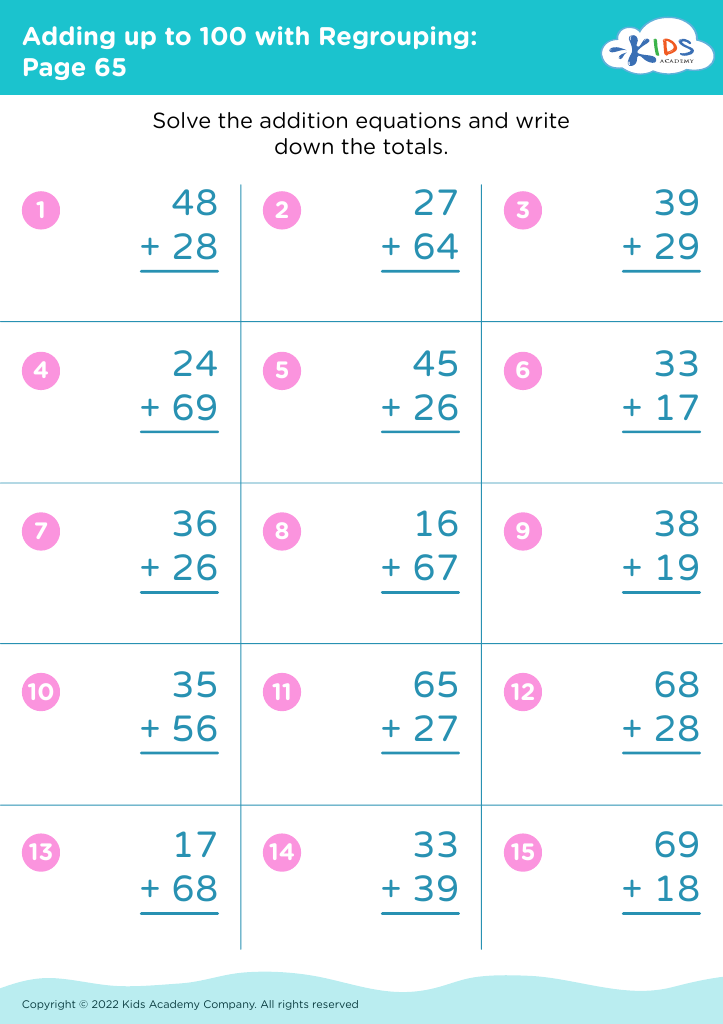
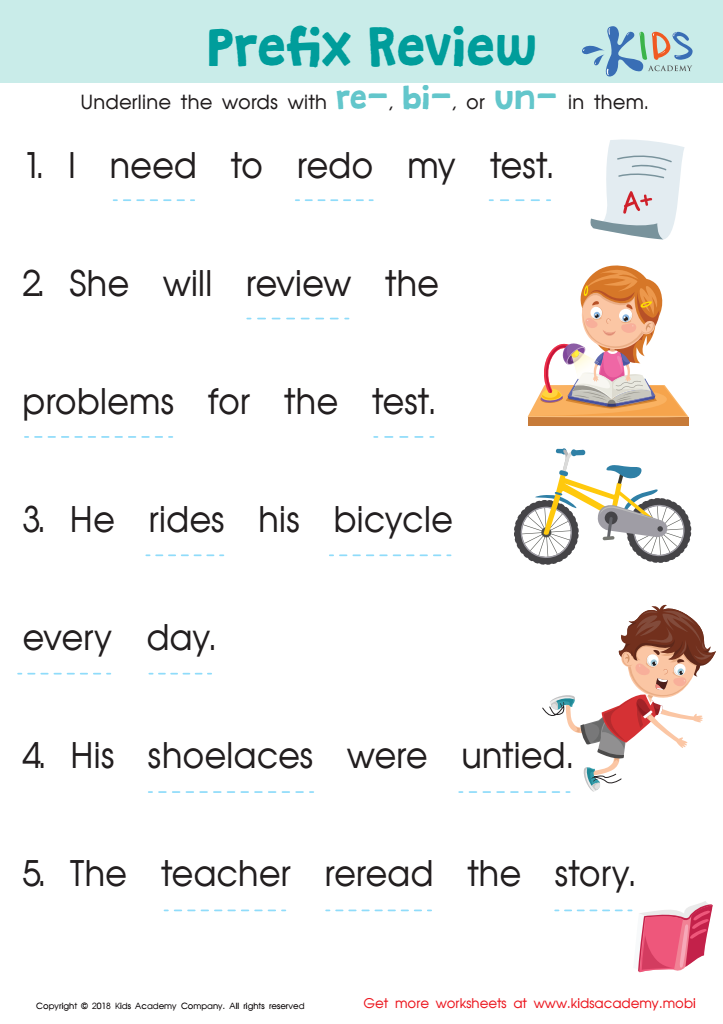
Prefix Review Worksheet
 Assign to My Students
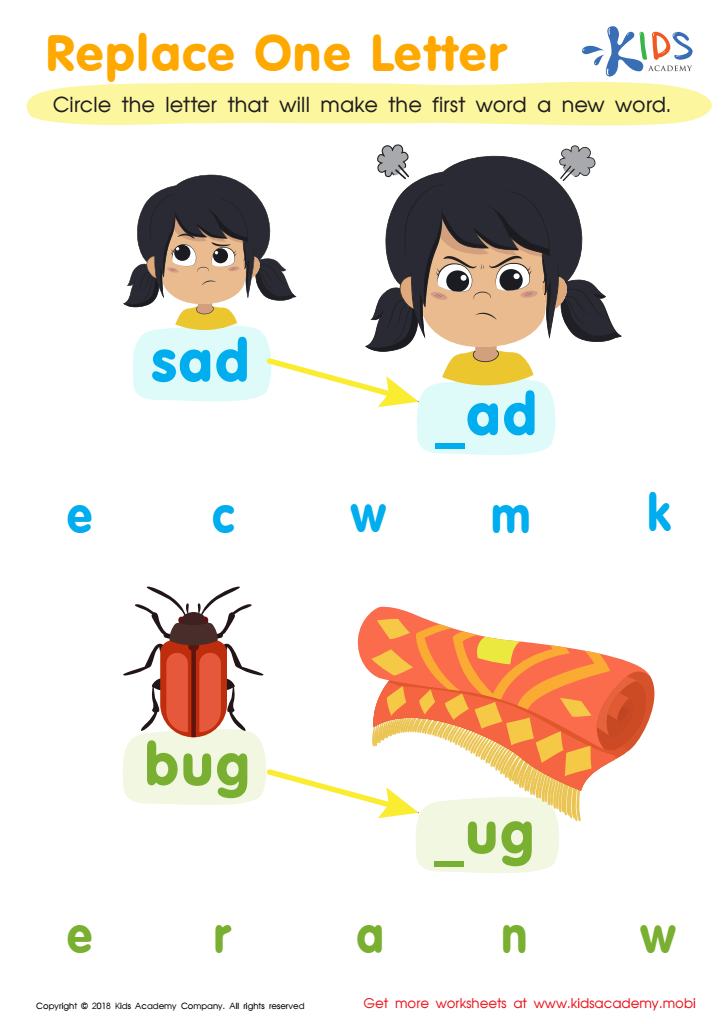
Replace One Letter Worksheet
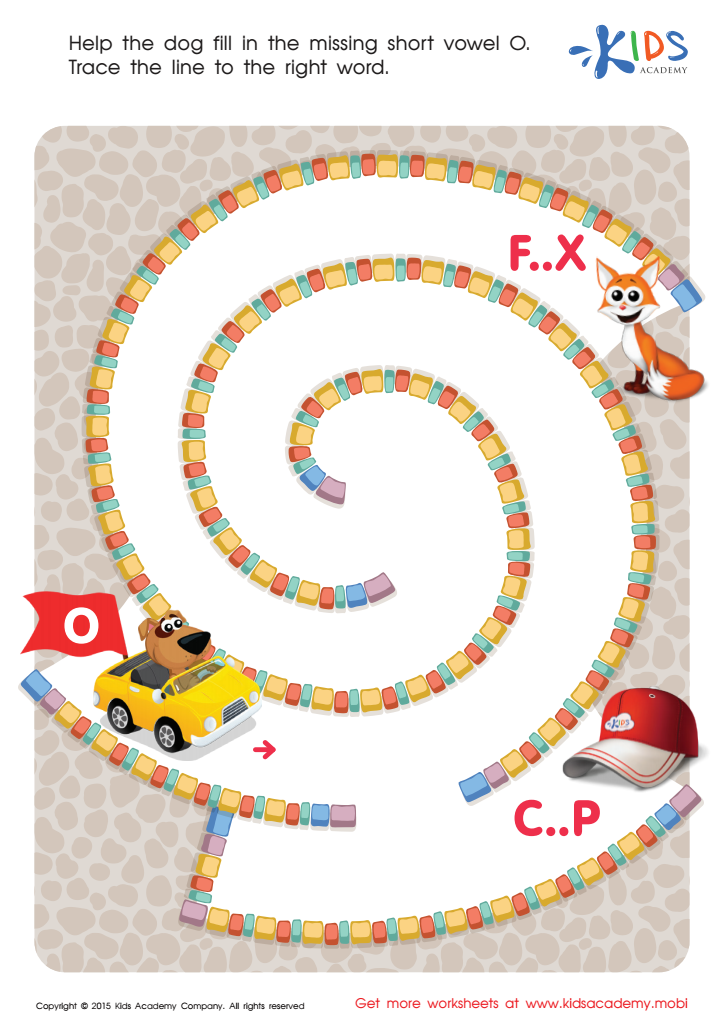
Short Vowel Sound O Worksheet
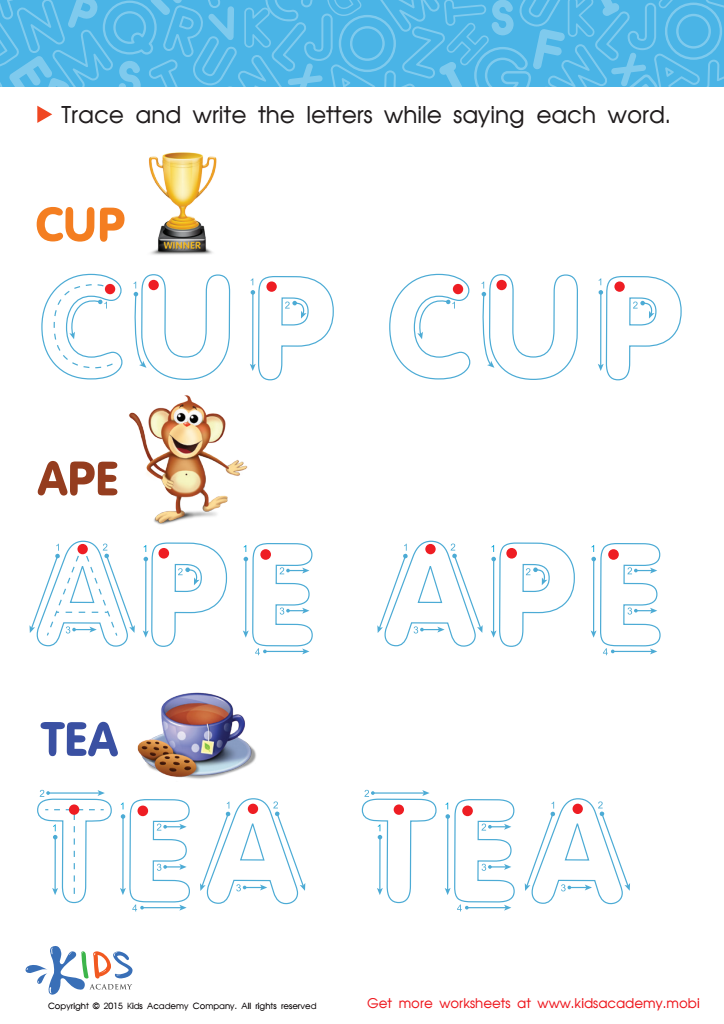
A Cup, an Ape and Tea Spelling Worksheet
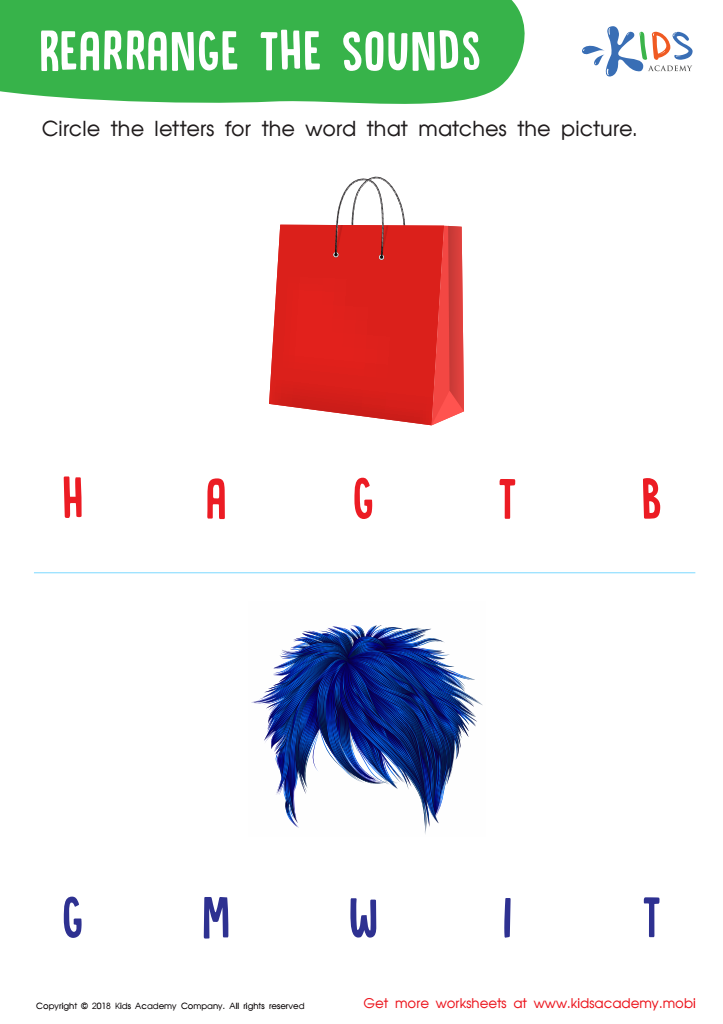
Rearrange the Sounds Worksheet







Word formation is a fundamental component of early language development for children aged 3-8, making it essential for parents and teachers to pay attention to this aspect of learning. As children begin to learn language, understanding how words are formed helps them grasp the structure and function of language, which is vital for effective communication. This knowledge fosters vocabulary expansion, enabling children to express themselves more confidently and participate actively in conversations.
Engaging in word formation activities, such as rhyming games, syllable counting, and creating new words through prefixes and suffixes, stimulates cognitive development and enhances critical thinking skills. It also lays the groundwork for literacy by improving phonemic awareness, thus making the transition to reading and writing smoother and more enjoyable.
Moreover, word formation supports social-emotional growth. When children have a solid grasp of language, they can articulate their needs and feelings, leading to better peer relationships and reduced frustration. Ultimately, involvement in word formation enables children to become lifelong learners who can navigate language effectively in various contexts, fostering their overall academic success and boosting their confidence as communicators. Therefore, parents and teachers play a crucial role in nurturing these foundational skills in young learners.








