Word identification Worksheets for Ages 3-8
15 filtered results
-
From - To
Discover the perfect Word Identification Worksheets designed for children aged 3-8 at Kids Academy! Our engaging worksheets help young learners develop essential reading skills by focusing on letter recognition, sight words, and basic vocabulary. With colorful illustrations and fun activities, our printable resources make learning both enjoyable and effective. Ideal for early readers, these worksheets support educators and parents in guiding kids through the fundamental stages of word recognition. Whether used at home or in the classroom, our tools are crafted to nurture a love for reading from a young age. Unlock your child's potential with Kids Academy today!
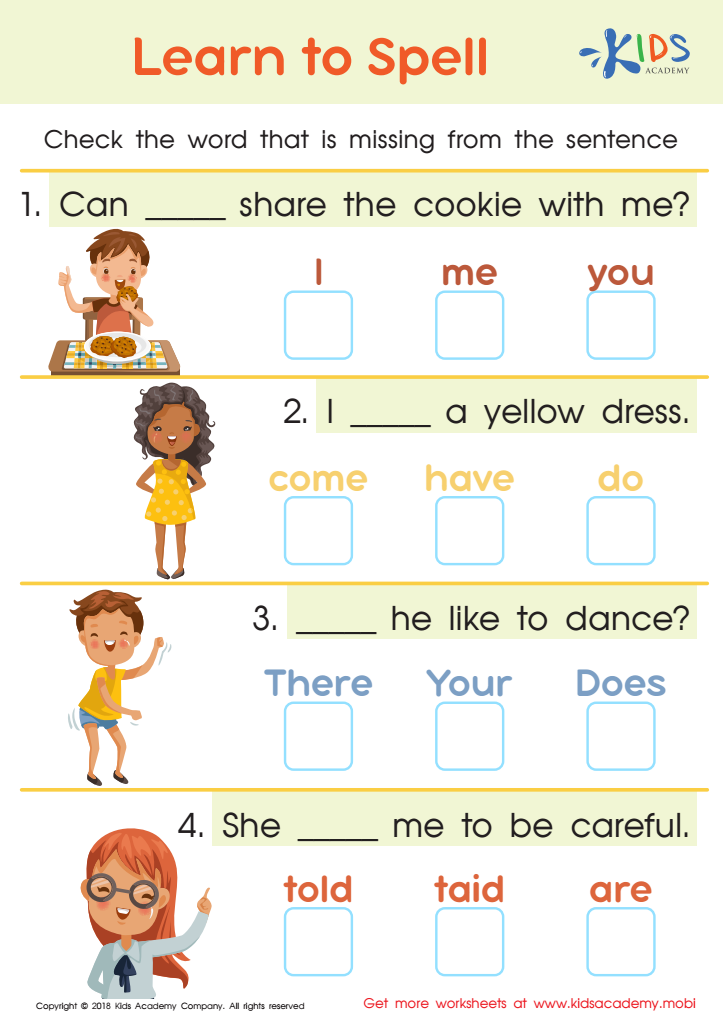
Learn to Spell Worksheet
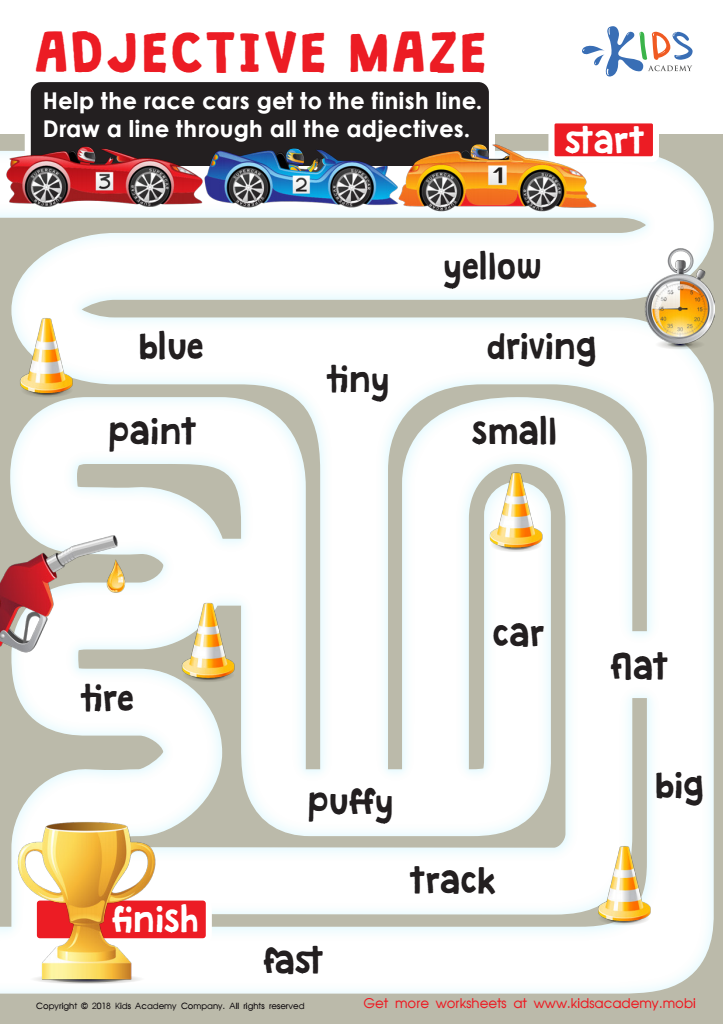
Adjective Maze Worksheet
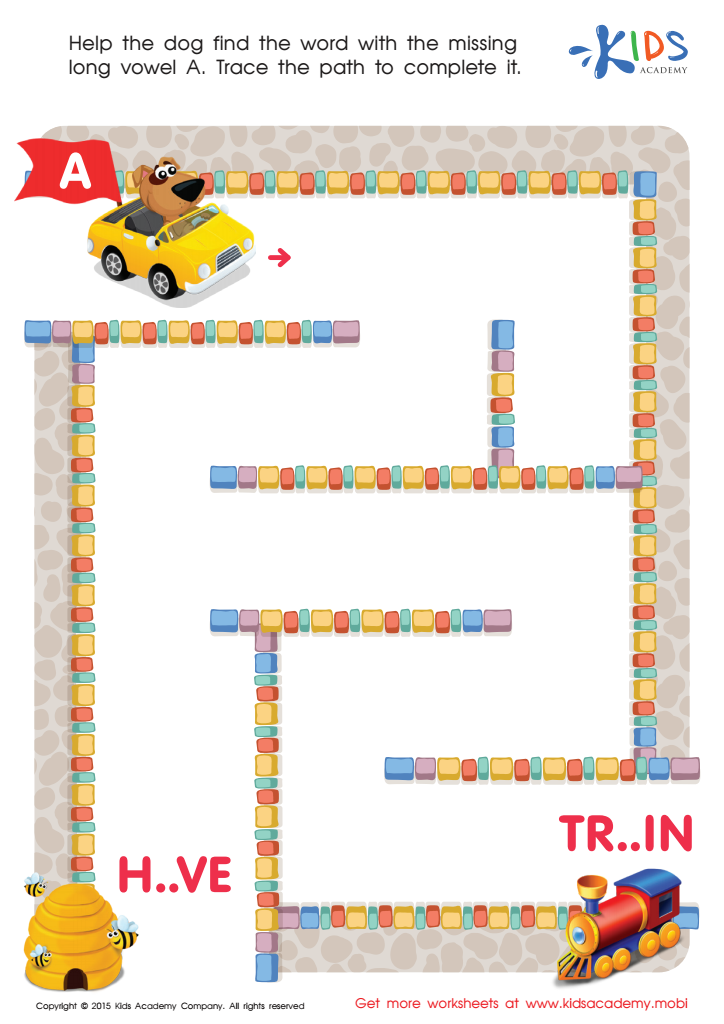
Long Vowel Sound A Worksheet
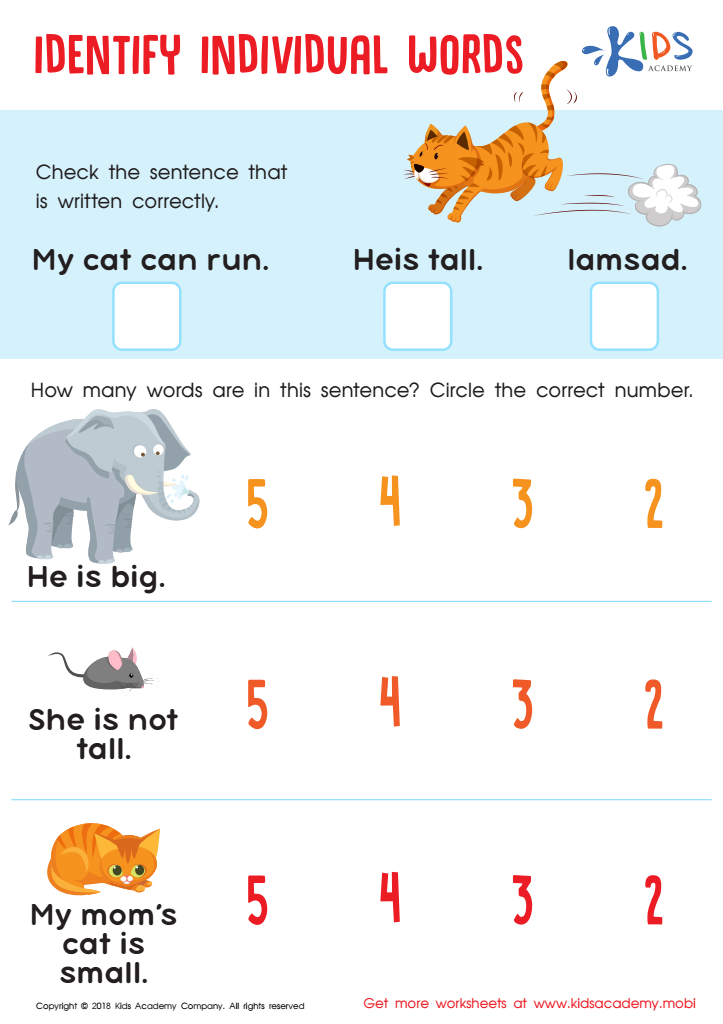
Identify Individual Words Worksheet
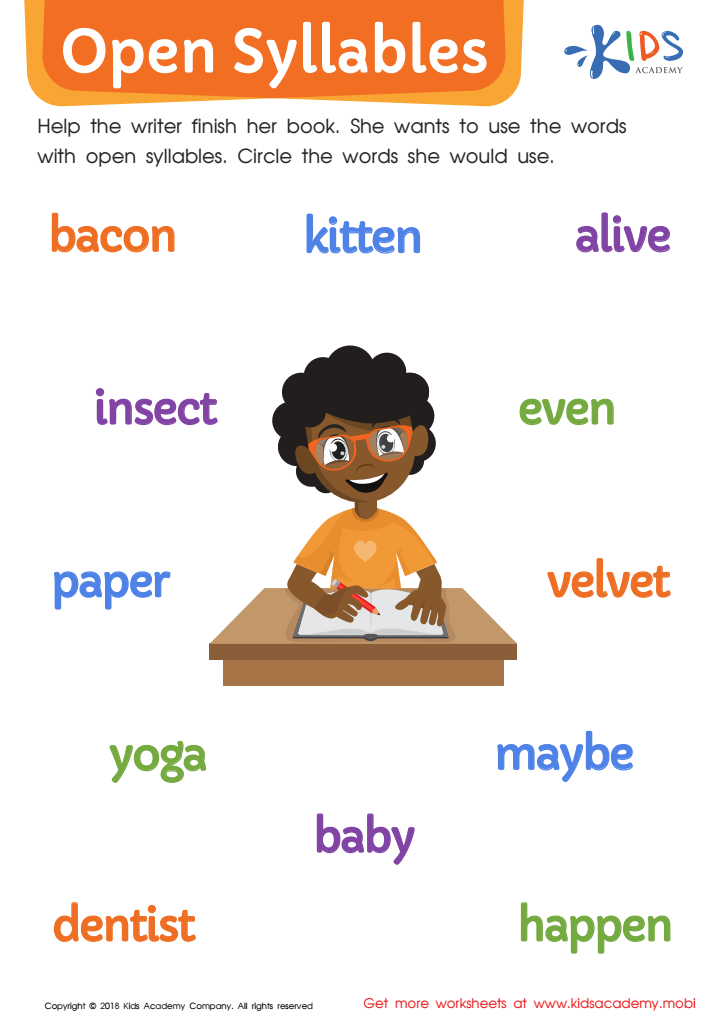
Open Syllables Worksheet
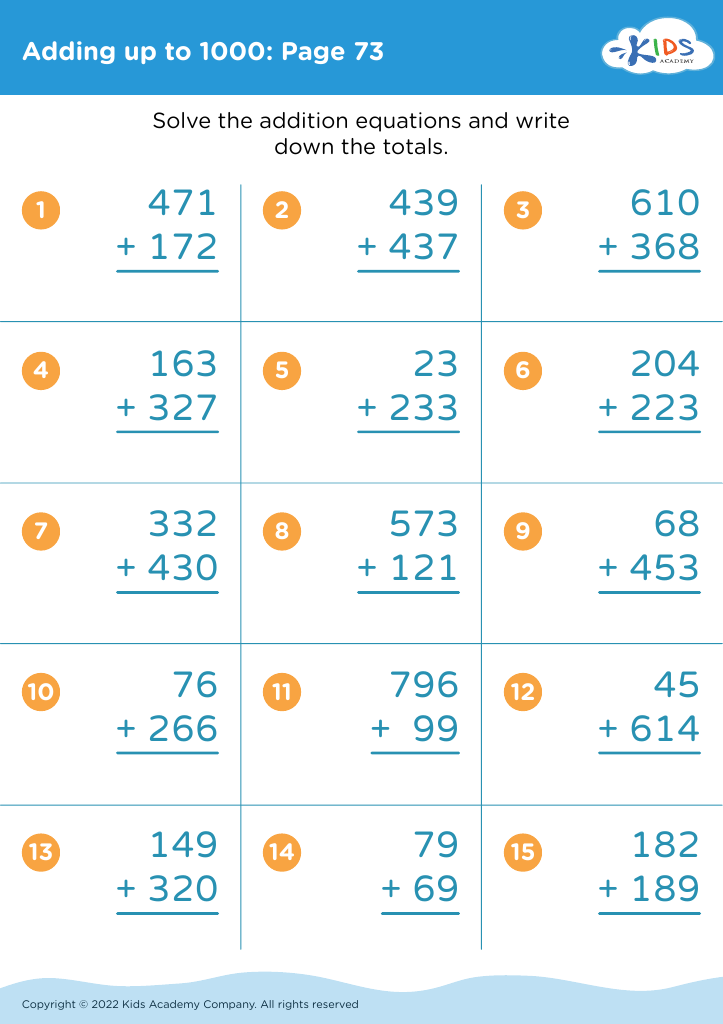
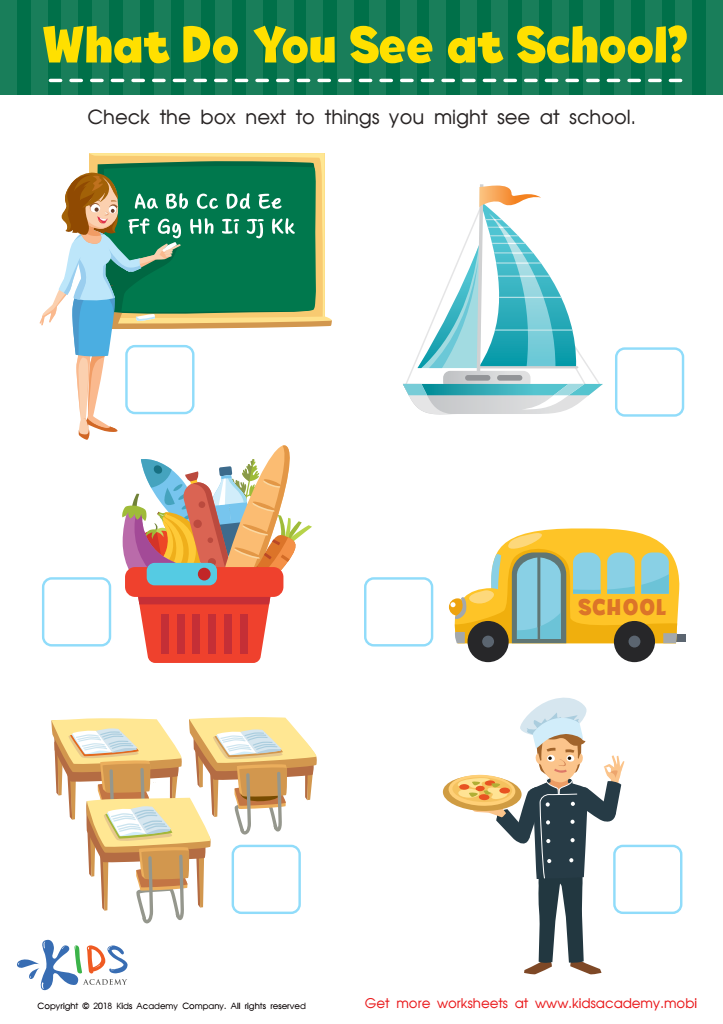
What Do you See at School? Worksheet
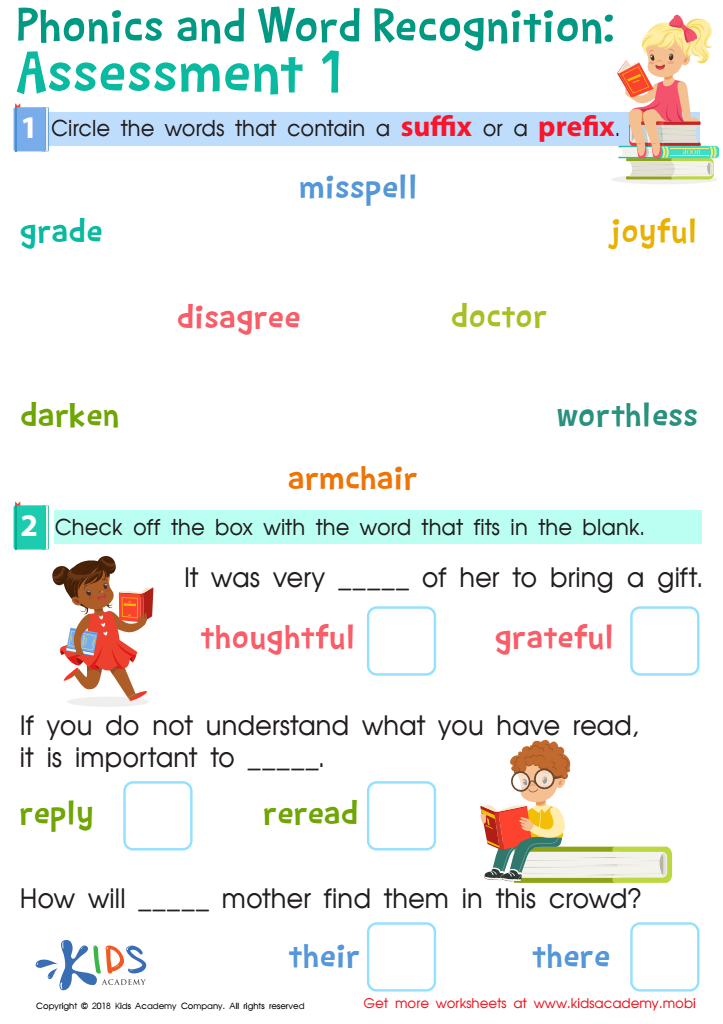
Phonics and Word Recognition: Assessment 1 Worksheet
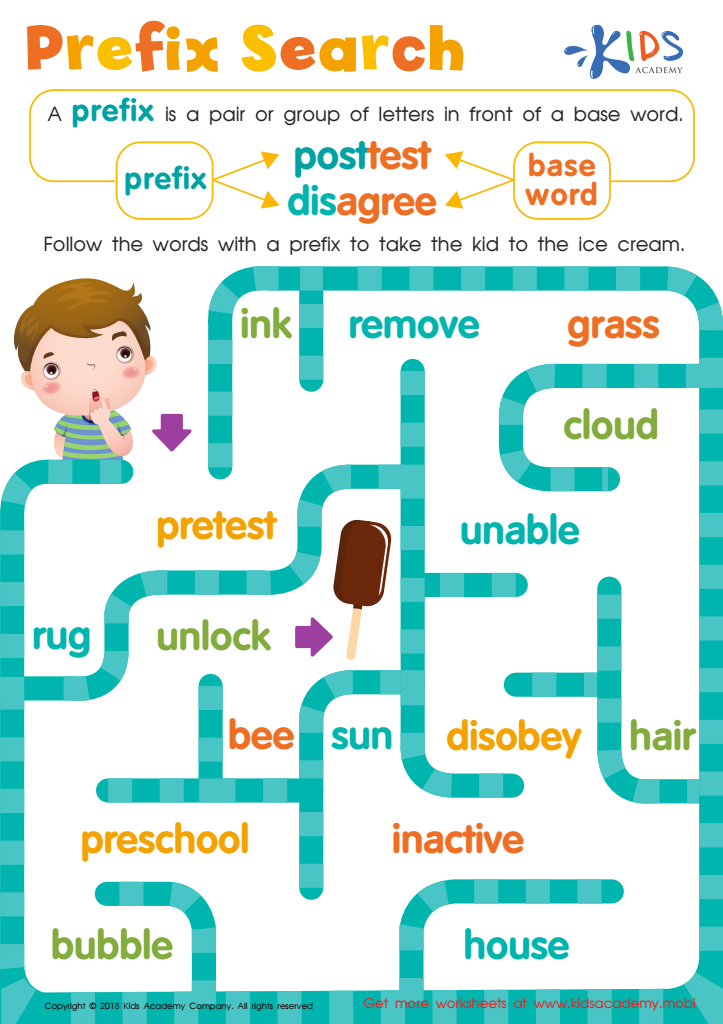
Reading: Prefix Search Worksheet
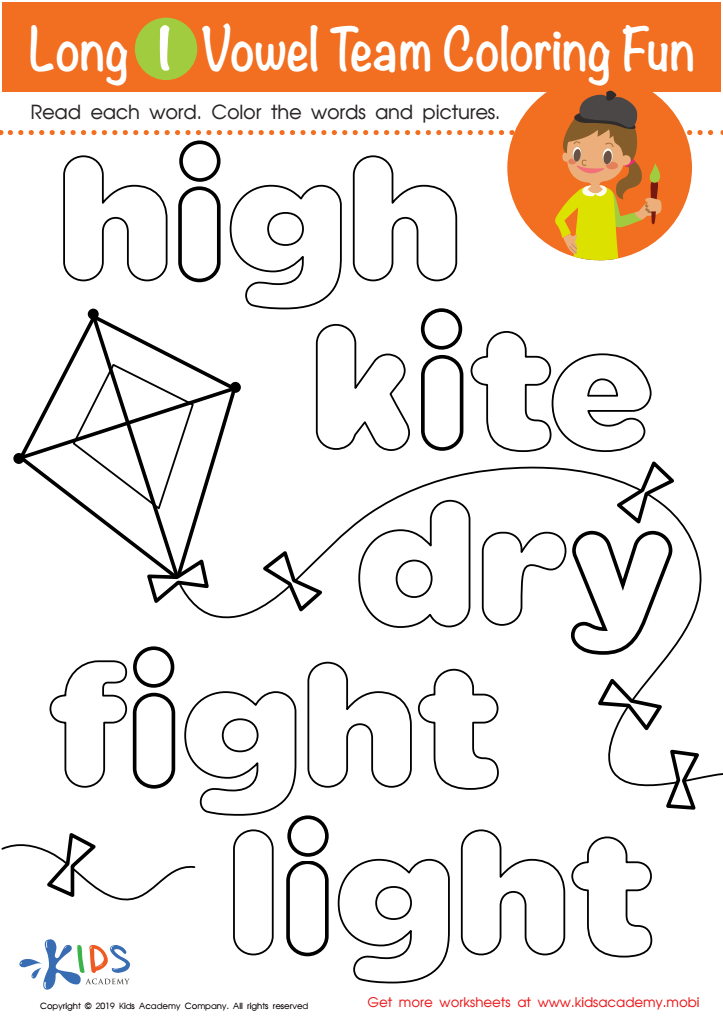
Long I Vowel Team Coloring Worksheet
 Assign to My Students
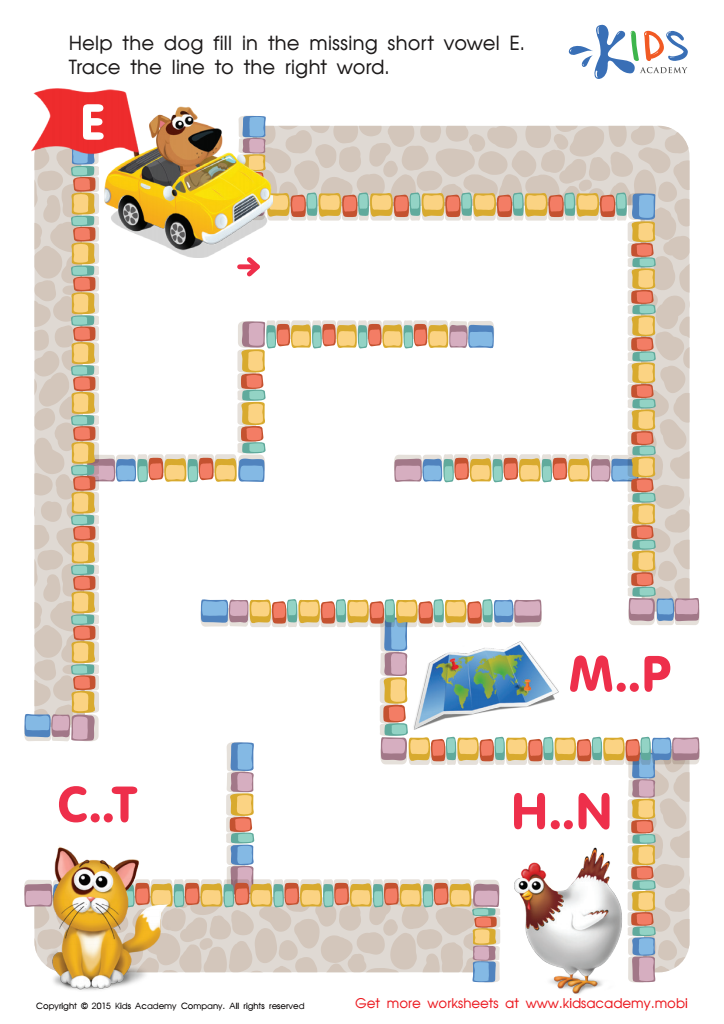
Short Vowel Sound E Worksheet
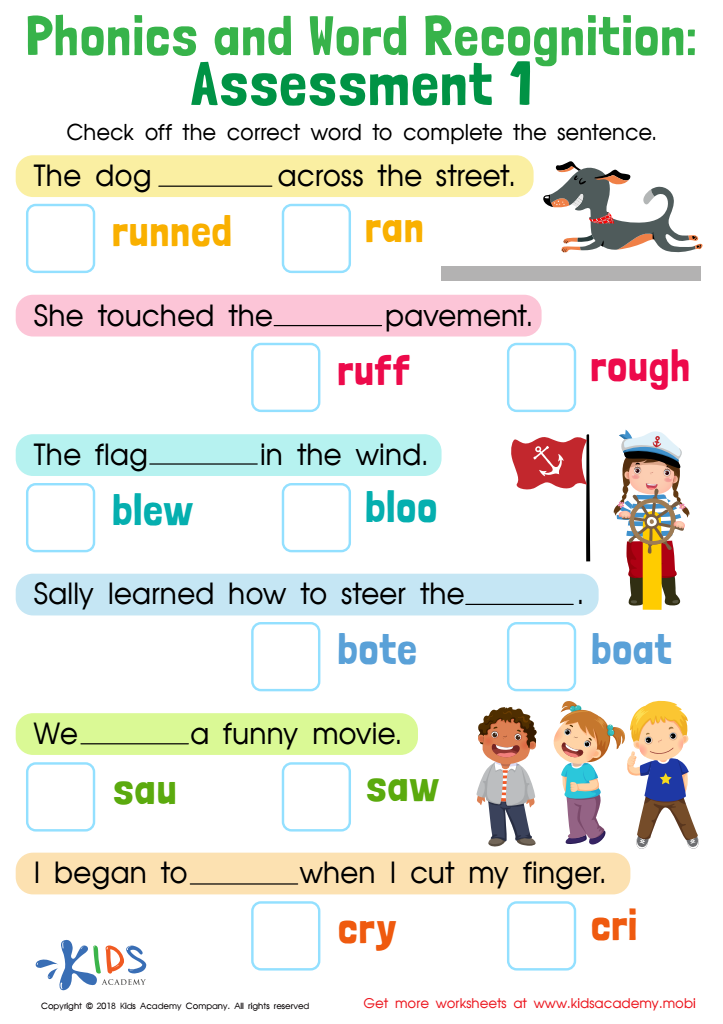
Phonics and Word Recognition: Assessment 1 Worksheet
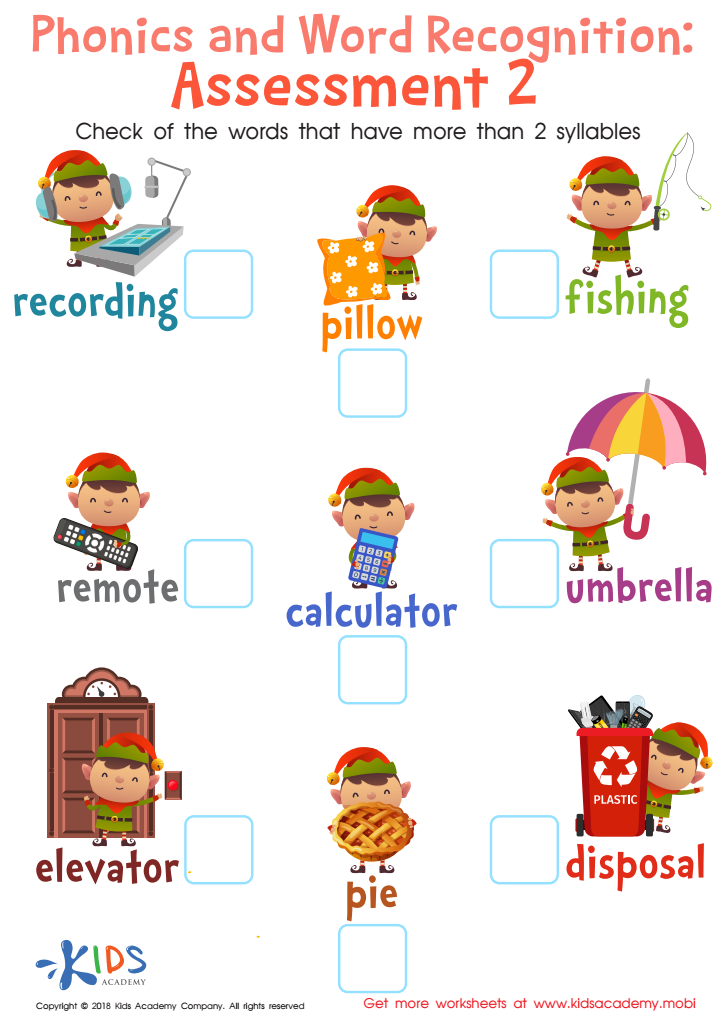
Phonics and Word Recognition: Assessment 2 Worksheet
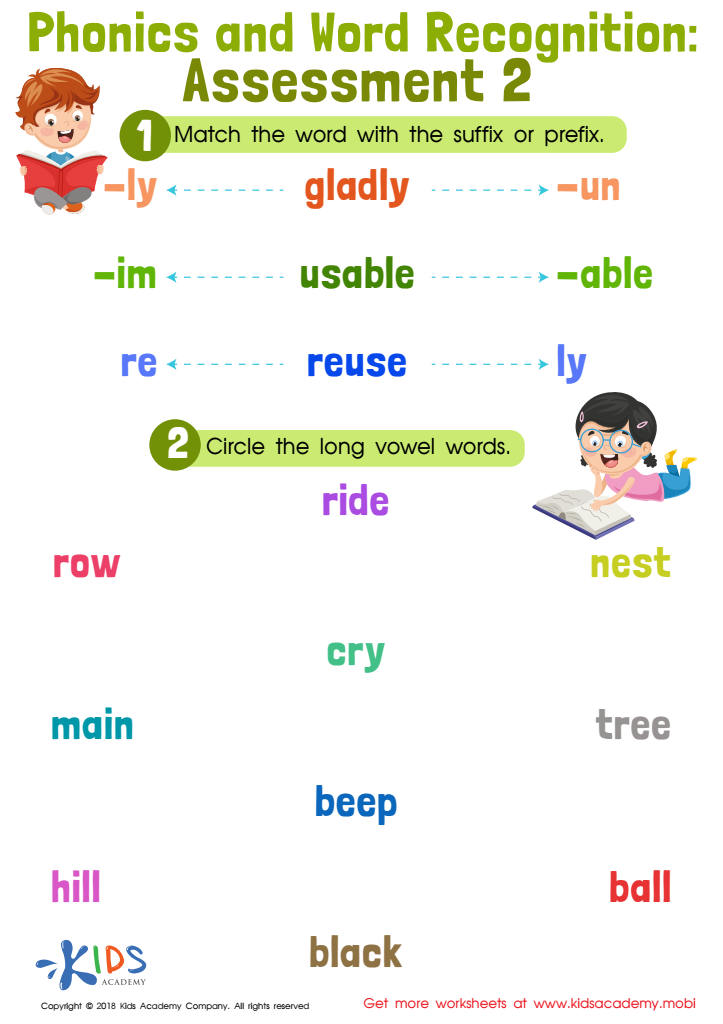
Phonics and Word Recognition: Assessment 2
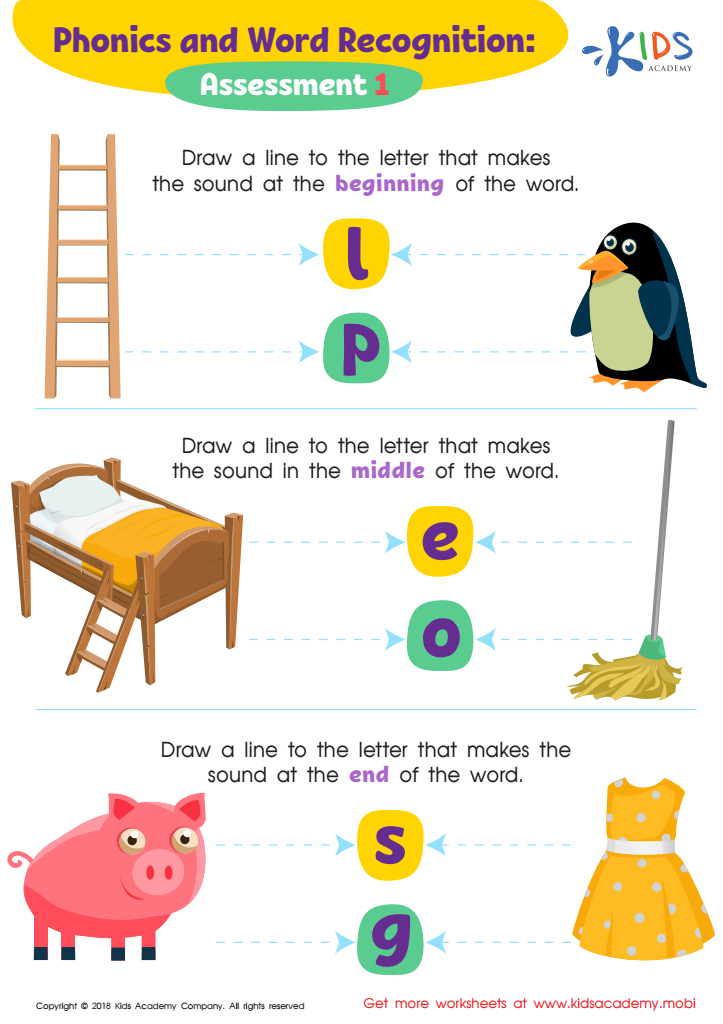
Phonics and Word Recognition: Assessment 1 ELA Worksheet








Word identification is fundamental for children aged 3-8 as it lays the groundwork for successful reading and overall academic achievement. For parents and teachers, nurturing this skill during early childhood can profoundly influence a child's ability to decode and comprehend text as they progress through school.
During these formative years, children's brains are highly receptive to learning language. Efficient word identification enables them to recognize and understand frequently used words quickly, fostering smoother reading sessions. This fluency is essential for cognitive development and can boost a child's confidence and motivation to read, sparking a lifelong love of reading.
Moreover, strong word identification skills are closely linked to better reading comprehension; when children can effortlessly recognize words, they can dedicate more mental energy to understanding the text's meaning rather than decoding individual words.
Addressing word identification early also helps to identify and support children who might be struggling, ensuring they do not fall behind. Parents and teachers can incorporate engaging activities like flashcards, reading aloud, and interactive games to make the learning process enjoyable and effective.
Overall, investing time and resources into developing word identification skills at this stage is a crucial step in empowering children with the literacy skills they need for future academic and personal success.








