Fine Motor Skills Logic and Early Math Worksheets for Ages 3-8
5 filtered results
-
From - To
Enhance your child's fine motor skills and early math understanding with our engaging worksheets designed for ages 3-8. Our collection features a variety of activities that promote dexterity while introducing kids to fundamental math concepts such as counting, sorting, and pattern recognition. Each worksheet encourages curiosity and aids in developing critical thinking through hands-on learning experiences. Carefully crafted to balance fun and education, these resources are perfect for parents and educators looking to foster a strong foundation for future learning. Explore our fine motor skills and early math worksheets today and watch your child thrive in their early educational journey!

Trumpeter Maze Worksheet

Superman Maze Worksheet
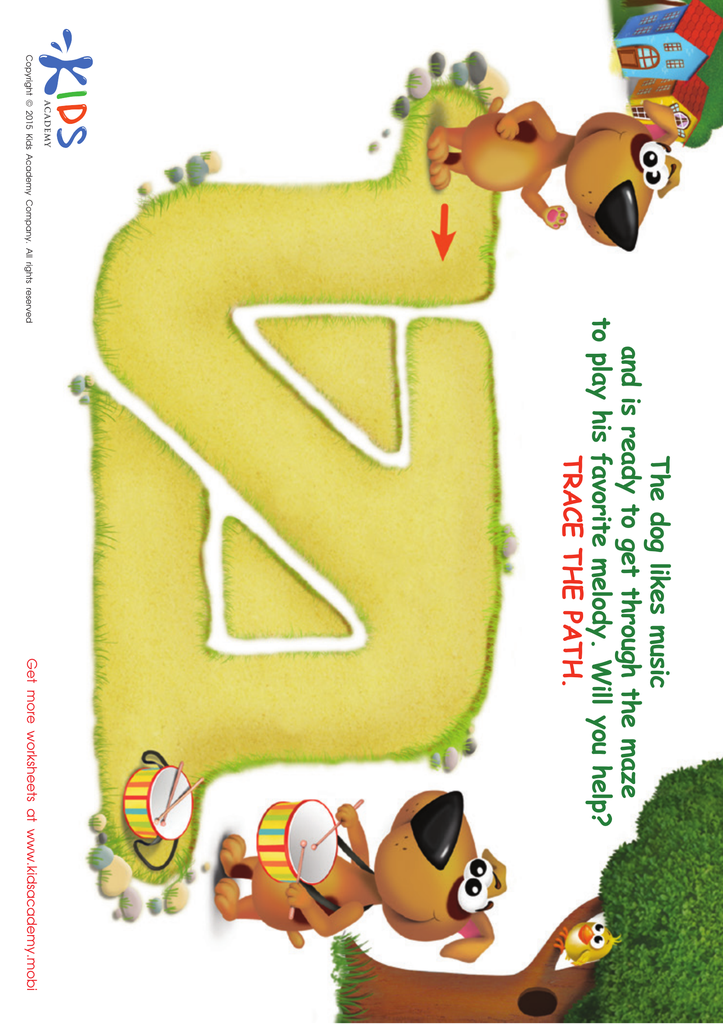
Drummer Maze Worksheet
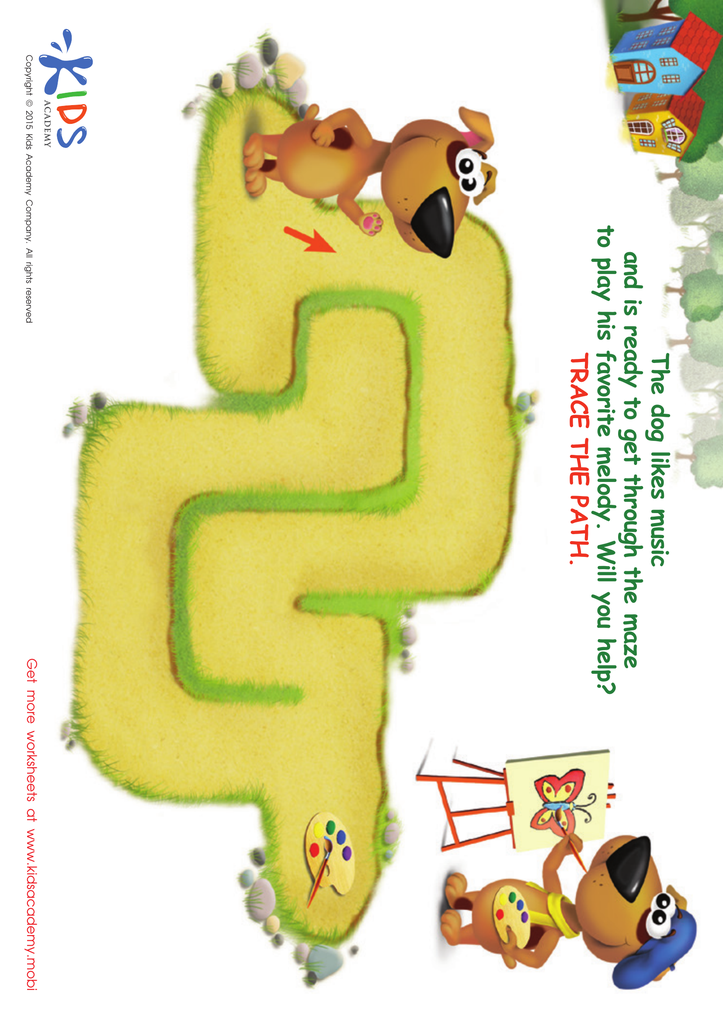
Artist Maze Worksheet

Tennis Player Maze Worksheet







Fine motor skills and early math concepts are crucial developmental areas for children aged 3-8. These skills not only support children in completing everyday tasks but also lay the groundwork for more complex academic learning.
Fine motor skills involve the coordinated use of small muscles in the hands and fingers, which are essential for tasks such as writing, buttoning clothes, and using utensils. Developing these skills enhances a child's ability to engage with their environment and promotes independence. As children master these skills, they gain confidence, which is vital for their overall emotional and social development.
Logic and early math skills focus on foundational concepts such as number recognition, counting, and spatial awareness. Introducing these concepts at an early age fosters critical thinking and problem-solving abilities. Early exposure to math and logic helps children make sense of patterns, relationships, and quantities in the world around them, promoting cognitive growth.
For parents and teachers, understanding the interconnectedness of fine motor skills and early math is essential in guiding effective learning experiences. By creating opportunities to practice both areas, educators and caregivers help children build resilience, independence, and a lifelong love for learning, equipping them for future academic success and everyday challenges.