Filters

67 filtered results

Clear all filters
Favorites
With answer key
Interactive

67 filtered results

Difficulty Level

Grade


Subject

    Check out this FREE Trial Lesson on Adding on the Farm for age 3-8!

    Sorting Objects into 3 Categories

    Favorites
    With answer key
    Interactive
    • 3-8
    • Number Recognition
    • Adding on the Farm
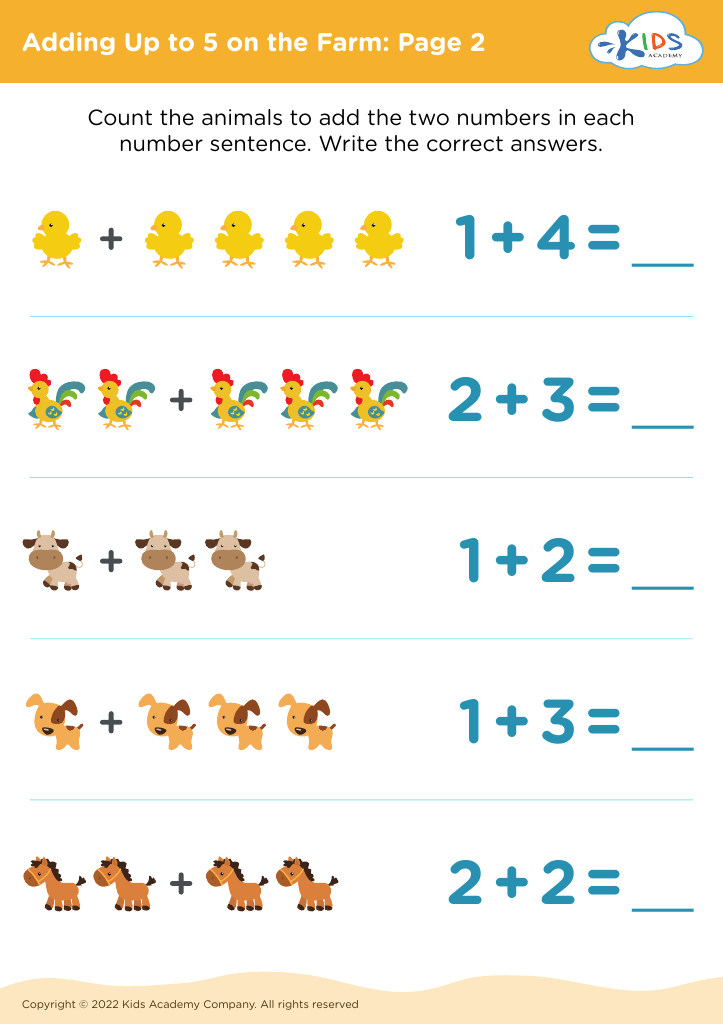
    Adding Up to 5 on the Farm: Page 2
    Adding Up to 5 on the Farm: Page 2
    Adding Up to 5 on the Farm: Page 2
    Worksheet
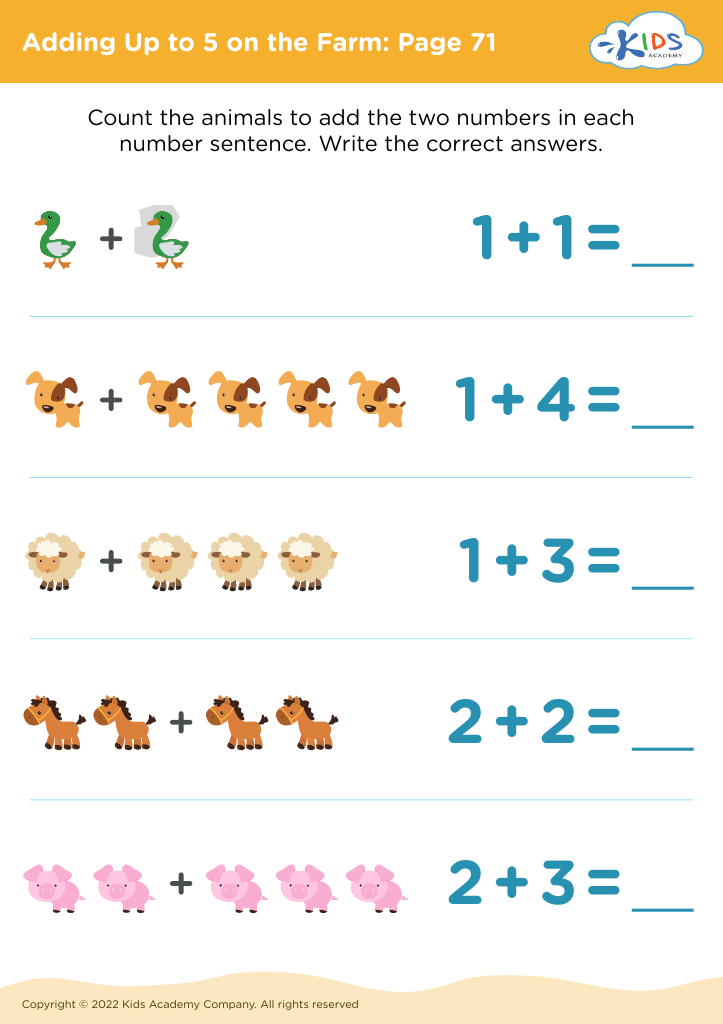
    Adding Up to 5 on the Farm: Page 71
    Adding Up to 5 on the Farm: Page 71
    Adding Up to 5 on the Farm: Page 71
    Worksheet
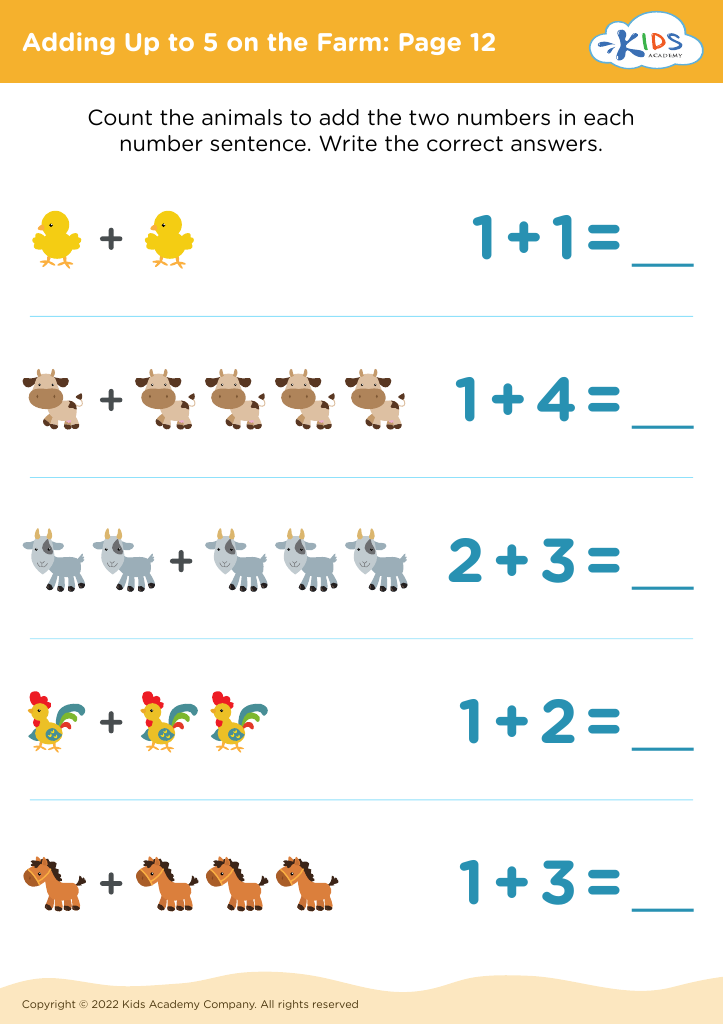
    Adding Up to 5 on the Farm: Page 12
    Adding Up to 5 on the Farm: Page 12
    Adding Up to 5 on the Farm: Page 12
    Worksheet
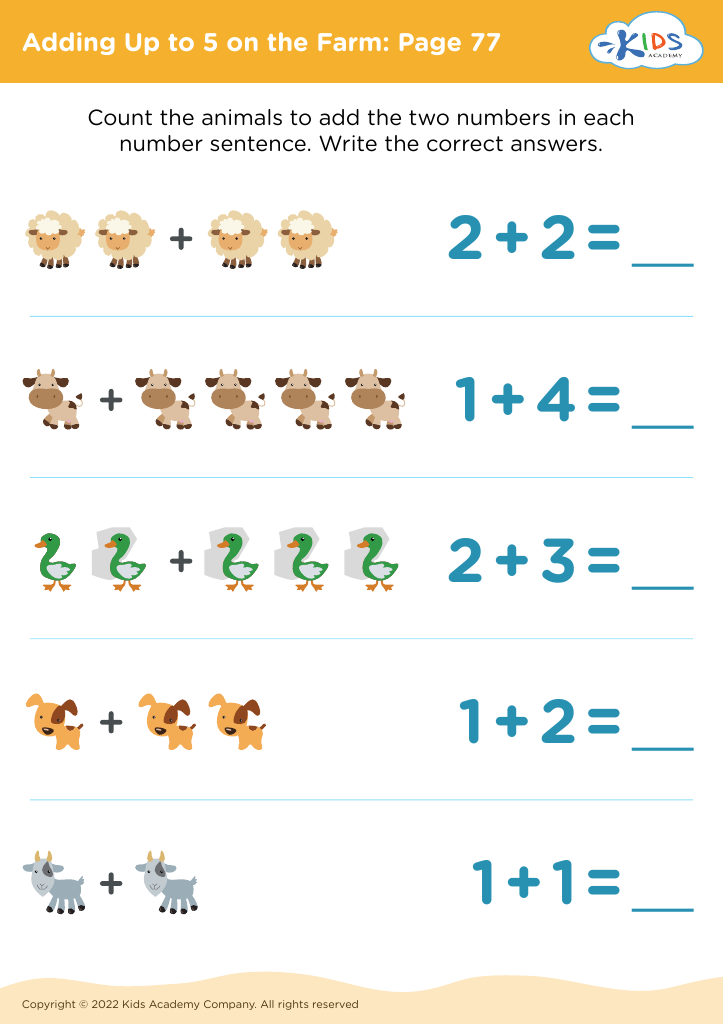
    Adding Up to 5 on the Farm: Page 77
    Adding Up to 5 on the Farm: Page 77
    Adding Up to 5 on the Farm: Page 77
    Worksheet
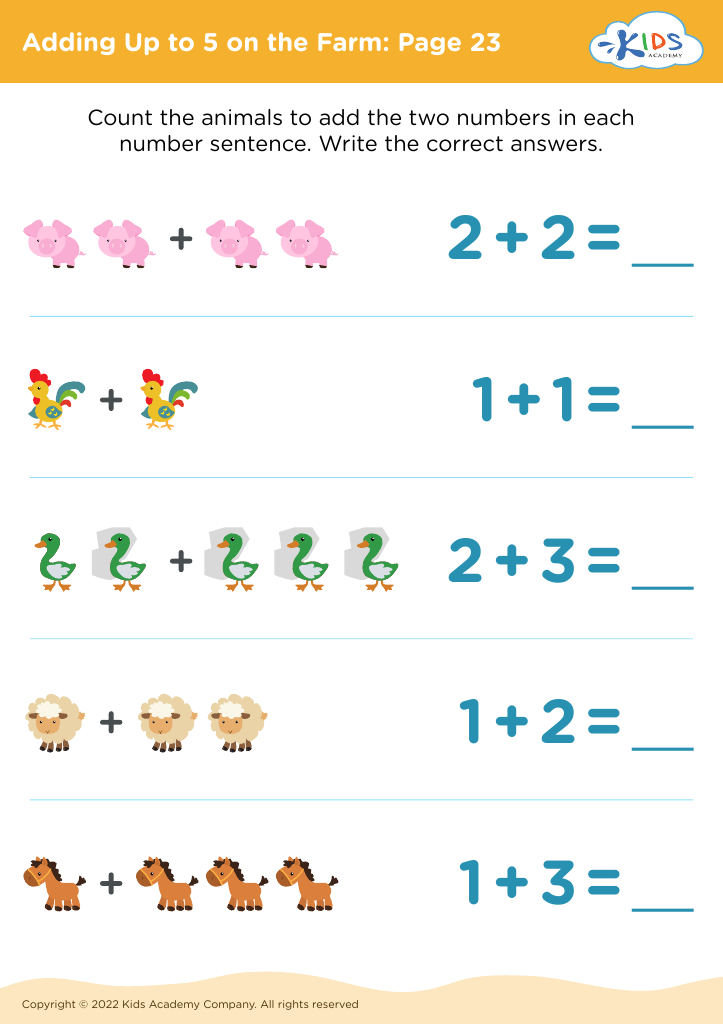
    Adding Up to 5 on the Farm: Page 23
    Adding Up to 5 on the Farm: Page 23
    Adding Up to 5 on the Farm: Page 23
    Worksheet
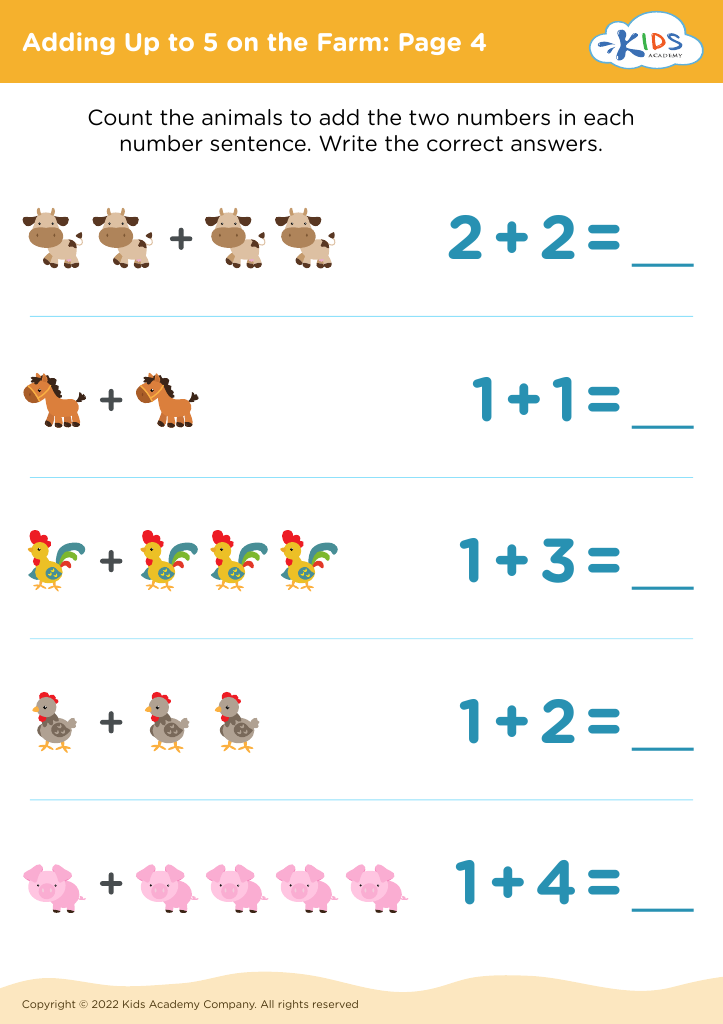
    Adding Up to 5 on the Farm: Page 4
    Adding Up to 5 on the Farm: Page 4
    Adding Up to 5 on the Farm: Page 4
    Worksheet
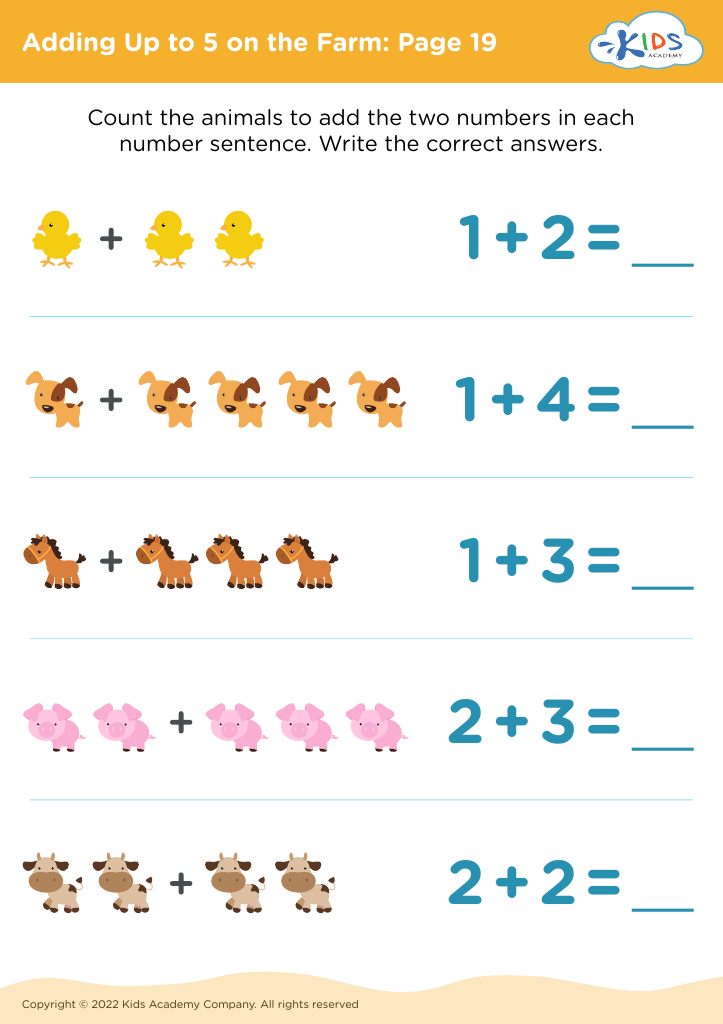
    Adding Up to 5 on the Farm: Page 19
    Adding Up to 5 on the Farm: Page 19
    Adding Up to 5 on the Farm: Page 19
    Worksheet
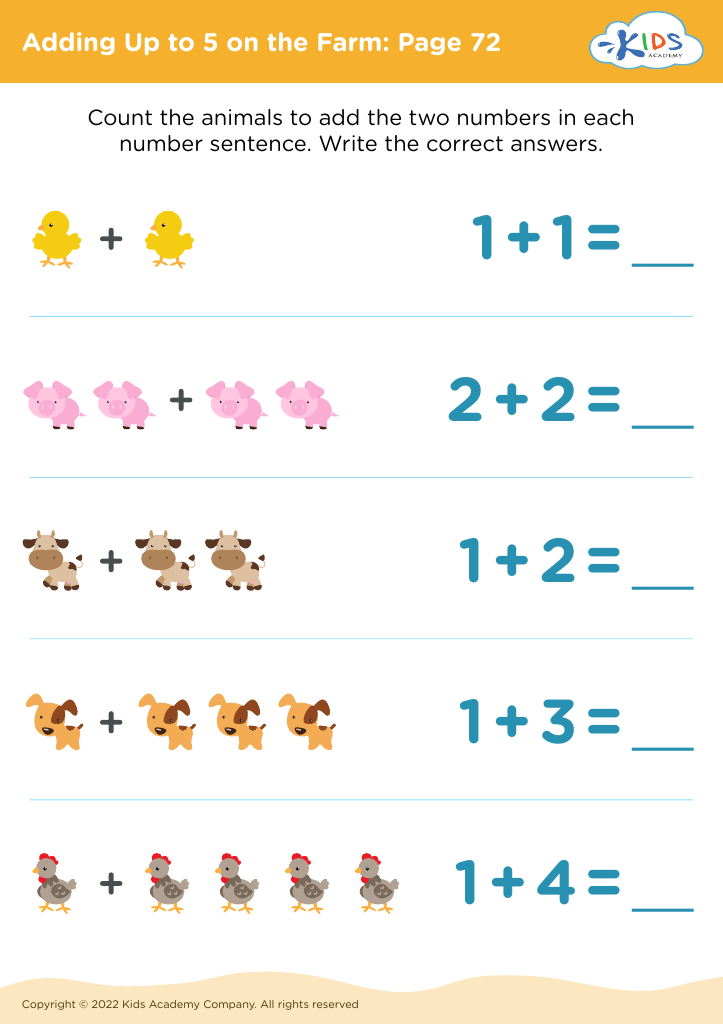
    Adding Up to 5 on the Farm: Page 72
    Adding Up to 5 on the Farm: Page 72
    Adding Up to 5 on the Farm: Page 72
    Worksheet
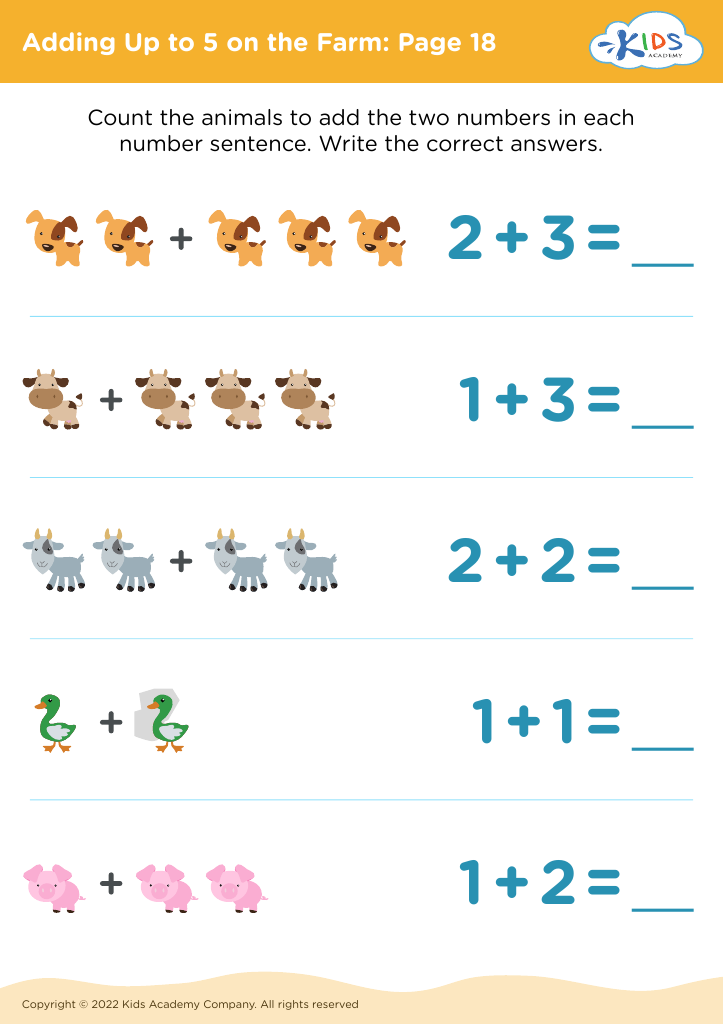
    Adding Up to 5 on the Farm: Page 18
    Adding Up to 5 on the Farm: Page 18
    Adding Up to 5 on the Farm: Page 18
    Worksheet
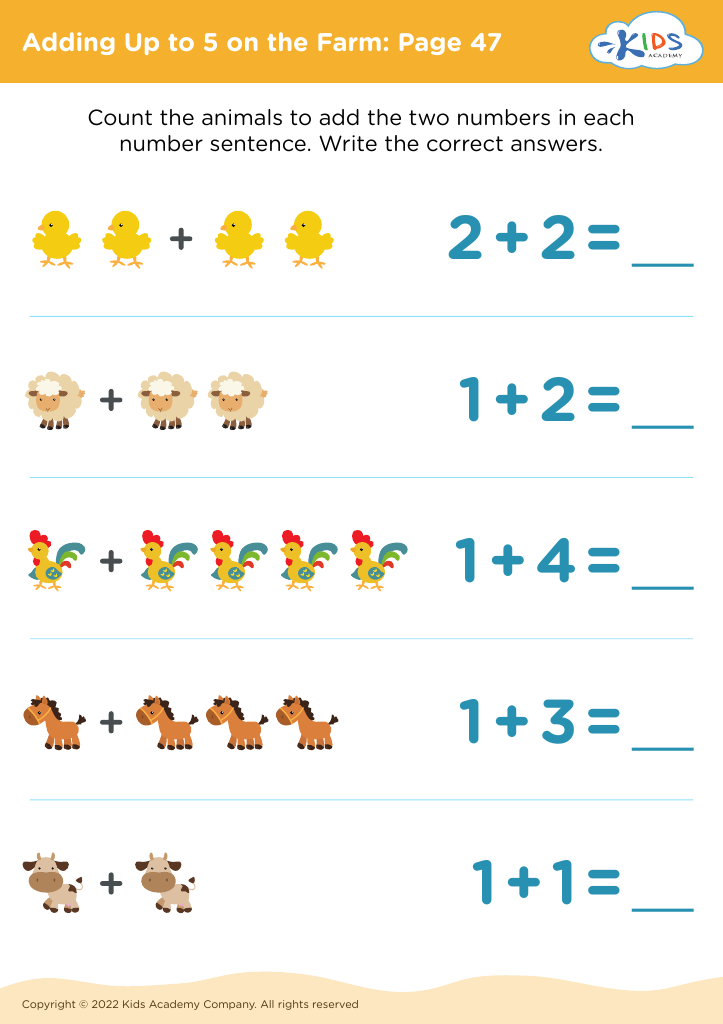
    Adding Up to 5 on the Farm: Page 47
    Adding Up to 5 on the Farm: Page 47
    Adding Up to 5 on the Farm: Page 47
    Worksheet
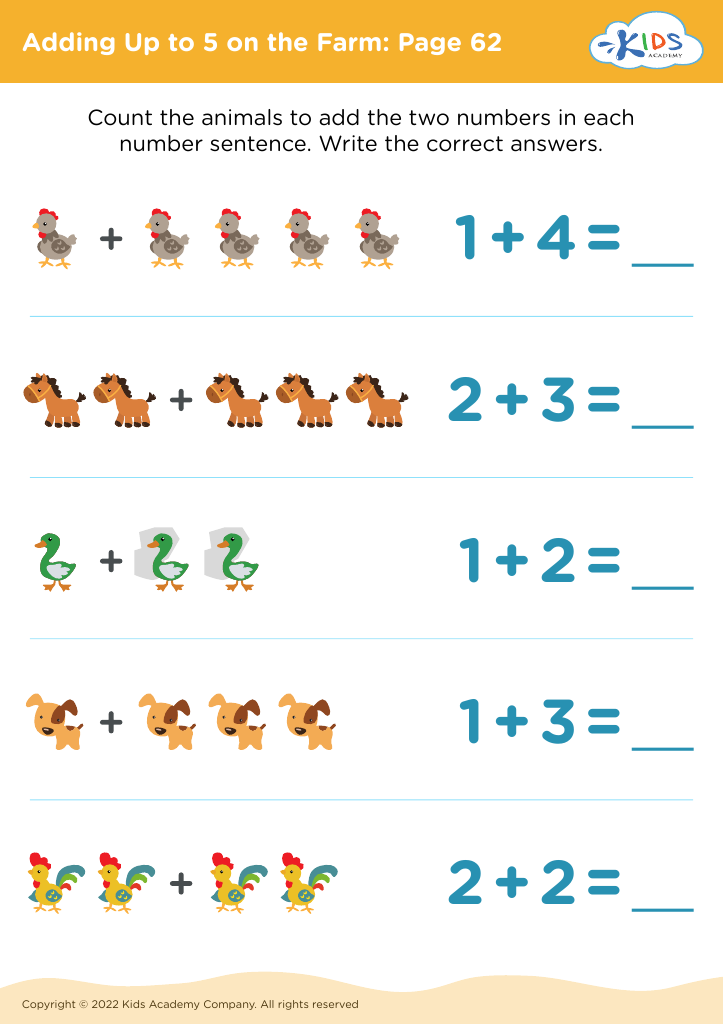
    Adding Up to 5 on the Farm: Page 62
    Adding Up to 5 on the Farm: Page 62
    Adding Up to 5 on the Farm: Page 62
    Worksheet
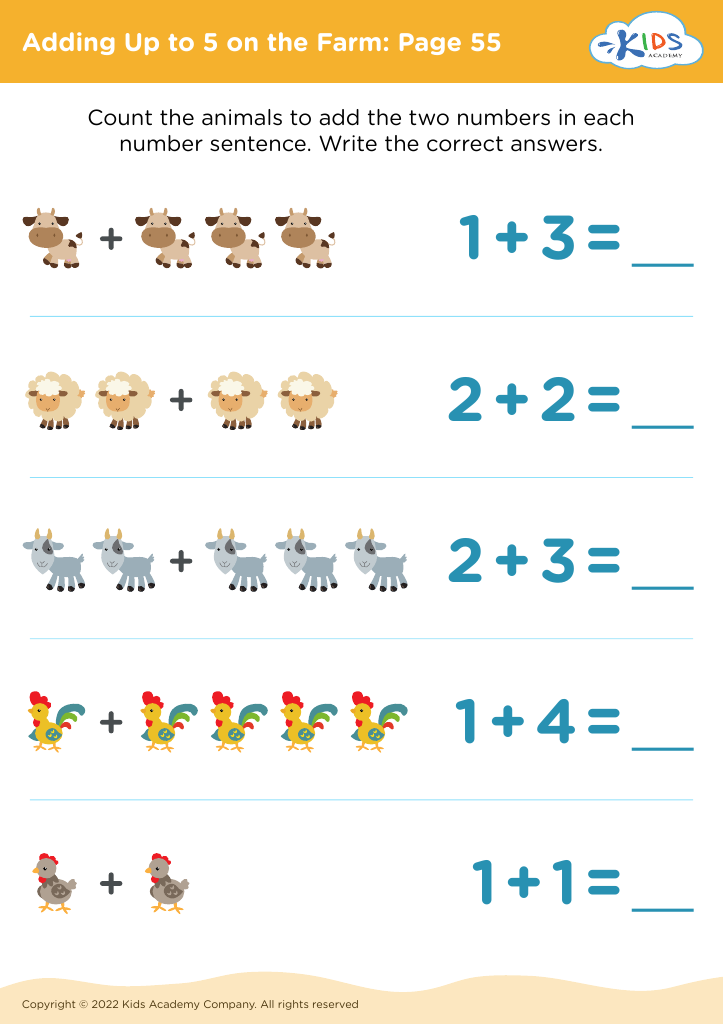
    Adding Up to 5 on the Farm: Page 55
    Adding Up to 5 on the Farm: Page 55
    Adding Up to 5 on the Farm: Page 55
    Worksheet
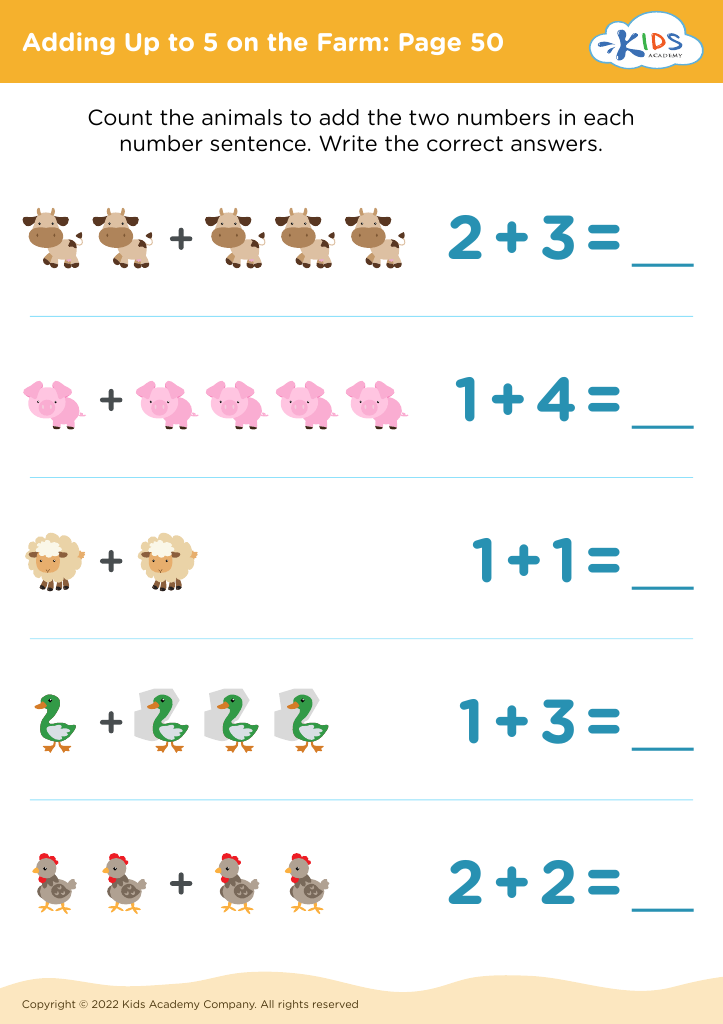
    Adding Up to 5 on the Farm: Page 50
    Adding Up to 5 on the Farm: Page 50
    Adding Up to 5 on the Farm: Page 50
    Worksheet
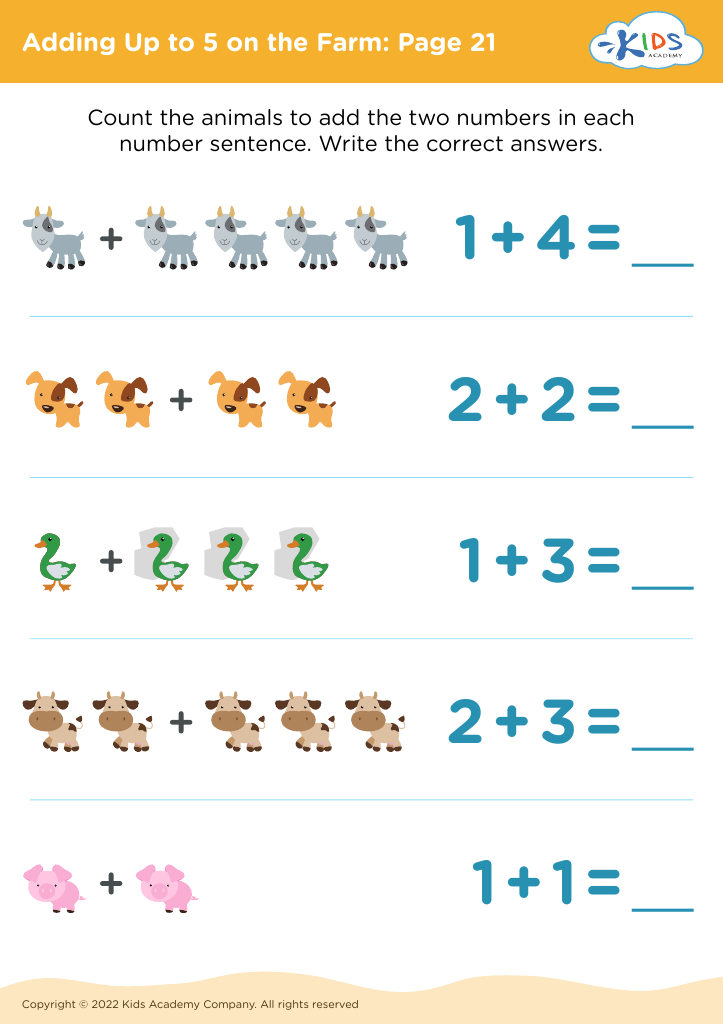
    Adding Up to 5 on the Farm: Page 21
    Adding Up to 5 on the Farm: Page 21
    Adding Up to 5 on the Farm: Page 21
    Worksheet
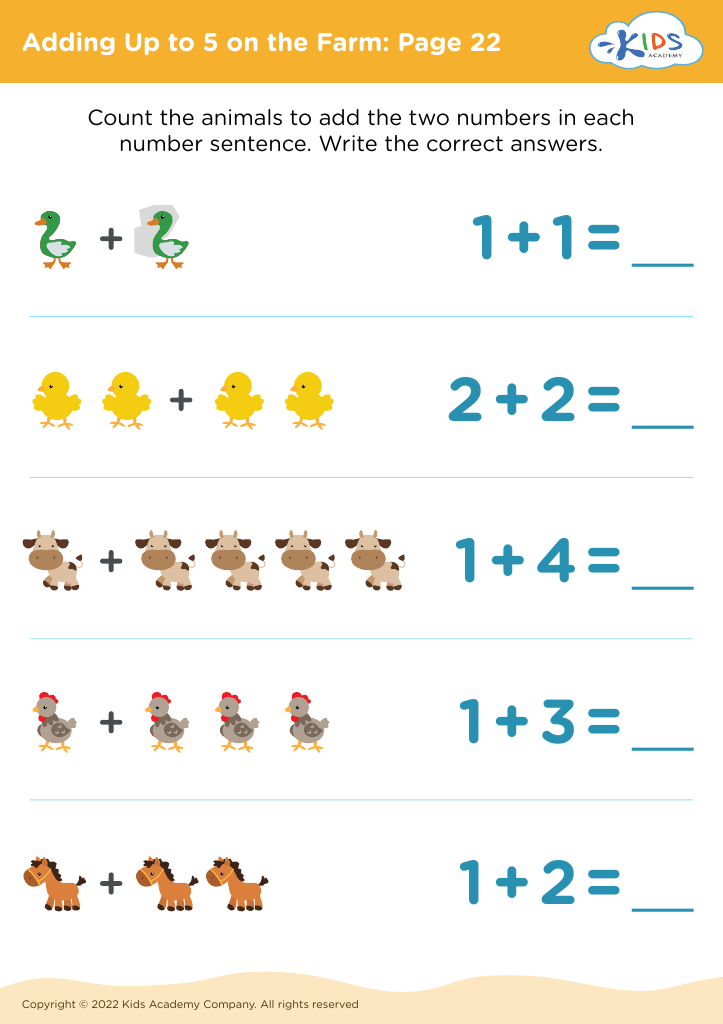
    Adding Up to 5 on the Farm: Page 22
    Adding Up to 5 on the Farm: Page 22
    Adding Up to 5 on the Farm: Page 22
    Worksheet
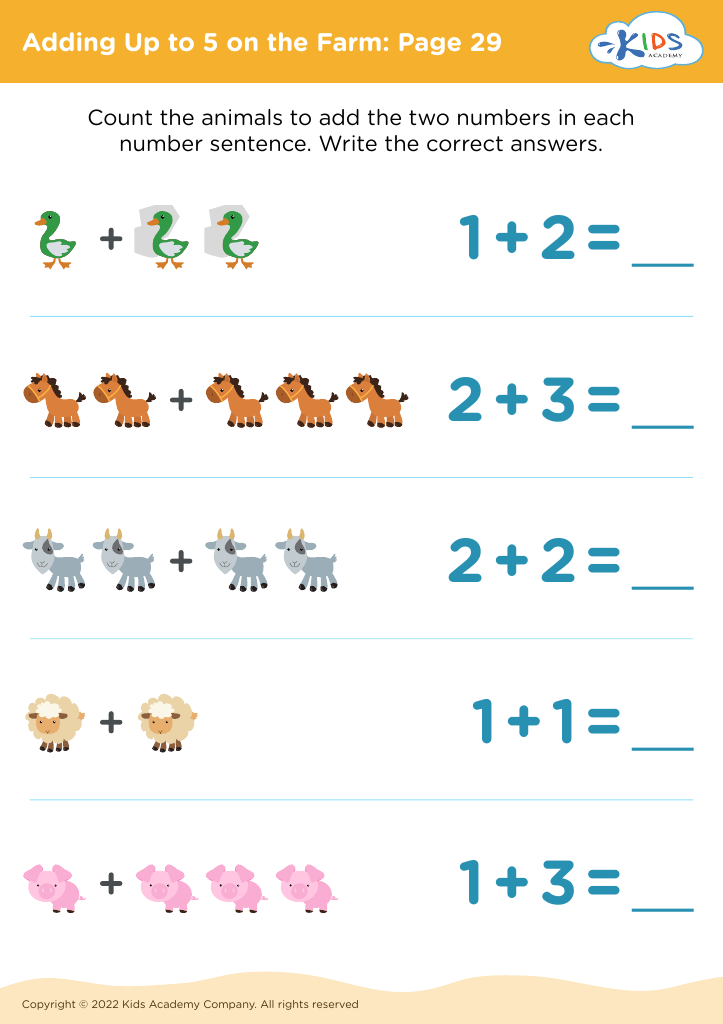
    Adding Up to 5 on the Farm: Page 29
    Adding Up to 5 on the Farm: Page 29
    Adding Up to 5 on the Farm: Page 29
    Worksheet
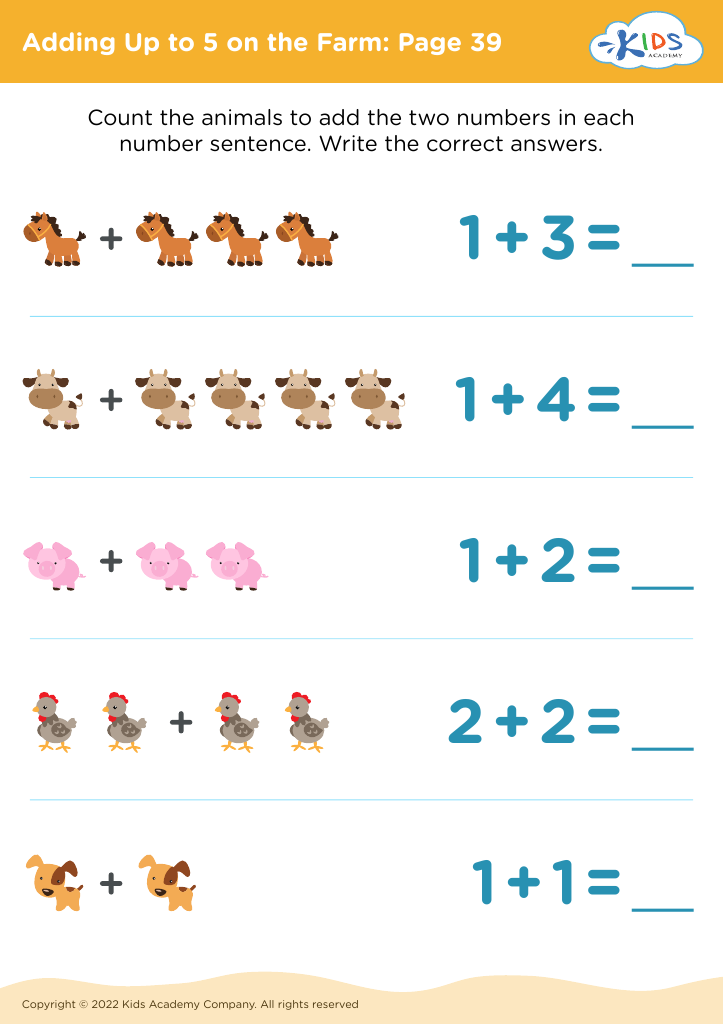
    Adding Up to 5 on the Farm: Page 39
    Adding Up to 5 on the Farm: Page 39
    Adding Up to 5 on the Farm: Page 39
    Worksheet
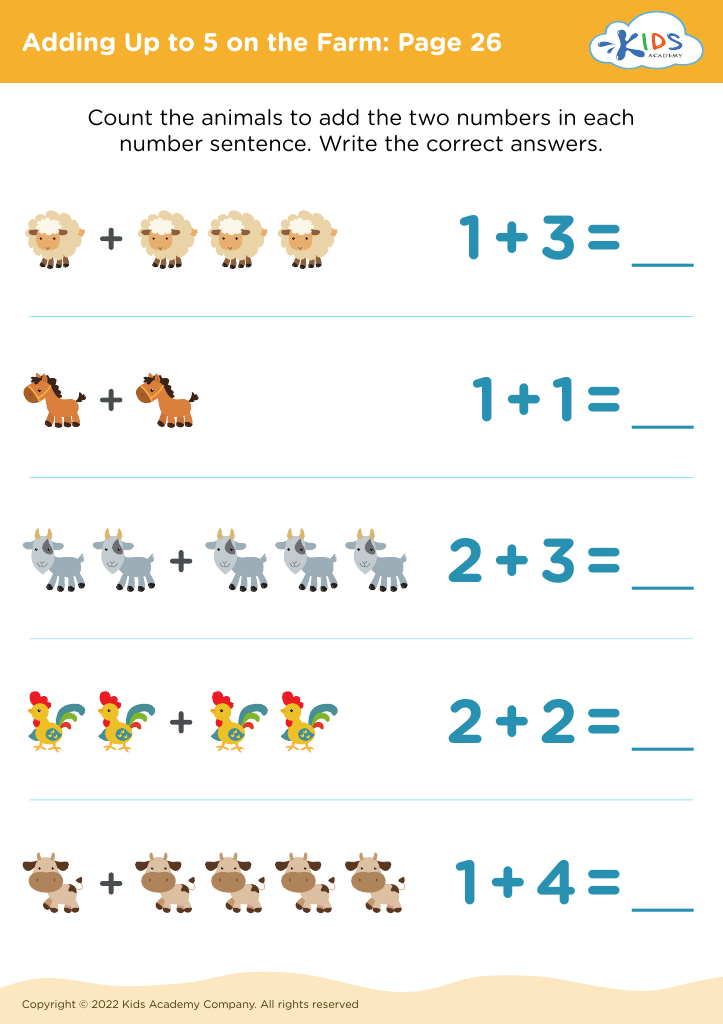
    Adding Up to 5 on the Farm: Page 26
    Adding Up to 5 on the Farm: Page 26
    Adding Up to 5 on the Farm: Page 26
    Worksheet
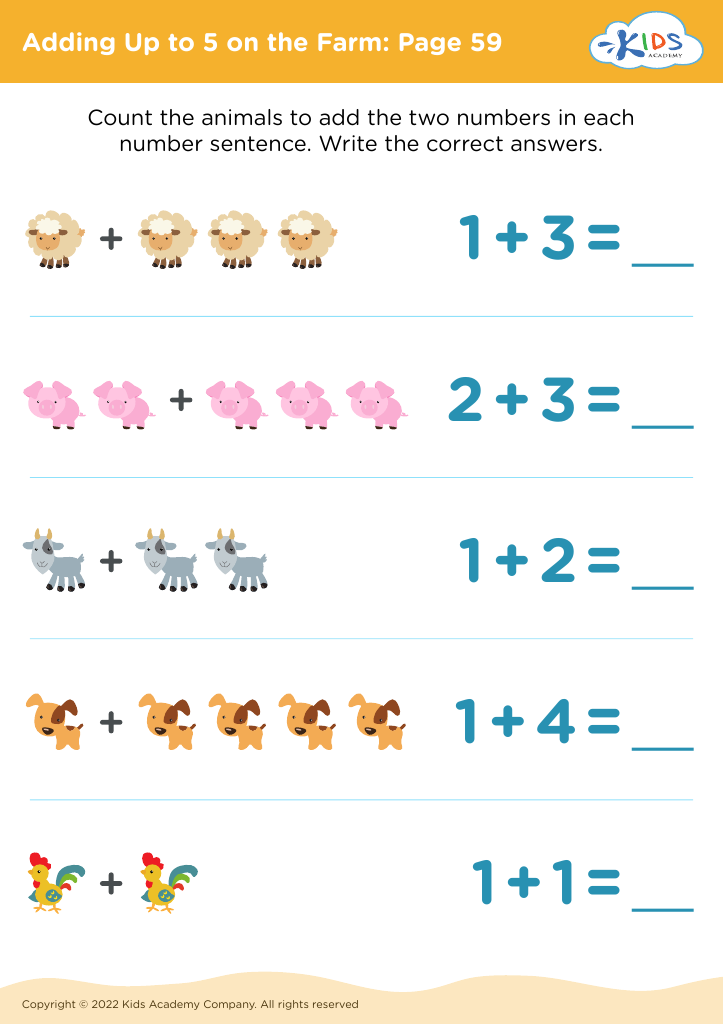
    Adding Up to 5 on the Farm: Page 59
    Adding Up to 5 on the Farm: Page 59
    Adding Up to 5 on the Farm: Page 59
    Worksheet
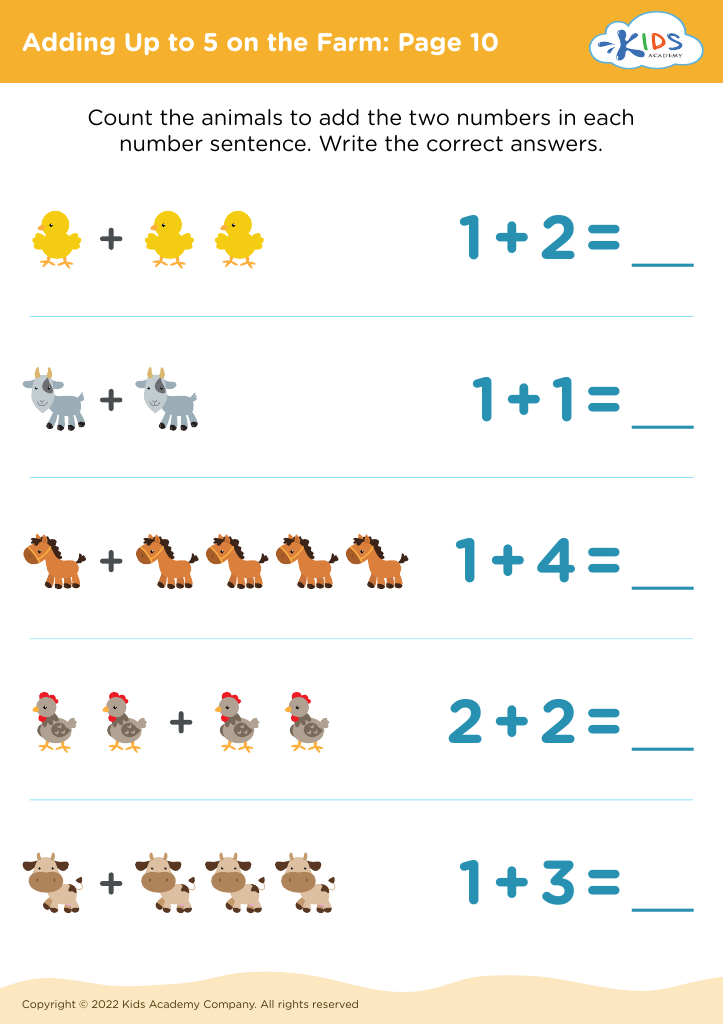
    Adding Up to 5 on the Farm: Page 10
    Adding Up to 5 on the Farm: Page 10
    Adding Up to 5 on the Farm: Page 10
    Worksheet
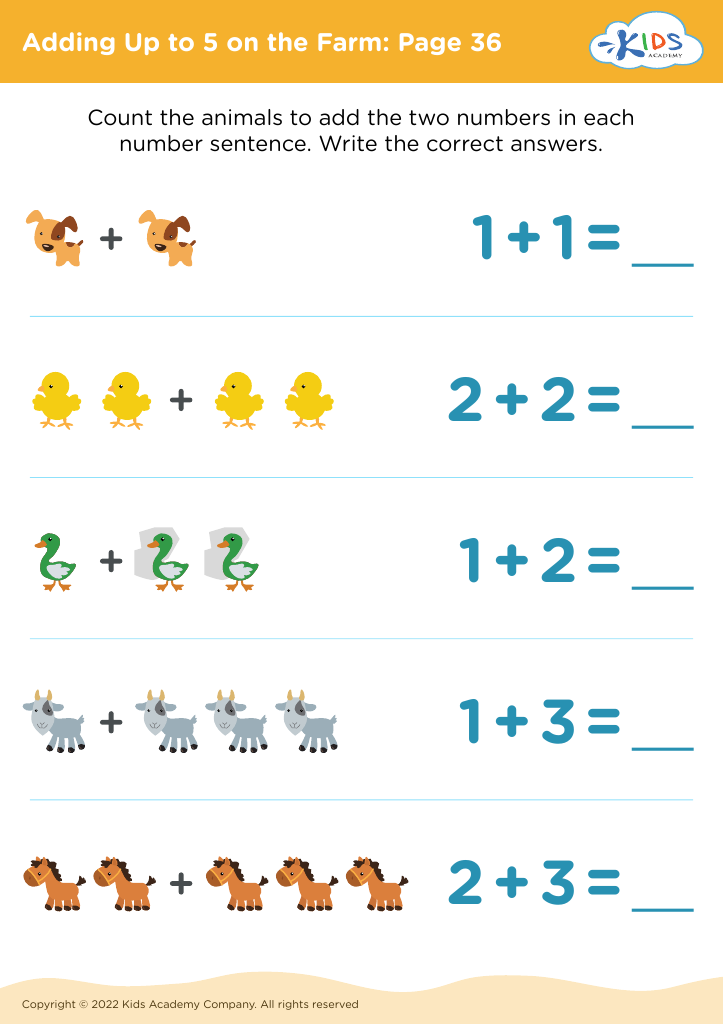
    Adding Up to 5 on the Farm: Page 36
    Adding Up to 5 on the Farm: Page 36
    Adding Up to 5 on the Farm: Page 36
    Worksheet
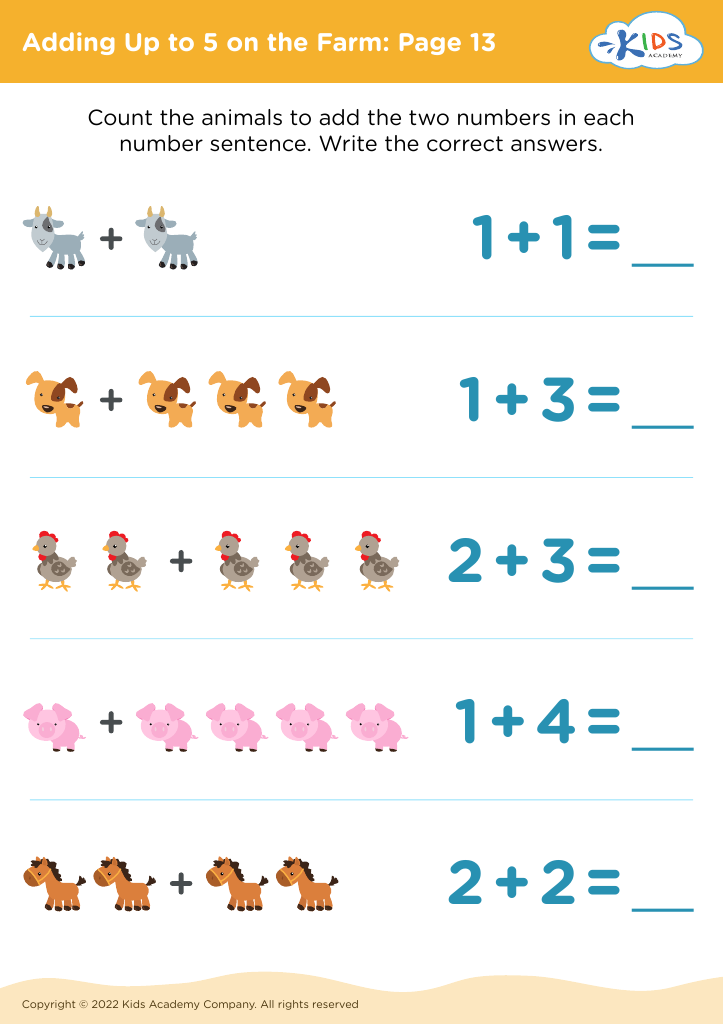
    Adding Up to 5 on the Farm: Page 13
    Adding Up to 5 on the Farm: Page 13
    Adding Up to 5 on the Farm: Page 13
    Worksheet
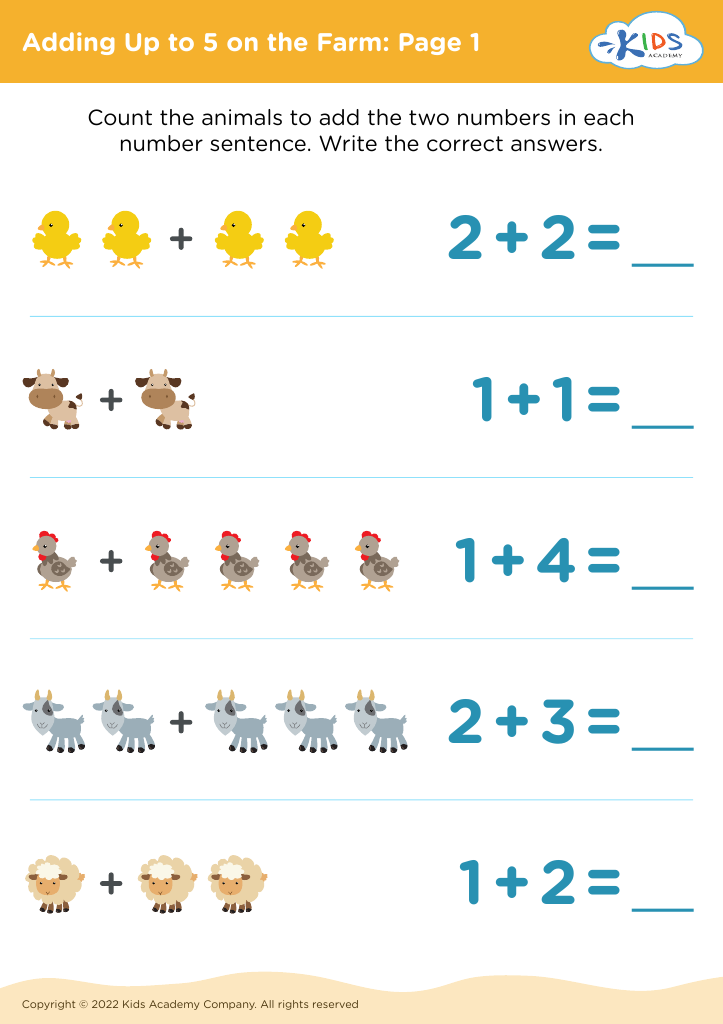
    Adding Up to 5 on the Farm: Page 1
    Adding Up to 5 on the Farm: Page 1
    Adding Up to 5 on the Farm: Page 1
    Worksheet
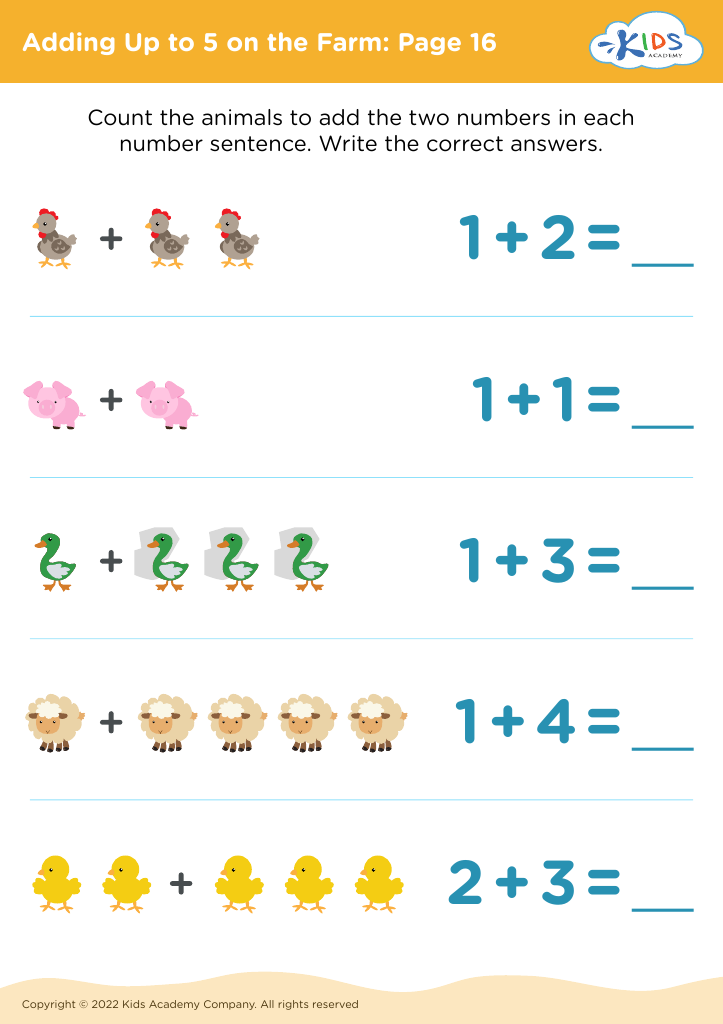
    Adding Up to 5 on the Farm: Page 16
    Adding Up to 5 on the Farm: Page 16
    Adding Up to 5 on the Farm: Page 16
    Worksheet


    Number recognition is a foundational skill essential for early childhood development, particularly for children aged 3-8. Teaching young learners about numbers through engaging themes like "Adding on the Farm" captures their interest in a playful context. This approach not only introduces mathematical concepts but also fosters critical cognitive skills such as counting, addition, and number identification.

    Parents and teachers should prioritize number recognition because it lays the groundwork for future mathematical understanding. Recognizing numbers helps children make sense of their world, recognize patterns, and solve problems. When numbers are connected to familiar settings like farms—with animals, crops, and everyday activities—children are more motivated to learn. For instance, counting chickens or adding up apples makes math tangible and relatable.

    Moreover, such engaging learning experiences promote early literacy, social skills, and communication. They can facilitate collaborative learning when children work together to solve problems, fostering teamwork. By emphasizing number recognition and themed activities, caregivers can cultivate a positive attitude towards mathematics, reducing anxiety as children progress in their education. This playful, integrated approach to learning not only enhances number skills but also supports the overall development of young learners, preparing them for future academic success.