Filters

102 filtered results

Clear all filters
Favorites
With answer key
Interactive

102 filtered results

Difficulty Level

Grade


Subject

    Check out this FREE Trial Lesson on Adding Up to 5 for age 3-8!

    H

    Favorites
    With answer key
    Interactive
    • 3-8
    • Counting skills
    • Adding Up to 5
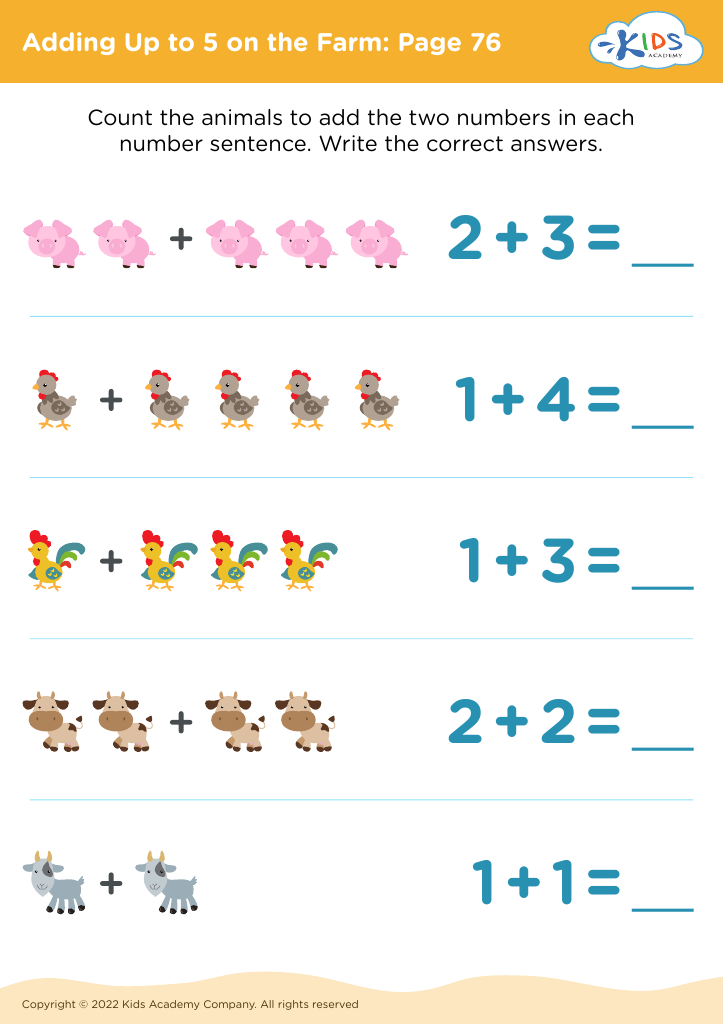
    Adding Up to 5 on the Farm: Page 76
    Adding Up to 5 on the Farm: Page 76
    Adding Up to 5 on the Farm: Page 76
    Worksheet
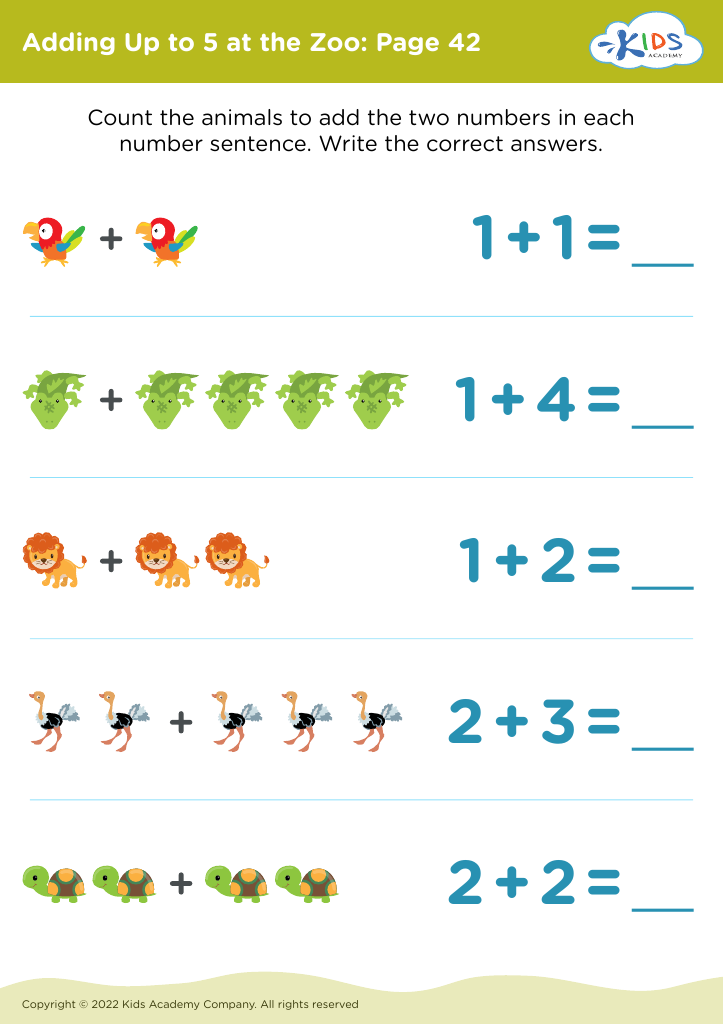
    Adding Up to 5 at the Zoo: Page 42
    Adding Up to 5 at the Zoo: Page 42
    Adding Up to 5 at the Zoo: Page 42
    Worksheet
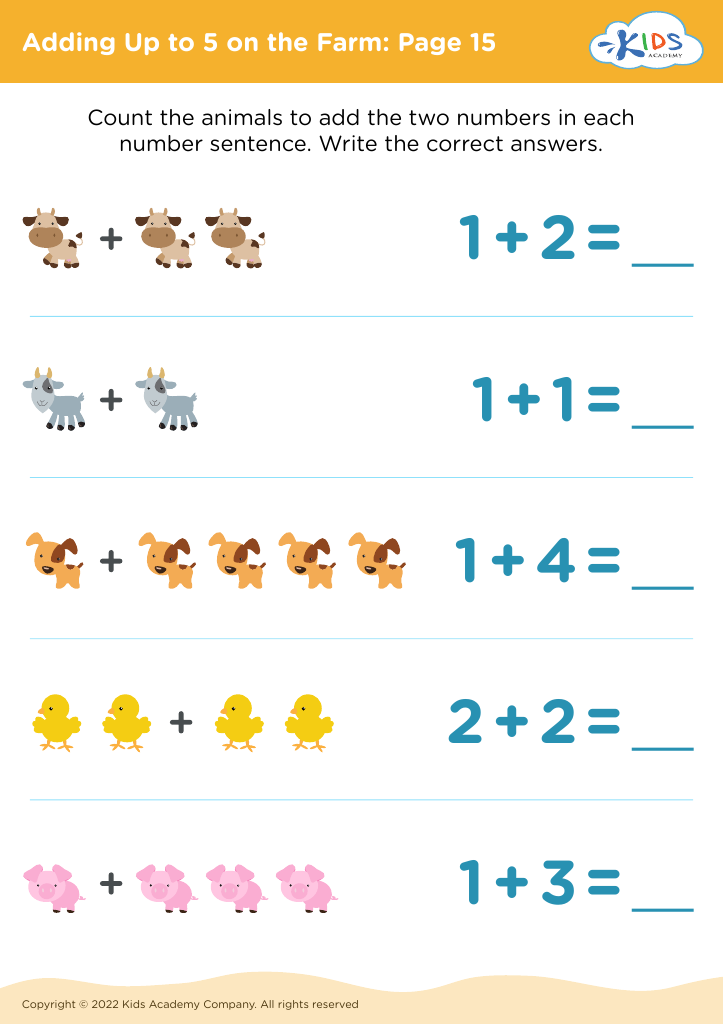
    Adding Up to 5 on the Farm: Page 15
    Adding Up to 5 on the Farm: Page 15
    Adding Up to 5 on the Farm: Page 15
    Worksheet
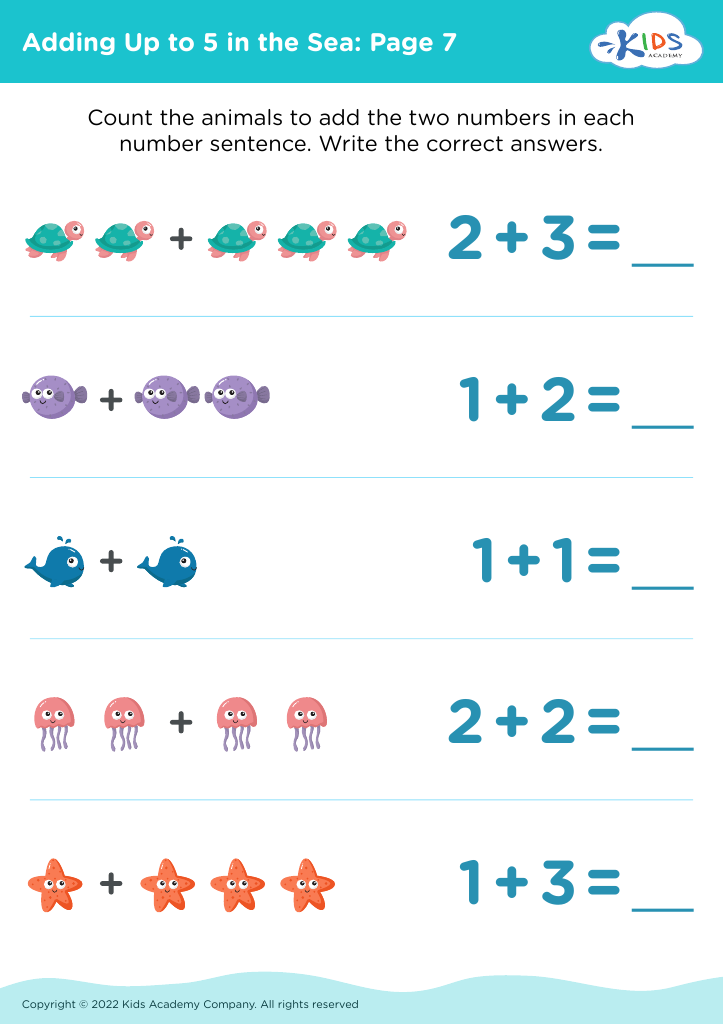
    Adding Up to 5 in the Sea: Page 7
    Adding Up to 5 in the Sea: Page 7

    Adding Up to 5 in the Sea: Page 7

    Adding Up to 5 in the Sea: Page 7
    Worksheet
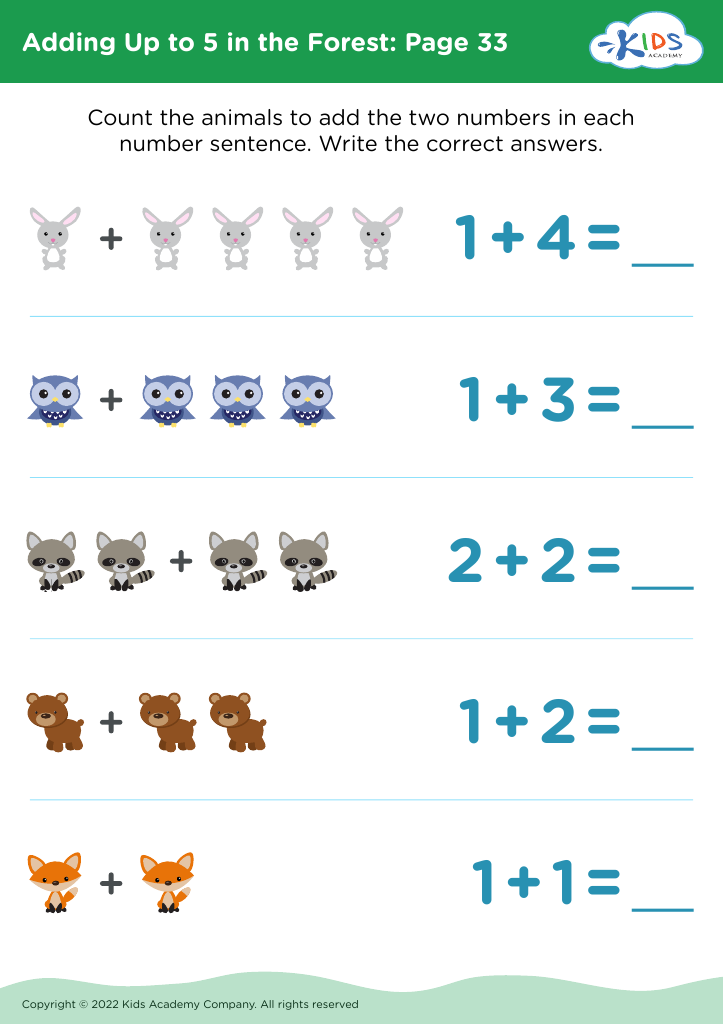
    Adding Up to 5 in the Forest: Page 33
    Adding Up to 5 in the Forest: Page 33
    Adding Up to 5 in the Forest: Page 33
    Worksheet
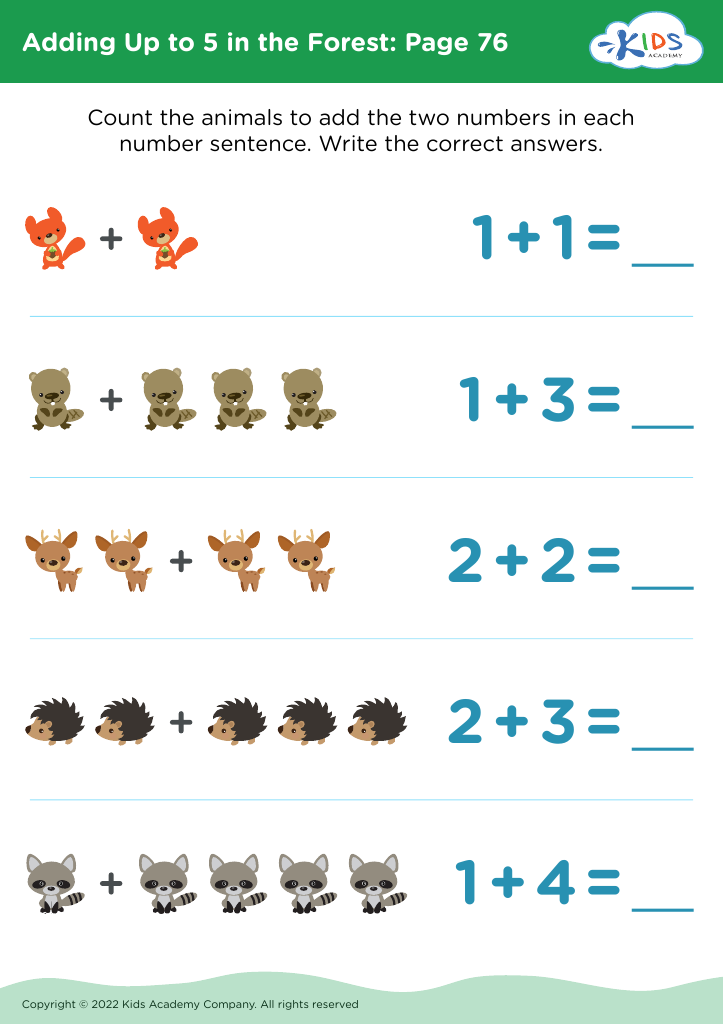
    Adding Up to 5 in the Forest: Page 76
    Adding Up to 5 in the Forest: Page 76
    Adding Up to 5 in the Forest: Page 76
    Worksheet
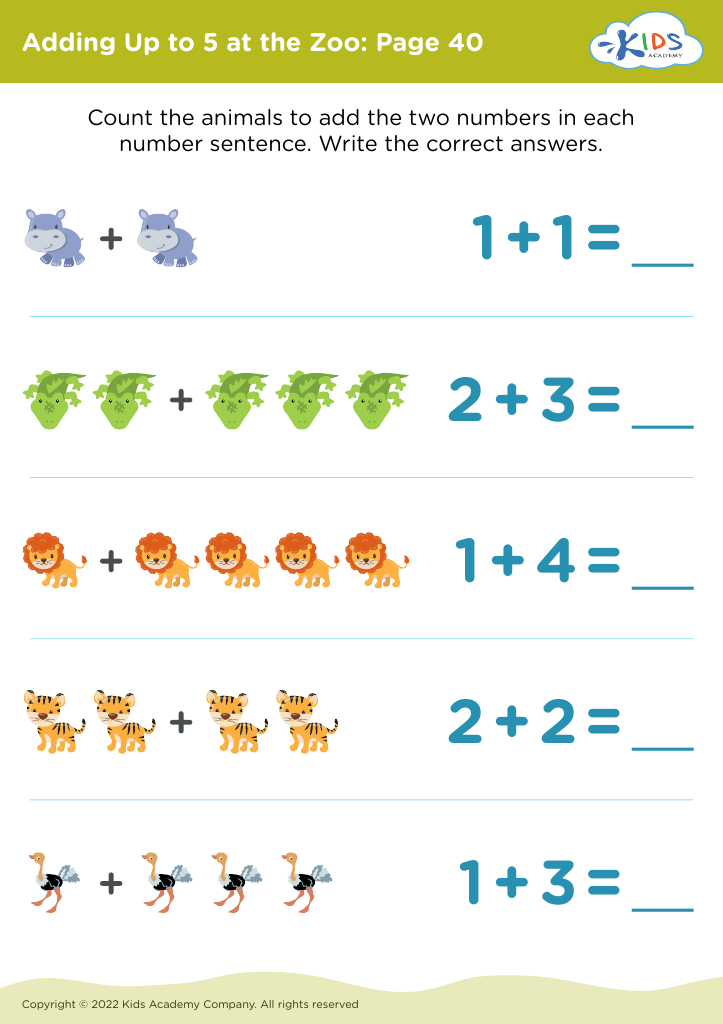
    Adding Up to 5 at the Zoo: Page 40
    Adding Up to 5 at the Zoo: Page 40
    Adding Up to 5 at the Zoo: Page 40
    Worksheet
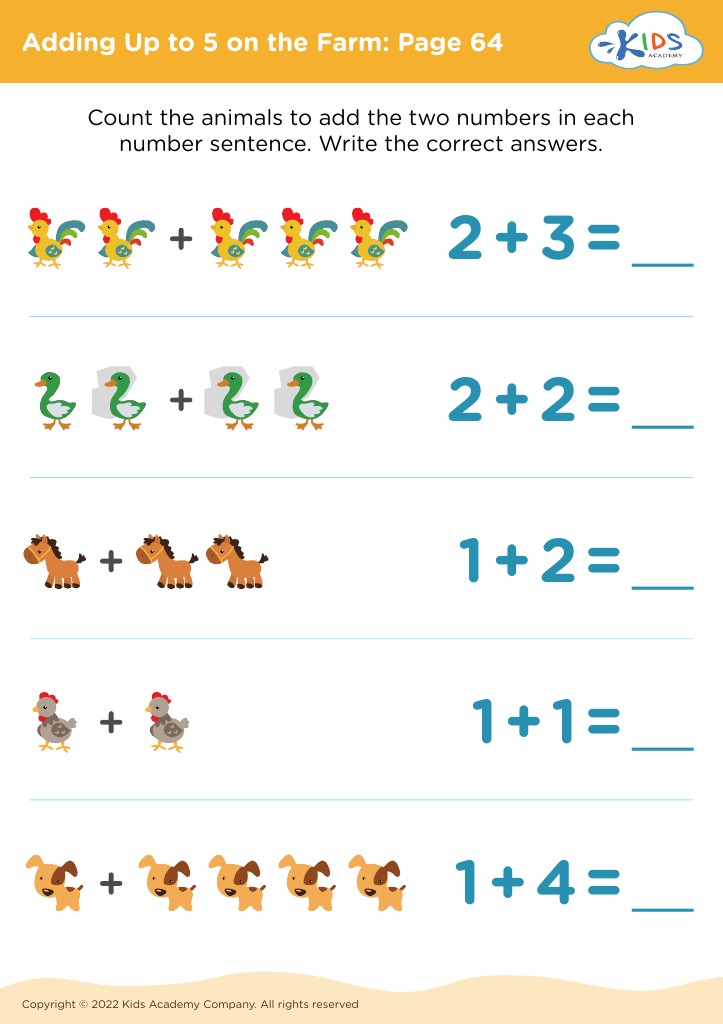
    Adding Up to 5 on the Farm: Page 64
    Adding Up to 5 on the Farm: Page 64
    Adding Up to 5 on the Farm: Page 64
    Worksheet
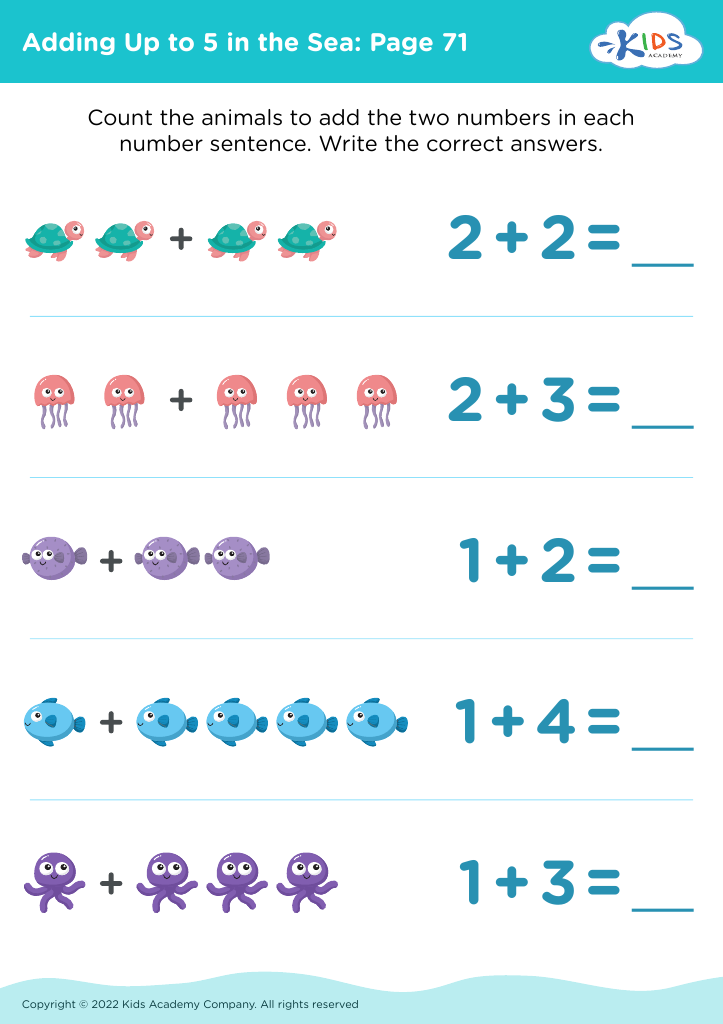
    Adding Up to 5 in the Sea: Page 71
    Adding Up to 5 in the Sea: Page 71
    Adding Up to 5 in the Sea: Page 71
    Worksheet
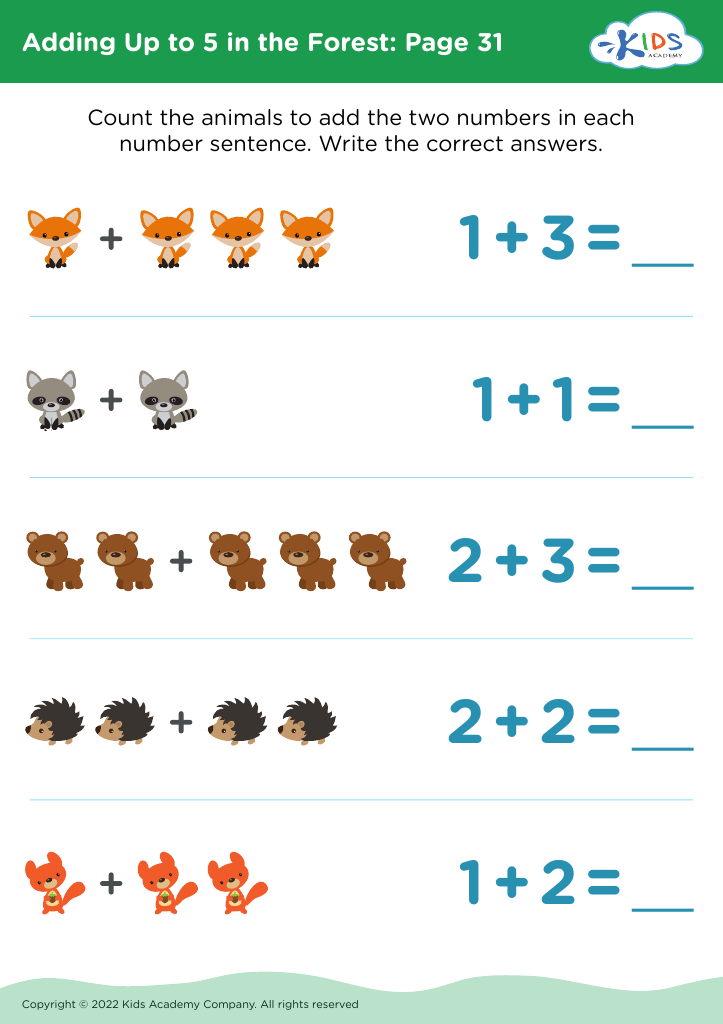
    Adding Up to 5 in the Forest: Page 31
    Adding Up to 5 in the Forest: Page 31
    Adding Up to 5 in the Forest: Page 31
    Worksheet
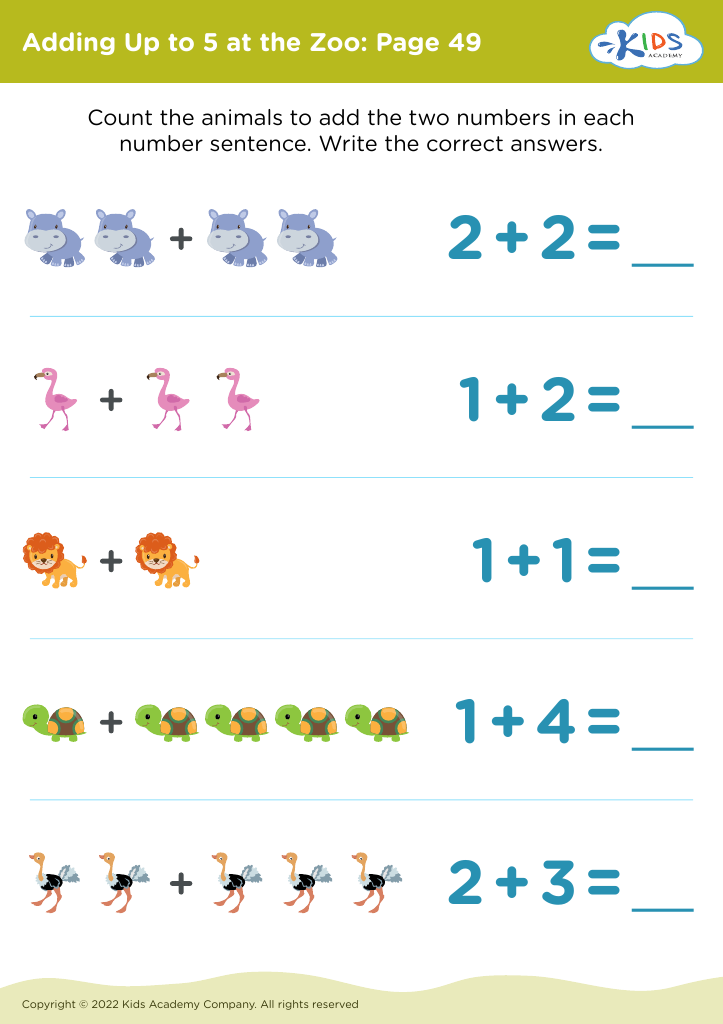
    Adding Up to 5 at the Zoo: Page 49
    Adding Up to 5 at the Zoo: Page 49
    Adding Up to 5 at the Zoo: Page 49
    Worksheet
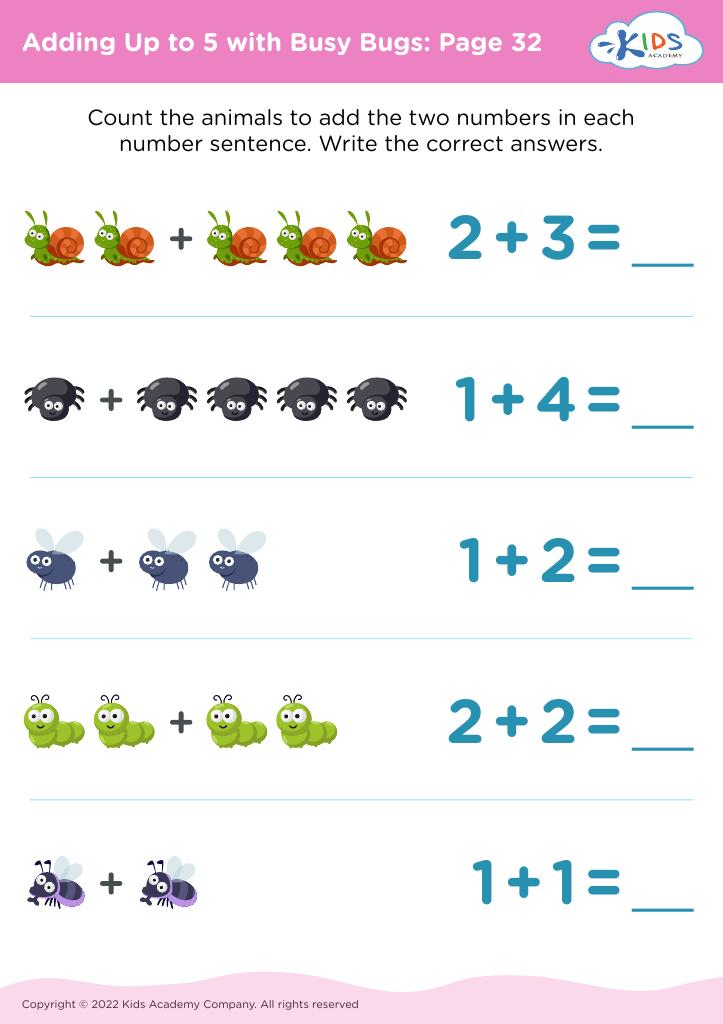
    Adding Up to 5 with Busy Bugs: Page 32
    Adding Up to 5 with Busy Bugs: Page 32
    Adding Up to 5 with Busy Bugs: Page 32
    Worksheet
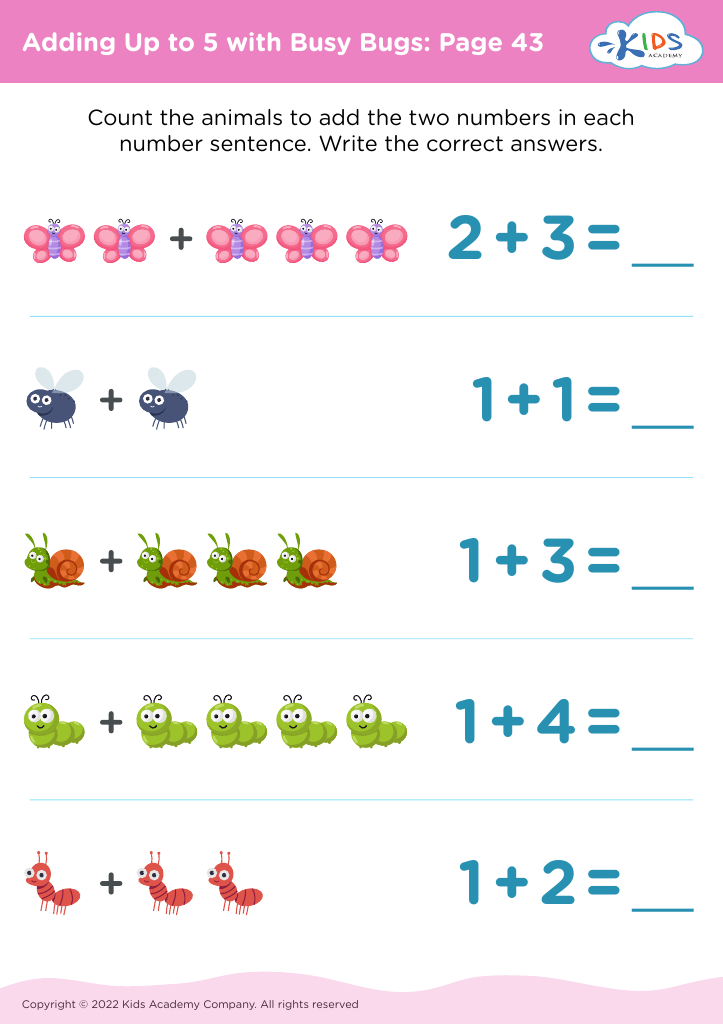
    Adding Up to 5 with Busy Bugs: Page 43
    Adding Up to 5 with Busy Bugs: Page 43
    Adding Up to 5 with Busy Bugs: Page 43
    Worksheet
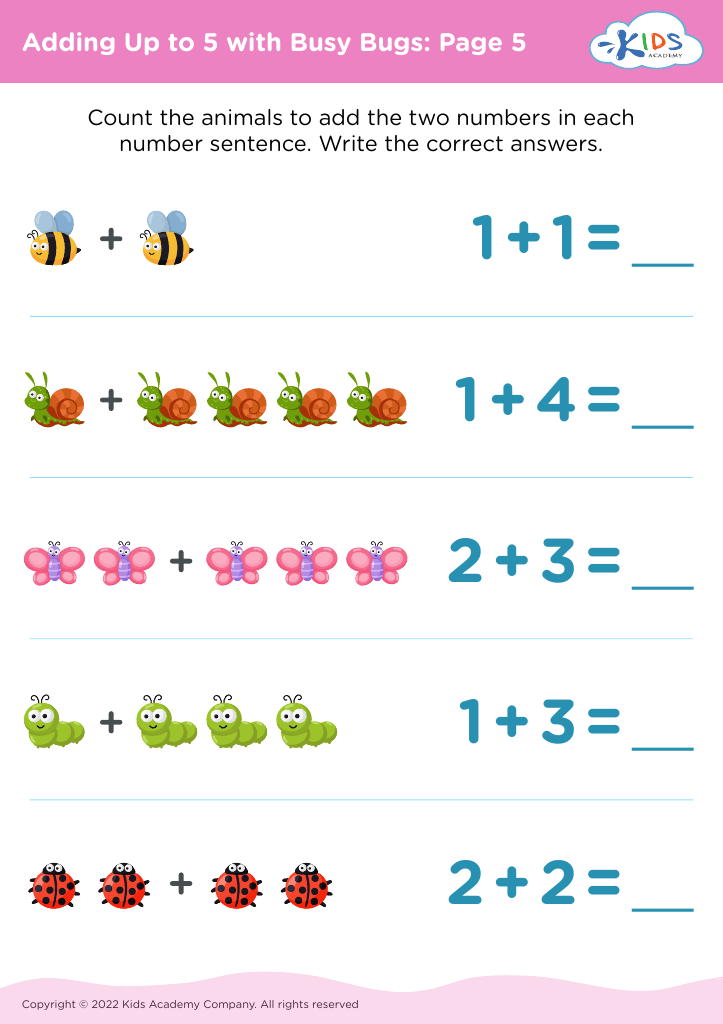
    Adding Up to 5 with Busy Bugs: Page 5
    Adding Up to 5 with Busy Bugs: Page 5
    Adding Up to 5 with Busy Bugs: Page 5
    Worksheet
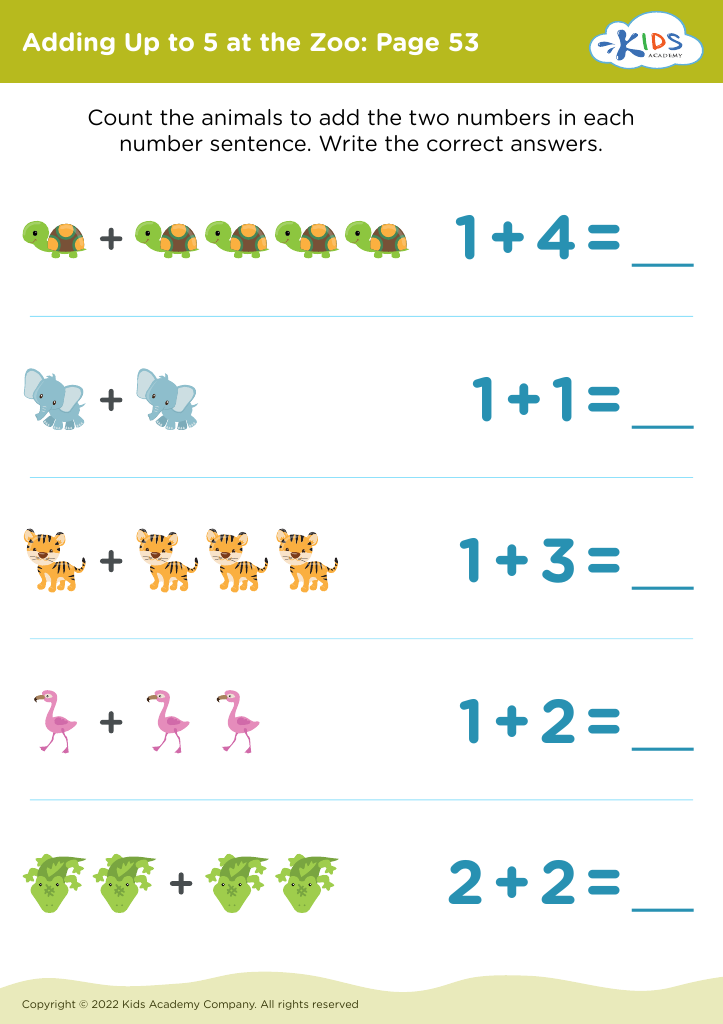
    Adding Up to 5 at the Zoo: Page 53
    Adding Up to 5 at the Zoo: Page 53
    Adding Up to 5 at the Zoo: Page 53
    Worksheet
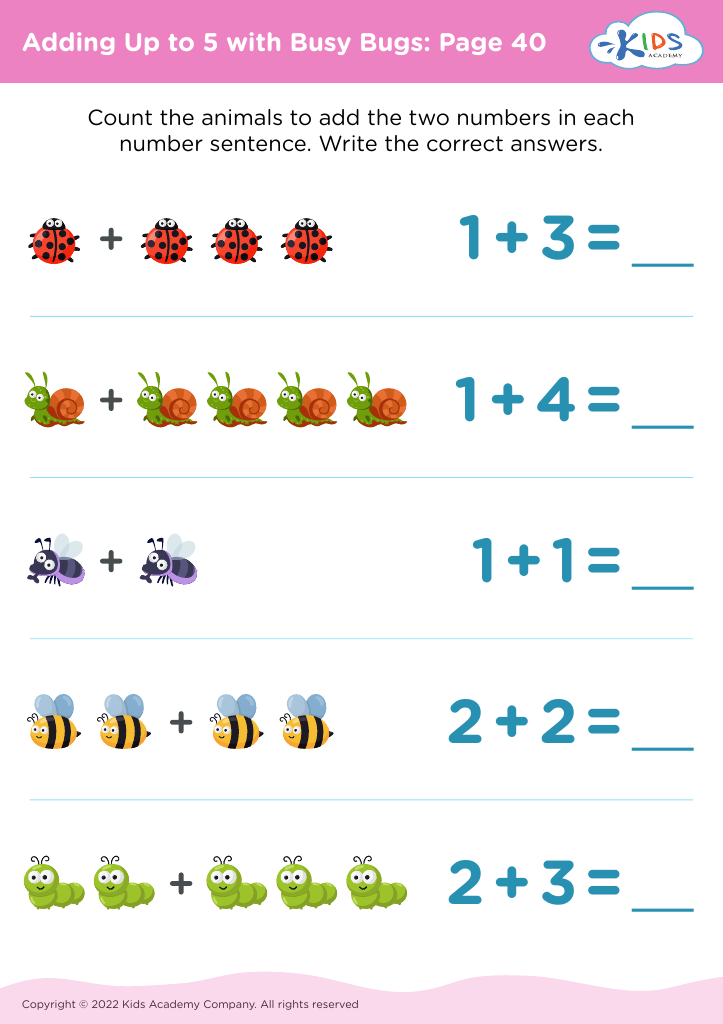
    Adding Up to 5 with Busy Bugs: Page 40
    Adding Up to 5 with Busy Bugs: Page 40
    Adding Up to 5 with Busy Bugs: Page 40
    Worksheet
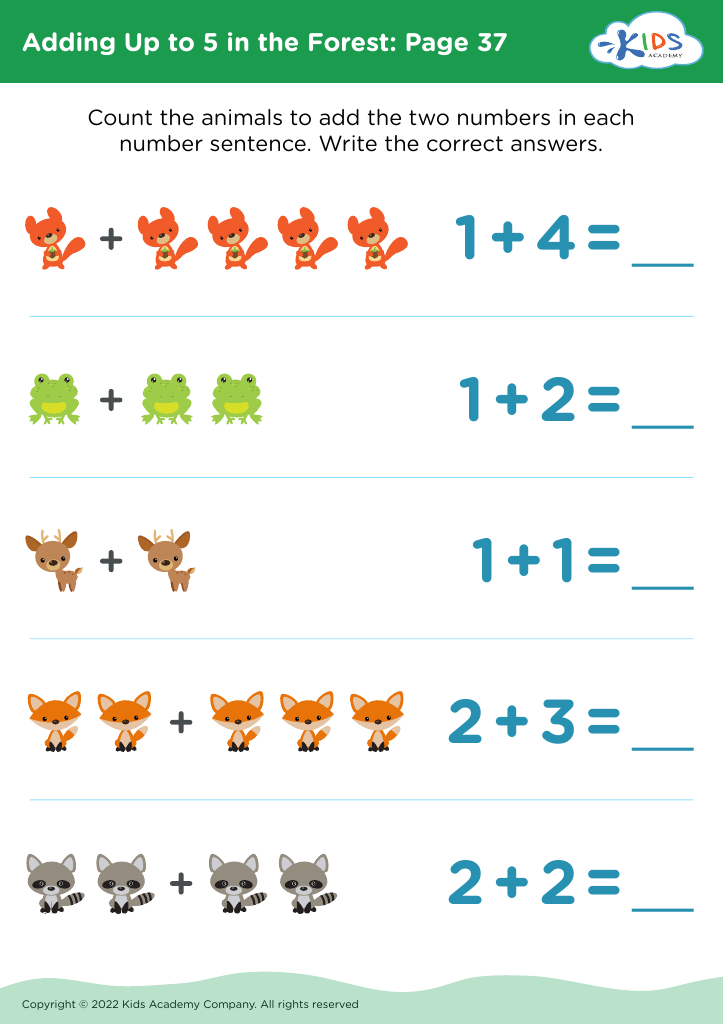
    Adding Up to 5 in the Forest: Page 37
    Adding Up to 5 in the Forest: Page 37
    Adding Up to 5 in the Forest: Page 37
    Worksheet
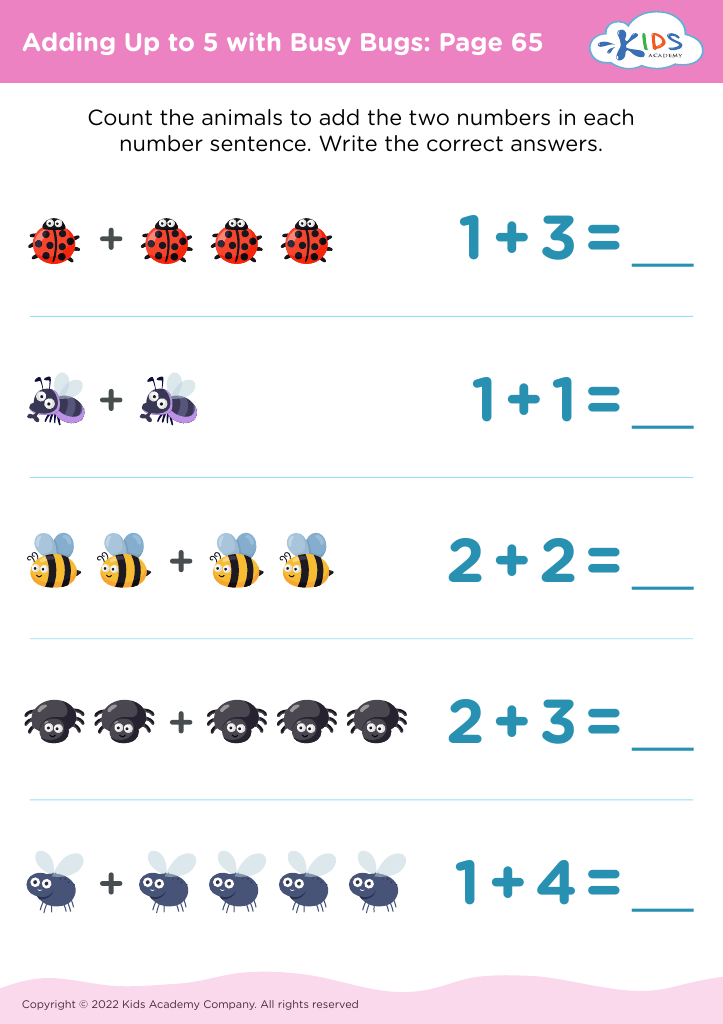
    Adding Up to 5 with Busy Bugs: Page 65
    Adding Up to 5 with Busy Bugs: Page 65
    Adding Up to 5 with Busy Bugs: Page 65
    Worksheet
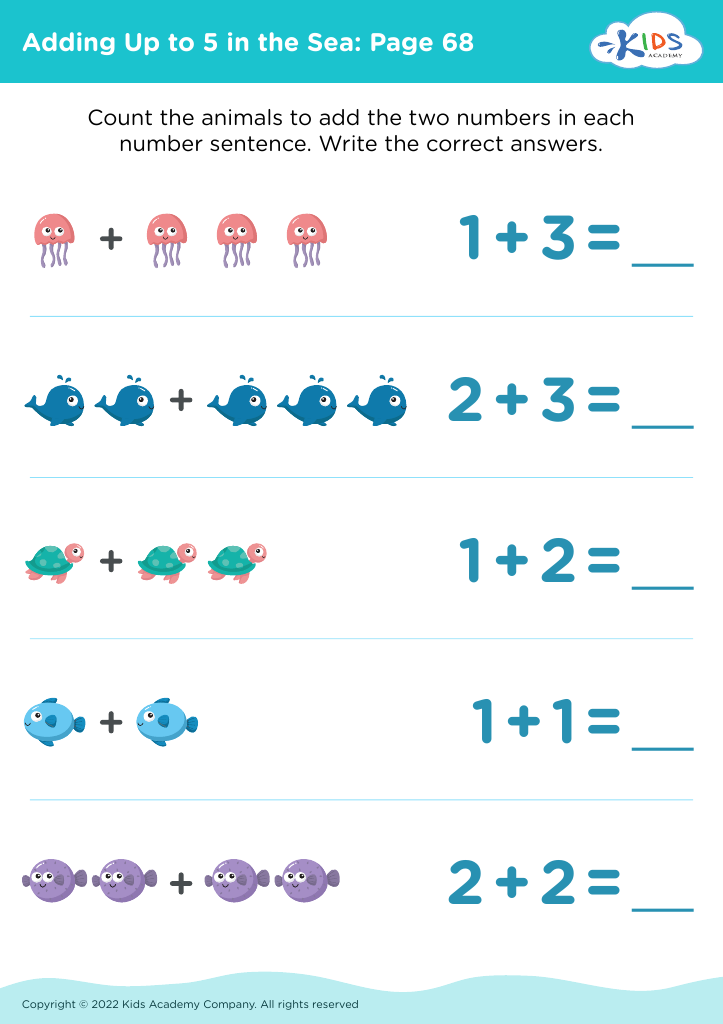
    Adding Up to 5 in the Sea: Page 68
    Adding Up to 5 in the Sea: Page 68
    Adding Up to 5 in the Sea: Page 68
    Worksheet
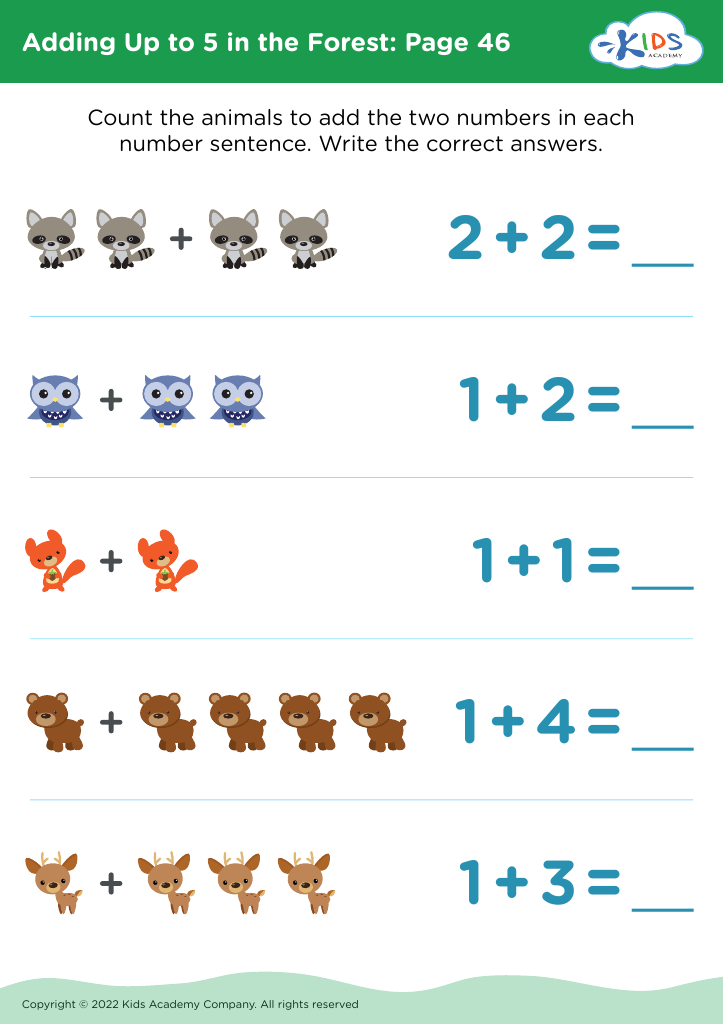
    Adding Up to 5 in the Forest: Page 46
    Adding Up to 5 in the Forest: Page 46
    Adding Up to 5 in the Forest: Page 46
    Worksheet
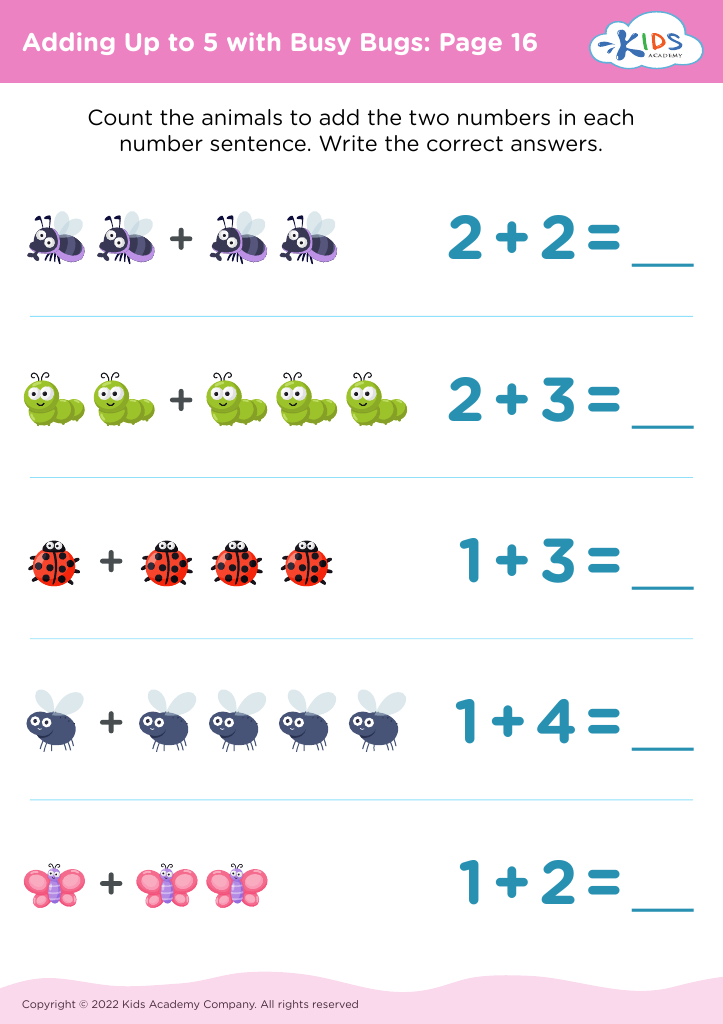
    Adding Up to 5 with Busy Bugs: Page 16
    Adding Up to 5 with Busy Bugs: Page 16
    Adding Up to 5 with Busy Bugs: Page 16
    Worksheet
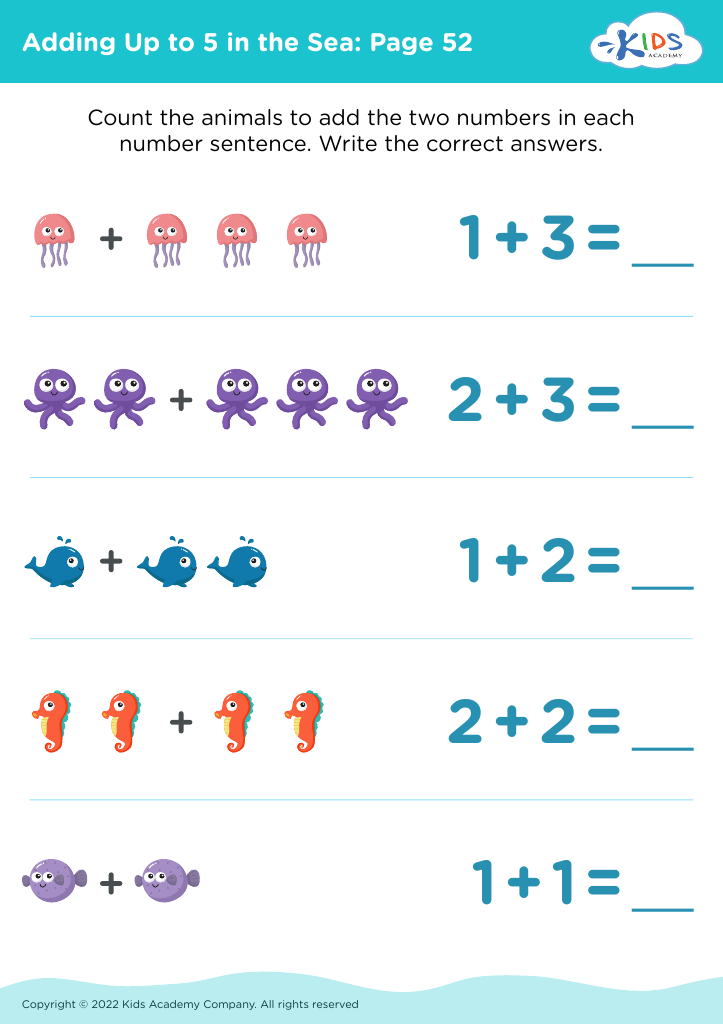
    Adding Up to 5 in the Sea: Page 52
    Adding Up to 5 in the Sea: Page 52
    Adding Up to 5 in the Sea: Page 52
    Worksheet
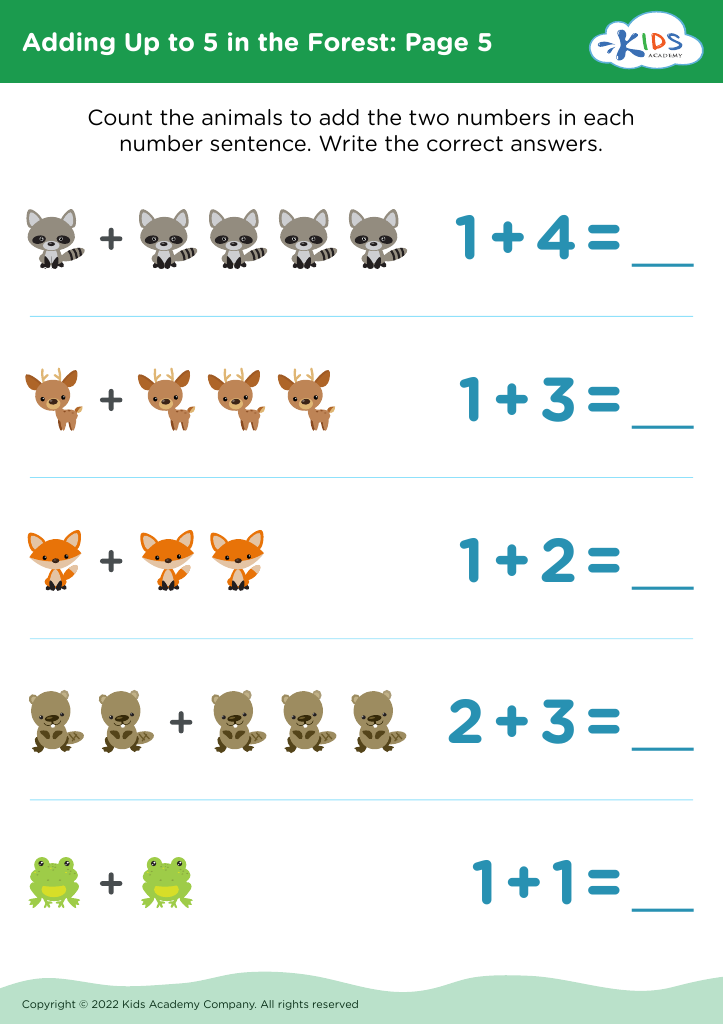
    Adding Up to 5 in the Forest: Page 5
    Adding Up to 5 in the Forest: Page 5
    Adding Up to 5 in the Forest: Page 5
    Worksheet
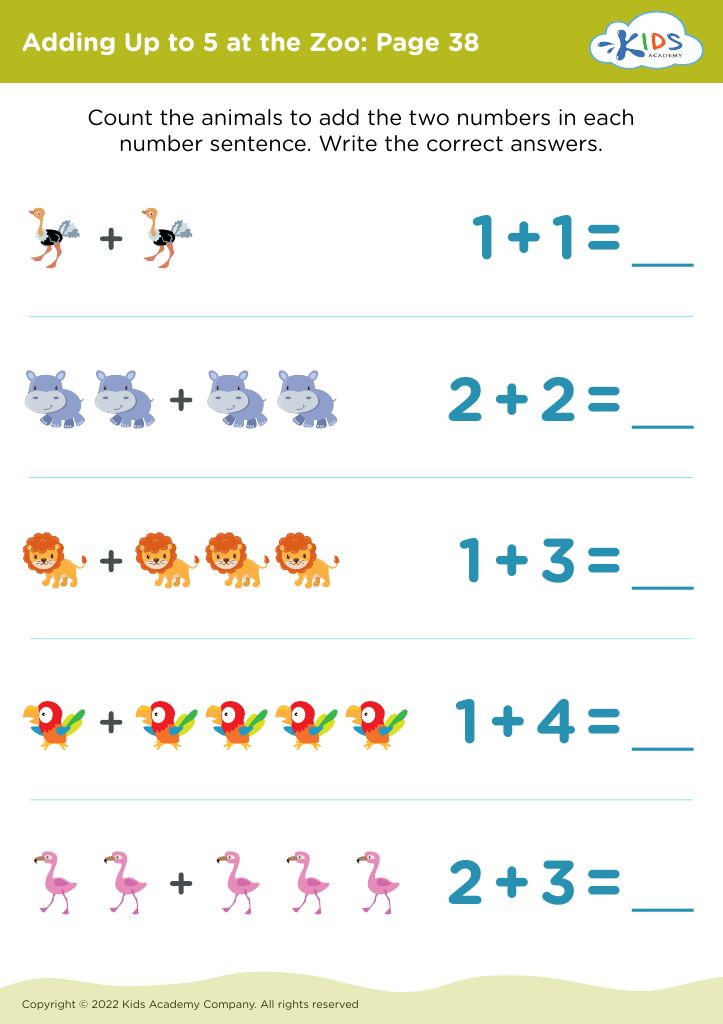
    Adding Up to 5 at the Zoo: Page 38
    Adding Up to 5 at the Zoo: Page 38
    Adding Up to 5 at the Zoo: Page 38
    Worksheet


    Counting skills, particularly adding up to 5, are foundational for children's cognitive development and early mathematics understanding. For parents and teachers, fostering these skills in children aged 3-8 is crucial for several reasons. First, mastering counting lays the groundwork for more complex mathematical concepts. By start with basic addition, children develop number sense, helping them comprehend larger numbers and operations later on.

    Moreover, early counting activities stimulate critical thinking and problem-solving skills. Engaging children in hands-on activities, such as using toys or snacks to practice addition, makes learning interactive and enjoyable. This active participation helps reinforce concepts and keeps children motivated.

    Additionally, counting lays the foundation for skills like pattern recognition and sequencing, vital not just in math, but across all subjects. Early proficiency in counting contributes to academic confidence, which can positively influence a child’s overall attitude toward learning.

    Inclusive approaches that incorporate games and real-life scenarios in counting activities encourage social and cognitive development as children learn to cooperate and communicate while solving problems. Therefore, prioritizing counting skills during these formative years prepares children for future academic success and nurtures a lifelong love of learning.