Filters

43 filtered results

Clear all filters
Favorites
With answer key
Interactive

43 filtered results

Difficulty Level

Grade


Subject

    Check out this FREE Trial Lesson on Adding up to 50 for age 3-8!

    Short and Long Vowel Sort

    Favorites
    With answer key
    Interactive
    • 3-8
    • Number Recognition
    • Adding up to 50
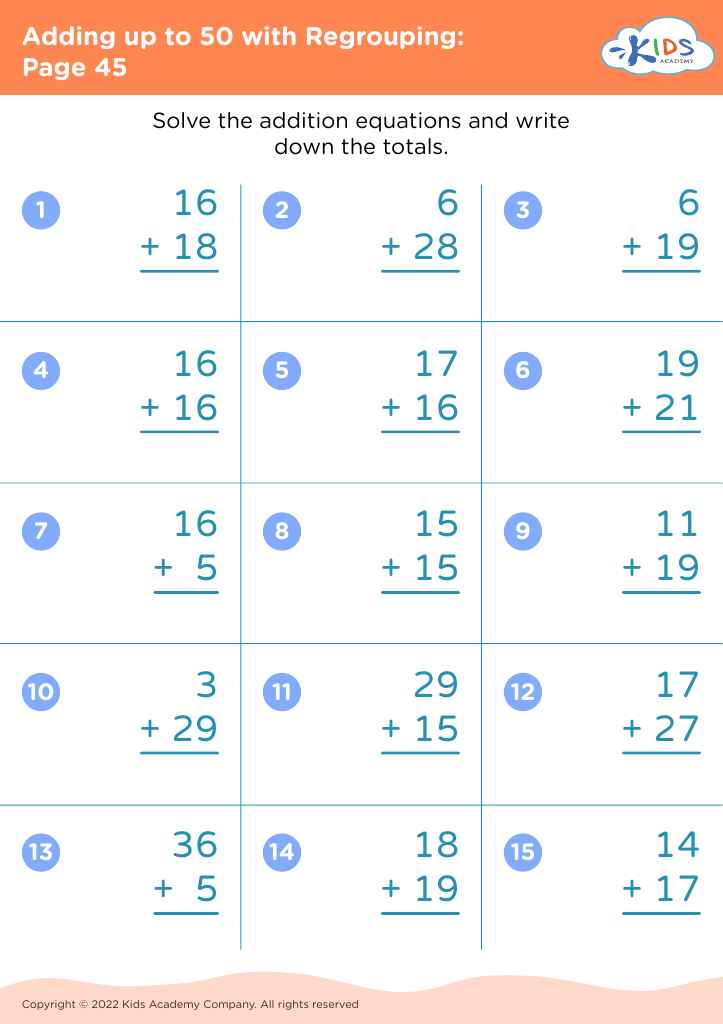
    Adding up to 50 with Regrouping: Page 45
    Adding up to 50 with Regrouping: Page 45
    Adding up to 50 with Regrouping: Page 45
    Worksheet
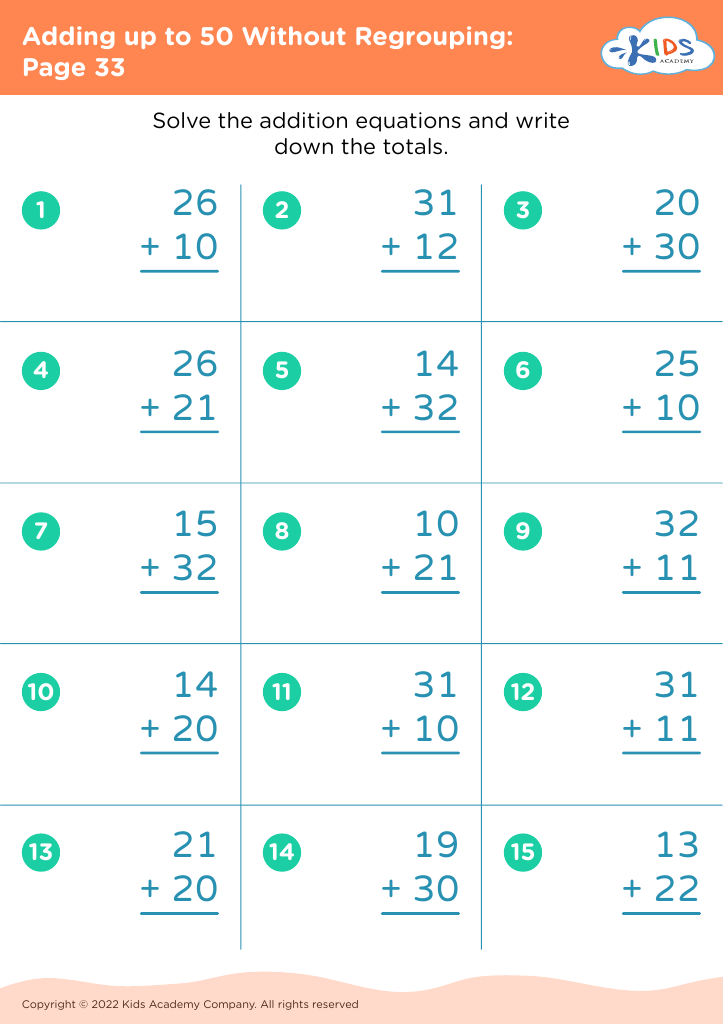
    Adding up to 50 Without Regrouping: Page 33
    Adding up to 50 Without Regrouping: Page 33
    Adding up to 50 Without Regrouping: Page 33
    Worksheet
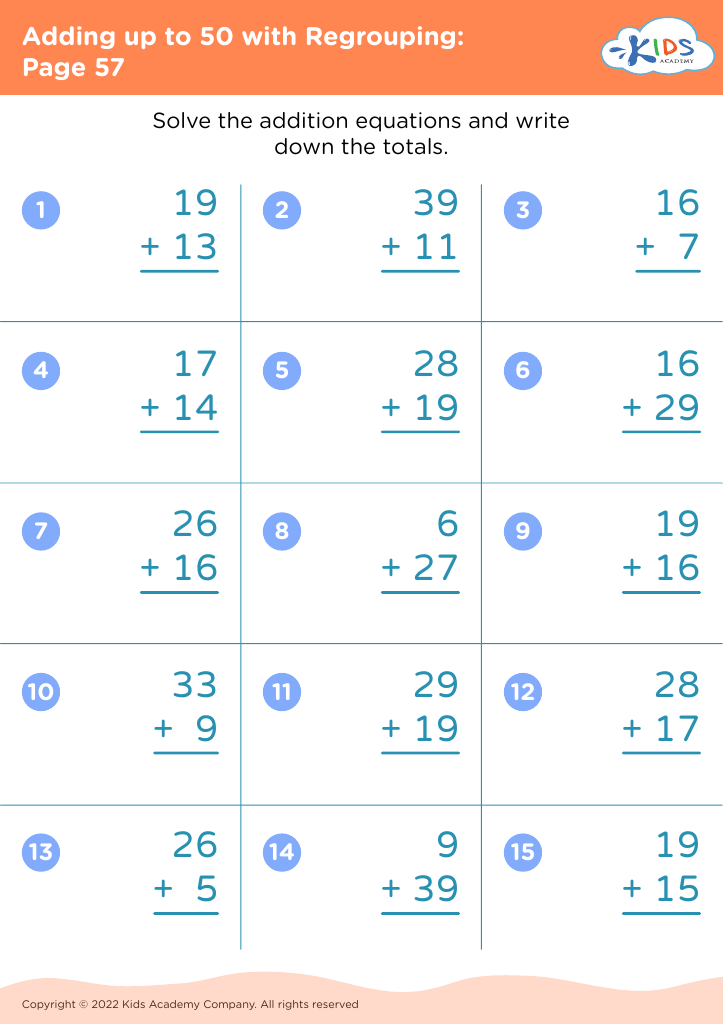
    Adding up to 50 with Regrouping: Page 57
    Adding up to 50 with Regrouping: Page 57
    Adding up to 50 with Regrouping: Page 57
    Worksheet
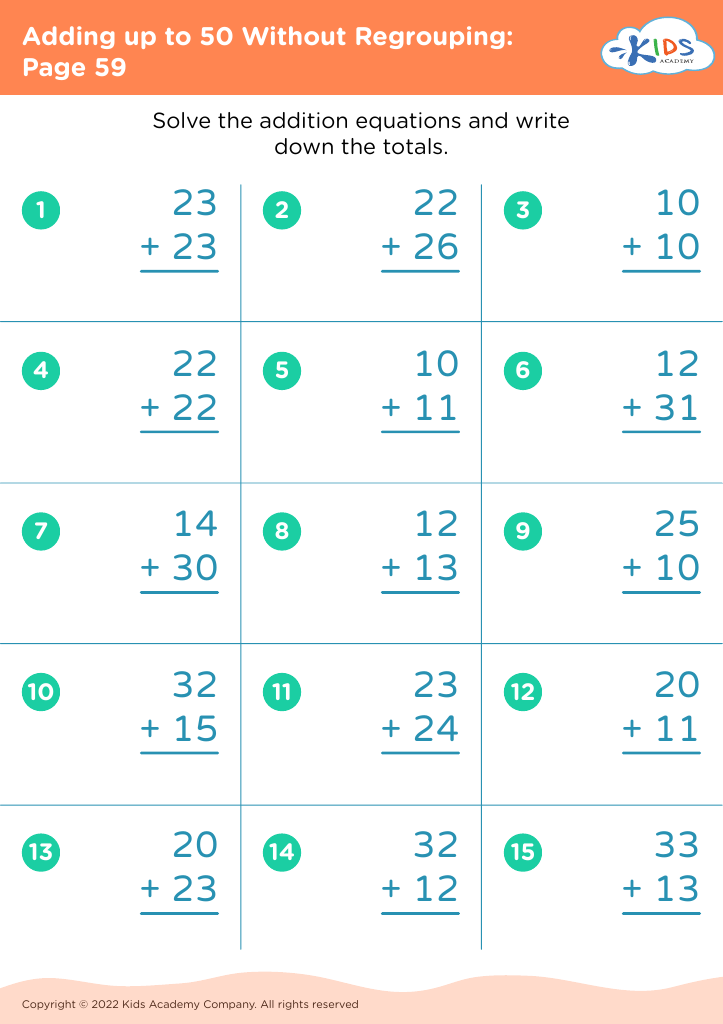
    Adding up to 50 Without Regrouping: Page 59
    Adding up to 50 Without Regrouping: Page 59
    Adding up to 50 Without Regrouping: Page 59
    Worksheet
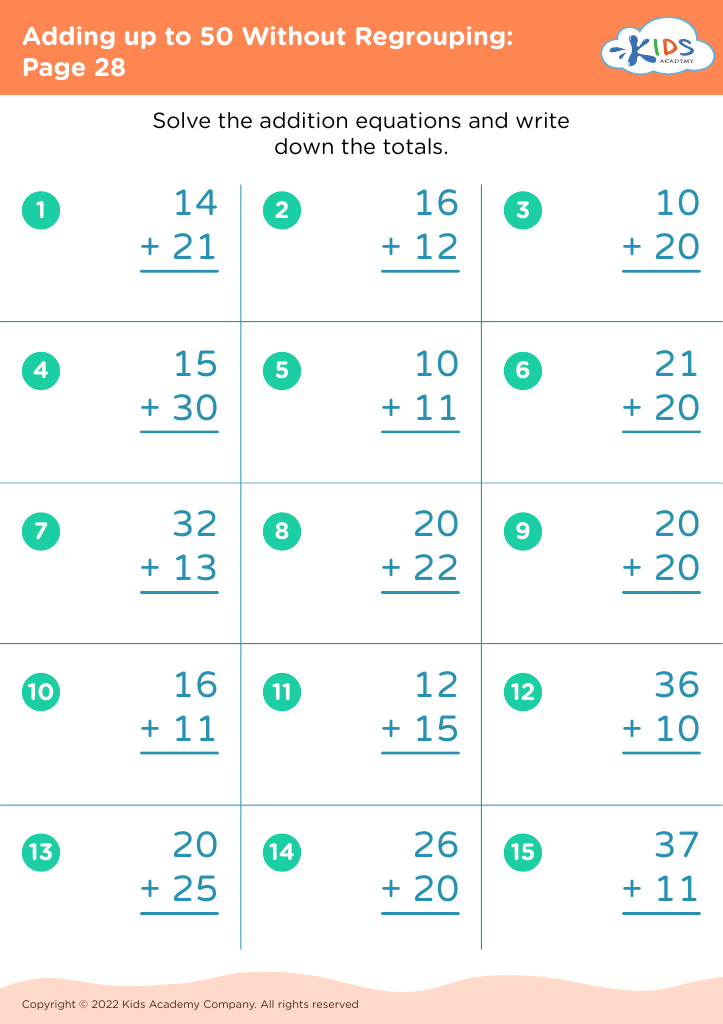
    Adding up to 50 Without Regrouping: Page 28
    Adding up to 50 Without Regrouping: Page 28
    Adding up to 50 Without Regrouping: Page 28
    Worksheet
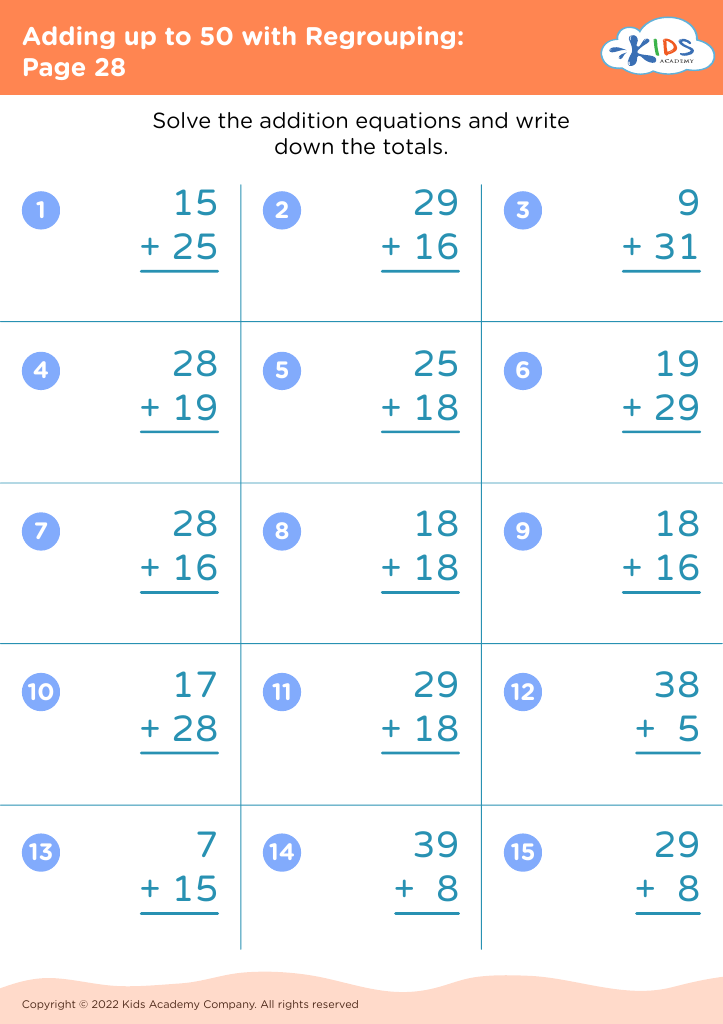
    Adding up to 50 with Regrouping: Page 28
    Adding up to 50 with Regrouping: Page 28
    Adding up to 50 with Regrouping: Page 28
    Worksheet
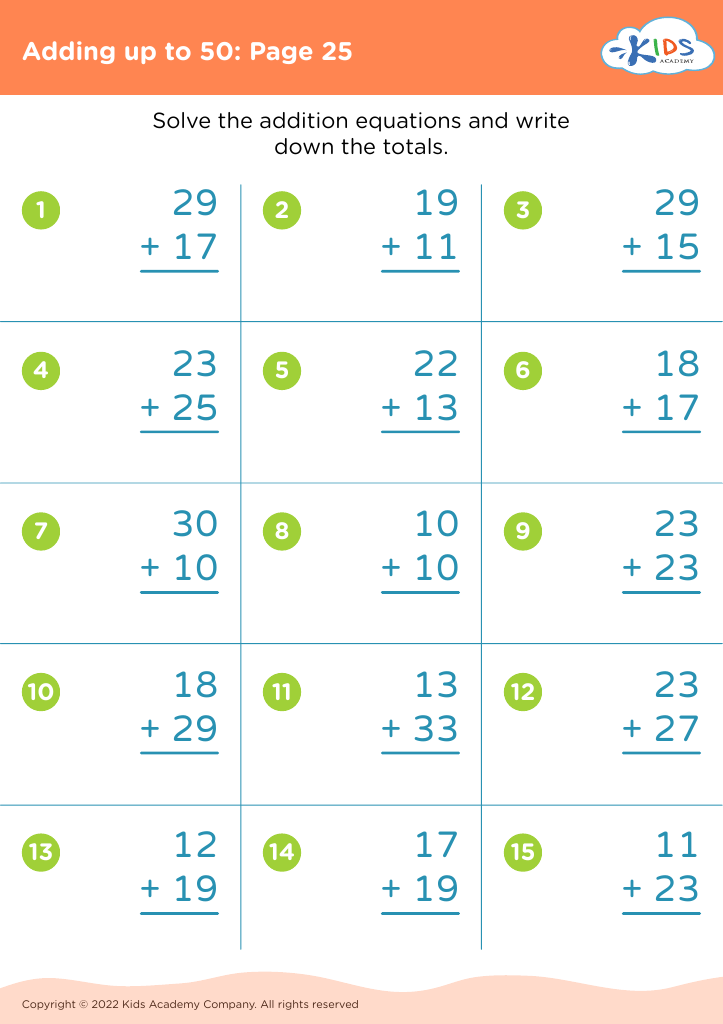
    Adding up to 50: Page 25
    Adding up to 50: Page 25

    Adding up to 50: Page 25

    Adding up to 50: Page 25
    Worksheet
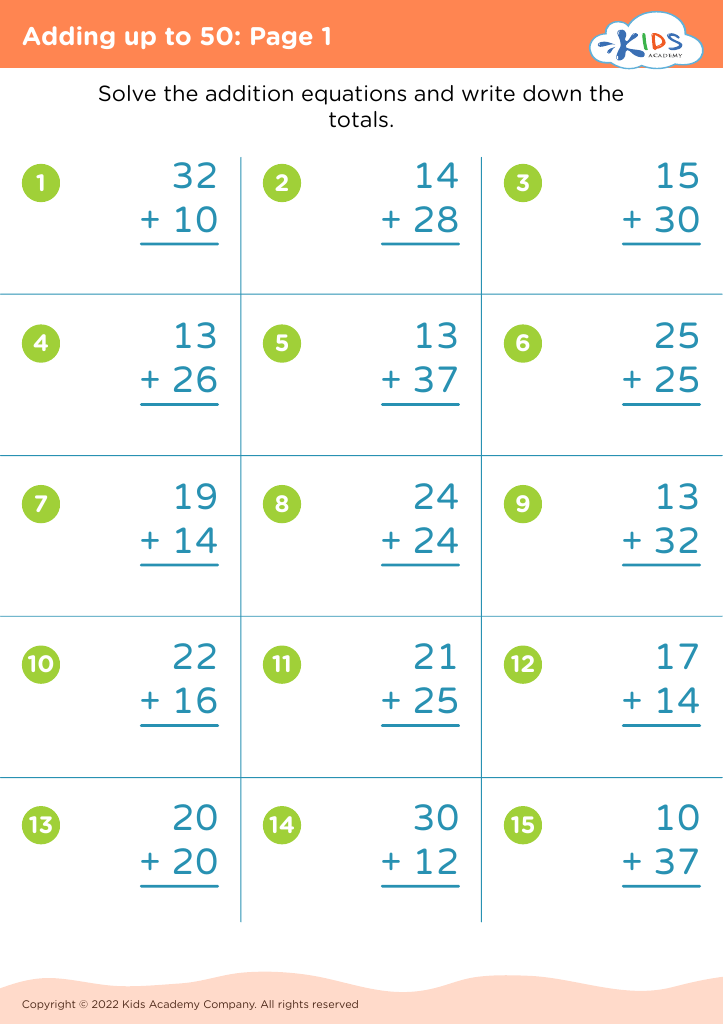
    Adding up to 50: Page 1
    Adding up to 50: Page 1

    Adding up to 50: Page 1

    Adding up to 50: Page 1
    Worksheet
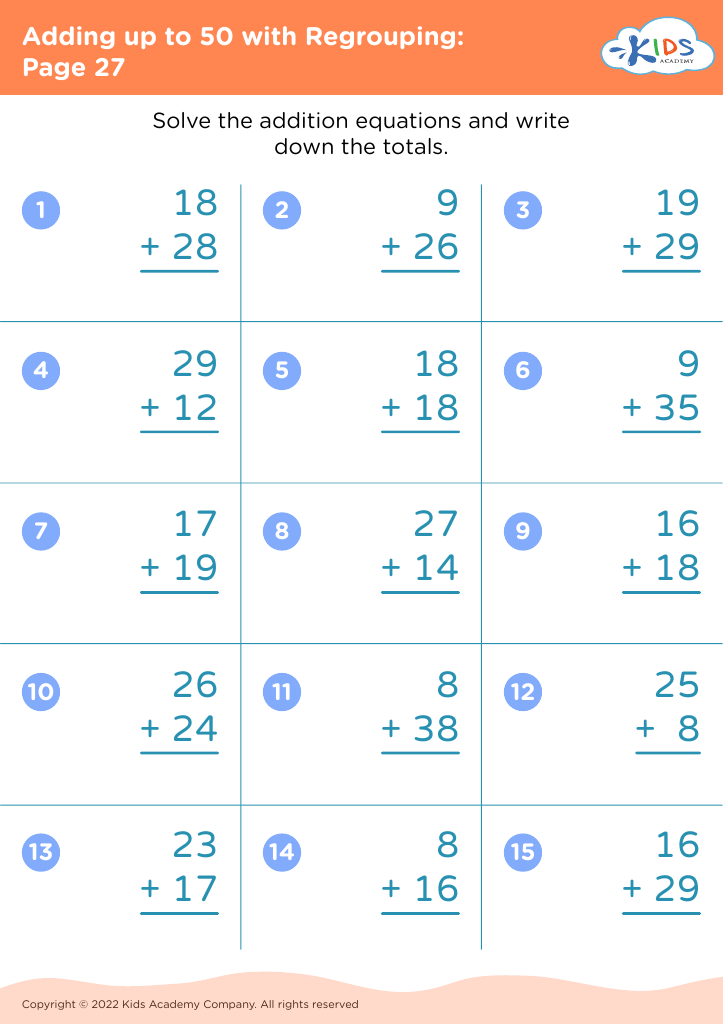
    Adding up to 50 with Regrouping: Page 27
    Adding up to 50 with Regrouping: Page 27
    Adding up to 50 with Regrouping: Page 27
    Worksheet
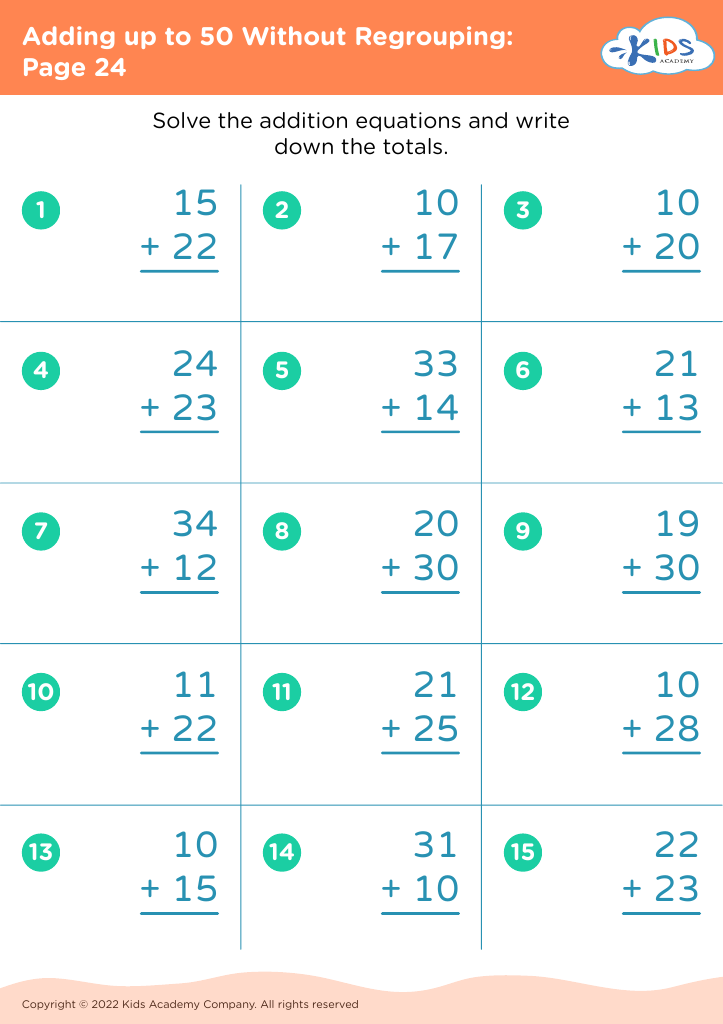
    Adding up to 50 Without Regrouping: Page 24
    Adding up to 50 Without Regrouping: Page 24
    Adding up to 50 Without Regrouping: Page 24
    Worksheet
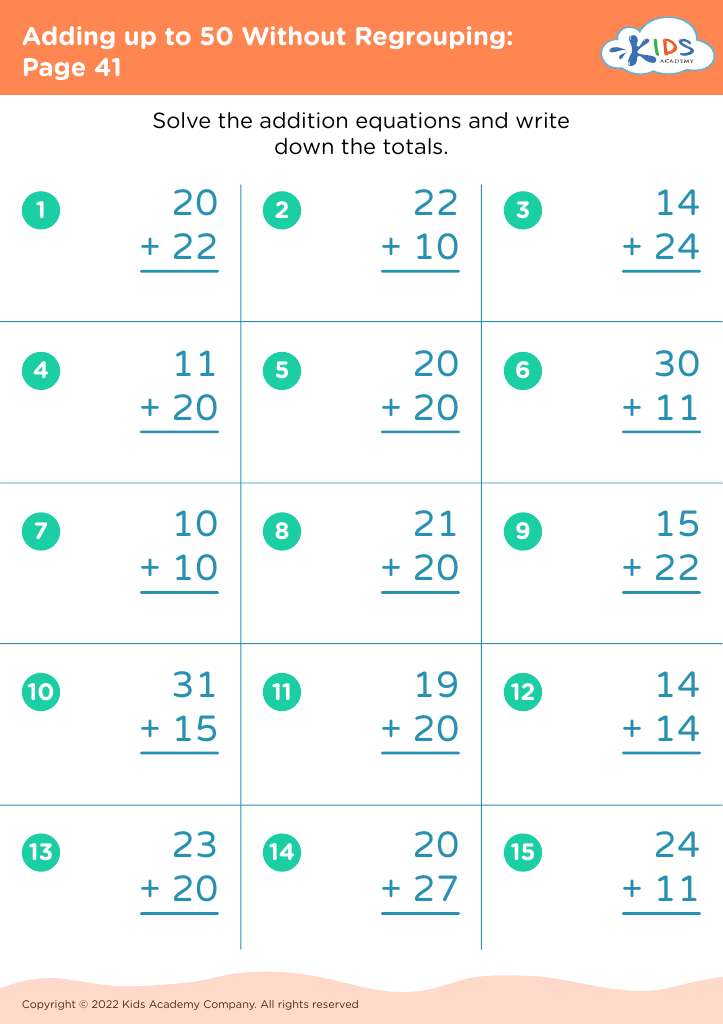
    Adding up to 50 Without Regrouping: Page 41
    Adding up to 50 Without Regrouping: Page 41
    Adding up to 50 Without Regrouping: Page 41
    Worksheet
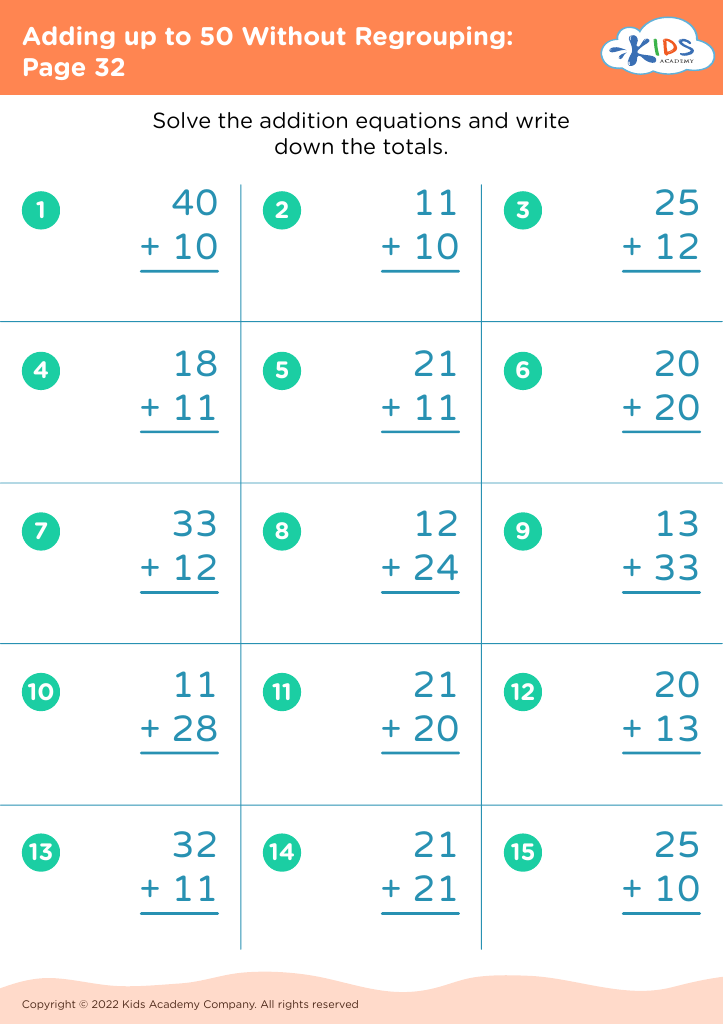
    Adding up to 50 Without Regrouping: Page 32
    Adding up to 50 Without Regrouping: Page 32
    Adding up to 50 Without Regrouping: Page 32
    Worksheet
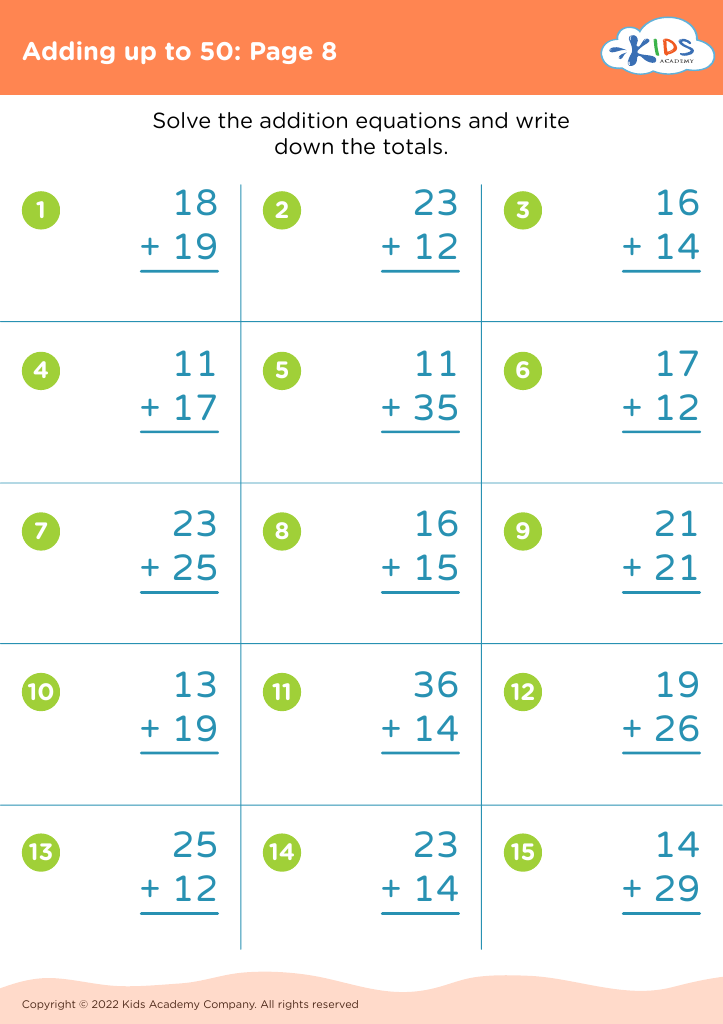
    Adding up to 50: Page 8
    Adding up to 50: Page 8

    Adding up to 50: Page 8

    Adding up to 50: Page 8
    Worksheet
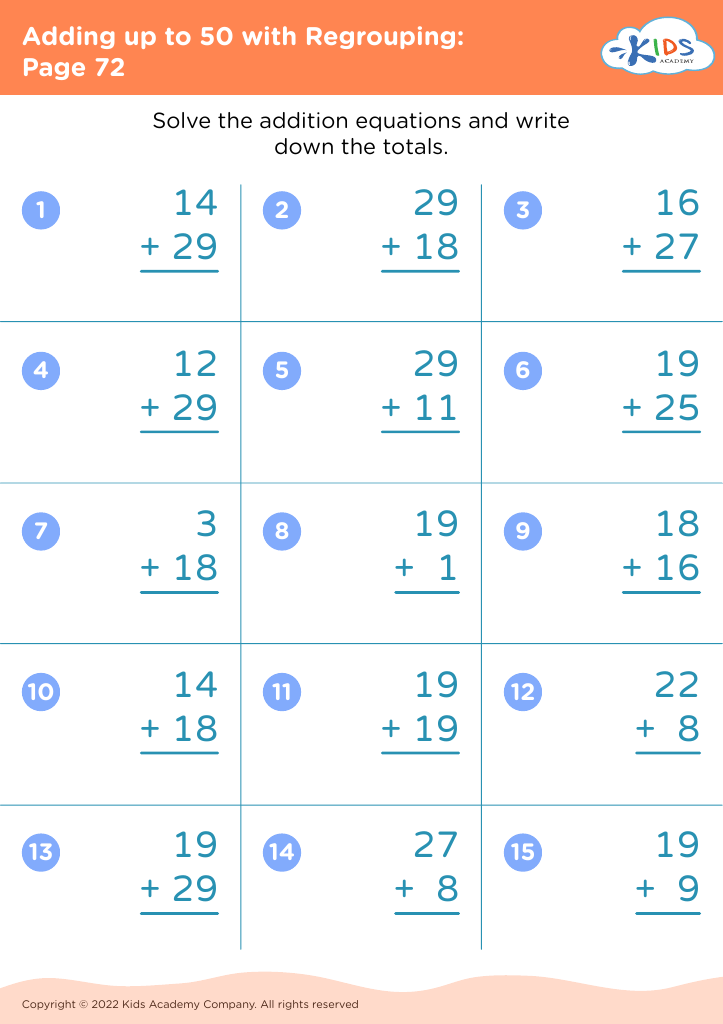
    Adding up to 50 with Regrouping: Page 72
    Adding up to 50 with Regrouping: Page 72
    Adding up to 50 with Regrouping: Page 72
    Worksheet
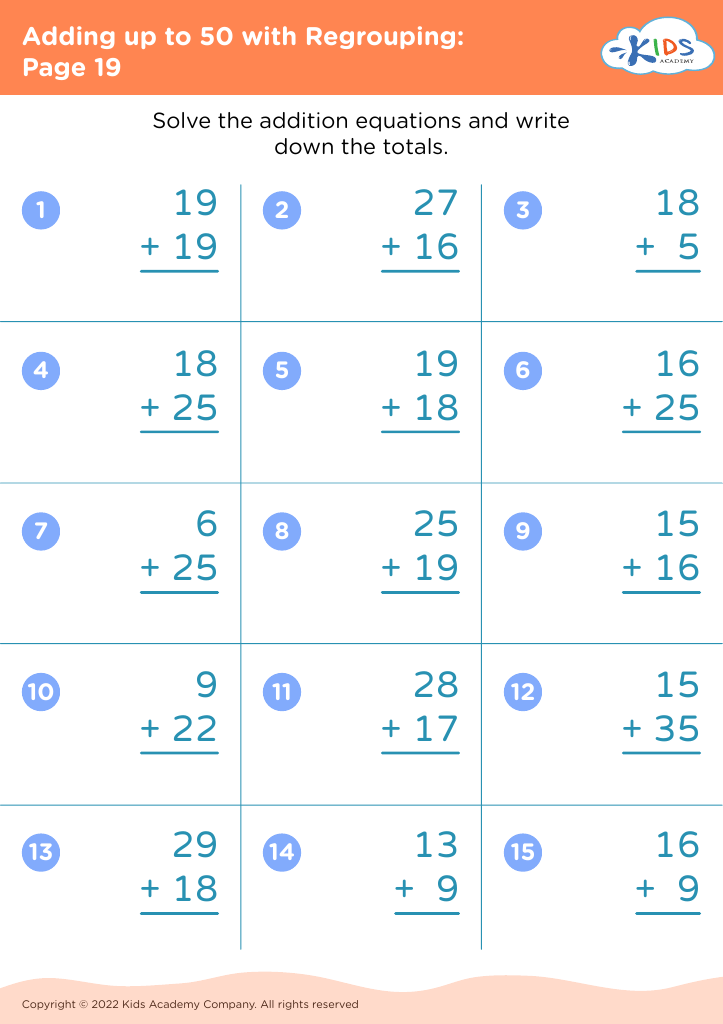
    Adding up to 50 with Regrouping: Page 19
    Adding up to 50 with Regrouping: Page 19
    Adding up to 50 with Regrouping: Page 19
    Worksheet
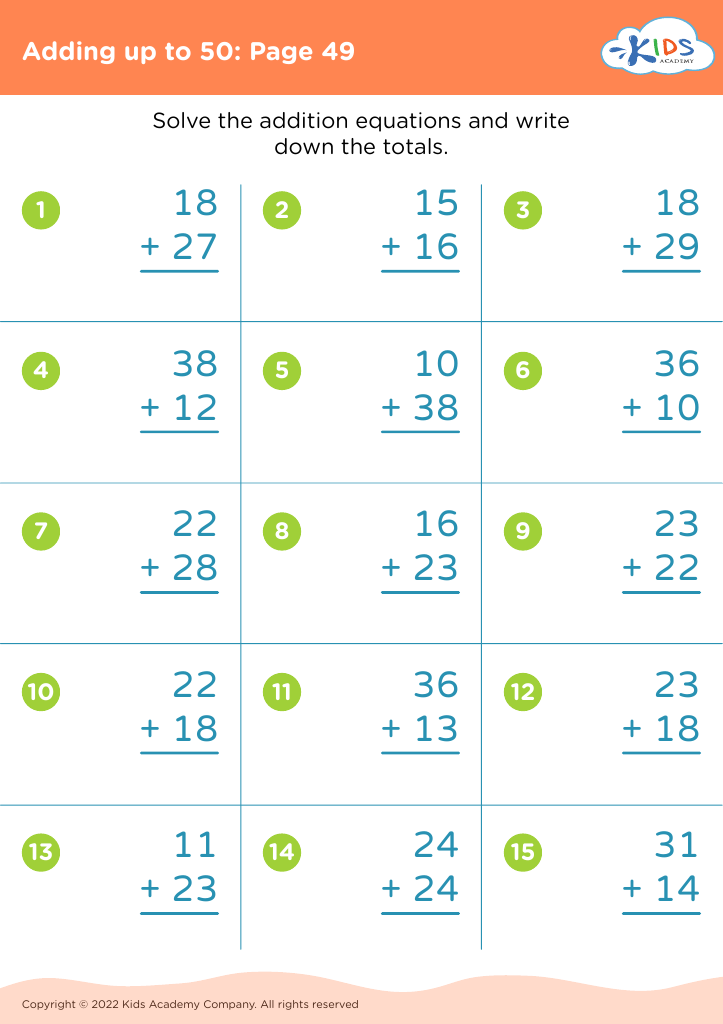
    Adding up to 50: Page 49
    Adding up to 50: Page 49

    Adding up to 50: Page 49

    Adding up to 50: Page 49
    Worksheet
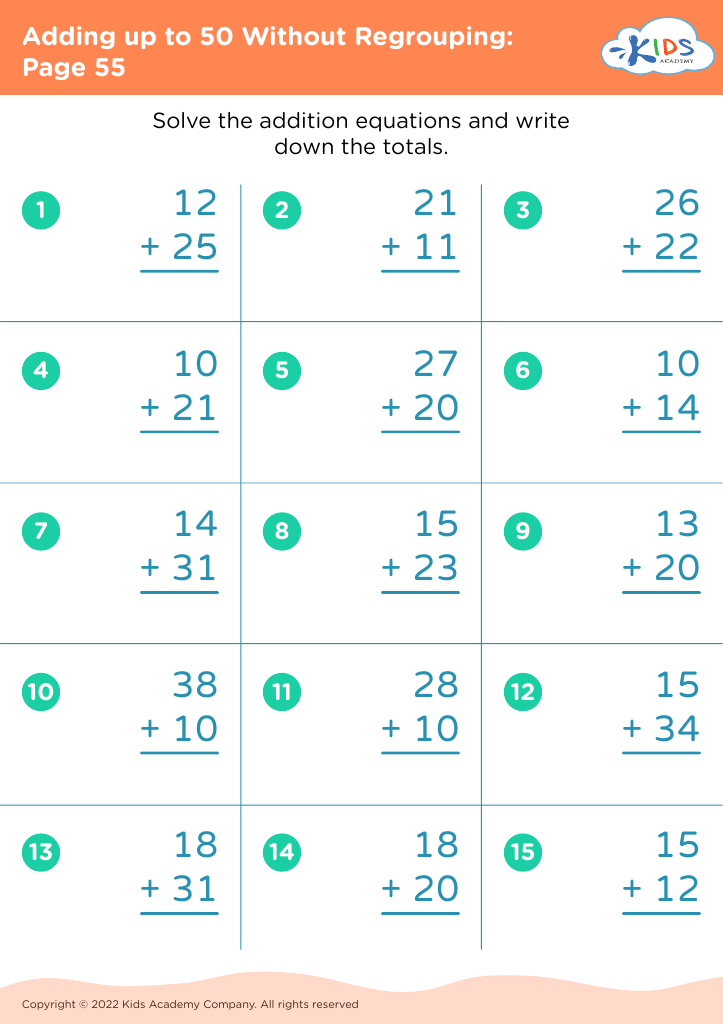
    Adding up to 50 Without Regrouping: Page 55
    Adding up to 50 Without Regrouping: Page 55
    Adding up to 50 Without Regrouping: Page 55
    Worksheet
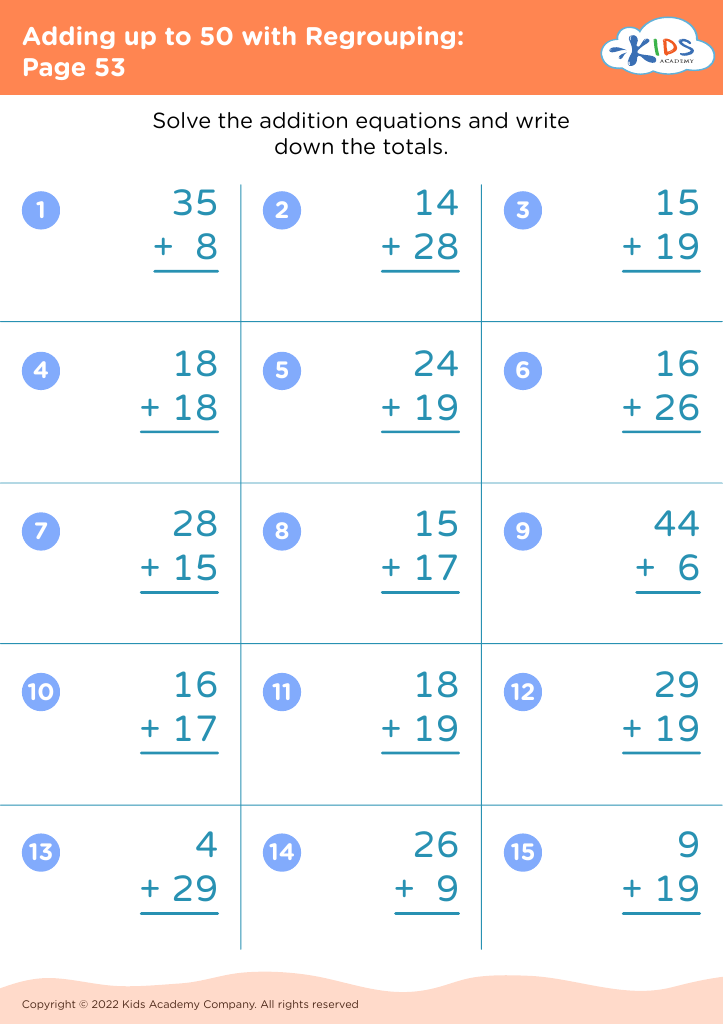
    Adding up to 50 with Regrouping: Page 53
    Adding up to 50 with Regrouping: Page 53
    Adding up to 50 with Regrouping: Page 53
    Worksheet
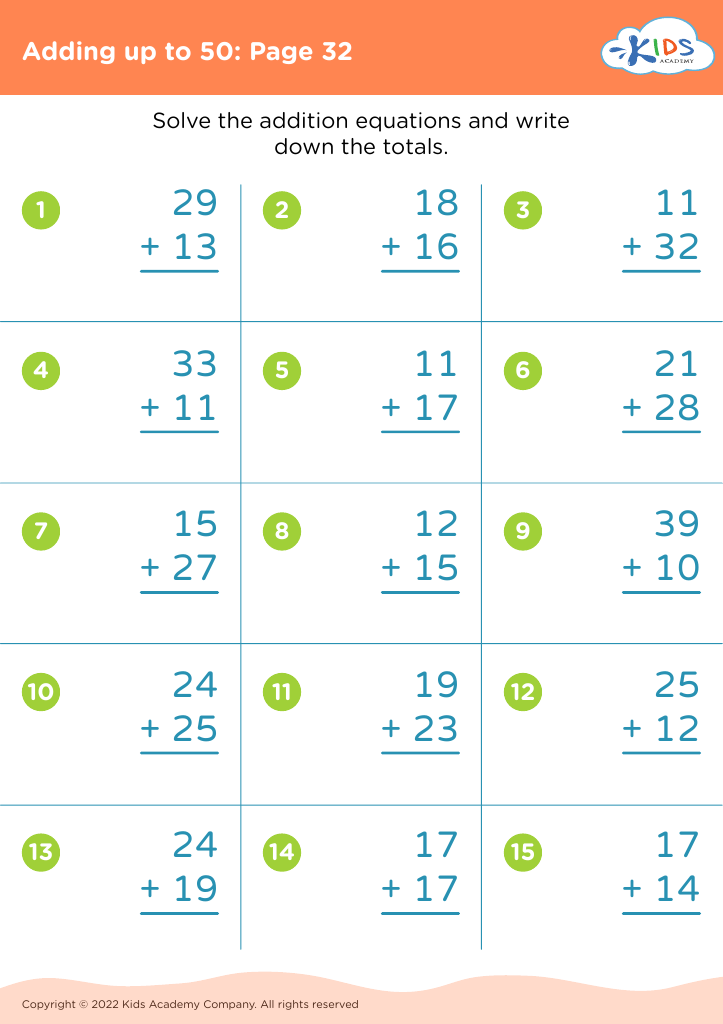
    Adding up to 50: Page 32
    Adding up to 50: Page 32

    Adding up to 50: Page 32

    Adding up to 50: Page 32
    Worksheet


    Number recognition and addition skills form the foundation for a child’s future mathematical understanding. For children aged 3-8, recognizing numbers up to 50 is an essential milestone in early childhood education that fosters not only mathematical skills but also cognitive development. When children can identify and manipulate numbers, they begin to understand their value and relationship, enabling them to build more complex mathematical concepts later on.

    This skill encourages logical thinking and problem-solving abilities, both critical for success in academia and everyday life. By mastering number recognition and beginning addition, children enhance their confidence with math, making them more likely to engage positively with the subject in the future. Furthermore, early experiences with numbers help in developing literacy skills, as recognizing patterns and sequences in numbers parallels reading and writing development.

    Parents and teachers should prioritize this foundational skill, creating opportunities for playful and engaging learning through games, everyday activities, and interactive experiences. Investing time in number recognition and addition not only boosts a child's academic readiness but also lays the groundwork for a lifelong appreciation of mathematics and learning in general. Ultimately, supporting children during this developmental stage promotes critical thinking and overall academic success.