Problem-Solving Skills Addition and Subtraction Word Problems Worksheets for Ages 3-8 - Page 2
33 filtered results
-
From - To
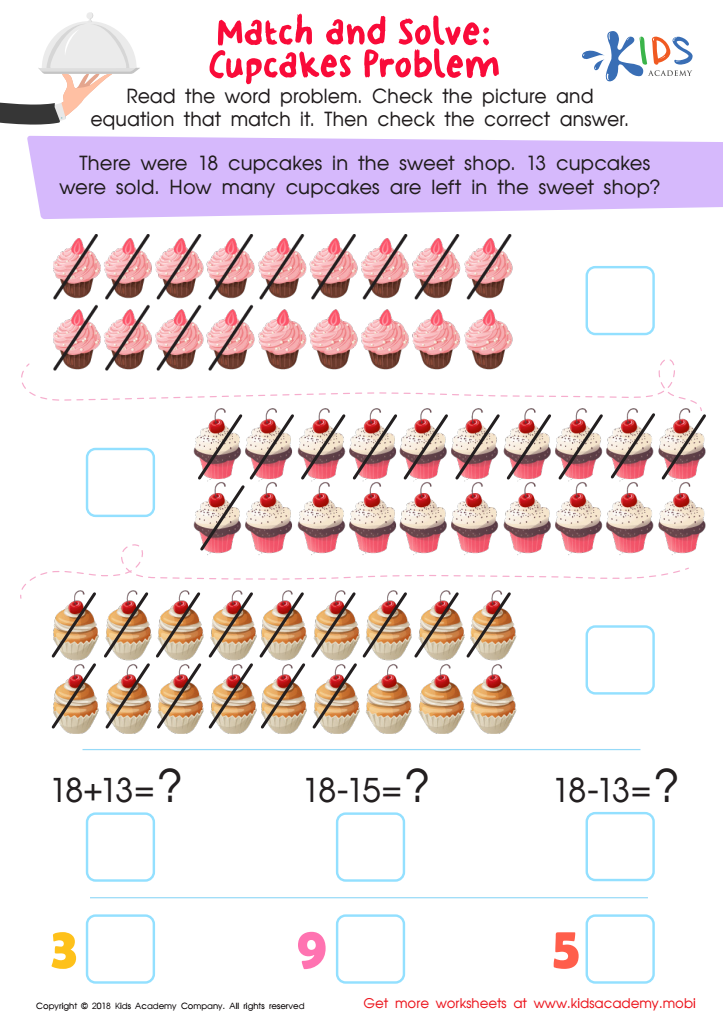
Match and Solve: Cupcakes Problem Worksheet
 Assign to My Students
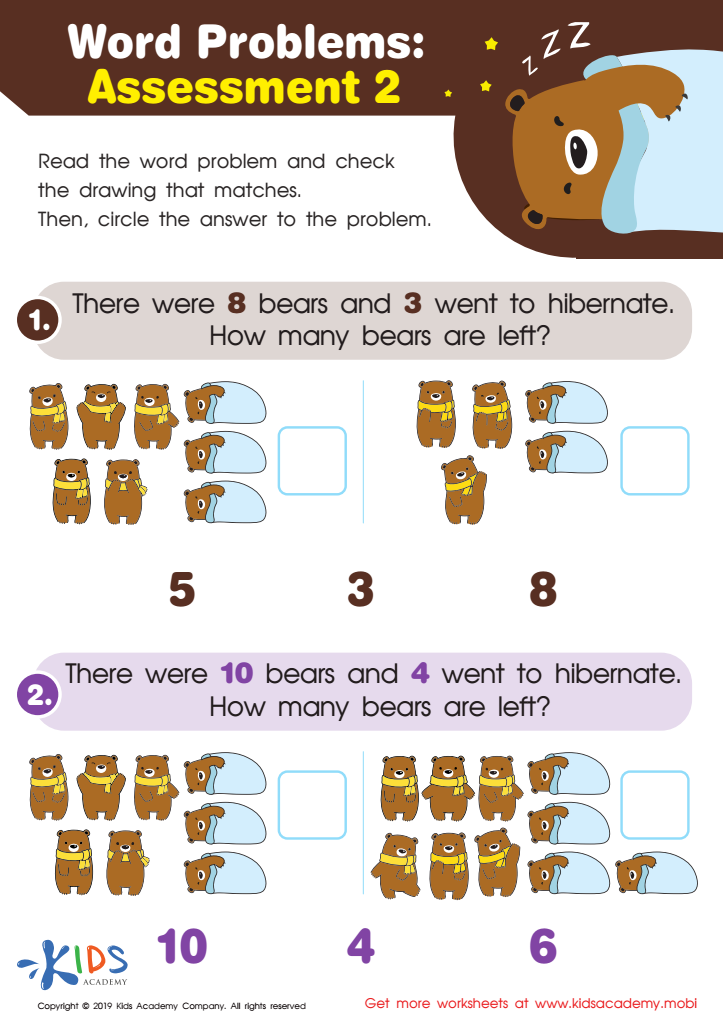
Word Problems: Assessment 2 Worksheet
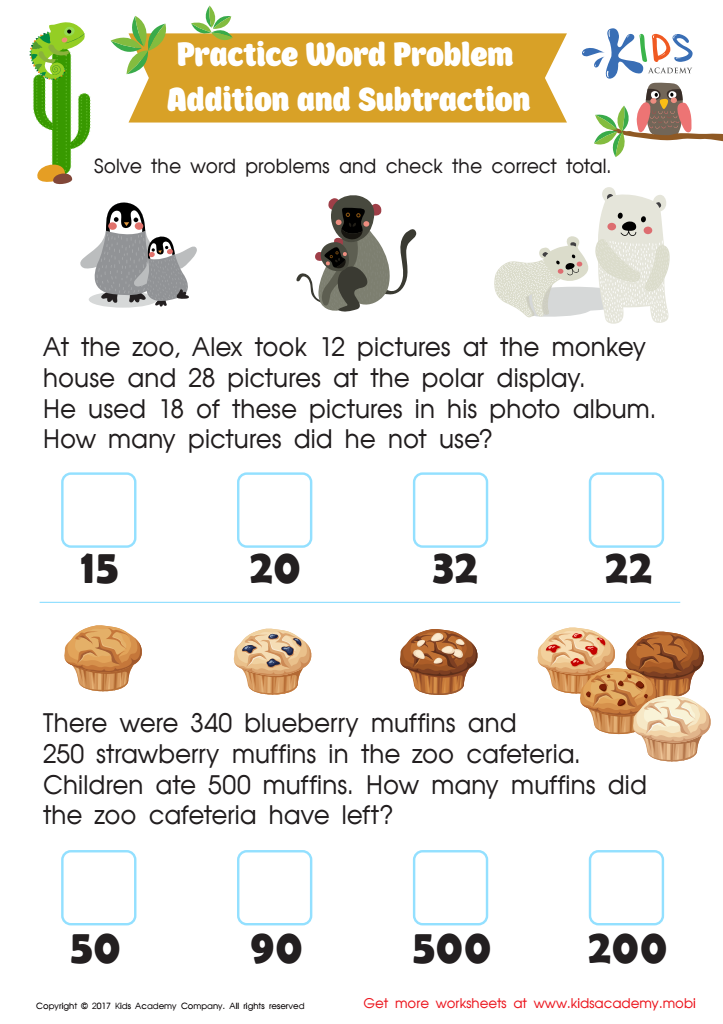
Addition and Subtraction: Word Problems Worksheet
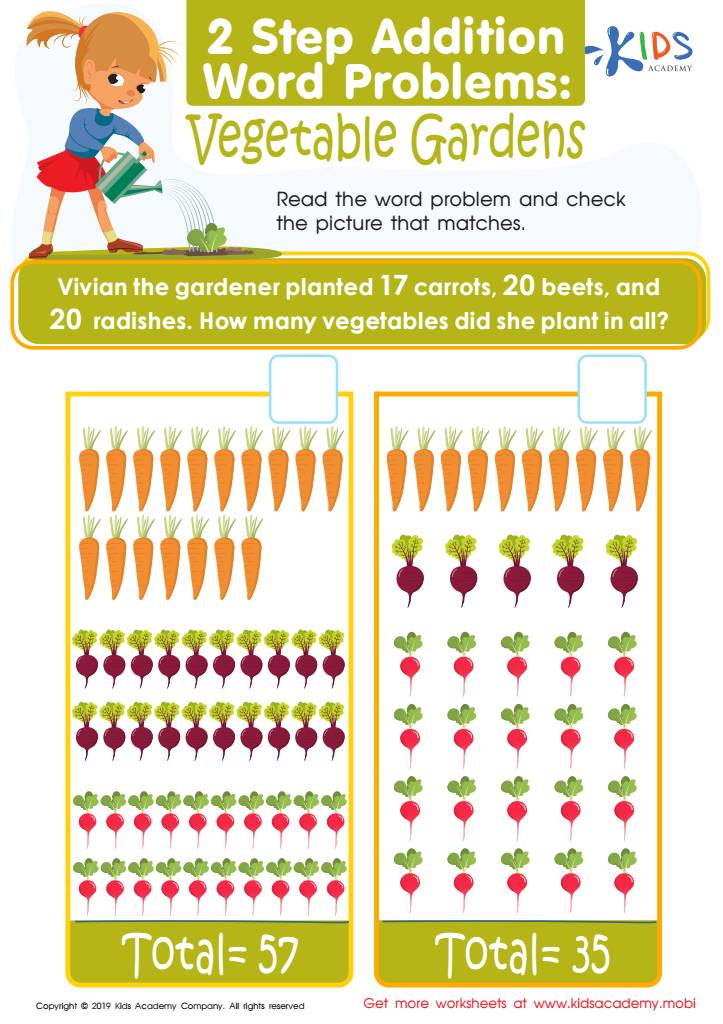
Vegetable Gardens Worksheet
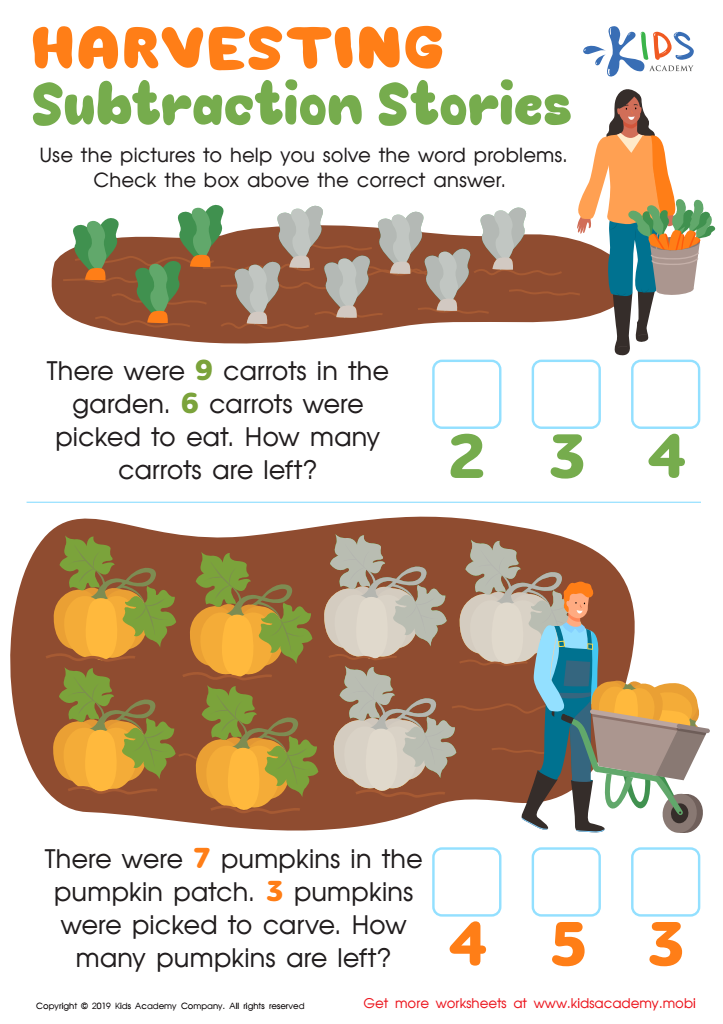
Harvesting Subtraction Stories Worksheet
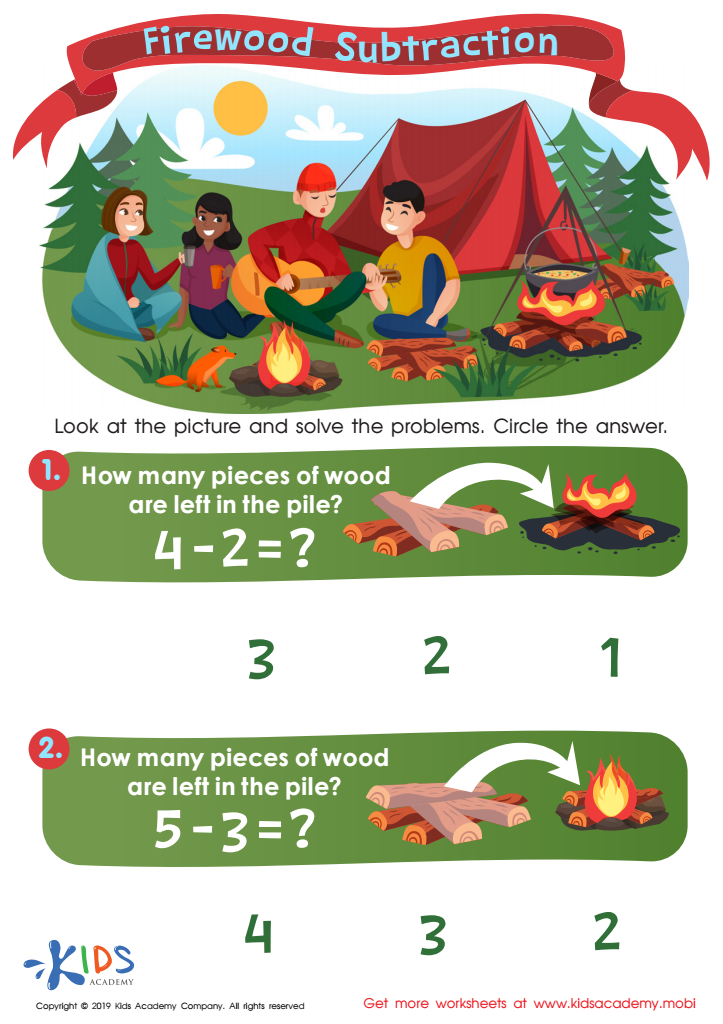
Firewood Subtraction Worksheet
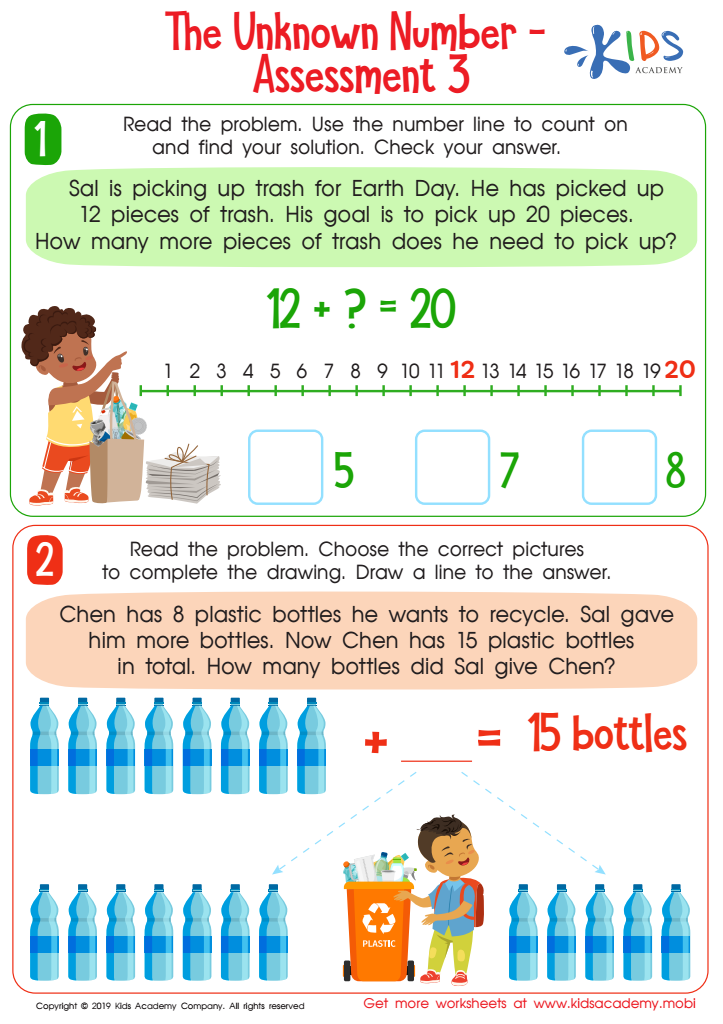
The Unknown Number - Assessment 3 Worksheet
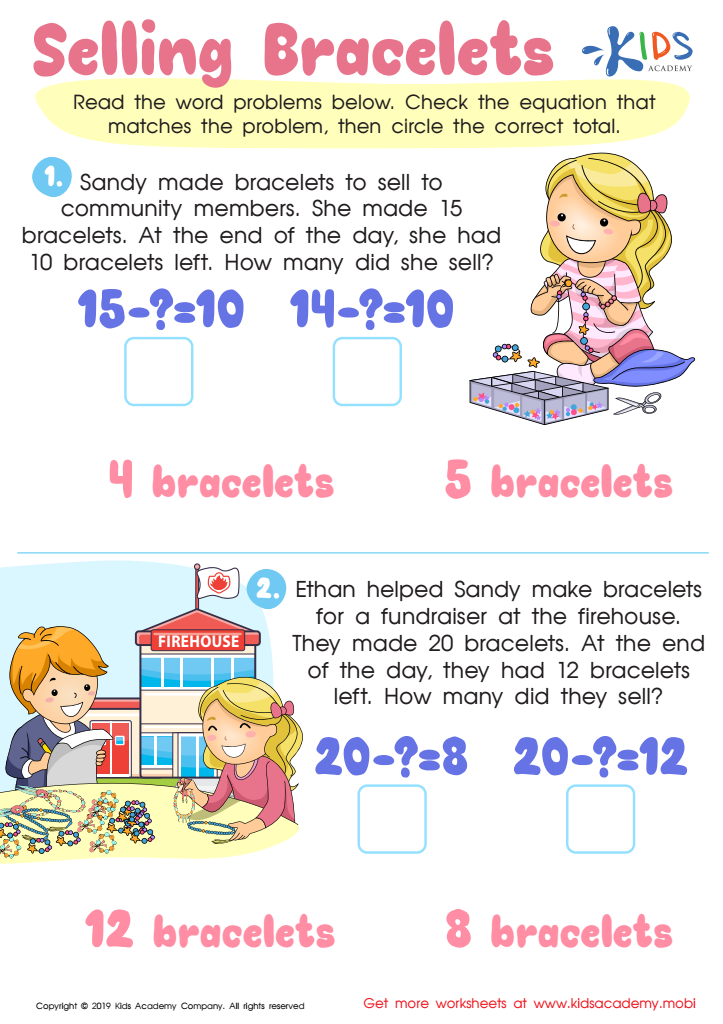
Selling the Bracelets Worksheet
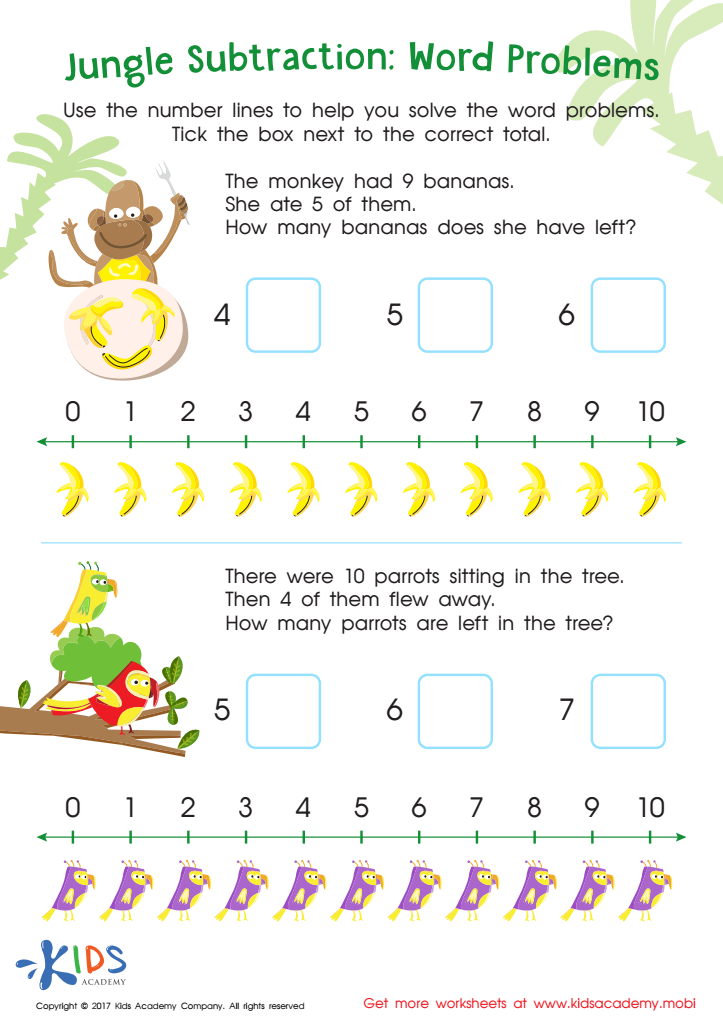
Jungle Subtraction Word Problems Substraction Worksheet








Problem-solving skills, especially in addition and subtraction word problems, are crucial for children aged 3-8. These skills not only build a foundation for mathematical concepts but also enhance critical thinking and reasoning abilities. When children engage with word problems, they learn to interpret situations, extract relevant information, and apply mathematical operations to find solutions. This process is fundamental in developing logical reasoning, which underpins many academic subjects beyond mathematics.
Furthermore, addressing word problems helps children connect math to real-life situations, making their learning more meaningful and relevant. It encourages them to ask questions, explore different approaches, and understand that problems can have multiple solutions—a vital lesson in resilience and creativity.
As parents and teachers, fostering these skills in young learners is significant. It supports their confidence in tackling mathematical challenges and promotes a positive attitude towards learning. Early mastery of problem-solving in math sets the stage for future academic success and nurtures engaged, self-directed learners. By prioritizing these skills during crucial development years, we equip children with essential tools that benefit them in both education and everyday life. The emphasis on problem-solving today shapes well-rounded individuals ready to navigate the complexities of tomorrow.