Addition Practice Addition & Subtraction Worksheets for Ages 3-8
158 filtered results
-
From - To
Help your child master basic math skills with our engaging "Addition Practice Addition & Subtraction Worksheets for Ages 3-8." Designed specifically for young learners, these worksheets provide a variety of fun and interactive exercises that make adding and subtracting enjoyable. From colorful images to creative problems, each worksheet aims to strengthen your child's foundational math skills. Ideal for practicing at home or in the classroom, these worksheets help build confidence and improve accuracy in solving math problems. Unlock your child's potential and make learning math a positive experience with our expertly designed addition and subtraction activities.
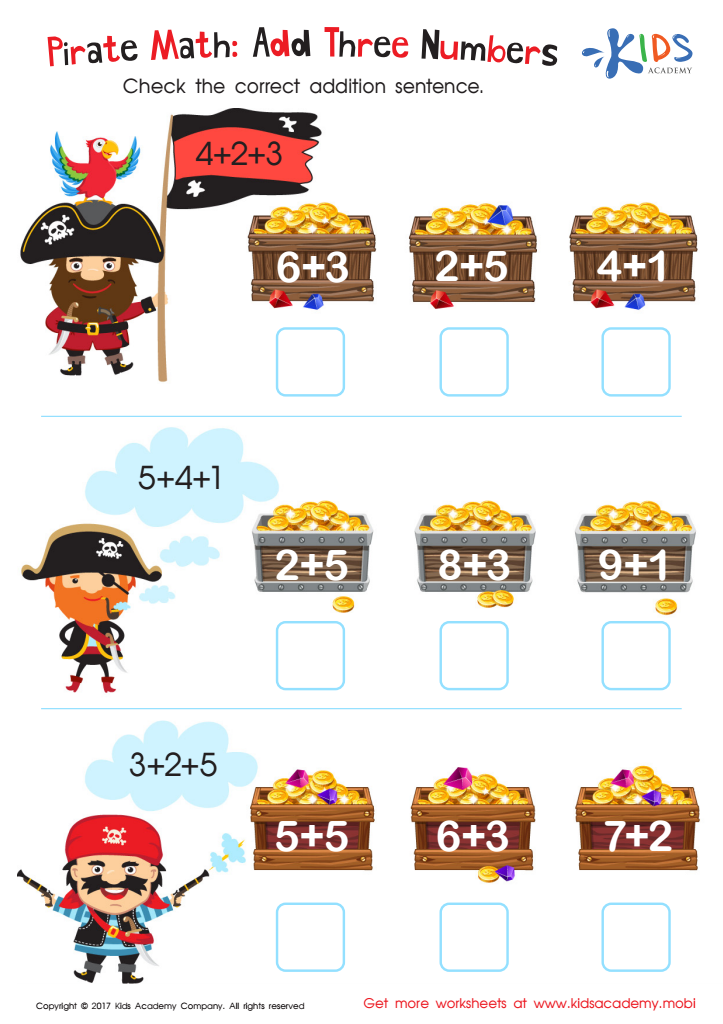
Pirate Math Printable
 Assign to My Students
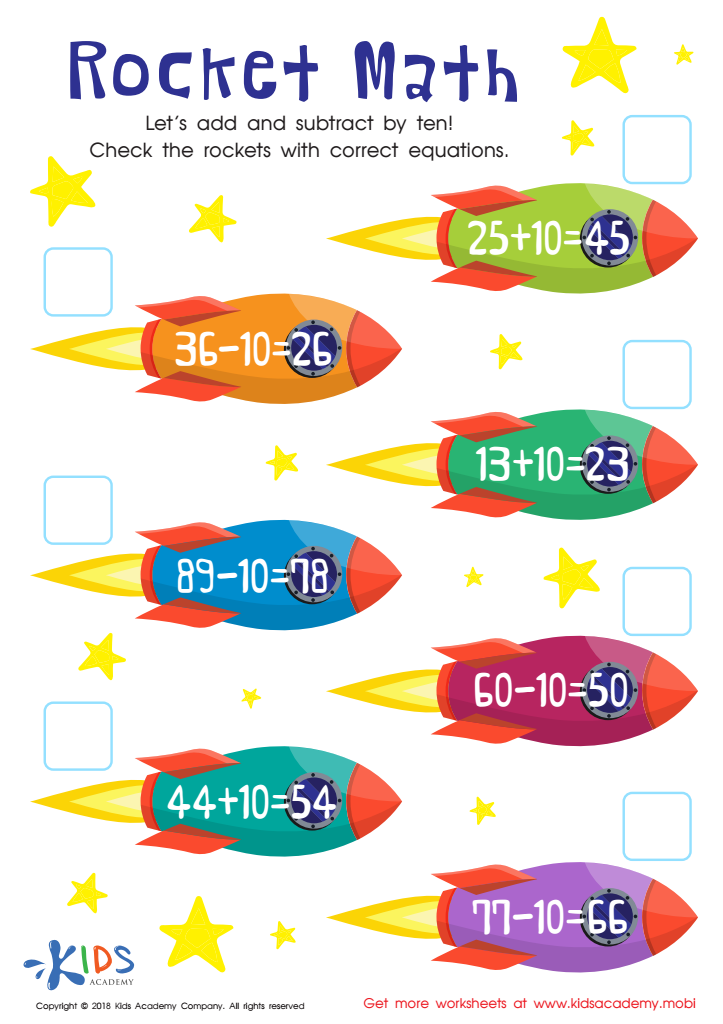
Rocket Math Worksheet
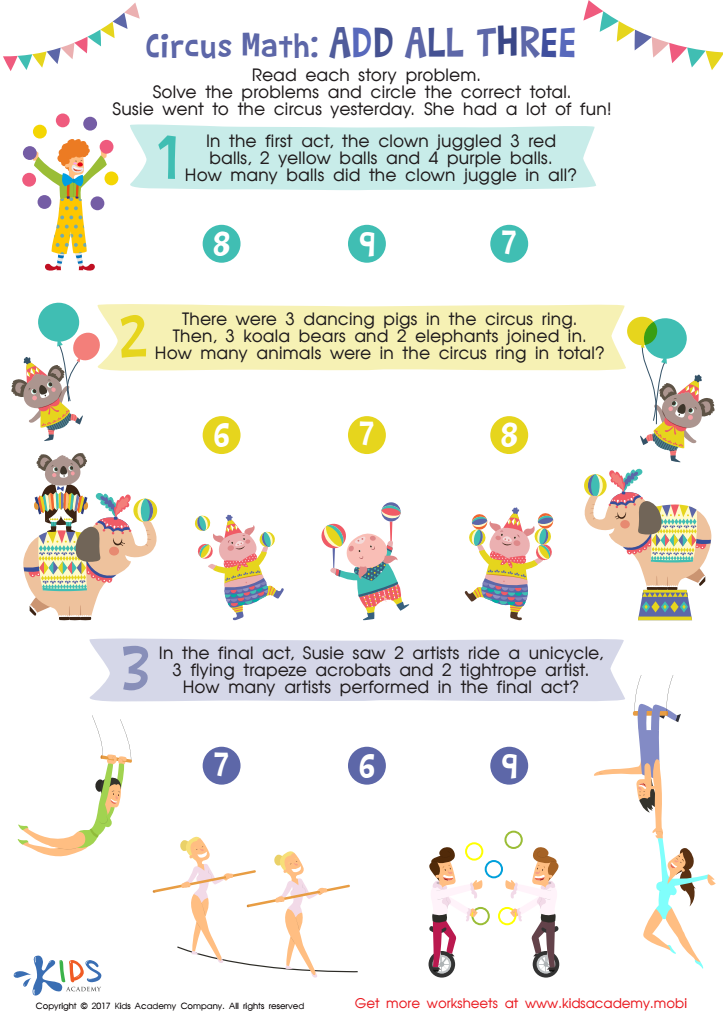
Circus Math Printable
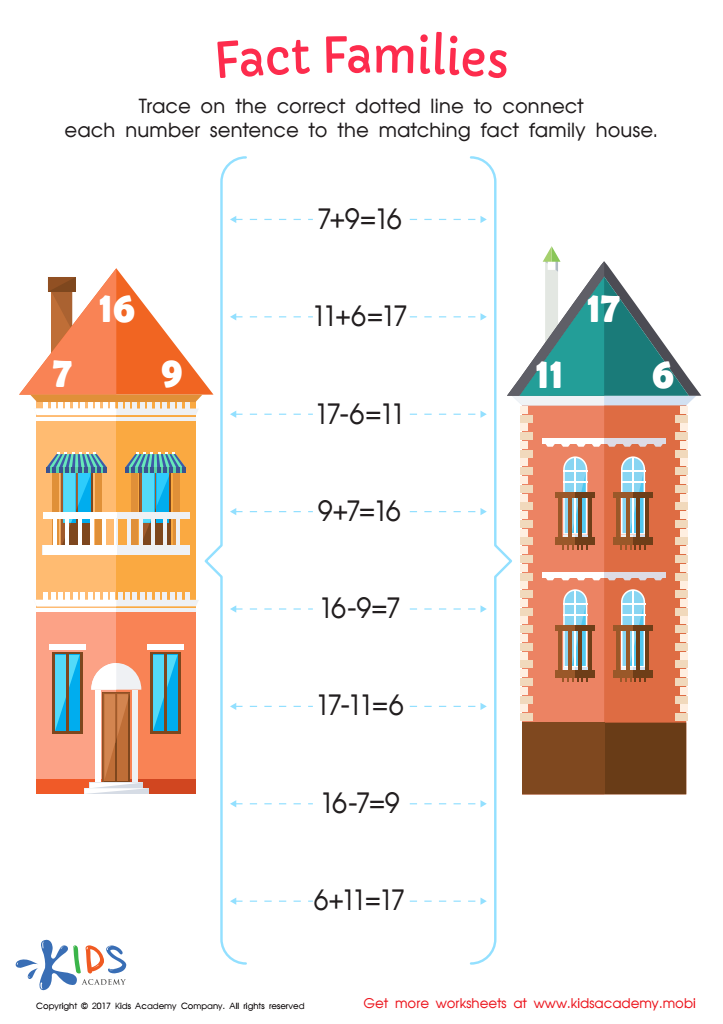
Fact Families — Add and Subtract Worksheet
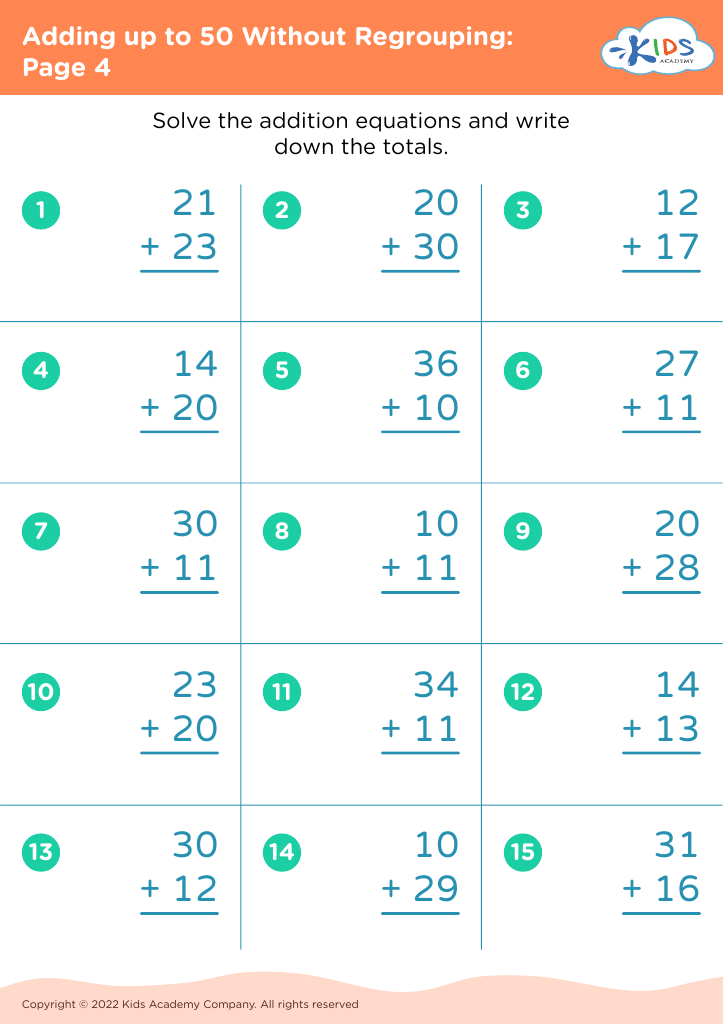
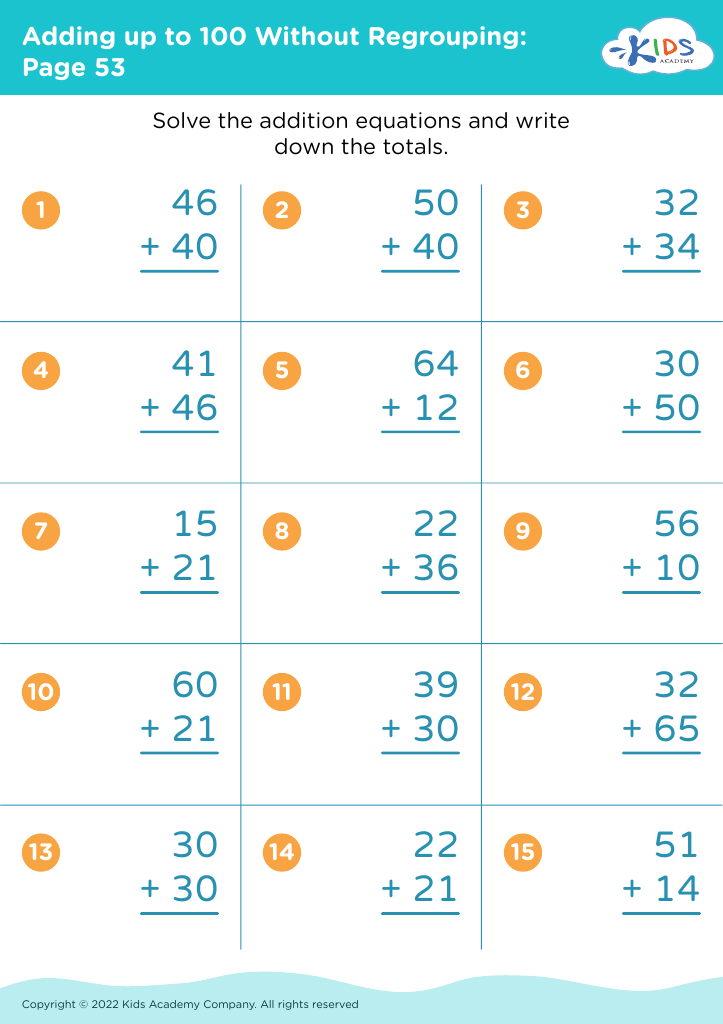
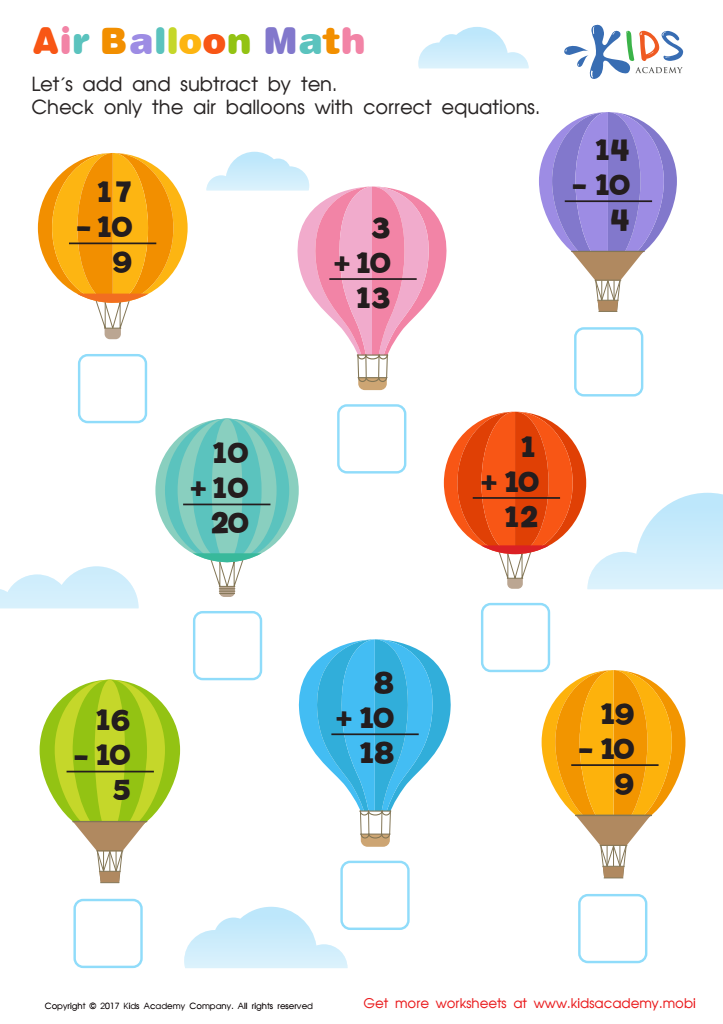
Air Balloon Math Worksheet
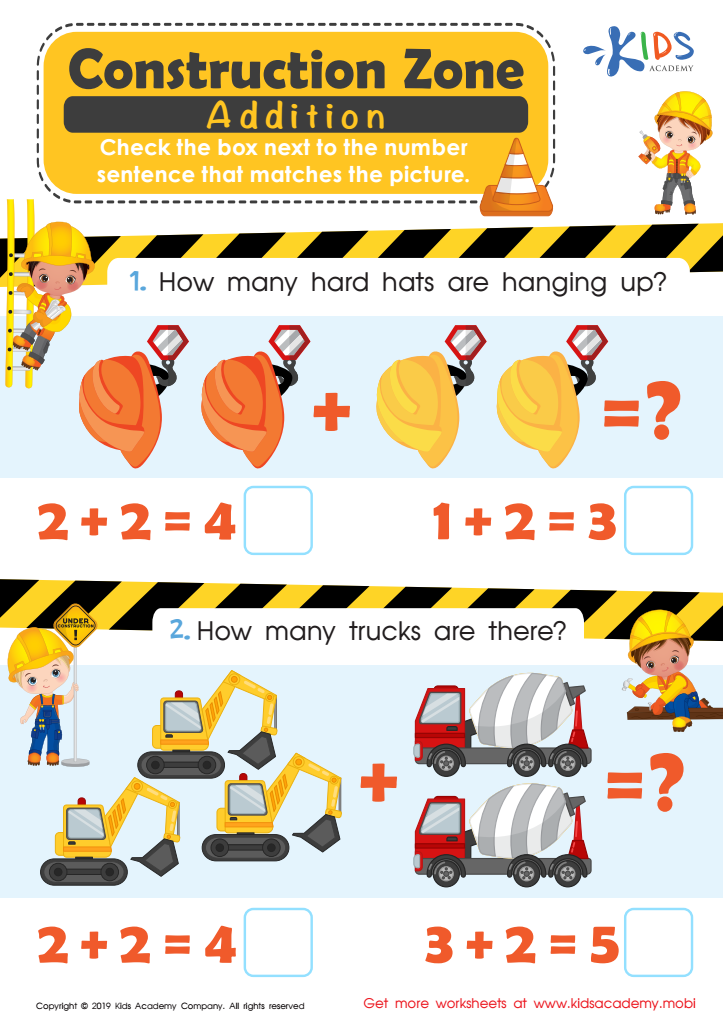
Construction Zone Addition Worksheet
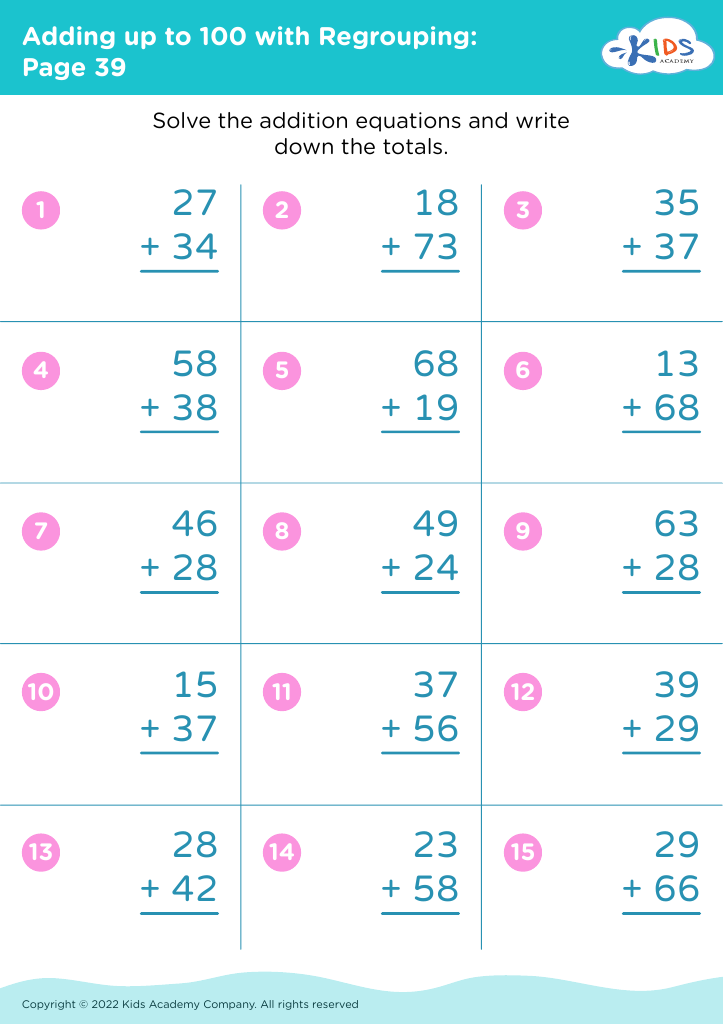
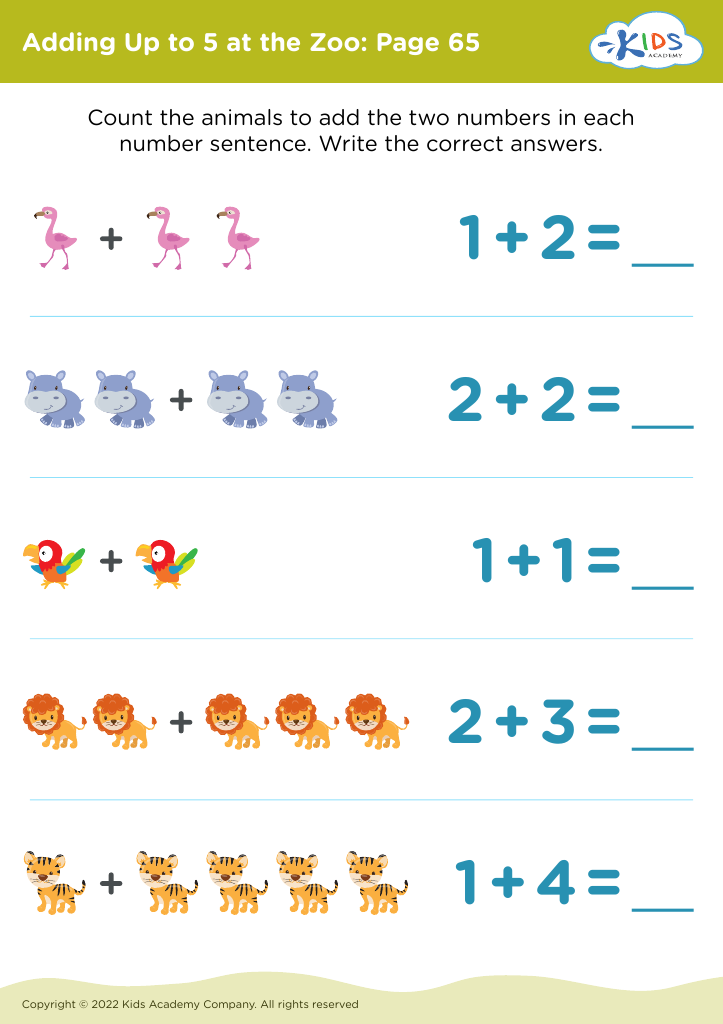
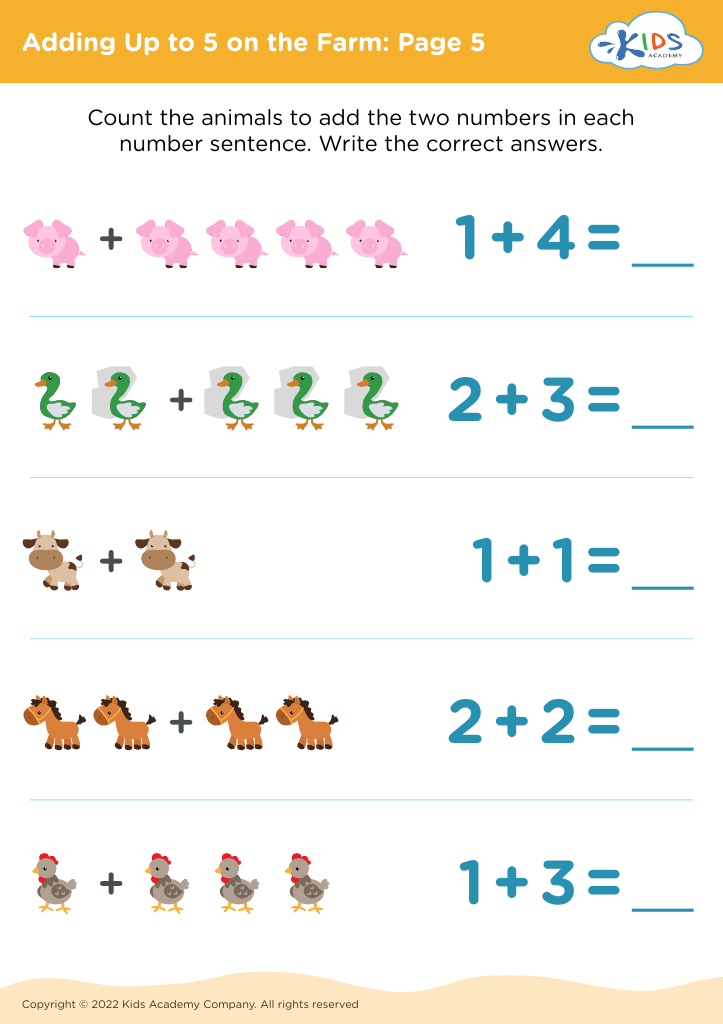
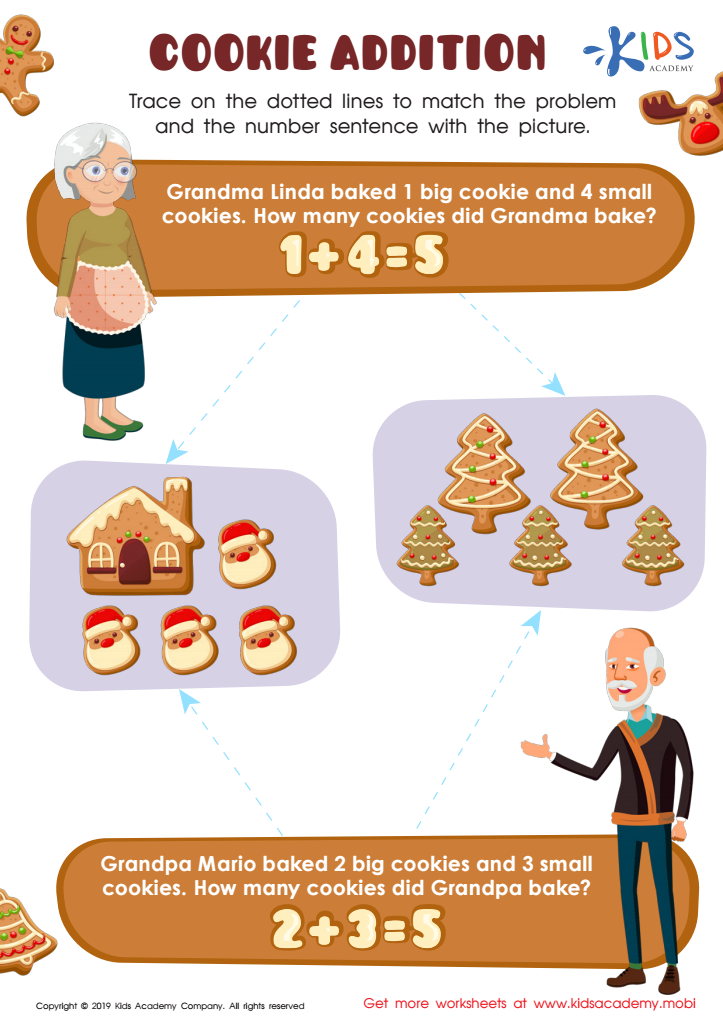
Cookie Addition Worksheet
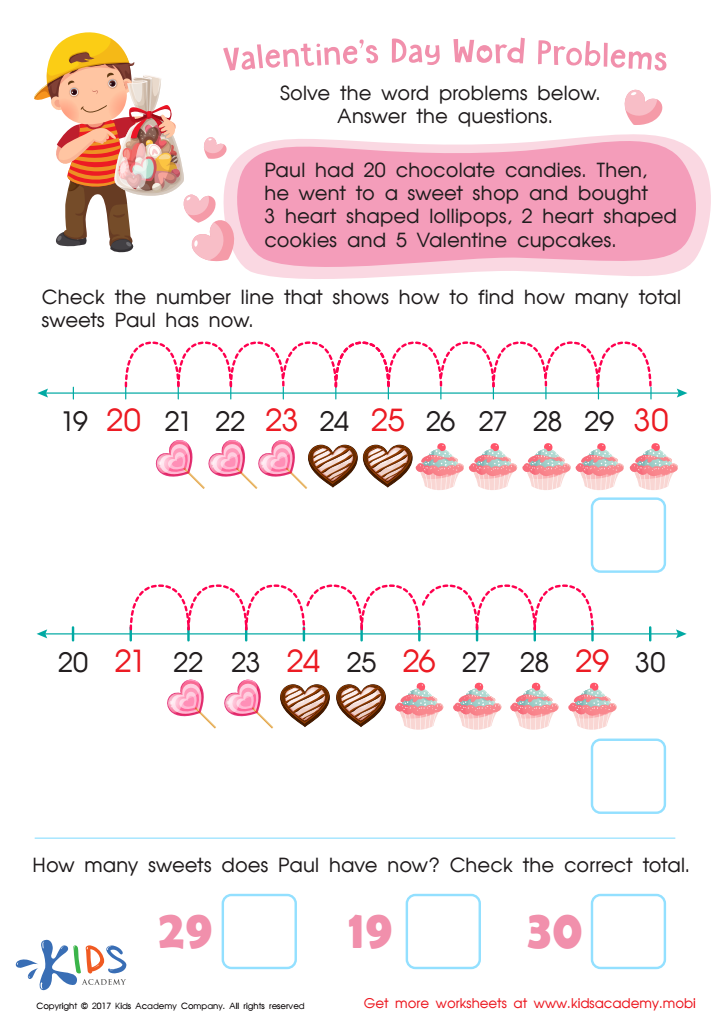
Valentines Day 2 Printable
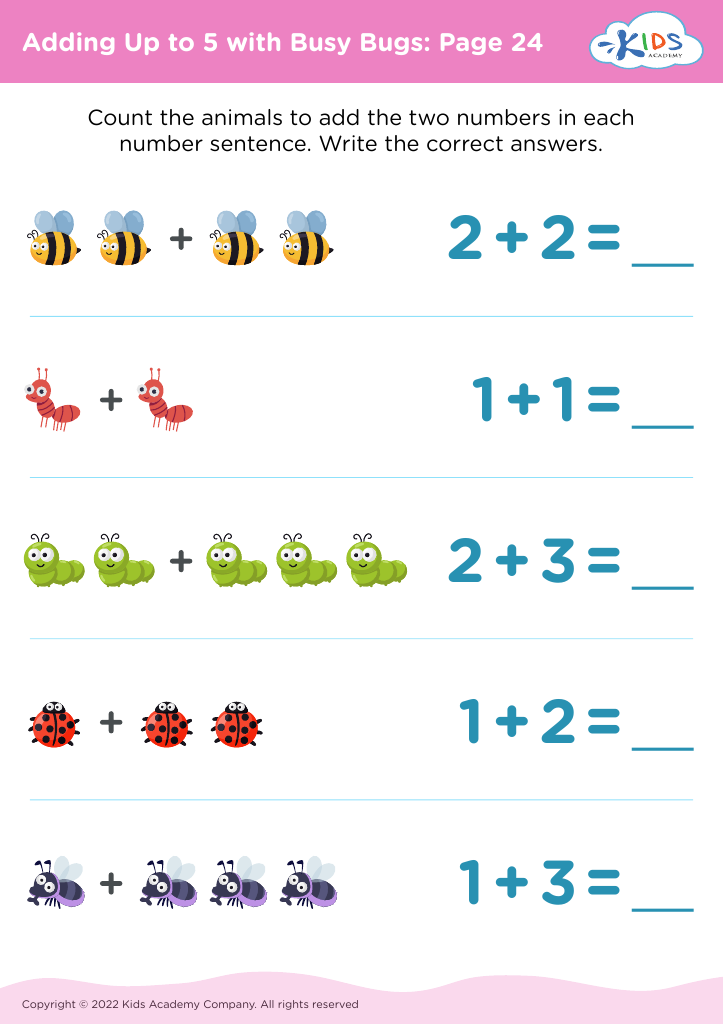
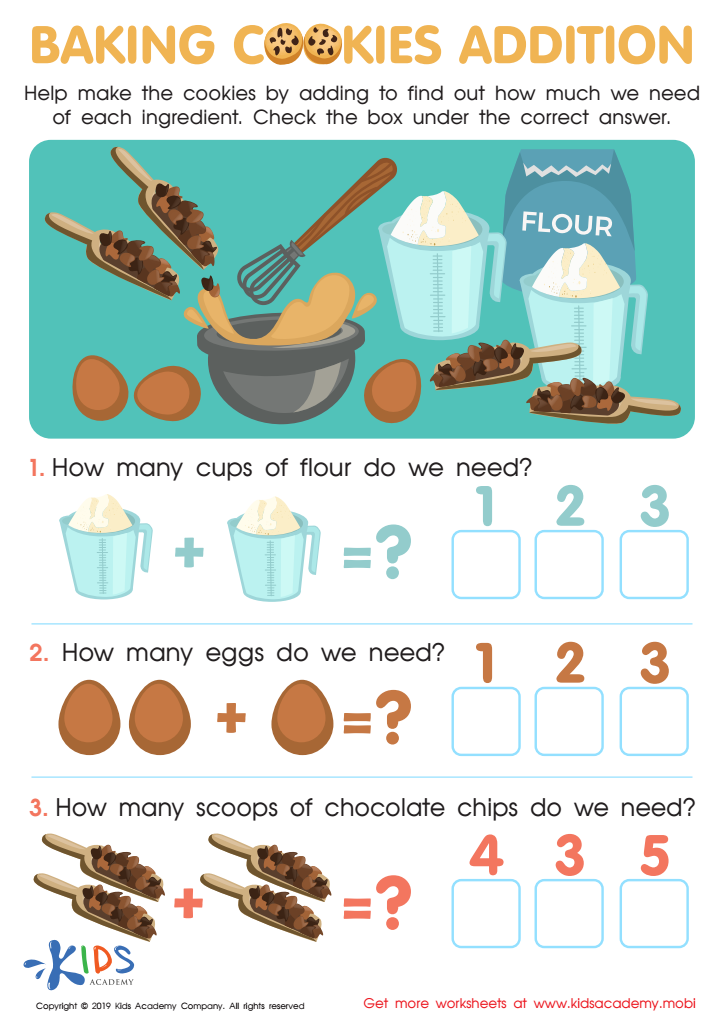
Baking Cookies Addition Worksheet
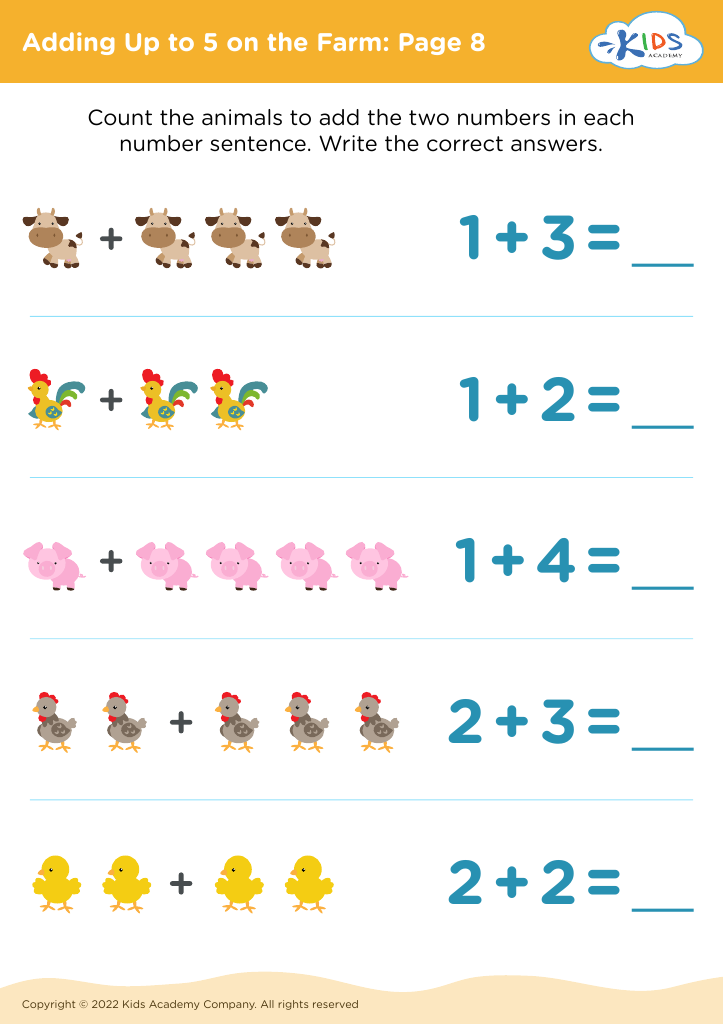
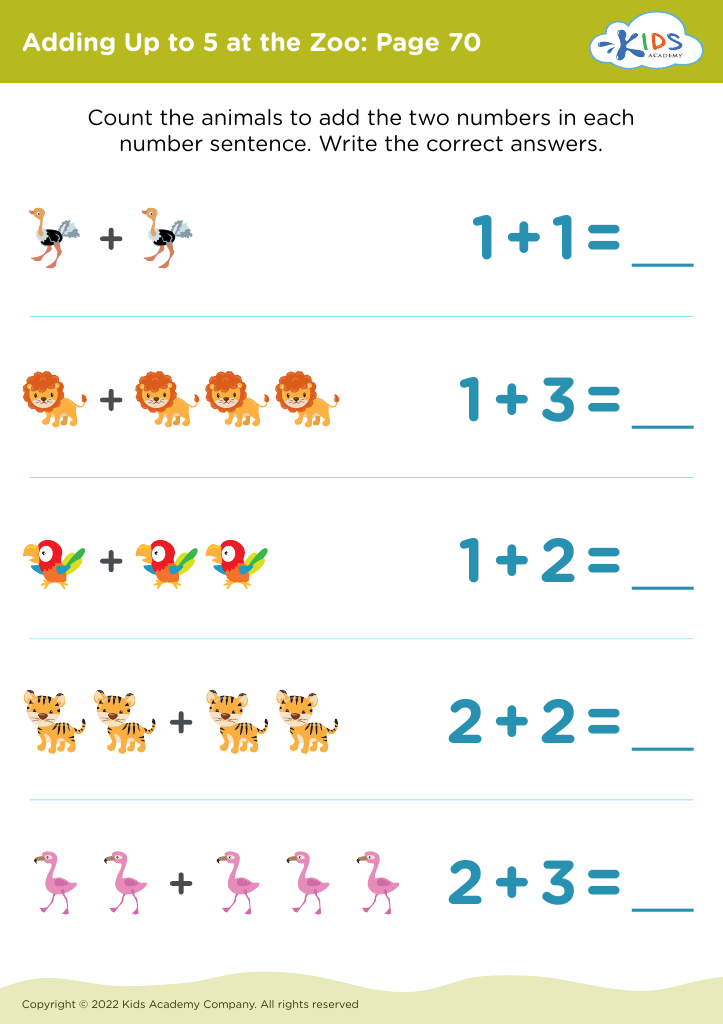
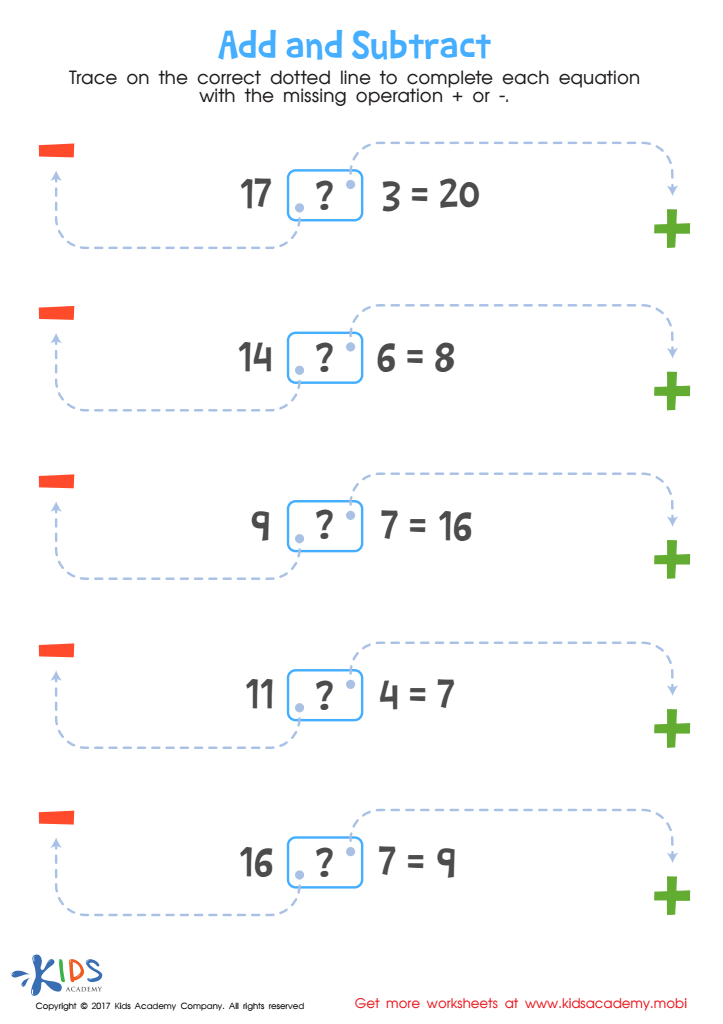
Add and Subtract Worksheet
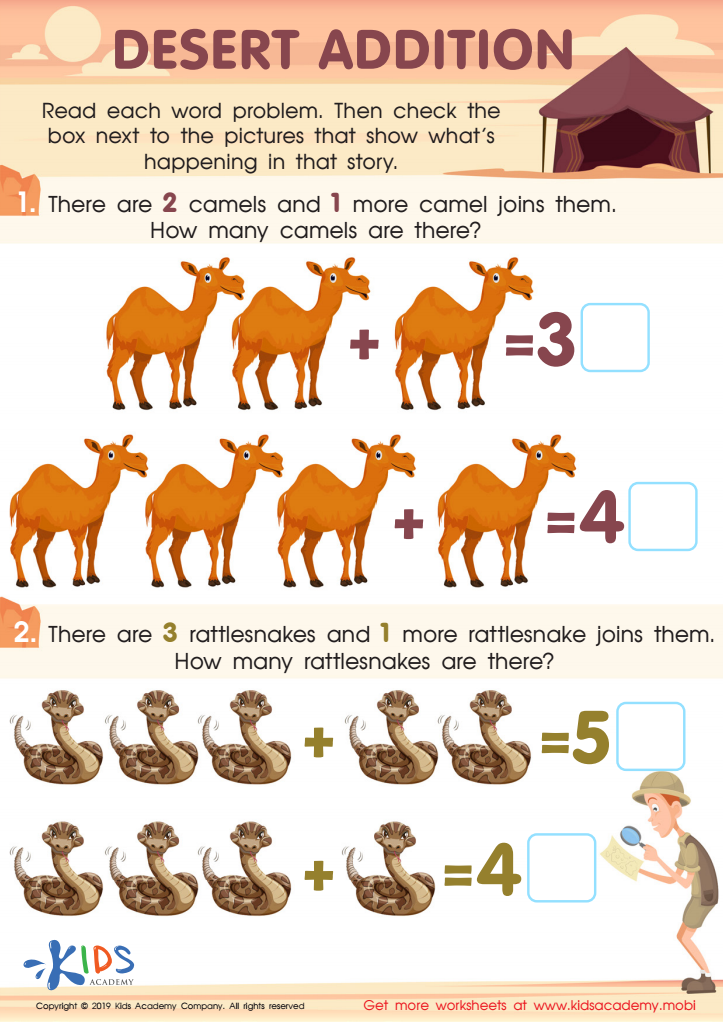
Desert Addition Worksheet
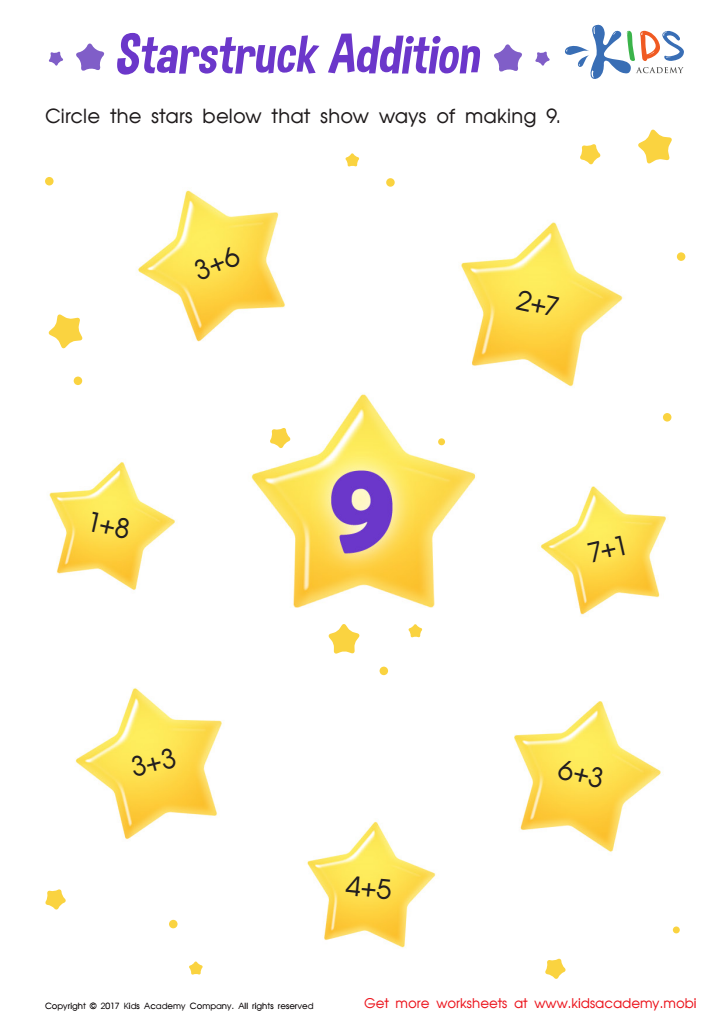
Starstruck Addition Printable
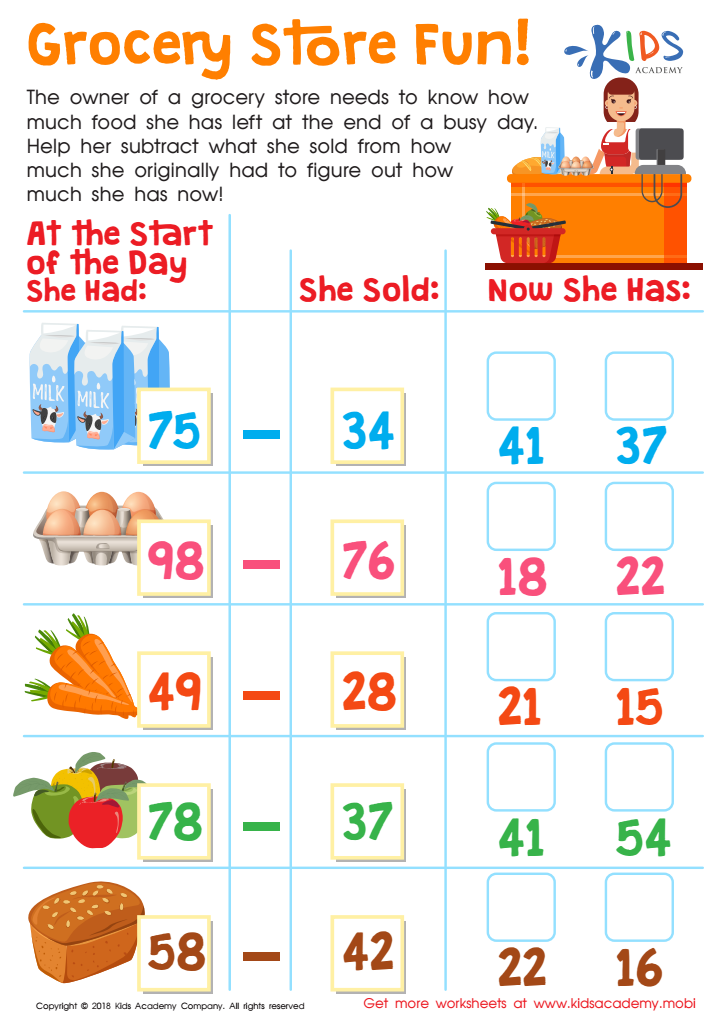
Grocery Store Fun! Worksheet








Developing addition and subtraction skills at an early age builds a strong foundation for future mathematical learning. For children aged 3-8, practicing these fundamental operations is crucial as they are formative years where cognitive abilities are rapidly evolving. Parents and teachers who prioritize addition and subtraction at this stage help foster logical thinking and problem-solving skills, which are invaluable across various domains in life, from academic to everyday situations.
Firstly, early math practice enhances a child's number sense, allowing them to understand and manipulate numbers with ease. By getting familiar with these basic operations, children feel more confident when dealing with more complex math concepts later on in their education.
Secondly, regular practice in addition and subtraction trains the brain to recognize patterns and relationships between numbers. This foundation lays the groundwork for understanding more advanced mathematical concepts like multiplication, division, fractions, and algebra.
Thirdly, developing proficiency in these skills provides immediate, practical benefits. Children can perform everyday tasks like counting objects, sharing items fairly, and understanding values without getting frustrated or intimidated. This analytical mindset also positively impacts their confidence and interest in learning, promoting an overall healthier attitude towards education.
Therefore, investing time and effort in supporting young children through addition and subtraction activities is an investment in their long-term academic success and intellectual development.








